How to Say "to repair" in Spanish
The most common Spanish word for “to repair” is “reparar” — use 'reparar' when you need to fix something that is broken or not working correctly, especially common objects like vehicles, appliances, or clothing.
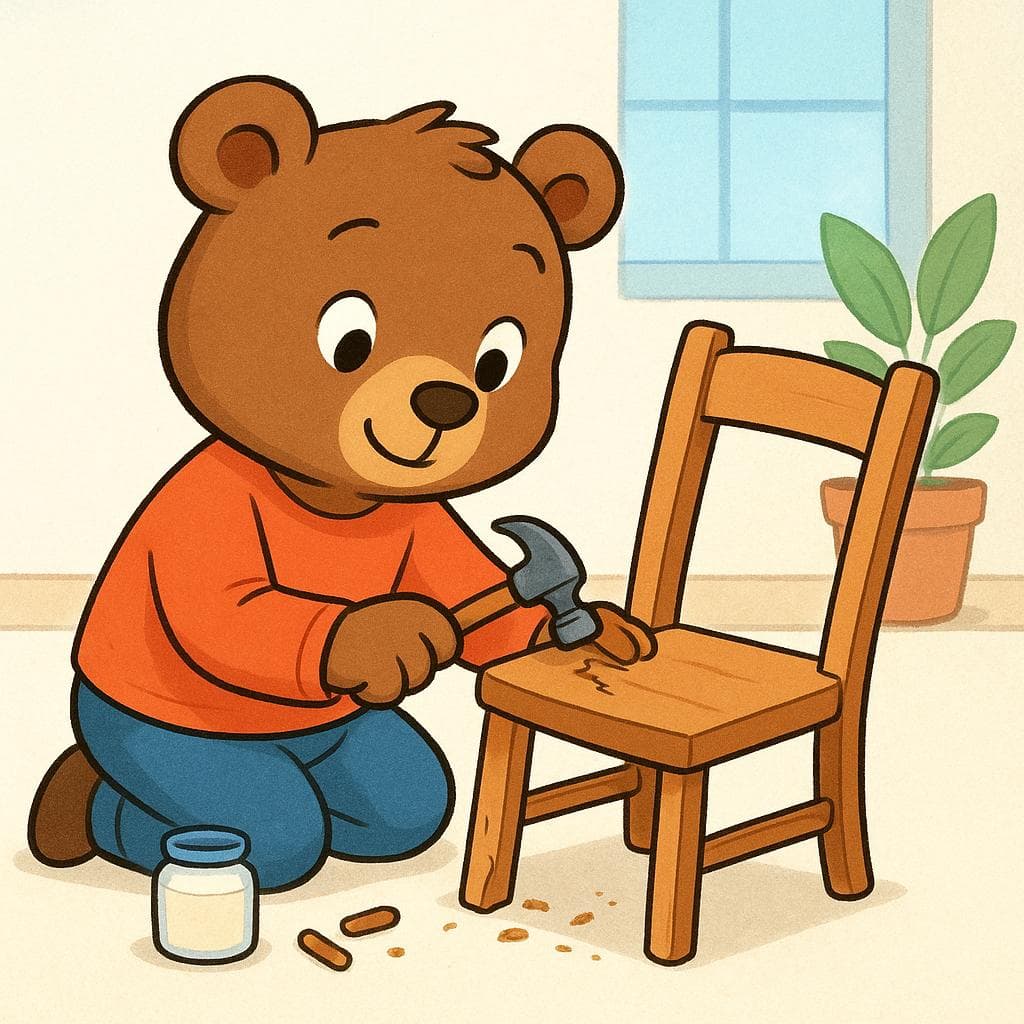
Use 'reparar' when you need to fix something that is broken or not working correctly, especially common objects like vehicles, appliances, or clothing.
Learn more →
Use 'componer' when fixing mechanical or physical systems, like an engine or a musical piece. It can also mean to make up or constitute something.
Learn more →reh-pah-RAHRre.paˈɾaɾ
Examples
Necesito reparar mi coche antes del viaje.
I need to repair my car before the trip.
El técnico vino a reparar la lavadora esta mañana.
The technician came to fix the washing machine this morning.
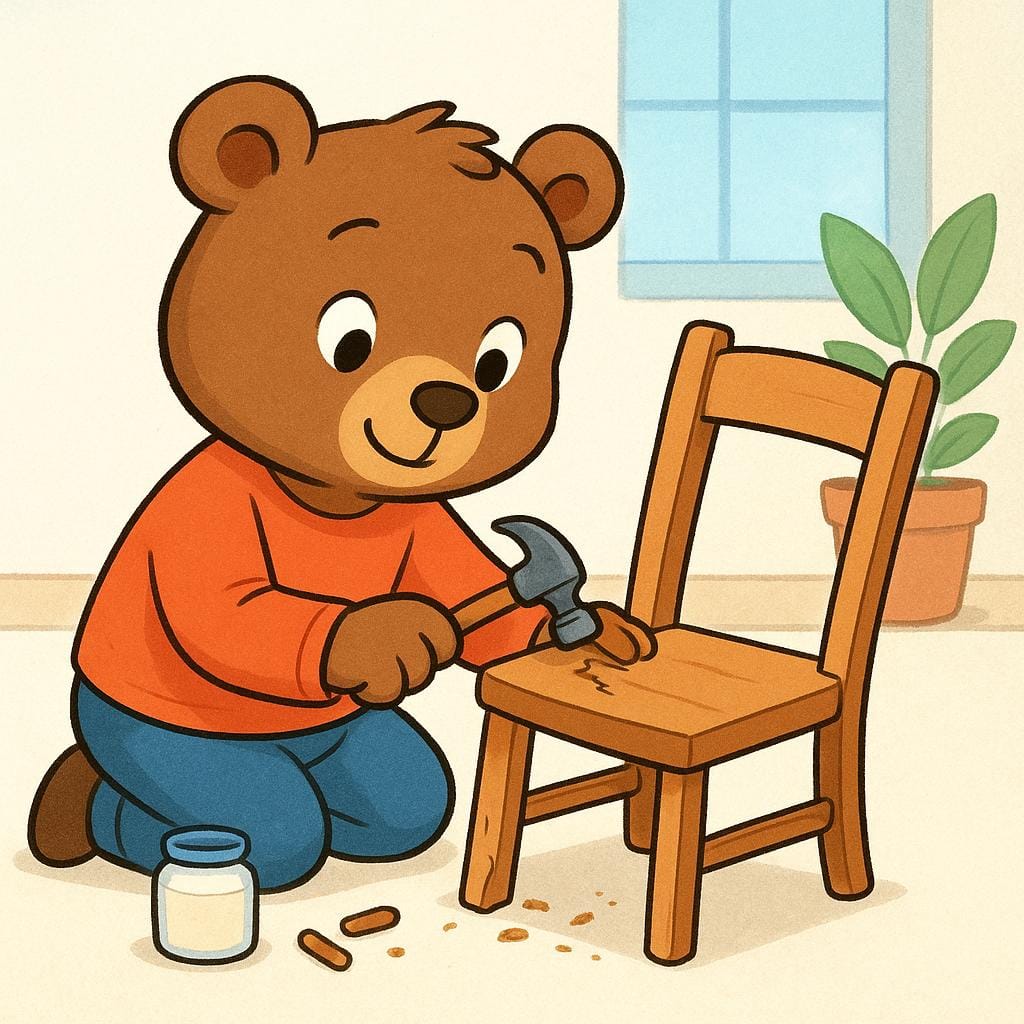
Repararon la silla rota con un poco de pegamento fuerte.
They mended the broken chair with some strong glue.
Direct Action Verb
Like many -ar verbs, 'reparar' describes a direct action on an object (the thing being fixed). You just need the subject (who is fixing) and the direct object (what is being fixed).
Confusing 'reparar' and 'arreglar'
Mistake: “Using 'arreglar' only for physical objects.”
Correction: While both mean 'to fix,' 'arreglar' is more general and informal, used for objects, situations, and even people ('arreglarse' means 'to get ready'). 'Reparar' usually focuses specifically on restoring something broken.
kom-po-nerkompoˈneɾ
Examples
El mecánico pudo componer el motor en una hora.
The mechanic was able to fix the engine in an hour.
Necesito que alguien venga a componer el aire acondicionado.
I need someone to come and repair the air conditioning.
Si se rompe la silla, mi papá la puede componer.
If the chair breaks, my dad can fix it.
Commanding a Fix
To tell someone 'Fix it!', use the short form '¡Compónlo!'. It’s short and punchy, just like 'pon' (put).
Regularizing the Future
Mistake: “Yo componeré la mesa.”
Correction: Yo compondré la mesa. (The 'e' disappears in the future tense.)
Choosing Between Reparar and Componer
The most common mistake is using 'componer' for simple repairs when 'reparar' is more appropriate. While 'componer' can sometimes be used for objects, 'reparar' is the go-to verb for fixing everyday broken items.
Related Translations
Learn Spanish with Inklingo
Interactive stories, personalized learning, and more.