How to Say "withdrawal" in Spanish
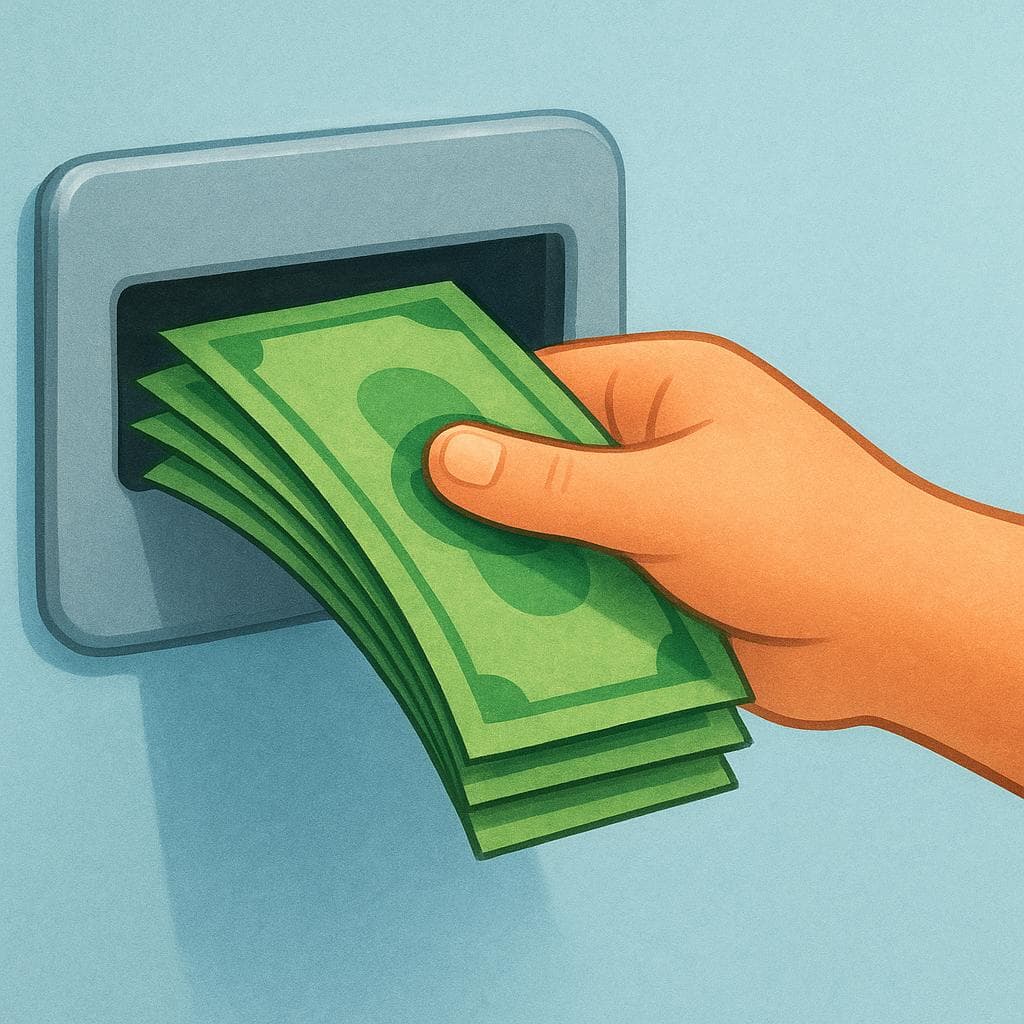
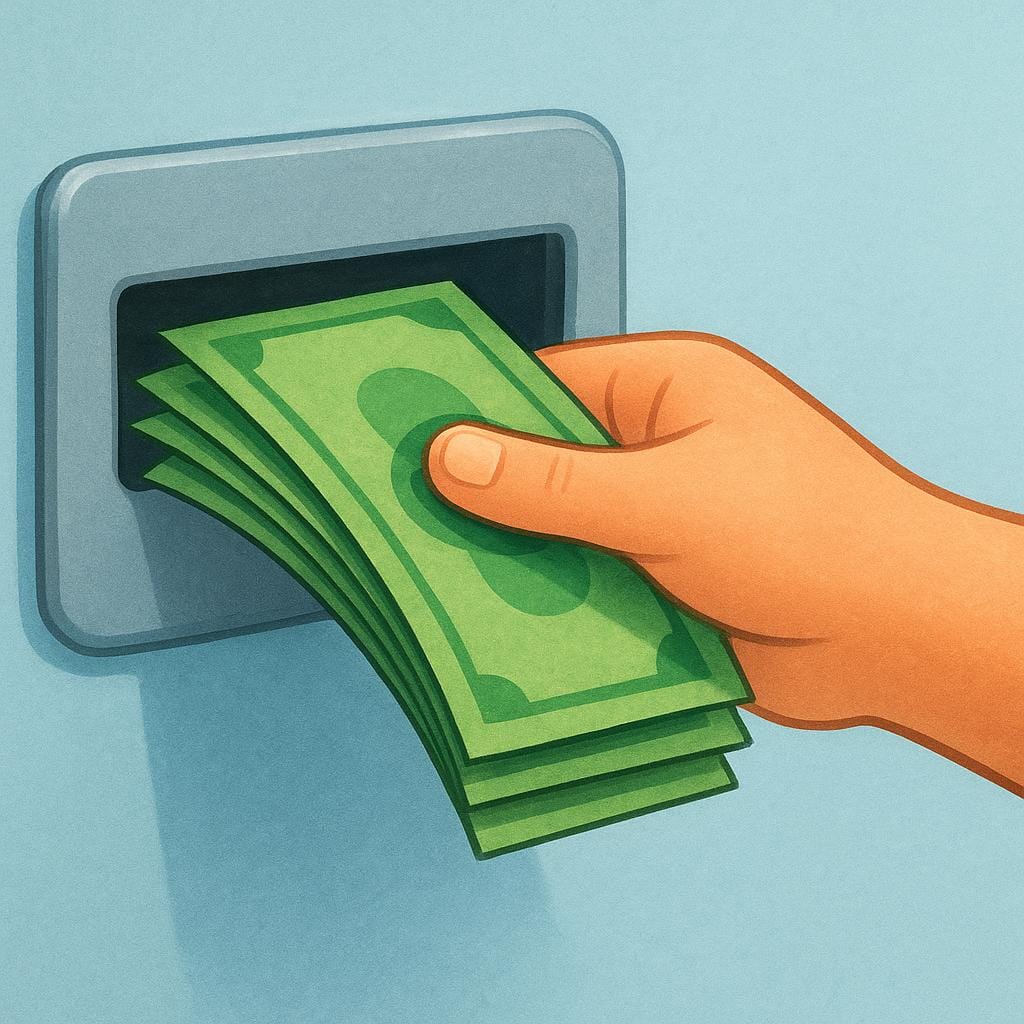
The most common Spanish word for “withdrawal” is “retiro” — use 'retiro' when talking about taking money out of a bank account or ATM.


retiro
reh-TEE-rohreˈtiɾo
Examples
Necesito hacer un retiro de cien dólares del cajero.
I need to make a withdrawal of one hundred dollars from the ATM.
El banco cobra una comisión por cada retiro internacional.
The bank charges a fee for every international withdrawal.
Using the Verb Correctly
Mistake: “Hacer la retiro (Incorrect gender)”
Correction: Hacer el retiro (Use the masculine article 'el'.)
retirada
reh-tee-RAH-dahre.tiˈɾa.ða
Examples
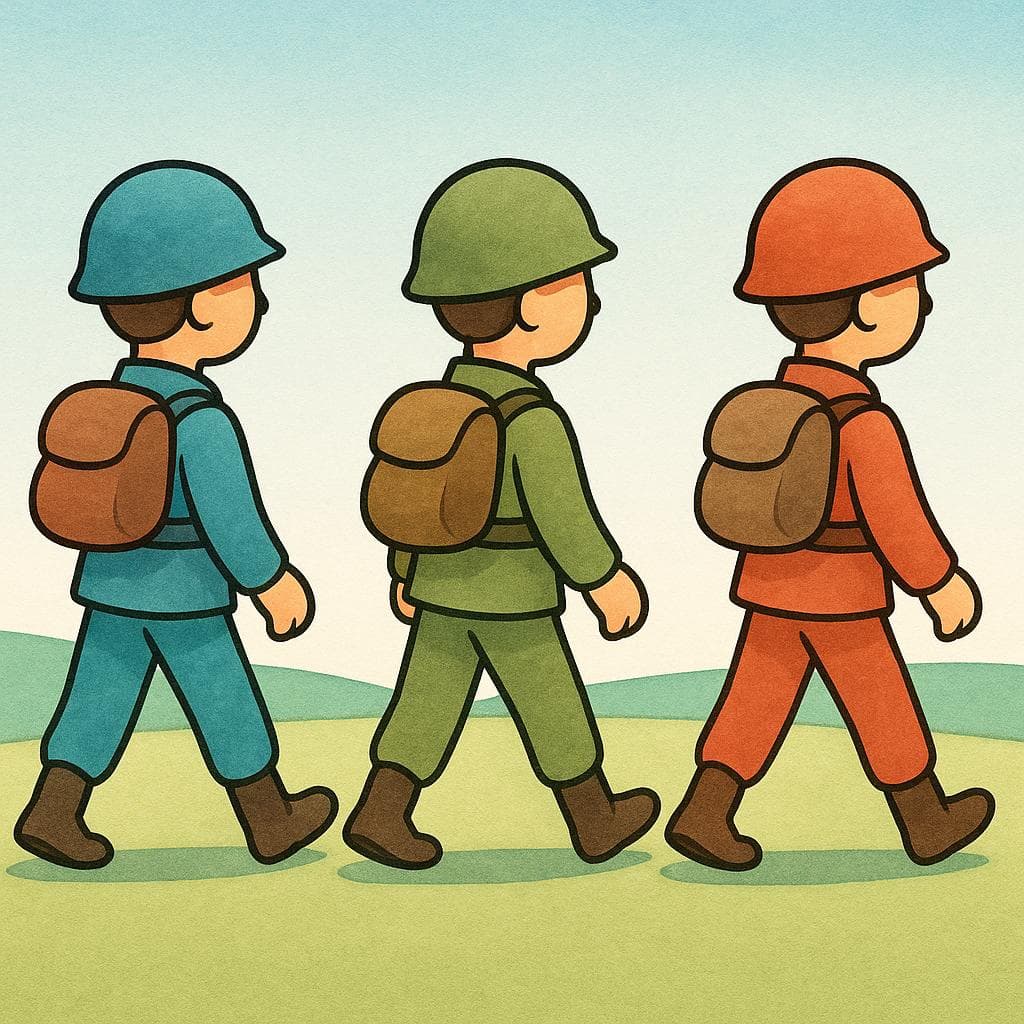
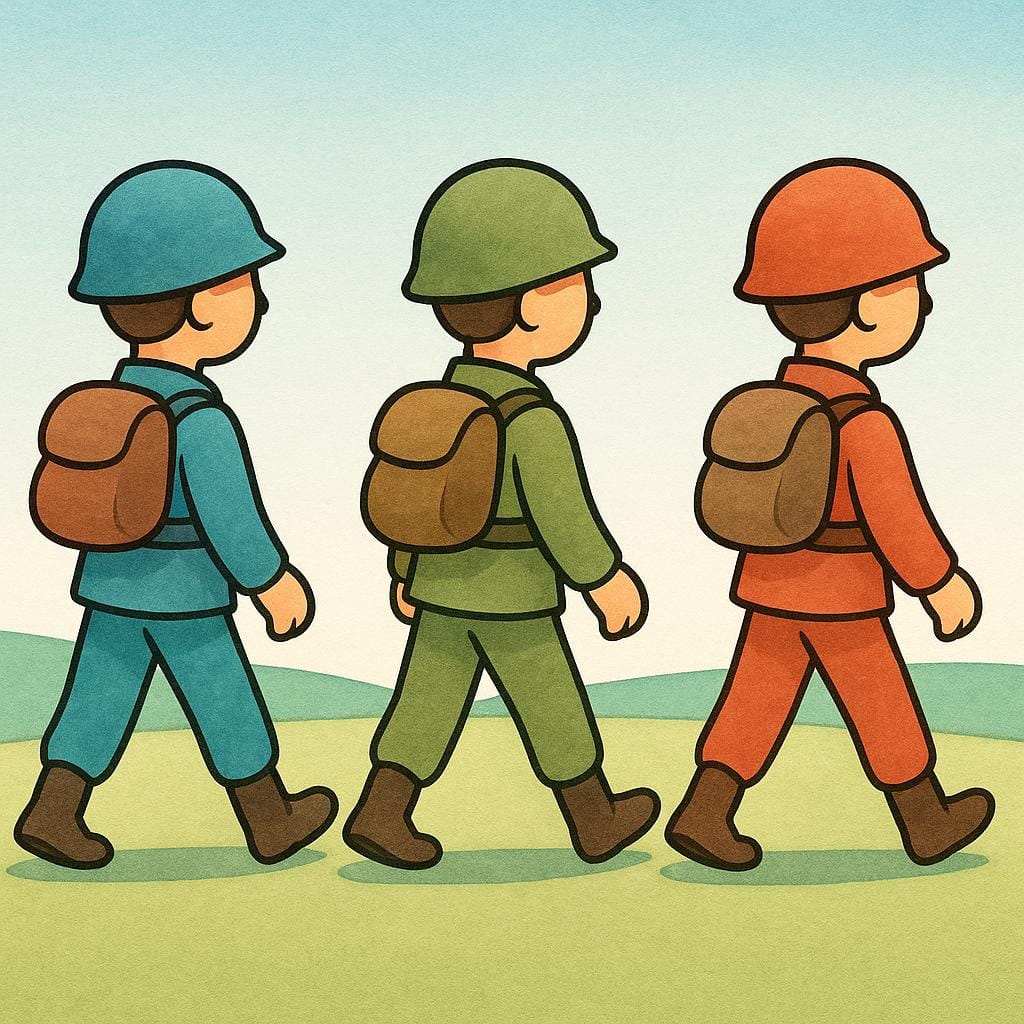
Tras el ataque, la retirada del ejército enemigo fue rápida.
After the attack, the enemy army's retreat was swift.
La tormenta forzó la retirada de los barcos al puerto.
The storm forced the withdrawal of the ships to port.
Always Feminine
Even though it comes from the verb 'retirar,' 'retirada' is a noun and must always use feminine articles: 'la retirada' or 'una retirada'.
Confusing Noun and Adjective
Mistake: “Usar 'un retirada' (using the masculine article).”
Correction: Use 'una retirada.' Remember that the word ends in '-a' and is feminine.
abstinencia
abs-tee-NEN-syahabstiˈnensja
Examples
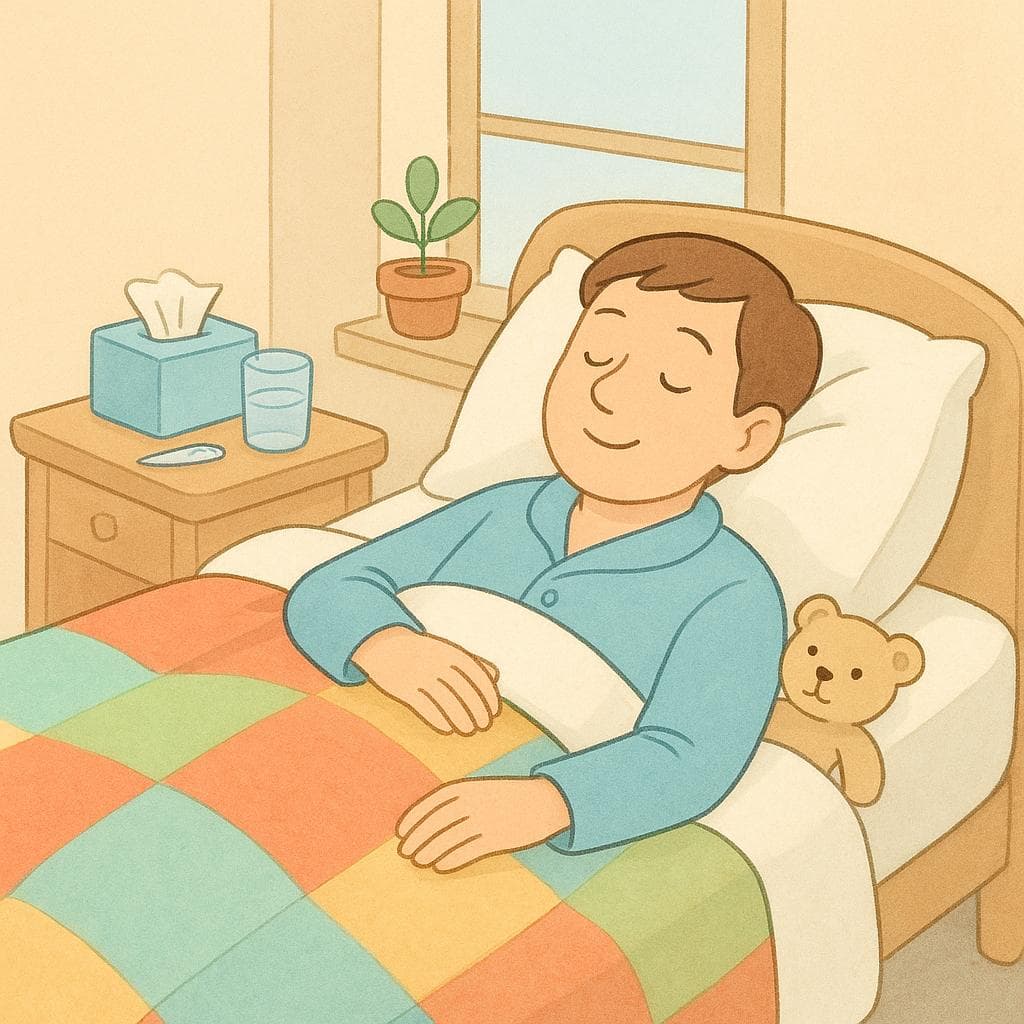
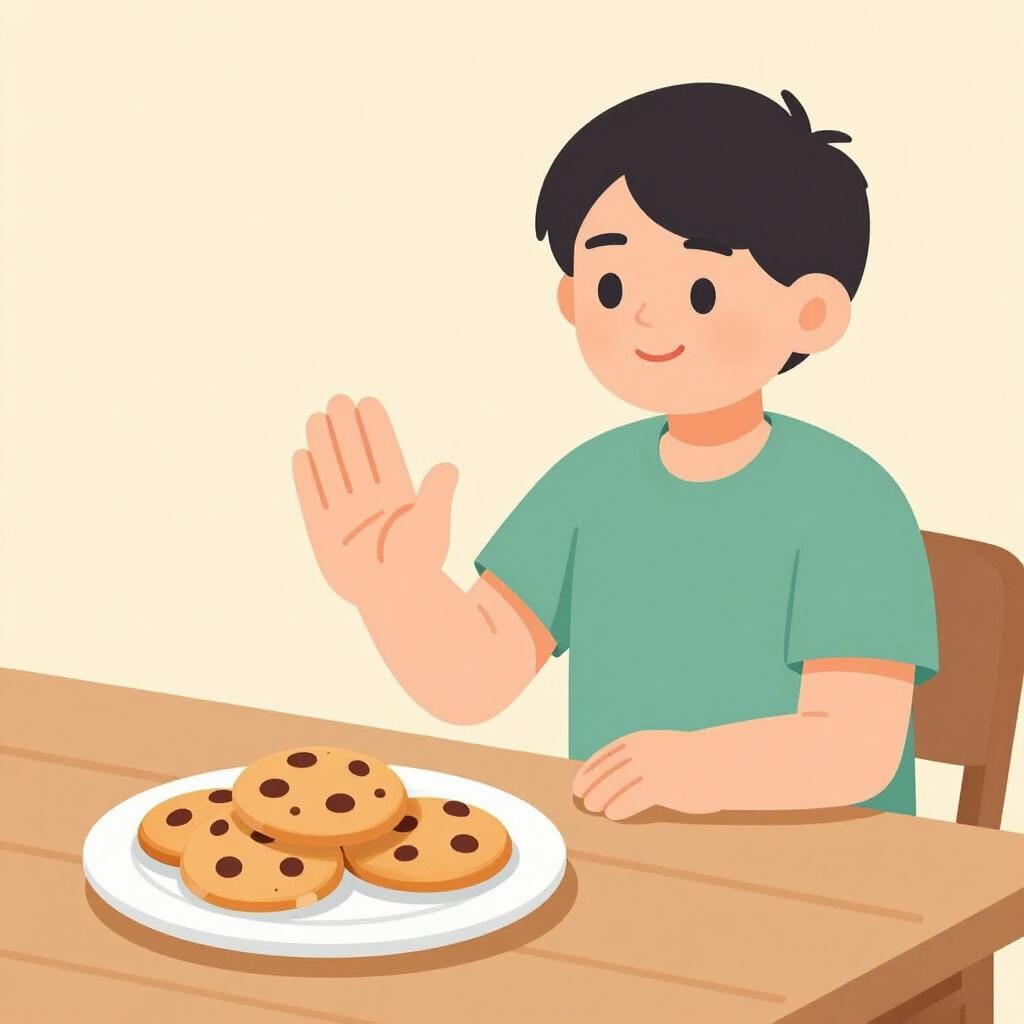
El médico le recomendó abstinencia total de alcohol.
The doctor recommended total abstinence from alcohol.
La abstinencia de carne es una tradición en algunos días festivos.
Refraining from meat is a tradition on some holidays.
Siente mucha ansiedad debido al síndrome de abstinencia.
He feels a lot of anxiety due to withdrawal syndrome.
Using 'de' to describe the habit
In Spanish, we always use the word 'de' (of/from) right after 'abstinencia' to say exactly what you are giving up, like 'abstinencia de azúcar' (abstinence from sugar).
It is always feminine
Since it ends in -ia, it is a feminine noun. Use 'la' or 'una' with it, and make sure any describing words (adjectives) end in 'a', like 'abstinencia prolongada'.
Using 'a' instead of 'de'
Mistake: “abstinencia a las drogas”
Correction: abstinencia de las drogas
baja
BA-haˈbaxa

Examples
Mi colega está de baja por maternidad.
My colleague is on maternity leave.
El médico me dio la baja por una semana.
The doctor gave me sick leave for a week.
El ejército reportó cinco bajas en el combate.
The army reported five casualties in the combat.
recesión
Examples
El país entró en una recesión económica el año pasado.
The country entered an economic recession last year.
saque
SAH-kehˈsa.ke

Examples
El banco limitó el saque de efectivo diario.
The bank limited the daily cash withdrawal.
Tenemos que revisar el saque de mercancía del almacén.
We have to review the extraction (or removal) of merchandise from the warehouse.
Formal Contexts
In banking and business, 'saque' is often used in official documentation, even if people use 'retiro' in daily conversation.
jubilación
Examples
Mi abuelo está muy feliz desde su jubilación.
My grandfather has been very happy since his retirement.
Financial vs. General Withdrawal
Related Translations
Learn Spanish with Inklingo
Interactive stories, personalized learning, and more.