Insects & Bugs in Spanish
This vocabulary list dives into the fascinating world of insects and bugs in Spanish! Learning these words can be super practical, whether you're describing a garden pest, a buzzing bee, or even just understanding common expressions. Interestingly, Spanish often uses 'bicho' as a general term for bug or critter, much like we might use 'critter' in English, and it can sometimes even be used informally for people!
Quick Reference
| Spanish | English | Example | Level |
|---|---|---|---|
abejas | bees | Las abejas son muy importantes para el planeta. | A1 |
bicho | bug | Hay un bicho enorme en mi ensalada. ¡Qué asco! | A2 |
caracol | snail | Hay un caracol pequeño en esa planta. | A1 |
gusano | worm | Después de la lluvia, vimos muchos gusanos en el suelo. | A1 |
hormiga | ant | Mira esa hormiga cargando una hoja. | A1 |
insectos | insects | Hay muchos insectos volando cerca de la luz. | A1 |
mariposa | butterfly | Vi una mariposa de colores en el jardín. | A1 |
mosca | fly | Hay una mosca muy molesta zumbando cerca de la ventana. | A1 |
mosquito | mosquito | Hay un mosquito en mi habitación y no puedo dormir. | A1 |
capullo | bud | Las rosas todavía están en capullo. | B1 |
cucaracha | cockroach | Hay una cucaracha corriendo por el suelo de la cocina. | A1 |
escarabajo | beetle | El escarabajo es un insecto con un caparazón duro. | A2 |
A1 — Beginner (11 words)
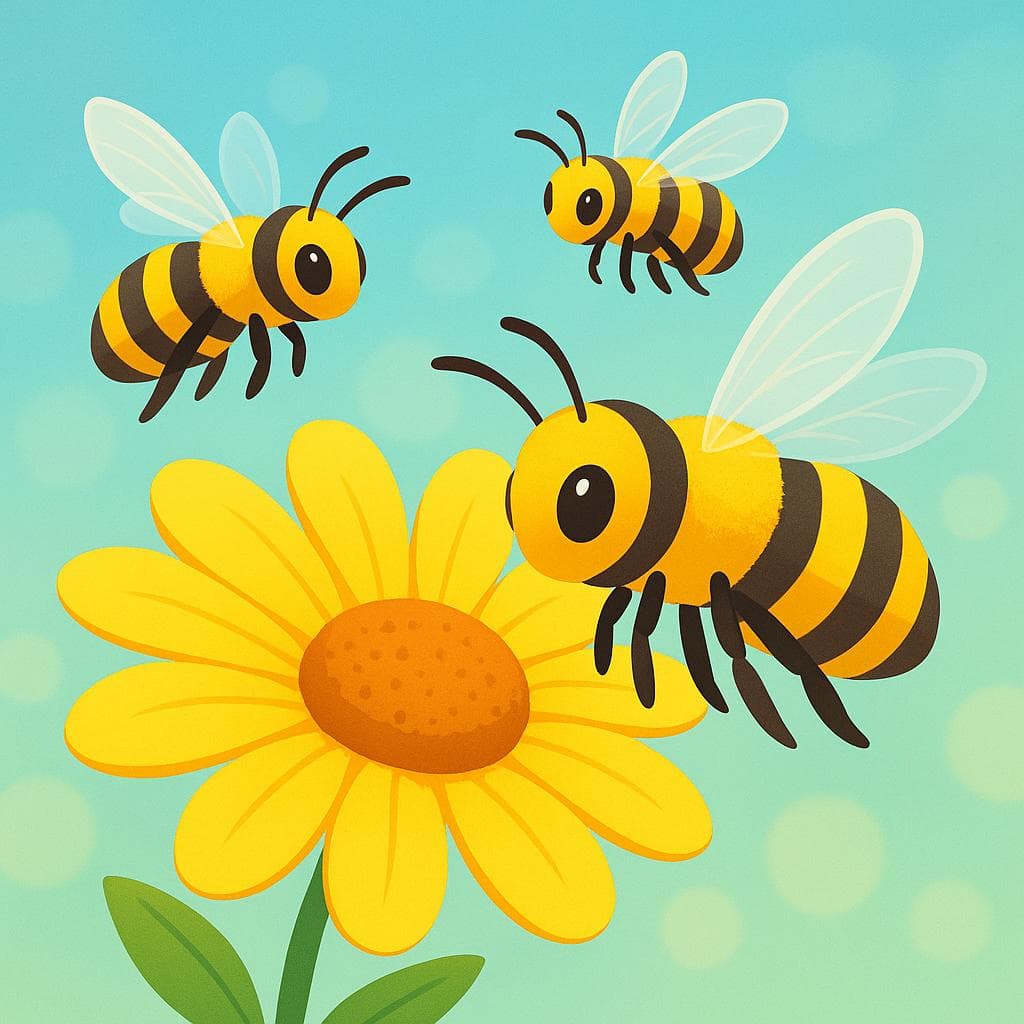
bees
“Las abejas son muy importantes para el planeta.”
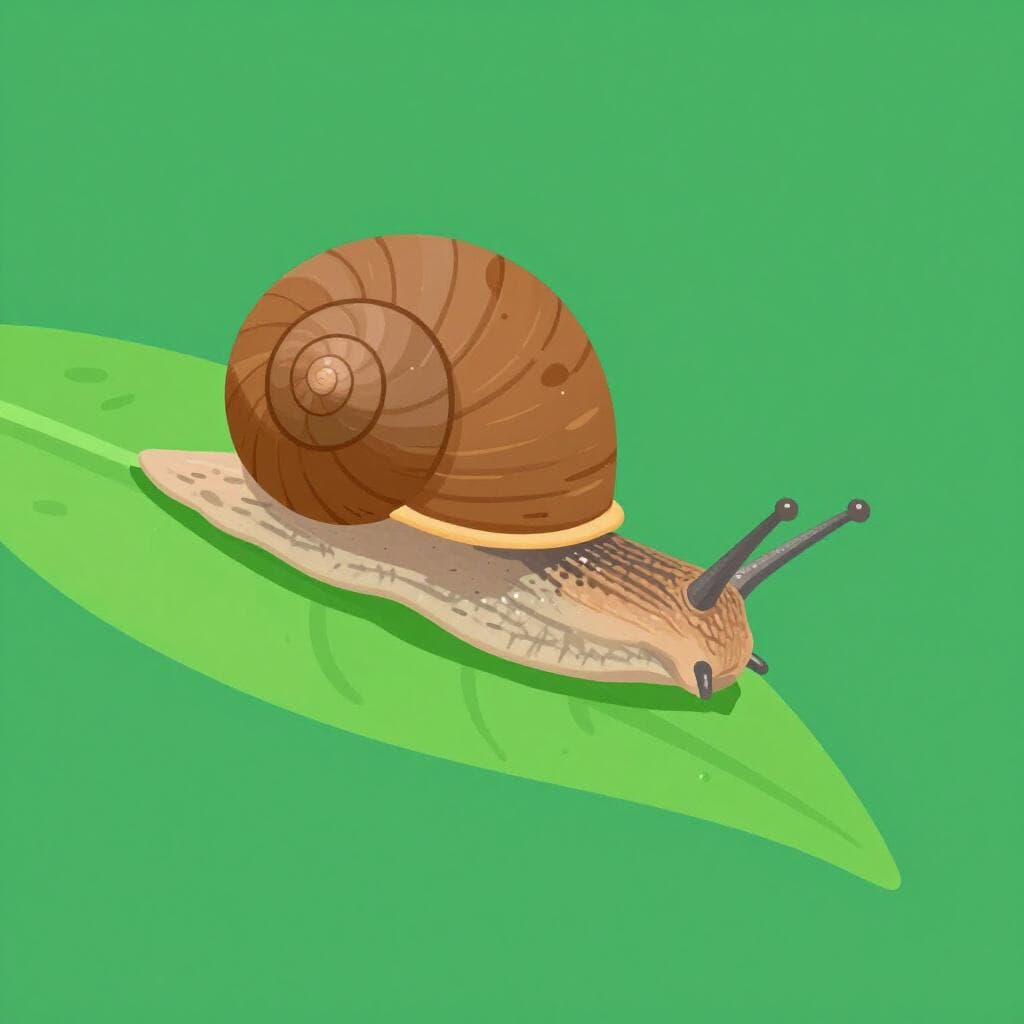
snail
“Hay un caracol pequeño en esa planta.”
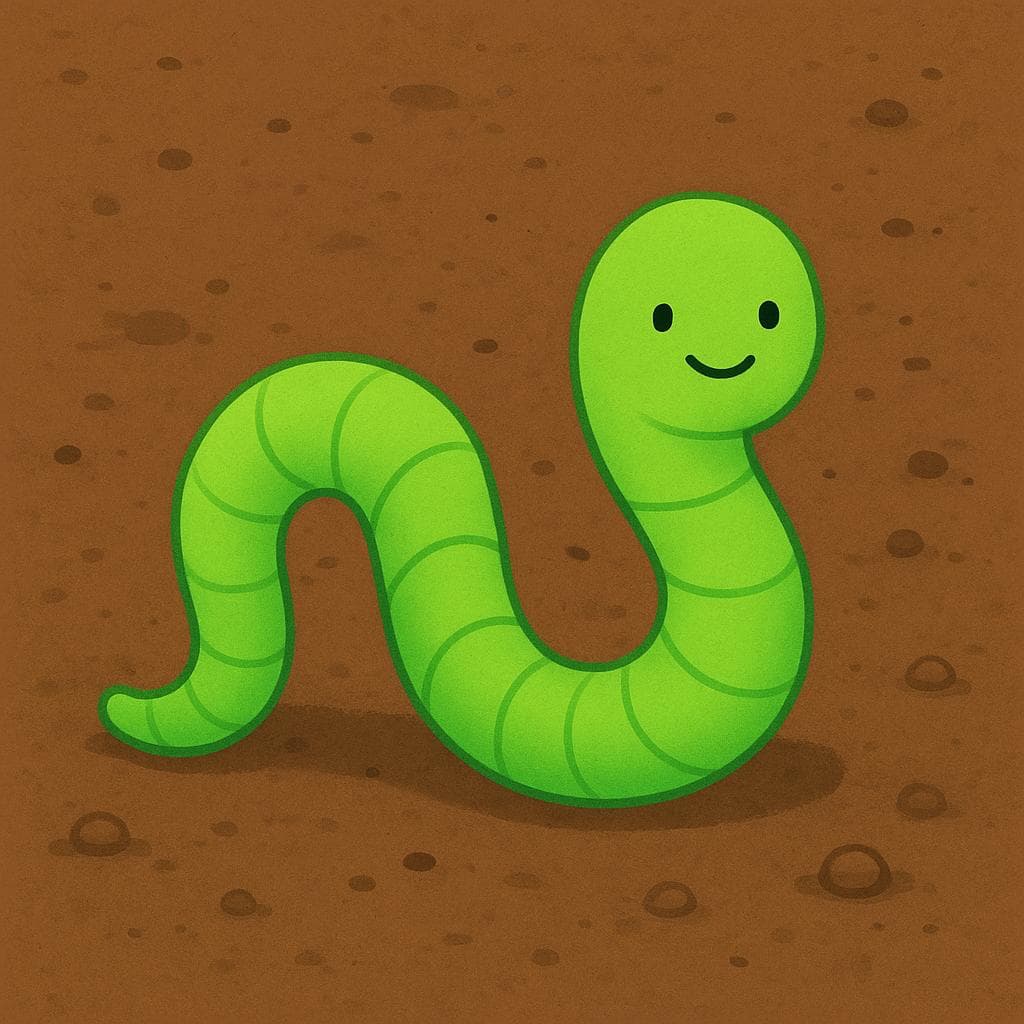
worm
“Después de la lluvia, vimos muchos gusanos en el suelo.”

ant
“Mira esa hormiga cargando una hoja.”
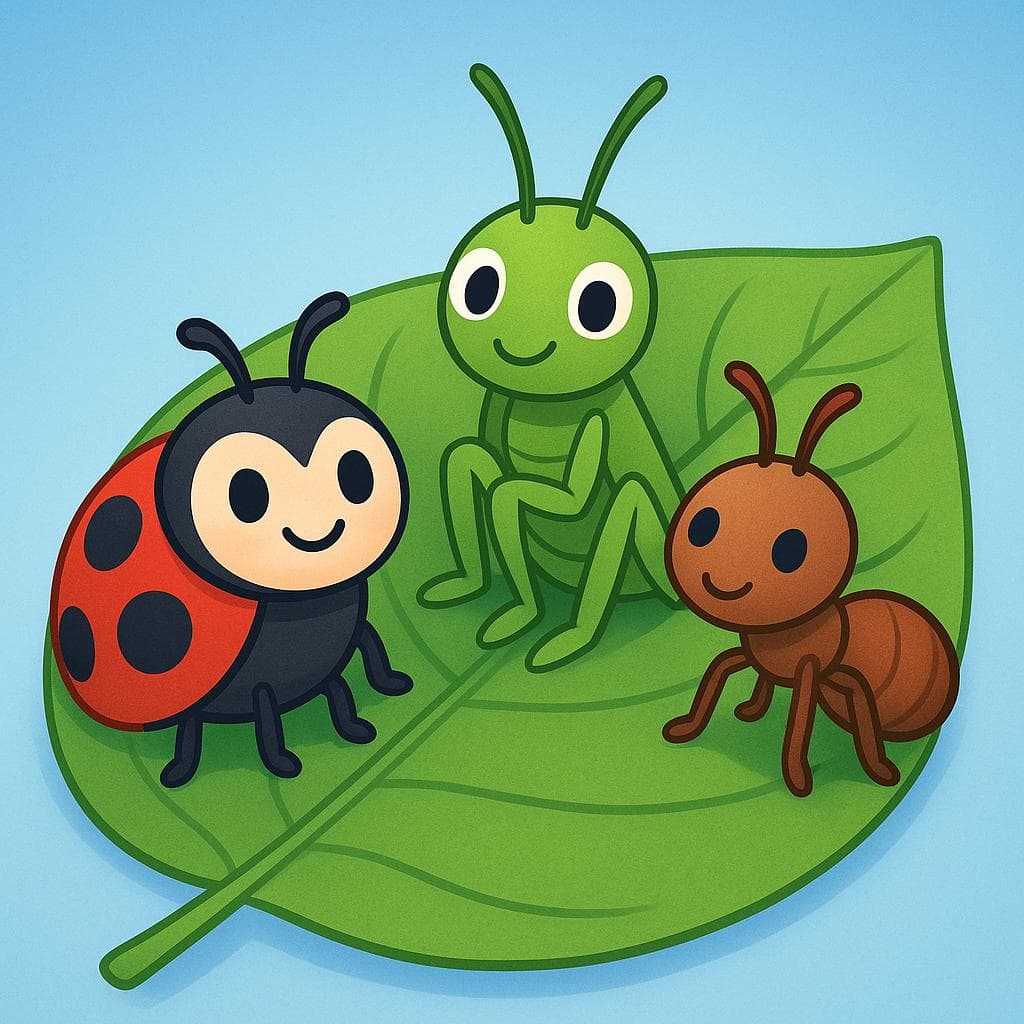
insects
“Hay muchos insectos volando cerca de la luz.”

butterfly
“Vi una mariposa de colores en el jardín.”
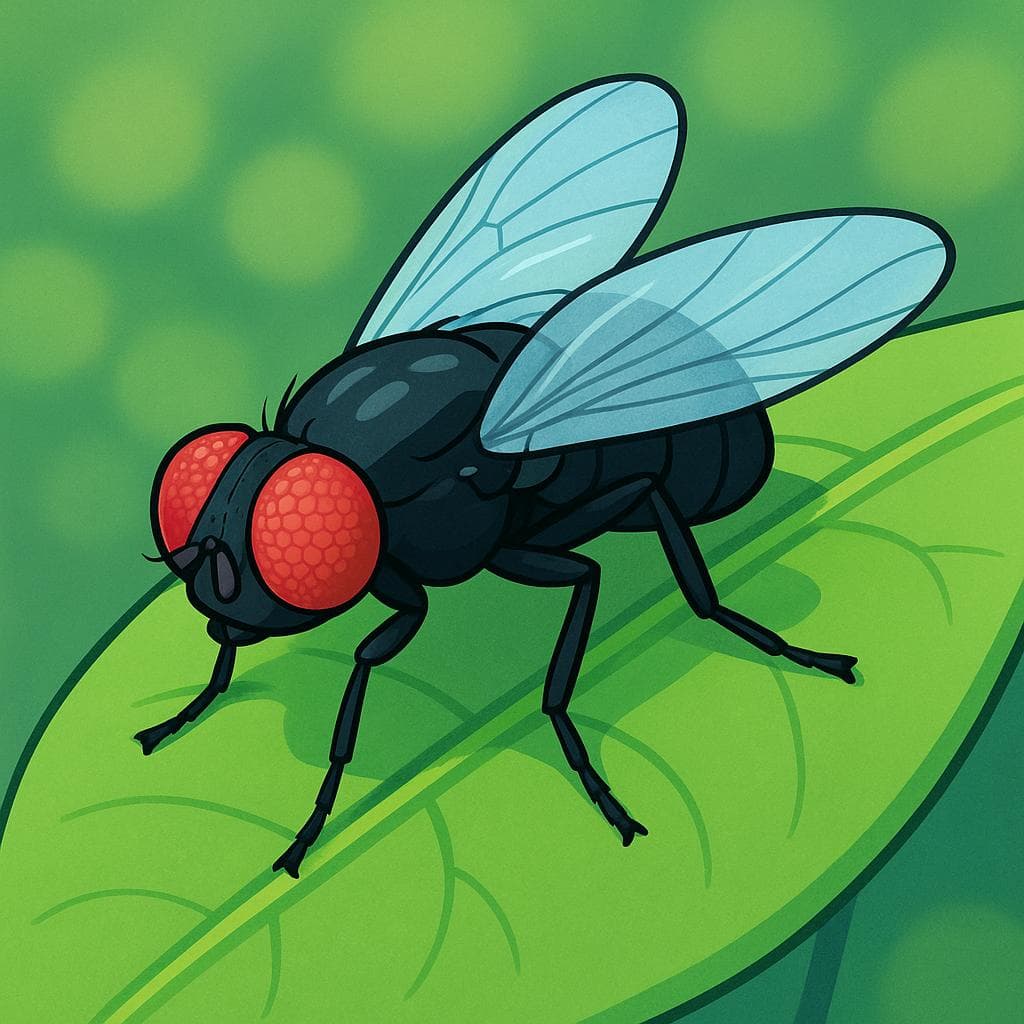
fly
“Hay una mosca muy molesta zumbando cerca de la ventana.”

mosquito
“Hay un mosquito en mi habitación y no puedo dormir.”

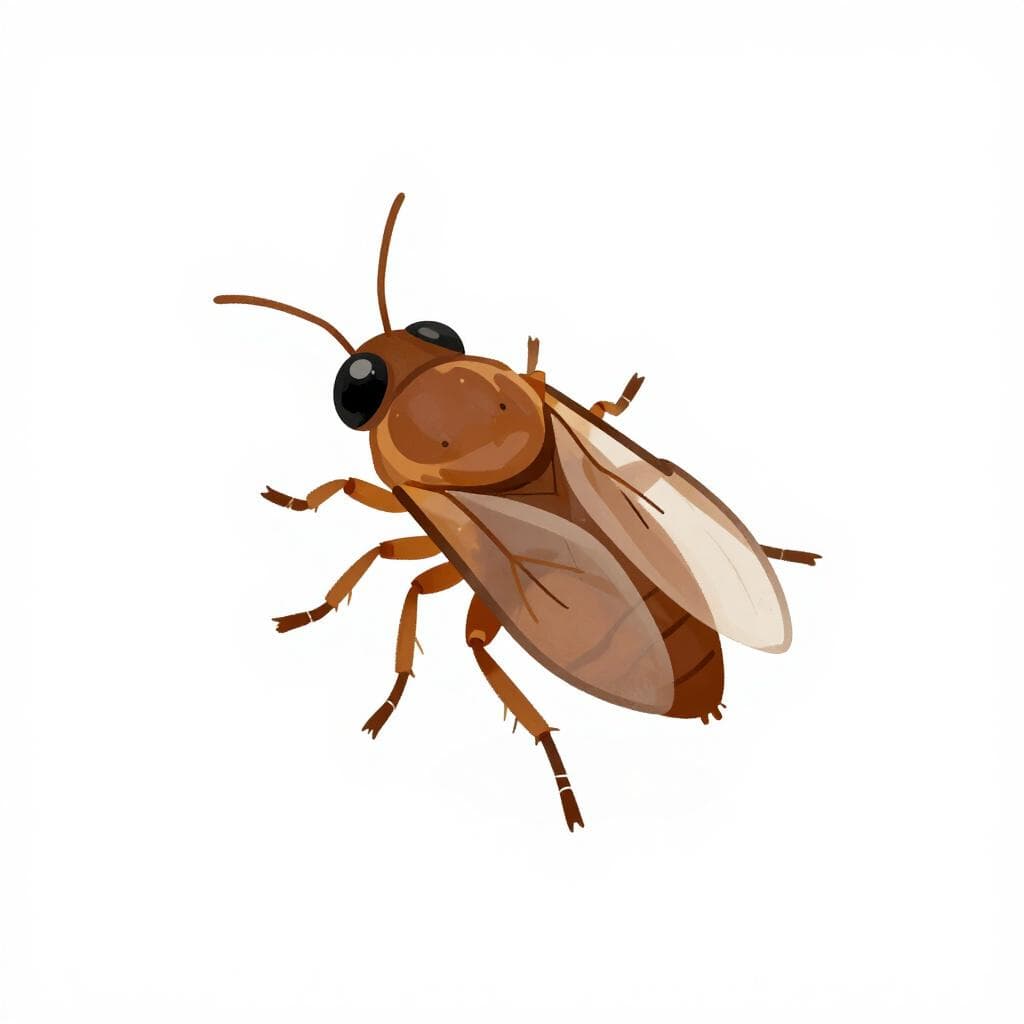
cockroach
“Hay una cucaracha corriendo por el suelo de la cocina.”
flea
“Mi perro tiene pulgas.”

toad
“El sapo saltó al jardín después de la lluvia.”
A2 — Elementary (5 words)
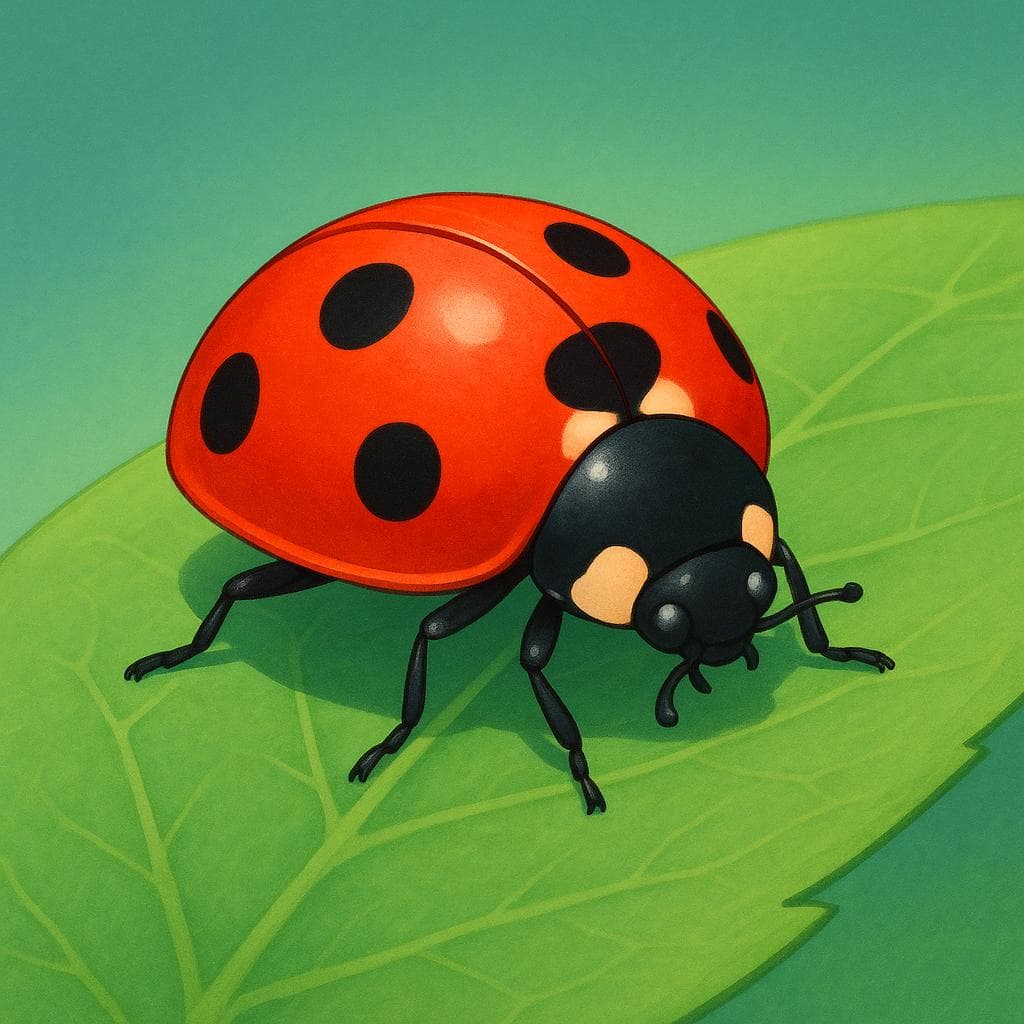
bug
“Hay un bicho enorme en mi ensalada. ¡Qué asco!”
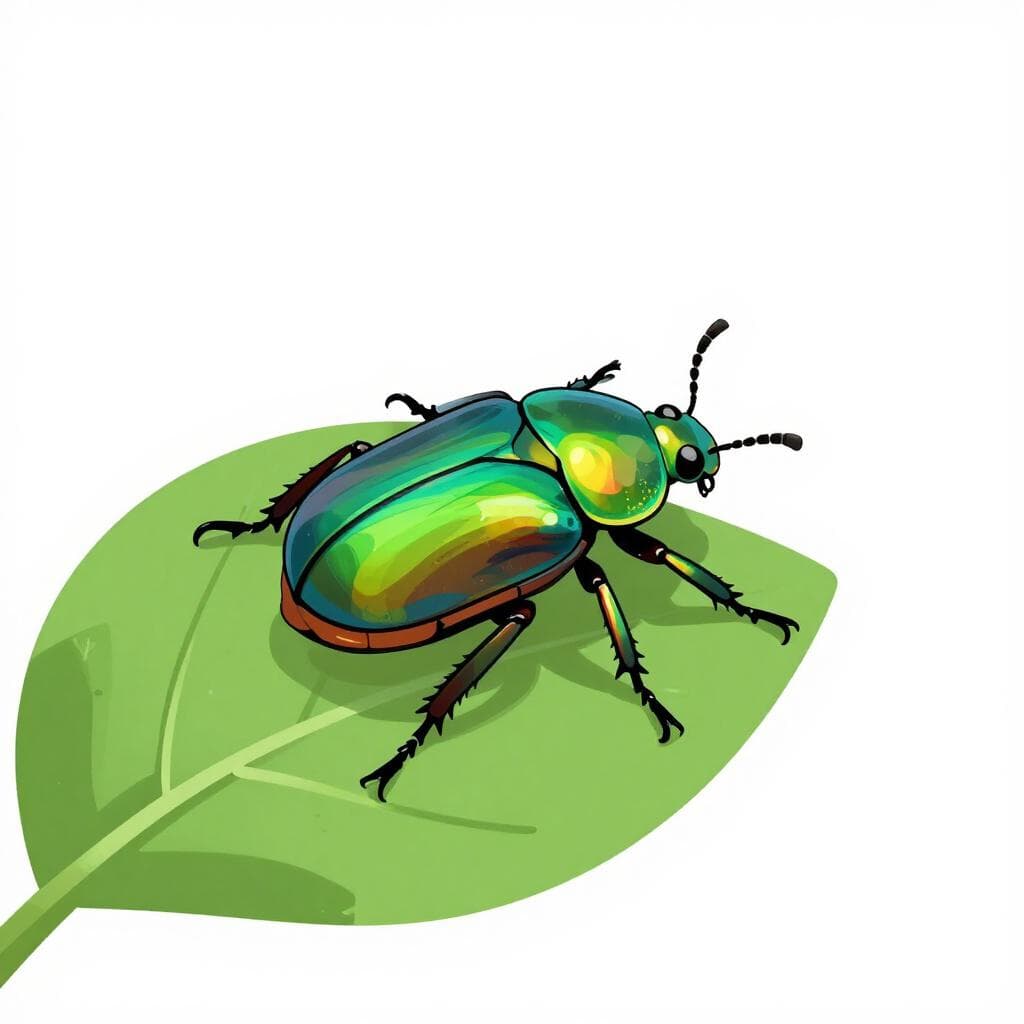
beetle
“El escarabajo es un insecto con un caparazón duro.”
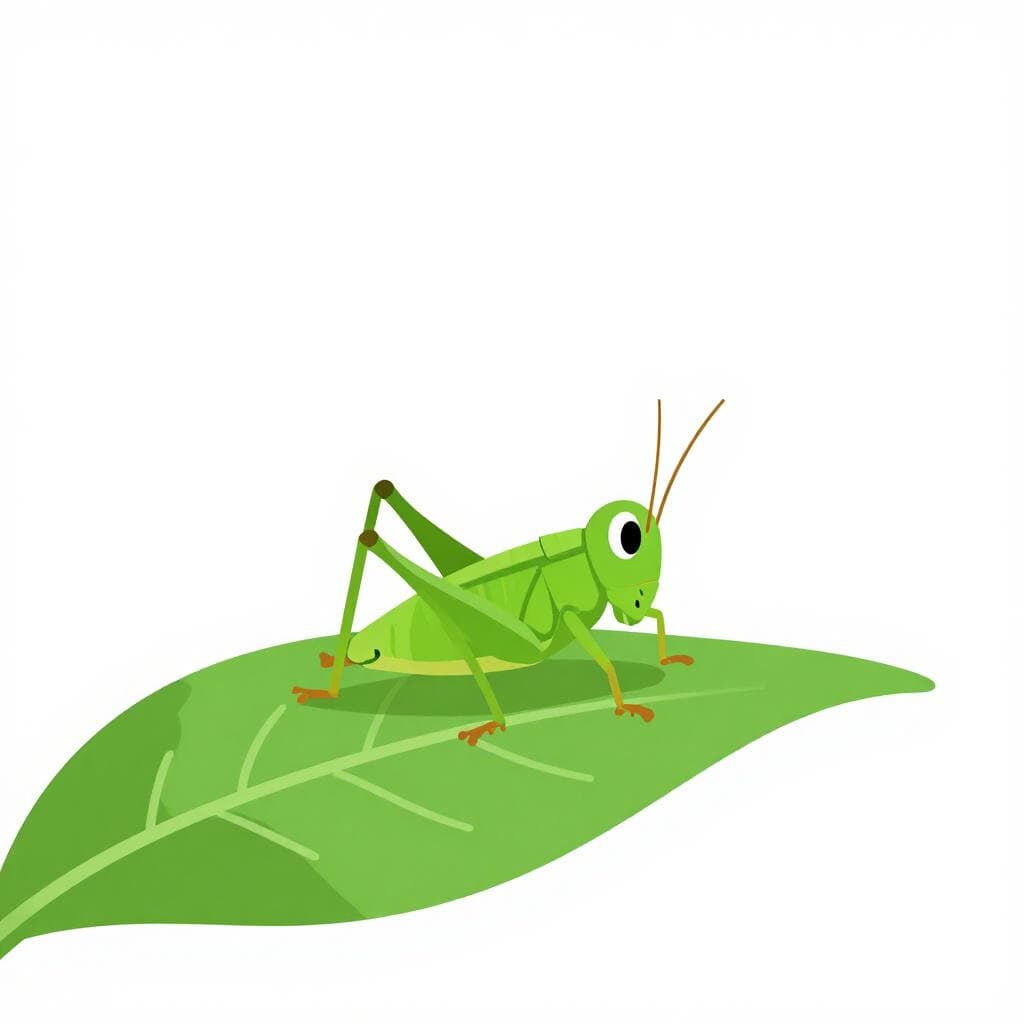
cricket
“Había un grillo cantando en mi habitación y no me dejaba dormir.”

scorpion
“Había un escorpión pequeño debajo de la piedra.”
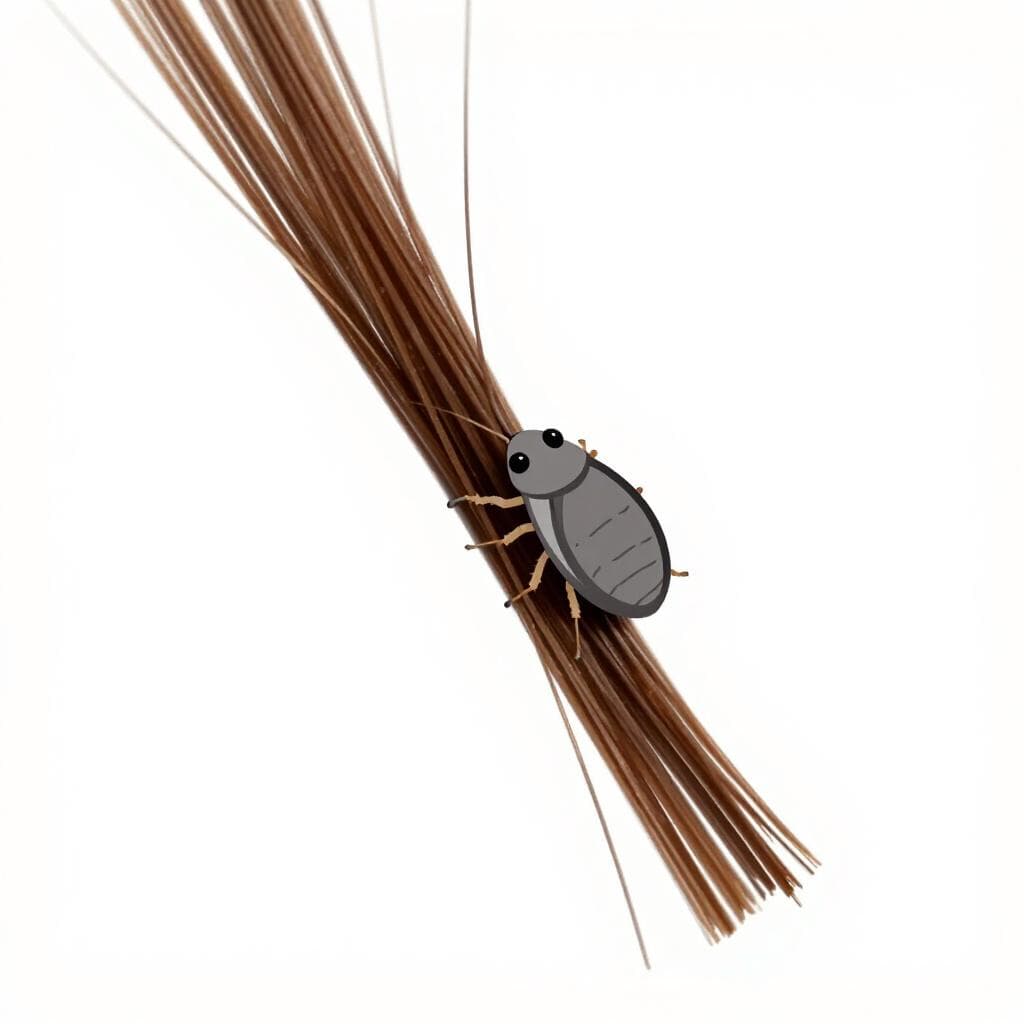
louse
“Mi hijo tiene un piojo en el pelo.”
B1 — Intermediate (2 words)

bud
“Las rosas todavía están en capullo.”

plague
“La plaga de langostas destruyó toda la cosecha.”
B2 — Upper Intermediate (1 words)

bailiff
“El alguacil de la corte leyó los cargos en voz alta.”
Grammar Tips
Gender and Pluralization
Like many Spanish nouns, insect and bug names have grammatical gender. Most end in -a (feminine) or -o (masculine). Plurals are usually formed by adding -s or -es. For example, 'la hormiga' (the ant) becomes 'las hormigas' (the ants), and 'el escarabajo' (the beetle) becomes 'los escarabajos' (the beetles).
'Bicho' - A Versatile Term
The word 'bicho' is a handy, general term for bug or insect. It's common in many Spanish-speaking countries and can be masculine ('el bicho') or feminine ('la bicha') depending on regional usage, though 'el bicho' is more frequent. It can also be used informally to refer to an animal or even a person, sometimes affectionately or pejoratively.
Adjectives Follow Nouns
Remember that descriptive adjectives usually come *after* the noun in Spanish. So, instead of saying 'the big ant,' you'd say 'la hormiga grande.' This applies to all the insect and bug vocabulary here.
Common Mistakes
Incorrect Adjective Placement
Mistake: “Yo vi un grande escarabajo en el jardín.”
Correction: Yo vi un escarabajo grande en el jardín. — In Spanish, descriptive adjectives like 'grande' (big) typically follow the noun they modify ('escarabajo').
Incorrect Plural Agreement
Mistake: “Las hormigas es muy pequeña.”
Correction: Las hormigas son muy pequeñas. — The plural noun 'hormigas' requires the plural verb form 'son' and the plural adjective 'pequeñas' to agree in number.
Overusing 'Bicho' for Specific Insects
Mistake: “Me picó un bicho.”
Correction: Me picó una hormiga. (Or 'un mosquito', 'una abeja', etc.) — While 'bicho' is a general term, it's often better to use the specific name of the insect if you know it, especially when discussing a bite or specific action.
Cultural Notes
Insects in Cuisine
While not as widespread as in some cultures, entomophagy (eating insects) is present in certain regions of Latin America. For example, 'chapulines' (grasshoppers) are a popular snack in parts of Mexico. So, while you might not be ordering fried ants at a restaurant, knowing these words can open up discussions about diverse culinary traditions.
'Bicho' - More Than Just a Bug
In some Latin American countries, particularly Puerto Rico and parts of the Caribbean, 'bicho' can also be a vulgar slang term for male genitalia. Be mindful of context when using this word, especially in informal settings!