Spanish Laziness Idioms
Master 1 authentic Spanish expressions about 게으름 with meanings, examples, and pronunciation guidance
스페인어 게으름 관용구 이해하기
Spanish laziness idioms criticize idleness and lack of effort. From "ser un vago" (to be a lazy person) to "estar tumbado a la bartola" (to be lying around doing nothing), these expressions reflect cultural work values and the tension between leisure and productivity in Hispanic societies.
이 표현들을 언제 사용해야 할까요
Laziness idioms are used when criticizing lack of effort, describing idle people, motivating others to work, or complaining about sloth. They appear in workplace contexts, family dynamics, and when discussing work ethic.
게으름 관용구 학습 팁
- Understand cultural work values—they vary across Spanish-speaking countries
- Learn the difference between legitimate rest and laziness
- Practice motivational alternatives to laziness idioms
- Note that these are often used humorously or critically
가장 흔한 게으름 관용구
원어민이 매일 사용하는 빈도 높은 표현부터 시작하세요
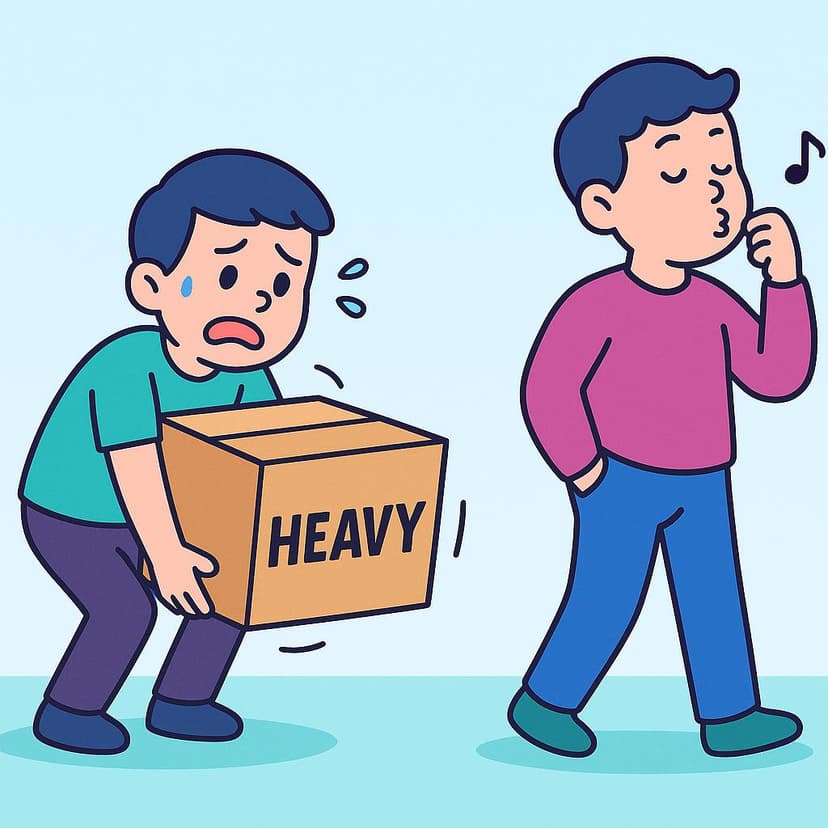
게으름 관용구 전체 목록

스페인어 게으름 관용구에 대한 자주 묻는 질문
What are Spanish laziness idioms?
Spanish laziness idioms include "ser un vago" (to be lazy), "rascarse la barriga" (to scratch one's belly/be idle), "estar tumbado a la bartola" (to lie around), "no dar palo al agua" (to not lift a finger), and "ser un holgazán" (to be a slacker). These criticize lack of effort and productivity.
How do Spanish cultures view laziness?
Views on laziness vary across Spanish-speaking cultures. While hard work is valued, there's also appreciation for leisure and quality of life. The idioms tend to be critical, but cultural attitudes toward work-life balance differ significantly between regions and generations.
스페인어 관용구 학습에 대해 더 궁금한 점이 있으신가요? 전체 관용구 가이드 찾아보기.
모든 스페인어 관용구 카테고리 찾아보기
더 많은 스페인어 관용구를 마스터할 준비가 되셨나요?
Explore our complete collection of 1+ Spanish idioms organized by category, difficulty level, and regional usage. Perfect for intermediate to advanced learners.
모든 스페인어 관용구 보기 →