Spanish Clothing Idioms
Master 11 authentic Spanish expressions about 의류 with meanings, examples, and pronunciation guidance
스페인어 의류 관용구 이해하기
Spanish clothing idioms use apparel to express personal identity, social situations, and life circumstances. From "ponerse las pilas" (to get energized, literally "to put on the batteries") to "quedarse en bragas" (to lose everything), clothing metaphors help Spanish speakers describe transformations and states of being.
이 표현들을 언제 사용해야 할까요
Clothing idioms appear when discussing preparation, social status, personal changes, or financial situations. They're common in advice-giving, personal narratives, and descriptions of success or failure.
의류 관용구 학습 팁
- Learn historical context—many reference old garments or customs
- Note which clothing items appear most frequently in idioms
- Practice idioms about getting dressed/undressed as metaphors for preparation
- Connect clothing idioms to actual wardrobe experiences for memory
가장 흔한 의류 관용구
원어민이 매일 사용하는 빈도 높은 표현부터 시작하세요
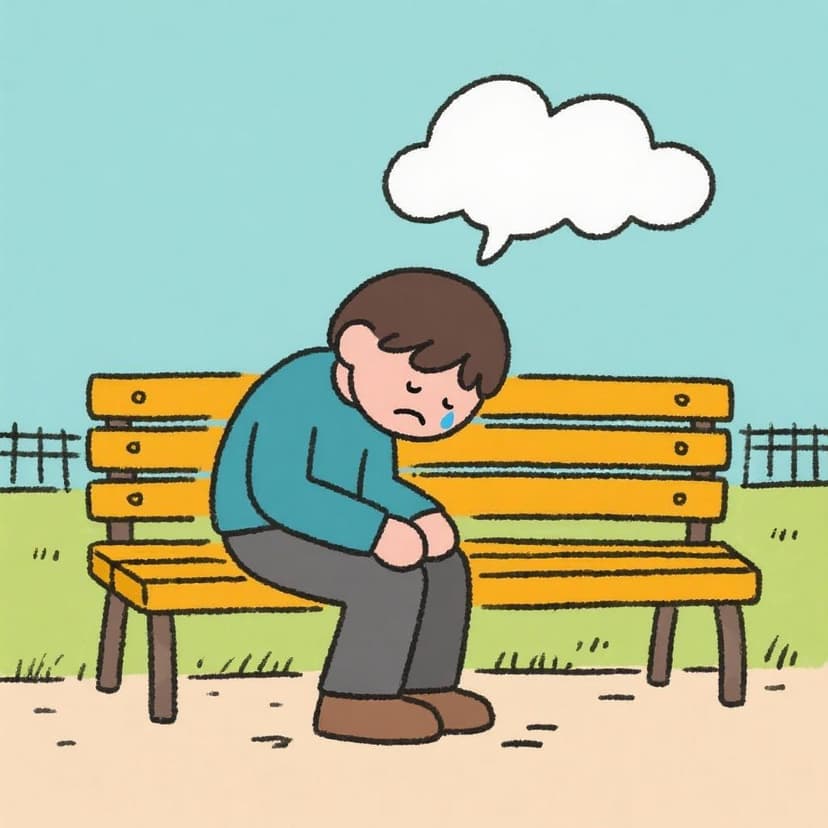
Andar de capa caída
★★★★☆직역: "떨어진 망토를 입고 걷다"
의미: 기분이 가라앉다, 낙담하다, 의기소침하다, 또는 힘든 시기를 겪고 있다.

Aunque la mona se vista de seda, mona se queda
★★★★☆직역: "아무리 원숭이가 비단옷을 입어도, 원숭이는 그대로 원숭이다."
의미: 겉모습을 바꾼다고 해서 사물이나 사람의 근본적인 본성은 변하지 않는다는 뜻입니다. 피상적인 변화는 진정한 본질을 바꾸지 못합니다.
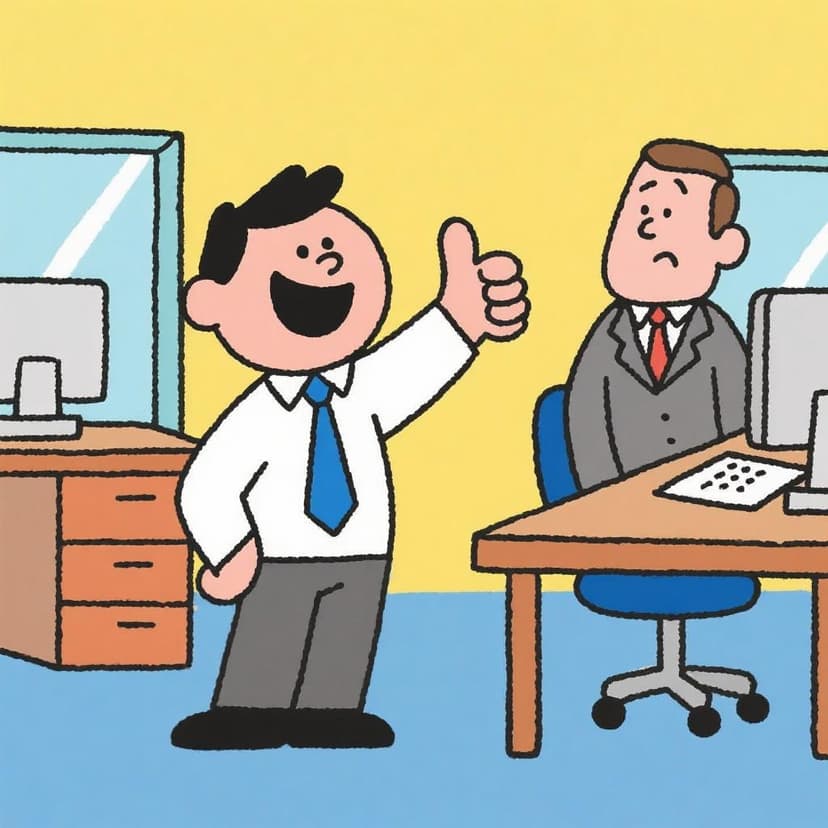
Chupar las medias
★★★★☆직역: "양말을 빨다"
의미: 아첨하다, 환심을 사기 위해 진심 없이 누군가를 칭찬하다.
의류 관용구 전체 목록
A capa y espada
"망토와 칼을 가지고"
어떤 것이나 누군가를 강하게, 엄청난 결단력과 확신을 가지고 옹호하는 것.
Al que le quepa el saco, que se lo ponga
"그 자루가 맞는 사람이라면, 그것을 입어라."
일반적인 비판이나 언급이 자신에게 해당된다면 받아들여야 한다는 뜻입니다. 누구를 직접 지명하지 않고 꼬집어 말하는 방식입니다.
Andar de capa caída
"떨어진 망토를 입고 걷다"
기분이 가라앉다, 낙담하다, 의기소침하다, 또는 힘든 시기를 겪고 있다.
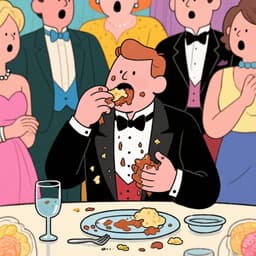
Aunque la mona se vista de seda, mona se queda
"아무리 원숭이가 비단옷을 입어도, 원숭이는 그대로 원숭이다."
겉모습을 바꾼다고 해서 사물이나 사람의 근본적인 본성은 변하지 않는다는 뜻입니다. 피상적인 변화는 진정한 본질을 바꾸지 못합니다.
Bajarse los pantalones
"바지를 내리다."
굴복하다, 항복하다, 요구에 따르다 (종종 굴욕적이거나 약하게).

Chupar las medias
"양말을 빨다"
아첨하다, 환심을 사기 위해 진심 없이 누군가를 칭찬하다.
Con el cuchillo abajo del poncho
"폰초 아래 칼을 든 채로."
숨겨진, 배신적인 또는 적대적인 의도를 가지고 행동하는 것; 침착한 척하면서 갈등에 대비하고 비밀스럽게 행동하는 것.
Estar hasta las chanclas
"쪼리까지 차오르다."
몹시 취했거나, 무언가에 완전히 질렸다는 뜻입니다.
Meterse en camisa de once varas
"열한 '바라'(길이 단위) 길이의 셔츠에 들어가다"
불필요하게 복잡하고 어려운 상황에 휘말리다; 감당할 수 있는 것 이상을 떠맡다.
Mostrar la hilacha
"실밥이 튀어나오다"
보통 부정적인 자신의 본성, 결점 또는 의도를 드러내다.
Ponerse las botas
"부츠를 신다"
어떤 상황에서 마음껏 즐기거나, 배불리 먹거나, 큰 이득을 얻다; 신나게 즐기다.
스페인어 의류 관용구에 대한 자주 묻는 질문
What are common Spanish clothing idioms?
Common Spanish clothing idioms include "tomar el pelo" (to pull someone's leg), "ponerse las pilas" (to get motivated), "quedarse en bragas/calzoncillos" (to lose everything), "meterse en camisa de once varas" (to bite off more than one can chew), and "hacerse un traje a medida" (to tailor something to fit). These use clothing as metaphors for various situations.
Why does Spanish use clothing in idioms?
Clothing idioms reflect how garments signify social status, preparation, and identity. Historically, what you wore indicated your social class, profession, and readiness for different situations. These associations created natural metaphors for describing personal states and circumstances.
스페인어 관용구 학습에 대해 더 궁금한 점이 있으신가요? 전체 관용구 가이드 찾아보기.
모든 스페인어 관용구 카테고리 찾아보기
더 많은 스페인어 관용구를 마스터할 준비가 되셨나요?
Explore our complete collection of 11+ Spanish idioms organized by category, difficulty level, and regional usage. Perfect for intermediate to advanced learners.
모든 스페인어 관용구 보기 →