Spanish Problem Idioms
Master 20 authentic Spanish expressions about 문제 with meanings, examples, and pronunciation guidance
스페인어 문제 관용구 이해하기
Spanish problem idioms describe troubles, complications, and conflicts. From "meterse en un lío" (to get into a mess) to "tener un problema" (to have a problem), these expressions help Spanish speakers identify, discuss, and solve problems with varying degrees of urgency and concern.
이 표현들을 언제 사용해야 할까요
Problem idioms are used when identifying issues, warning about troubles, seeking solutions, or describing complicated situations. They appear in problem-solving contexts, complaints, warnings, and discussions of conflicts.
문제 관용구 학습 팁
- Learn problem severities—from minor issues to major crises
- Practice both identifying problems and suggesting solutions
- Understand cultural approaches to problem-solving—varies by region
- Note idioms that assign blame vs. those that are neutral
가장 흔한 문제 관용구
원어민이 매일 사용하는 빈도 높은 표현부터 시작하세요
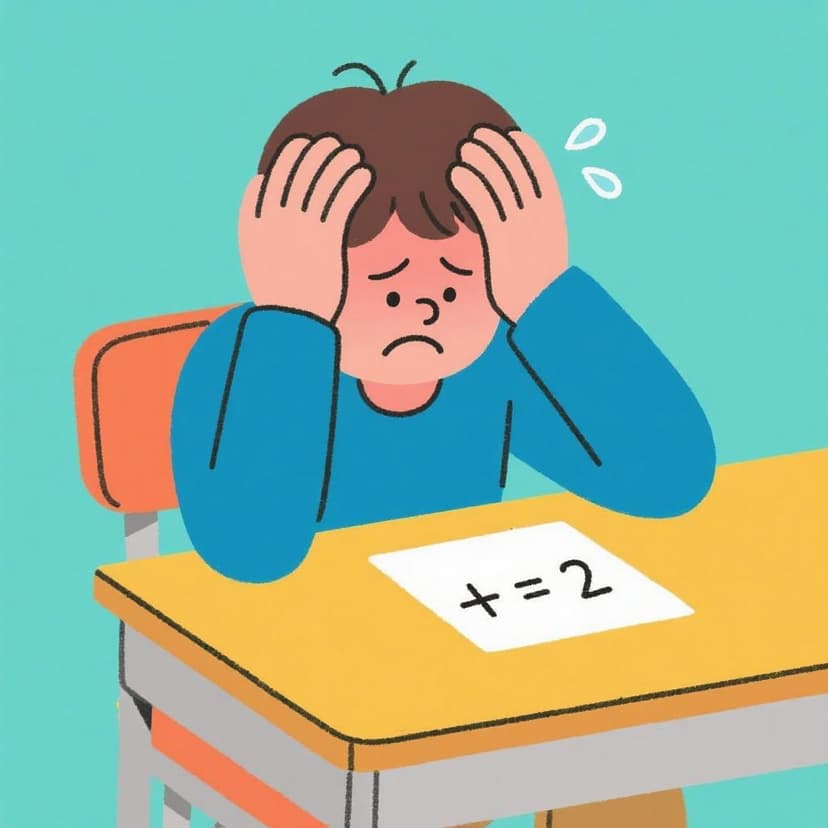
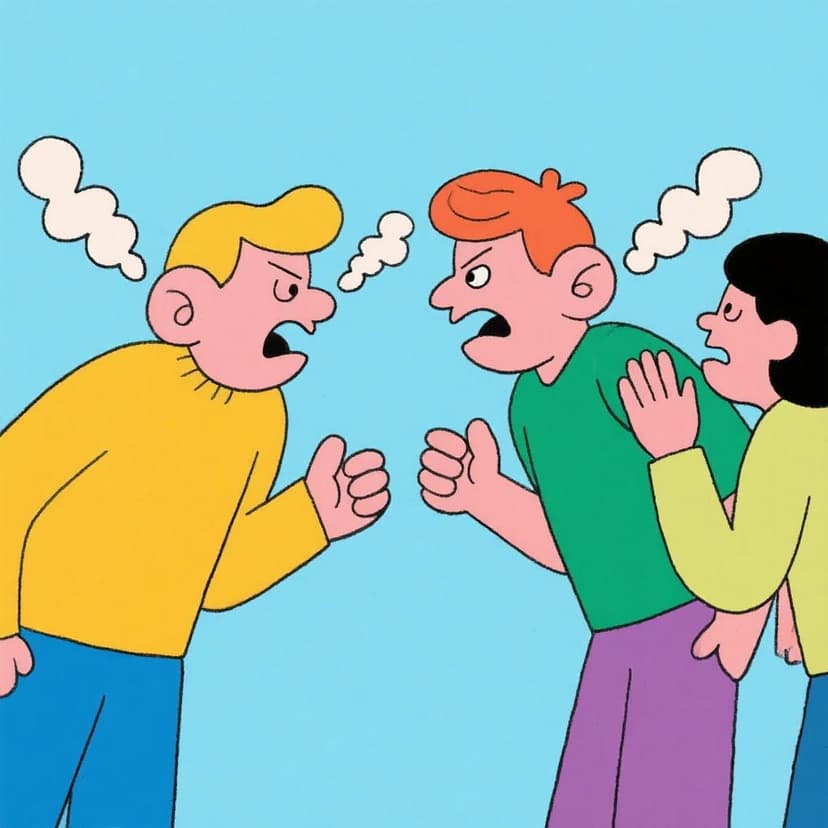
문제 관용구 전체 목록
Abrir el paraguas
"우산을 펴다"
미래의 비난이나 문제를 피하기 위해 미리 변명하거나 대비책을 마련하다.

Ahogarse en un vaso de agua
"물 한 잔에 익사하다"
사소한 문제에 압도당하다; 작은 일을 큰 위기로 취급하다.
Atar con alambre
"철사로 묶다"
임시방편으로 대충 때우거나, 급하게 수리하다.
Cargar con el muerto
"죽은 사람을 짊어지다"
자신이 하지 않은 일에 대한 비난을 뒤집어쓰다; 아무도 원하지 않는 불쾌한 임무나 책임을 떠맡게 되다.
Carne de cañón
"대포 고기"
특히 생존이나 안녕을 거의 고려하지 않고 위험하거나 절망적인 상황으로 보내지는 군인이나 하급 노동자처럼 소모품으로 간주되는 사람들.
Comerse un marrón
"갈색 덩어리를 먹다"
아무도 원하지 않는 불쾌한 일, 문제 또는 상황에 갇히게 되는 것.

Echar leña al fuego
"불에 땔감을 던지다."
나쁜 상황, 논쟁 또는 문제를 더욱 악화시키다.
Echar por la borda
"바다에 던져 버리다"
가치 있는 것(기회, 관계, 많은 노력 등)을 낭비하거나, 버리거나, 망치는 것.
Estar en el horno
"오븐 안에 있다"
큰 곤경에 처하거나, 희망 없는 상황에 놓이거나, 끝장났다는 뜻입니다.
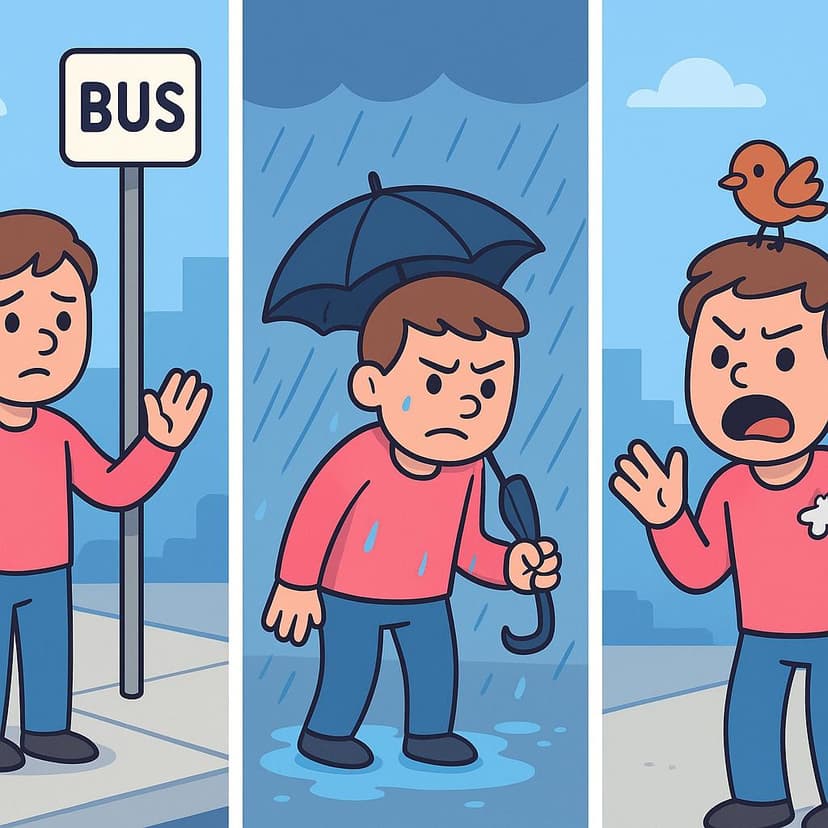
La gota que rebalsó el vaso
"넘쳐흐르는 잔 속의 물방울"
연속된 부정적인 사건들 중 마지막으로 일어난 작은 사건으로 인해 상황을 더 이상 견딜 수 없게 되는 상태
Liarla parda
"갈색으로 묶다"
엄청난 소동을 일으키다, 큰 문제를 만들다, 또는 크게 망치다.
Meterse en camisa de once varas
"열한 '바라'(길이 단위) 길이의 셔츠에 들어가다"
불필요하게 복잡하고 어려운 상황에 휘말리다; 감당할 수 있는 것 이상을 떠맡다.
No busques la quinta pata al gato
"고양이에게 다섯 번째 다리를 찾지 마세요."
일을 복잡하게 만들지 마세요, 없는 문제를 찾거나 완벽한 것을 흠잡으려 하지 마세요.
No tener gollete
"목구멍이 없다."
터무니없거나, 비논리적이거나, 말이 안 된다.
No tener ni pies ni cabeza
"발도 머리도 없다"
말이 안 되다, 완전히 비논리적이거나 터무니없다.
Pagar el pato
"오리를 지불하다."
부당하게 비난받다; 누명을 쓰거나 희생양이 되다.
Pagar los platos rotos
"깨진 접시 값을 치르다"
다른 사람의 실수 때문에 부당하게 비난받거나 처벌받다; 희생양이 되다.
Pan para hoy y hambre para mañana
"오늘을 위한 빵, 내일을 위한 굶주림"
장기적으로 더 큰 문제를 야기하는 단기적인 해결책. 근본적인 문제를 해결하지 못하고 부정적인 결과를 초래하는 임시방편을 묘사합니다.
Quedar en el tintero
"잉크병에 남아있다"
말하지 못했거나, 하지 못했거나, 잊혀진 것을 의미하며, 종종 의도치 않게 발생합니다.
Ya nos cargó el payaso
"광대가 이미 우리를 데리고 갔다."
우리는 끝장났어; 망했어. 상황이 파국적이고 돌이킬 수 없게 잘못되었음을 의미합니다.
스페인어 문제 관용구에 대한 자주 묻는 질문
What are Spanish problem idioms?
Spanish problem idioms include "meterse en un lío" (to get in a mess), "tener un problema" (to have a problem), "estar en apuros" (to be in trouble), "ser un quebradero de cabeza" (to be a headache), "armar un lío" (to cause trouble), and "haber gato encerrado" (something fishy going on). These describe various types of problems.
How do Spanish speakers approach problems?
Spanish-speaking cultures often approach problems collectively, seeking family or friend input. Using idioms to describe problems can soften their severity or add humor. Problem-solving styles vary by region—some more direct, others more circuitous—but shared language through idioms helps communication.
스페인어 관용구 학습에 대해 더 궁금한 점이 있으신가요? 전체 관용구 가이드 찾아보기.
모든 스페인어 관용구 카테고리 찾아보기
더 많은 스페인어 관용구를 마스터할 준비가 되셨나요?
Explore our complete collection of 20+ Spanish idioms organized by category, difficulty level, and regional usage. Perfect for intermediate to advanced learners.
모든 스페인어 관용구 보기 →