How to Say "pasta" in Spanish
The most common Spanish word for “pasta” is “pasta” — use 'pasta' when referring to the general Italian-style food made from dough, such as spaghetti or lasagna, or when speaking broadly about the dish.
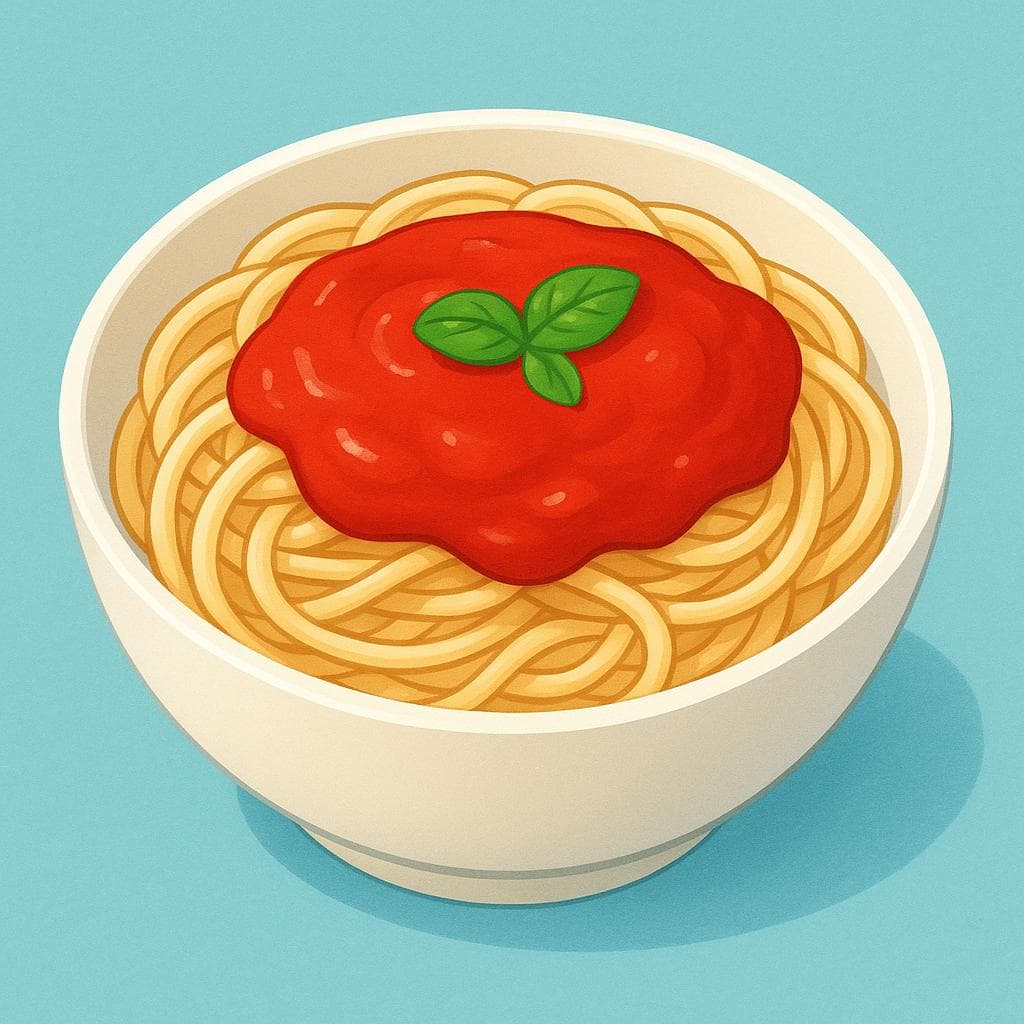
pasta
PAHS-tahˈpas.ta
Examples
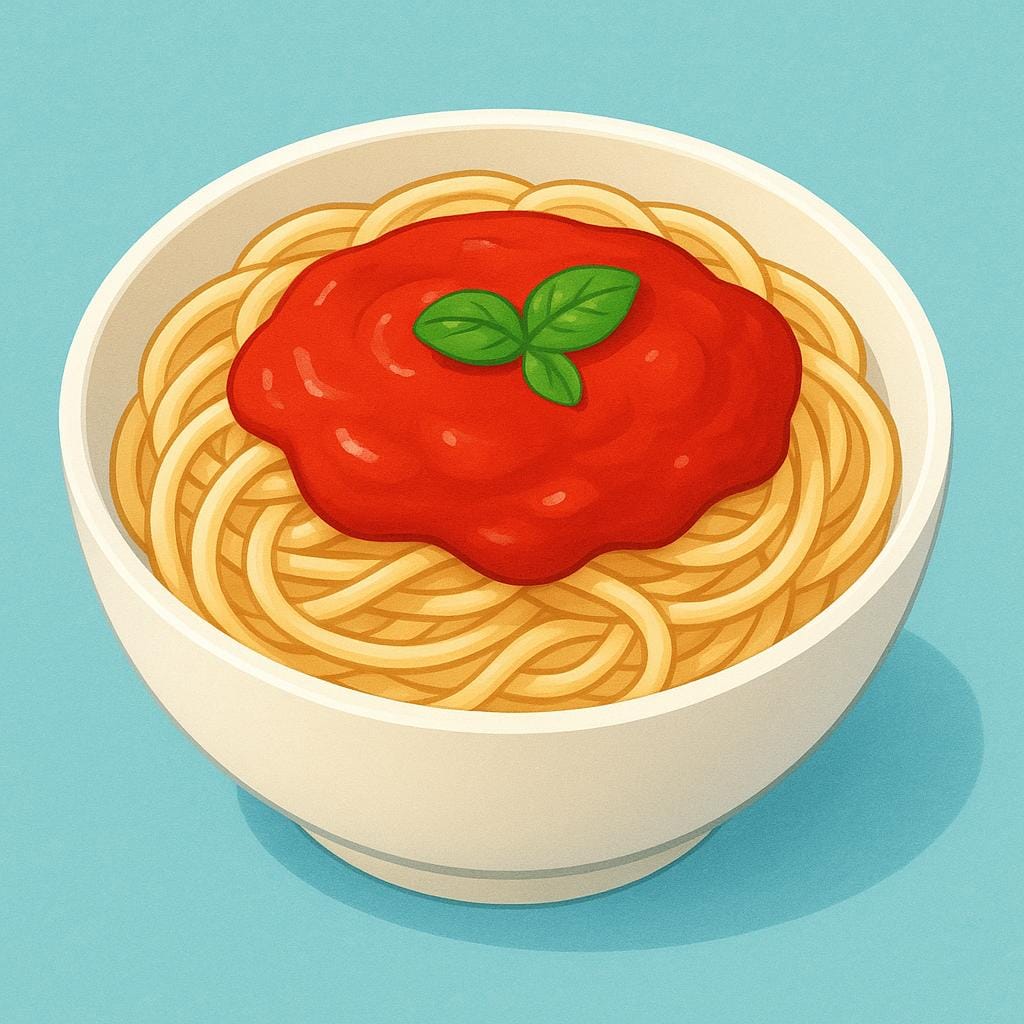
Para la cena, vamos a cocinar pasta con salsa de tomate.
For dinner, we are going to cook pasta with tomato sauce.
¿Prefieres la pasta larga o la corta?
Do you prefer long pasta or short pasta?
Always Feminine
Remember that 'pasta' is a feminine noun, so you always use feminine articles: 'la pasta' or 'unas pastas'.
Using it as Plural
Mistake: “Comimos muchas pastas.”
Correction: Comimos mucha pasta. (Like English 'rice' or 'water,' the food 'pasta' is usually treated as an uncountable mass noun in Spanish.)
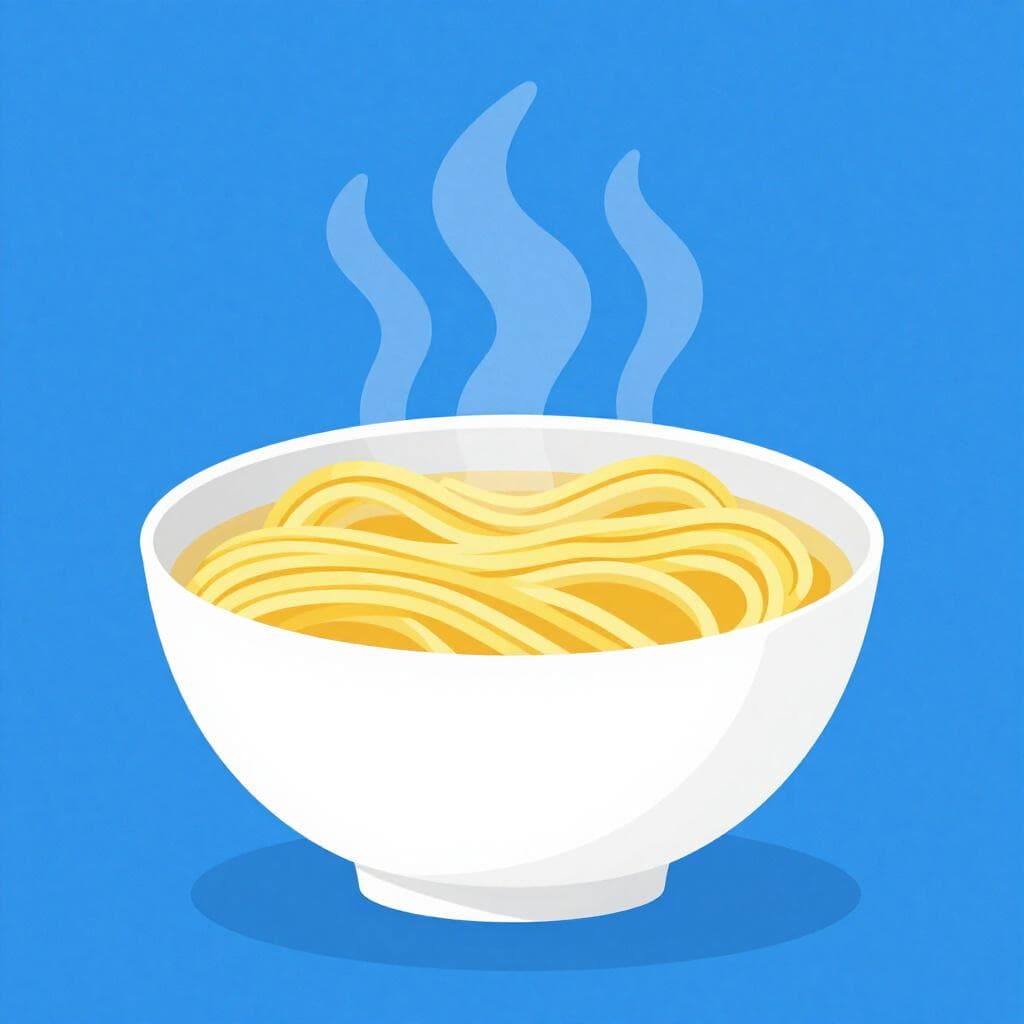
fideos
fee-DEH-ohsfiˈðeos
Examples
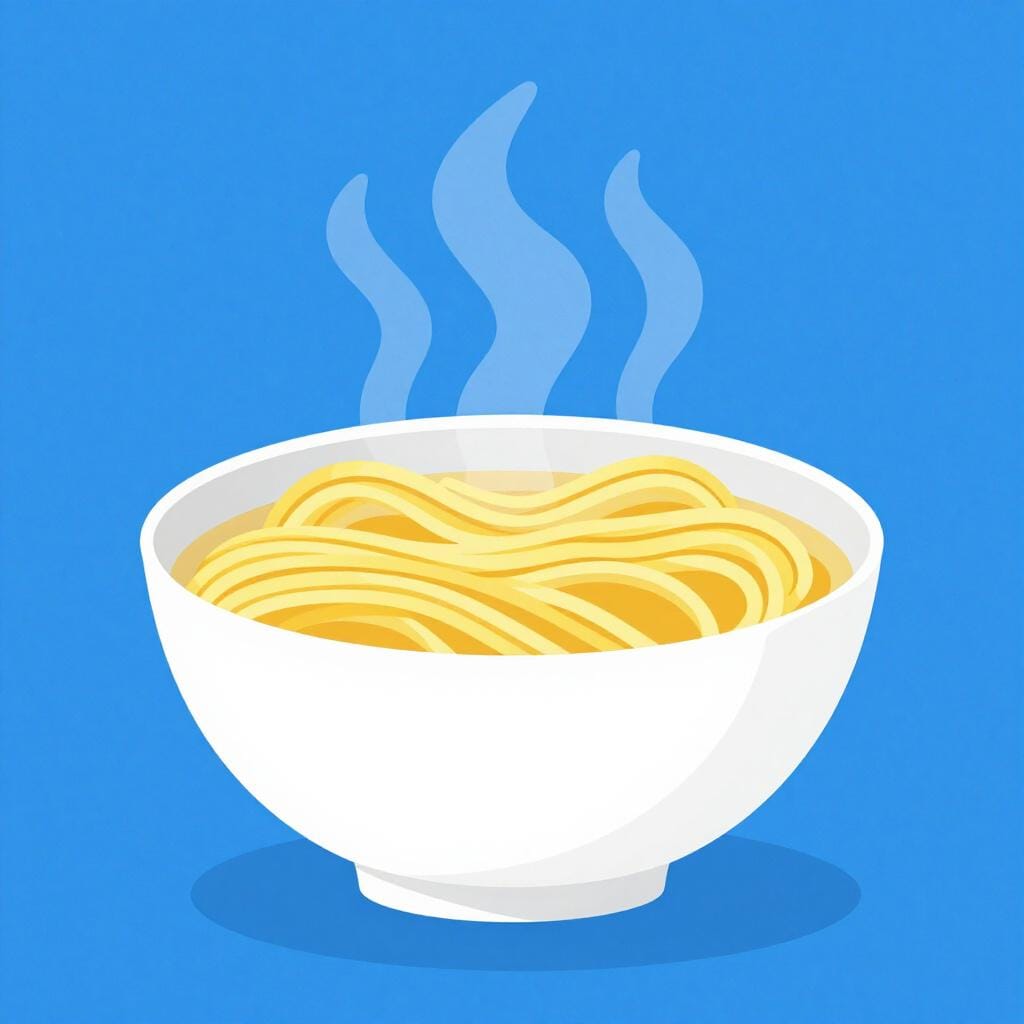
Voy a preparar una sopa de fideos para la cena.
I'm going to make a noodle soup for dinner.
Los fideos están listos en cinco minutos.
The noodles are ready in five minutes.
Always Plural?
While you can say 'un fideo' to refer to a single strand of pasta, you'll almost always see this word in the plural form ('fideos') because we usually eat them in a bowl or a package.
Noodles vs. Pasta
Mistake: “Using 'fideos' for every kind of pasta like lasagna or ravioli.”
Correction: Use 'fideos' specifically for long, string-like pasta. For everything else, the general word 'pasta' is better.
Pasta vs. Fideos
Learn Spanish with Inklingo
Interactive stories, personalized learning, and more.