How to Say "to decide" in Spanish
The most common Spanish word for “to decide” is “decidir” — use 'decidir' when you are making a personal choice or coming to a conclusion about something.




decidir
deh-see-DEERde.siˈðiɾ

Examples
Necesito decidir qué carrera universitaria voy a estudiar.
I need to decide what university degree I am going to study.
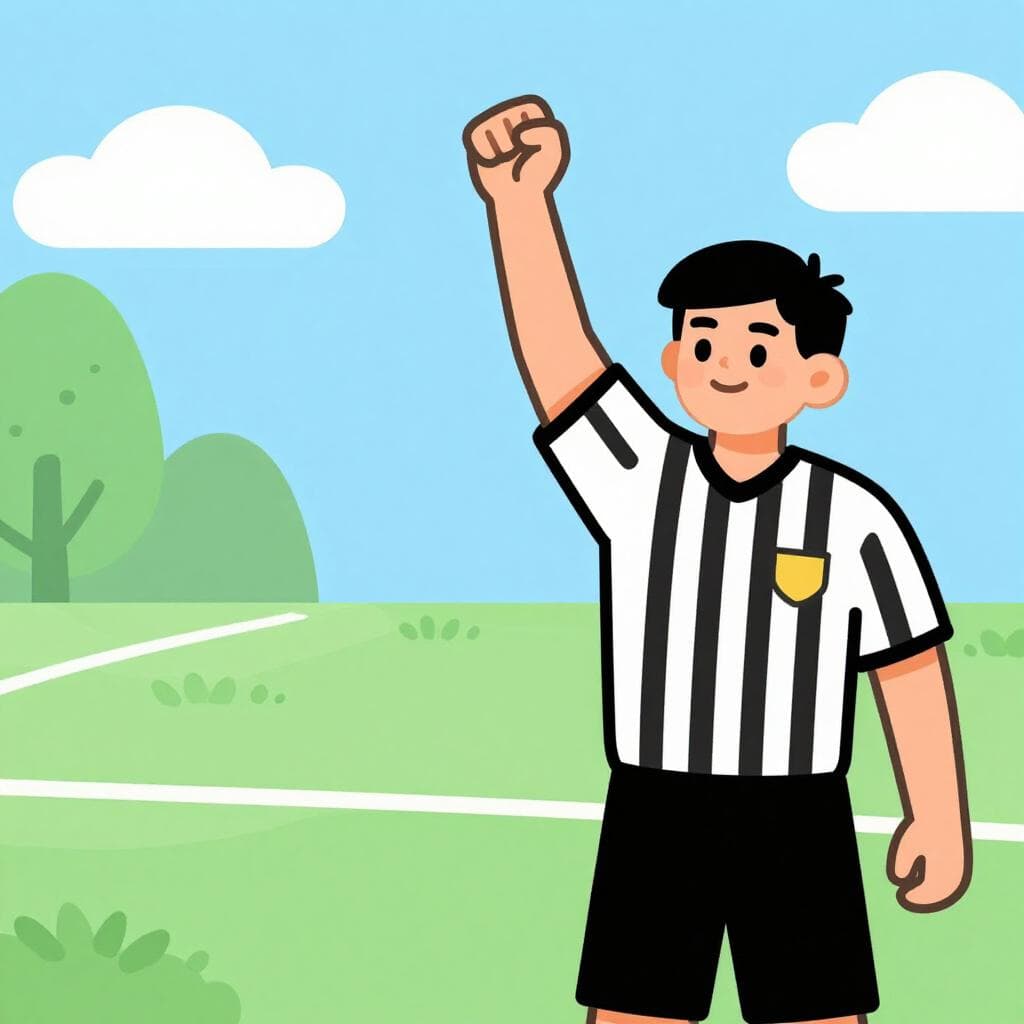
El árbitro decidió que fue falta y pitó el penalti.
The referee decided it was a foul and blew the whistle for the penalty.
¿Ya decidiste dónde quieres cenar esta noche?
Have you decided where you want to have dinner tonight yet?
Decidir vs. Decidirse
When used without 'se' (decidir), it means 'to decide a thing.' When used with 'se' (decidirse), it usually means 'to make up one's mind' after a period of doubt.
The Preposition Trap
Mistake: “Voy a decidir de ir al cine.”
Correction: Voy a decidir ir al cine. ('Decidir' usually takes a direct action, or the preposition 'a' when used with 'se'.)
acordar
ah-kor-DARa.koɾˈðaɾ

Examples
Nosotros acordamos reunirnos el viernes.
We agreed to meet on Friday.
Acordaron el precio de la casa.
They agreed on the price of the house.
Los países aprobaron y acordron el tratado.
The countries approved and agreed to the treaty.
Stem Change Pattern
Acordar follows the same pattern as pensar and contar: the 'o' changes to 'ue' when the stress falls on that syllable. You'll see this in yo acuerdo, tú acuerdas, él argumenta, etc.
Preterite Irregularity
The preterite has an accent on the 'é': yo acordé, tú acordaste. This is different from regular -ar verbs! Remember: the 'é' gets the accent mark.
Reflexive Form
The reflexive form 'acordarse' means 'to remember.' You'll hear 'No me acuerdo' (I don't remember) very often in everyday Spanish.
Forgetting the Accent in Preterite
Mistake: “Writing 'yo acuerdo' for the past tense”
Correction: Use 'yo acordé' (with an accent) for past tense. The present tense is 'yo acuerdo' (no accent).
Confusing with 'recordar'
Mistake: “Using 'acordar' when you mean 'to remind' without the reflexive”
Correction: In most Spanish varieties, use 'acordar' (to agree/decide) and 'acordarse' or 'recordar' (to remember).
determinar
day-ter-mee-NARde.teɾ.miˈnaɾ

Examples
El equipo determinó empezar el proyecto la próxima semana.
The team decided to start the project next week.
Determinamos no rendirnos a pesar de los obstáculos.
We resolved not to give up despite the obstacles.
Using Determinar with Infinitives
When 'determinar' is followed by another action (verb), that action stays in its base form (the infinitive): 'Determinaron viajar juntos' (They decided to travel together).
definir
deh-fee-neerdefiˈniɾ
Examples
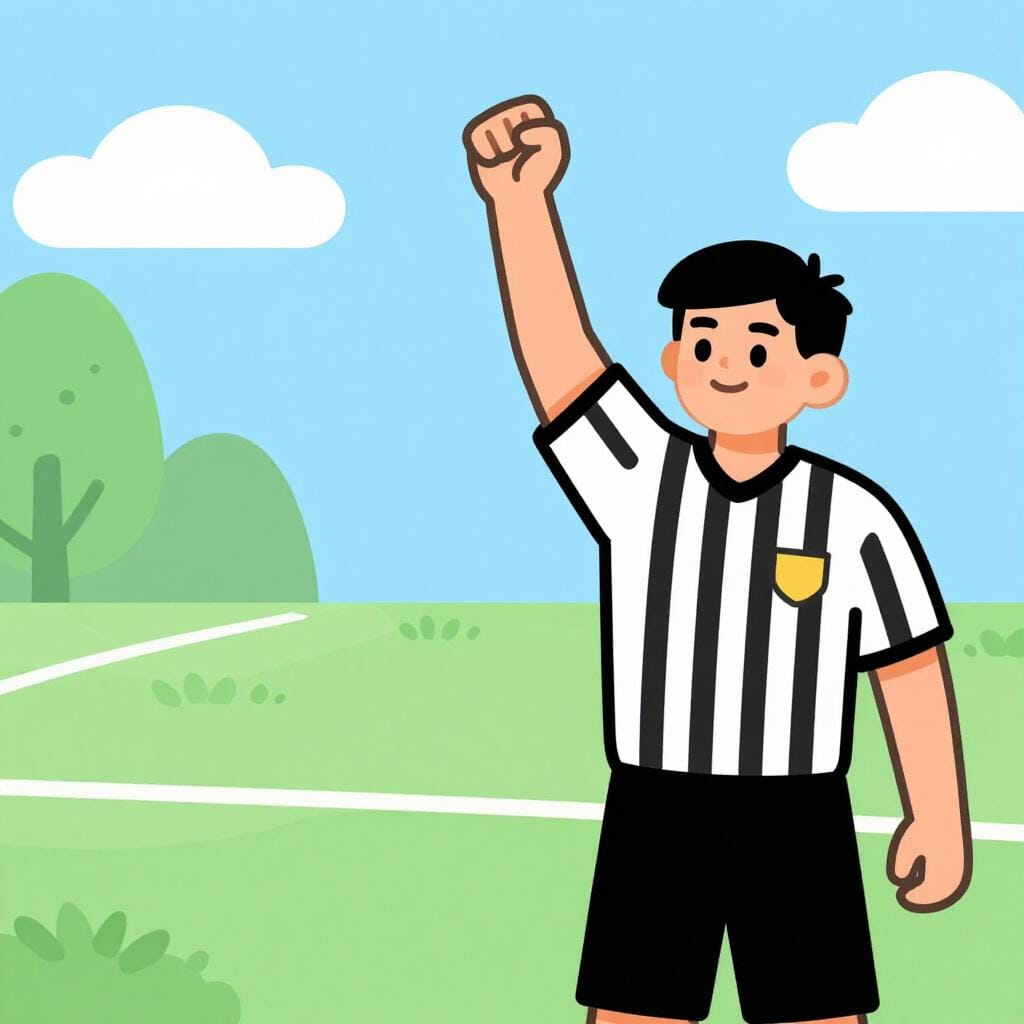
Este gol va a definir el partido.
This goal is going to decide the game.
Ella hace pesas para definir sus brazos.
She lifts weights to tone her arms.
Debemos definir los límites de nuestra propiedad.
We must determine the boundaries of our property.
Resultative use
In sports, 'definir' refers to the action that finishes a play or determines who wins.
Determining vs. Defining
Mistake: “Tengo que definir si voy a la fiesta.”
Correction: Tengo que decidir si voy a la fiesta. While similar, 'definir' is used more for establishing boundaries or explaining, whereas 'decidir' is for personal choices.
resolver
reh-sol-VEHRre.solˈβeɾ

Examples
Se resolvió a estudiar medicina, aunque fuera difícil.
She decided (resolved herself) to study medicine, even if it was difficult.
El juez resolvió que la propiedad debía venderse.
The judge determined that the property had to be sold.
Ellos resolvieron no hablar del tema nunca más.
They decided not to talk about the subject ever again.
Using the Reflexive Form
When 'resolver' means 'to decide' or 'to make up one's mind,' it often uses the reflexive form: resolverse (e.g., me resolví, te resolviste).
Following with 'a'
When you decide to do an action, you usually connect resolverse to the next verb using the preposition 'a': Se resolvió a viajar (He decided to travel).
Choosing between 'decidir' and 'acordar'
Related Translations
Learn Spanish with Inklingo
Interactive stories, personalized learning, and more.