
Łazienka po hiszpańsku
Ten zbiór hiszpańskich słów pomoże Ci poruszać się po jednym z najważniejszych pomieszczeń w każdym domu lub budynku publicznym: łazience. Znajomość tych terminów jest niezwykle praktyczna w codziennym życiu, niezależnie od tego, czy pytasz o drogę do „baños”, czy omawiasz swoją poranną rutynę. Co ciekawe, w języku hiszpańskim często używa się tego samego słowa na „łazienkę” i „wannę”, co czasami może prowadzić do nieporozumień!
Szybka ściąga
| Hiszpański | Polski | Przykład | Poziom |
|---|---|---|---|
bañera | wanna | La bañera del hotel era muy grande y cómoda. | A1 |
baño | łazienka | ¿Dónde está el baño, por favor? | A1 |
champú | szampon | Necesito comprar champú para cabello seco. | A1 |
ducha | prysznic | La ducha de mi casa tiene muy poca presión. | A1 |
esponja | gąbka | Necesito una esponja nueva para lavar los platos. | A1 |
grifo | kran | Por favor, cierra el grifo cuando te laves los dientes. | A2 |
jabón | mydło | Por favor, pásame la barra de jabón. | A1 |
lavabo | umywalka | Lávate las manos en el lavabo. | A1 |
tina | wanna | Me encanta relajarme en la tina después de un día largo. | A1 |
toalla | ręcznik | ¿Me pasas la toalla, por favor? La necesito para secarme. | A1 |
desagüe | odpływ | El desagüe del fregadero está atascado con restos de comida. | A2 |
inodoro | toaleta | El inodoro del baño está roto. | A2 |
A1 — Początkujący (10 słów)
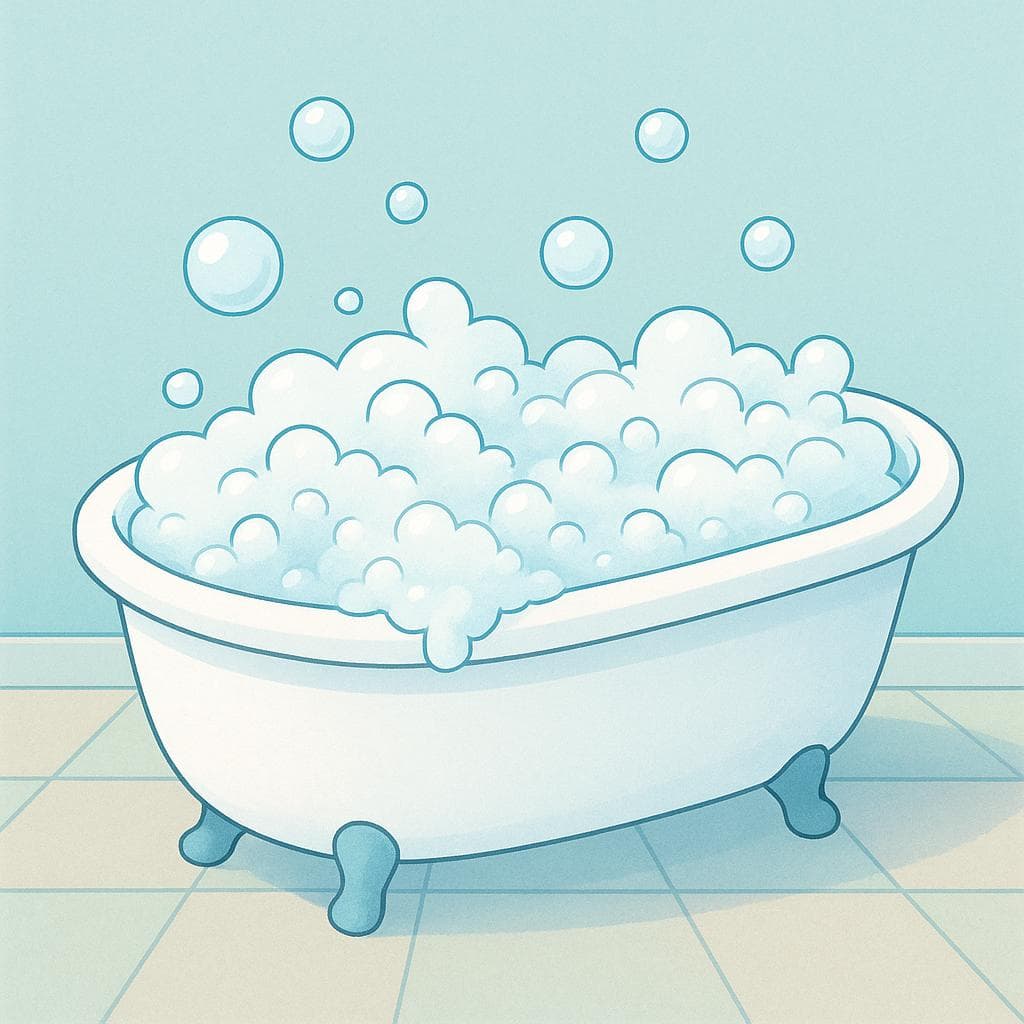
wanna
“La bañera del hotel era muy grande y cómoda.”

łazienka
“¿Dónde está el baño, por favor?”

szampon
“Necesito comprar champú para cabello seco.”
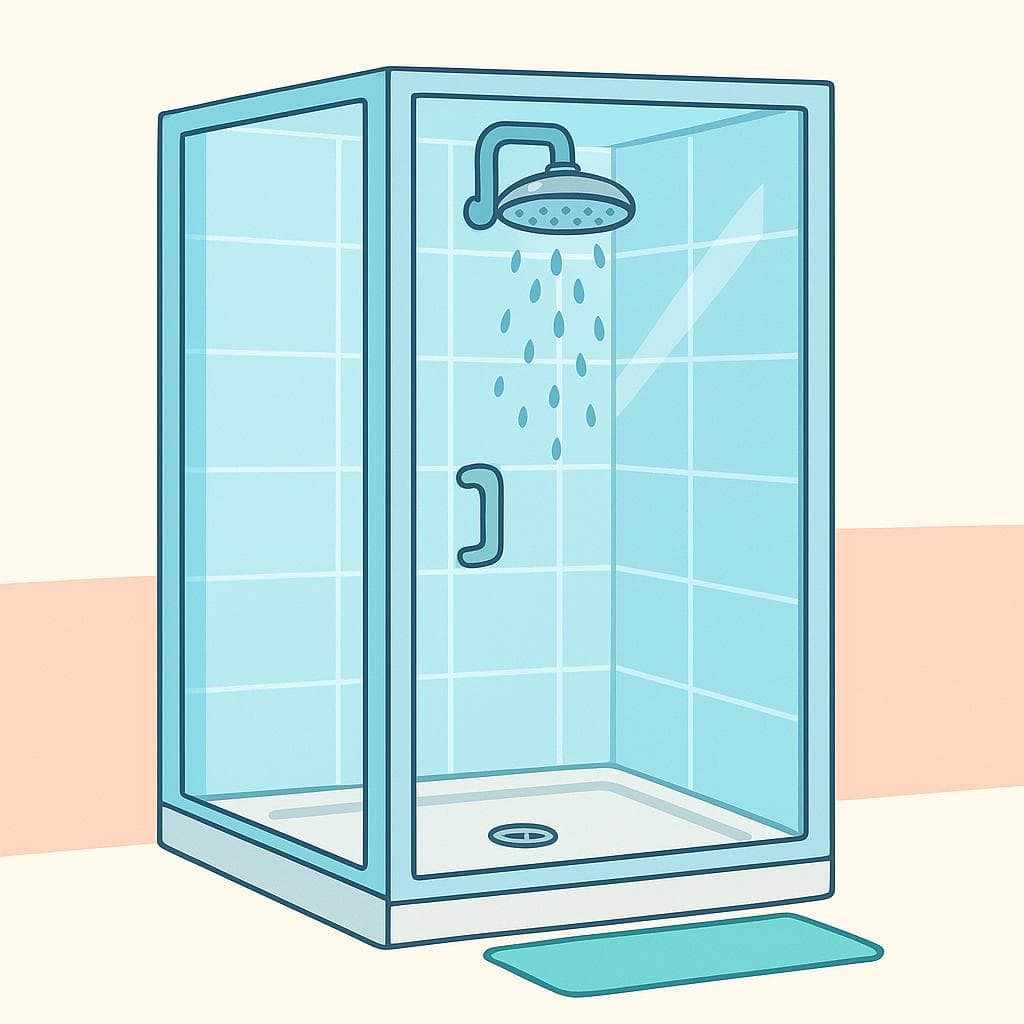
prysznic
“La ducha de mi casa tiene muy poca presión.”

gąbka
“Necesito una esponja nueva para lavar los platos.”

mydło
“Por favor, pásame la barra de jabón.”
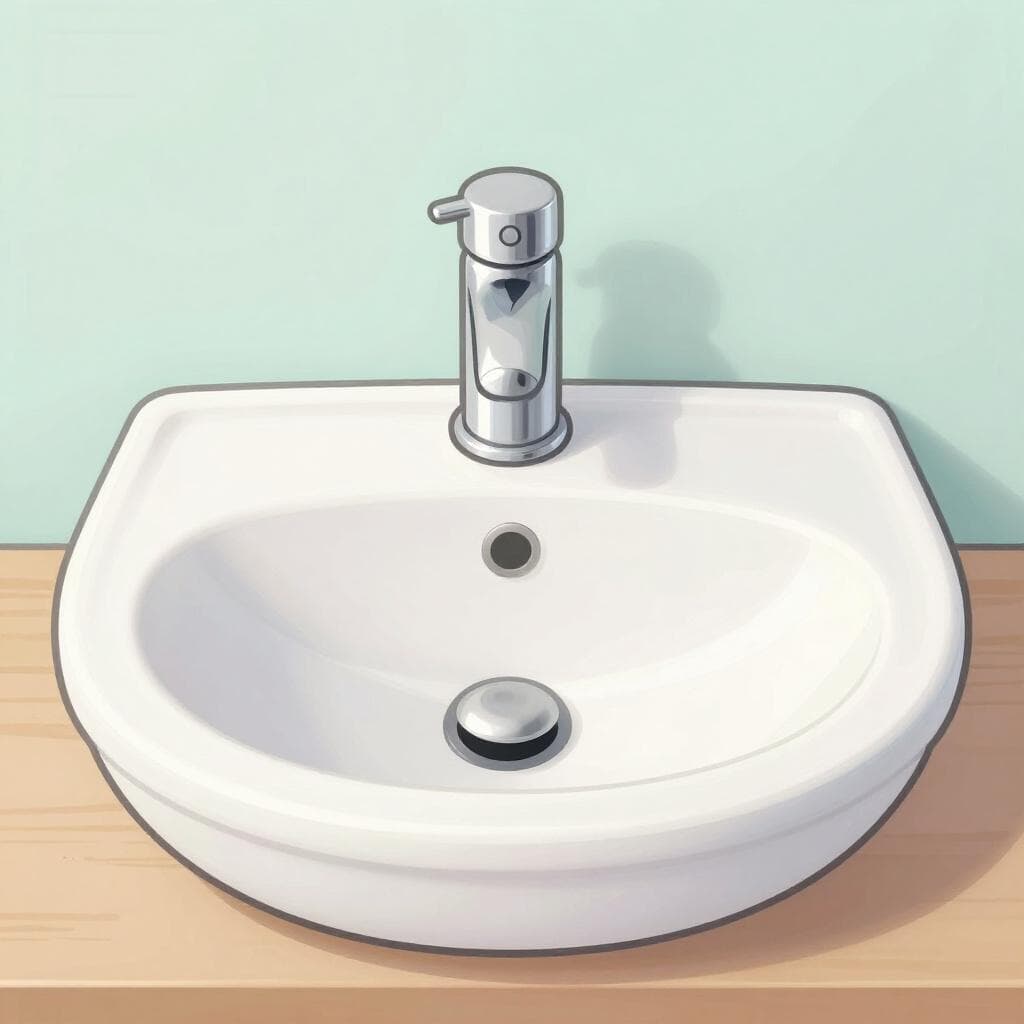
umywalka
“Lávate las manos en el lavabo.”

wanna
“Me encanta relajarme en la tina después de un día largo.”
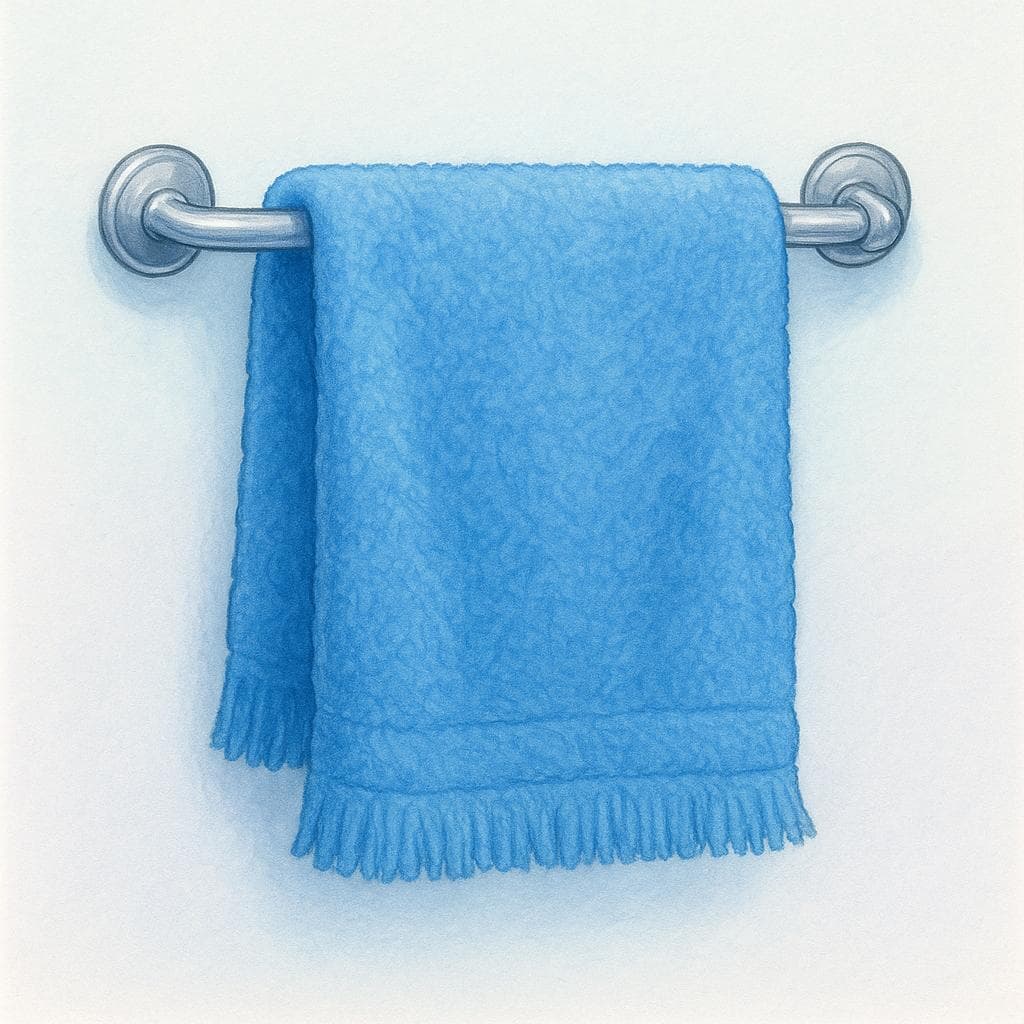
ręcznik
“¿Me pasas la toalla, por favor? La necesito para secarme.”
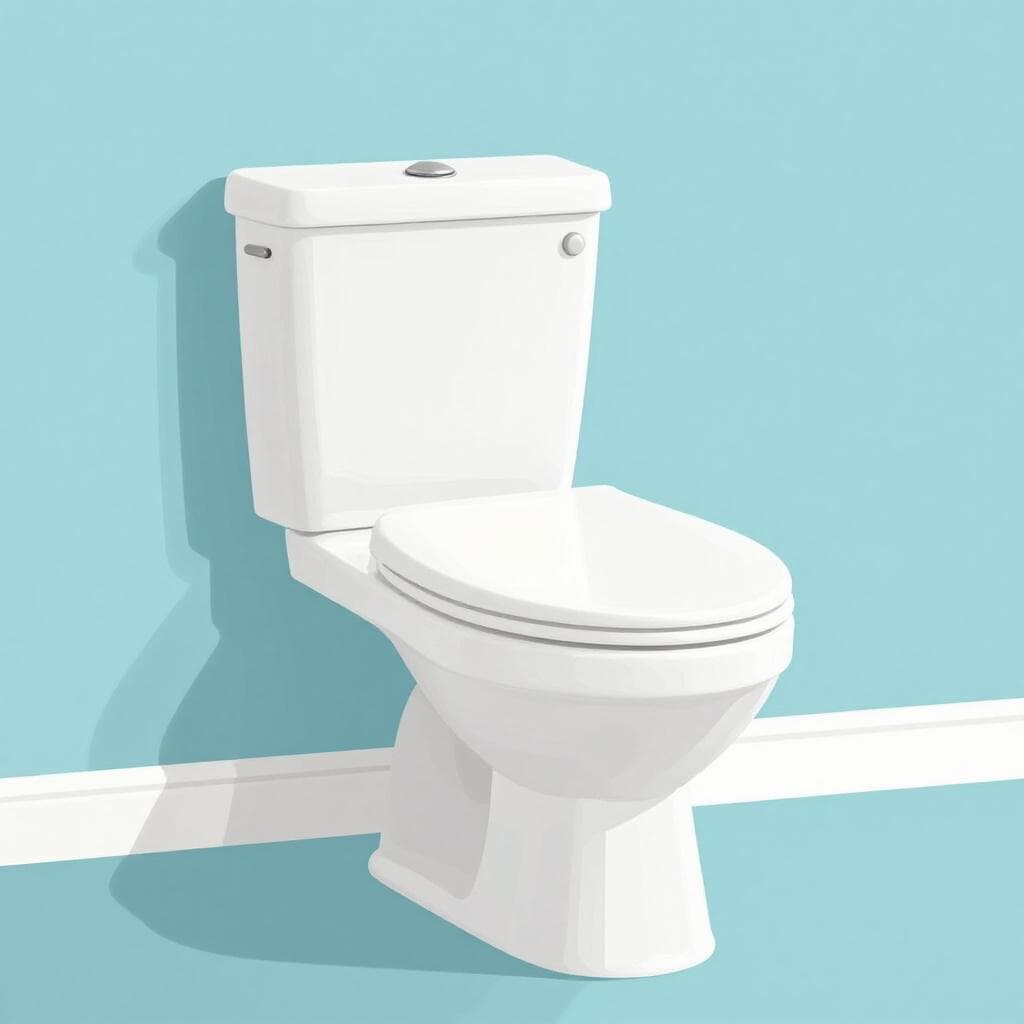
muszla klozetowa
“¿Dónde está el váter?”
A2 — Podstawowy (3 słów)
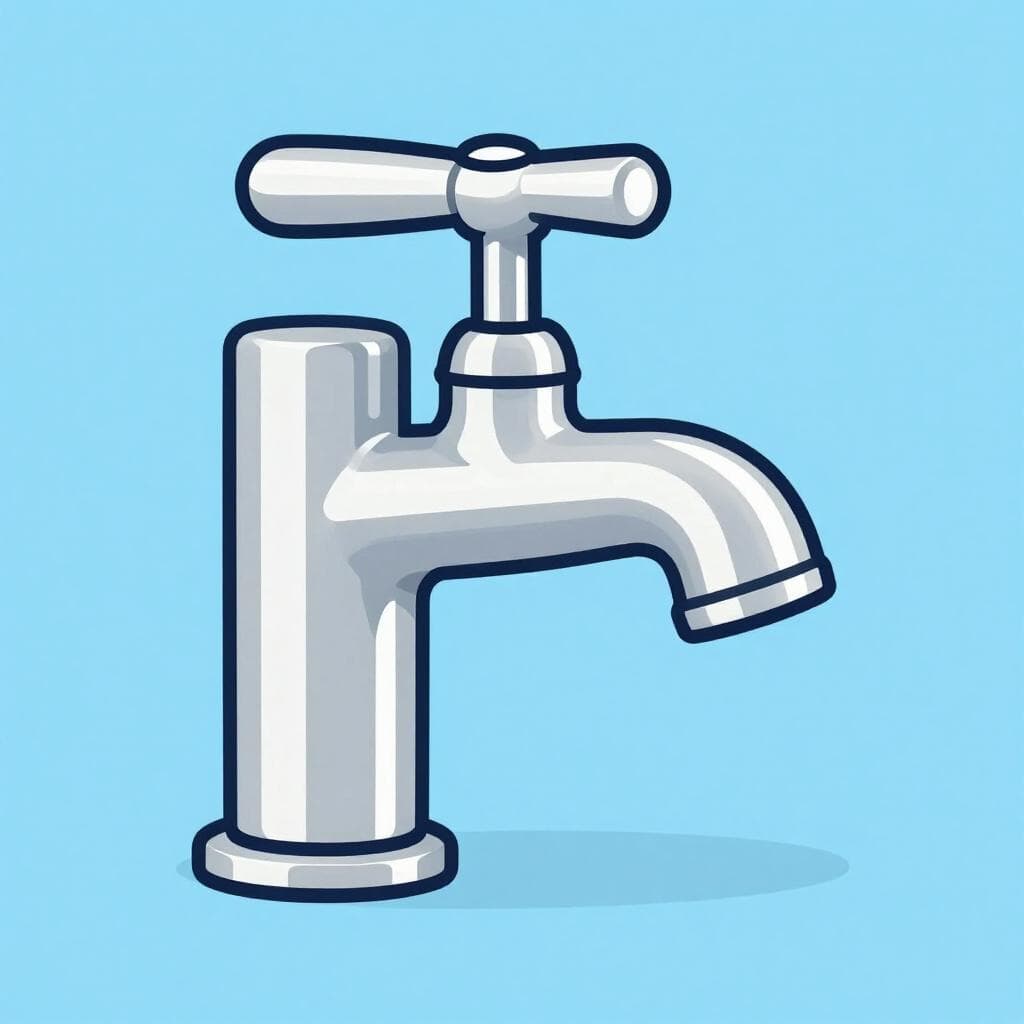
kran
“Por favor, cierra el grifo cuando te laves los dientes.”

odpływ
“El desagüe del fregadero está atascado con restos de comida.”
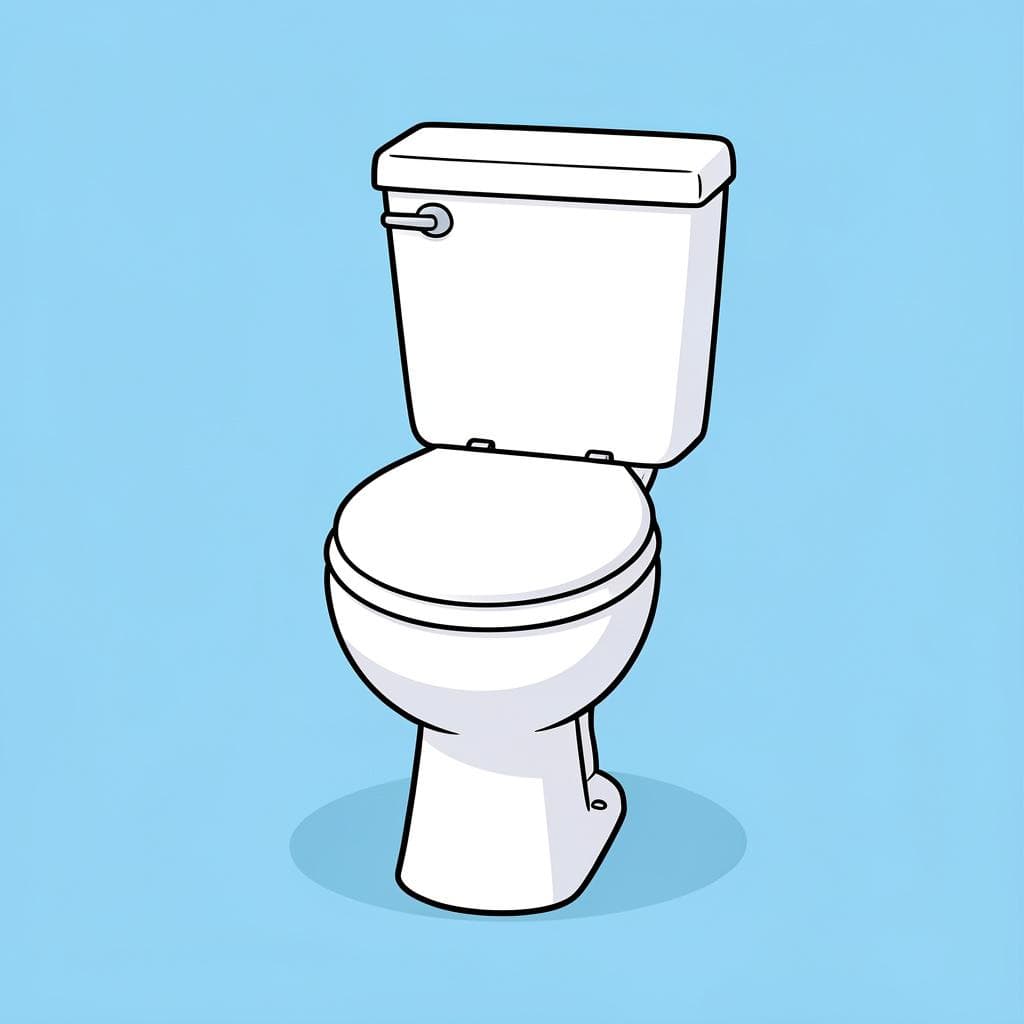
toaleta
“El inodoro del baño está roto.”
B1 — Średnio zaawansowany (1 słów)

muszla klozetowa
“El retrete de este hotel está muy limpio.”
Wskazówki gramatyczne
Zgodność rodzajowa przedmiotów łazienkowych
Większość rzeczowników w języku hiszpańskim ma rodzaj, a przymiotniki muszą się z nimi zgadzać. Na przykład „la bañera” (wanna) jest rodzaju żeńskiego, więc powiesz „la bañera limpia” (czysta wanna). „El lavabo” (umywalka) jest rodzaju męskiego, więc jest to „el lavabo limpio” (czysta umywalka).
Liczba pojedyncza i mnoga „łazienki”
W języku angielskim „bathroom” zazwyczaj odnosi się do pomieszczenia. W języku hiszpańskim „el baño” to pomieszczenie, ale „los baños” często odnosi się do publicznych toalet (np. w restauracji). Zobaczysz również „servicios” lub „aseos” dla publicznych toalet, szczególnie w Hiszpanii.
Tworzenie liczby mnogiej od „ręcznika”
Podobnie jak wiele rzeczowników kończących się na „-a”, „toalla” (ręcznik) w liczbie mnogiej staje się „toallas”. Pamiętaj, aby dopasować również rodzajnik: „una toalla” (ręcznik) staje się „las toallas” (ręczniki).
Typowe błędy
Mylenie pomieszczenia z urządzeniem
Błąd: “Necesito un baño.”
Poprawka: Necesito un lavabo/inodoro. — Chociaż „baño” może oznaczać łazienkę, oznacza również kąpiel (czynność kąpieli lub wannę). Jeśli musisz skorzystać z toalety, określ „lavabo” (umywalka/strefa toaletowa) lub „inodoro” (muszla klozetowa).
Nieprawidłowe tworzenie liczby mnogiej
Błąd: “Compré dos toalla.”
Poprawka: Compré dos toallas. — Rzeczownik „toalla” jest rodzaju żeńskiego i kończy się na „a”, więc jego liczba mnoga to „toallas”. Rodzajnik „dos” (dwa) już wskazuje na liczbę mnogą, ale rzeczownik również musi ulec zmianie.
Błąd zgodności rodzajowej
Błąd: “El ducha está rota.”
Poprawka: La ducha está rota. — „Ducha” (prysznic) to w języku hiszpańskim rzeczownik rodzaju żeńskiego, dlatego wymaga żeńskiego rodzajnika określonego „la” i zgadza się z przymiotnikami rodzaju żeńskiego.
Notatki kulturowe
Etykieta korzystania z toalet publicznych
W wielu krajach hiszpańskojęzycznych toalety publiczne mogą wymagać drobnej monety za wstęp, zwłaszcza w miejscach takich jak dworce kolejowe czy starsze lokale. Zwróć również uwagę na znaki wskazujące „H” (Hombres - Mężczyźni) i „D” lub „M” (Damas/Mujeres - Kobiety).
Debata o „bidecie”
Chociaż popularne w wielu łazienkach europejskich i latynoamerykańskich, bidety są mniej powszechne w Ameryce Północnej. Jeśli go zobaczysz, służy on do higieny osobistej po skorzystaniu z toalety.