How to Say "to utilize" in Spanish
The most common Spanish word for “to utilize” is “usar” — use 'usar' for the general act of using something, similar to 'to use' in English. It's the most common and versatile option for everyday situations.
usar
oo-SARuˈsaɾ
Examples
Uso mi teléfono para llamar a mis amigos.
I use my phone to call my friends.
¿Puedo usar tu bolígrafo un momento?
Can I use your pen for a moment?
Para este postre, usamos tres huevos y mucha azúcar.
For this dessert, we use three eggs and a lot of sugar.
Always Use *Something*
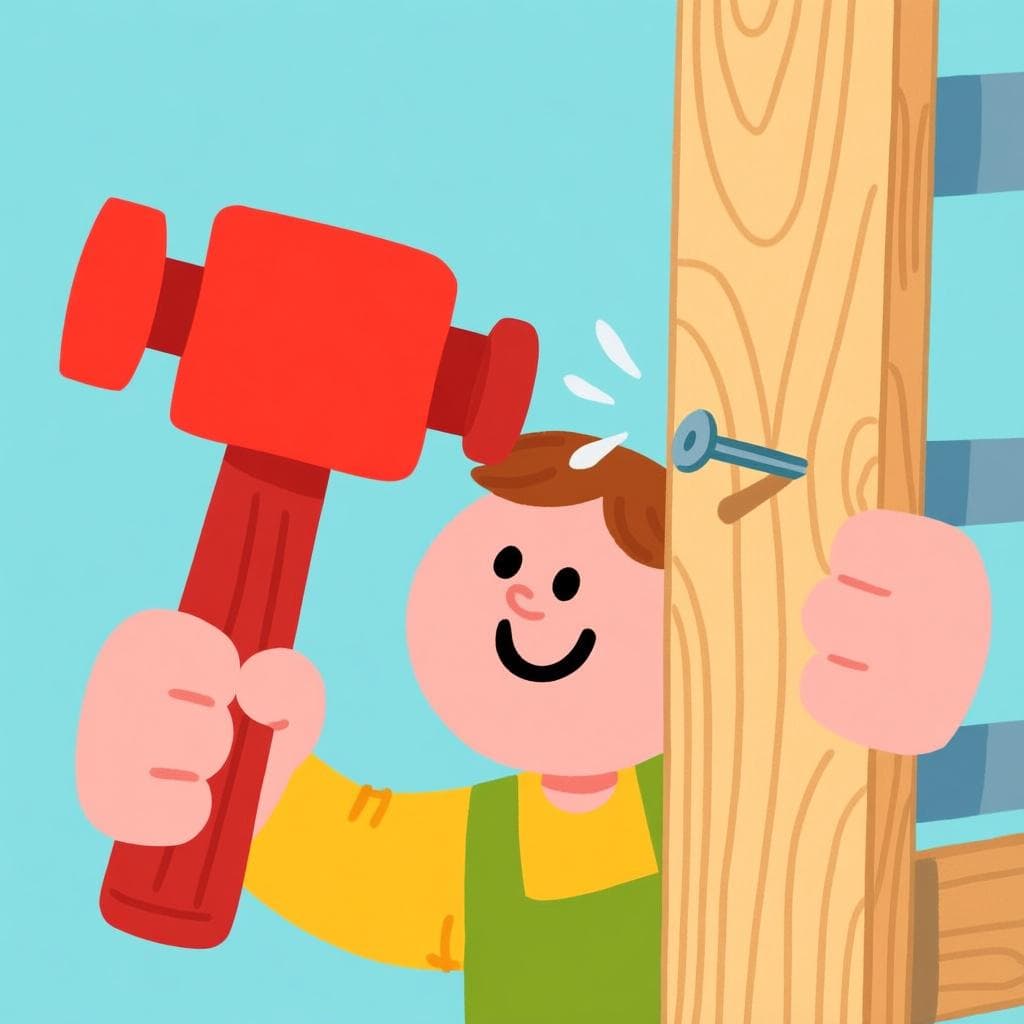
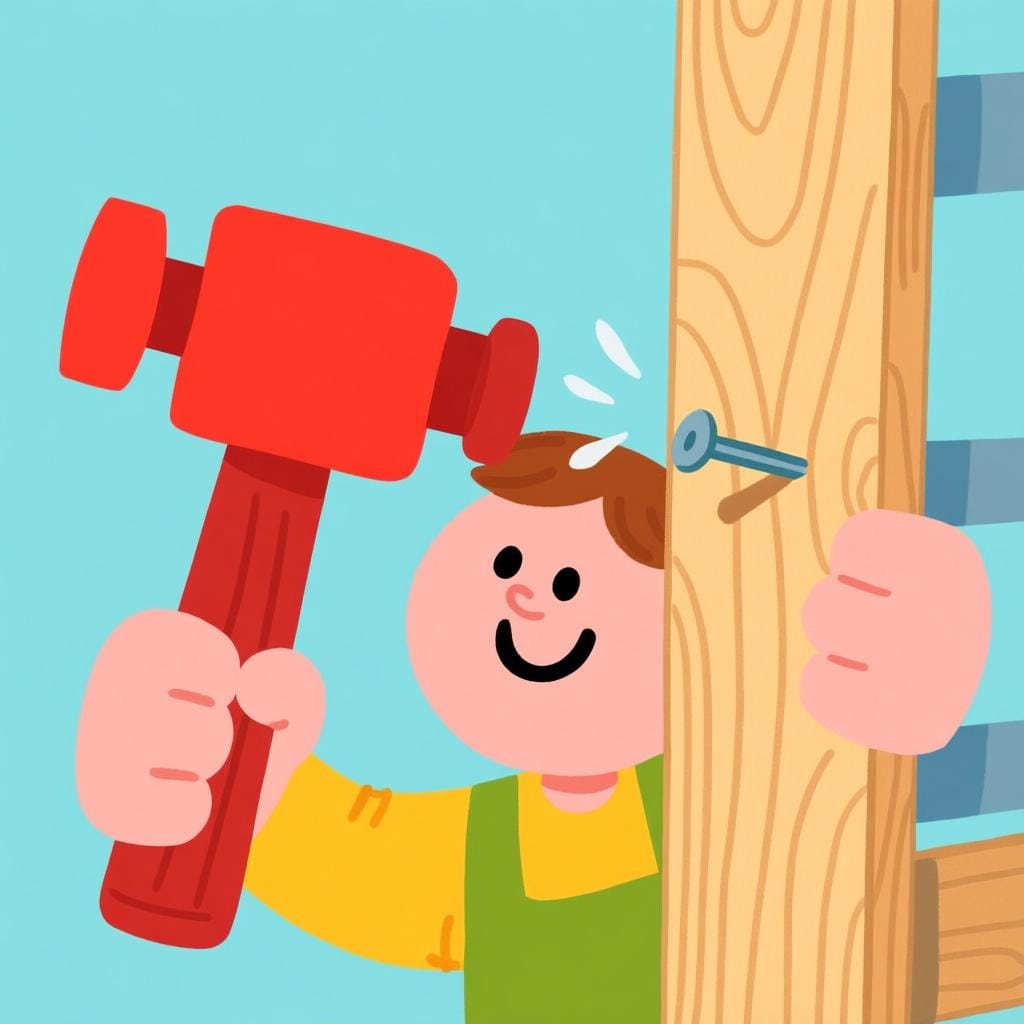
Think of 'usar' as needing a partner. You always use something. For example, 'Yo uso el martillo' (I use the hammer). The hammer is the thing receiving the action.
Using it for Consuming
Mistake: “No debes usar todo el papel.”
Correction: In contexts of consuming or using up something completely, 'gastar' is often better: 'No debes gastar todo el papel' (You shouldn't use up all the paper).
emplear
em-pleh-AHRem.ple.ˈaɾ
Examples
Debes emplear las herramientas adecuadas para arreglar la silla.
You should employ the right tools to fix the chair.
Empleamos mucho tiempo en este proyecto.
We spent a lot of time on this project.
Es necesario emplear un lenguaje claro en la reunión.
It is necessary to use clear language in the meeting.
Use with Time
Unlike English where you 'spend' time, in Spanish you can 'employ' time to sound more productive or formal.
Formal Tone
Use 'emplear' instead of 'usar' when you want to sound a bit more professional or precise.
Confusing 'Gastar' and 'Emplear'
Mistake: “Gasto mucho tiempo en estudiar.”
Correction: Empleo mucho tiempo en estudiar. (Gastar implies wasting; emplear implies a purposeful use).
utilizar
oo-tee-lee-SAHRutiliˈθaɾ
Examples
Necesitas utilizar la llave correcta para abrir esa puerta.
You need to utilize the correct key to open that door.
El equipo decidió utilizar un nuevo software para gestionar el proyecto.
The team decided to utilize new software to manage the project.
Si utilizamos bien los recursos naturales, podremos evitar problemas futuros.
If we utilize natural resources well, we will be able to avoid future problems.
Spelling Change for ZAR verbs
When conjugating verbs that end in -zar, the 'z' changes to a 'c' whenever it comes before the vowels 'e' or 'i'. This happens in the 'yo' preterite (utilicé) and all present subjunctive forms (utilice, utilices, etc.).
Confusing 'Utilizar' and 'Usar'
Mistake: “Using 'utilizar' in very casual, everyday conversation, such as 'Voy a utilizar el baño.'”
Correction: While not strictly wrong, 'usar' is much more common and natural for simple, everyday objects or actions. 'Voy a usar el baño.' Use 'utilizar' when talking about resources, strategies, or in writing.
explotar
eks-plo-TAReks.ploˈtaɾ
Examples
Necesitamos explotar las energías renovables de la región.
We need to exploit the region's renewable energy sources.
El director supo explotar su talento para la música.
The director knew how to capitalize on his talent for music.
La compañía va a explotar un nuevo yacimiento de cobre.
The company is going to mine a new copper deposit.
Different meanings
Remember that 'explotar' can mean 'to blow up' or 'to use/utilize.' The context will tell you which one is correct. If it’s about resources, it means utilization.
Usar vs. Utilizar
Related Translations
Learn Spanish with Inklingo
Interactive stories, personalized learning, and more.