Birth & Babies in Spanish
This set of Spanish words covers everything related to birth and babies, from pregnancy to newborns. Learning these terms is super useful if you're expanding your family or just want to chat with Spanish-speaking parents. It's interesting how Spanish uses 'embarazada' for pregnant, which sounds a lot like 'embarrassed' in English, but they're totally different words!
Quick Reference
| Spanish | English | Example | Level |
|---|---|---|---|
beba | drink | Es importante que usted beba mucha agua. | B1 |
bebe | drinks | Mi perro bebe mucha agua después de correr. | A1 |
carrito | shopping cart | Necesito un carrito para poner todas estas verduras. | A1 |
cuna | crib | El bebé está durmiendo tranquilamente en su cuna. | A1 |
embarazada | pregnant | Mi hermana está embarazada de su primer hijo. | A1 |
embarazo | pregnancy | El médico confirmó que mi hermana tiene un embarazo de alto riesgo. | B1 |
guardería | daycare | Llevo a mi hija a la guardería antes de ir al trabajo. | A2 |
nacer | to be born | Mi hermana nació en 1995. | A1 |
nacimiento | birth | La fecha de su nacimiento es el 15 de mayo. | A1 |
pañales | diapers | Necesito comprar una caja de pañales para el bebé. | A2 |
parto | delivery | El parto duró muchas horas, pero fue un parto natural. | B1 |
maternidad | motherhood | La maternidad cambió mi forma de ver el mundo. | B1 |
A1 — Beginner (7 words)

drinks
“Mi perro bebe mucha agua después de correr.”

shopping cart
“Necesito un carrito para poner todas estas verduras.”
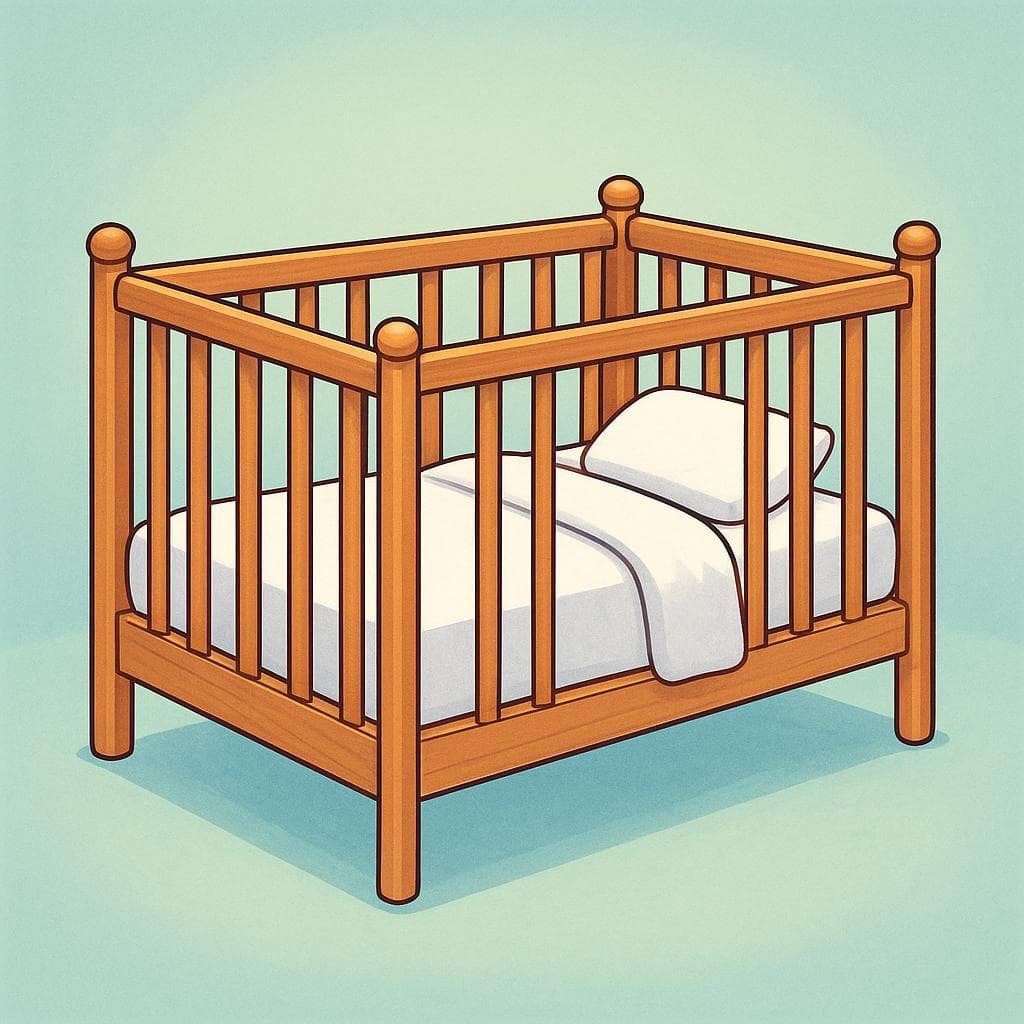
crib
“El bebé está durmiendo tranquilamente en su cuna.”

pregnant
“Mi hermana está embarazada de su primer hijo.”
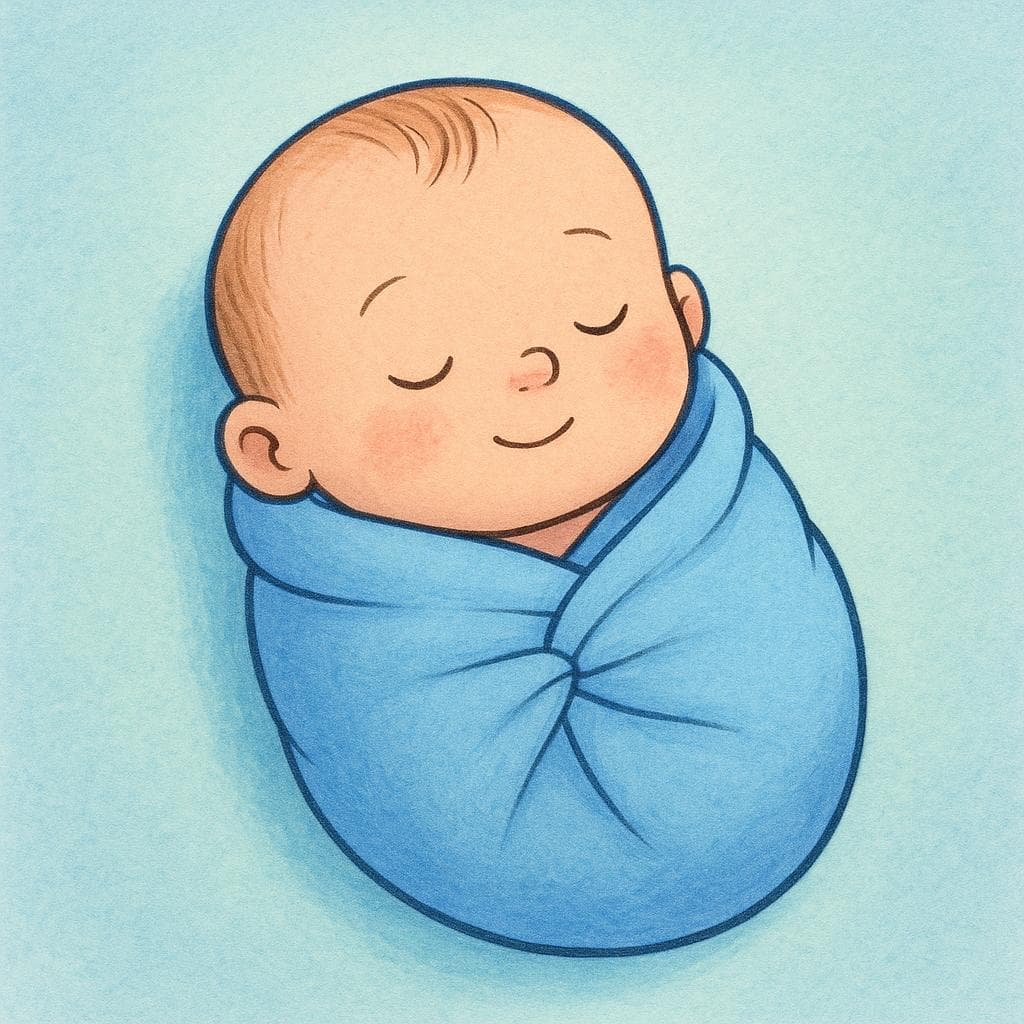
to be born
“Mi hermana nació en 1995.”
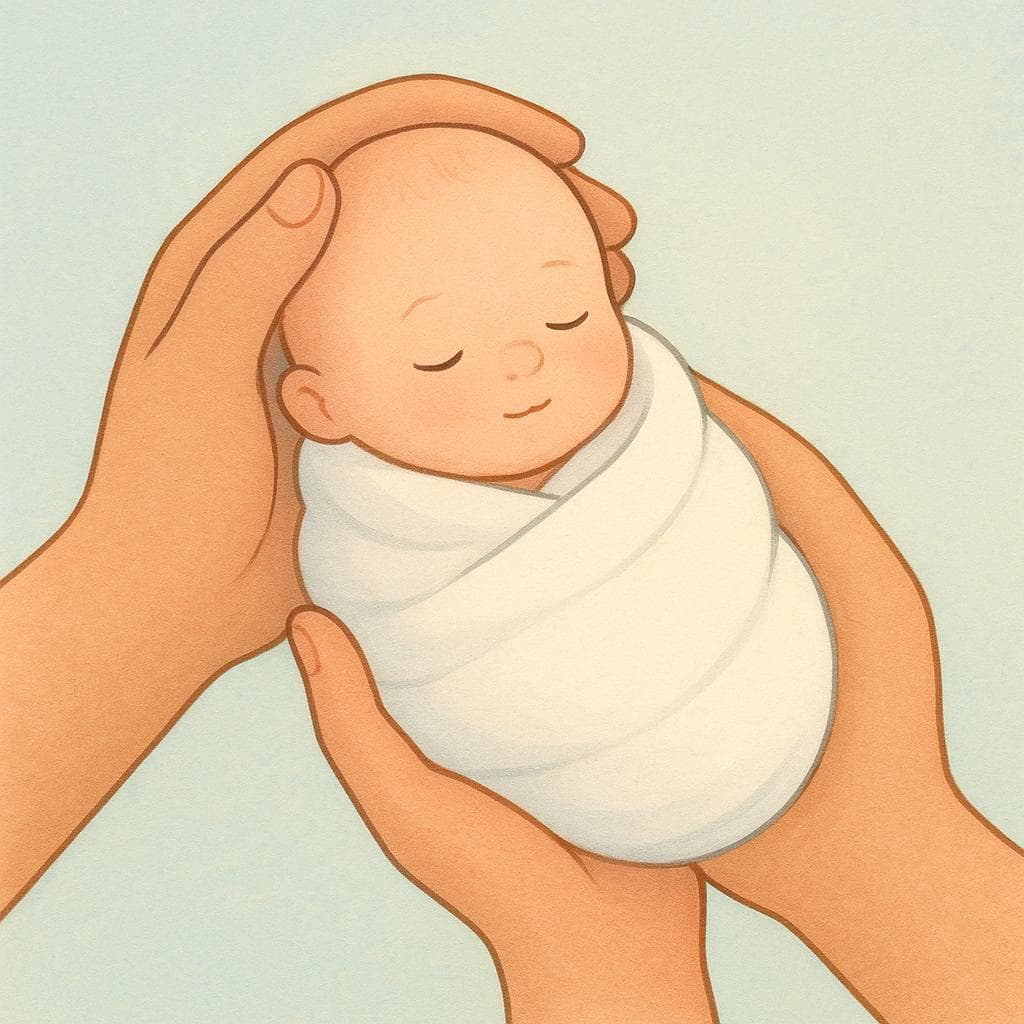
birth
“La fecha de su nacimiento es el 15 de mayo.”
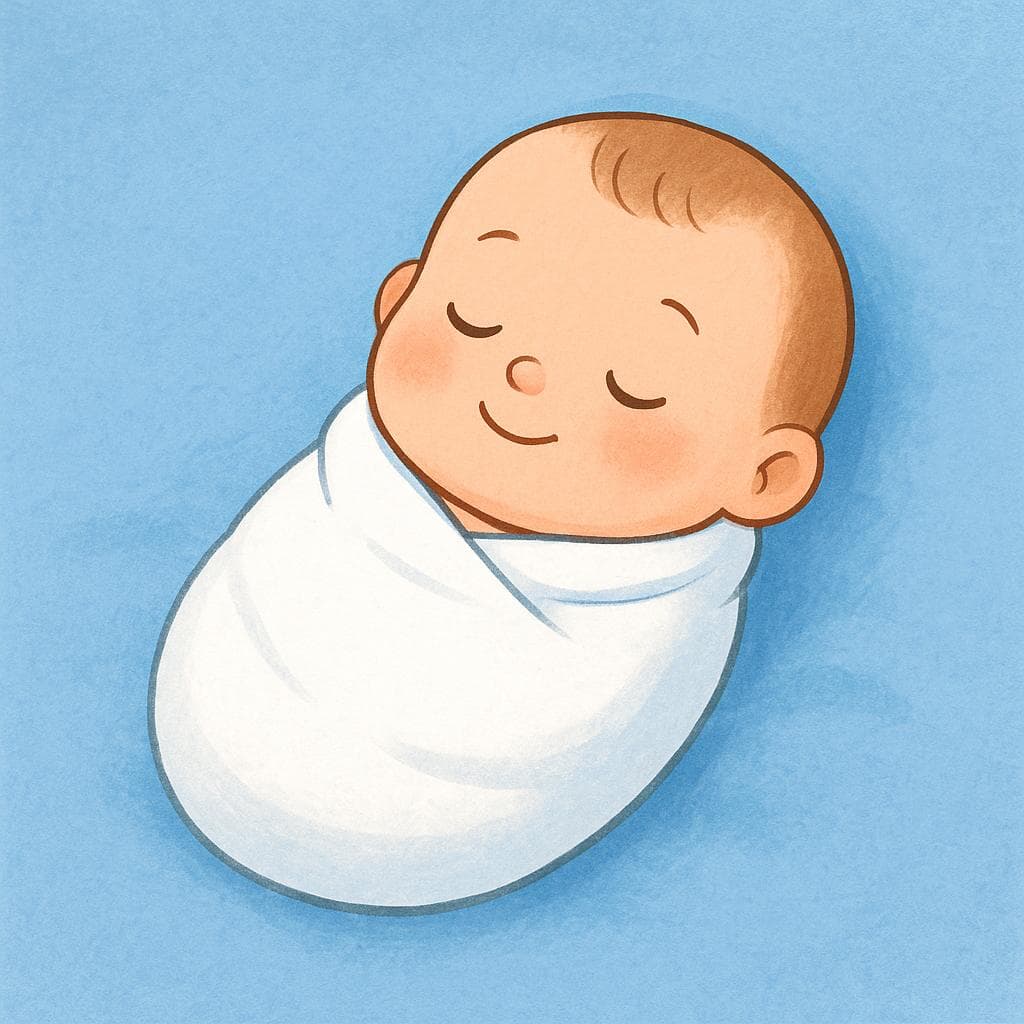
born
“Mi abuelo era un hombre nacido en el campo.”
A2 — Elementary (3 words)
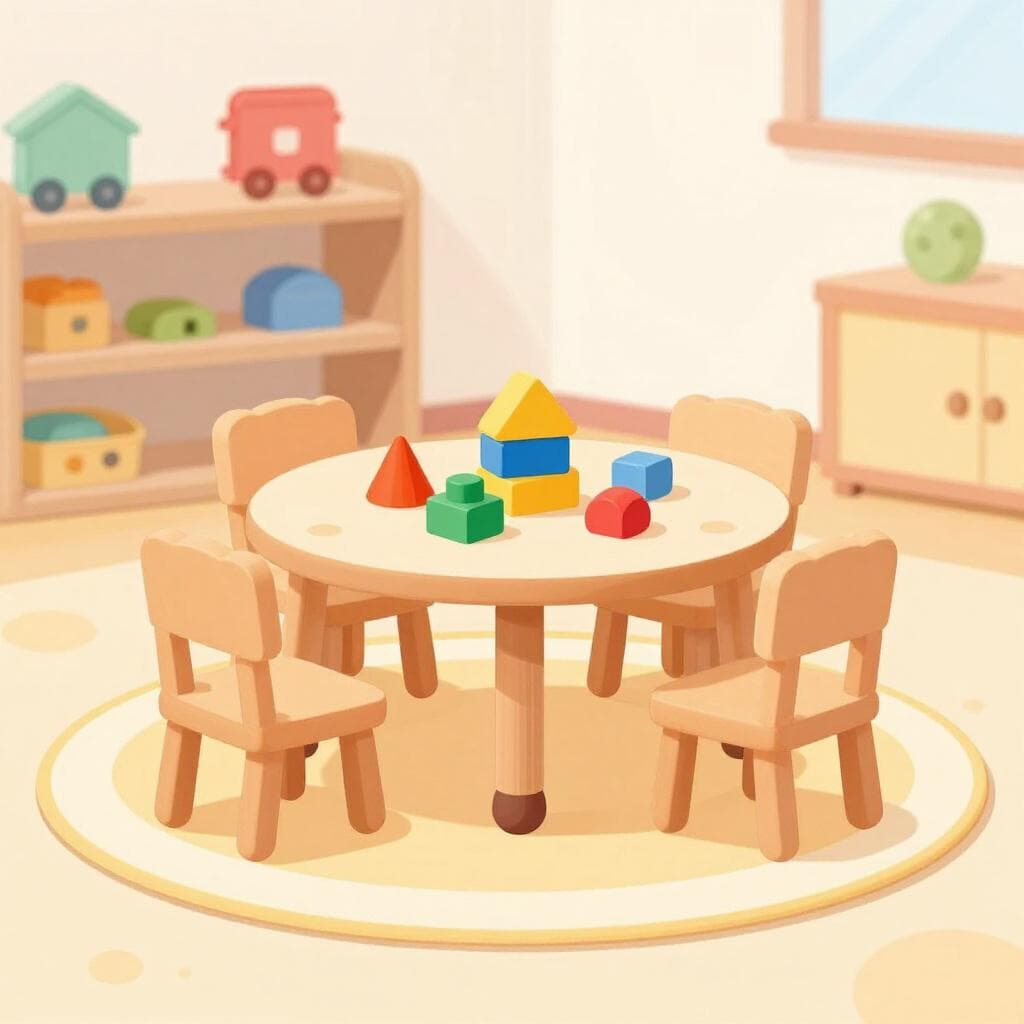
daycare
“Llevo a mi hija a la guardería antes de ir al trabajo.”
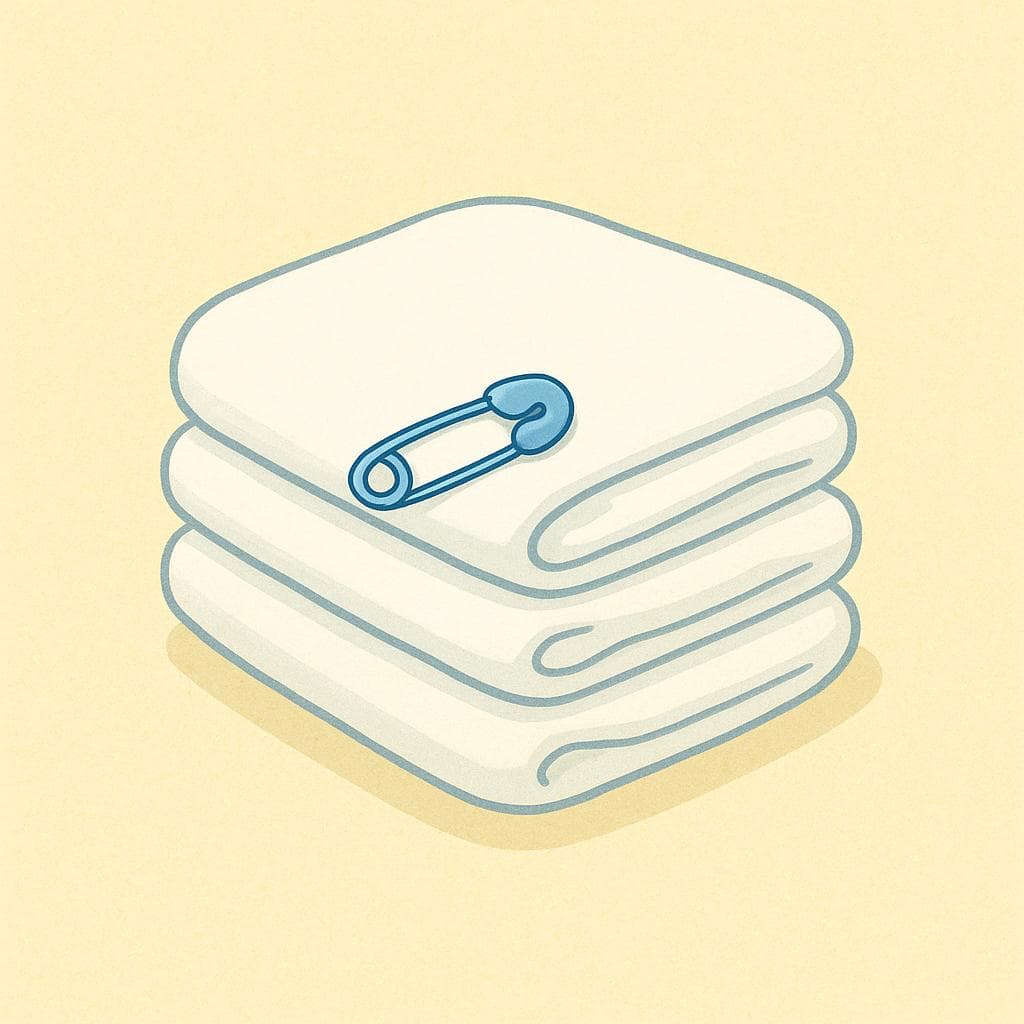
diapers
“Necesito comprar una caja de pañales para el bebé.”
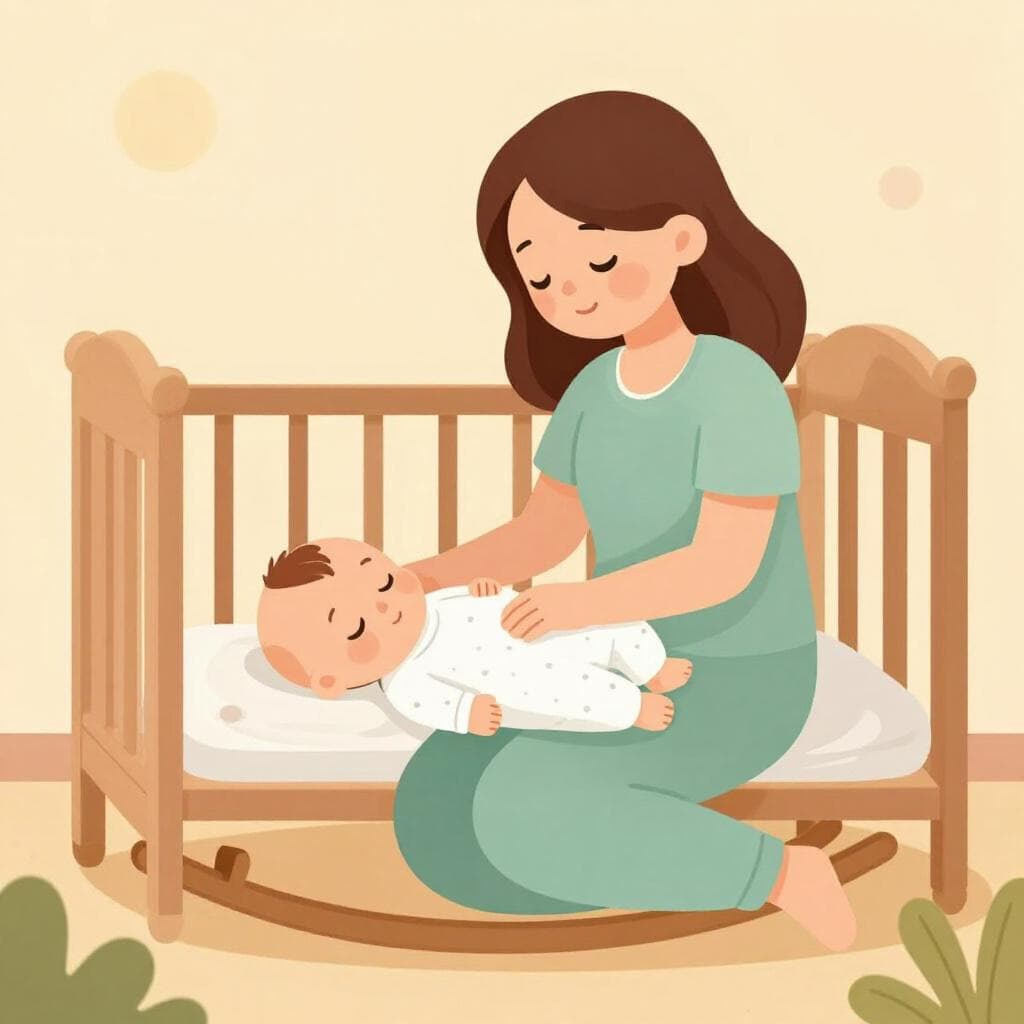
lullaby
“Mi madre me cantaba una nana todas las noches.”
B1 — Intermediate (6 words)

drink
“Es importante que usted beba mucha agua.”

pregnancy
“El médico confirmó que mi hermana tiene un embarazo de alto riesgo.”
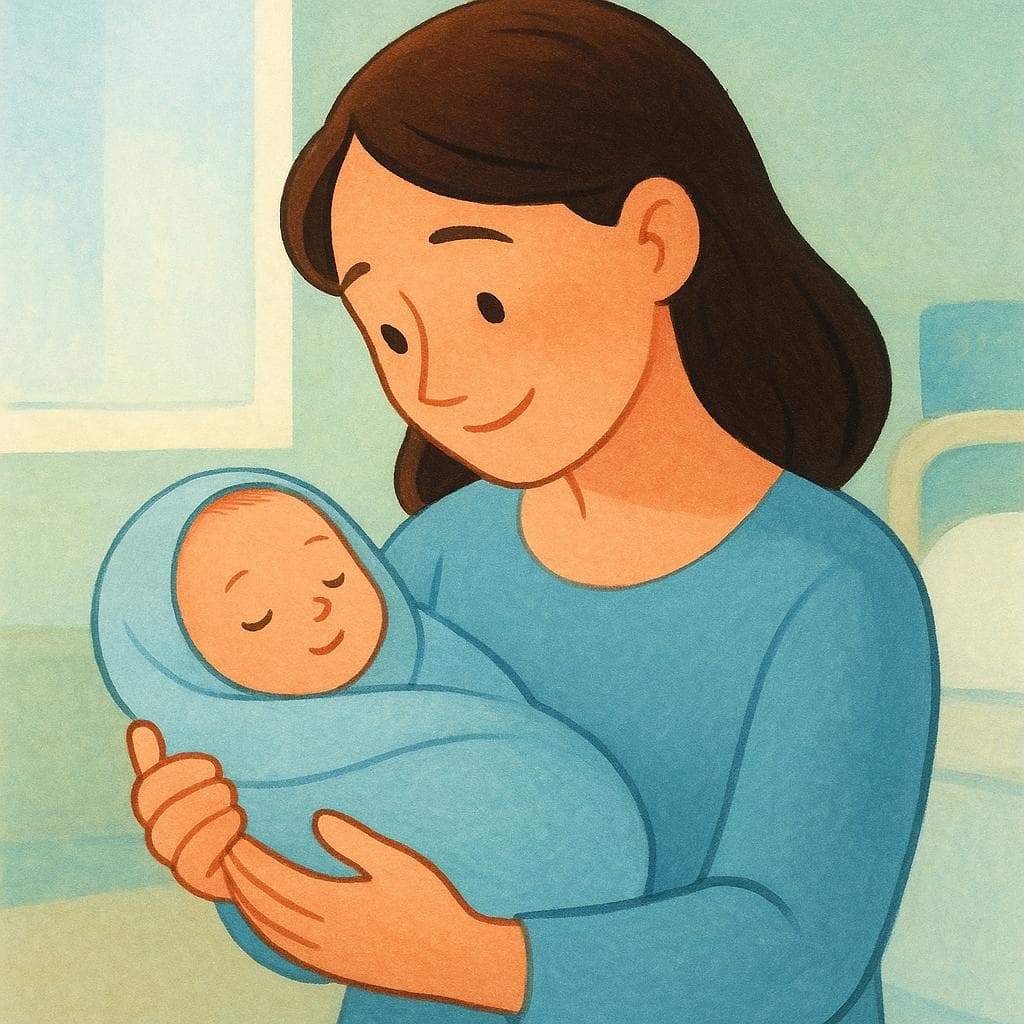
delivery
“El parto duró muchas horas, pero fue un parto natural.”
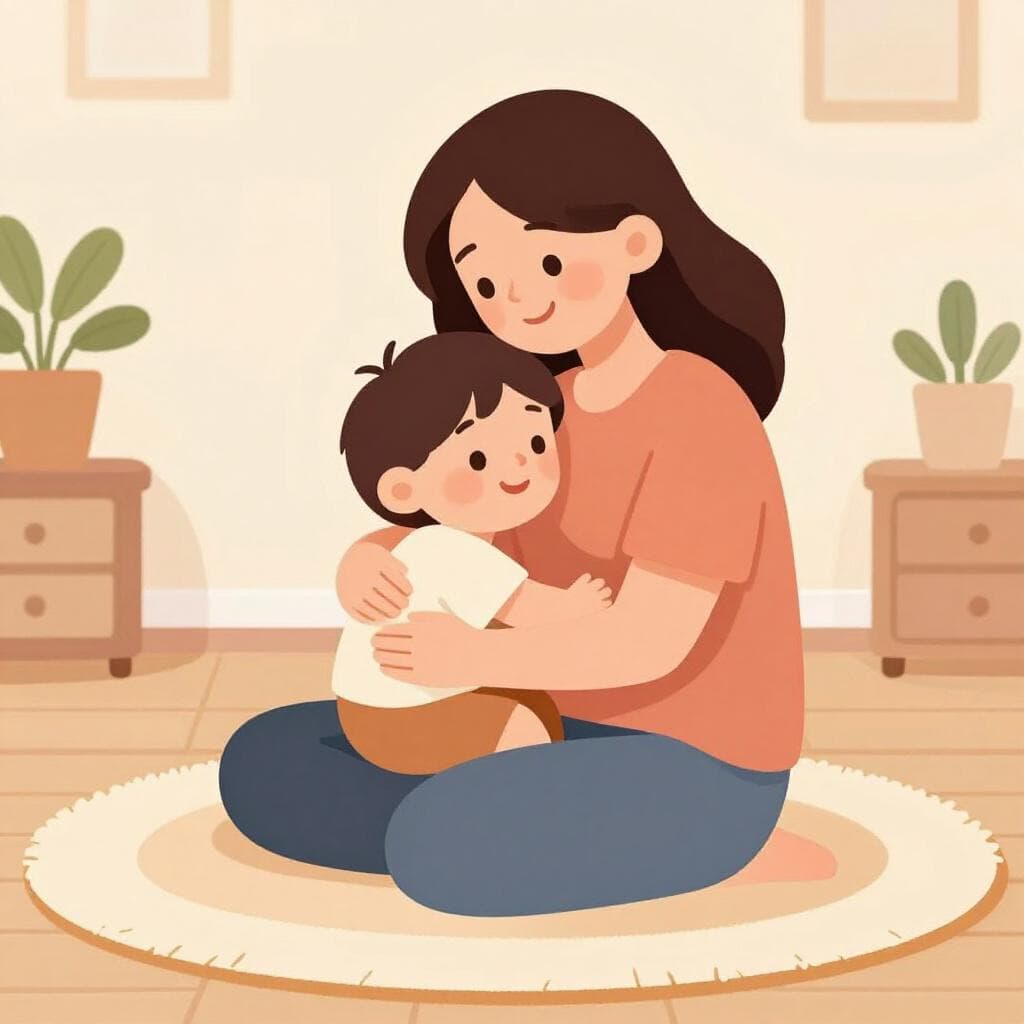
motherhood
“La maternidad cambió mi forma de ver el mundo.”
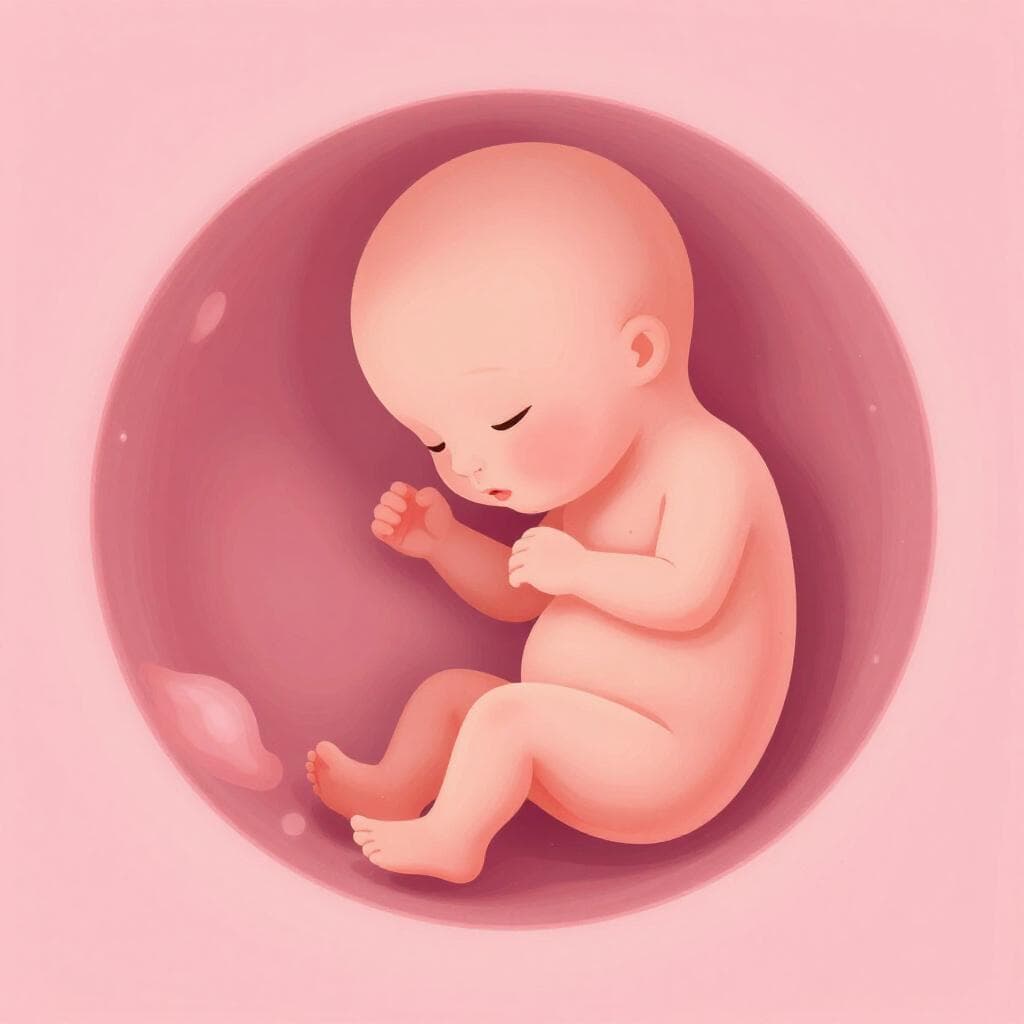
fetus
“El feto se mueve mucho hoy.”

to give birth
“La gata parió cinco gatitos esta madrugada.”
B2 — Upper Intermediate (1 words)

embryo
“El científico observó el embrión bajo el microscopio.”
Grammar Tips
Gender Agreement for 'Pregnant'
In Spanish, adjectives must agree in gender with the noun they describe. For 'pregnant,' you'll use 'embarazado' for a male (though less common to describe a man as pregnant) and 'embarazada' for a female. For example, 'El hombre está embarazado' (The man is pregnant - rare context) vs. 'La mujer está embarazada' (The woman is pregnant).
Pluralizing 'Baby'
Spanish plurals are usually formed by adding -s or -es. 'Bebé' (baby) becomes 'bebés' (babies) by adding -s and an accent mark over the 'e'. 'Un bebé' (a baby), 'los bebés' (the babies).
Verbs for 'To Be Born'
The verb 'nacer' means 'to be born.' It's often used in the past tense. For example, 'Mi hijo nació en Madrid' (My son was born in Madrid). The past participle 'nacido/nacida' means 'born,' as in 'un niño recién nacido' (a newborn child).
Common Mistakes
Confusing 'bebe' and 'bebé'
Mistake: “Quiero un bebe.”
Correction: Quiero un bebé. — 'Bebe' (without the accent) is the third-person singular present tense of 'beber' (to drink), meaning 'he/she drinks.' 'Bebé' (with the accent) means 'baby.'
Incorrect gender for 'pregnant'
Mistake: “Mi amigo está embarazada.”
Correction: Mi amigo está embarazado. — 'Amigo' is masculine, so the adjective must also be masculine ('embarazado'). If referring to a female friend, it would be 'Mi amiga está embarazada.'
Using 'nacer' incorrectly
Mistake: “Yo nacer en 1990.”
Correction: Yo nací en 1990. — 'Nacer' is an irregular verb. The first-person singular preterite (simple past) is 'nací', meaning 'I was born.'
Cultural Notes
Family is Everything
In many Spanish-speaking cultures, family ties are extremely strong. Grandparents, aunts, and uncles often play a very active role in raising children, so you'll hear terms for extended family frequently.
Varying Traditions
While the core vocabulary is the same, specific traditions around birth and baby naming can vary significantly between Spain and different Latin American countries. It's always worth asking about local customs!