Age & Life Stages in Spanish
Talking about age and life stages is super common in any language! In Spanish, you'll learn words for different ages, from babies to the very old, and stages like childhood, adolescence, and adulthood. Understanding this vocabulary is key to discussing personal history, family, and even making plans for the future. It's also interesting how Spanish often uses gender agreement for these terms, much like with other adjectives.
Quick Reference
| Spanish | English | Example | Level |
|---|---|---|---|
adolescencia | adolescence | La adolescencia es una etapa de muchos cambios. | A2 |
adolescente | teenager | Mi hermana mayor es una adolescente muy responsable. | A1 |
adolescentes | teenagers | Los padres están preocupados por el uso de internet de sus adolescentes. | A2 |
adulto | adult | Necesitas ser un adulto para firmar este contrato. | A1 |
ancianos | elderly people | Los ancianos de la comunidad merecen nuestro respeto. | A1 |
casado | married | Mi hermano mayor está casado con una doctora. | A1 |
chaval | boy | El chaval nuevo del barrio juega muy bien al fútbol. | A2 |
cría | offspring | La leona protege a su cría de los depredadores. | A2 |
criar | to raise | Ellos criaron a tres hijos en el campo. | A1 |
criatura | baby | La criatura durmió toda la noche por primera vez. | A1 |
cumpleaños | birthday | ¡Feliz cumpleaños! | A1 |
edad | age | ¿Qué edad tienes? | A1 |
A1 — Beginner (24 words)
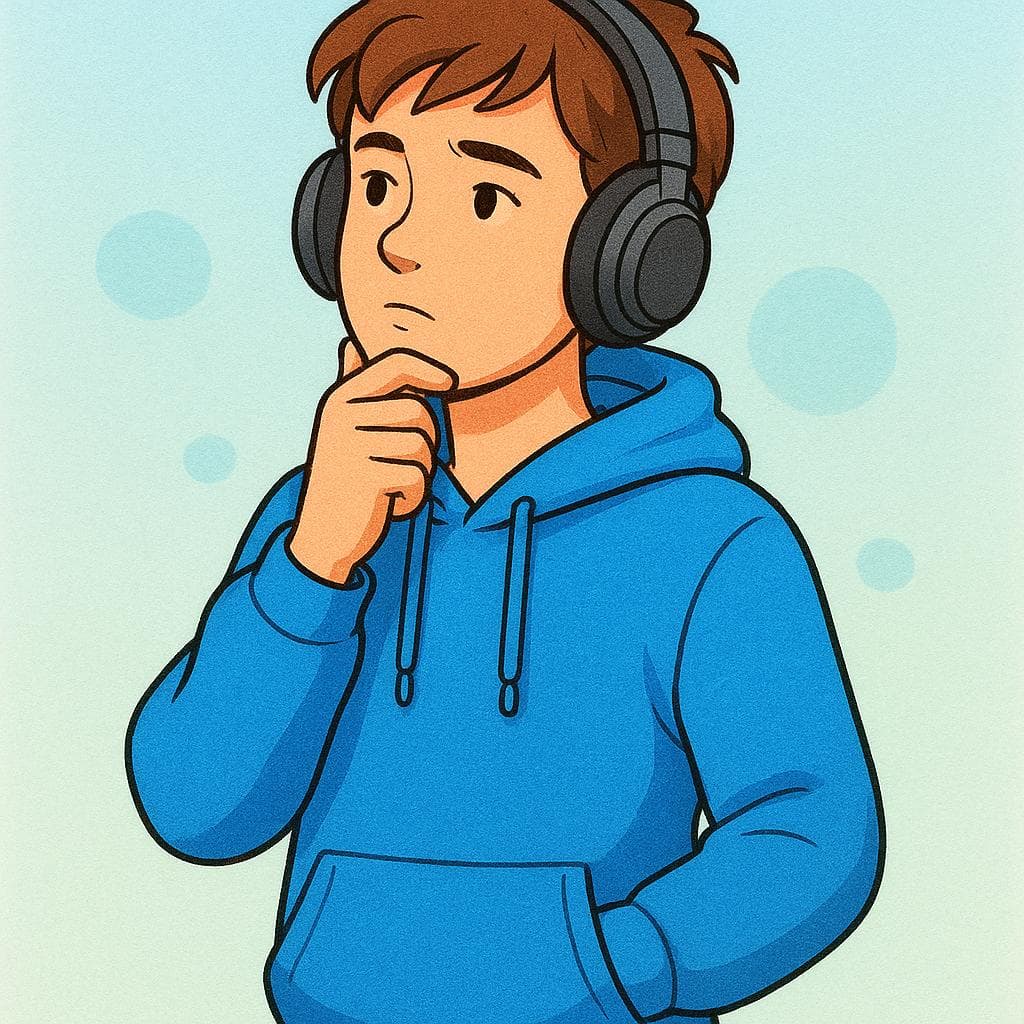
teenager
“Mi hermana mayor es una adolescente muy responsable.”
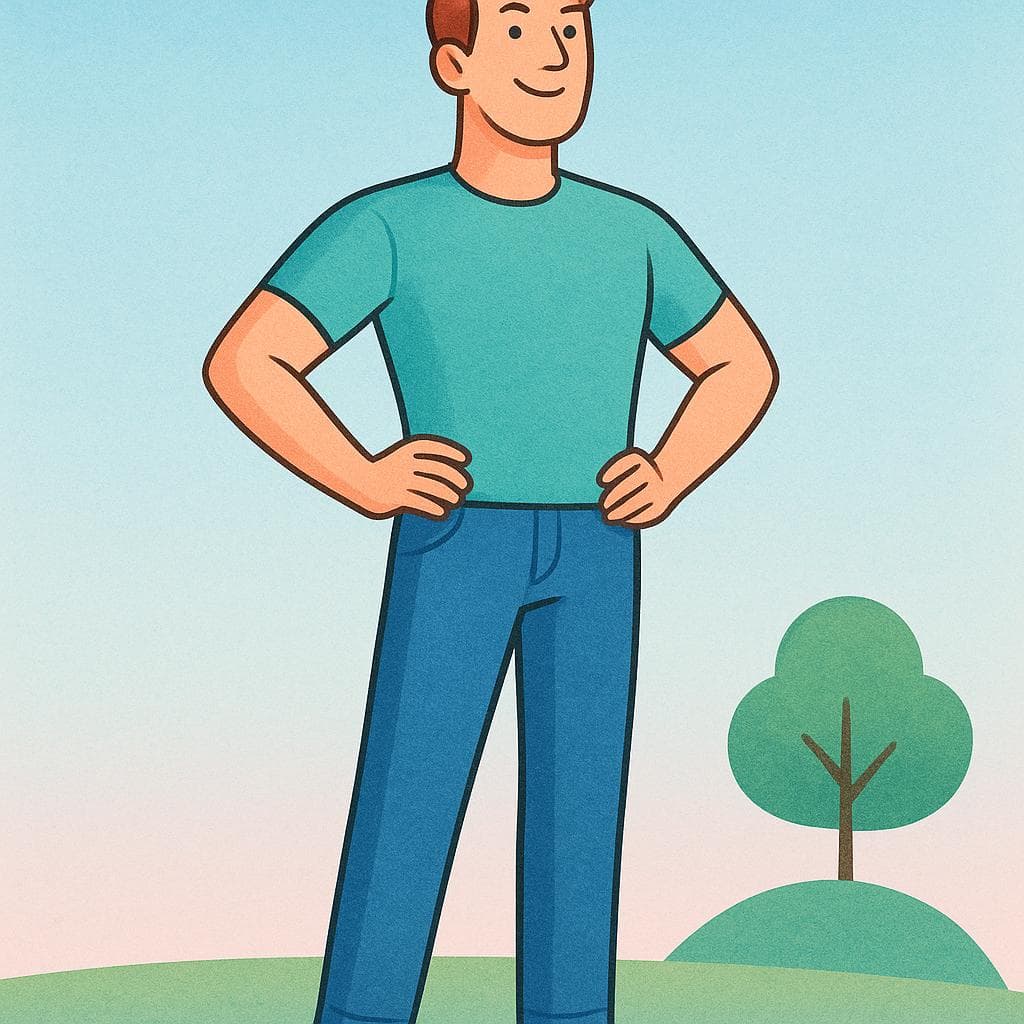
adult
“Necesitas ser un adulto para firmar este contrato.”
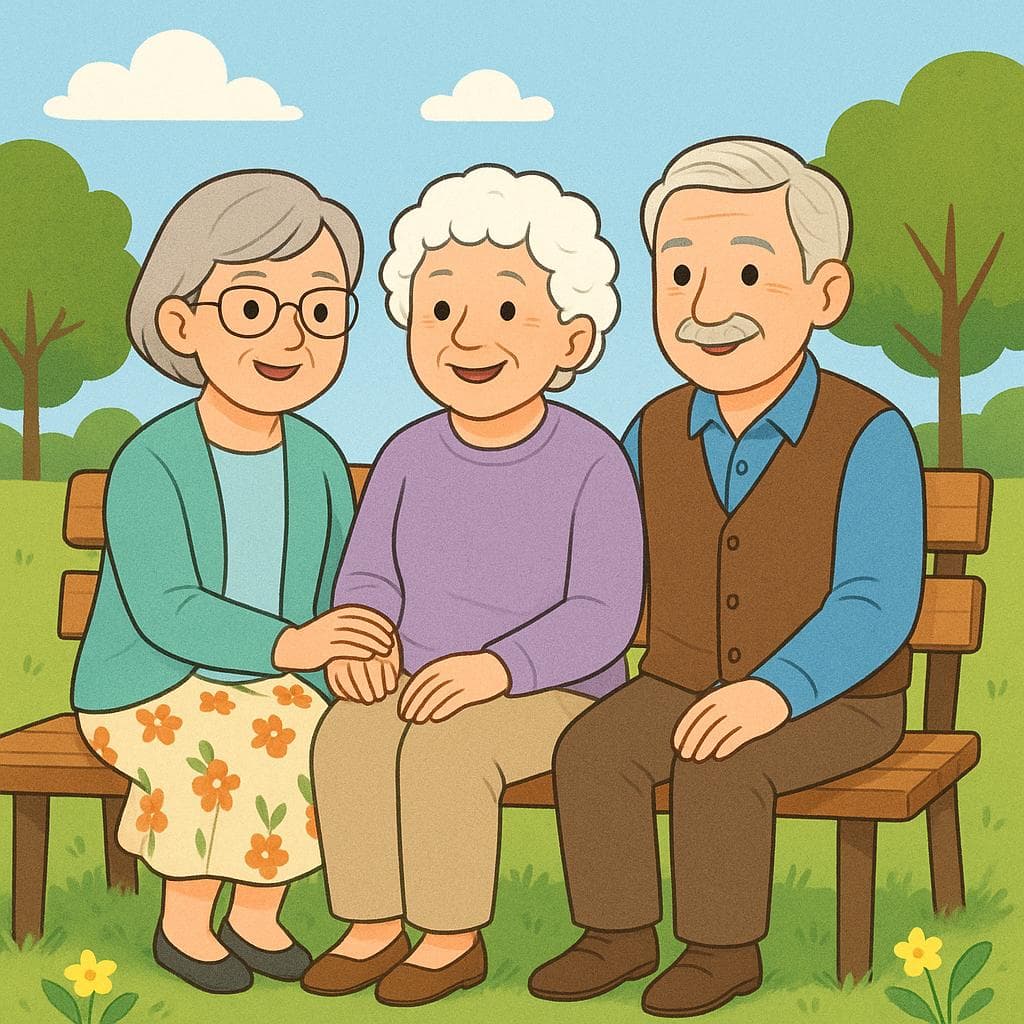
elderly people
“Los ancianos de la comunidad merecen nuestro respeto.”
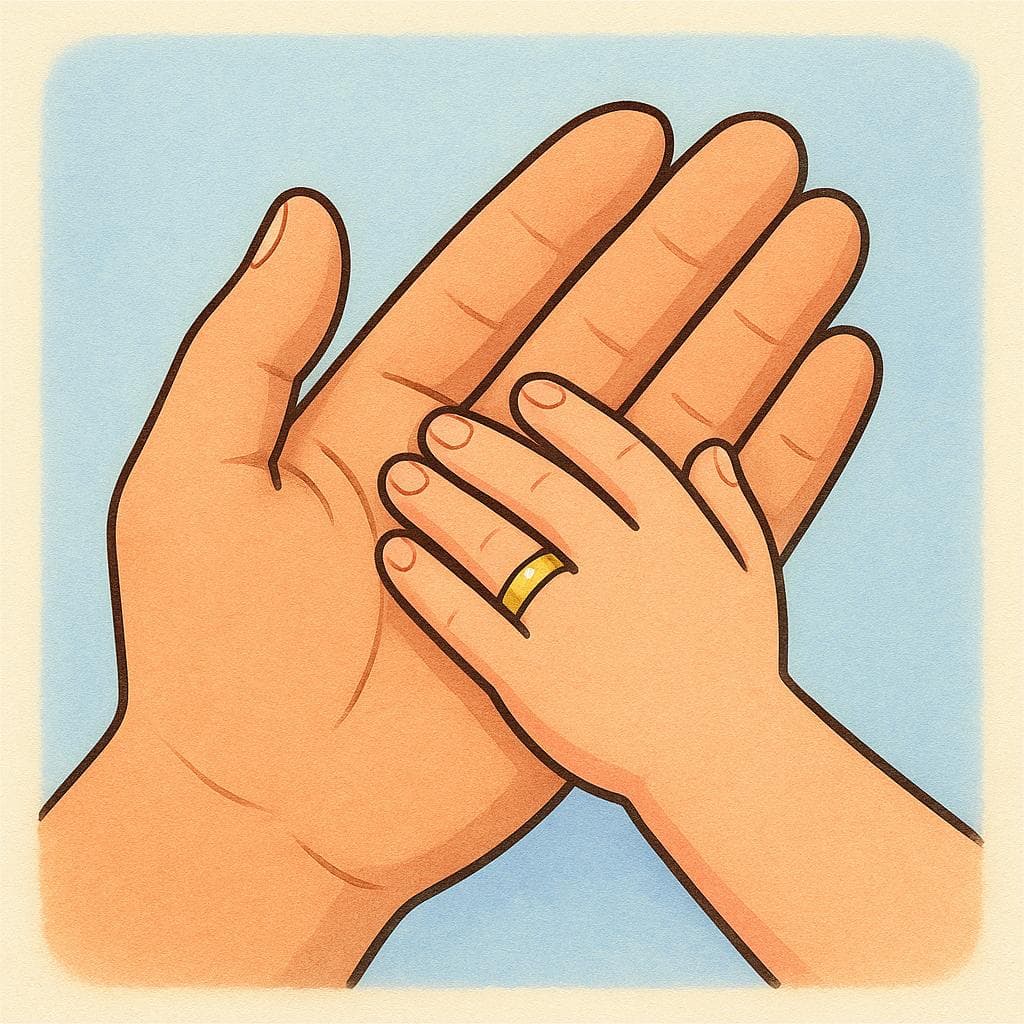
married
“Mi hermano mayor está casado con una doctora.”
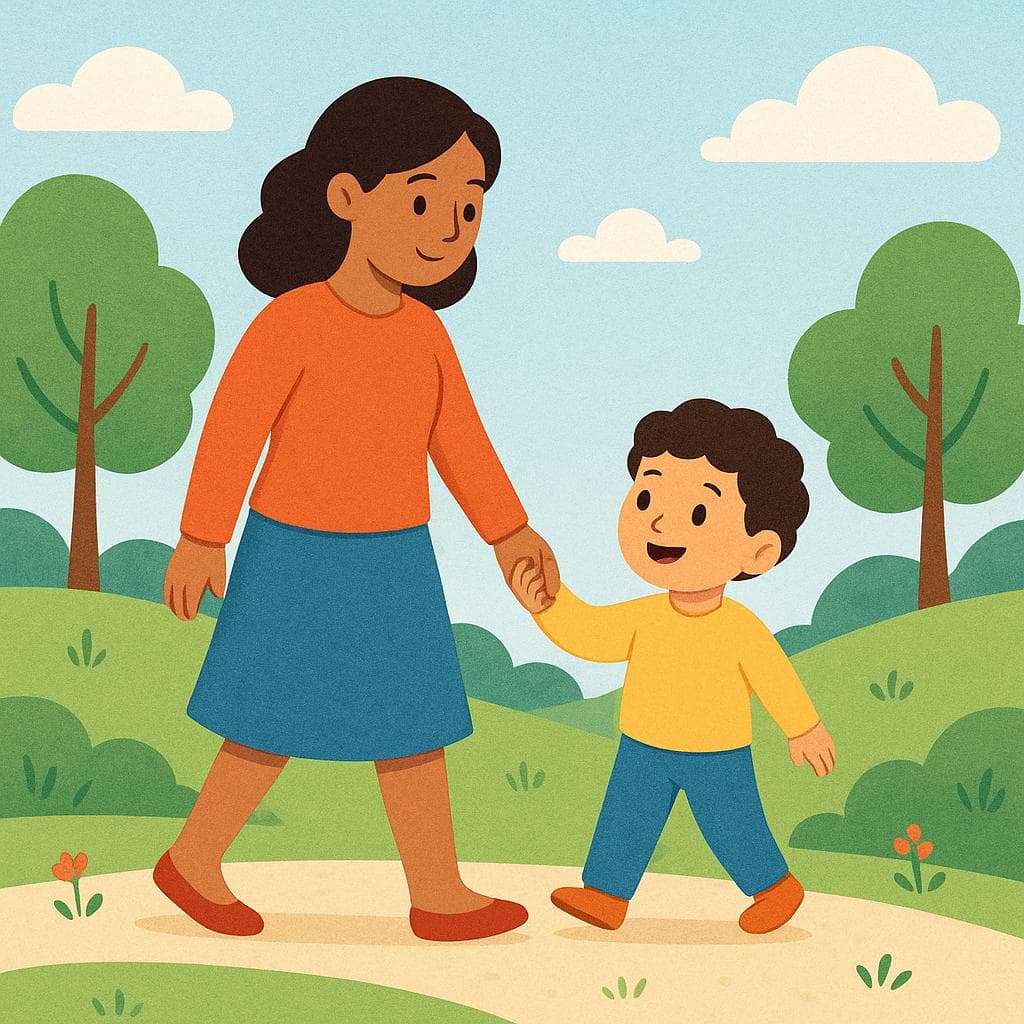
to raise
“Ellos criaron a tres hijos en el campo.”
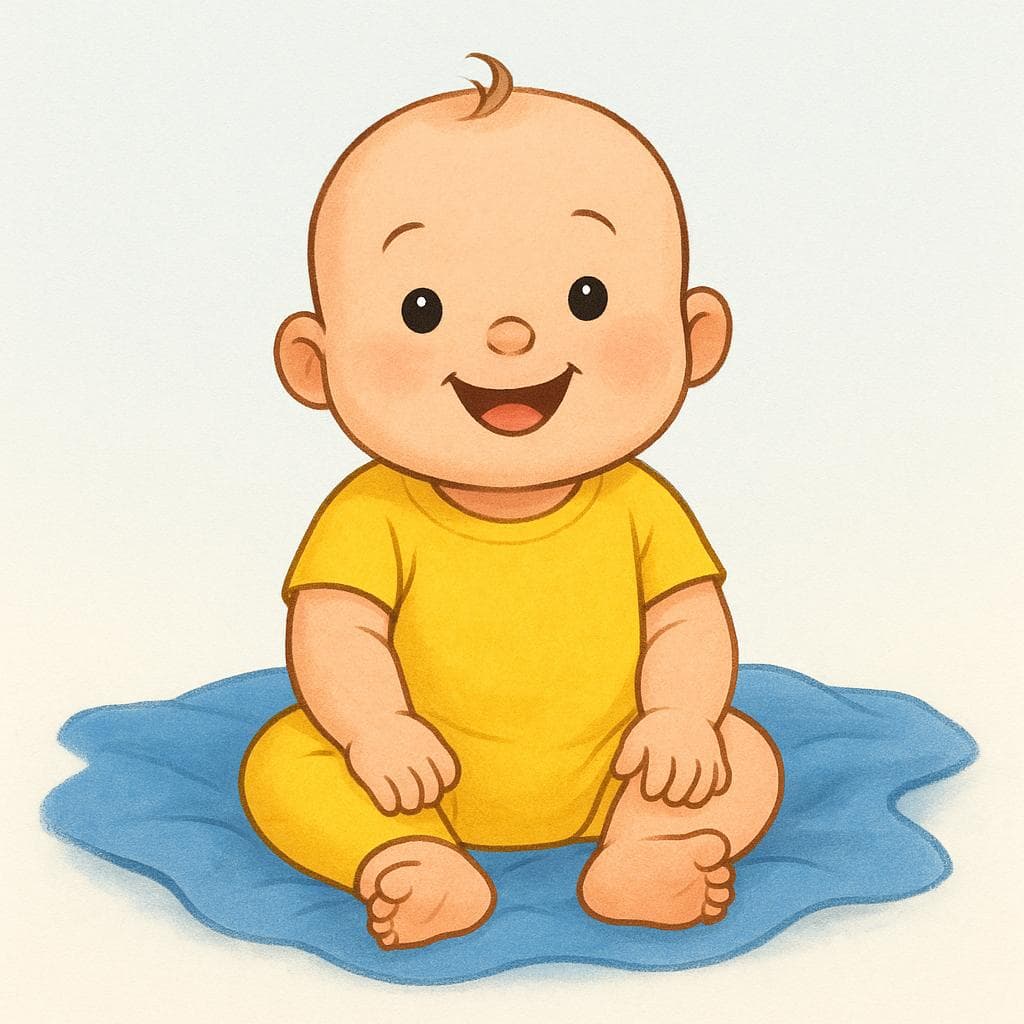
baby
“La criatura durmió toda la noche por primera vez.”
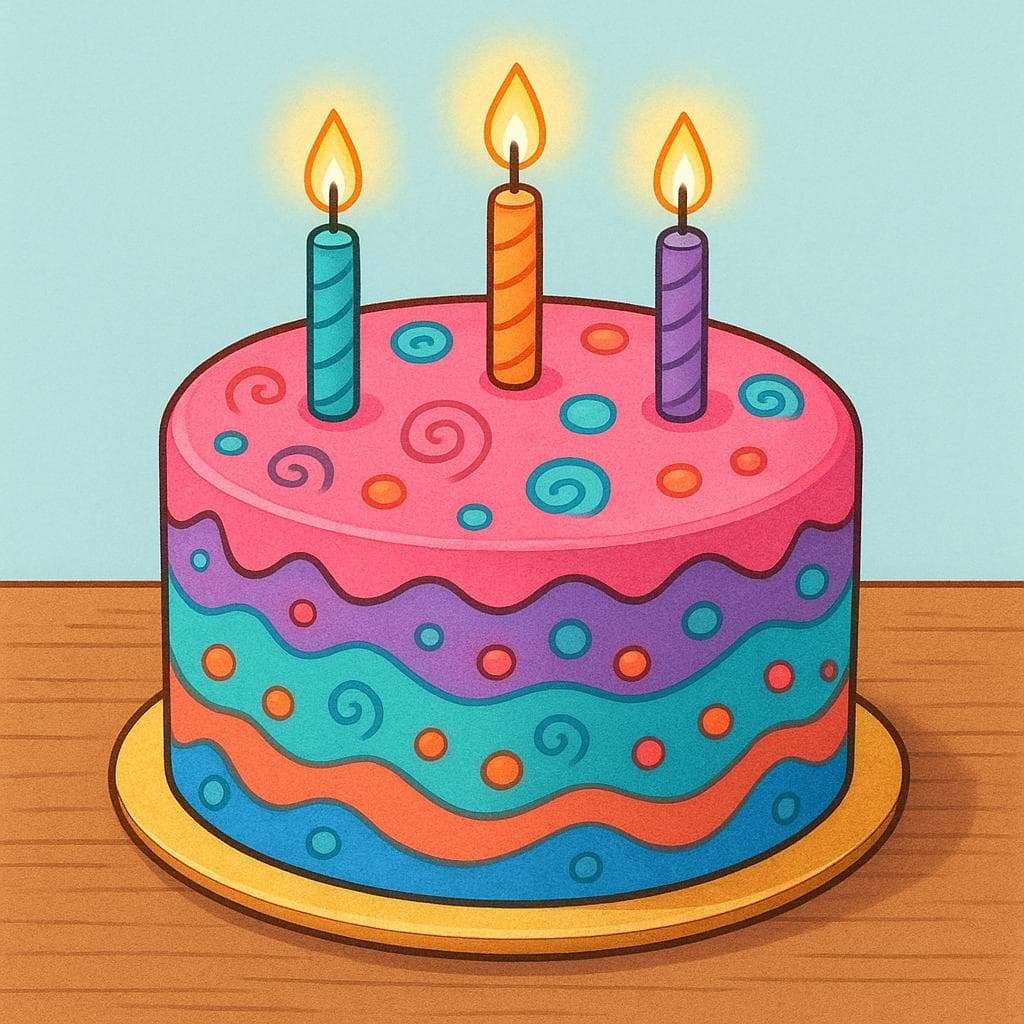
birthday
“¡Feliz cumpleaños!”
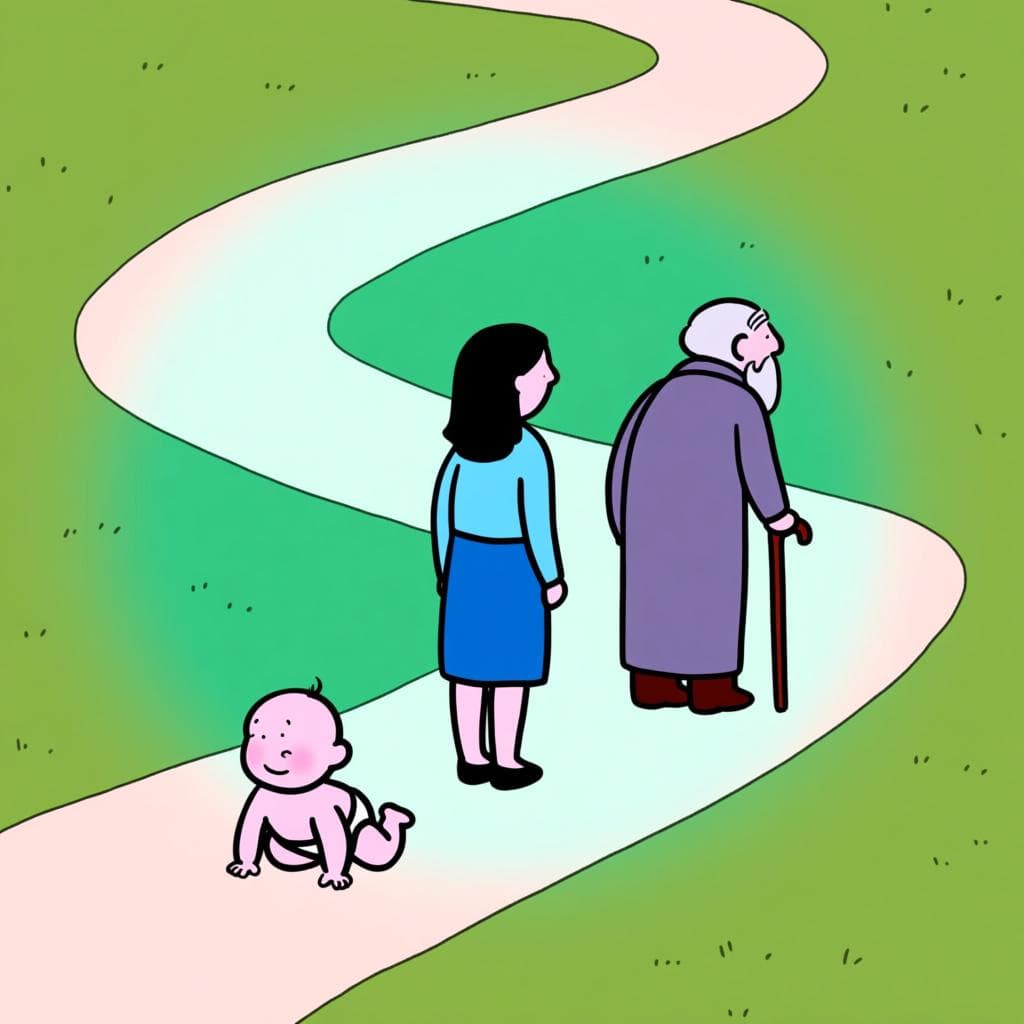
age
“¿Qué edad tienes?”

pregnant
“Mi hermana está embarazada de su primer hijo.”

young
“Mi hermano es más joven que yo.”
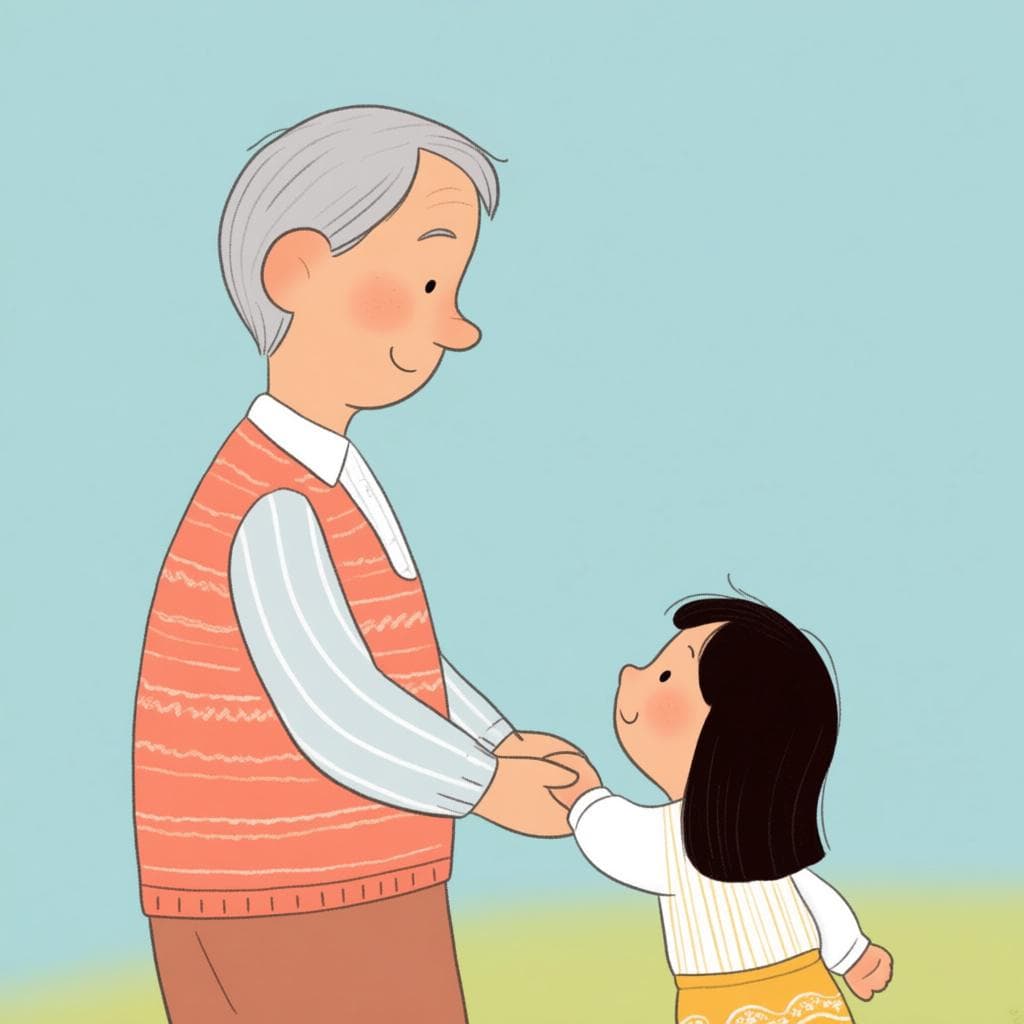
older
“Mi hermano mayor tiene veinte años.”
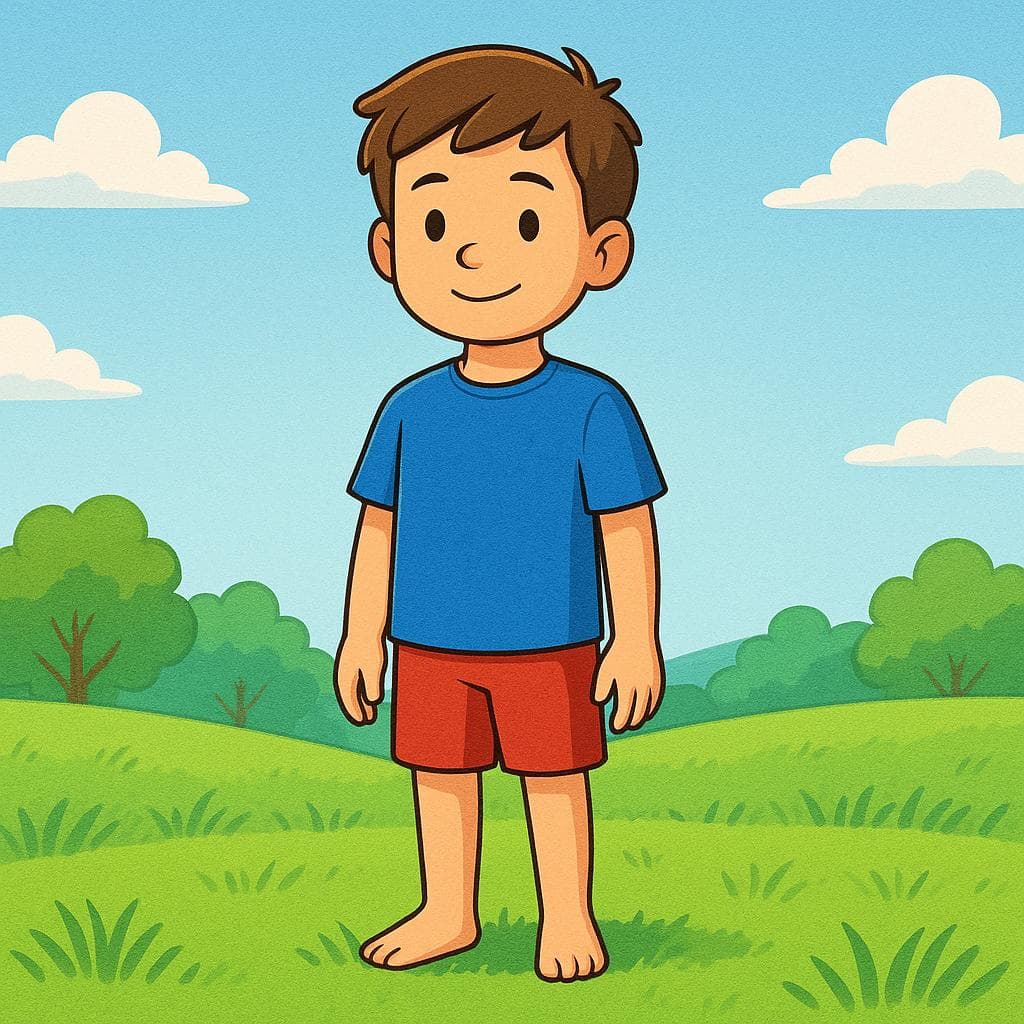
boy
“El muchacho está jugando en el parque.”
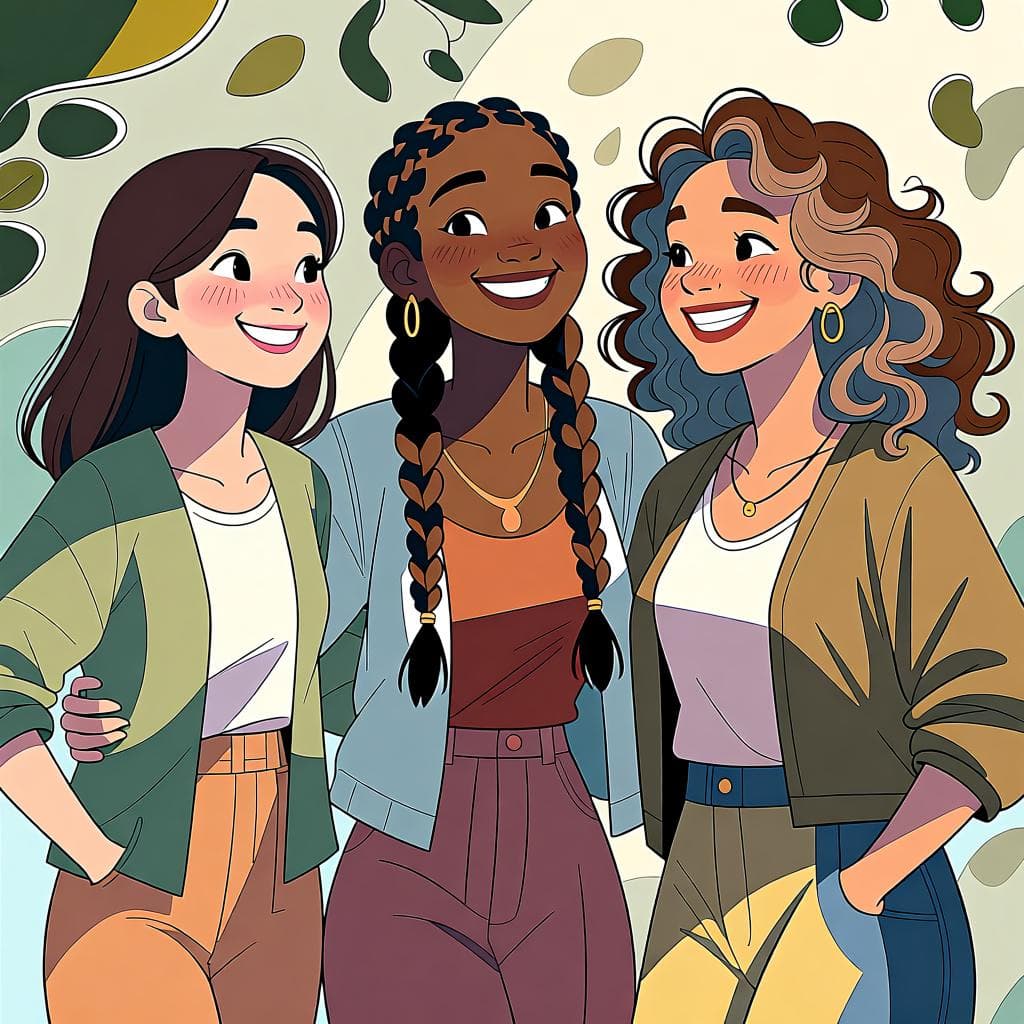
woman
“Esa mujer es mi profesora de español.”
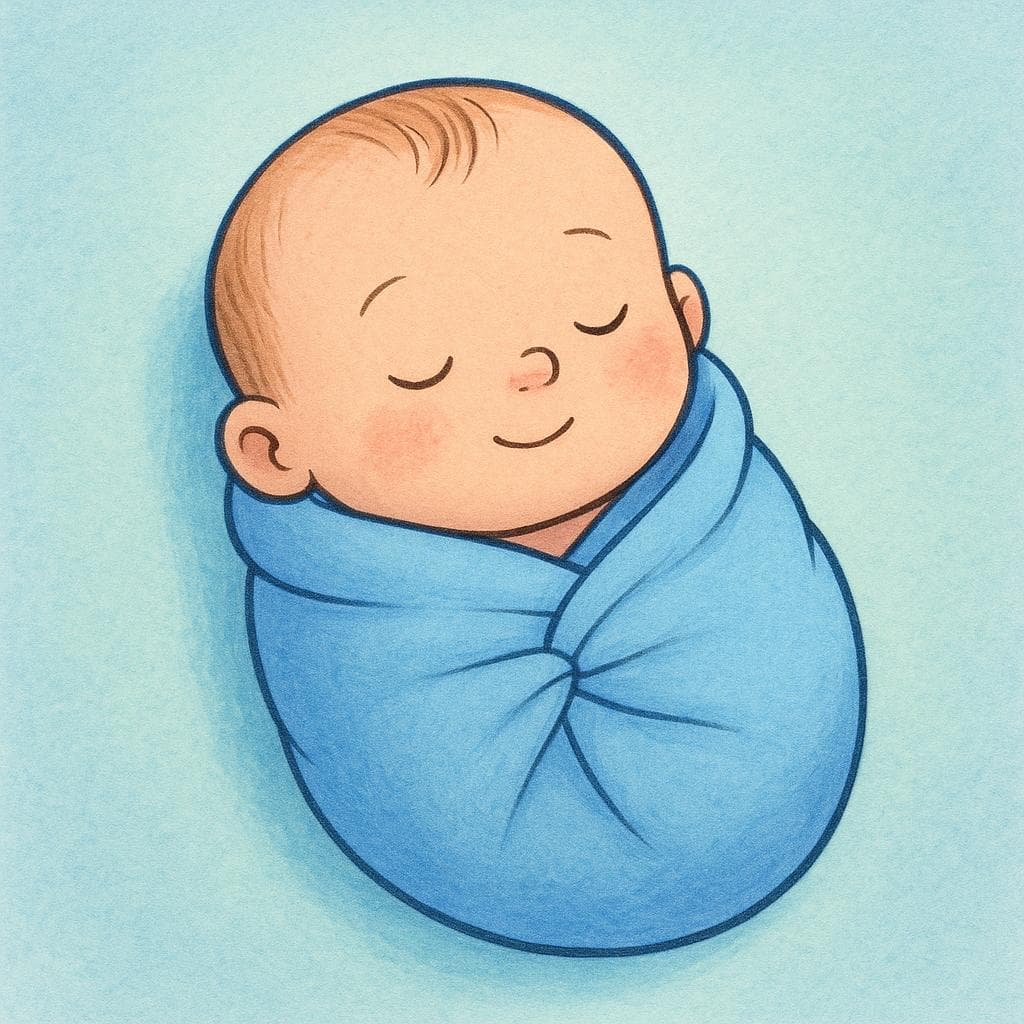
to be born
“Mi hermana nació en 1995.”
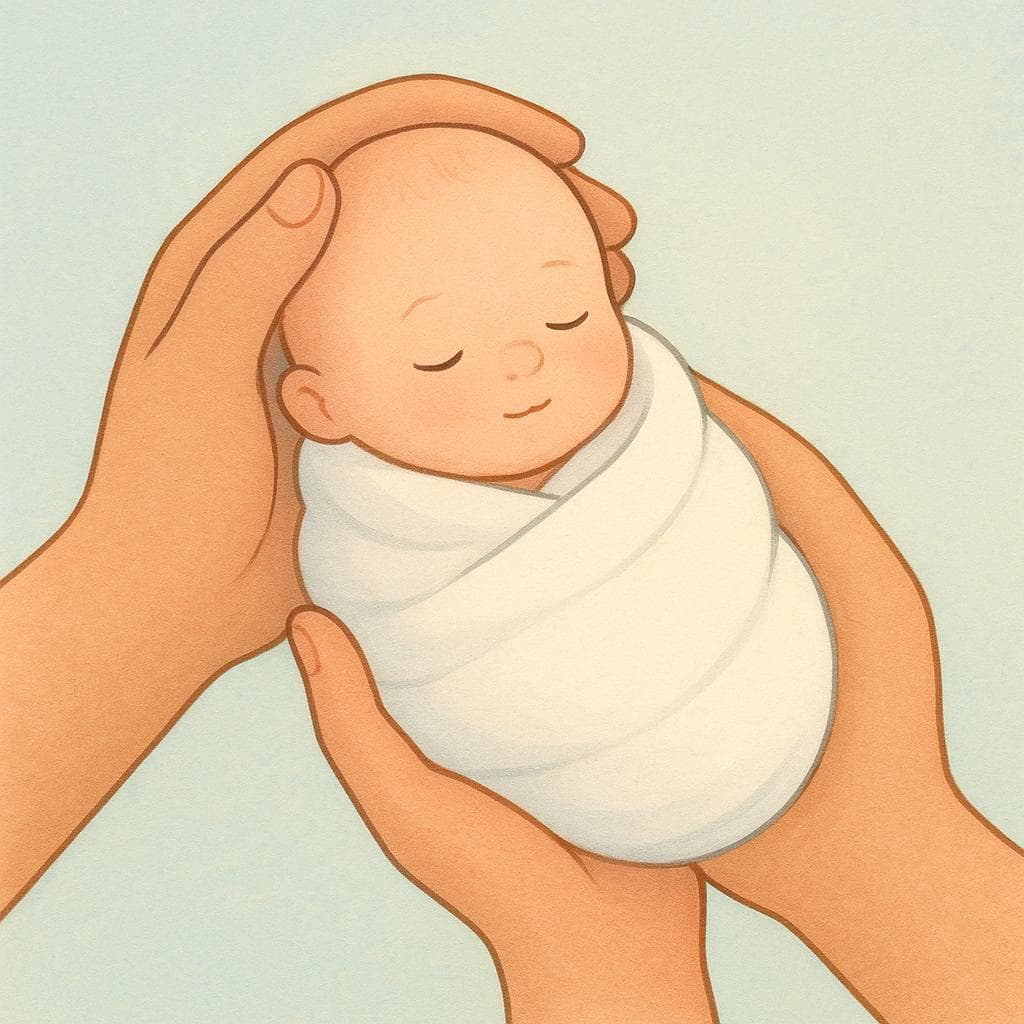
birth
“La fecha de su nacimiento es el 15 de mayo.”

baby boy
“El nene de mi hermana ya camina solo.”

boy
“El niño juega en el parque.”
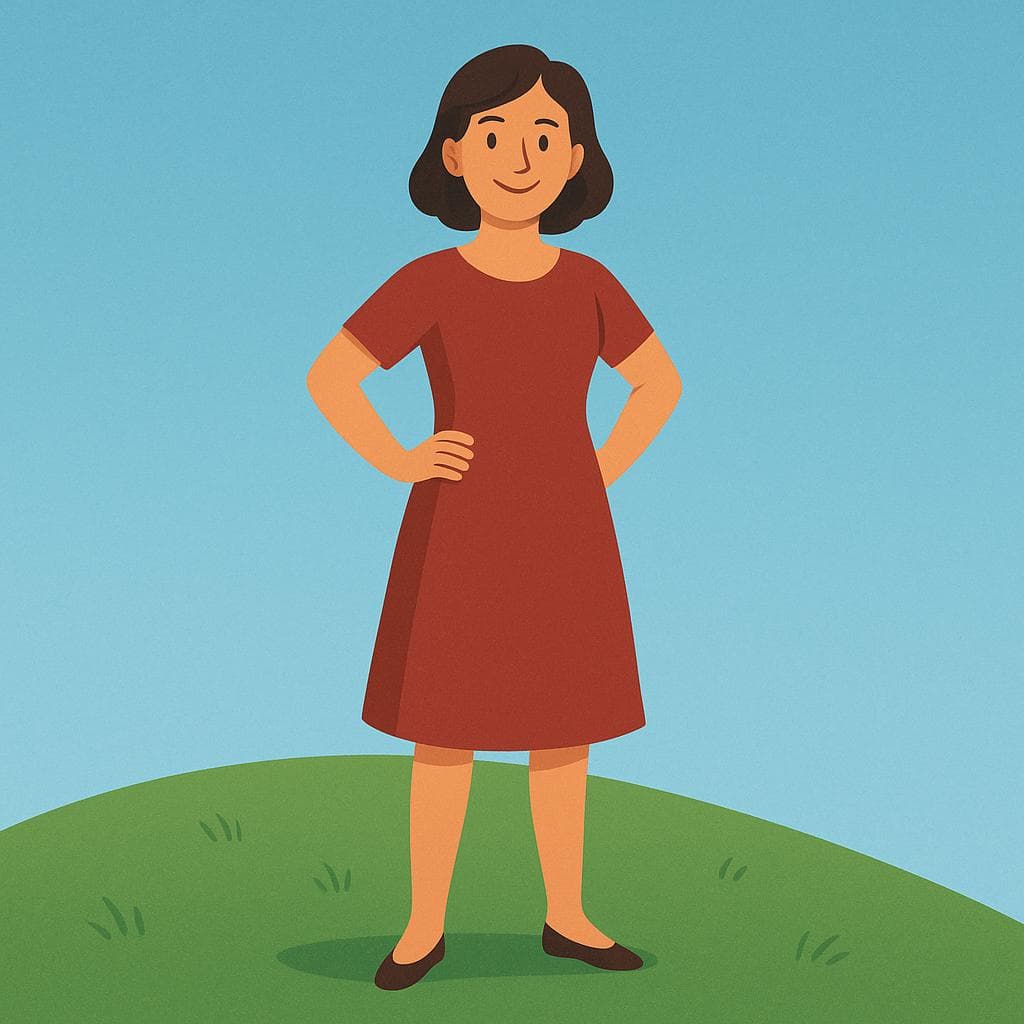
single
“¿Estás casado o soltero?”

life
“La vida es un regalo.”
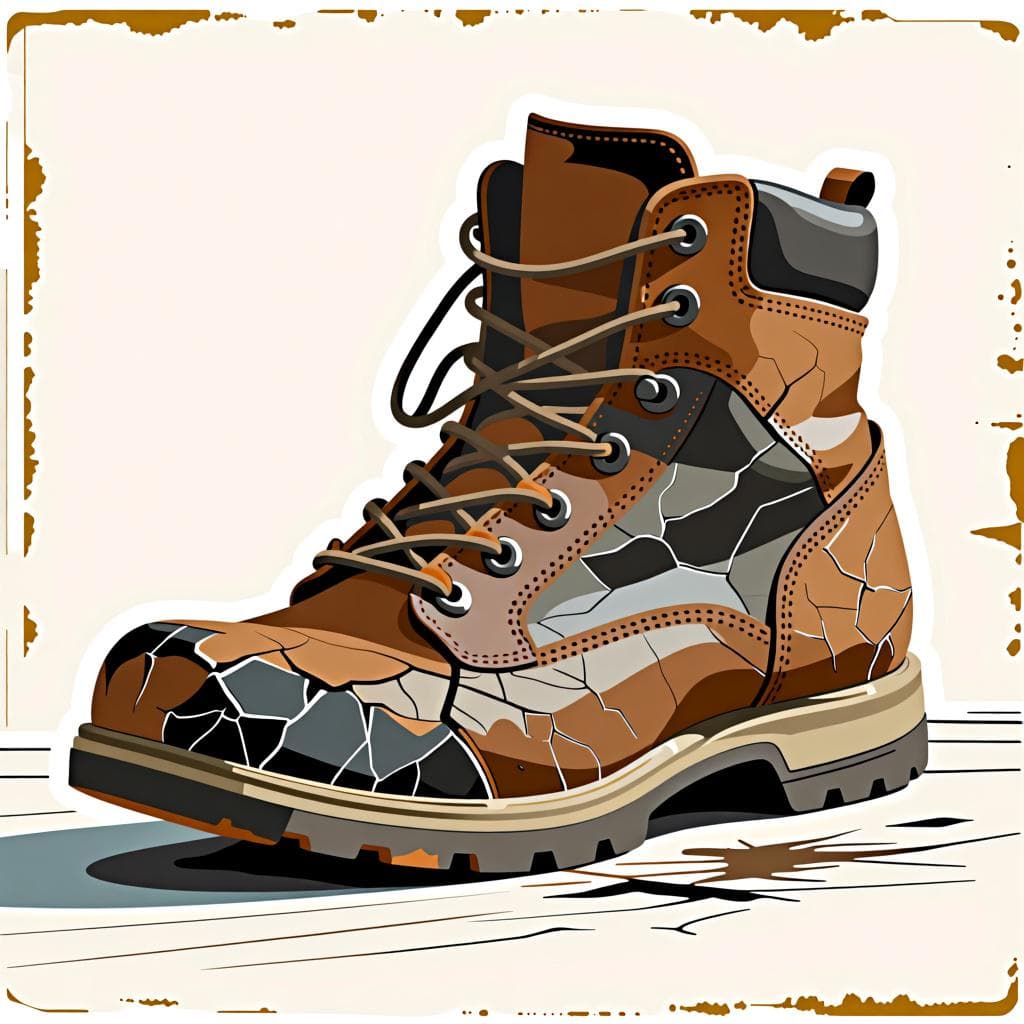
old
“Mi coche es muy viejo, pero todavía funciona.”
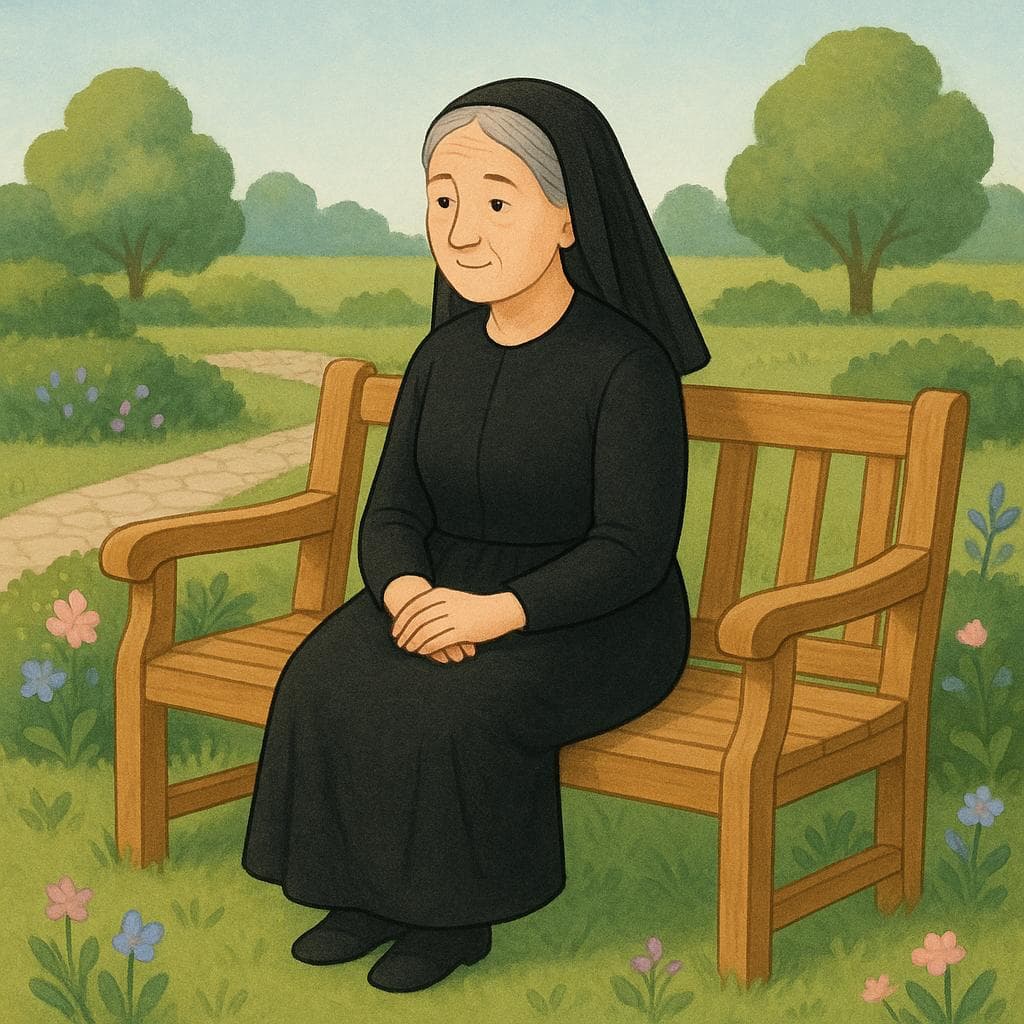
widow
“Mi abuela es viuda y vive sola en el campo.”

little boy
“El muchachito está jugando con su perro en el jardín.”
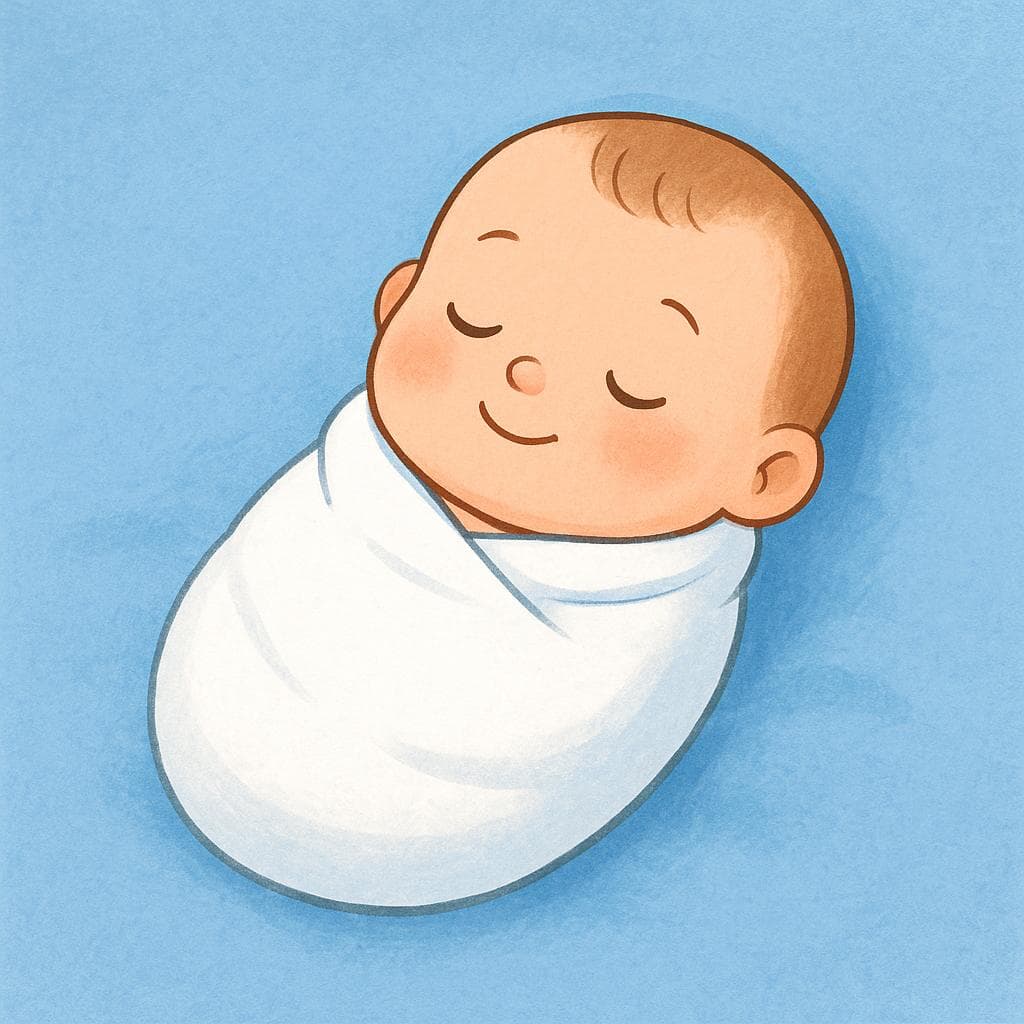
born
“Mi abuelo era un hombre nacido en el campo.”
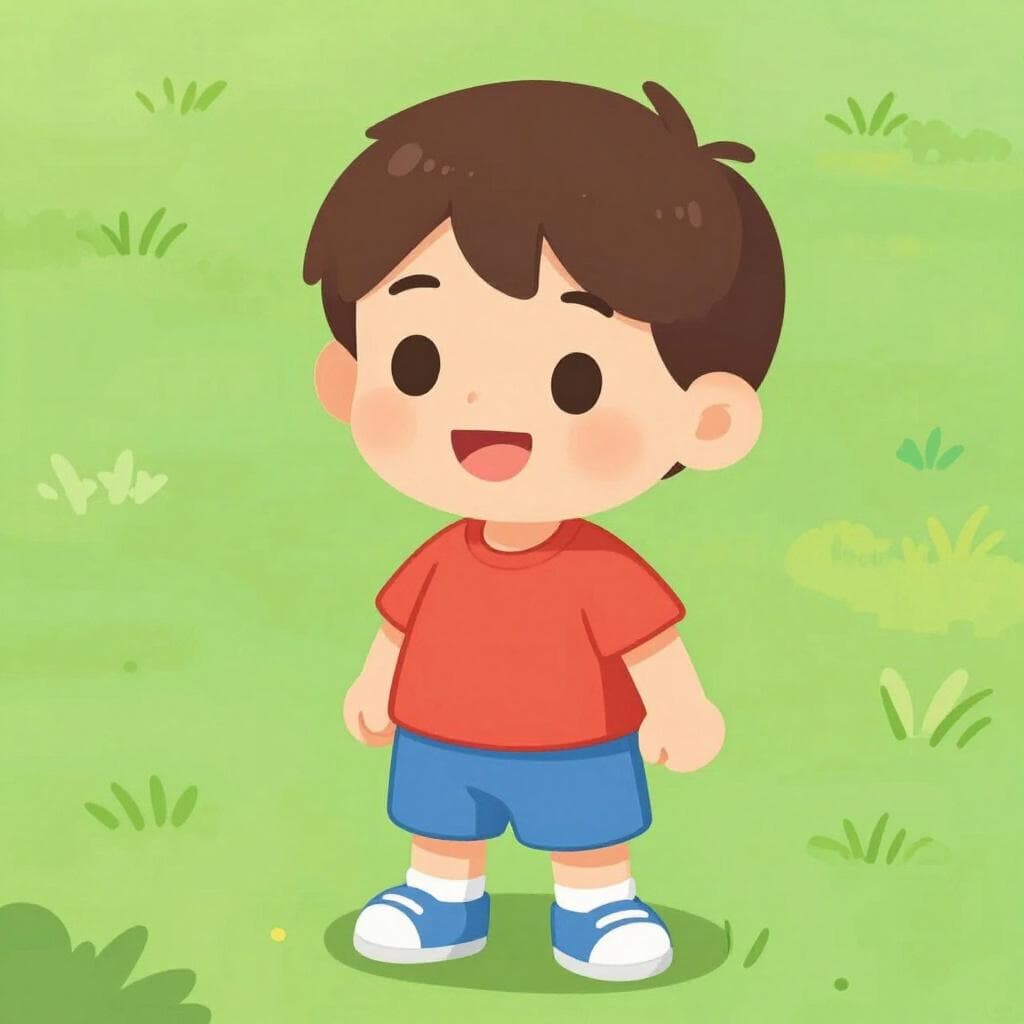
little boy
“El niñito está durmiendo en su cuna.”
A2 — Elementary (13 words)

adolescence
“La adolescencia es una etapa de muchos cambios.”

teenagers
“Los padres están preocupados por el uso de internet de sus adolescentes.”
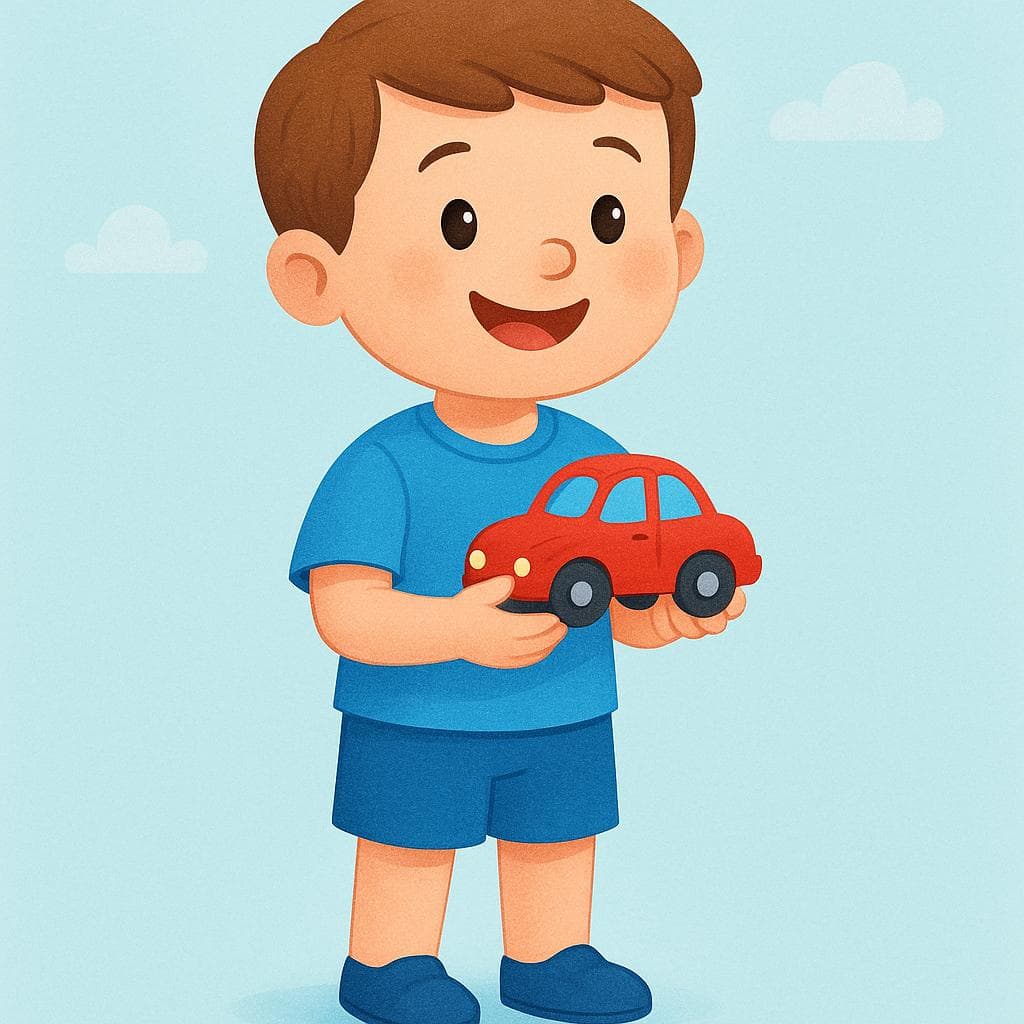
boy
“El chaval nuevo del barrio juega muy bien al fútbol.”
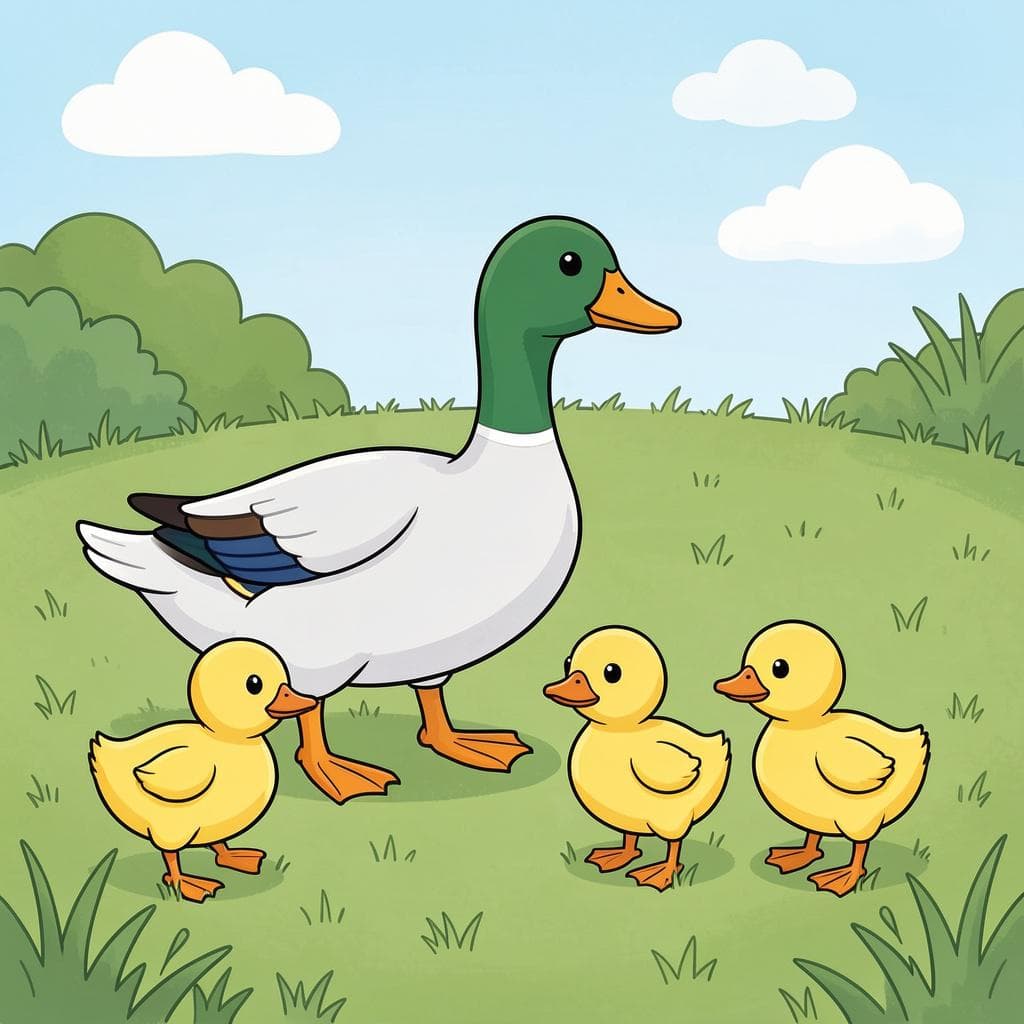
offspring
“La leona protege a su cría de los depredadores.”
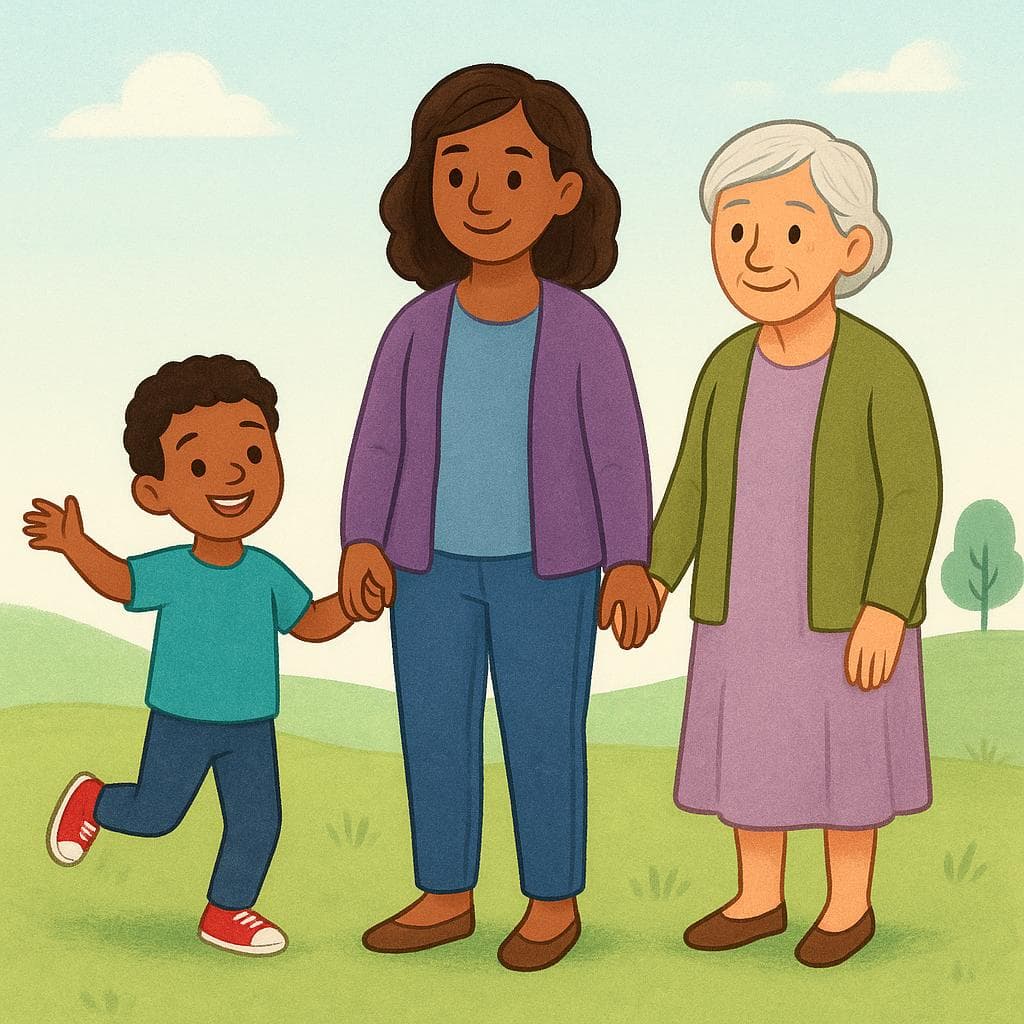
generation
“Mi generación creció sin teléfonos inteligentes.”
children's
“Necesitamos comprar ropa infantil para el bebé.”
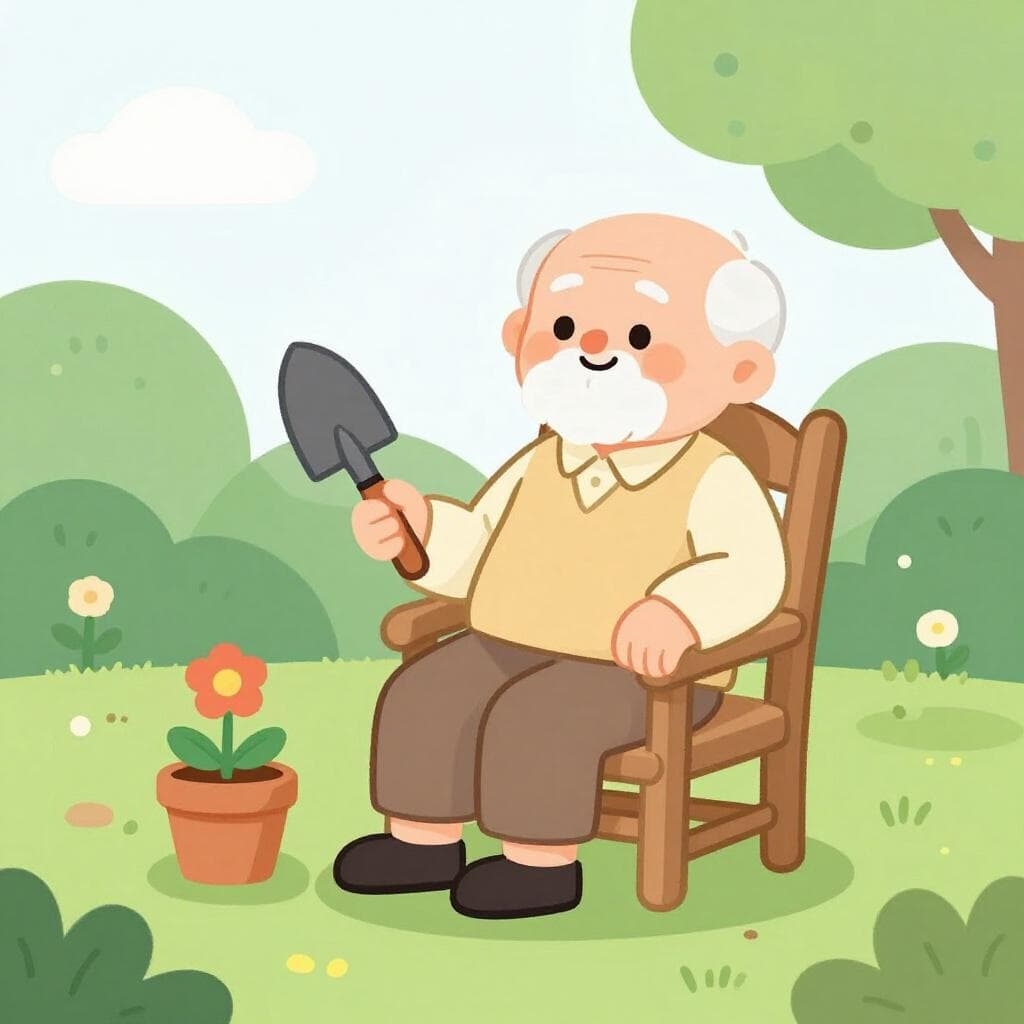
retirement
“Mi abuelo está muy feliz desde su jubilación.”
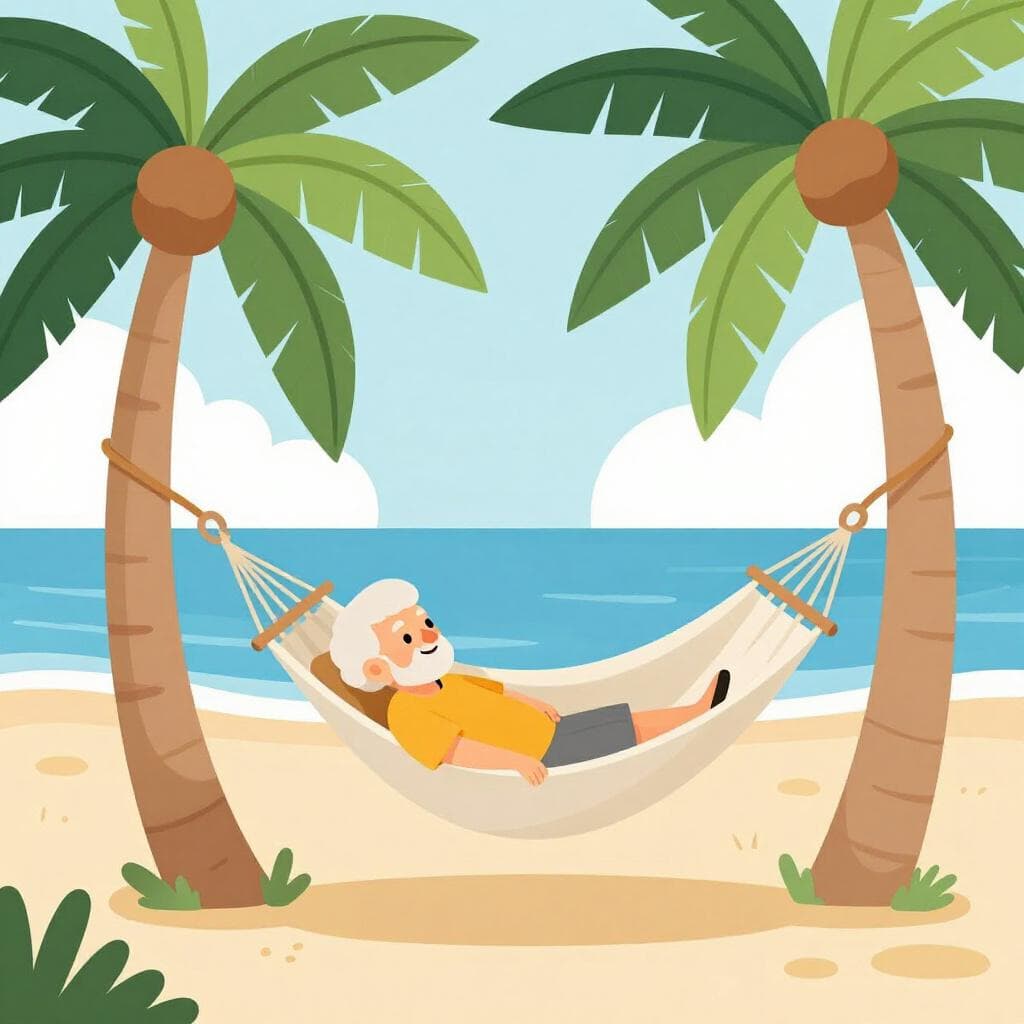
retired
“Mi abuelo está jubilado desde el año pasado.”
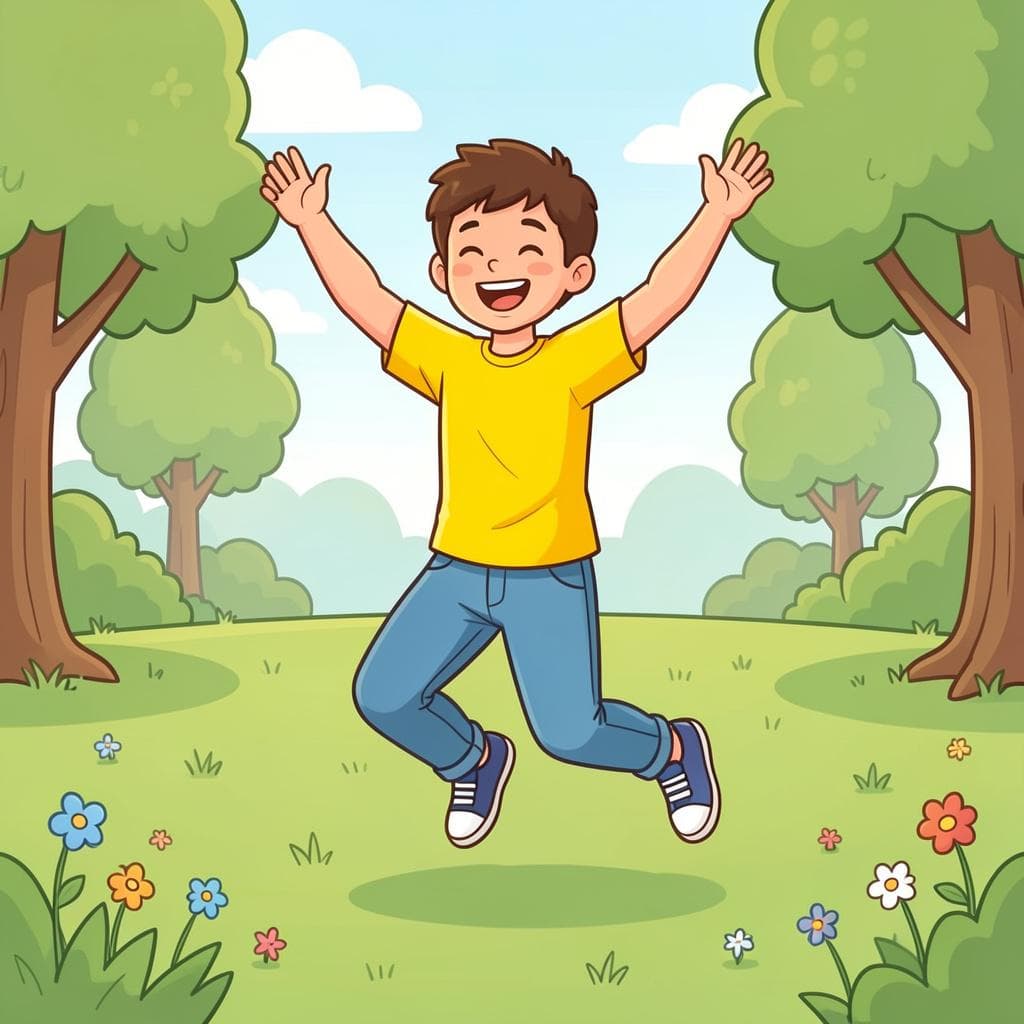
youthful
“Mi abuelo tiene un espíritu muy juvenil.”
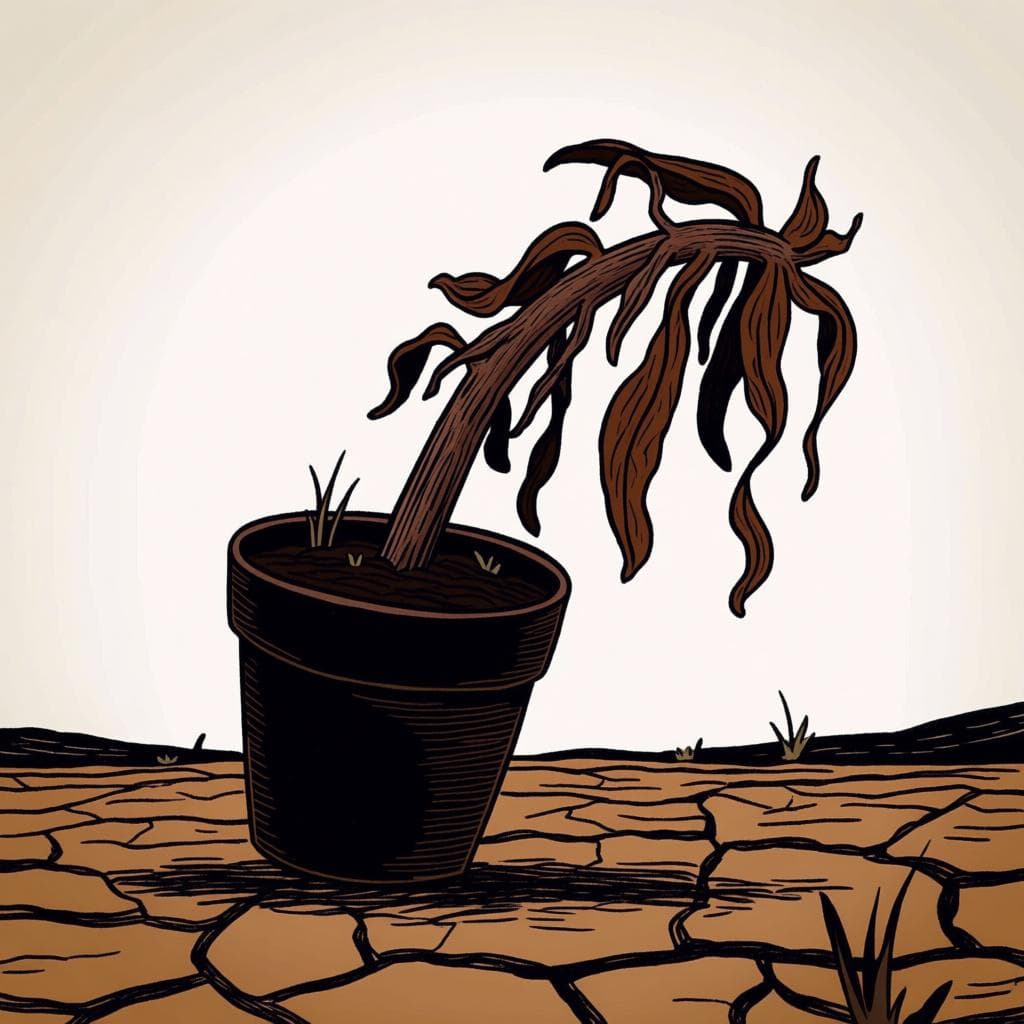
to die
“Mi abuelo murió el año pasado.”
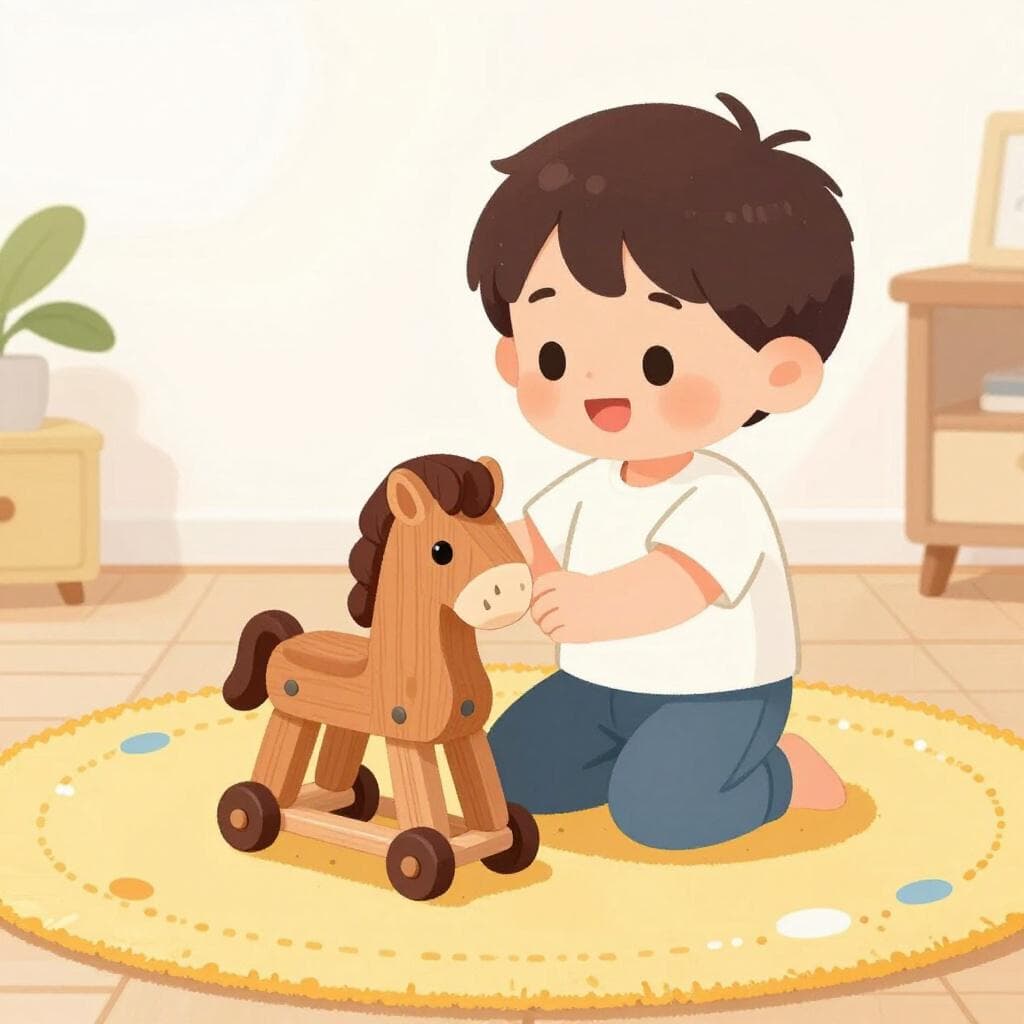
childhood
“Tuve una niñez muy feliz en el campo.”
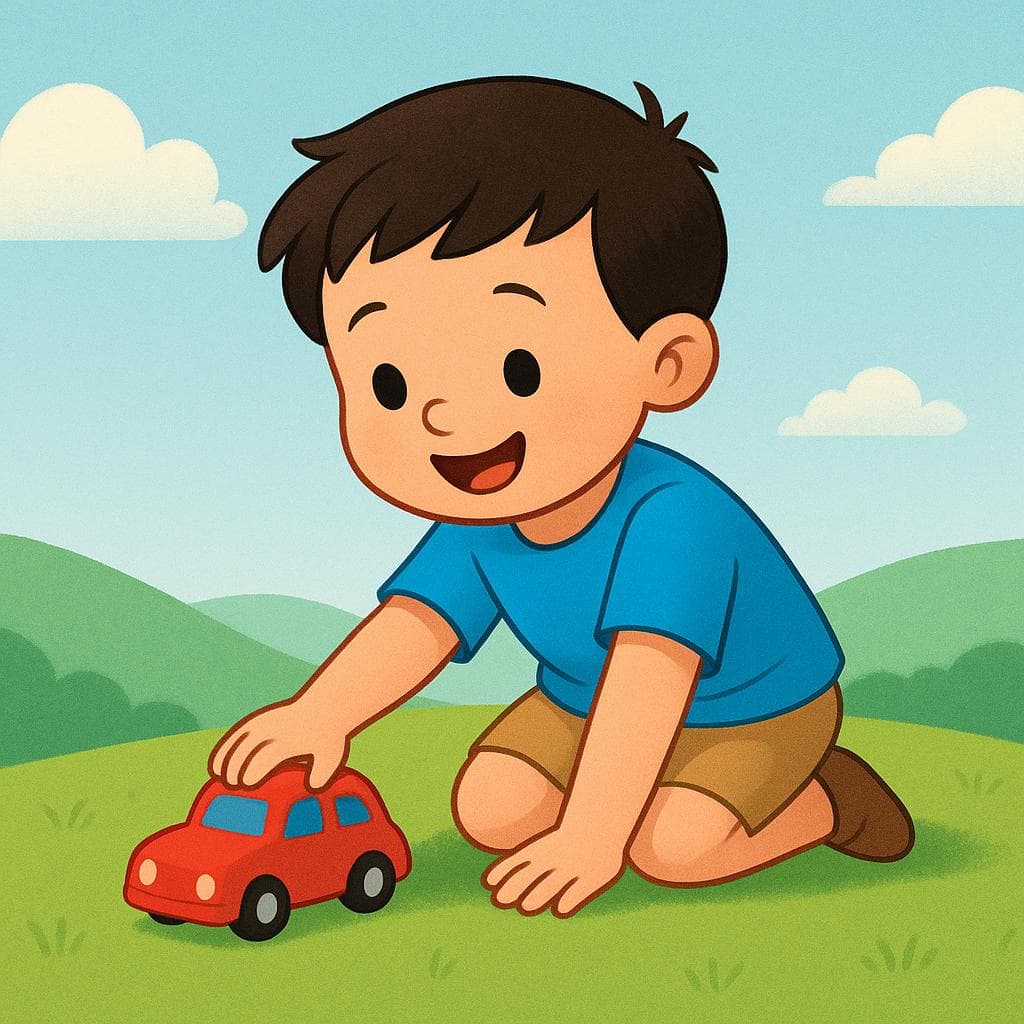
young boy
“El jovencito que trabaja en la tienda es muy amable.”
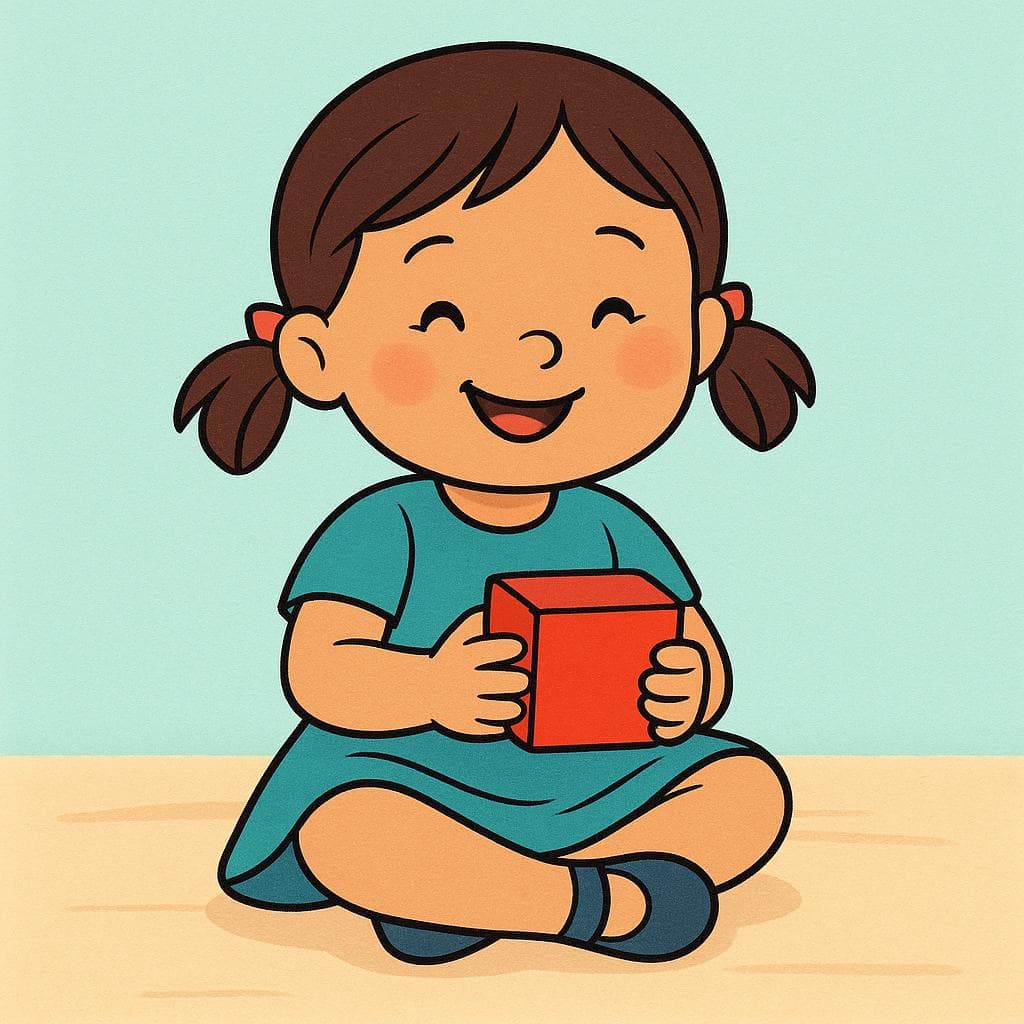
little girl
“La nena está durmiendo la siesta.”
B1 — Intermediate (7 words)

pregnancy
“El médico confirmó que mi hermana tiene un embarazo de alto riesgo.”
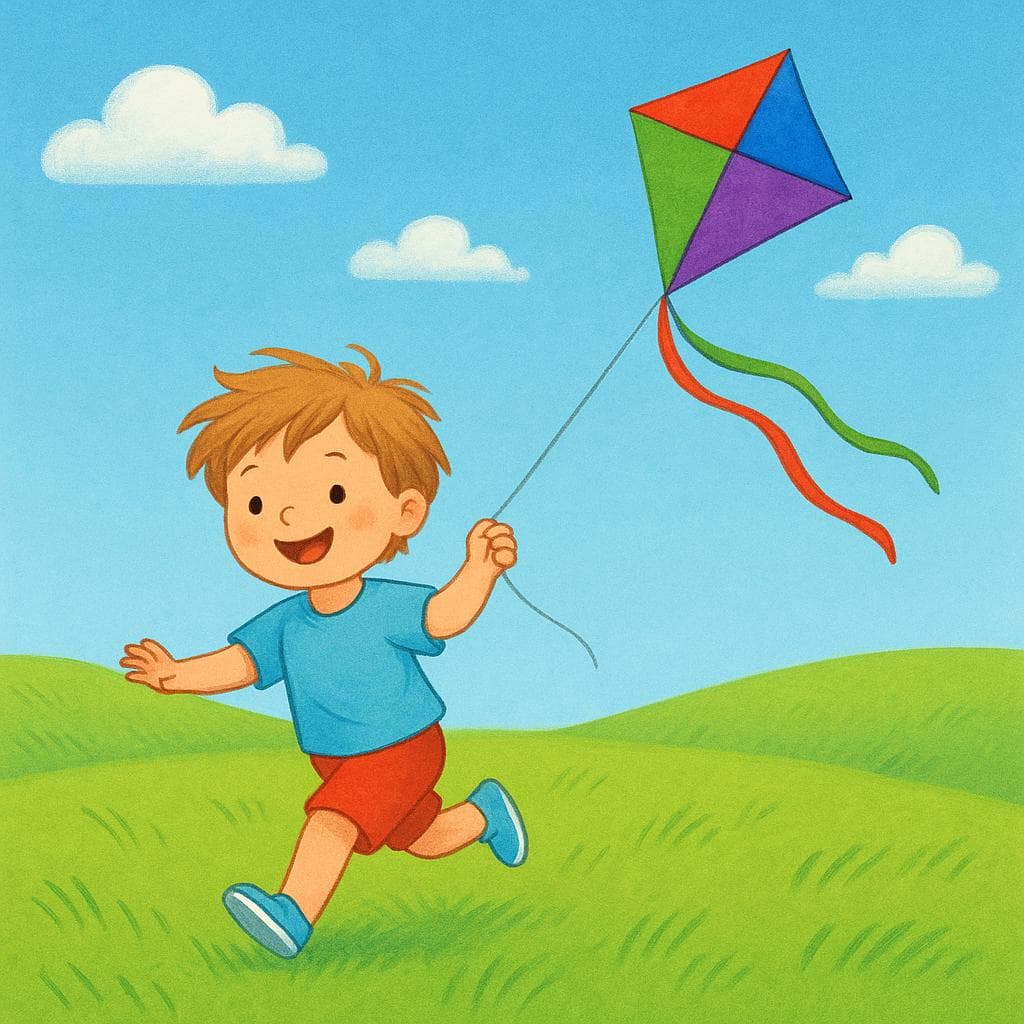
childhood
“Mi abuela siempre cuenta historias divertidas de su infancia.”

youth
“Mi abuela siempre dice que la juventud es el mejor tesoro.”

old age
“Mi abuela es muy activa en su vejez.”

hundred-year-old
“Este olivo centenario ha visto pasar muchas generaciones.”
native
“Ella siempre extraña su ciudad natal.”
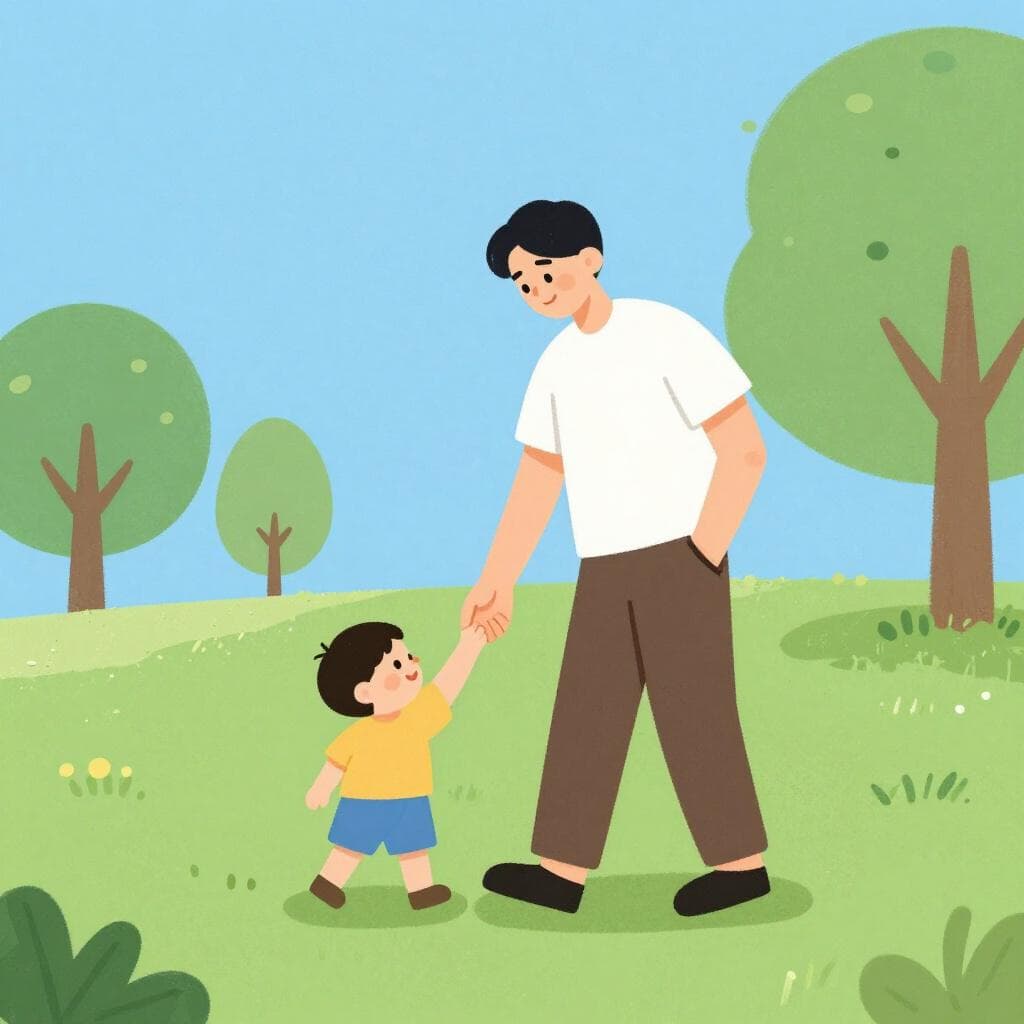
fatherhood
“La paternidad ha cambiado su forma de ver la vida.”
B2 — Upper Intermediate (3 words)

Prince
“El infante saludó a los ciudadanos desde el balcón.”

precocious
“Mozart fue un niño muy precoz que componía música a los cinco años.”

dying
“El animal moribundo fue rescatado por los veterinarios.”
Grammar Tips
Gender Agreement is Key
Many words related to age and life stages change their ending based on gender. For example, 'el adulto' (adult, male) becomes 'la adulta' (adult, female). When referring to a group of mixed or all-male people, use the masculine plural: 'los adultos'. For an all-female group, use the feminine plural: 'las adultas'.
Describing Age with 'Tener'
Instead of saying 'I am X years old' like in English ('I am 30'), Spanish uses the verb 'tener' (to have). You say 'Tengo 30 años' which literally means 'I have 30 years'. This applies to all ages and life stages.
Pluralizing Life Stages
When talking about life stages, you'll often see them in the plural. For example, 'la adolescencia' (adolescence) becomes 'las adolescencias' when referring to the adolescent periods of multiple people or different phases of adolescence. Similarly, 'la vejez' (old age) can be used in plural contexts.
Common Mistakes
Incorrect Age Statement
Mistake: “Yo soy 25 años.”
Correction: Yo tengo 25 años. — In Spanish, you use the verb 'tener' (to have) to express age, not 'ser' (to be).
Missing Gender Agreement
Mistake: “Mi hermana es un adulto.”
Correction: Mi hermana es una adulta. — Adjectives and nouns describing people must agree in gender with the person they refer to. Since 'hermana' (sister) is feminine, 'adulto' must become 'adulta'.
Confusing Singular/Plural
Mistake: “Los joven es muy activo.”
Correction: Los jóvenes son muy activos. — If you're talking about 'los jóvenes' (the young people, plural), the verb and adjective must also be plural ('son', 'activos'). If referring to one young person, it would be 'El joven es muy activo'.
Cultural Notes
Respect for Elders
In many Spanish-speaking cultures, there's a strong emphasis on respecting elders. Terms like 'anciano/a' (elderly person) are often used with a tone of respect, and there's a general societal value placed on the wisdom and experience of older generations.
Youthful Spirit
While terms for older age exist, there's also a cultural appreciation for maintaining a youthful spirit regardless of chronological age. You might hear people in their 50s or 60s still referring to themselves or their peers with terms associated with youth, emphasizing a mindset over a strict age bracket.