
Jazda i ruch drogowy po hiszpańsku
Poruszanie się po drogach w kraju hiszpańskojęzycznym może być przygodą! Ten zestaw słownictwa wyposaży Cię w niezbędne słowa do prowadzenia pojazdów, rozumienia ruchu drogowego i omawiania podróży. Znajomość tych terminów jest niezwykle praktyczna, niezależnie od tego, czy wynajmujesz samochód, prosisz o wskazówki, czy po prostu rozumiesz znaki drogowe. Hiszpański często używa czasowników takich jak 'circular' na określenie przepływu ruchu, co stanowi miłą odmianę w porównaniu z angielskim.
Szybka ściąga
| Hiszpański | Polski | Przykład | Poziom |
|---|---|---|---|
autopista | autostrada | La autopista tiene tres carriles. | A2 |
carretera | droga | La carretera nacional está muy transitada hoy. | A1 |
carril | pas ruchu | Tienes que conducir por el carril derecho. | A2 |
carro | samochód | Necesito comprar gasolina para mi carro. | A1 |
circulación | ruch drogowy | Hay mucha circulación en el centro de la ciudad hoy. | A2 |
circular | krążyć | La sangre circula por todo el cuerpo. | A2 |
conducción | prowadzenie | Tienes que mejorar tu conducción en condiciones de lluvia. | A2 |
conduciendo | prowadzenie | Mi padre está conduciendo a casa después del trabajo. | A2 |
conducir | prowadzić | ¿Puedes conducir un coche estándar? | A1 |
conductor | kierowca | El conductor del autobús fue muy amable. | A1 |
estacionado | zaparkowany | El coche azul está estacionado frente al hotel. | A2 |
estacionamiento | parking | El centro comercial tiene un estacionamiento muy grande. | A1 |
A1 — Początkujący (10 słów)

droga
“La carretera nacional está muy transitada hoy.”
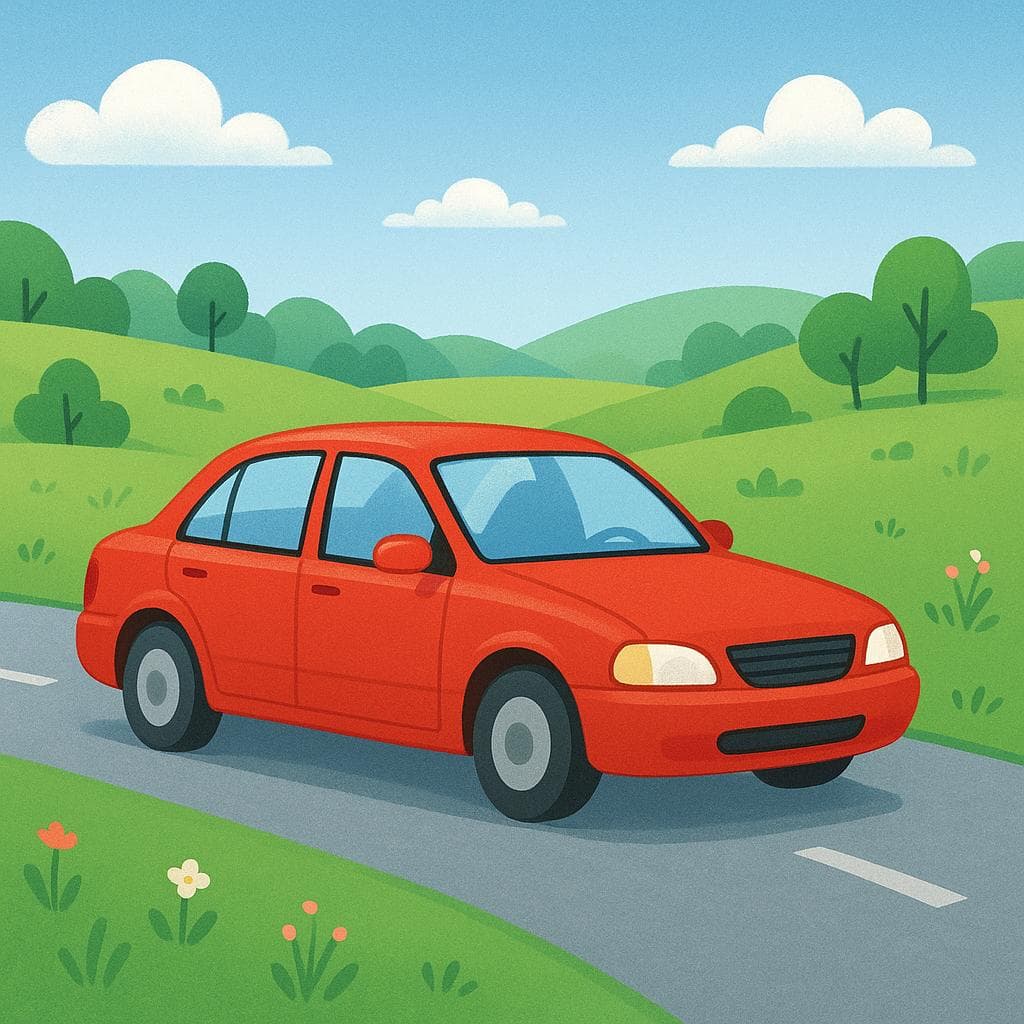
samochód
“Necesito comprar gasolina para mi carro.”

prowadzić
“¿Puedes conducir un coche estándar?”

kierowca
“El conductor del autobús fue muy amable.”

parking
“El centro comercial tiene un estacionamiento muy grande.”
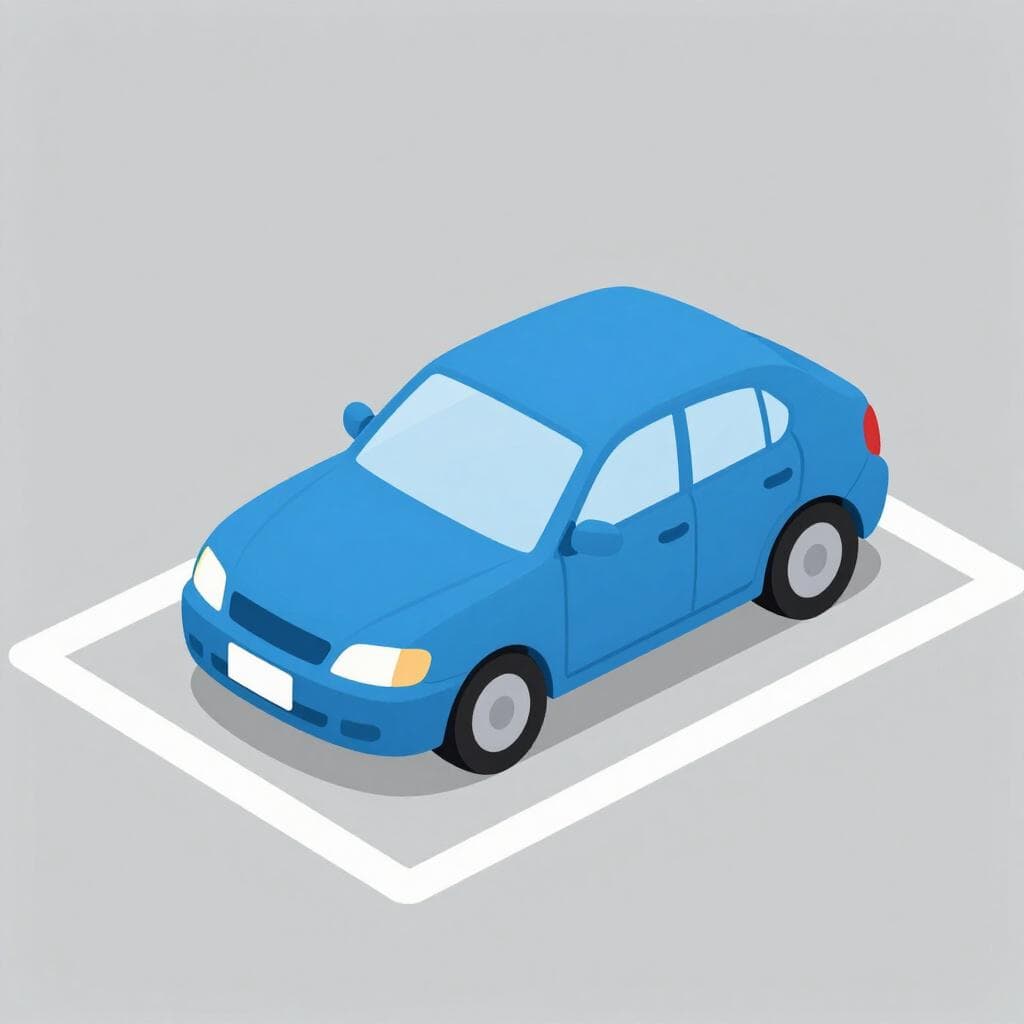
parkować
“No puedes estacionar el coche aquí porque es una zona prohibida.”

benzyna
“Tenemos que parar en la gasolinera para poner gasolina.”

stacja benzynowa
“Tengo que parar en la gasolinera para echar combustible.”

sygnalizacja świetlna
“Gira a la izquierda cuando el semáforo se ponga en verde.”

ruch drogowy
“Hay mucho tráfico en la carretera principal a esta hora.”
A2 — Podstawowy (9 słów)

autostrada
“La autopista tiene tres carriles.”

pas ruchu
“Tienes que conducir por el carril derecho.”
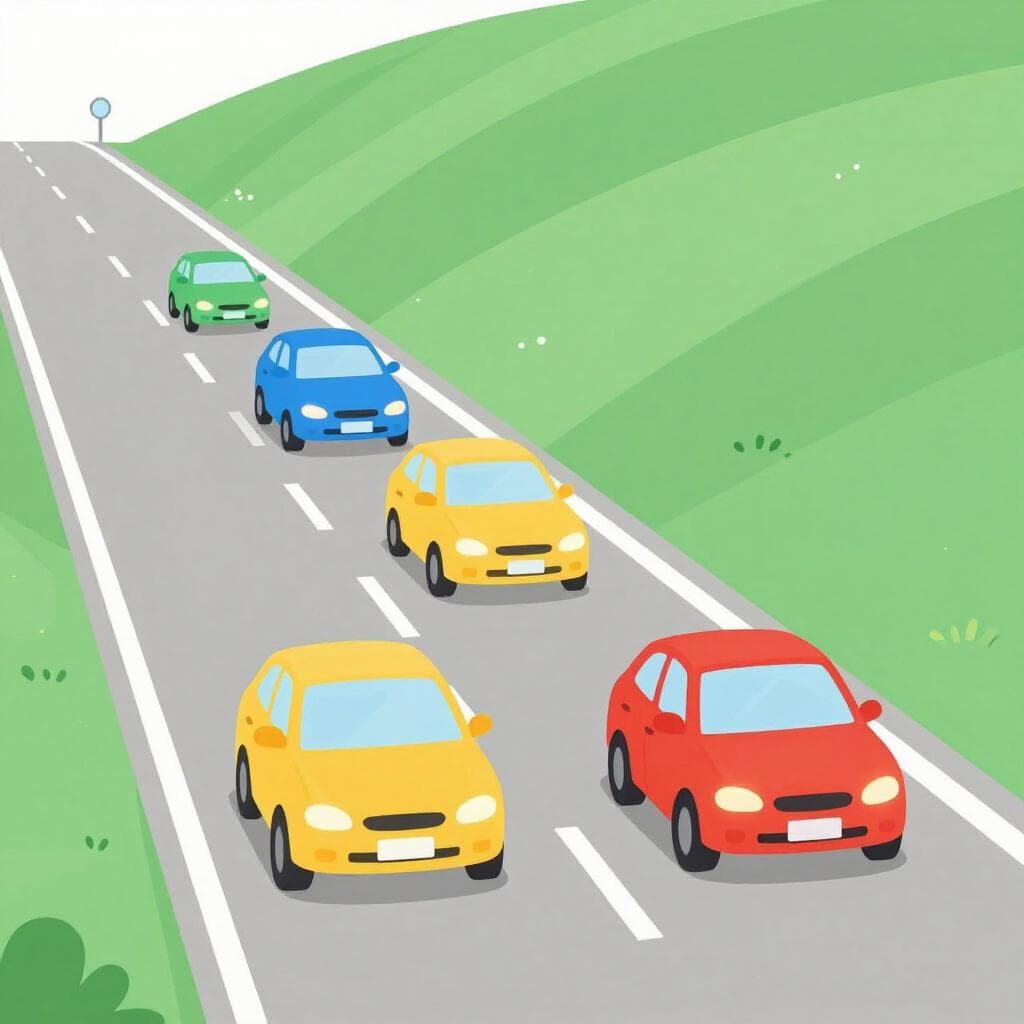
ruch drogowy
“Hay mucha circulación en el centro de la ciudad hoy.”
krążyć
“La sangre circula por todo el cuerpo.”

prowadzenie
“Tienes que mejorar tu conducción en condiciones de lluvia.”

prowadzenie
“Mi padre está conduciendo a casa después del trabajo.”
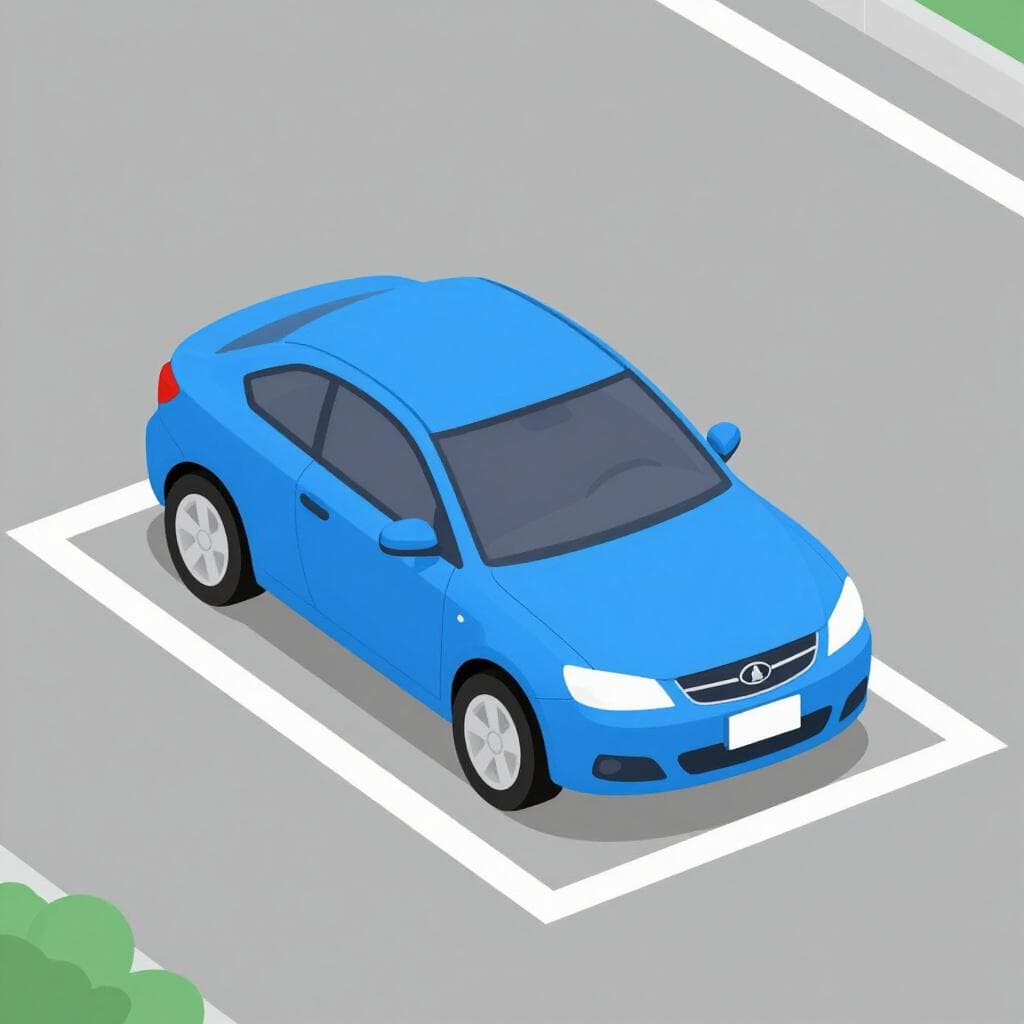
zaparkowany
“El coche azul está estacionado frente al hotel.”

hamować
“Tienes que frenar antes de llegar al semáforo.”
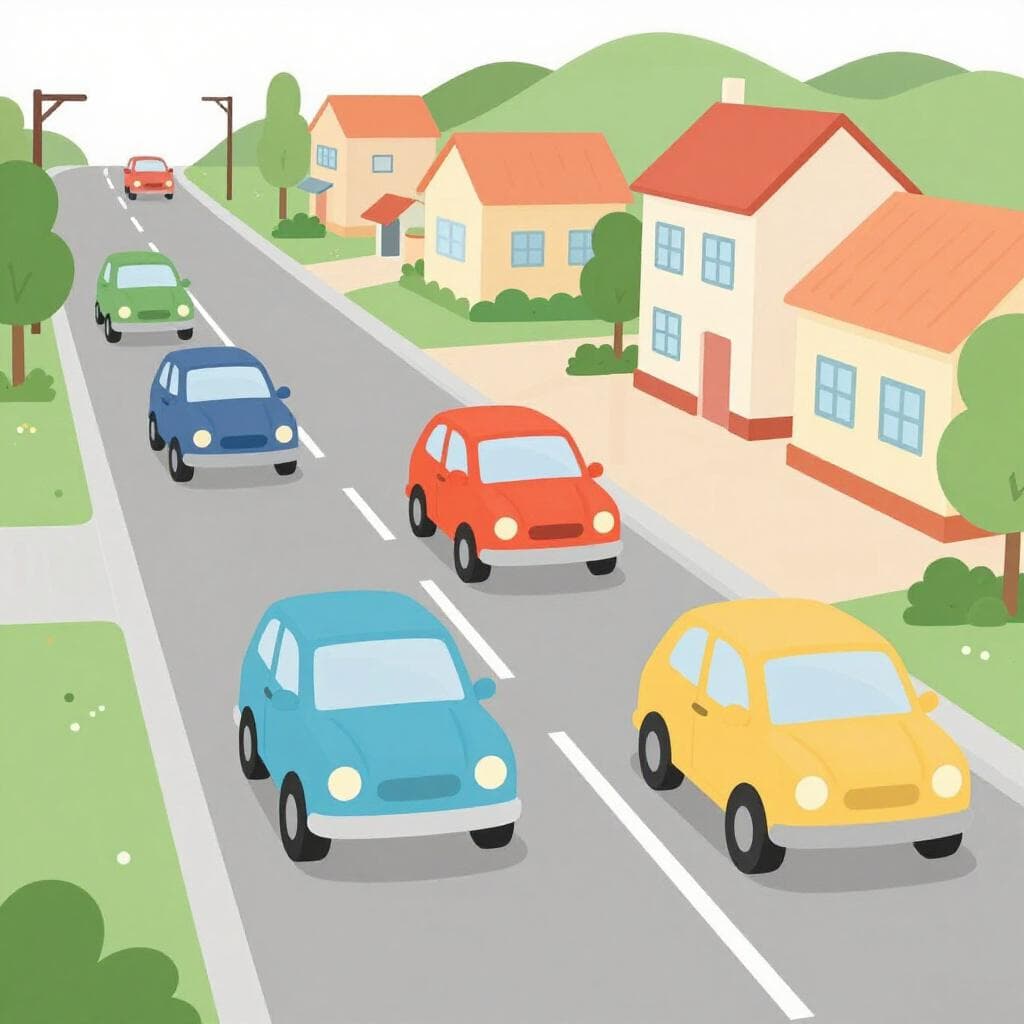
ruch drogowy
“El tránsito está muy lento esta mañana por la lluvia.”
Wskazówki gramatyczne
Rodzaj i liczba dla pojazdów
Rzeczowniki oznaczające pojazdy i powiązane terminy często mają rodzaj i liczbę. Na przykład 'el carro' (samochód) jest rodzaju męskiego w liczbie pojedynczej, podczas gdy 'los carros' (samochody) jest rodzaju męskiego w liczbie mnogiej. 'La autopista' (autostrada) jest rodzaju żeńskiego w liczbie pojedynczej, a 'las autopistas' (autostrady) jest rodzaju żeńskiego w liczbie mnogiej. Pamiętaj, aby dopasować rodzajniki i przymiotniki!
Czasowniki dotyczące czynności związanych z jazdą
Hiszpański używa specyficznych czasowników do opisu czynności związanych z jazdą. 'Conducir' to bezokolicznik 'prowadzić'. Kiedy jesteś w trakcie jazdy, możesz użyć imiesłowu 'conduciendo' (prowadząc). 'Estacionar' oznacza 'parkować', a 'estacionado/a' to imiesłów bierny, oznaczający 'zaparkowany/a'.
Czasowniki opisujące ruch drogowy
Zamiast po prostu 'ruch drogowy', hiszpański używa 'la circulación' na określenie ogólnego przepływu pojazdów. Czasownik 'circular' oznacza 'krążyć' lub 'poruszać się' i jest powszechnie używany do opisu tego, jak porusza się ruch, na przykład 'La circulación es lenta hoy' (Ruch jest dziś powolny).
Typowe błędy
Nieprawidłowe uzgodnienie przymiotnika
Błąd: “El carro es estacionado.”
Poprawka: El carro está estacionado. — Użyj 'estar' dla stanów tymczasowych, takich jak bycie zaparkowanym. 'Ser' jest dla cech inherentnych.
Mylenie 'Conducir' i 'Manejar'
Błąd: “Yo conduzo mi carro.”
Poprawka: Yo conduzco mi carro. (lub) Yo manejo mi carro. — Forma pierwszej osoby liczby pojedynczej czasownika 'conducir' to 'conduzco'. 'Manejar' to kolejny powszechny czasownik oznaczający 'prowadzić', szczególnie w Ameryce Łacińskiej, a jego forma pierwszej osoby liczby pojedynczej to 'manejo'.
Używanie liczby mnogiej dla 'Traffic'
Błąd: “Las circulaciones son malas.”
Poprawka: La circulación es mala. — 'Circulación' jest zazwyczaj używane jako rzeczownik w liczbie pojedynczej, niepoliczalny, odnoszący się do ogólnego przepływu ruchu.
Notatki kulturowe
Samochód: 'Carro' vs. 'Coche'
Chociaż 'carro' jest powszechne w wielu krajach Ameryki Łacińskiej na określenie 'samochodu', w Hiszpanii częściej używa się 'coche'. Oba są rozumiane, ale użycie lokalnego terminu może sprawić, że będziesz brzmiał bardziej naturalnie.
Ronda: 'Rotondas'
W wielu krajach hiszpańskojęzycznych używa się rond (kółek drogowych). Często nazywa się je 'rotondas' lub 'rotondas de tráfico'. Zrozumienie, jak się po nich poruszać, jest kluczowe, a często zobaczysz znaki wskazujące 'Ceda el paso' (Ustąp pierwszeństwa).