How to Say "pass" in Spanish
The most common Spanish word for “pass” is “pase” — use 'pase' for a ticket, permit, or authorization, especially for travel like a boarding pass or a general access permit.







pase
PAH-sehˈpa.se

Examples
Necesito mi pase de abordar para subir al avión.
I need my boarding pass to get on the plane.
Compramos un pase de tres días para el parque de diversiones.
We bought a three-day pass for the amusement park.
El jugador de fútbol dio un pase perfecto a su compañero.
The soccer player made a perfect pass to his teammate.
Adelante, pase por favor. La puerta está abierta.
Go ahead, come in please. The door is open.
A Polite Command
'Pase' is the formal way to tell someone (usted) to come in or go ahead. For a friend (tú), you would say 'pasa'.
Expressing Wishes and Doubts
'Pase' is also a special verb form used after phrases like 'quiero que...' (I want...), 'espero que...' (I hope...), or 'dudo que...' (I doubt...). It signals that you're talking about something uncertain or desired, not a fact. Example: 'Espero que él pase.' (I hope that he passes.)
Confusing `pase` with `paseo`
Mistake: “Quiero comprar un paseo para el concierto.”
Correction: Quiero comprar un pase para el concierto. 'Pase' is the ticket or permit itself. 'Paseo' is the activity of going for a walk or a stroll.
Formal vs. Informal Commands
Mistake: “Telling a friend: 'Pase a mi casa.'”
Correction: Tell a friend: 'Pasa a mi casa.' Use 'pase' for people you would address as 'usted,' like a boss, an older person, or someone you just met. Use 'pasa' for friends, family, and people you call 'tú'.
paso
PAH-sohˈpaso

Examples
El túnel es el único paso entre las dos ciudades.
The tunnel is the only passage between the two cities.
Cerraron el paso de montaña por la nieve.
They closed the mountain pass because of the snow.
El guardia nos bloqueó el paso.
The guard blocked our way.
abono
ah-BOH-nohaˈβono
Examples
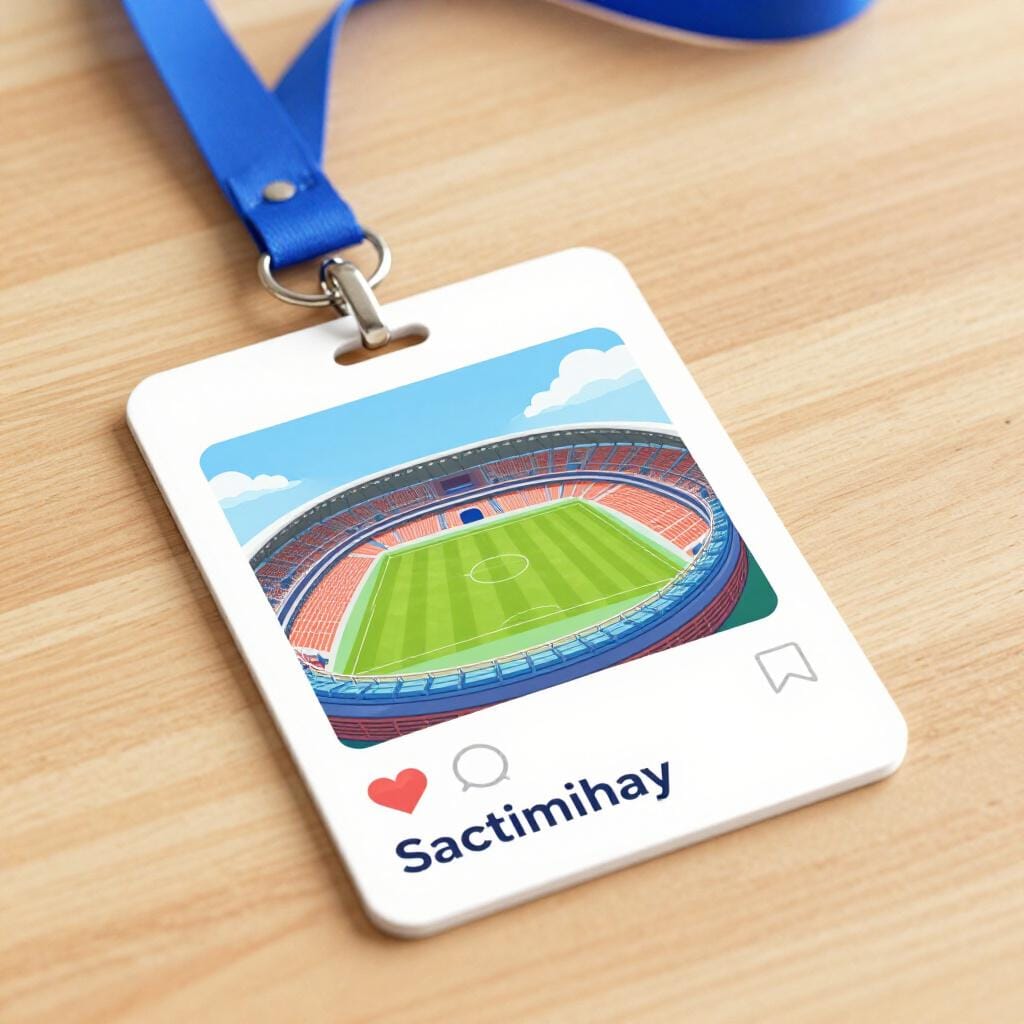
He comprado un abono para el metro este mes.
I bought a metro pass for this month.
Tengo un abono de temporada para ver al Real Madrid.
I have a season ticket to watch Real Madrid.
El abono del teatro incluye seis funciones.
The theater subscription includes six performances.
Always Masculine
The word 'abono' is always masculine ('el abono'), even if it belongs to a woman or refers to a feminine noun like 'la suscripción'.
Don't use for single trips
Mistake: “Voy a comprar un abono para este viaje único.”
Correction: Voy a comprar un billete para este viaje único. An 'abono' is for multiple trips or a period of time, not just one.
boleto
boh-LEH-tohboˈle.to

Examples
¿Tienes tu boleto para el concierto?
Do you have your ticket for the concert?
Compré un boleto de ida y vuelta para ir a la playa.
I bought a round-trip ticket to go to the beach.
El boleto ganador fue el número 457.
The winning lottery ticket was number 457.
Masculine Noun Rule
Remember that 'boleto' is always masculine, so you must use 'el' (the) or 'un' (a) with it: 'El boleto es caro' (The ticket is expensive).
Mixing up 'boleto' and 'billete'
Mistake: “Using 'boleto' when talking about paper money in Spain.”
Correction: In Spain, use 'billete' for paper money (banknote). Use 'boleto' primarily for tickets in Mexico and Central America, and sometimes for transport tickets in Spain, though 'billete' is also very common there.
entrada
en-TRAH-dahenˈtɾaða
Examples
¿Tienes ya tus entradas para el cine?
Do you already have your tickets for the movies?
La entrada al parque cuesta diez euros.
Admission to the park costs ten euros.
bono
boh-nohˈbono
Examples
Compré un bono de diez viajes para el metro.
I bought a ten-trip pass for the subway.
Tengo un bono de descuento para esta tienda.
I have a discount voucher for this store.
El bono del gimnasio me permite ir a cualquier hora.
The gym pass allows me to go at any time.
Always Masculine
Even if the item it refers to (like 'una entrada' or 'una tarjeta') is feminine, 'el bono' stays masculine.
Pluralization
To talk about more than one, simply add an 's': 'los bonos'.
Bono vs. Billete
Mistake: “Using 'bono' for a single one-way ticket.”
Correction: Use 'billete' or 'boleto' for a single ride, and 'bono' for a multi-use pass.
aprobado
ah-pro-BAH-doha.pɾo.ˈβa.ðo

Examples
Con un cinco obtienes un aprobado.
With a five (out of ten), you get a passing grade.
Noun usage
As a noun, it refers to the grade itself. It is always masculine: 'el aprobado'.
apto
AP-tohˈapto

Examples
El candidato fue declarado apto para el puesto.
The candidate was declared qualified for the position.
Mi resultado en el examen de conducir fue 'apto'.
My result on the driving test was 'pass'.
Después de la revisión médica, el atleta es apto para competir.
After the medical check-up, the athlete is fit to compete.
Pass or Fail
In many Spanish-speaking countries, exams don't use 'pass/fail' but rather 'apto' (pass) and 'no apto' (fail).
Thinking it's a noun
Mistake: “Tengo un apto.”
Correction: Soy apto o mi resultado es apto. (While it acts like a grade, it is still describing you or your result.)
pasan
PAH-sahnˈpa.san
Examples
Ellos pasan por la puerta sin mirar.
They pass through the door without looking.
Los días pasan muy rápido cuando estamos ocupados.
The days pass very quickly when we are busy.
Ustedes pasan la frontera esta noche.
You all cross the border tonight.
Identifying the Speaker
'Pasan' is used when talking about 'ellos' (they, masculine or mixed group), 'ellas' (they, feminine), or 'ustedes' (you all/y'all).
abra
AH-brahˈa.βɾa

Examples
Tuvimos que cruzar la abra de la sierra para llegar al valle.
We had to cross the mountain pass to reach the valley.
La abra en la costa ofrecía un refugio natural para los barcos.
The inlet on the coast offered a natural shelter for the boats.
Gender Note
This noun is feminine: 'la abra'. Note that it does not follow the rule of using 'el' before feminine nouns that start with a stressed 'a' sound, because 'abra' is not stressed on the first syllable.
garganta
gar-GAN-tahɡaɾˈɣanta

Examples
Tuvimos que cruzar una garganta muy estrecha para llegar al valle.
We had to cross a very narrow gorge to reach the valley.
La garganta de la botella es demasiado pequeña para el cepillo.
The neck of the bottle is too small for the brush.
Pass for Transportation vs. Passing a Test
Related Translations
Learn Spanish with Inklingo
Interactive stories, personalized learning, and more.