Death & Mourning in Spanish
Navigating conversations about death and loss can be sensitive, and Spanish is no exception. This vocabulary set will equip you with essential terms for discussing passing away, funerals, and the grieving process. Understanding these words is crucial for showing respect and empathy in difficult situations, and Spanish often uses more euphemisms than English in this context.
Quick Reference
| Spanish | English | Example | Level |
|---|---|---|---|
duelo | grief | Después de la muerte de su abuelo, ella pasó por un largo duelo. | B1 |
funeral | funeral | El funeral se celebrará en la iglesia principal. | A1 |
morir | to die | Mi abuelo murió el año pasado. | A2 |
muerte | death | La muerte es una parte natural de la vida. | A2 |
muertes | deaths | El informe confirmó un alto número de muertes por la tormenta. | A2 |
muerto | dead | Cuando llegué, la planta ya estaba muerta. | A2 |
muriendo | dying | El viejo roble se está muriendo lentamente. | A2 |
murieron | they died | Los tres animales murieron de sed en el desierto. | B1 |
murió | he died | Mi abuelo murió el año pasado. | A2 |
viuda | widow | Mi abuela es viuda y vive sola en el campo. | A1 |
cadáveres | corpses | Los arqueólogos descubrieron varios cadáveres en la antigua tumba. | C1 |
cementerio | cemetery | Fuimos al cementerio a visitar la tumba de mi abuela. | A2 |
A1 — Beginner (2 words)
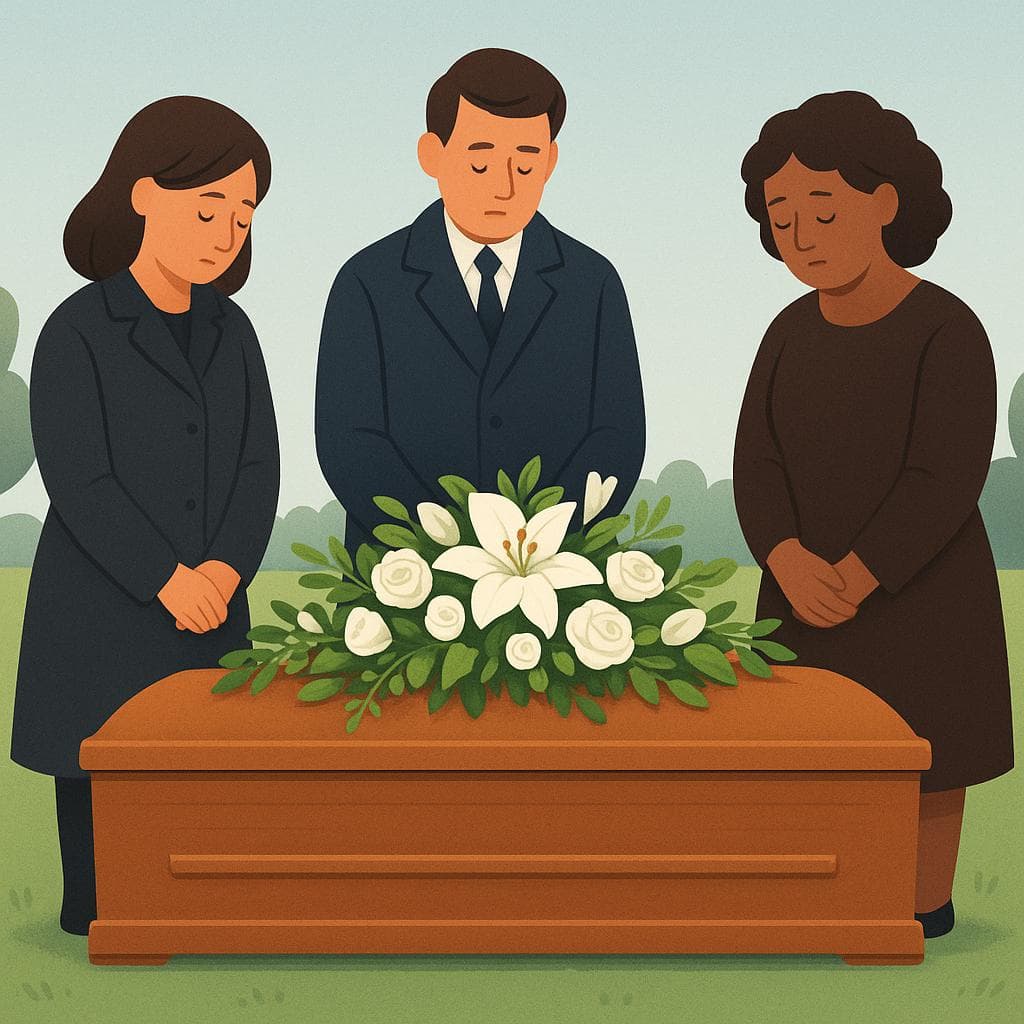
funeral
“El funeral se celebrará en la iglesia principal.”
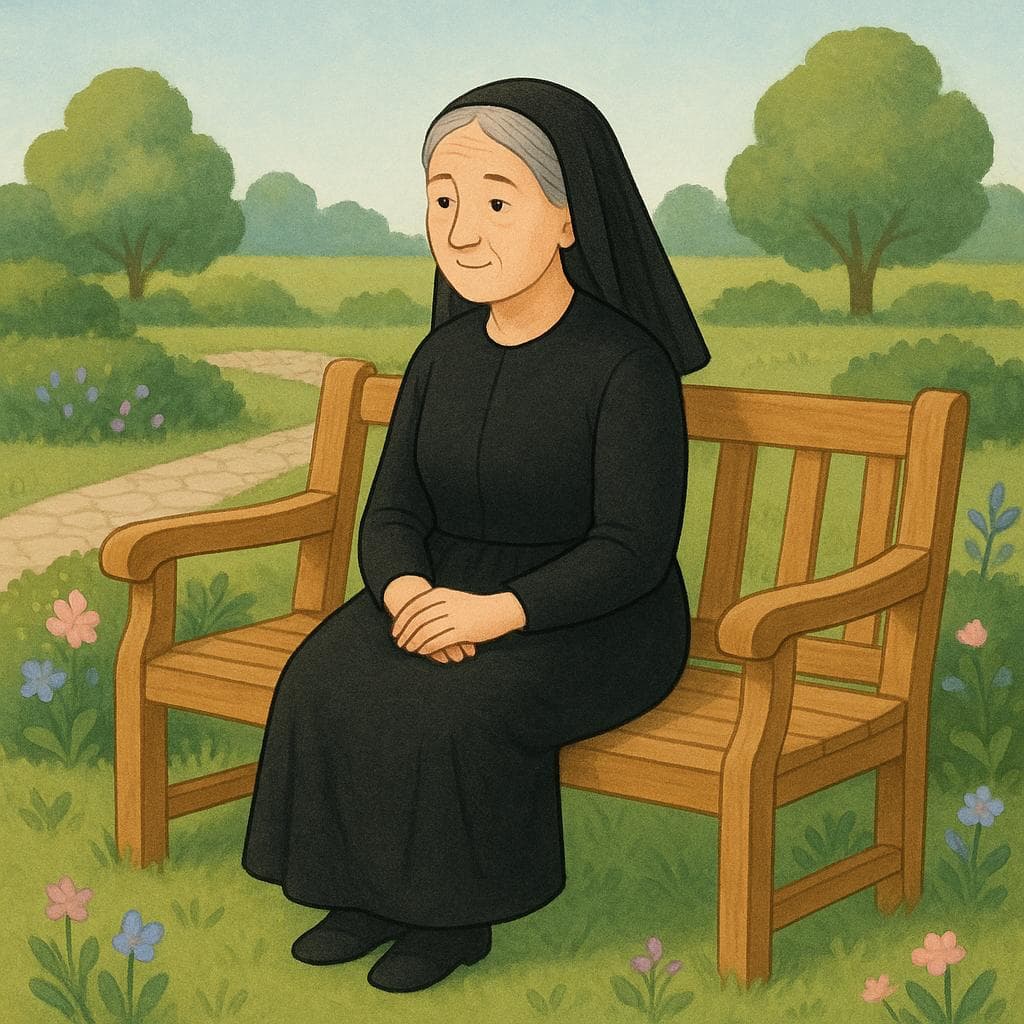
widow
“Mi abuela es viuda y vive sola en el campo.”
A2 — Elementary (8 words)
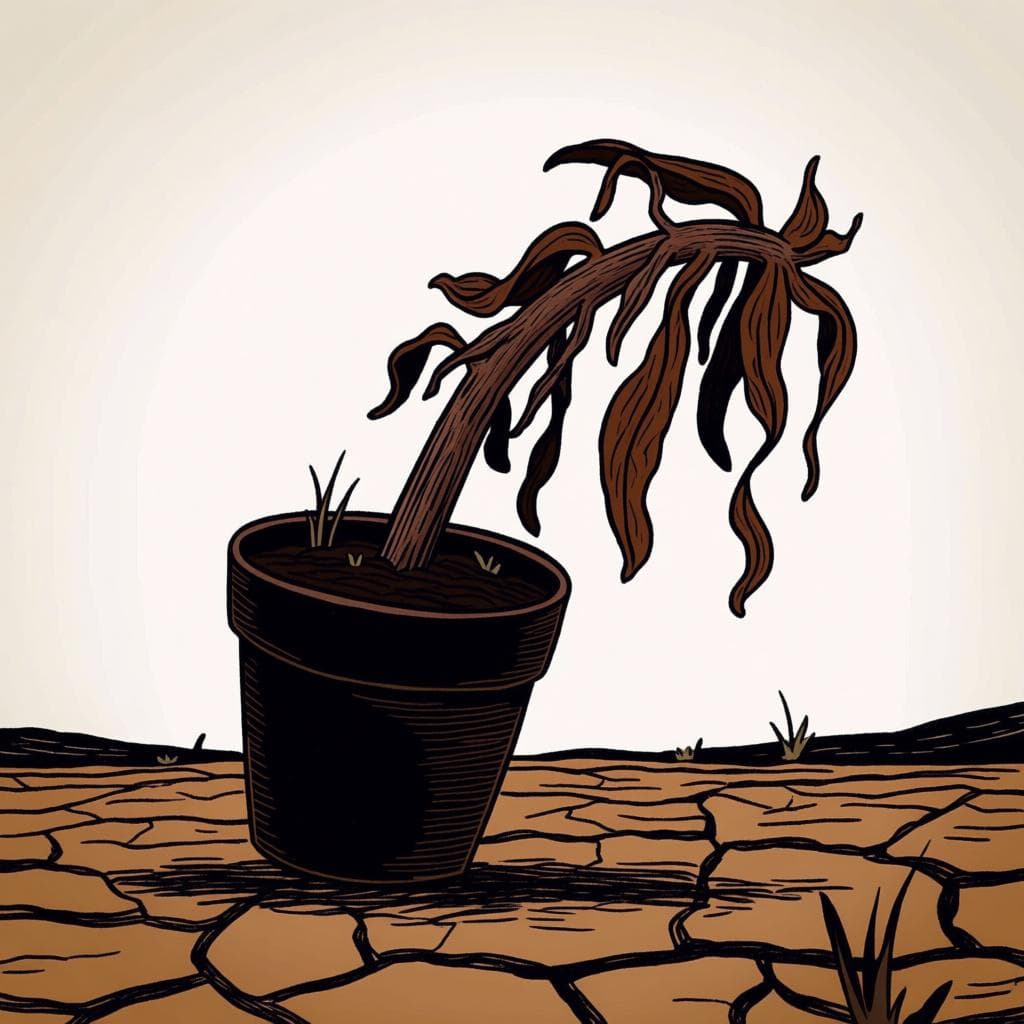
to die
“Mi abuelo murió el año pasado.”
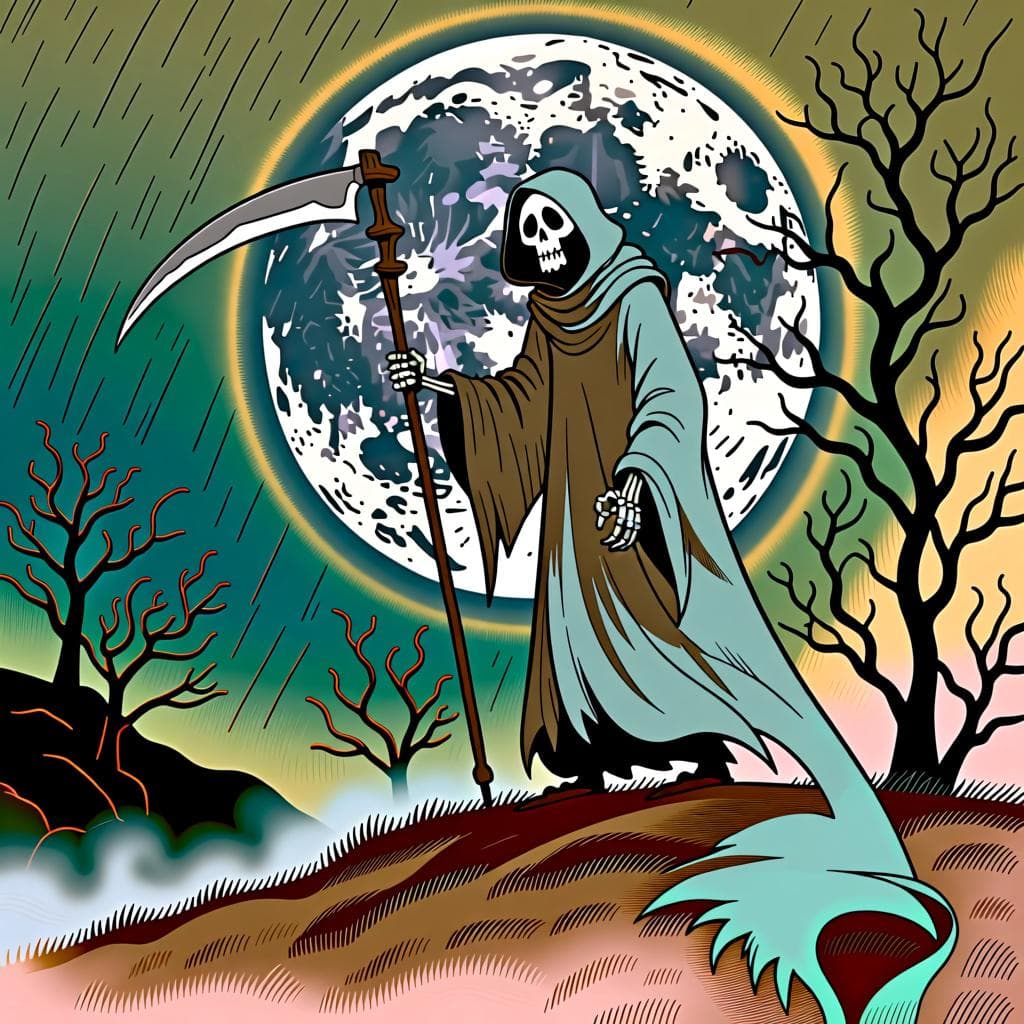
death
“La muerte es una parte natural de la vida.”
deaths
“El informe confirmó un alto número de muertes por la tormenta.”

dead
“Cuando llegué, la planta ya estaba muerta.”
dying
“El viejo roble se está muriendo lentamente.”

he died
“Mi abuelo murió el año pasado.”
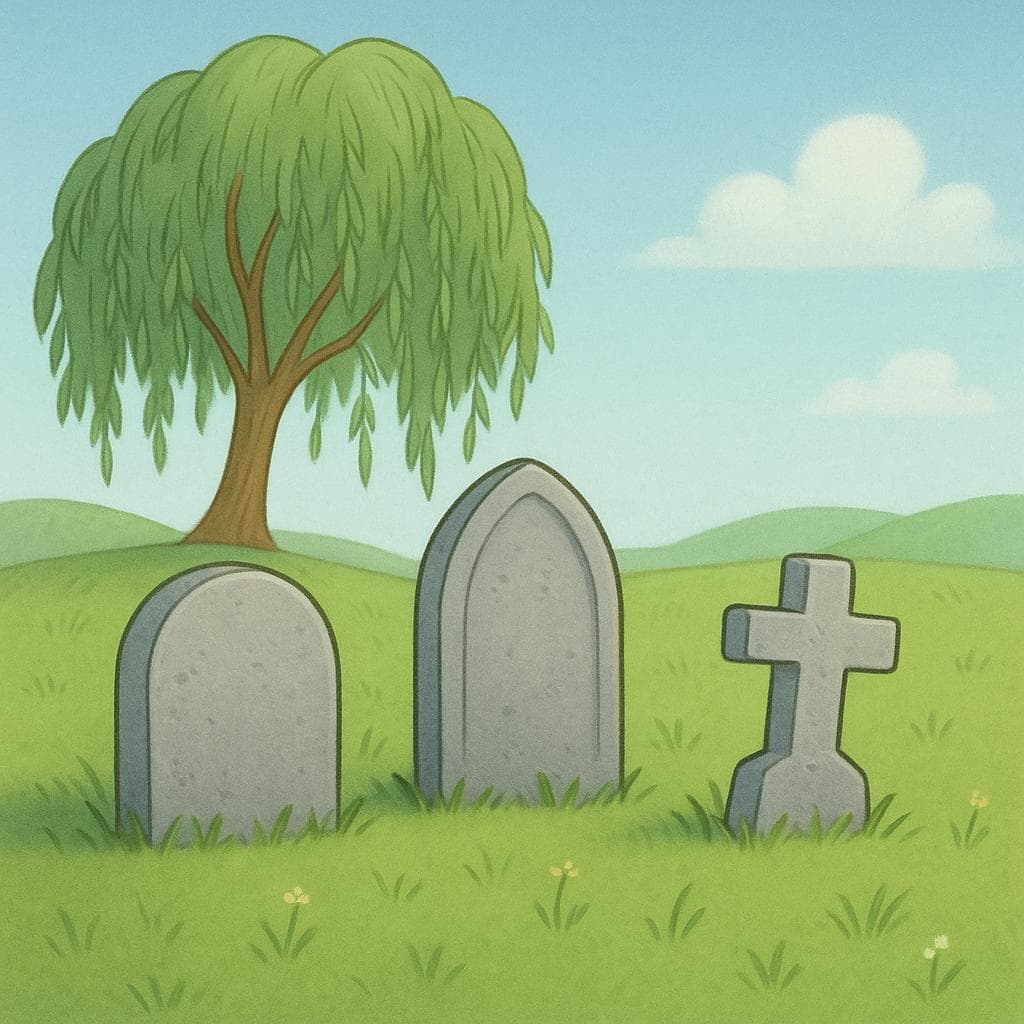
cemetery
“Fuimos al cementerio a visitar la tumba de mi abuela.”

grave
“Fueron al cementerio a visitar la tumba de su tía.”
B1 — Intermediate (10 words)
grief
“Después de la muerte de su abuelo, ella pasó por un largo duelo.”

they died
“Los tres animales murieron de sed en el desierto.”
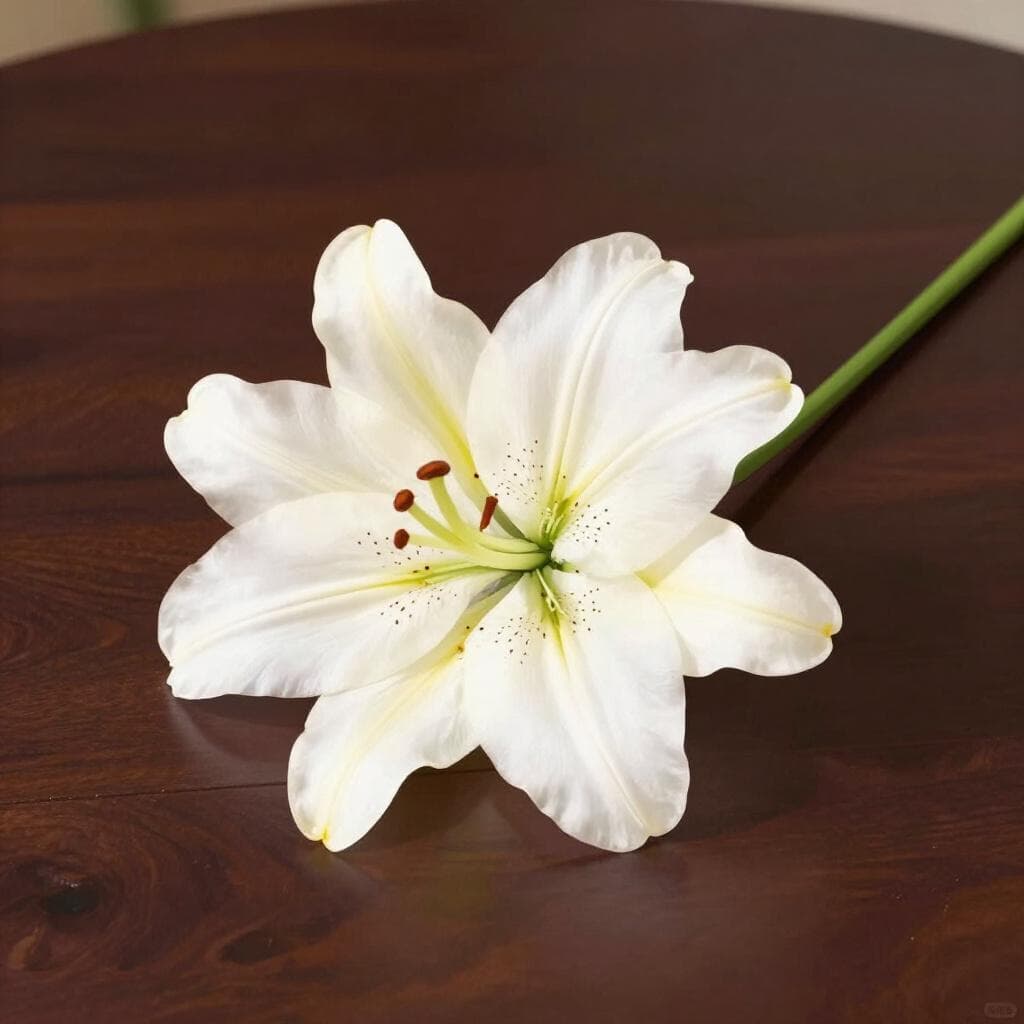
deceased
“Hicieron una ceremonia en honor al actor fallecido.”
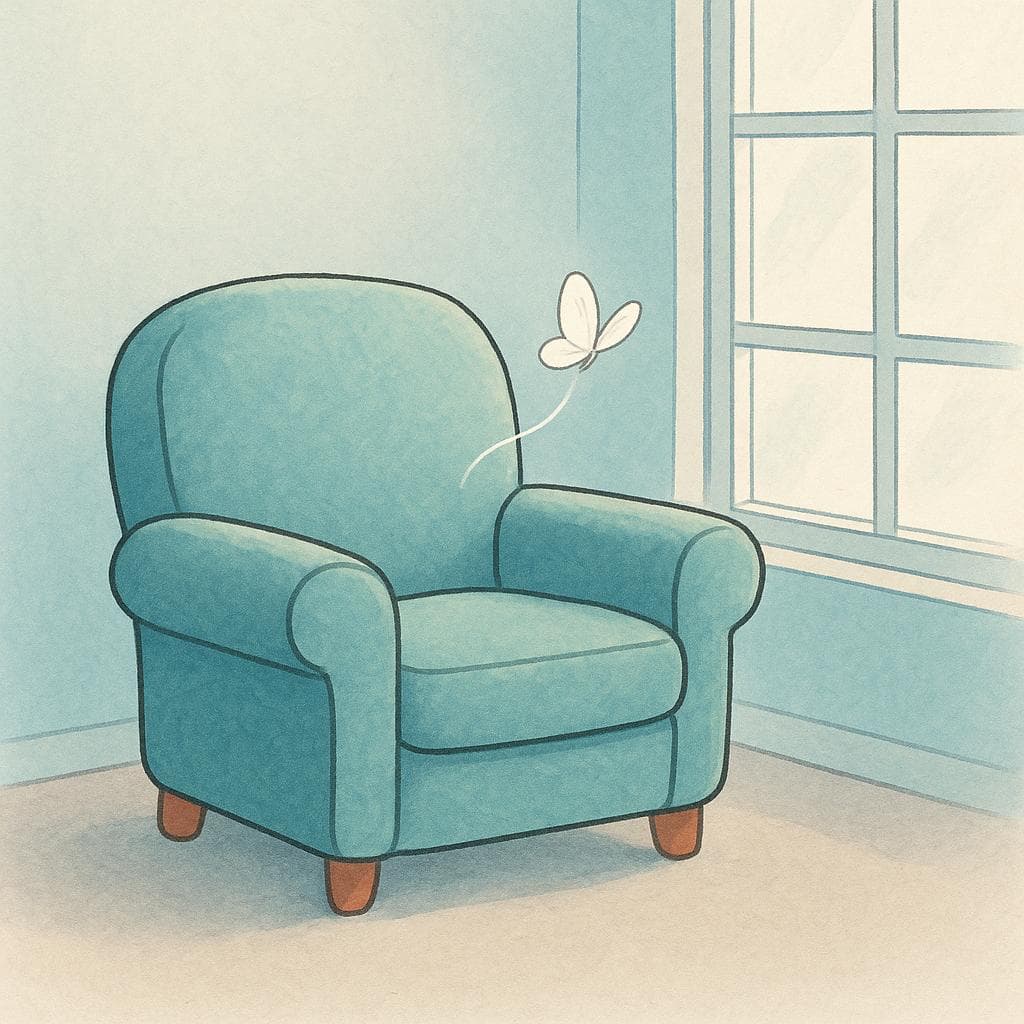
passed away
“El escritor falleció en su casa rodeado de su familia.”
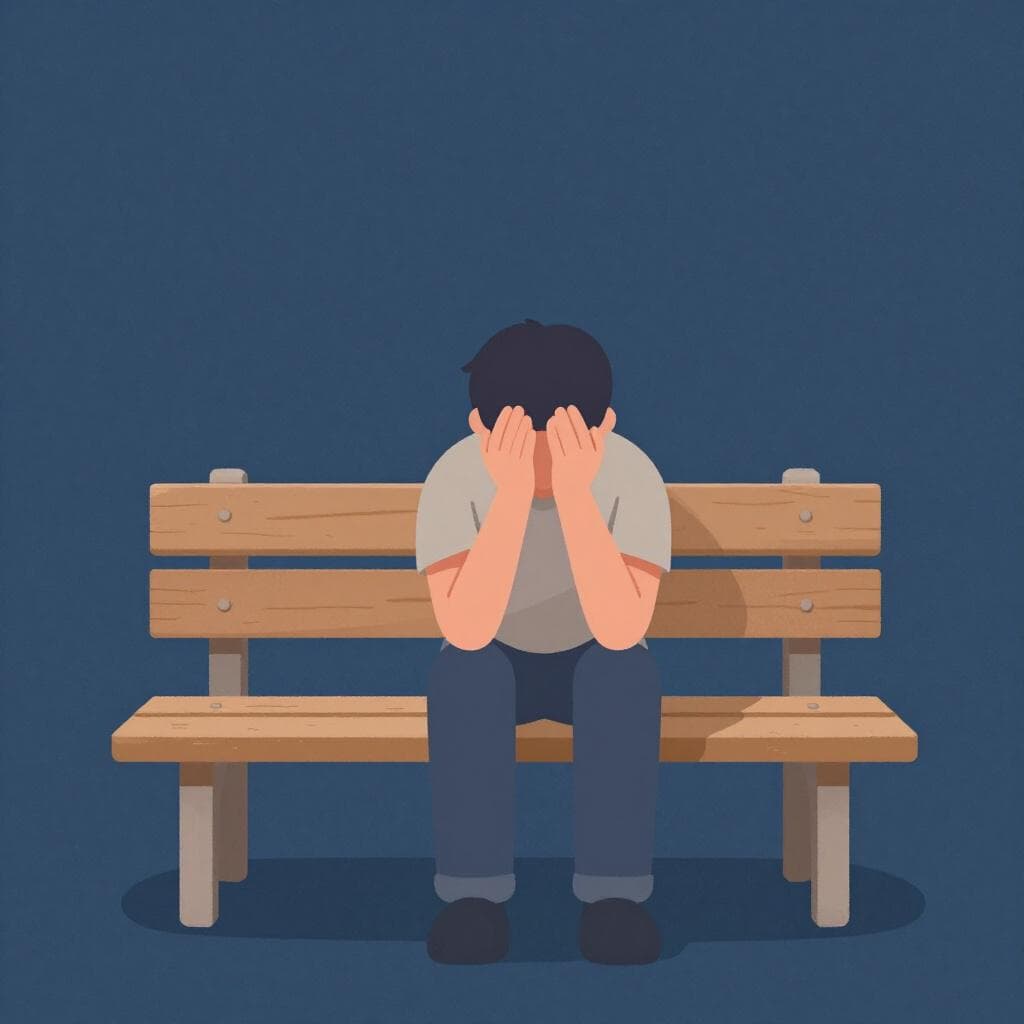
agony
“El herido estuvo en agonía durante varias horas antes de que llegara el médico.”
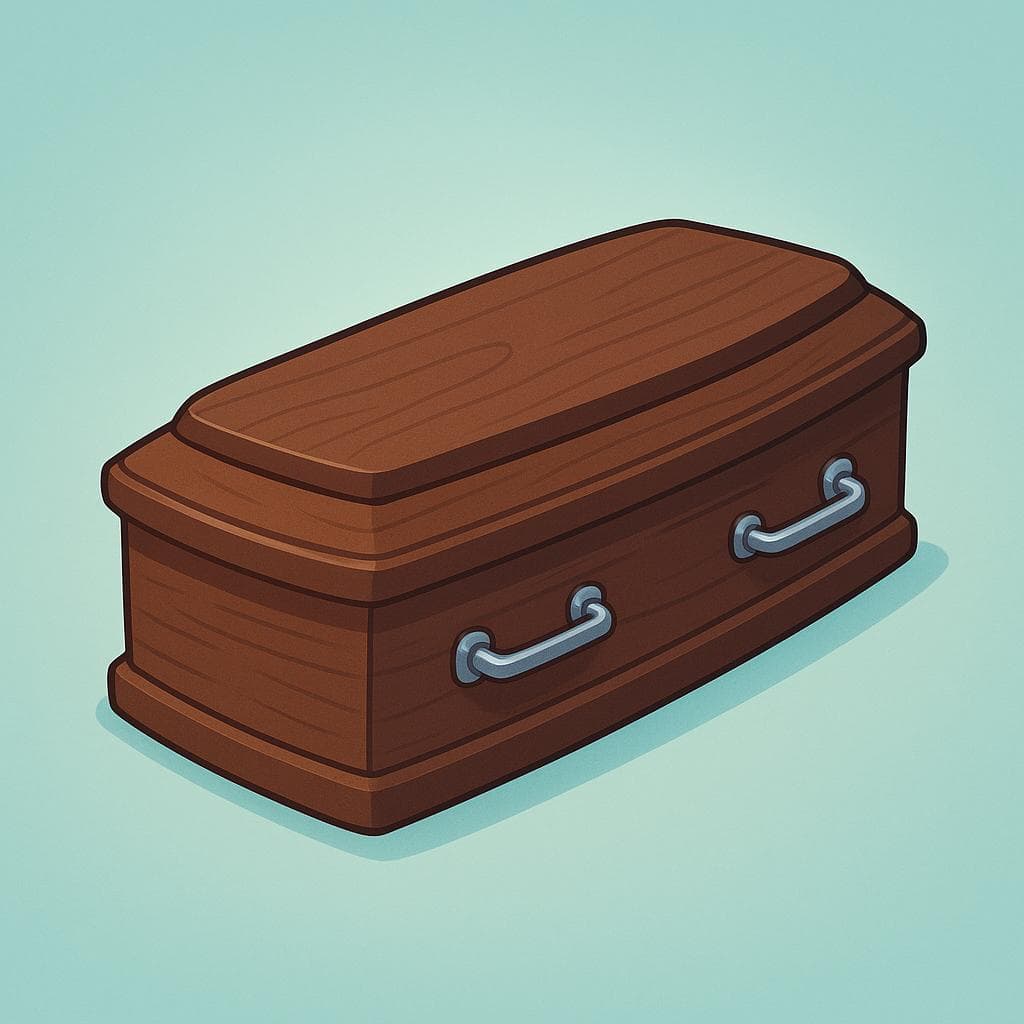
coffin
“El ataúd fue cubierto con una bandera.”
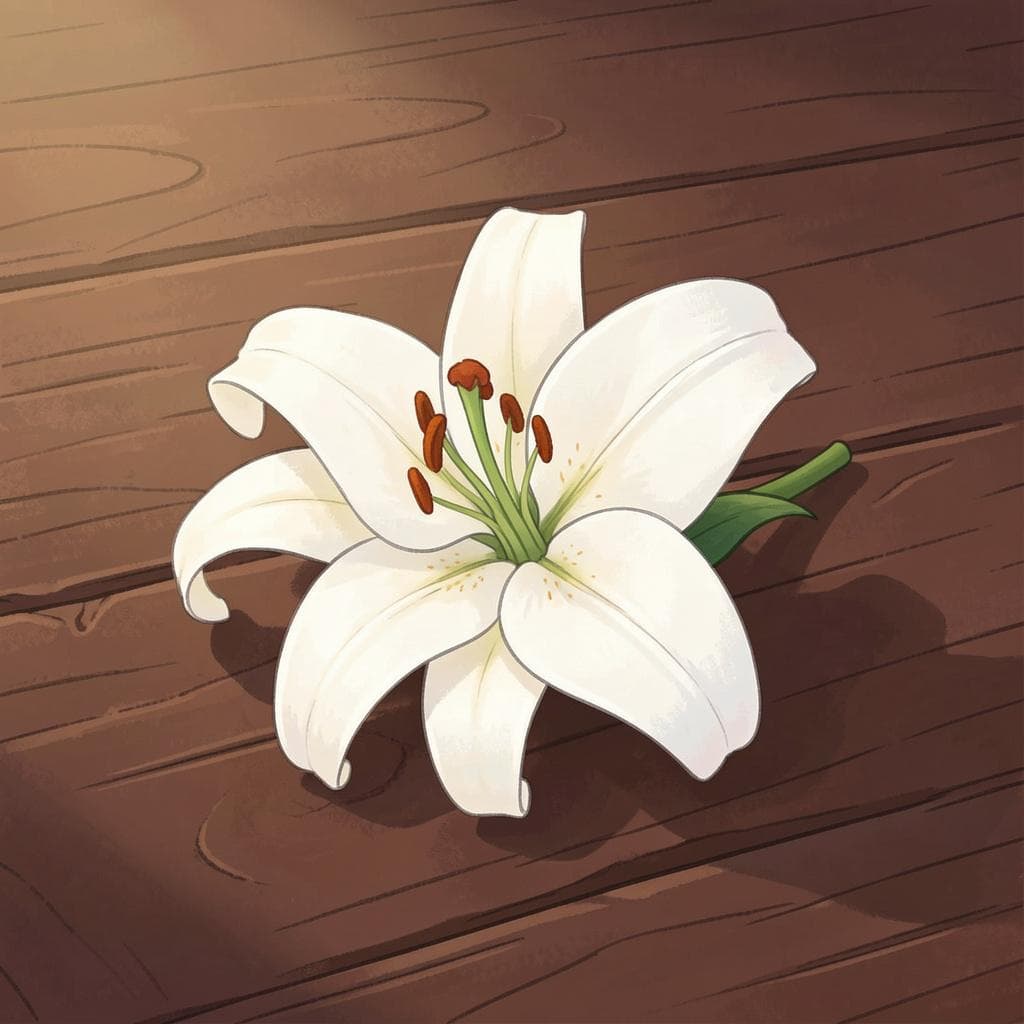
late
“Mi difunto abuelo era un hombre muy sabio.”
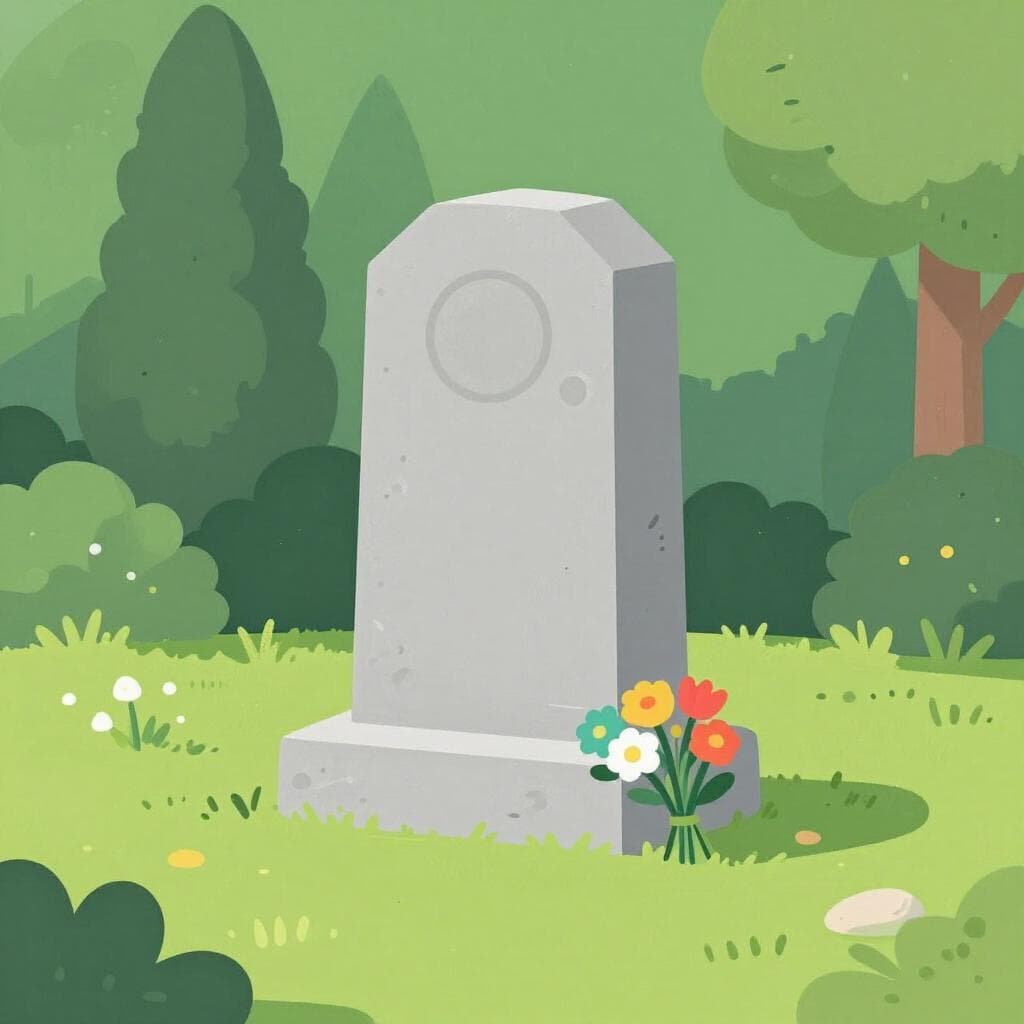
funeral
“La empresa ofrece servicios funerarios completos.”
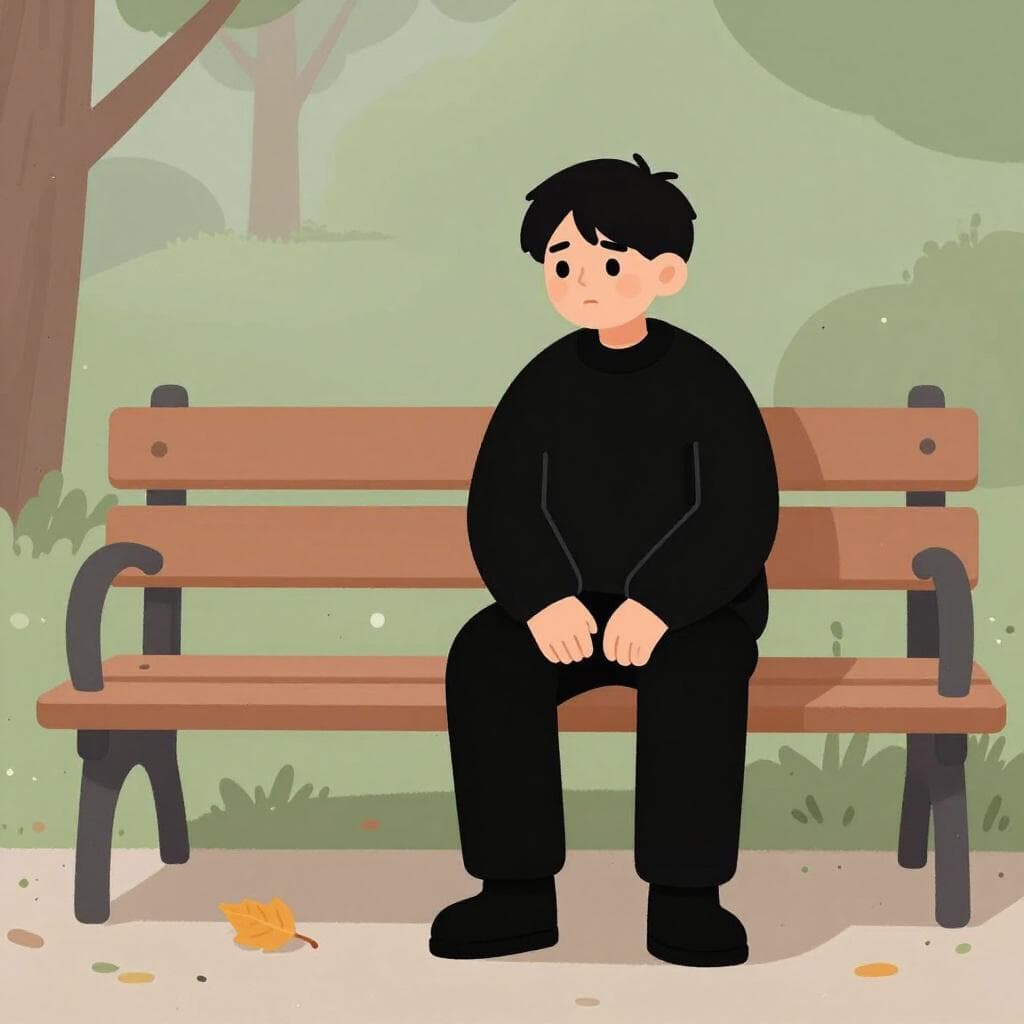
mourning
“La familia está de luto por la muerte del abuelo.”
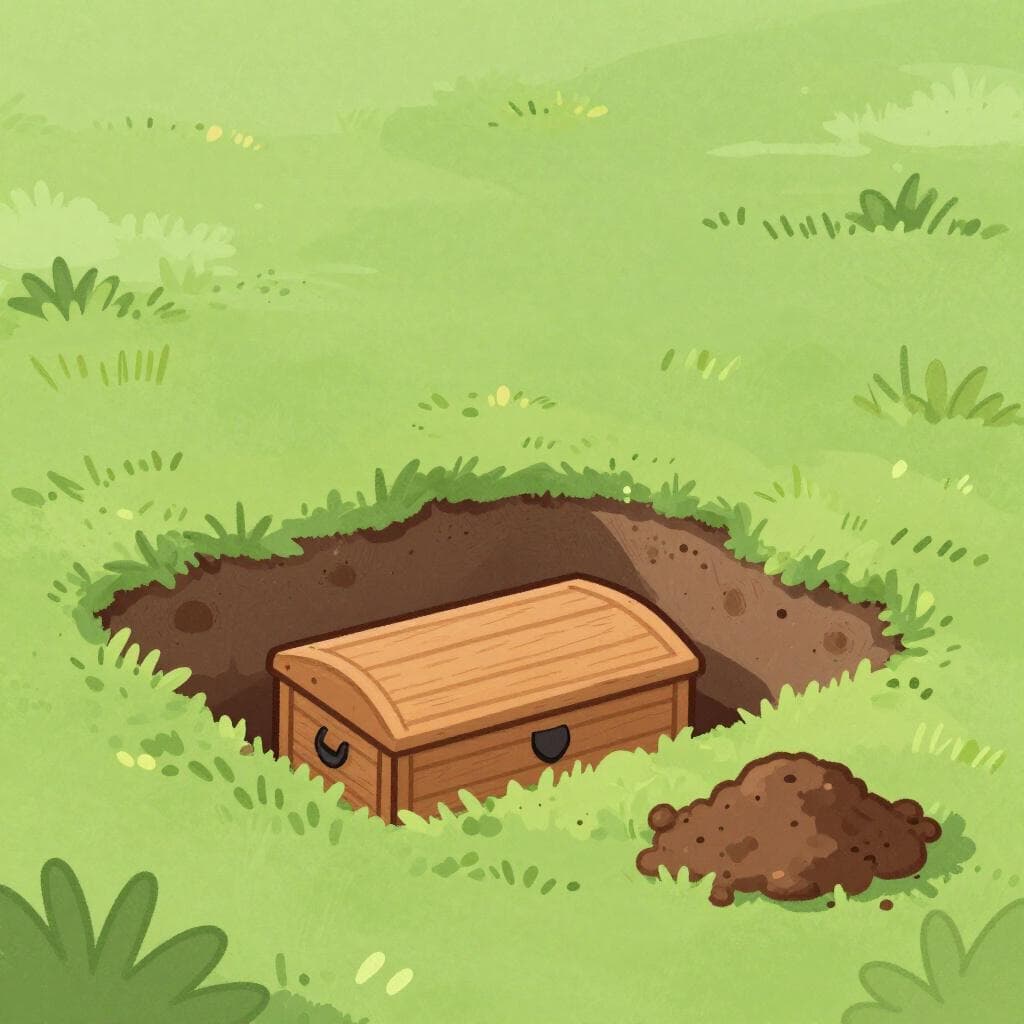
to bury
“Decidieron sepultar a su abuelo en el cementerio del pueblo.”
B2 — Upper Intermediate (4 words)
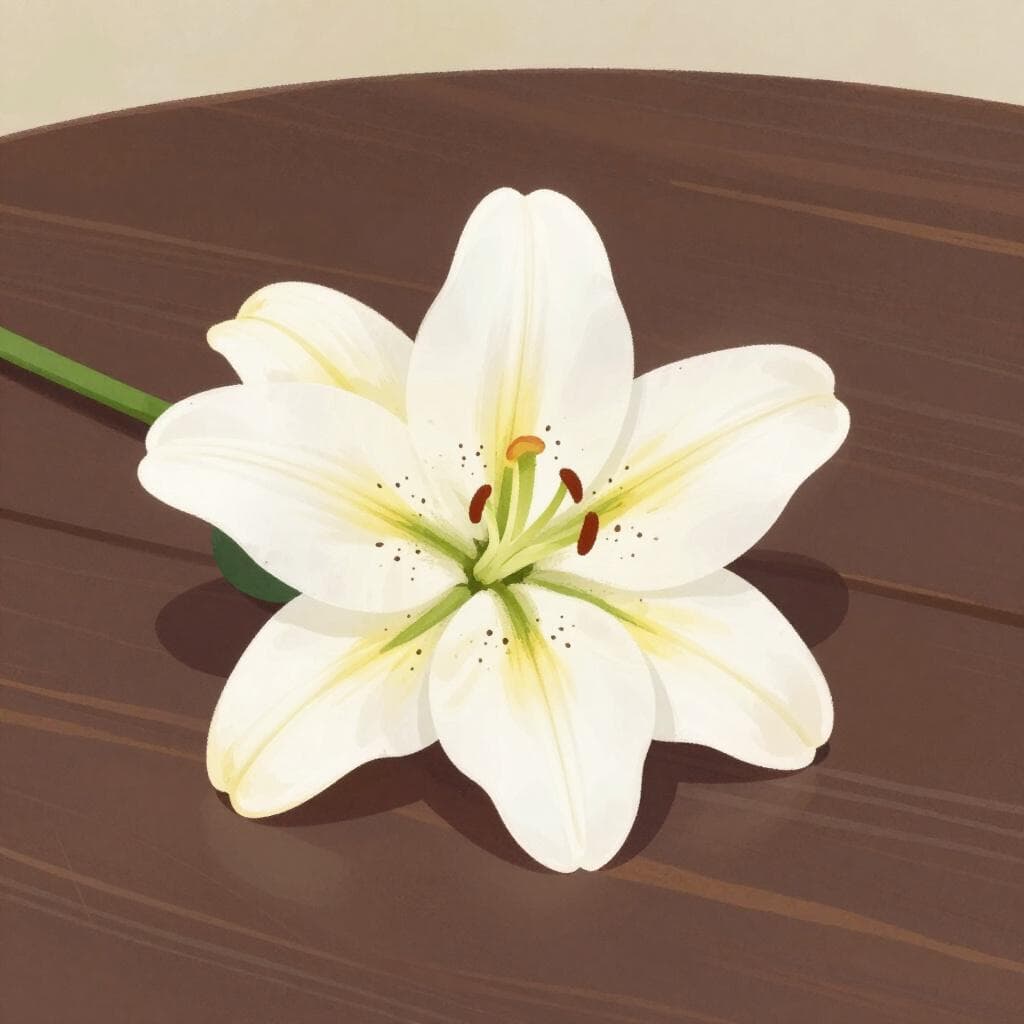
to pass away
“Mi abuela falleció a los noventa años.”
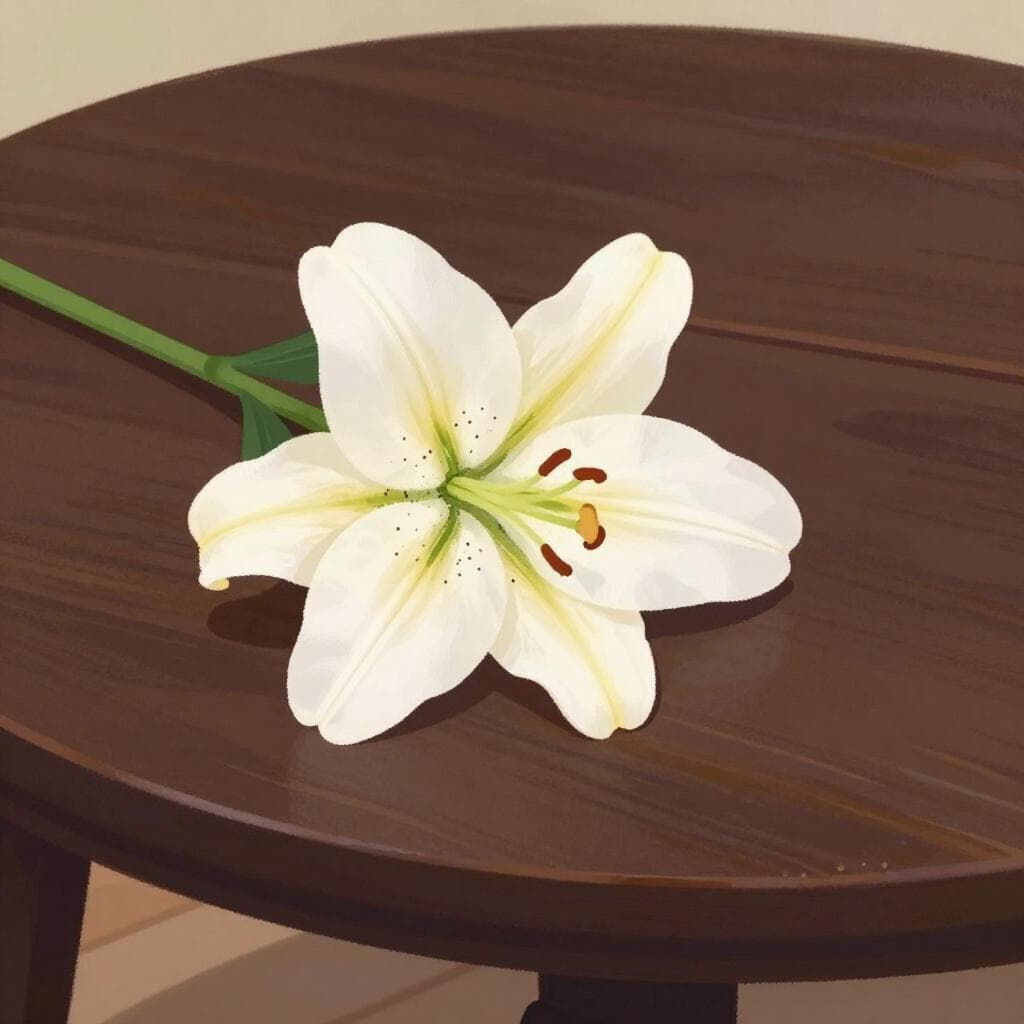
death
“Lamentamos informar el fallecimiento del reconocido actor.”

dying
“El animal moribundo fue rescatado por los veterinarios.”
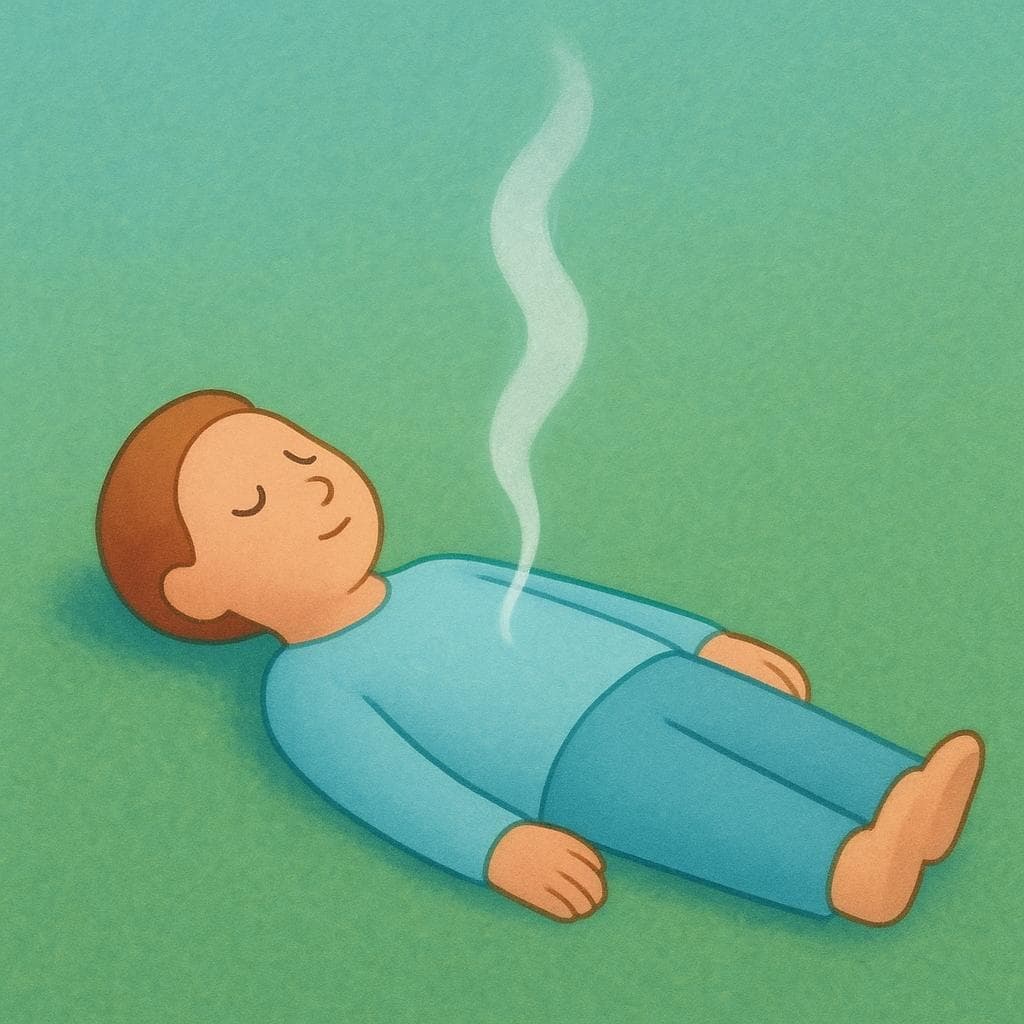
I/he/she might die
C1 — Advanced (1 words)
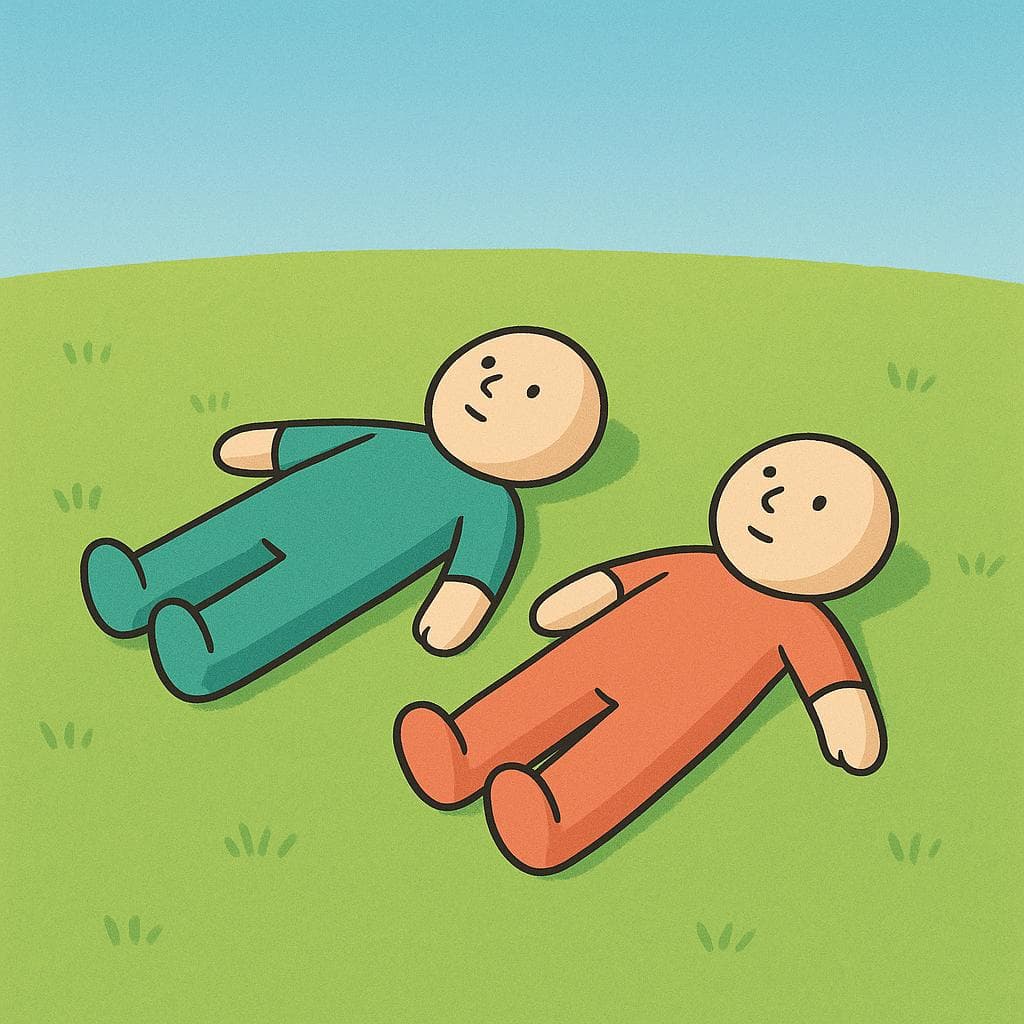
corpses
“Los arqueólogos descubrieron varios cadáveres en la antigua tumba.”
Grammar Tips
Gender Agreement with 'Difunto/a'
The adjective 'difunto/a' (late/deceased) must agree in gender with the person it describes. For a male, you'd say 'el difunto señor García,' and for a female, 'la difunta señora López.' This is a common pattern for descriptive adjectives in Spanish.
Verb Conjugation for 'Fallecer'
The verb 'fallecer' (to pass away) is irregular and its past tense forms are frequently used. For example, 'él falleció' (he passed away) or 'ella falleció' (she passed away). Pay attention to the '-ció' ending in the preterite tense.
Plurals: 'Cadáver' and 'Funeral'
Nouns related to death often have predictable plural forms. 'Cadáver' becomes 'cadáveres' (corpses), and 'funeral' becomes 'funerales' (funerals). Remember to match the article and adjective to the plural noun.
Common Mistakes
Using 'Morir' too Directly
Mistake: “El señor murió ayer.”
Correction: El señor falleció ayer. While 'morir' is correct, 'fallecer' is often preferred in formal or respectful contexts when speaking about a person's death, similar to using 'passed away' instead of 'died' in English.
Incorrect Gender Agreement
Mistake: “La difunto estaba triste.”
Correction: La difunta estaba triste. The adjective 'difunto' must agree in gender with the noun it modifies. Since 'la difunta' refers to a female, the adjective must also be feminine.
Confusing 'Luto' and 'Duelo'
Mistake: “Ella lleva mucho luto por su esposo.”
Correction: Ella lleva mucho duelo por su esposo. 'Duelo' refers to the internal emotional experience of grief or mourning. 'Luto' refers to the outward signs of mourning, like wearing black clothing. You experience 'duelo' and observe 'luto'.
Cultural Notes
Euphemisms and 'Descansar'
Spanish speakers often use gentler phrases than a direct 'morir' (to die). Common euphemisms include 'fallecer,' 'irse,' or 'descansar' (to rest). Saying someone 'descansó en paz' (rested in peace) is a very common and respectful way to refer to the deceased.
Day of the Dead (Día de Muertos)
In many Latin American countries, especially Mexico, the Day of the Dead (November 1st and 2nd) is a vibrant celebration honoring ancestors. It involves altars, specific foods, and a focus on remembering loved ones with joy rather than solely sorrow, contrasting with more somber mourning traditions elsewhere.