Kitchen & Utensils in Spanish
Welcome to the kitchen! This section covers essential Spanish vocabulary for all things culinary, from the appliances you use to the tools you cook with. Knowing these words will make navigating kitchens, following recipes, and even talking about food with Spanish speakers much easier. It's a practical set of words that bridges the gap between daily life and language learning.
Quick Reference
| Spanish | English | Example | Level |
|---|---|---|---|
bandeja | tray | El camarero trajo el café en una pequeña bandeja de plata. | A1 |
bate | bat | El jugador de béisbol tomó el bate y se dirigió al plato. | A2 |
batería | battery | Mi teléfono se apagó porque la batería estaba agotada. | A1 |
cajón | drawer | Por favor, guarda la cuchara en el tercer cajón. | A1 |
cocina | kitchen | Mi madre está en la cocina. | A1 |
copa | glass | Por favor, sírveme agua en esta copa, no en el vaso. | A1 |
cubierto | covered | La mesa del jardín estaba cubierta por una lona. | A2 |
cuchara | spoon | Necesito una cuchara para la sopa. | A1 |
cuchillo | knife | ¿Puedes pasarme el cuchillo para cortar el pan? | A1 |
estufa | stove | La sopa está en la estufa. | A1 |
freír | to fry | Me gusta freír las patatas con aceite de oliva. | A1 |
grifo | faucet | Por favor, cierra el grifo cuando te laves los dientes. | A2 |
A1 — Beginner (25 words)

tray
“El camarero trajo el café en una pequeña bandeja de plata.”
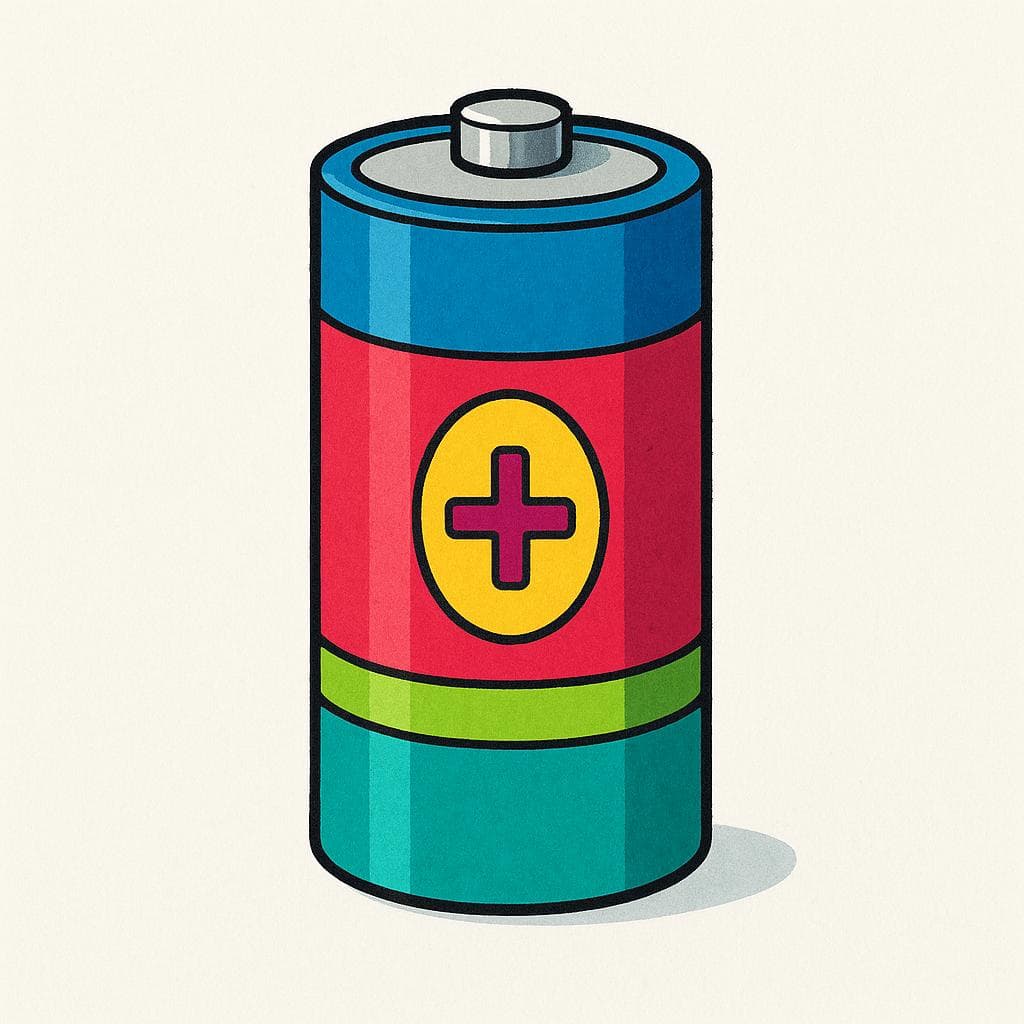
battery
“Mi teléfono se apagó porque la batería estaba agotada.”
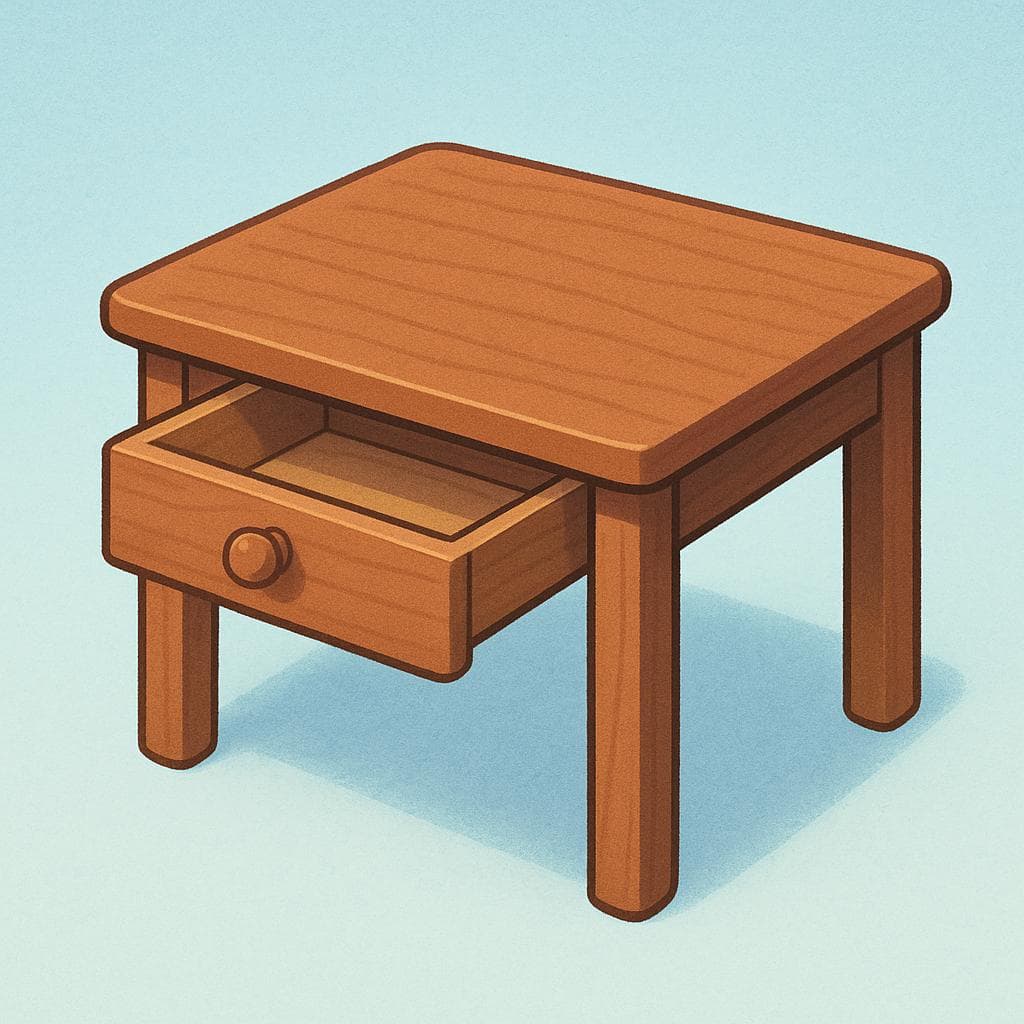
drawer
“Por favor, guarda la cuchara en el tercer cajón.”
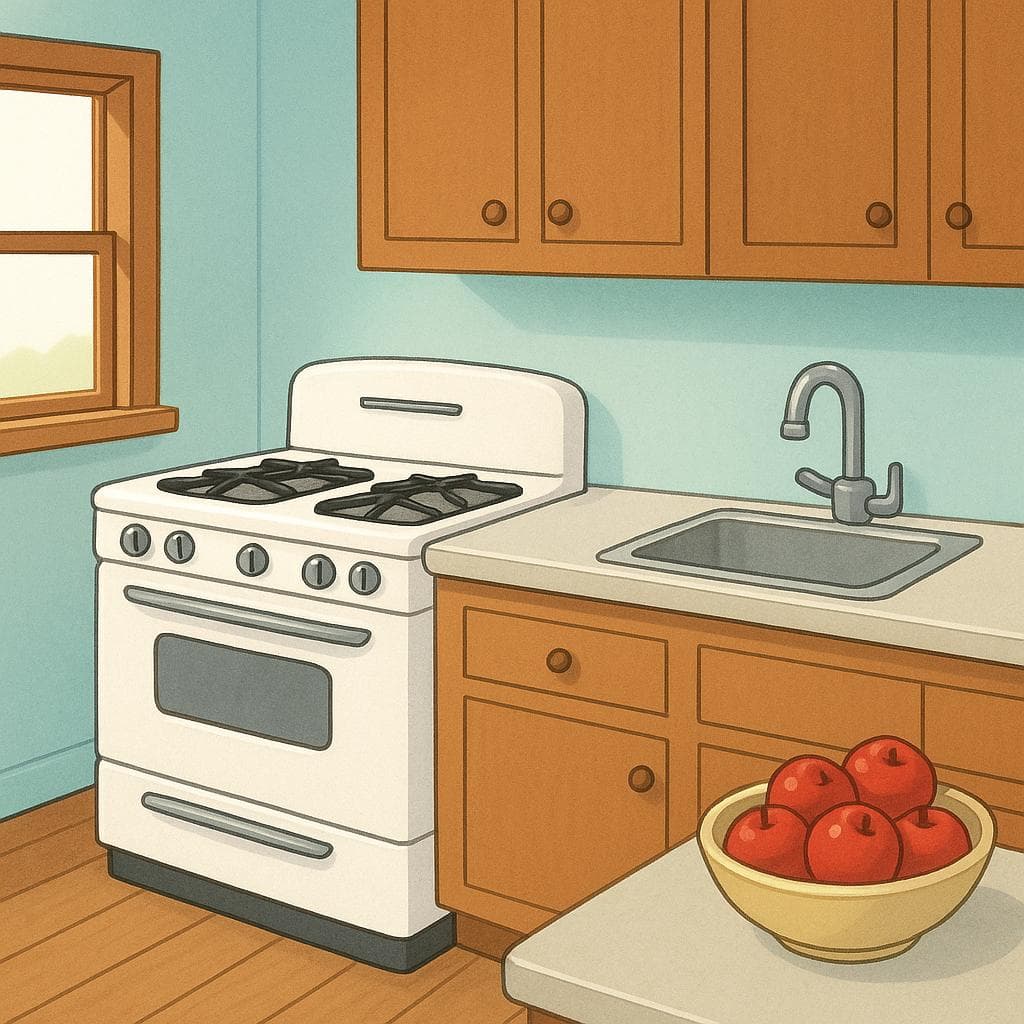
kitchen
“Mi madre está en la cocina.”

glass
“Por favor, sírveme agua en esta copa, no en el vaso.”
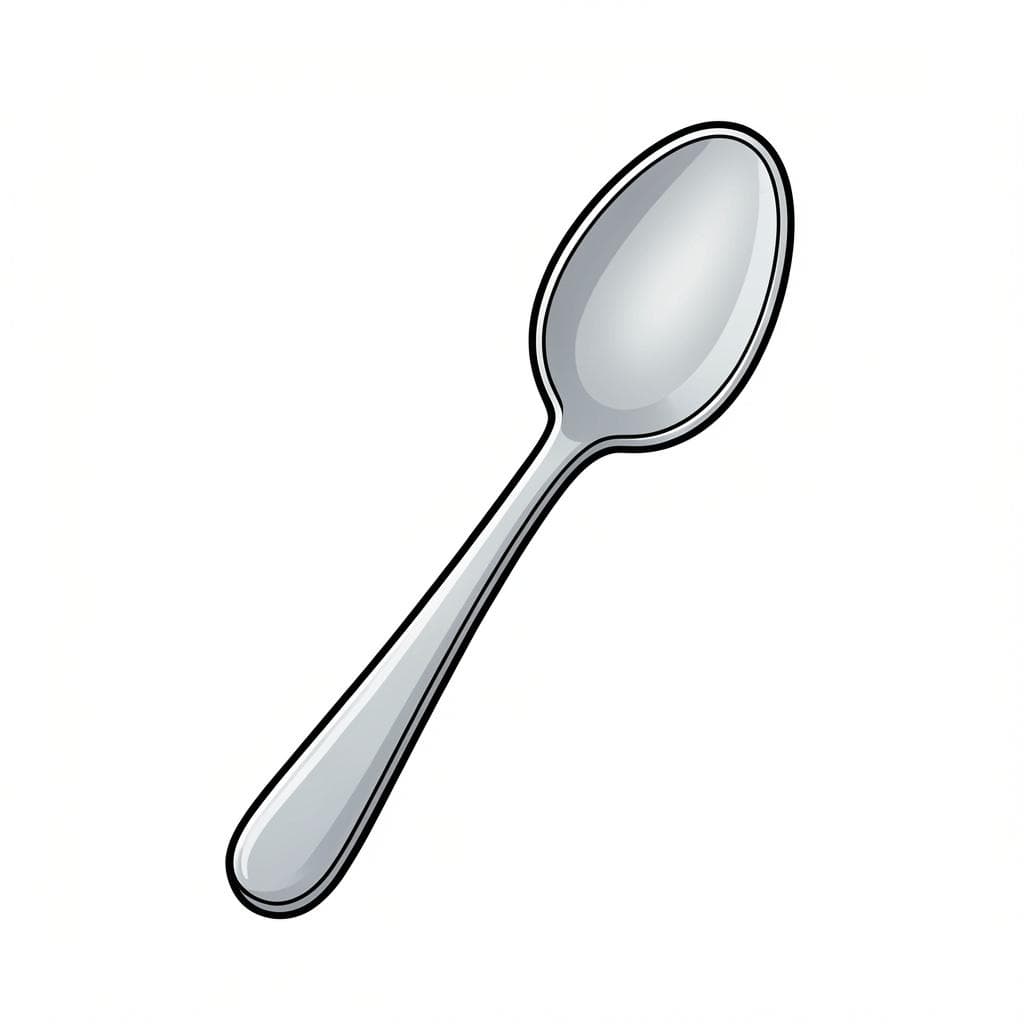
spoon
“Necesito una cuchara para la sopa.”
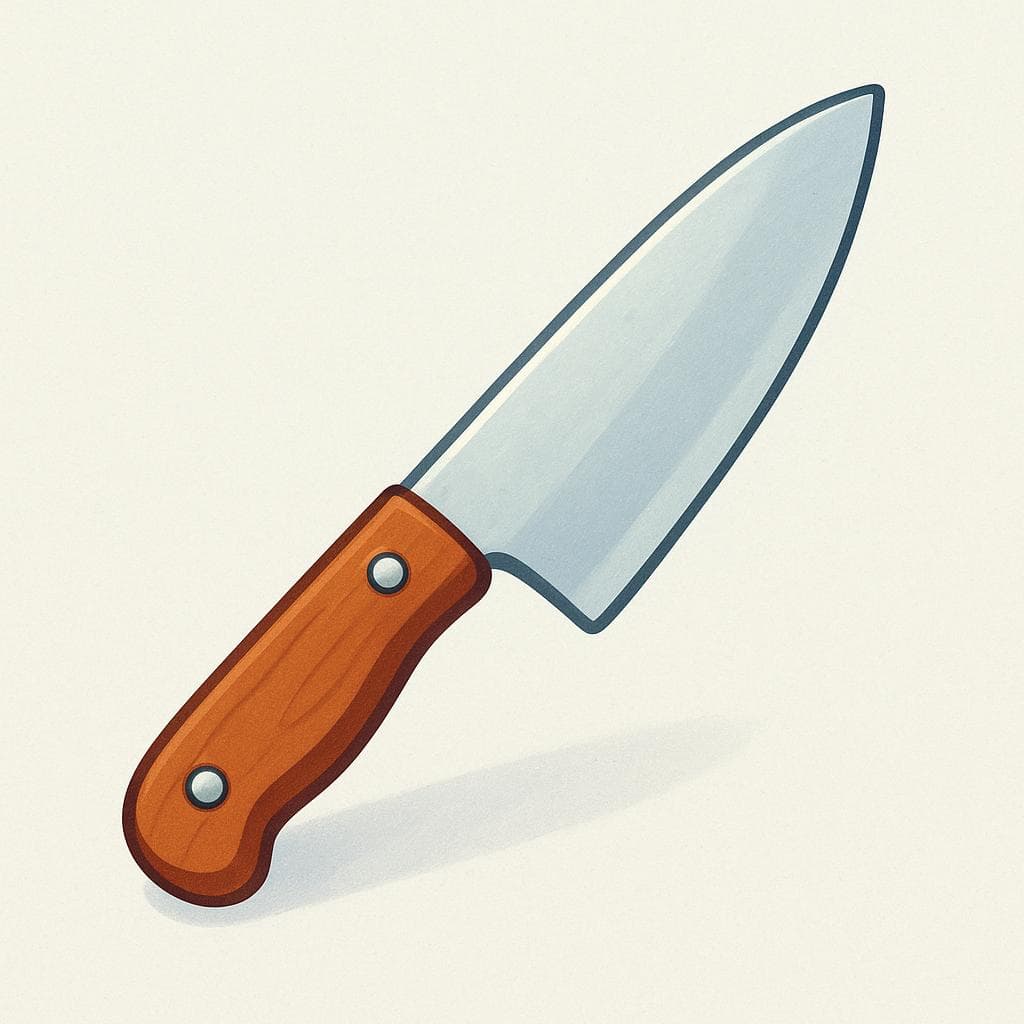
knife
“¿Puedes pasarme el cuchillo para cortar el pan?”
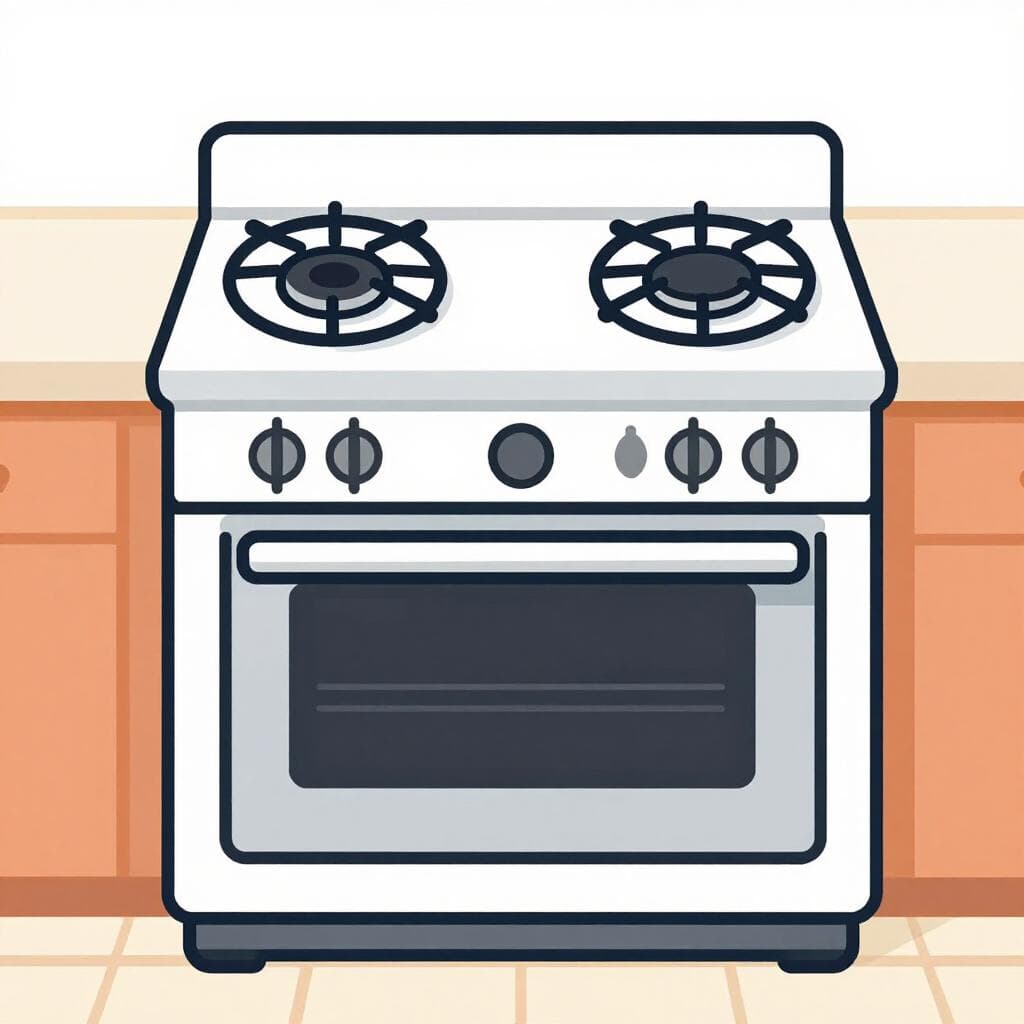
stove
“La sopa está en la estufa.”
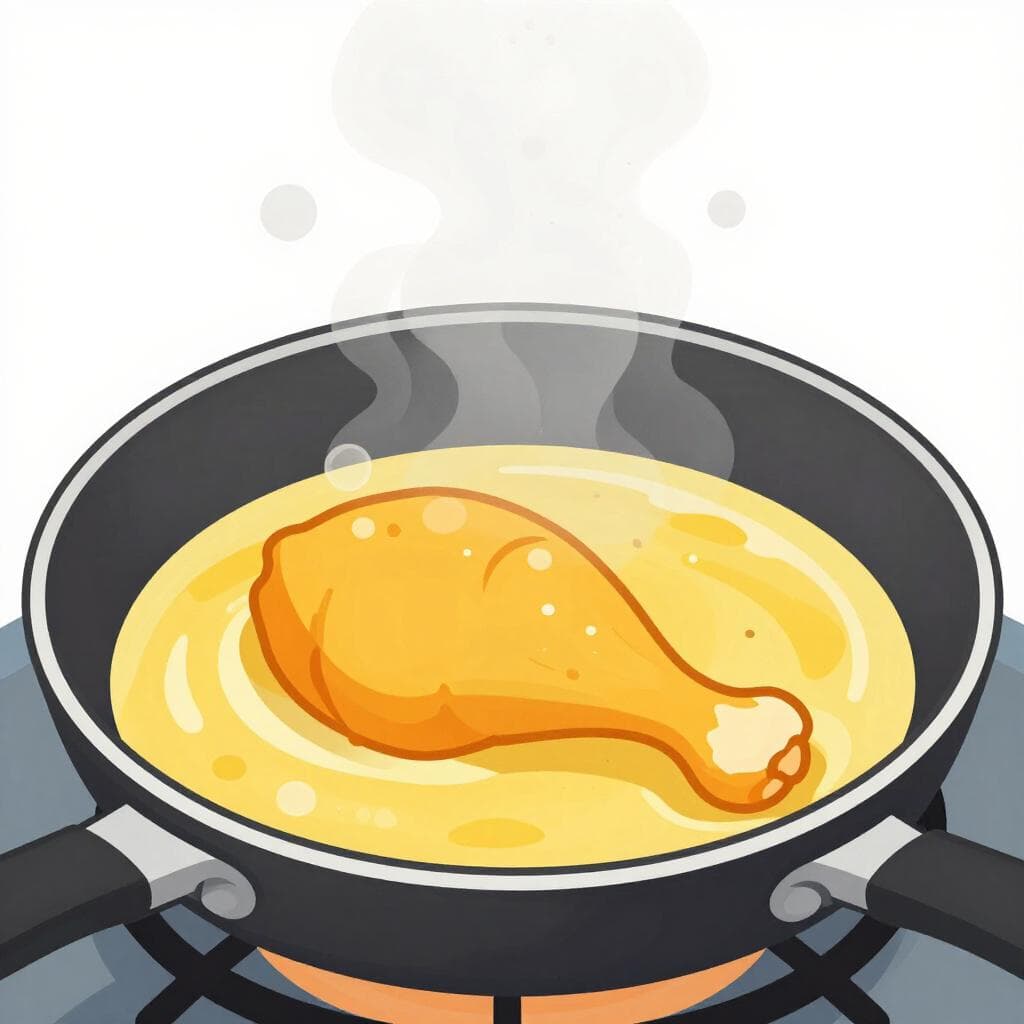
to fry
“Me gusta freír las patatas con aceite de oliva.”

oven
“Puse el pastel en el horno hace diez minutos.”

pitcher
“Por favor, pon una jarra de agua en la mesa.”
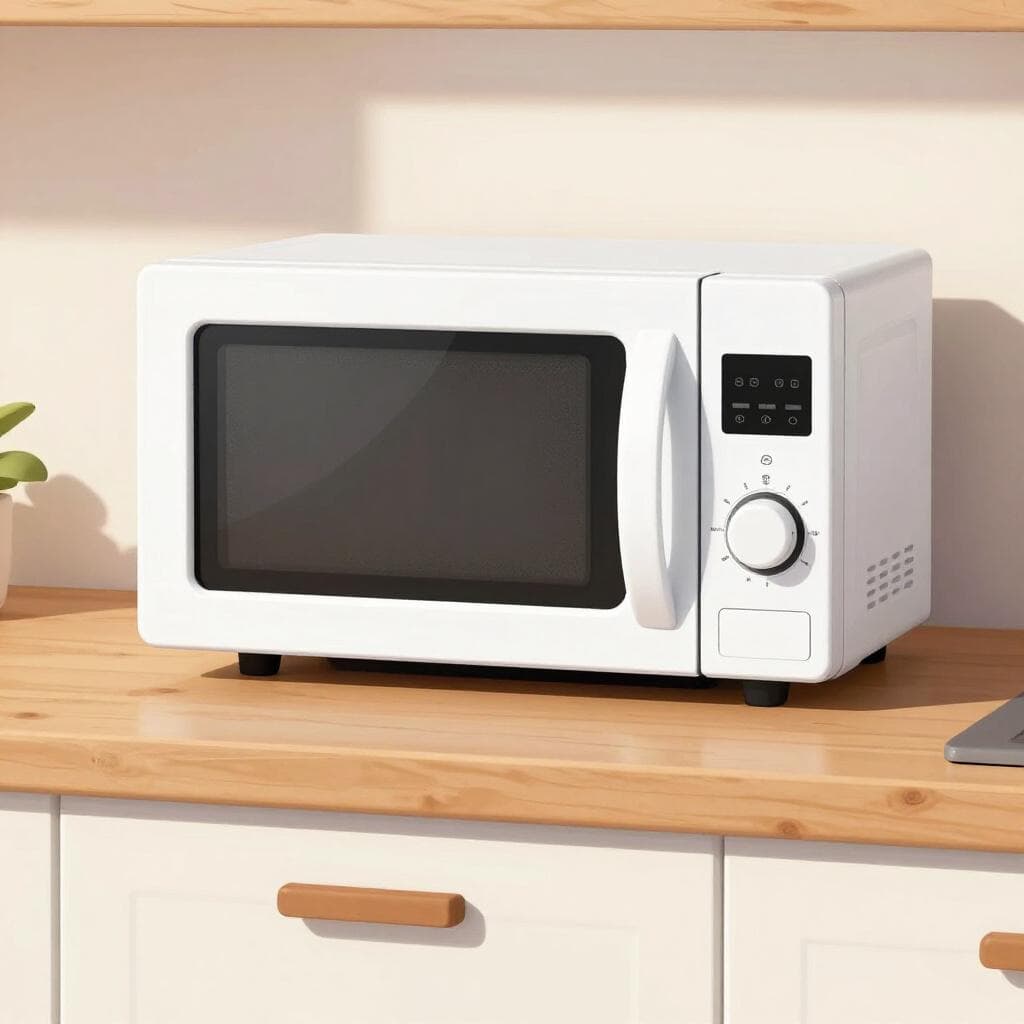
microwave
“Calienta la sopa en el microondas.”
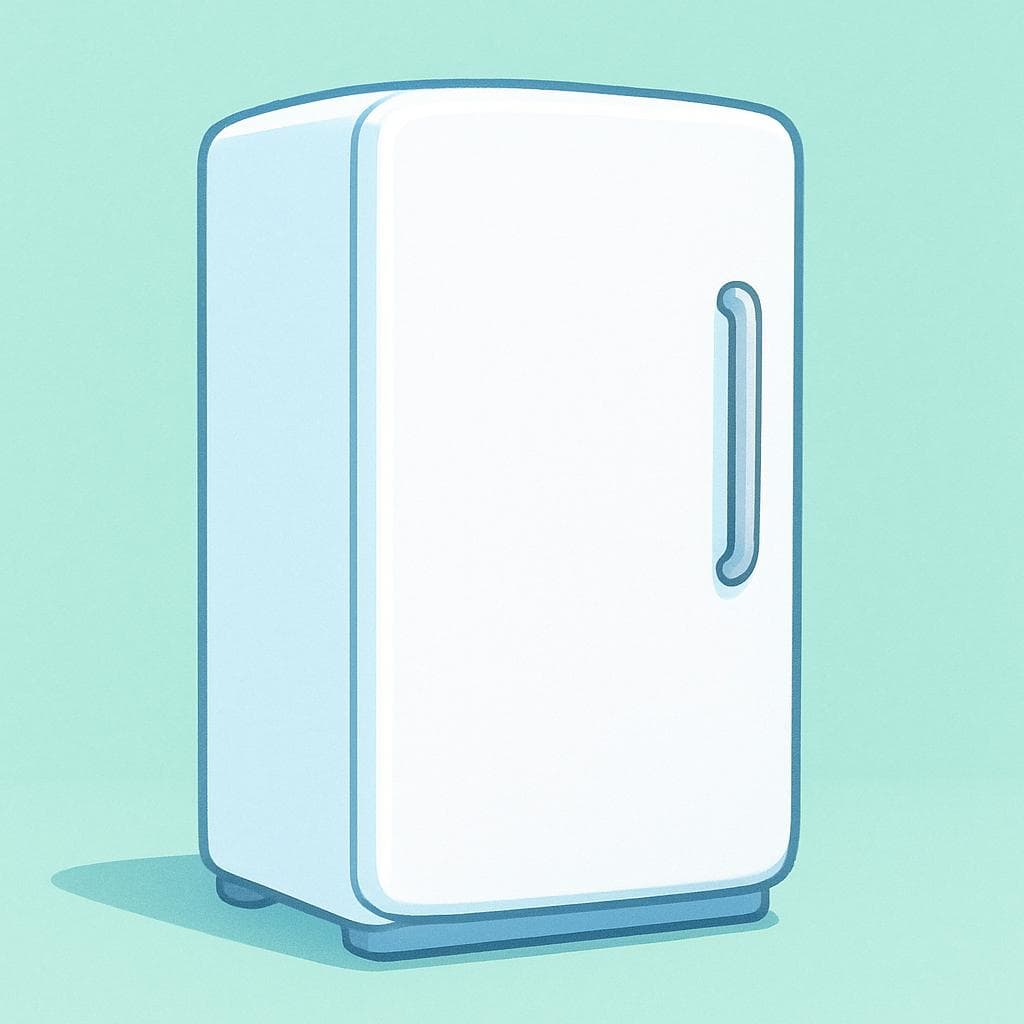
refrigerator
“Guarda la leche en la nevera para que no se ponga mala.”
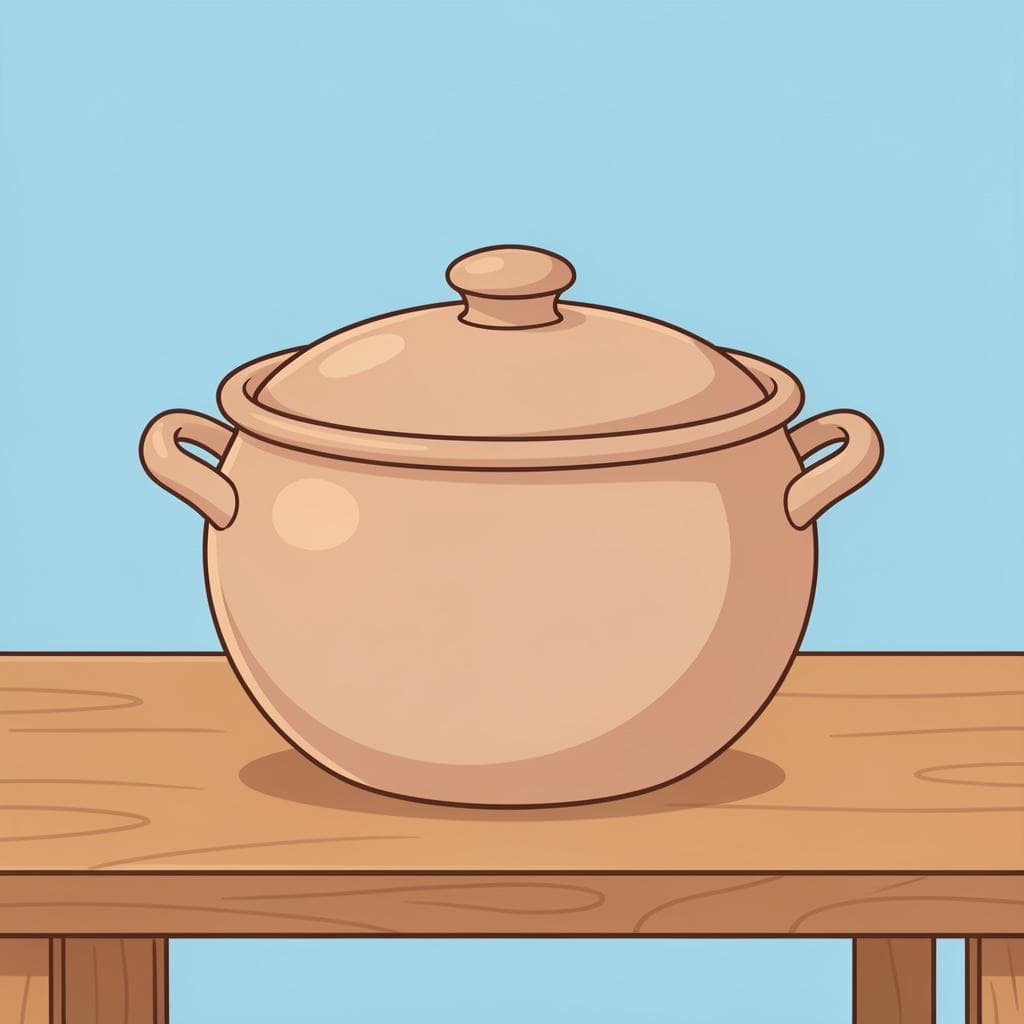
pot
“Pon la olla en el fuego para hervir el agua.”
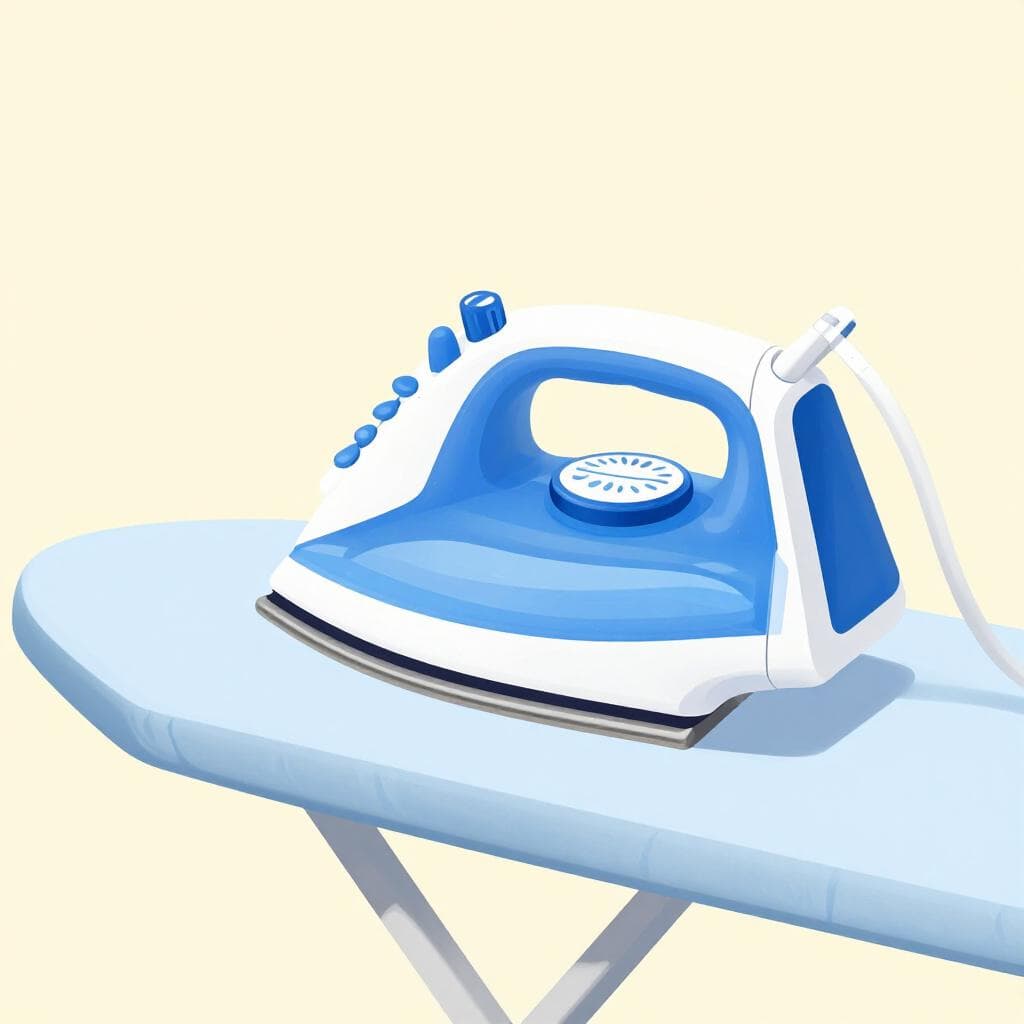
iron
“He comprado una plancha nueva porque la vieja no calienta.”
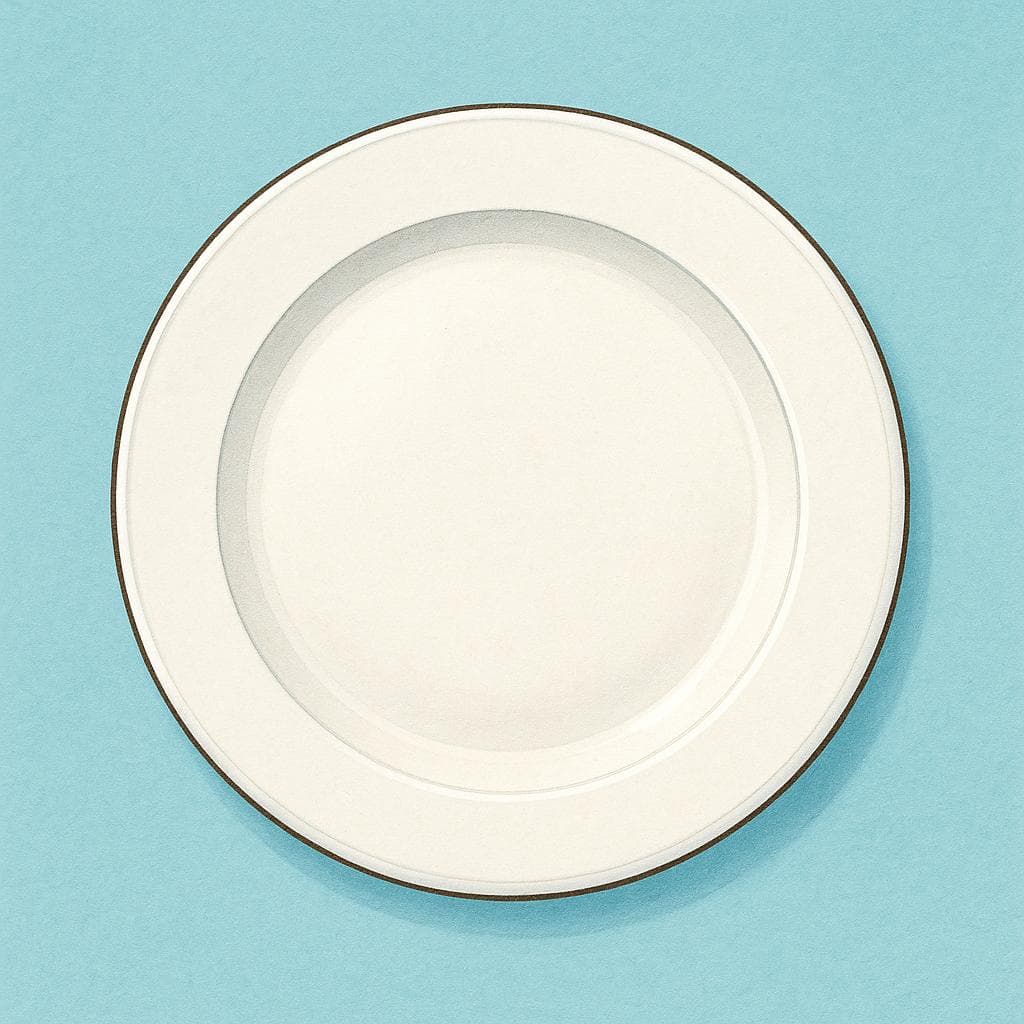
plate
“Por favor, pon los platos limpios en la mesa.”
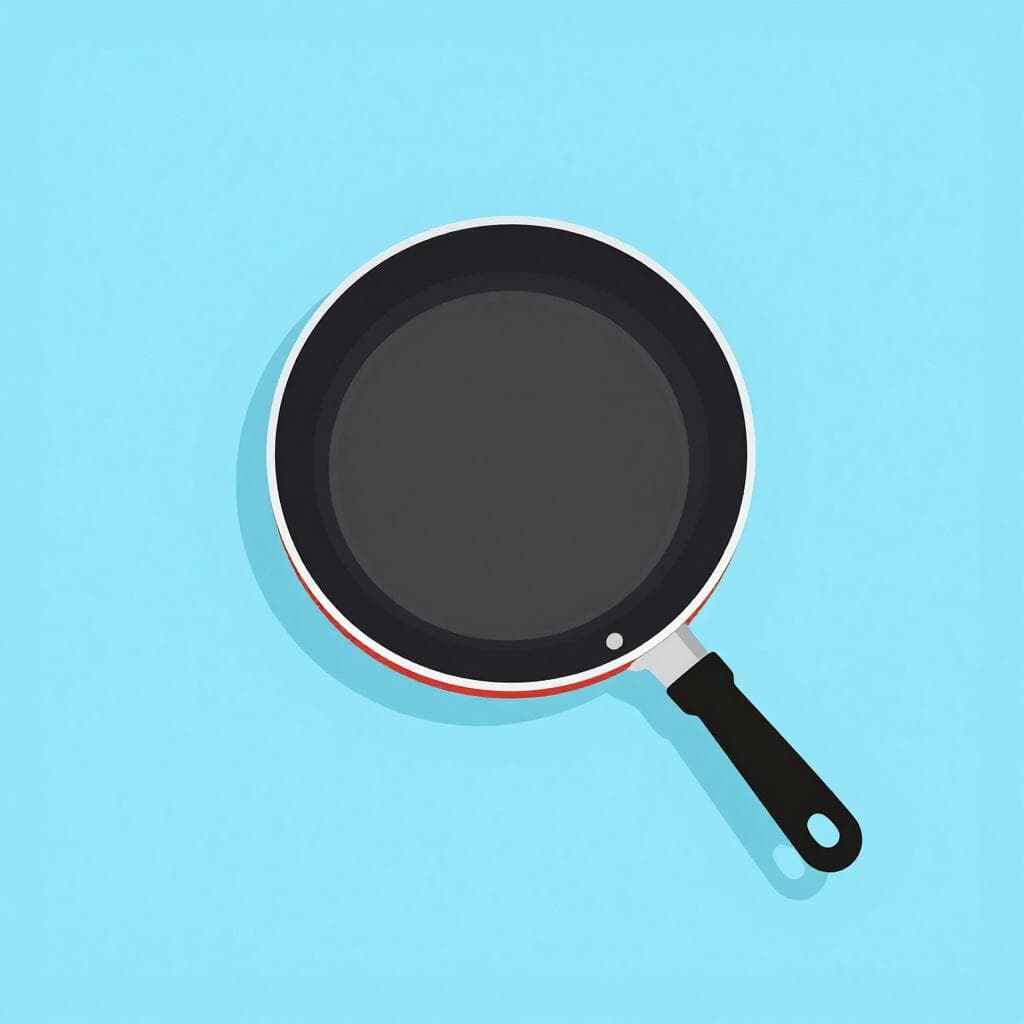
frying pan
“Pongo la sartén en el fuego para freír un huevo.”
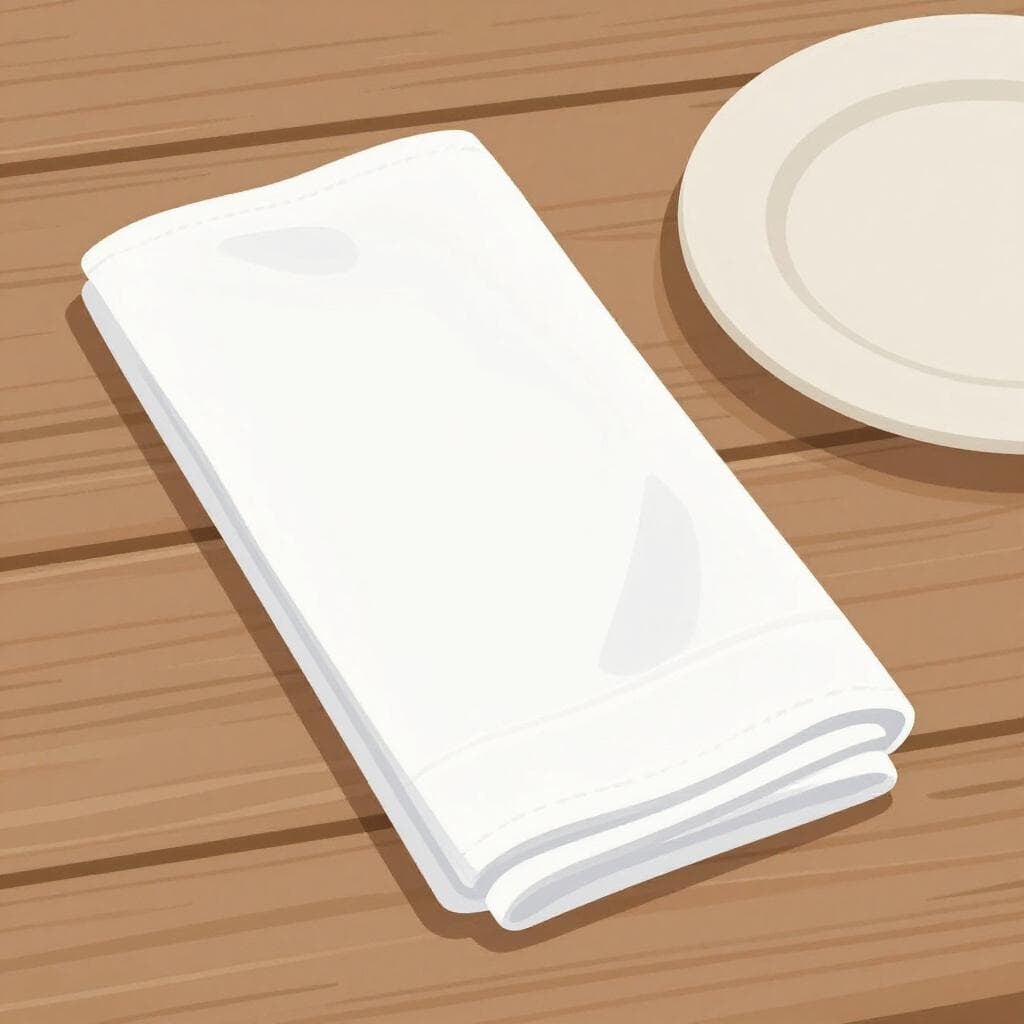
napkin
“¿Me pasas una servilleta, por favor?”
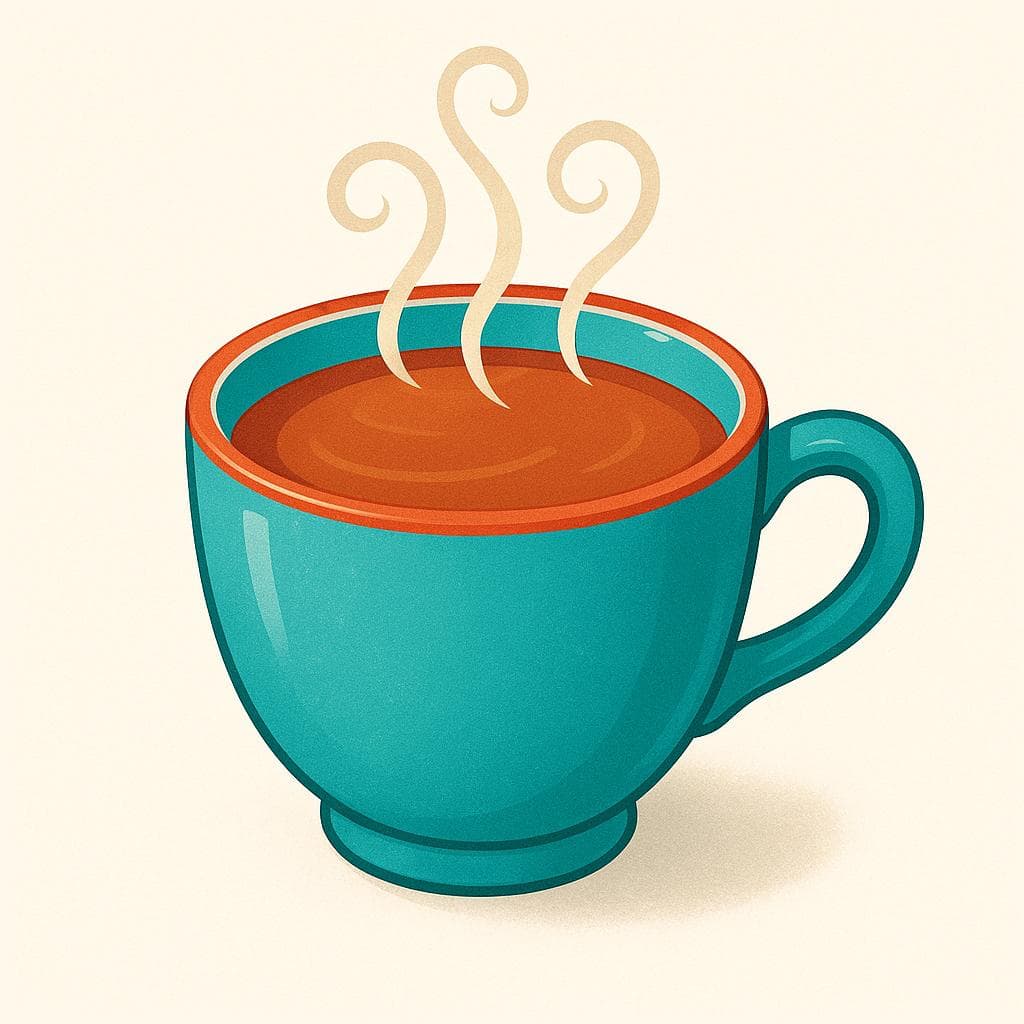
cup
“Necesito una taza de café para despertarme.”
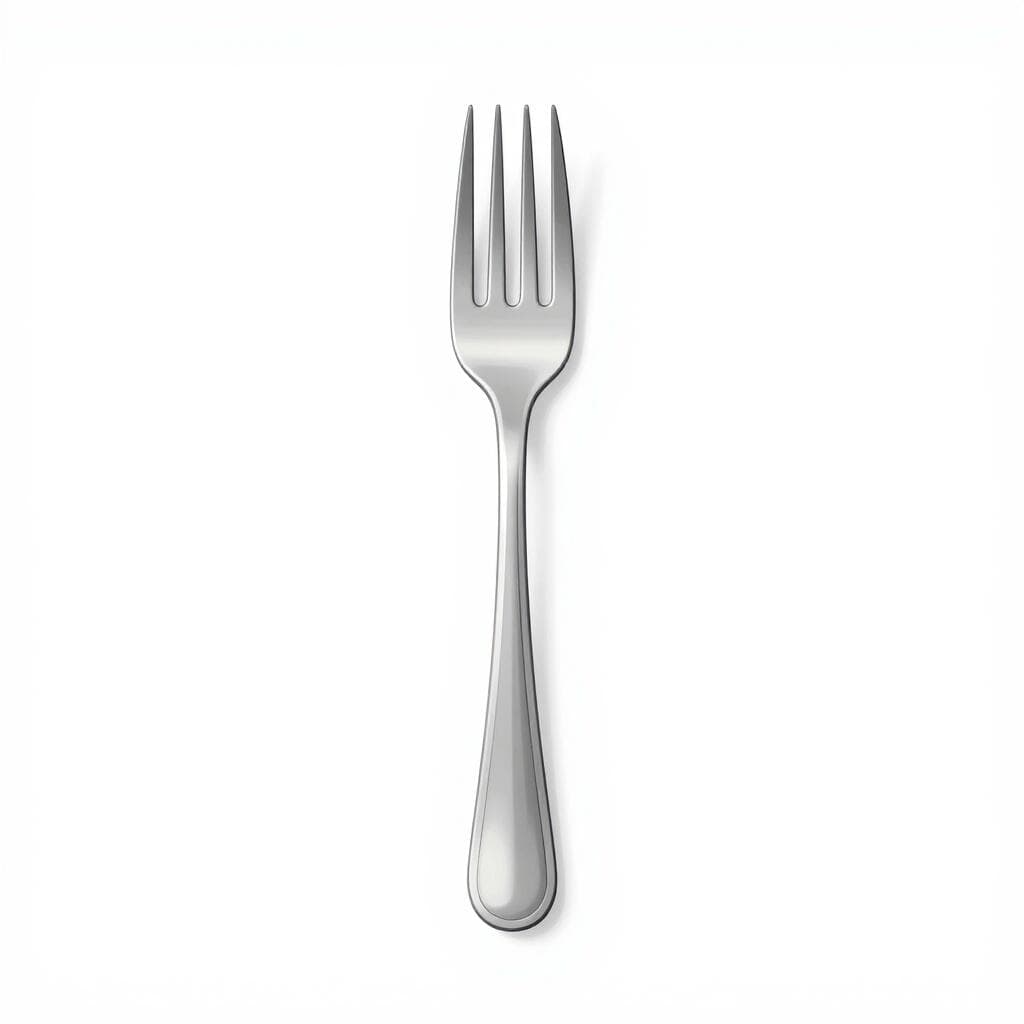
fork
“Necesito un tenedor para comer la carne.”

glass
“Necesito un vaso limpio para el jugo.”
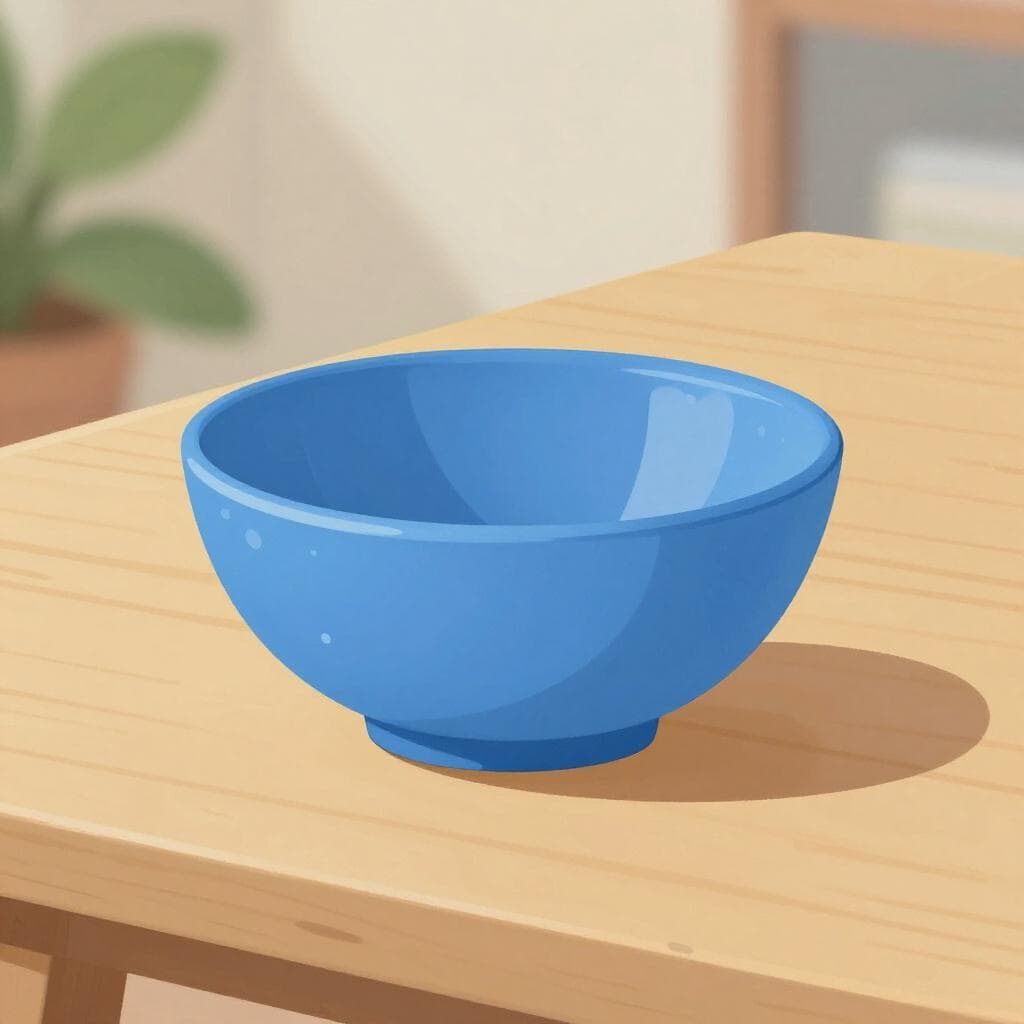
bowl
“Pongo los cereales en un bol.”

apron
“Me puse el delantal para empezar a cocinar.”
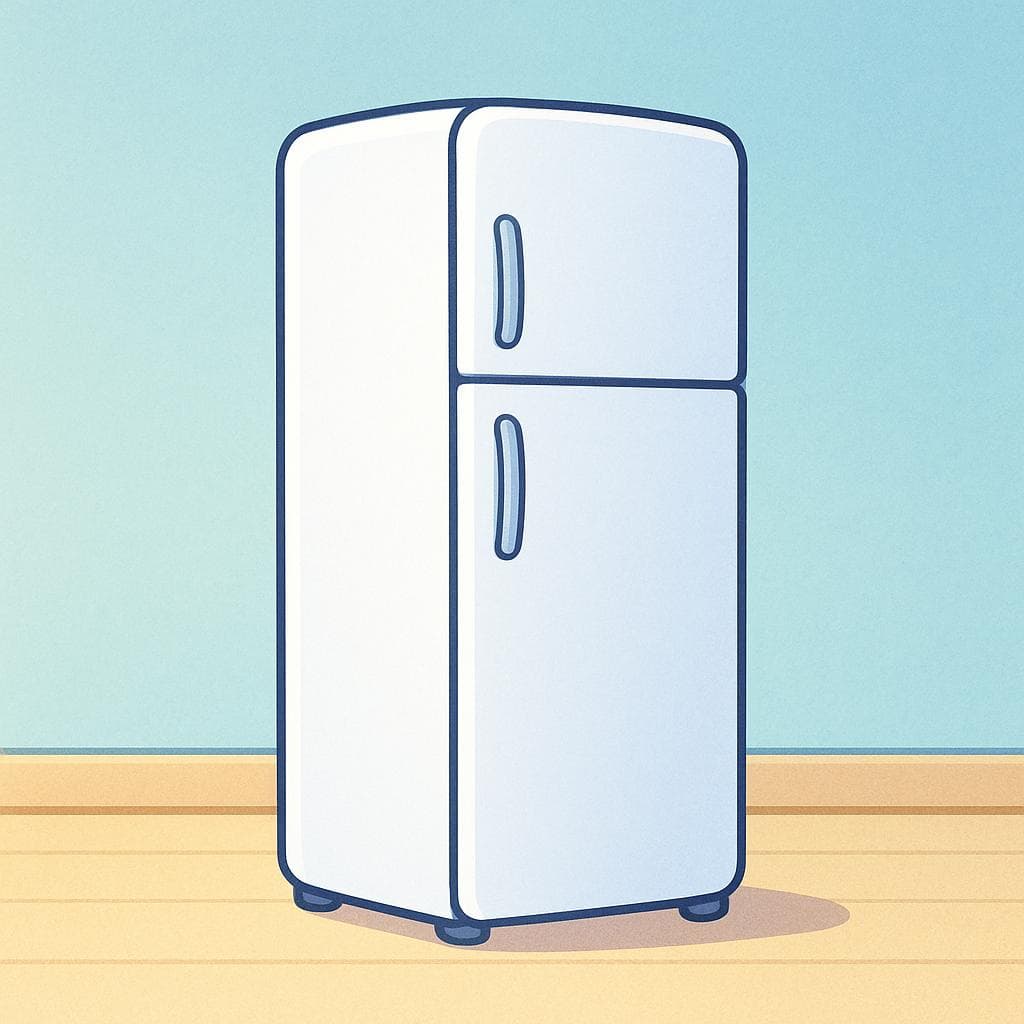
refrigerator
“¿Puedes poner estas verduras en el refrigerador, por favor?”
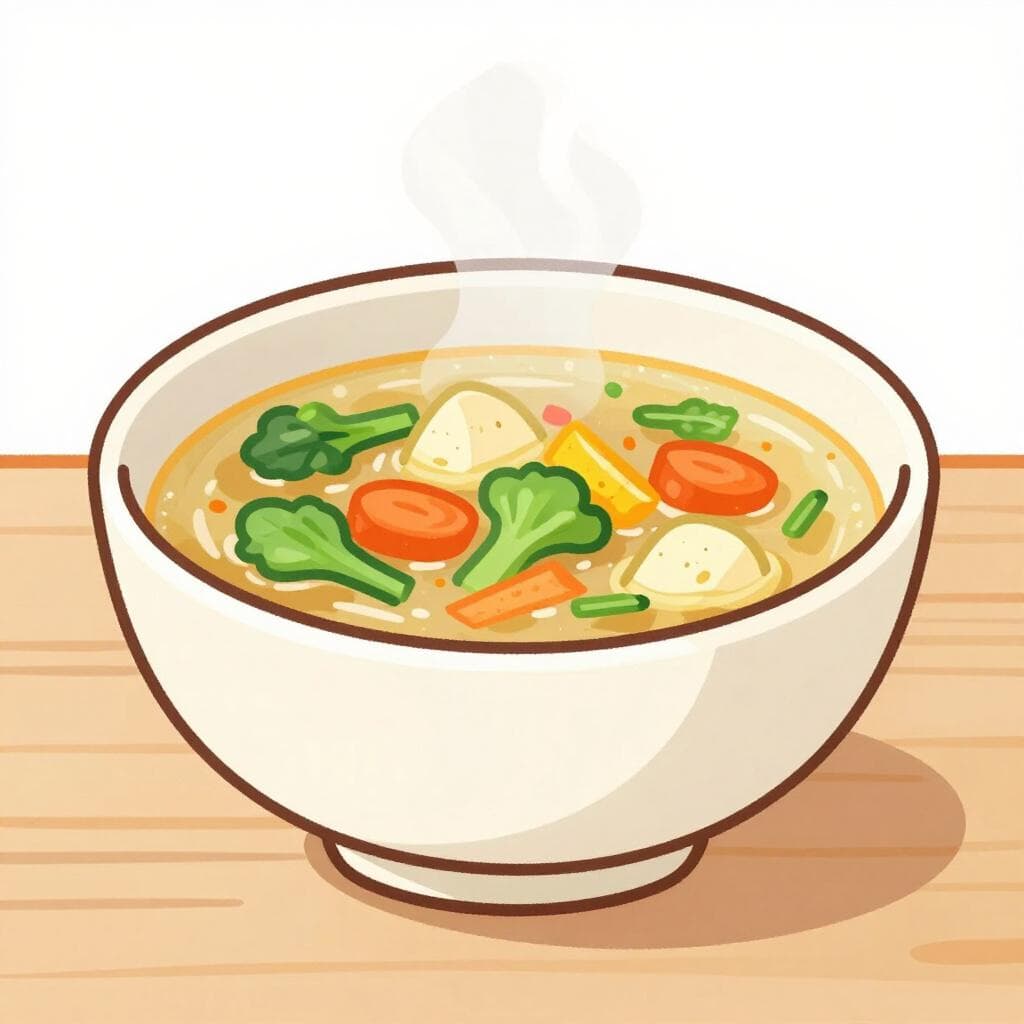
large bowl
“Me gusta comer mis cereales en un tazón grande.”
A2 — Elementary (9 words)
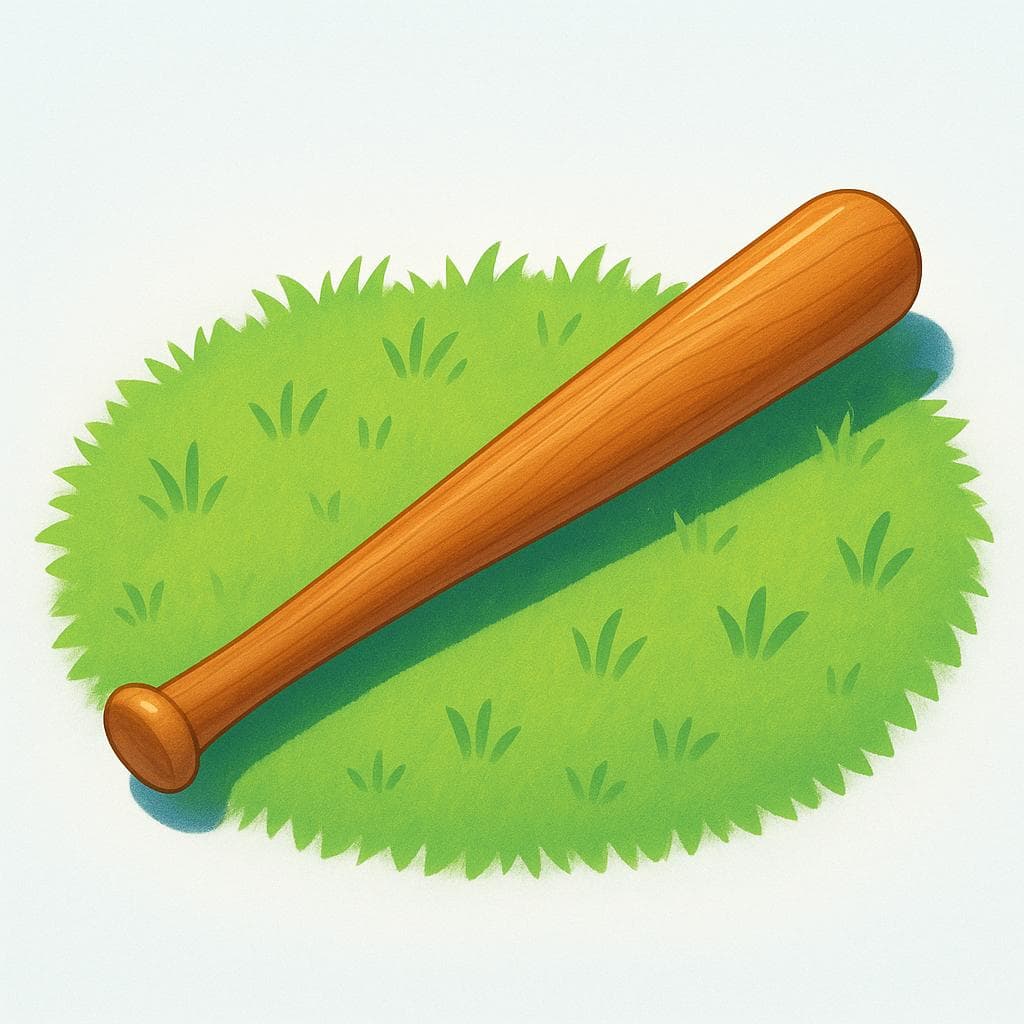
bat
“El jugador de béisbol tomó el bate y se dirigió al plato.”

covered
“La mesa del jardín estaba cubierta por una lona.”
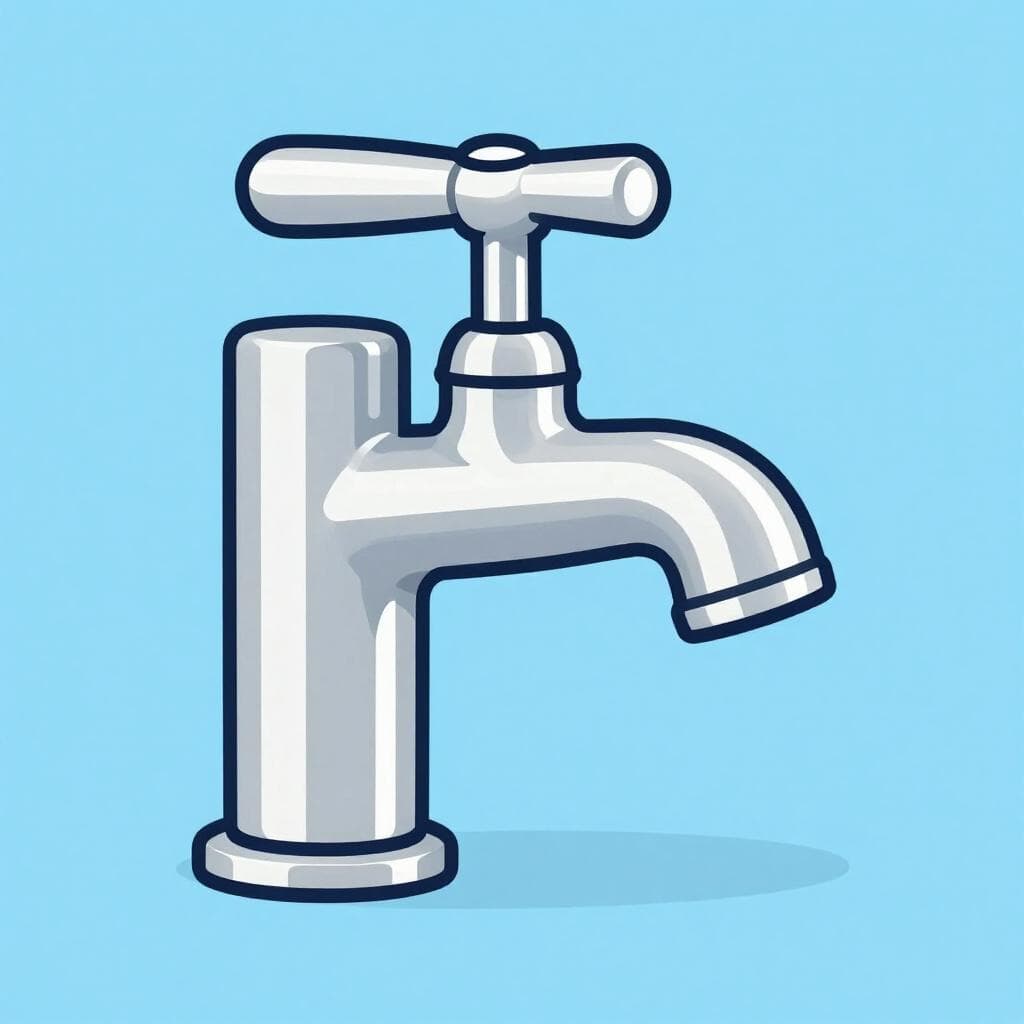
faucet
“Por favor, cierra el grifo cuando te laves los dientes.”
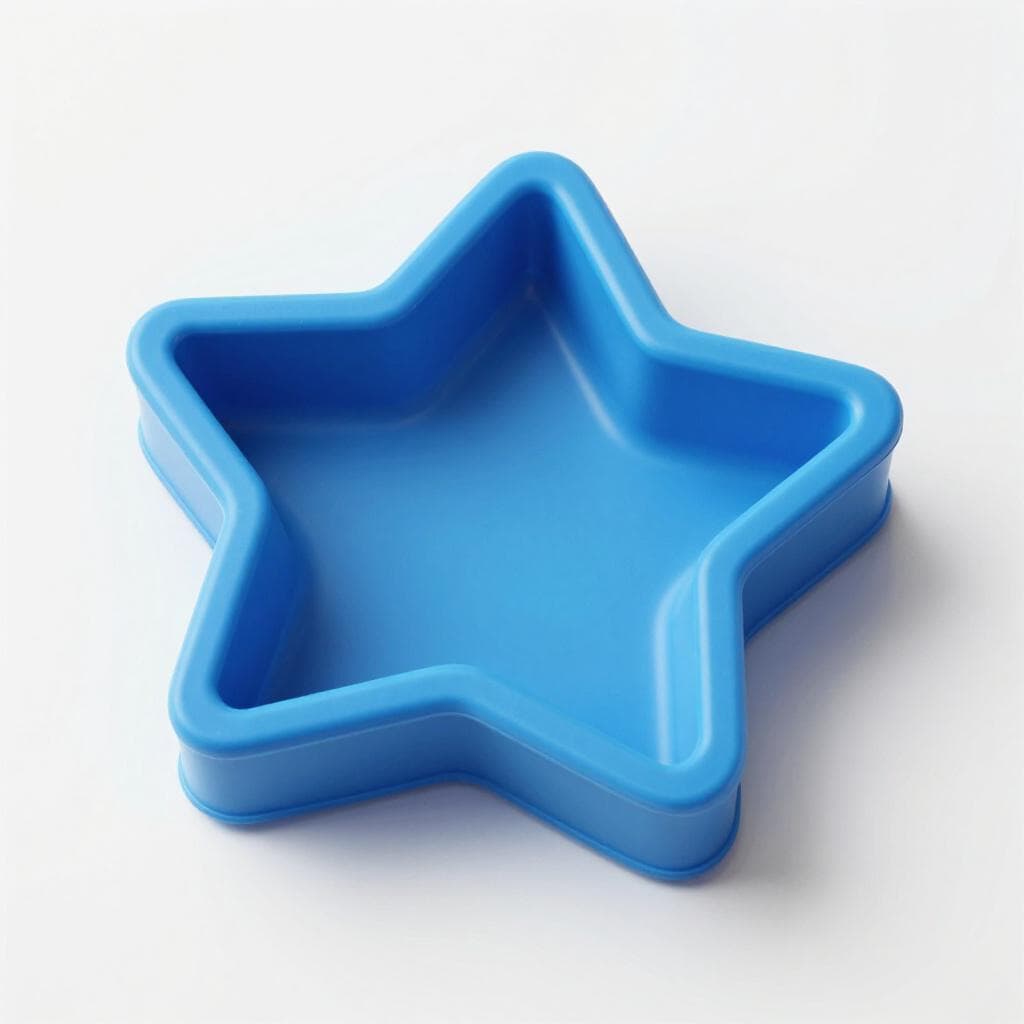
mold
“Engrasa el molde antes de verter la masa del pastel.”
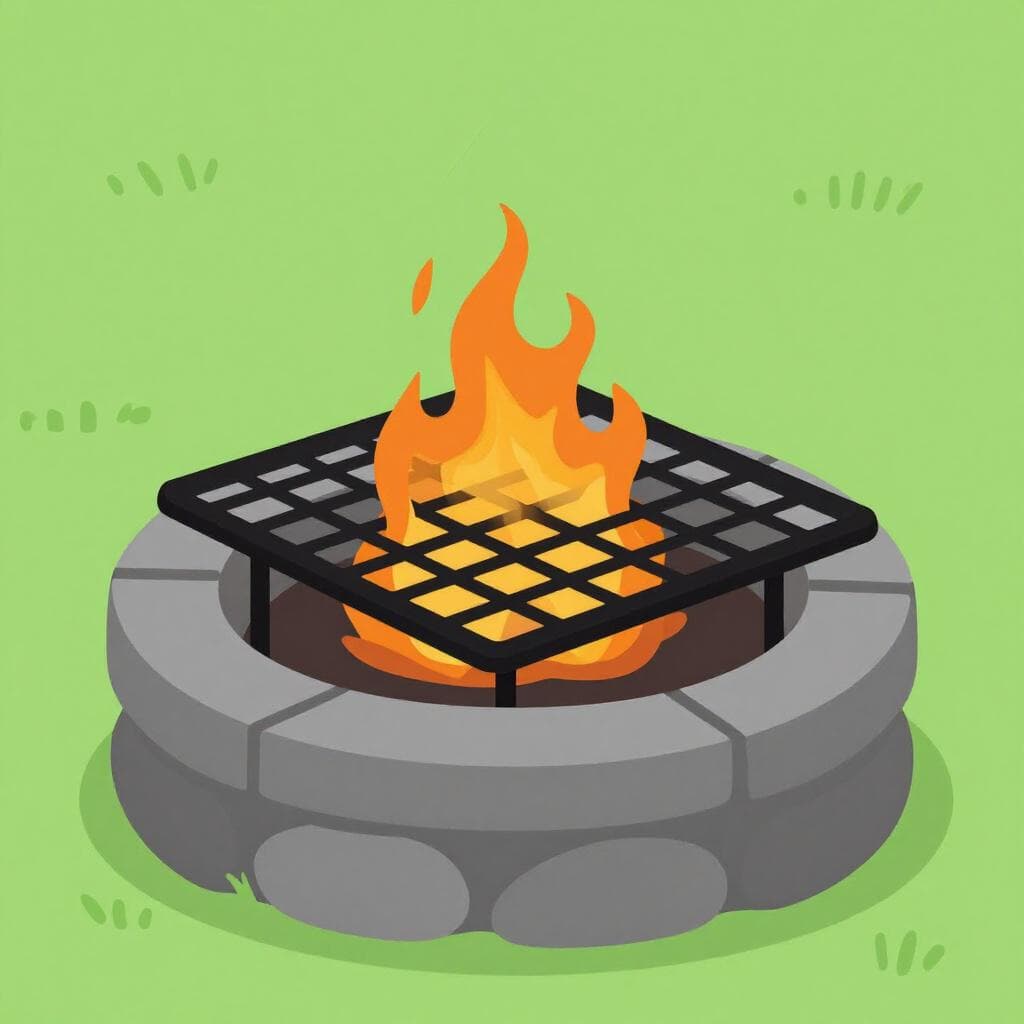
grill
“Limpia la parrilla antes de poner la carne.”
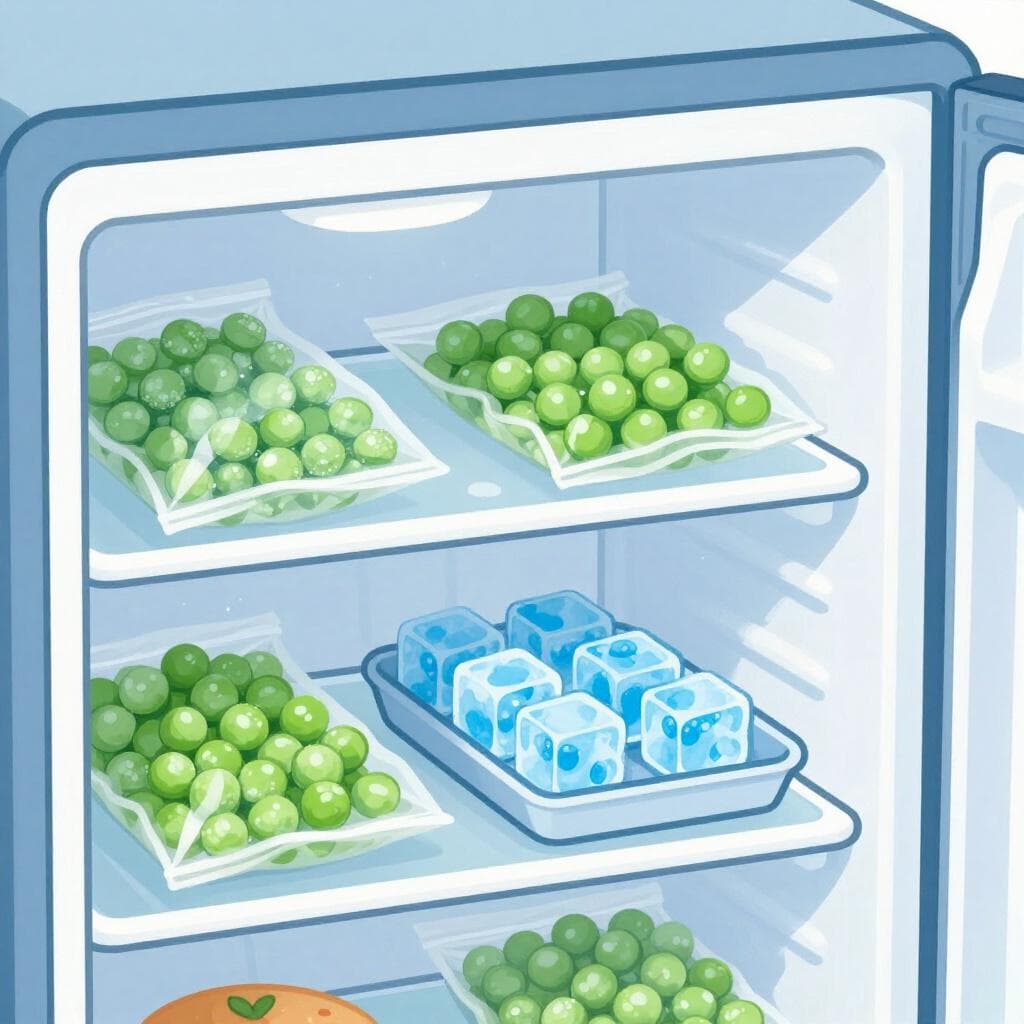
freezer
“Pon el helado en el congelador, por favor.”

drain
“El desagüe del fregadero está atascado con restos de comida.”

container
“Guarda las sobras en un recipiente de plástico.”

bats
“Los jugadores de béisbol trajeron sus propios bates.”
Grammar Tips
Gender and Pluralization
Most kitchen nouns have a gender: masculine (el bol, el cajón) or feminine (la cocina, la cuchara). Plurals are usually formed by adding -s or -es, just like in English. For example, 'cuchara' (spoon) becomes 'cucharas' (spoons), and 'cuchillo' (knife) becomes 'cuchillos' (knives).
Specific vs. General Terms
Spanish often uses specific terms. For example, 'cubiertos' is the general term for cutlery (knives, forks, spoons), but you can also use the specific words like 'cuchara' (spoon), 'cuchillo' (knife), and 'tenedor' (fork).
Compound Nouns
Some terms are compounds, like 'tostador' (toaster) from 'tostar' (to toast). Pay attention to how these are formed, as they often provide clues to the object's function.
Common Mistakes
Incorrect Pluralization
Mistake: “Necesito dos cuchillos para la cena.”
Correction: Necesito dos cuchillos para la cena. The word 'cuchillo' (knife) ends in '-o', so its plural is formed by changing the '-o' to '-os'. Other words ending in a consonant often add '-es', like 'cajón' (drawer) becomes 'cajones'.
Misplaced Adjectives
Mistake: “La roja cocina es moderna.”
Correction: La cocina roja es moderna. In Spanish, descriptive adjectives like colors usually come *after* the noun they modify, unlike in English where they often come before.
Gender Agreement
Mistake: “El cuchara está limpia.”
Correction: La cuchara está limpia. 'Cuchara' is a feminine noun, so it requires the feminine article 'la' and any agreeing adjectives must also be feminine.
Cultural Notes
The Heart of the Home
In many Spanish-speaking cultures, the kitchen ('la cocina') is often considered the social center of the home. It's common for family and friends to gather in the kitchen while food is being prepared, making these words even more relevant to social interactions.
Regional Variations
While core terms like 'cuchara' or 'cuchillo' are universal, some specific utensil names might vary slightly between Spain and Latin American countries, or even within different regions of Latin America. However, the words provided here are widely understood.