War & Military in Spanish
This vocabulary set dives into the world of war and military terms in Spanish. Understanding these words can be surprisingly useful, whether you're consuming news, watching historical films, or even discussing strategy in games. Spanish often uses feminine nouns for abstract concepts or collective groups, which is common in this domain.
Quick Reference
| Spanish | English | Example | Level |
|---|---|---|---|
arma | weapon | El soldado llevaba un arma para protegerse. | A2 |
armado | armed | El policía estaba armado con una pistola. | A2 |
batalla | battle | La batalla duró tres días y fue muy sangrienta. | A2 |
bomba | bomb | La policía encontró una bomba escondida debajo del coche. | A2 |
guerra | war | La Segunda Guerra Mundial fue un conflicto devastador. | A2 |
guerrero | warrior | El guerrero defendió a su pueblo con valentía. | A2 |
soldado | soldier | Mi tío es un soldado que sirve en la armada. | A2 |
armadura | armor | La armadura del caballero pesaba muchísimo. | A2 |
bombardeo | bombing | El bombardeo de la ciudad duró varias horas. | B1 |
capitán | captain | El capitán del equipo marcó el gol de la victoria. | A2 |
comandante | commander | El comandante ordenó a sus tropas que se prepararan. | B1 |
comando | commando | El comando de élite realizó una operación secreta en la madrugada. | B1 |
A2 — Elementary (13 words)

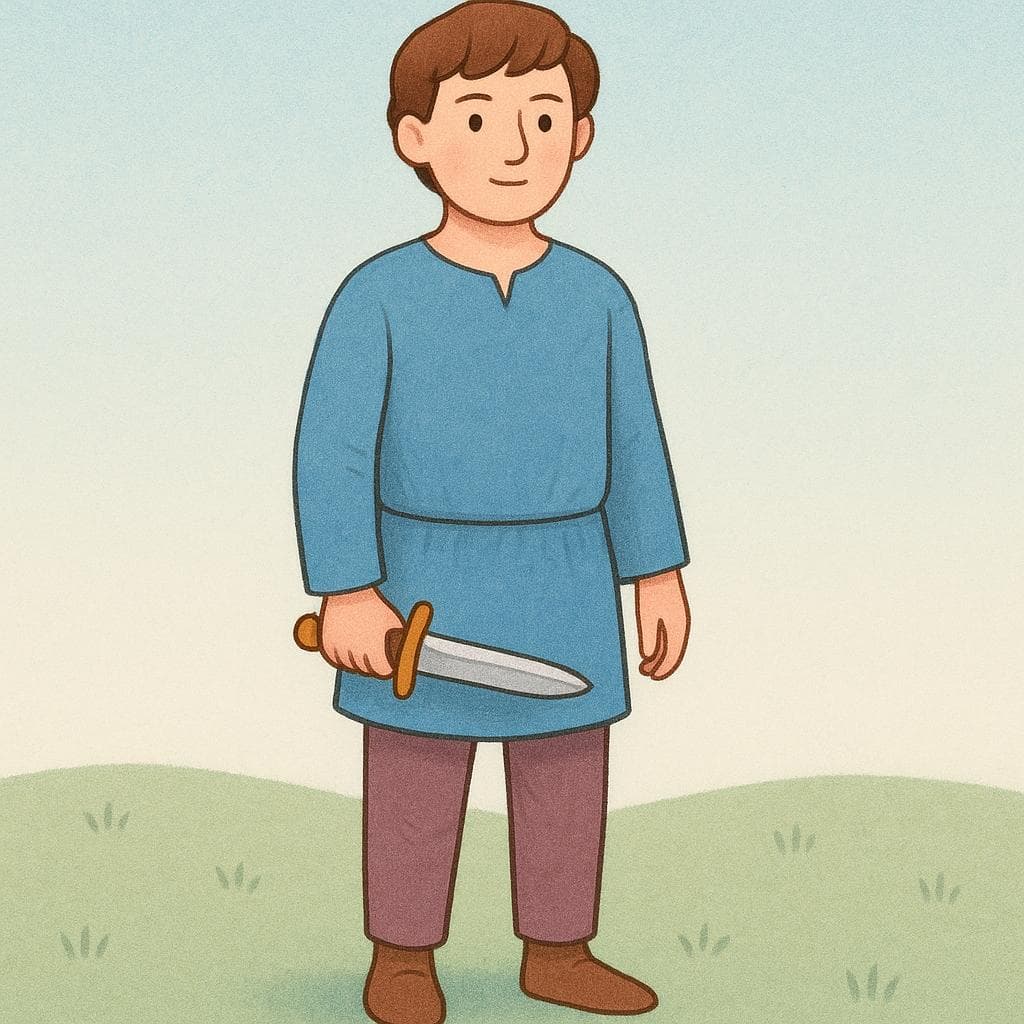
weapon
“El soldado llevaba un arma para protegerse.”
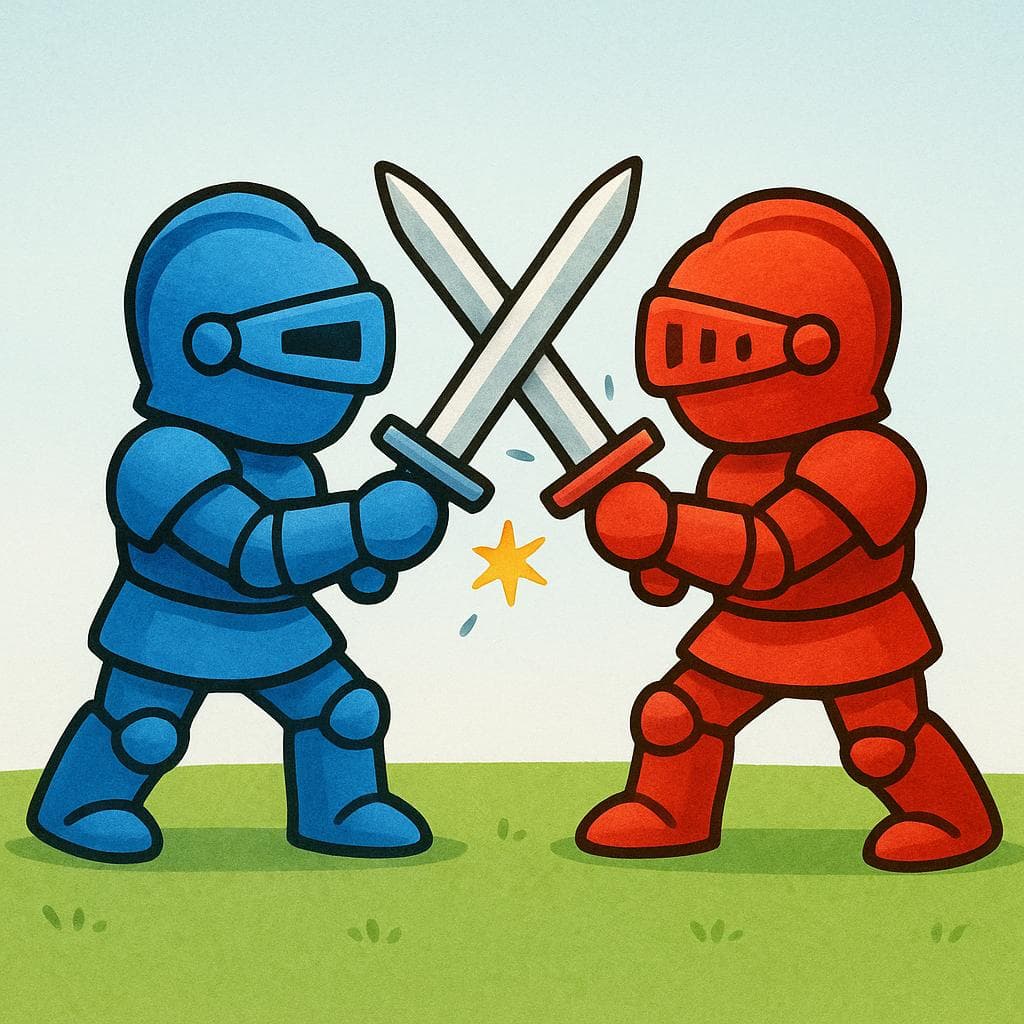
armed
“El policía estaba armado con una pistola.”
battle
“La batalla duró tres días y fue muy sangrienta.”
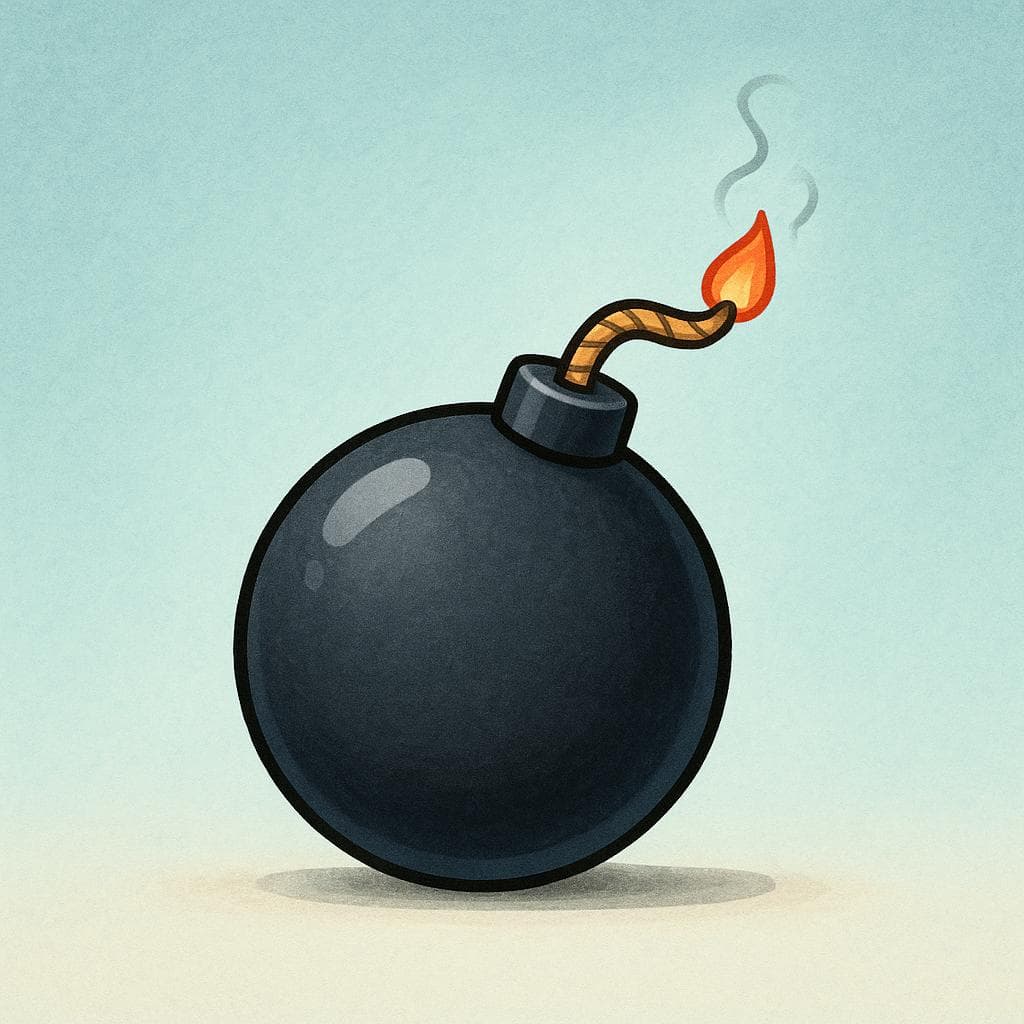
bomb
“La policía encontró una bomba escondida debajo del coche.”
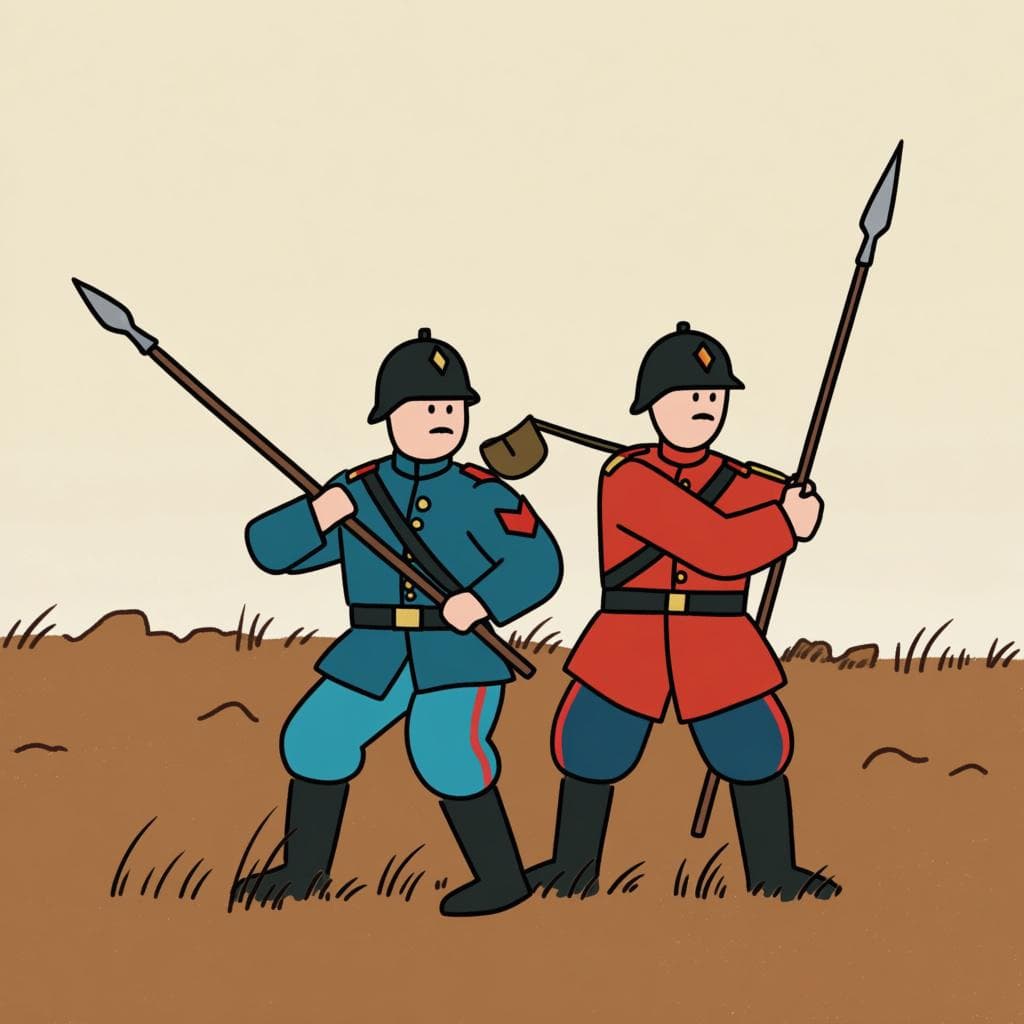
war
“La Segunda Guerra Mundial fue un conflicto devastador.”
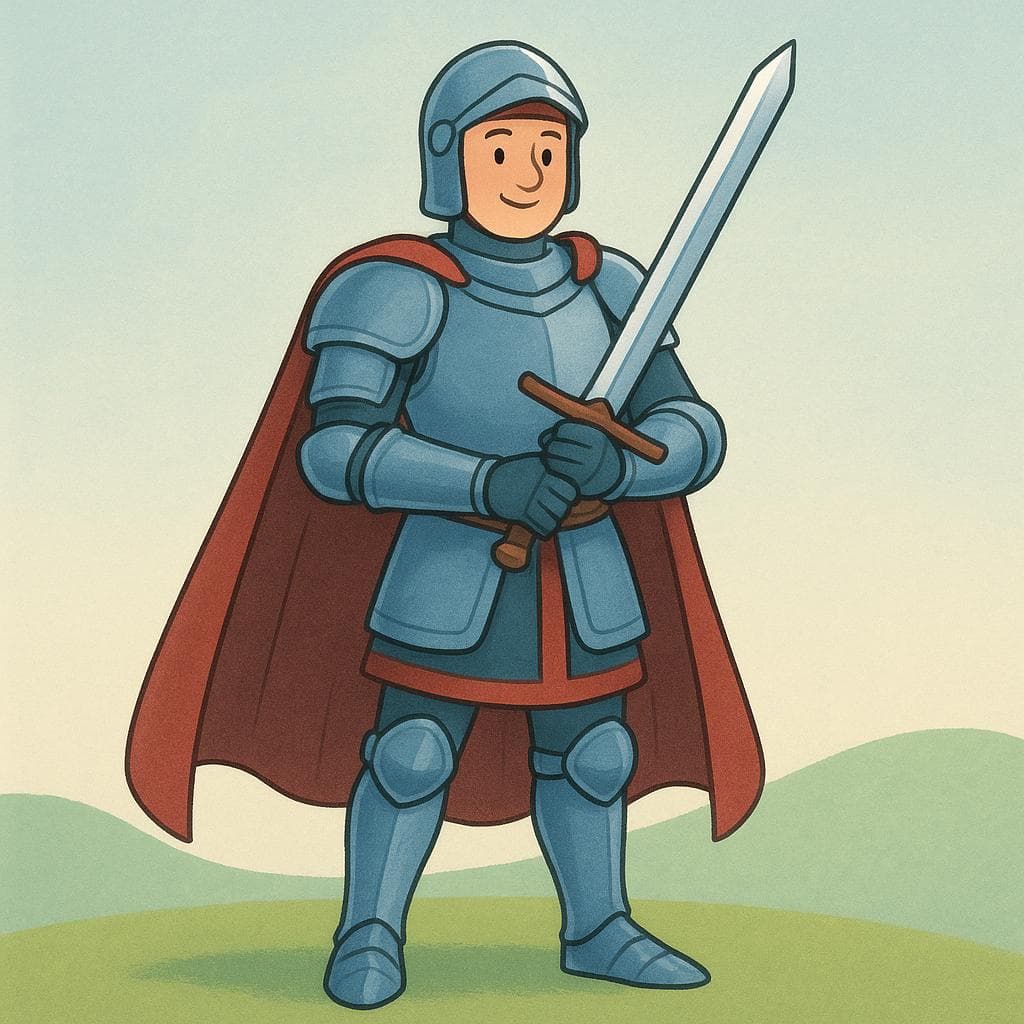
warrior
“El guerrero defendió a su pueblo con valentía.”
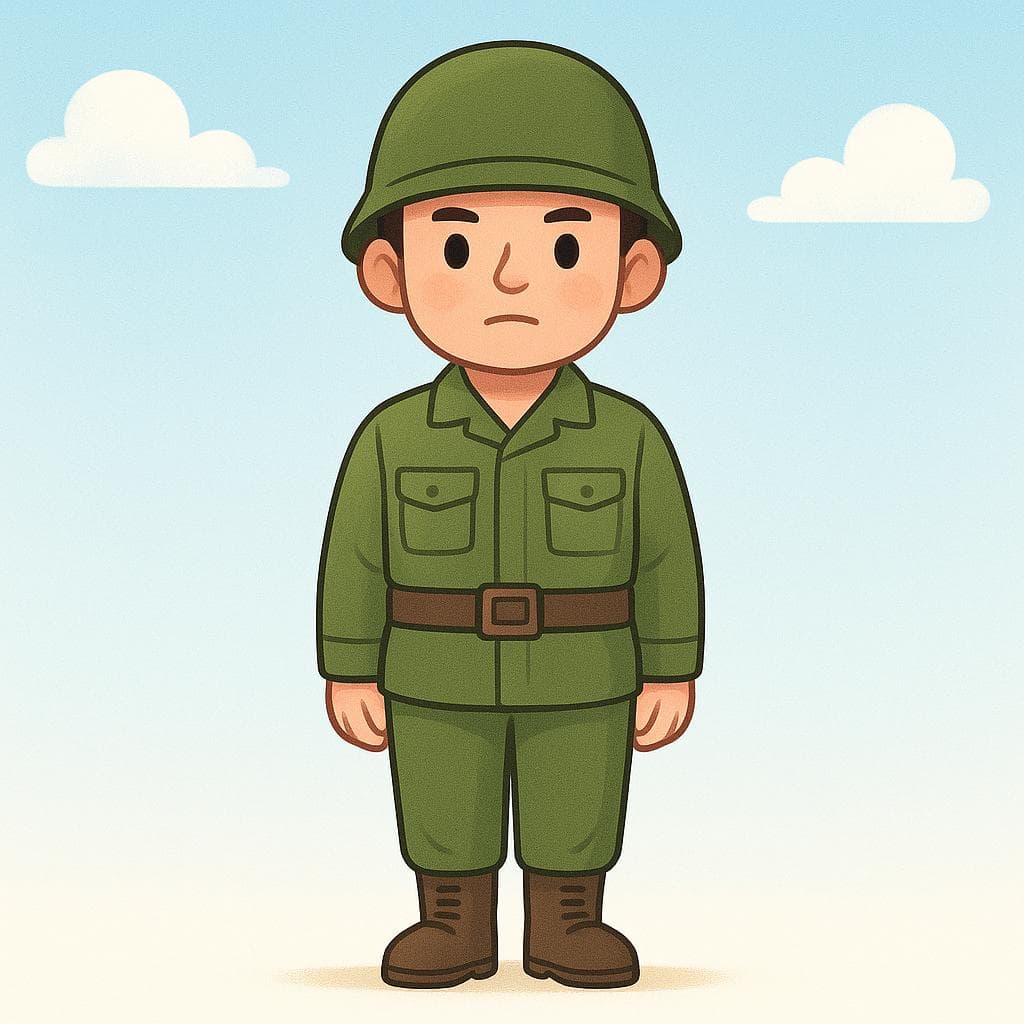
soldier
“Mi tío es un soldado que sirve en la armada.”
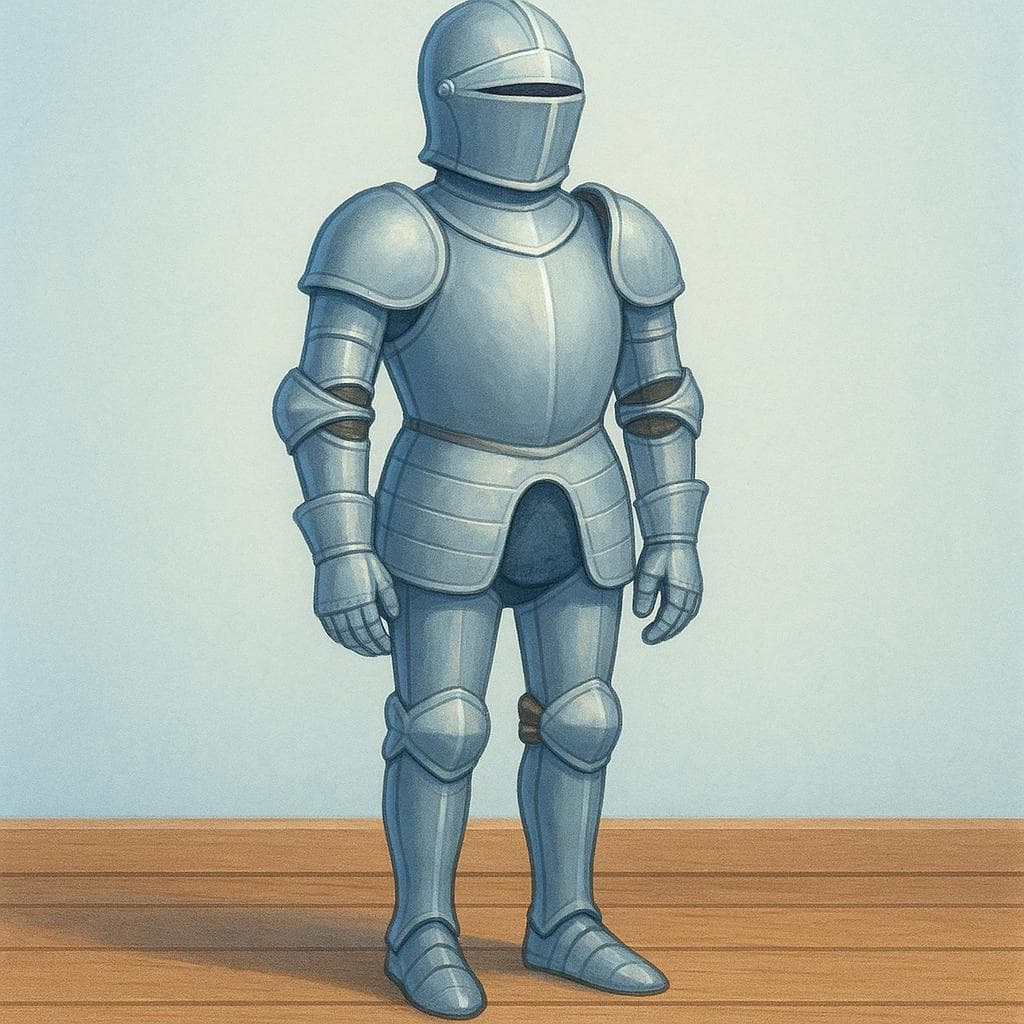
armor
“La armadura del caballero pesaba muchísimo.”
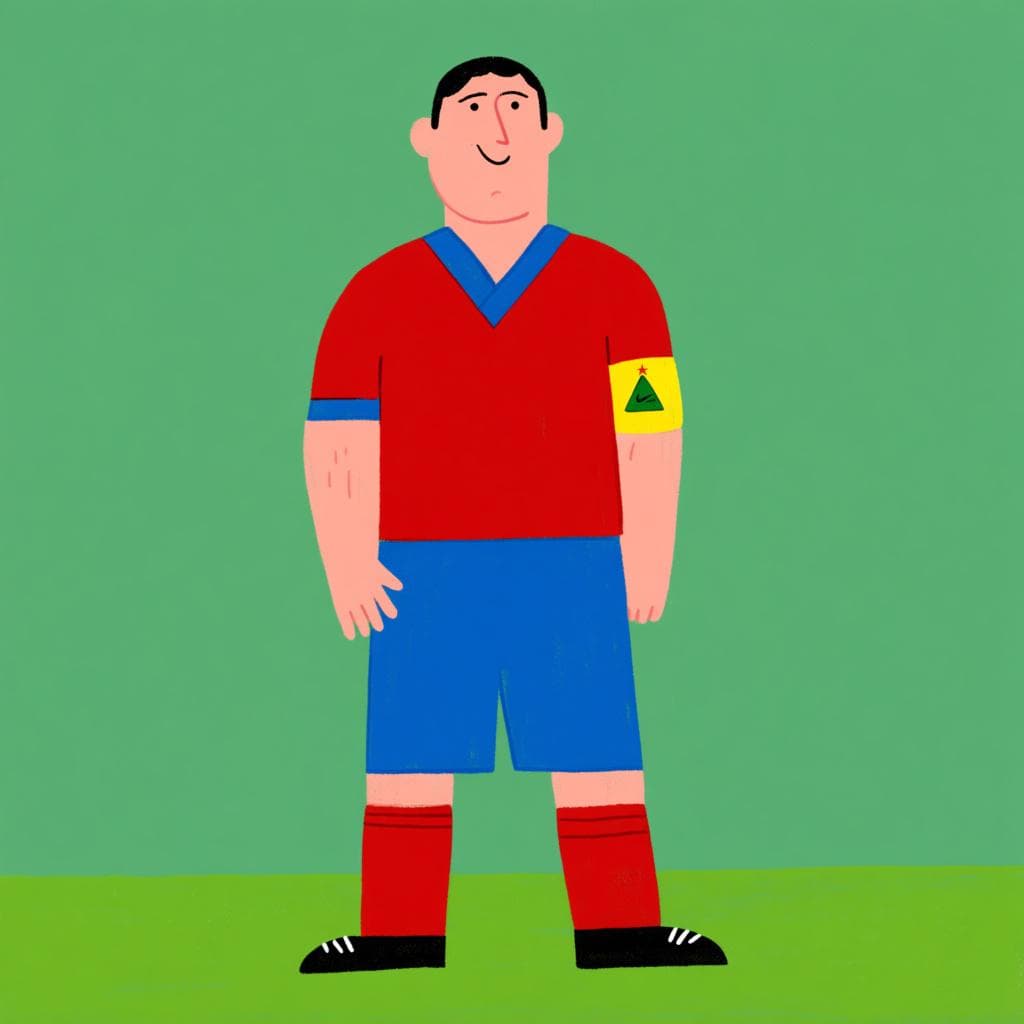
captain
“El capitán del equipo marcó el gol de la victoria.”

army
“Mi hermano se alistó en el ejército el año pasado.”

soldier
“Mi tío es militar y trabaja lejos de casa.”
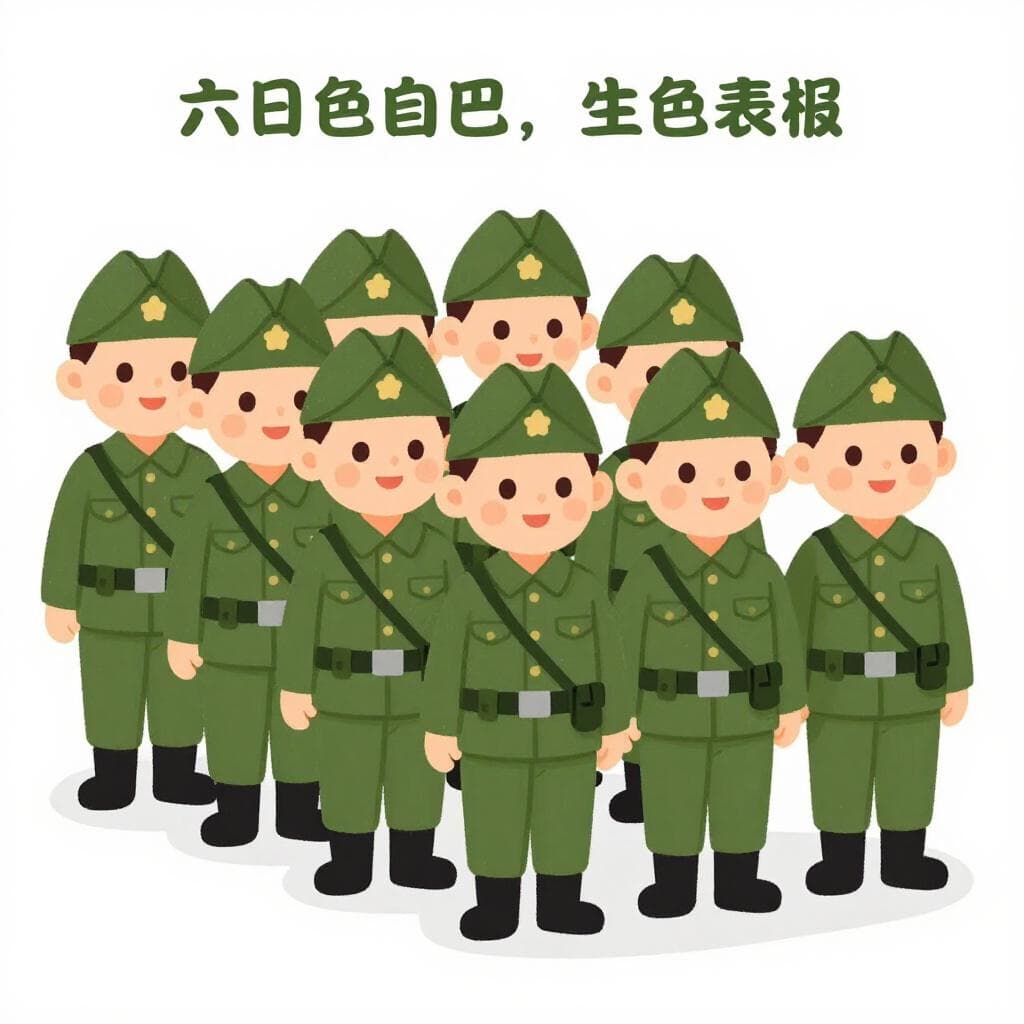
troops
“La tropa descansaba en el campamento.”
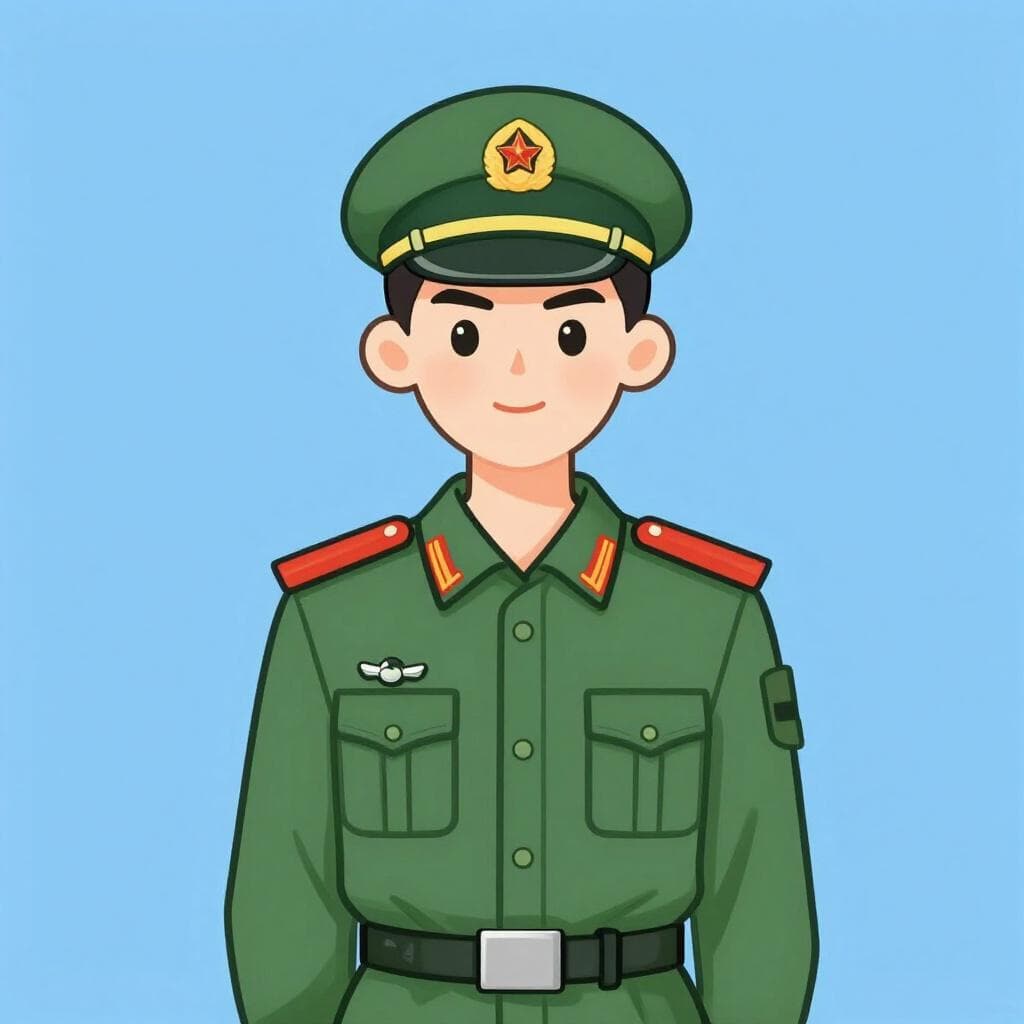
recruit
“El nuevo recluta llegó ayer al cuartel.”
B1 — Intermediate (19 words)
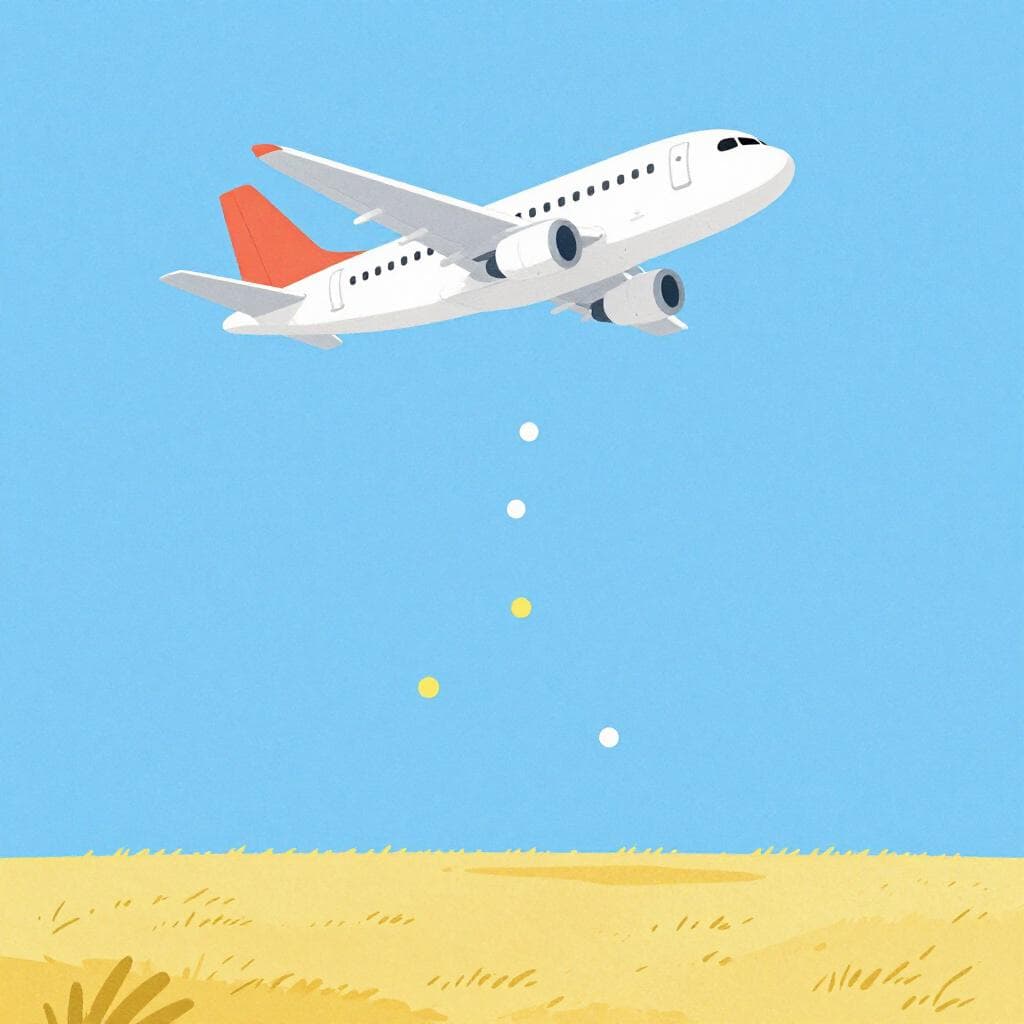
bombing
“El bombardeo de la ciudad duró varias horas.”
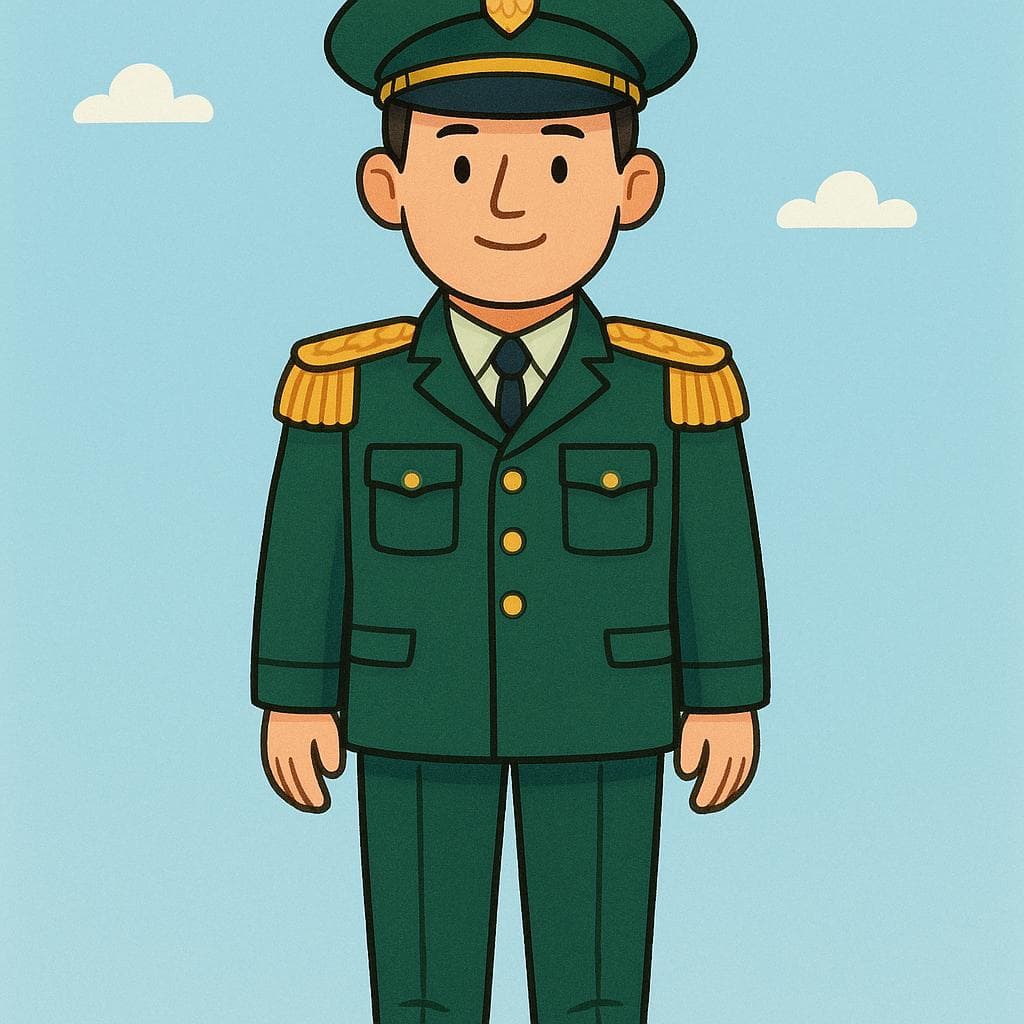
commander
“El comandante ordenó a sus tropas que se prepararan.”
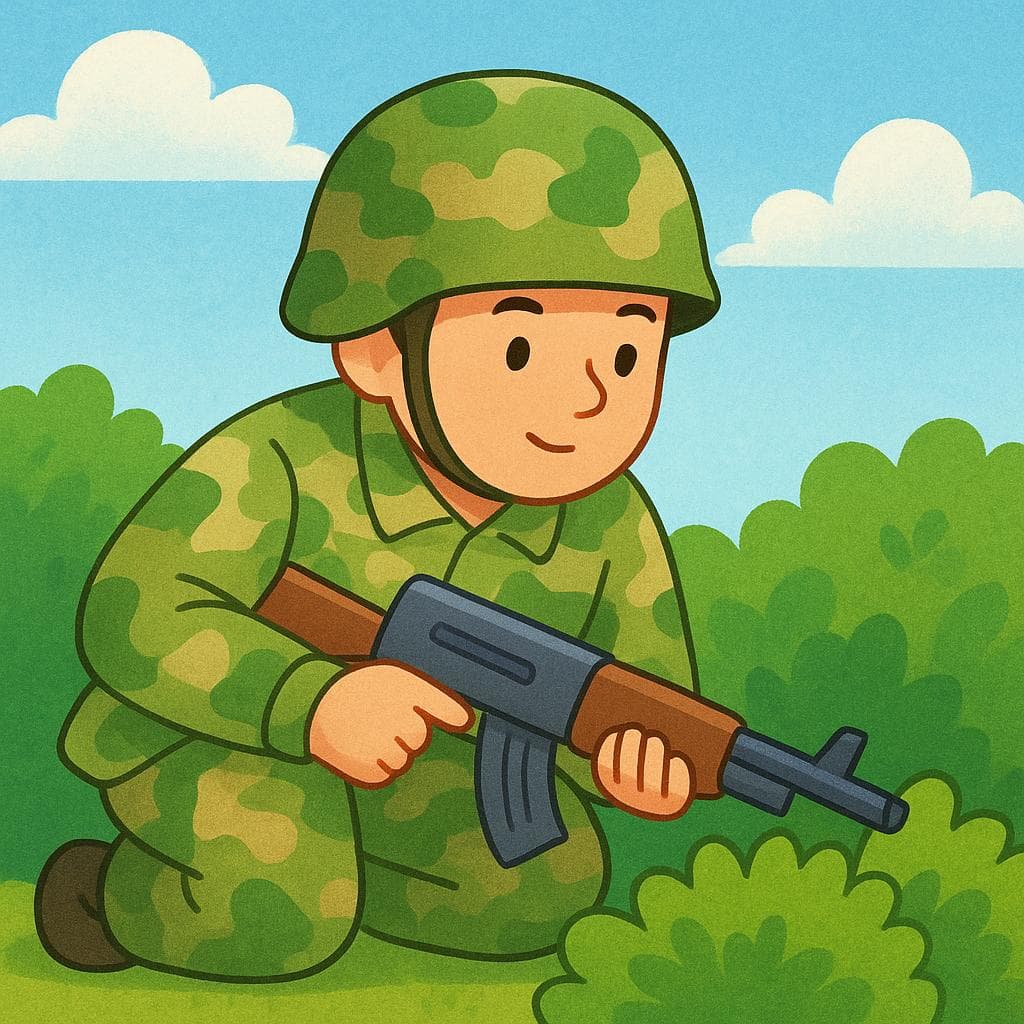
commando
“El comando de élite realizó una operación secreta en la madrugada.”
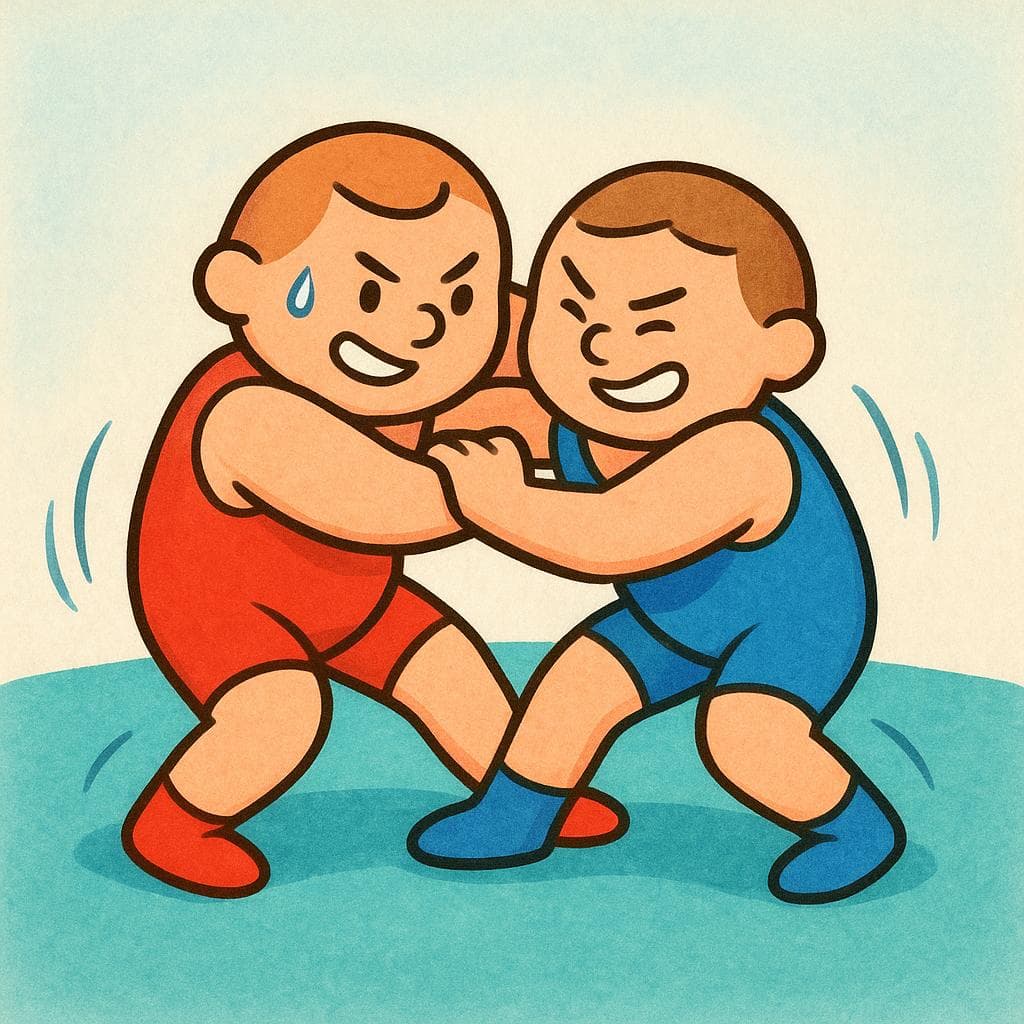
fight
“El combate de boxeo terminó en el segundo asalto.”
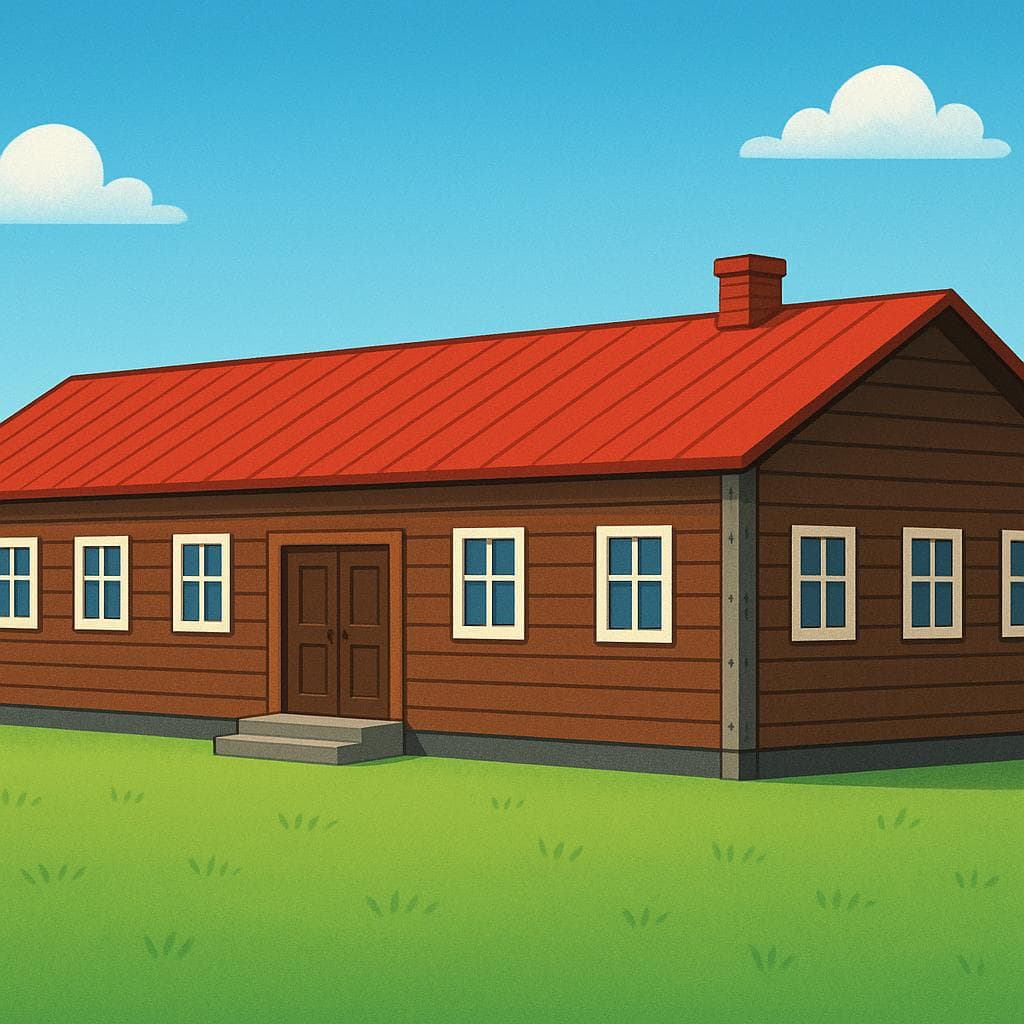
barracks
“Los soldados deben regresar al cuartel antes de las seis.”
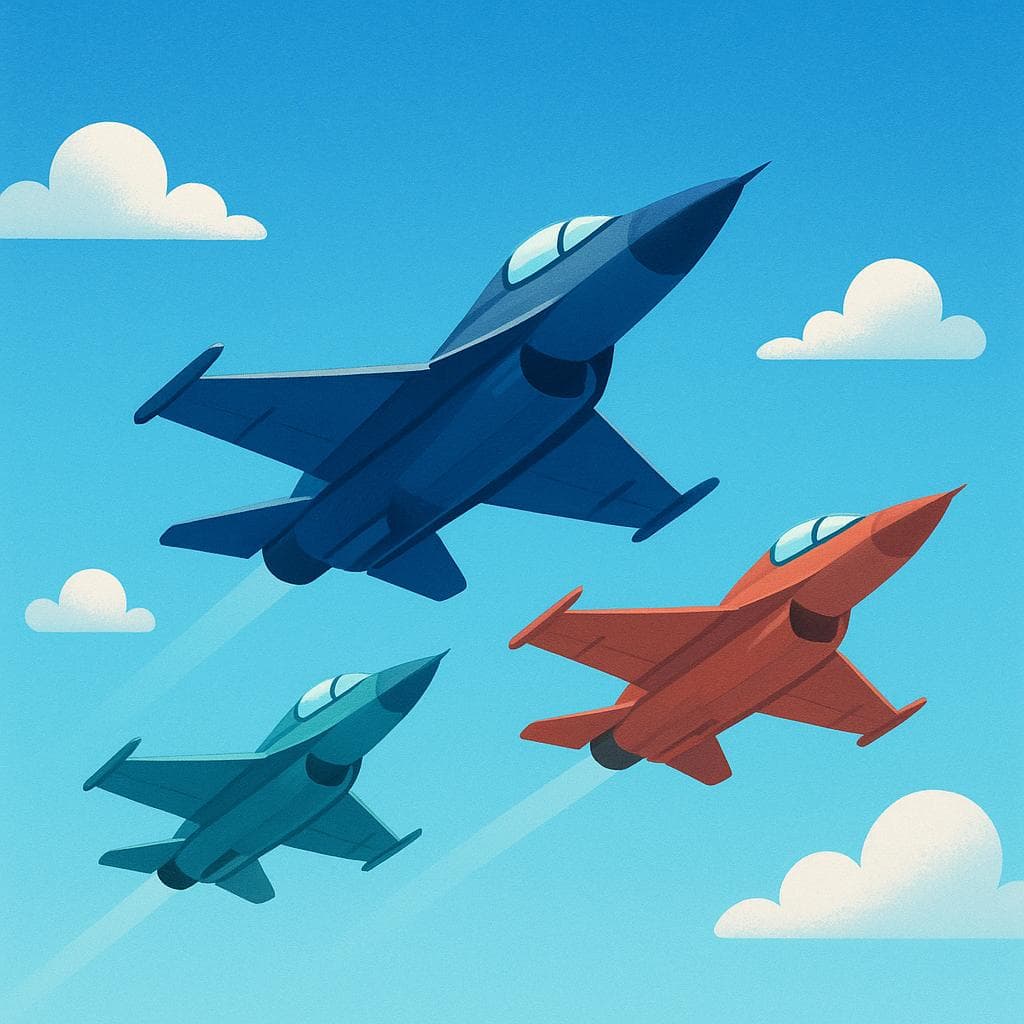
squadron
“El escuadrón de reconocimiento regresó después de completar su misión.”

sergeant
“El sargento dio la orden de avanzar.”
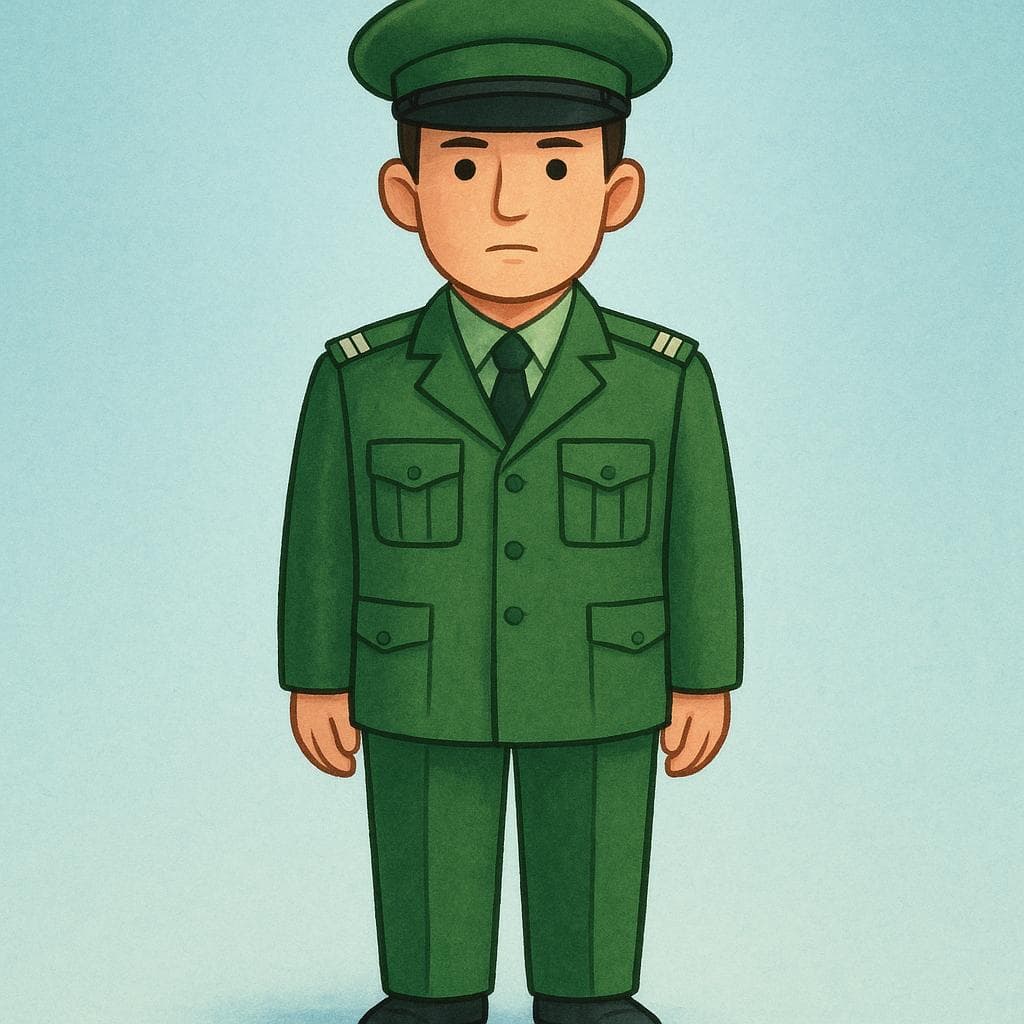
lieutenant
“El teniente dio la orden de avanzar.”

battalion
“El batallón avanzó hacia la frontera al amanecer.”
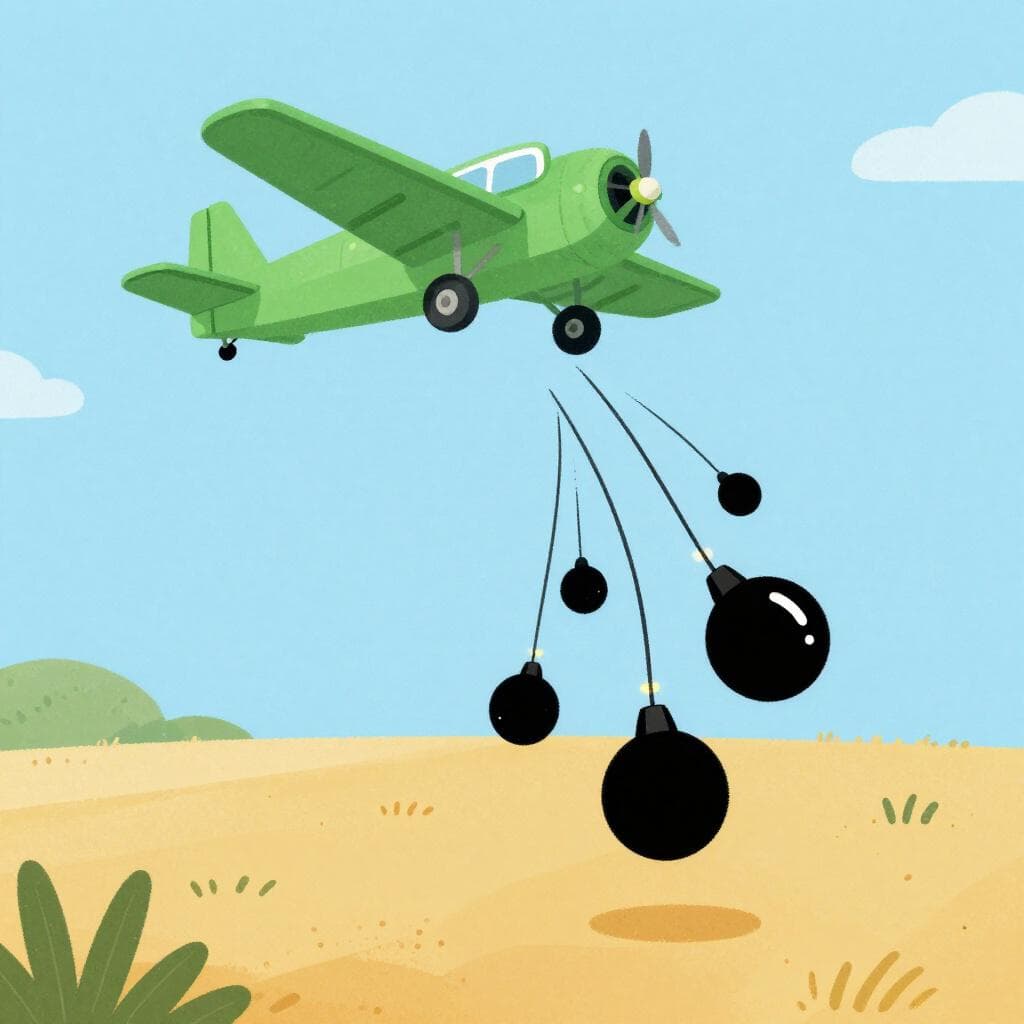
to bomb
“Los aviones empezaron a bombardear la base al amanecer.”
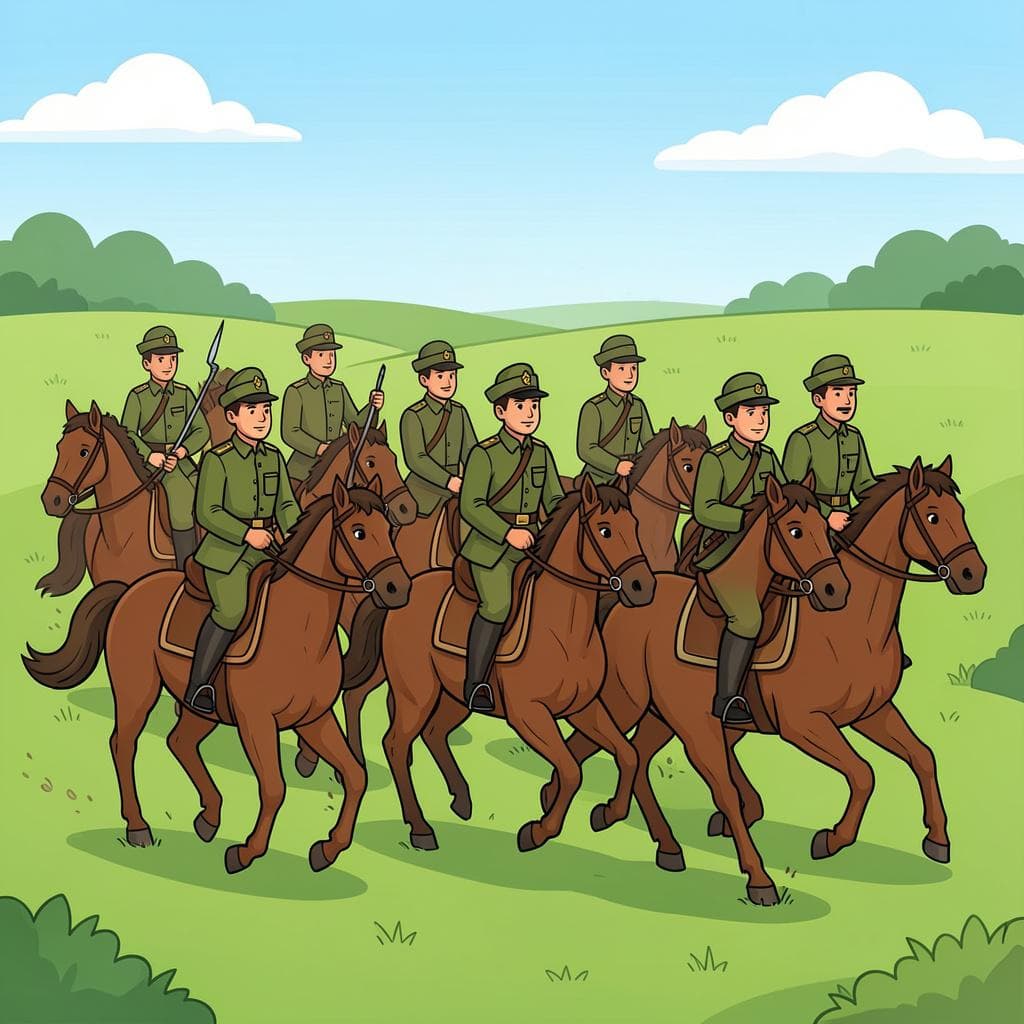
cavalry
“La caballería llegó justo a tiempo para ganar la batalla.”
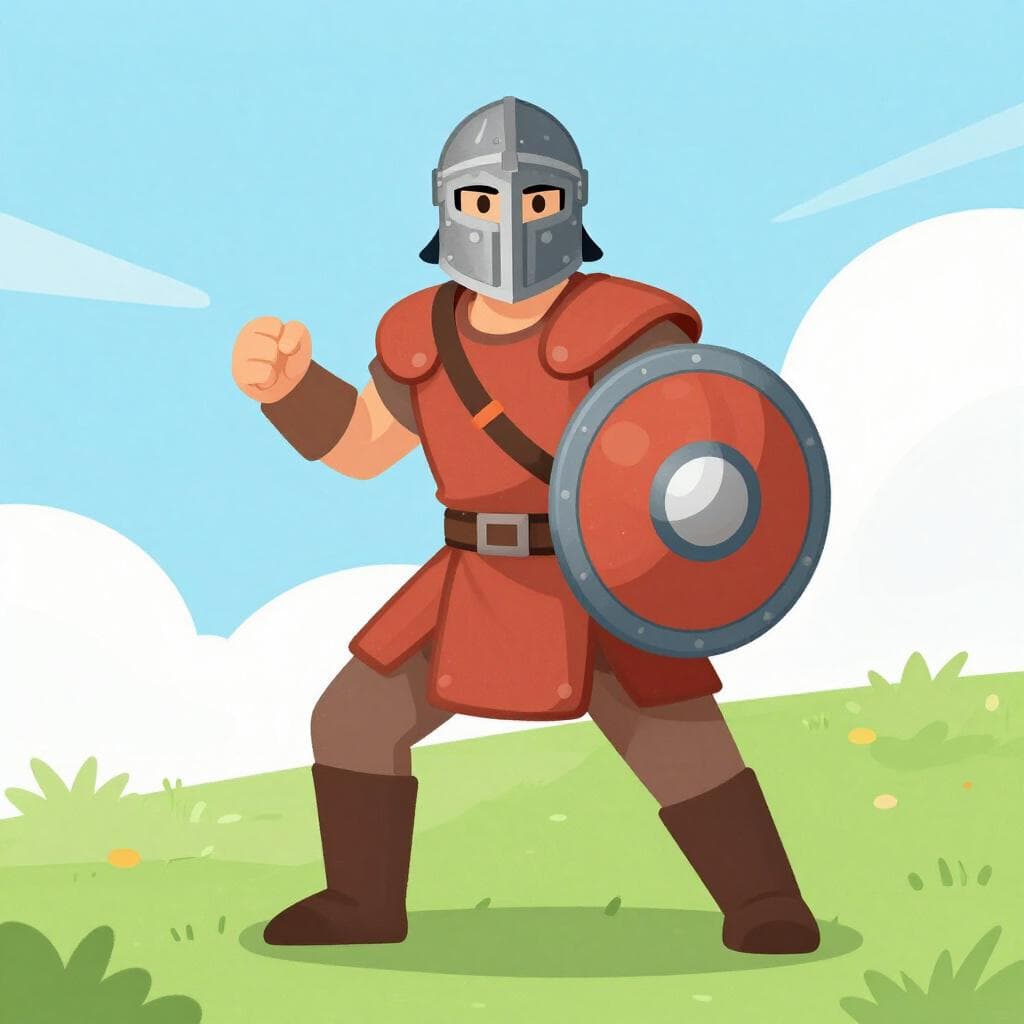
combatant
“Los combatientes regresaron a sus hogares después del acuerdo.”

ambush
“Los soldados cayeron en una emboscada en el bosque.”
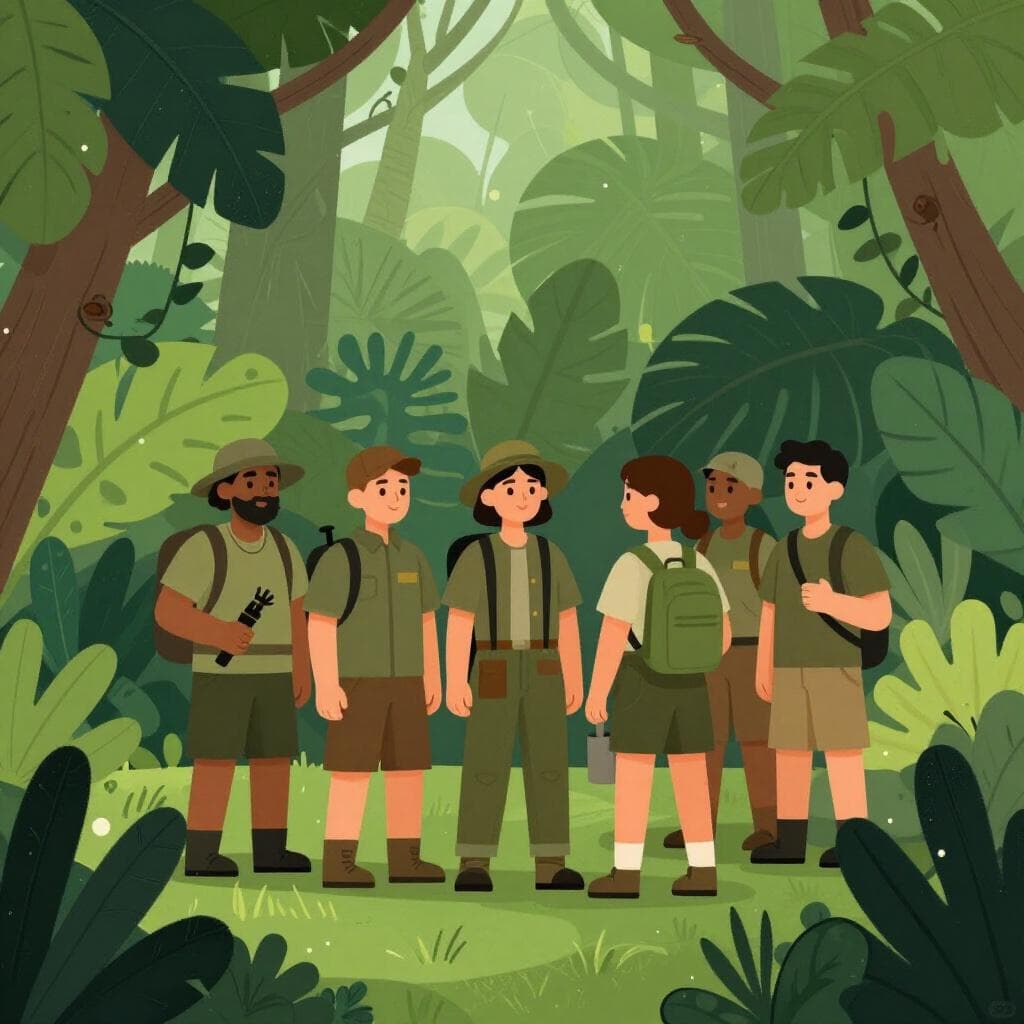
guerrilla group
“La guerrilla se escondía en la selva.”
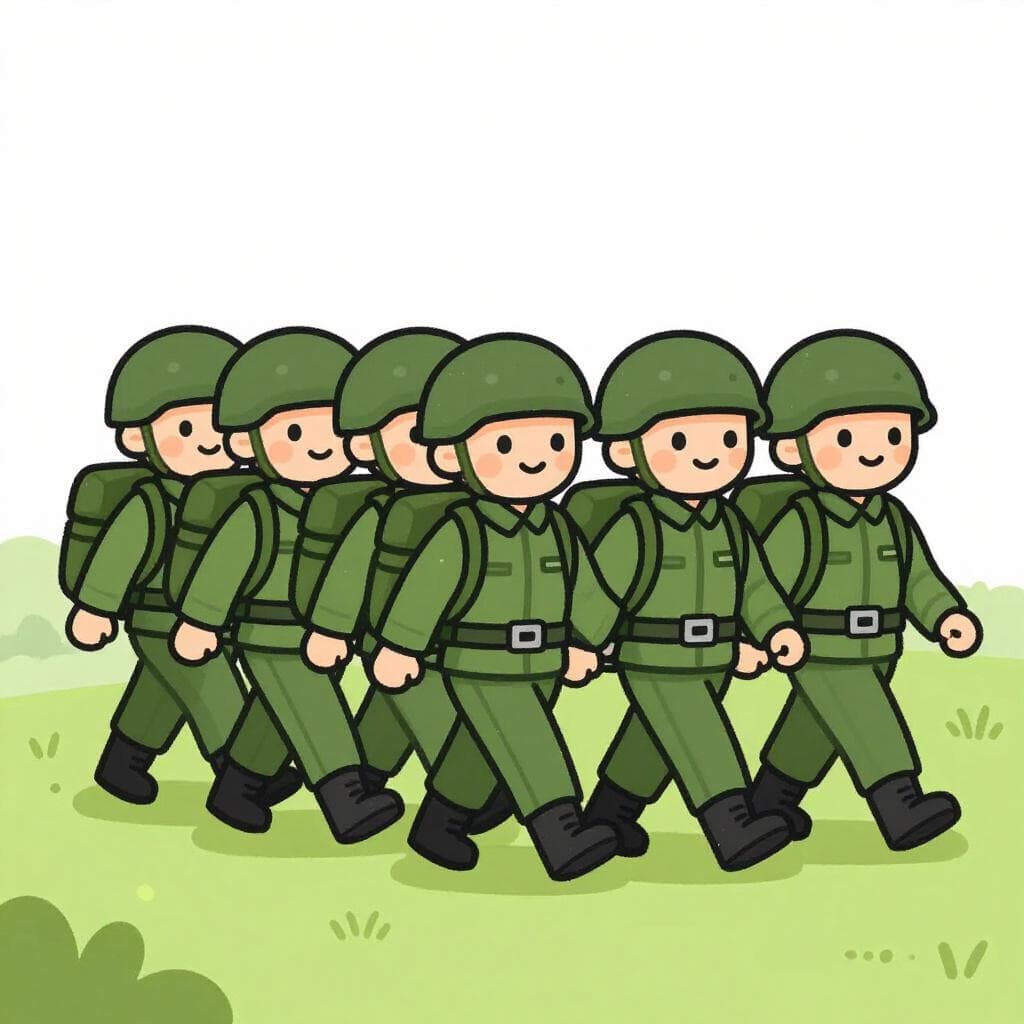
infantry
“El general ordenó a la infantería avanzar al amanecer.”
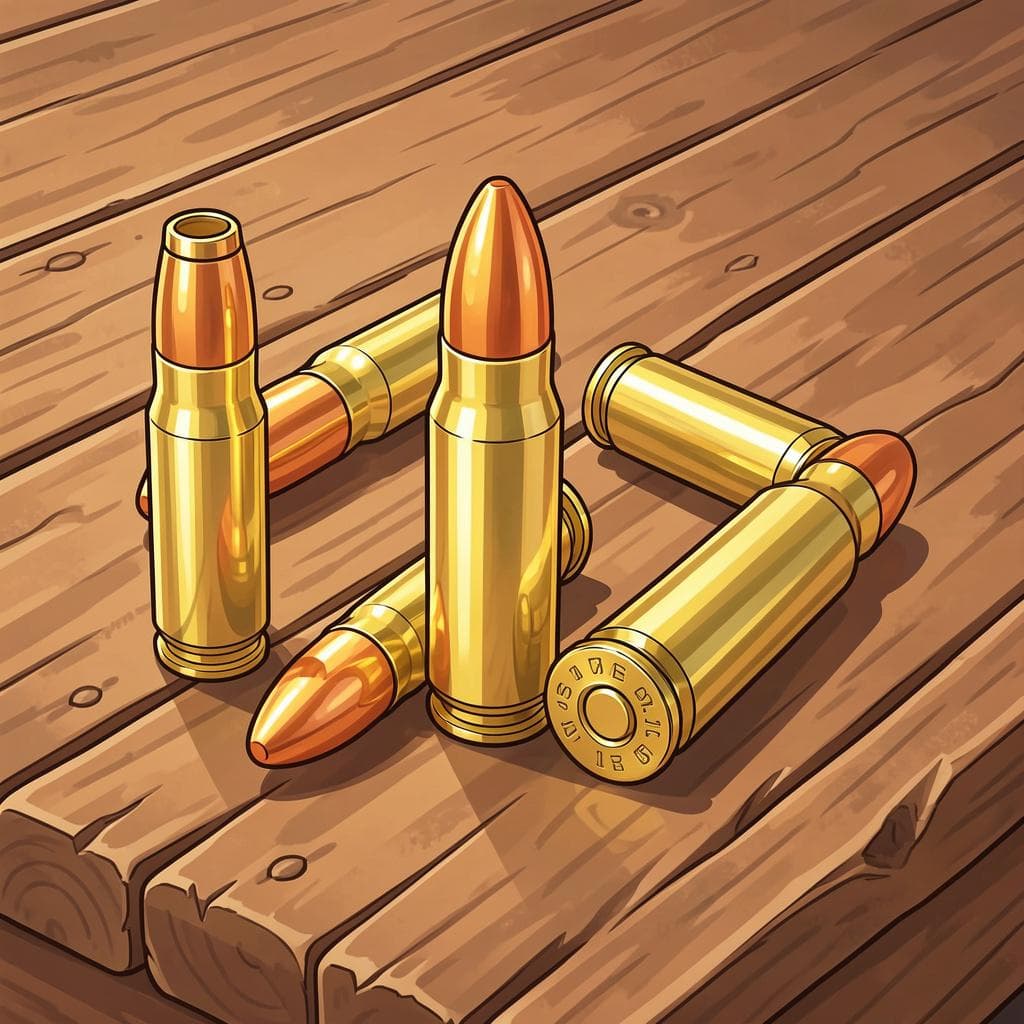
ammunition
“El ejército se quedó sin munición durante la batalla.”

to recruit
“La empresa necesita reclutar más ingenieros este mes.”
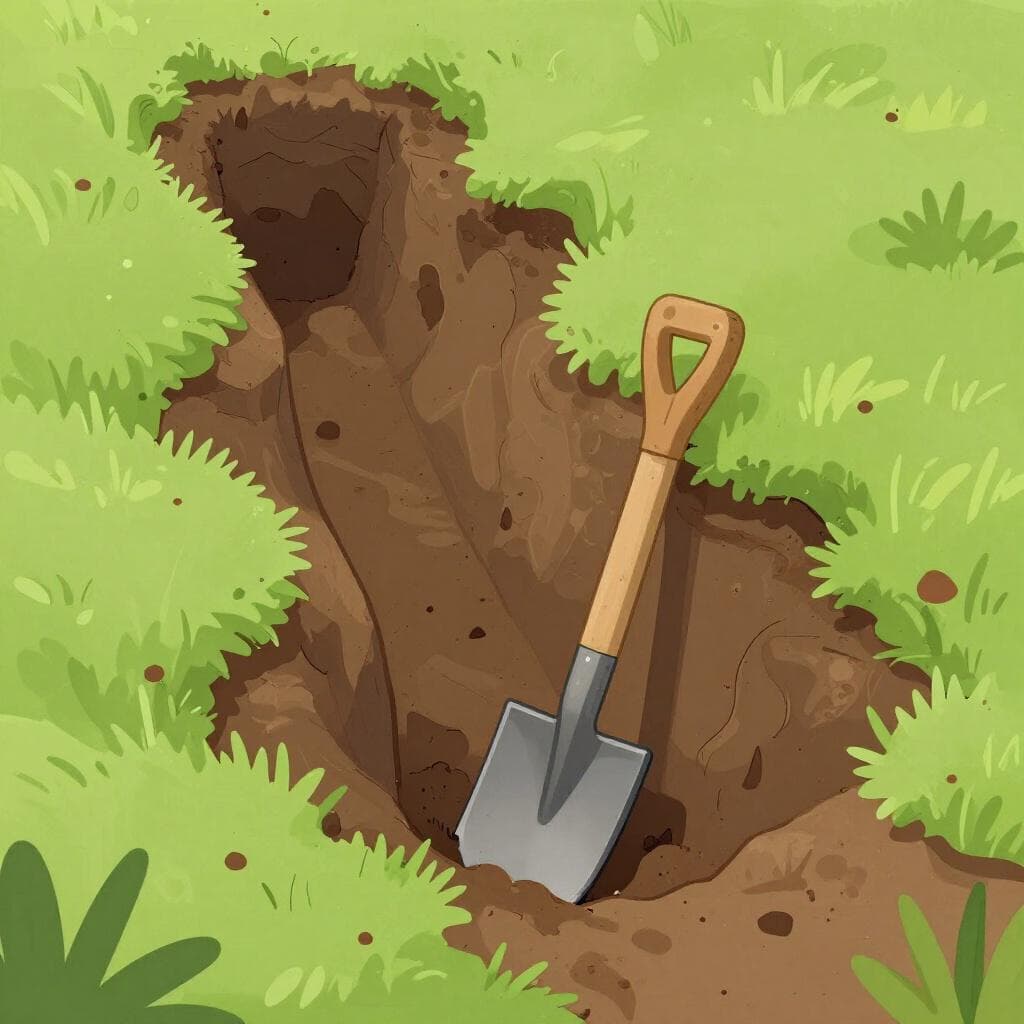
trench
“Los soldados pasaron meses viviendo en la trinchera.”
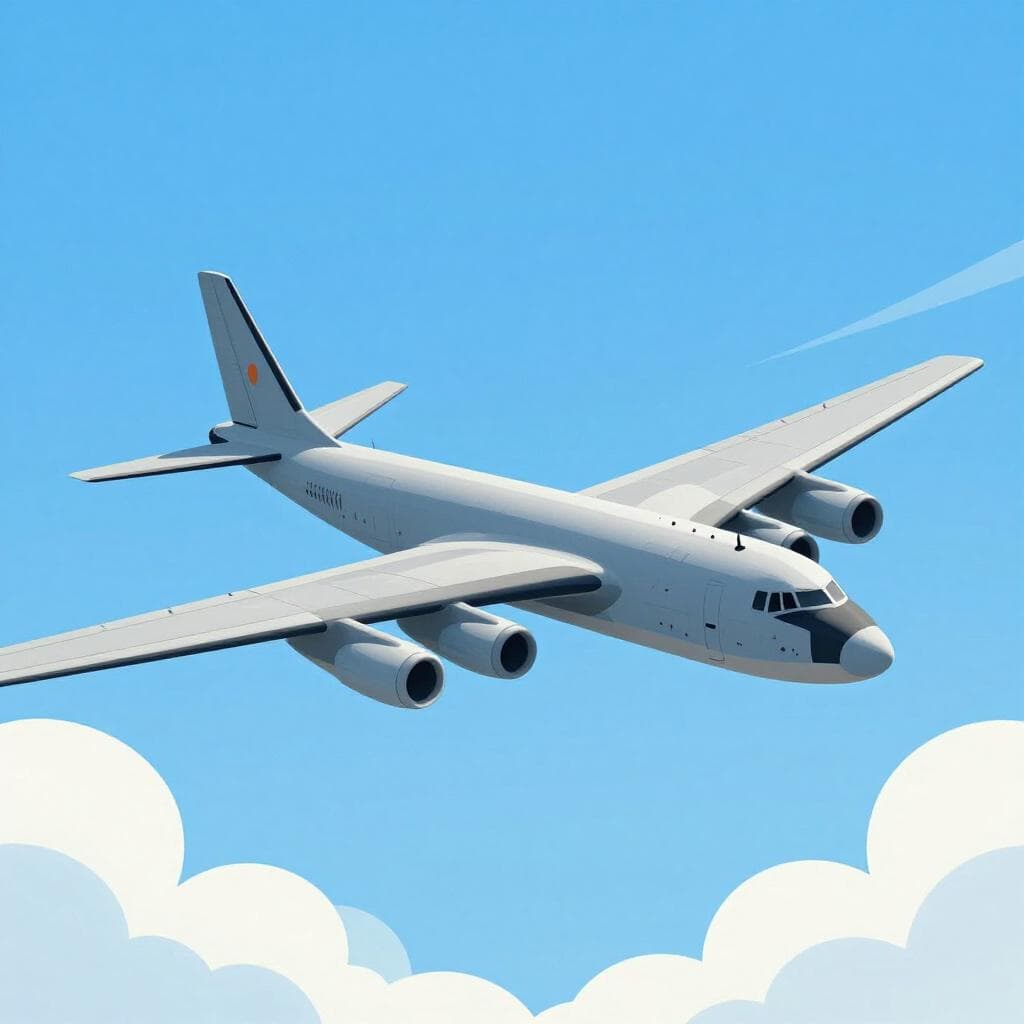
bomber
“El viejo bombardero está en exhibición en el museo.”
B2 — Upper Intermediate (12 words)

Nazi
“La película mostraba cómo el nazi escondió su identidad después de la guerra.”
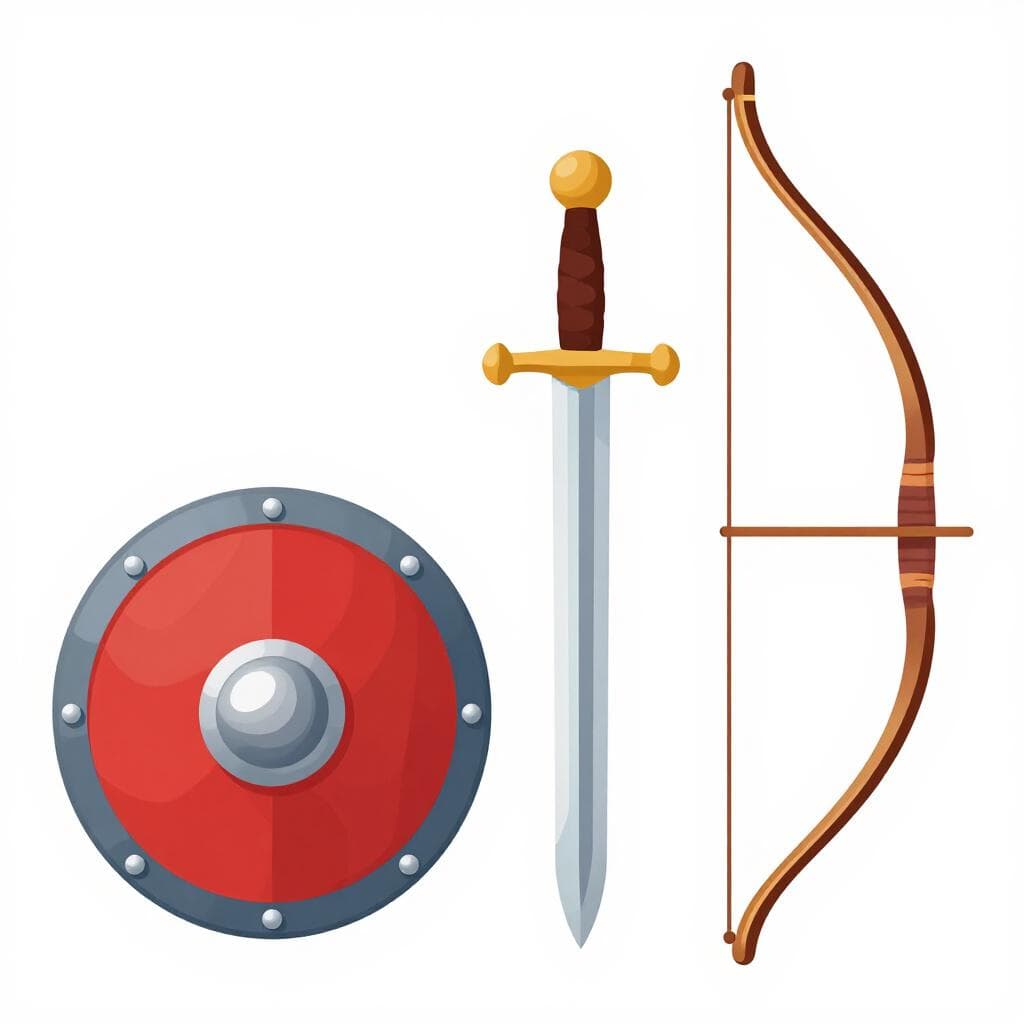
weaponry
“El ejército mostró su nuevo armamento durante el desfile.”

warlike
“Me encantan las películas de género bélico.”
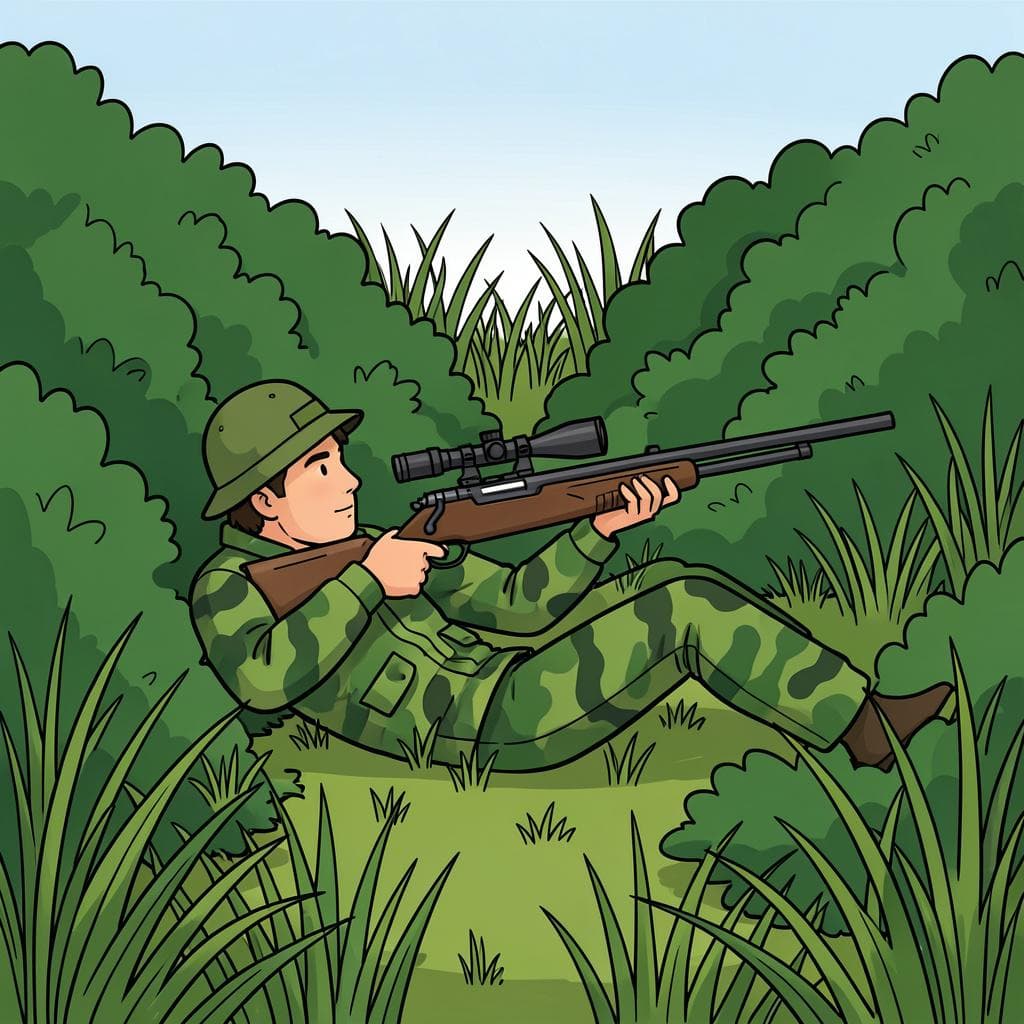
sniper
“El francotirador estaba escondido en la torre del reloj.”

guerrilla fighter
“El guerrillero conocía muy bien todos los caminos de la montaña.”

militia
“Los ciudadanos formaron una milicia para proteger el pueblo.”
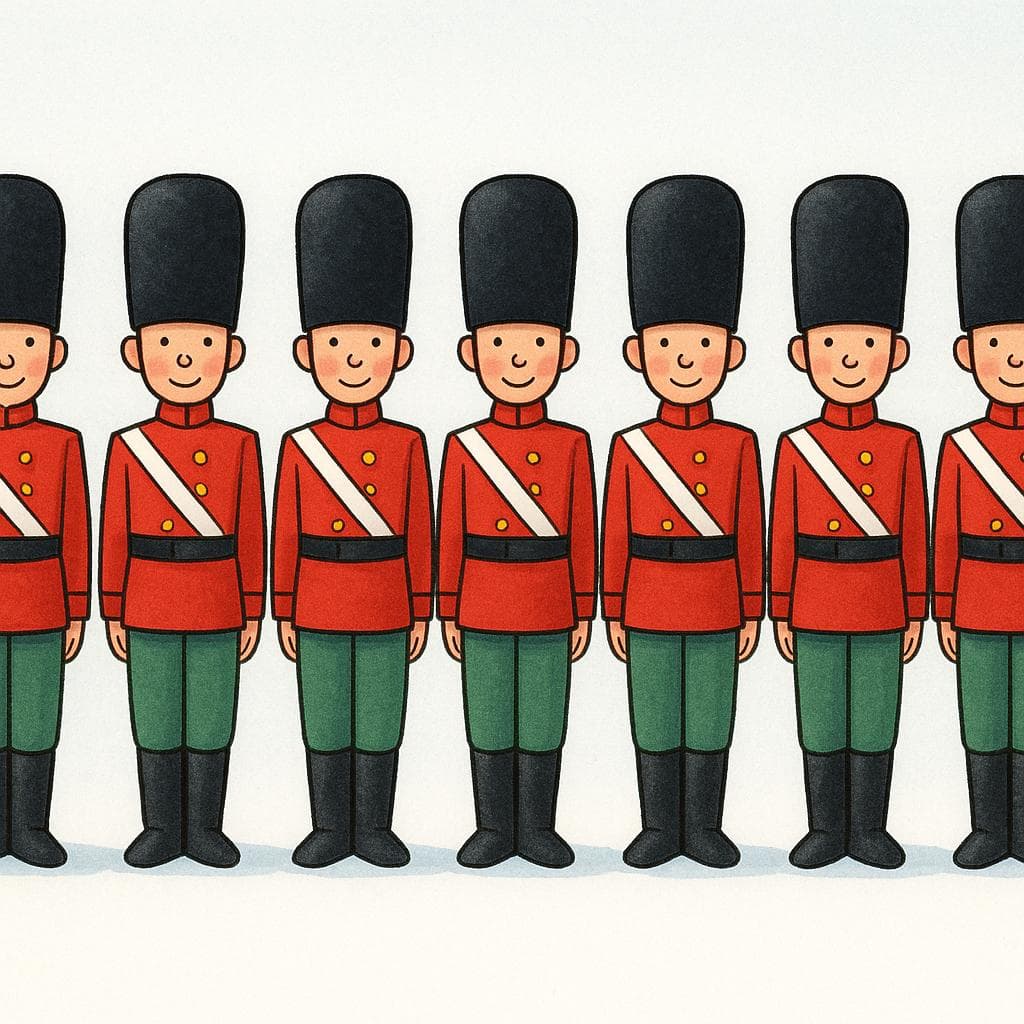
regiment
“El regimiento de infantería llegó al amanecer.”
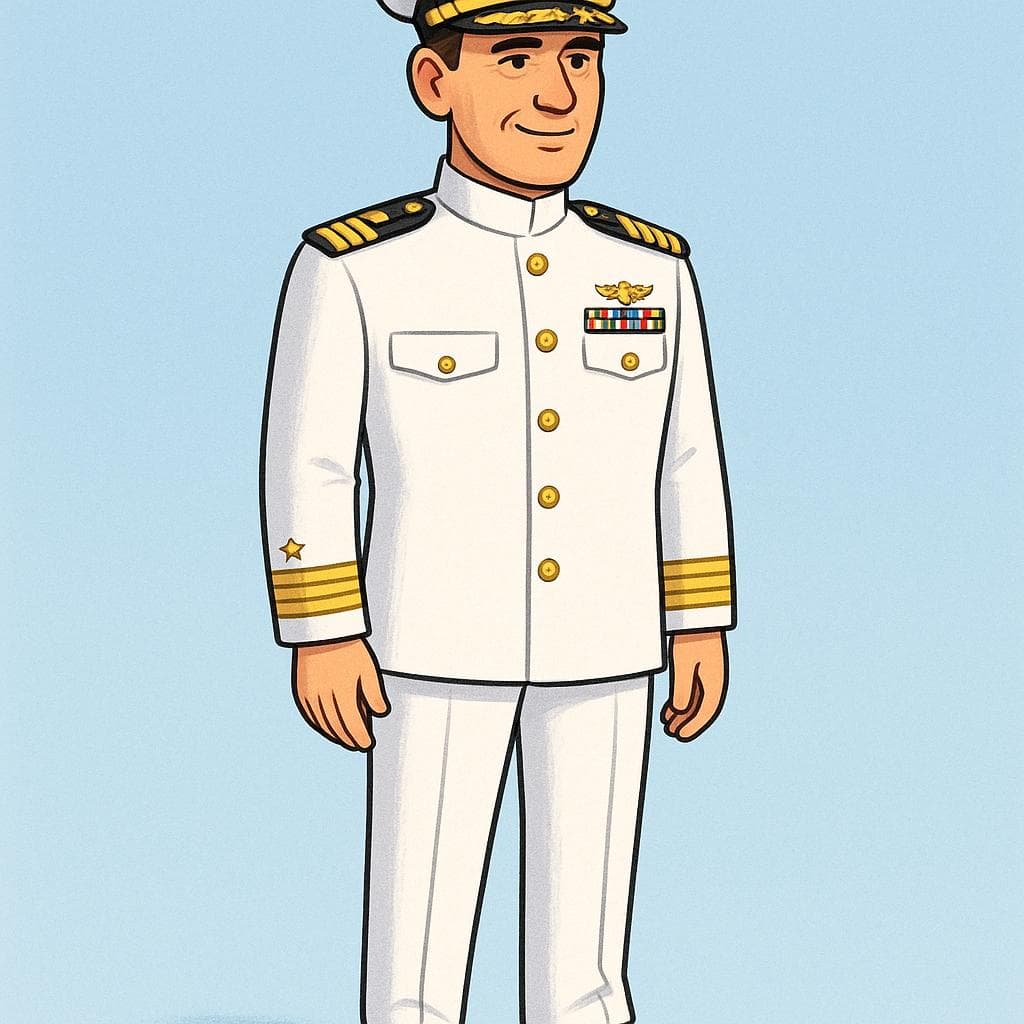
admiral
“El almirante dio la orden de zarpar a toda la flota.”
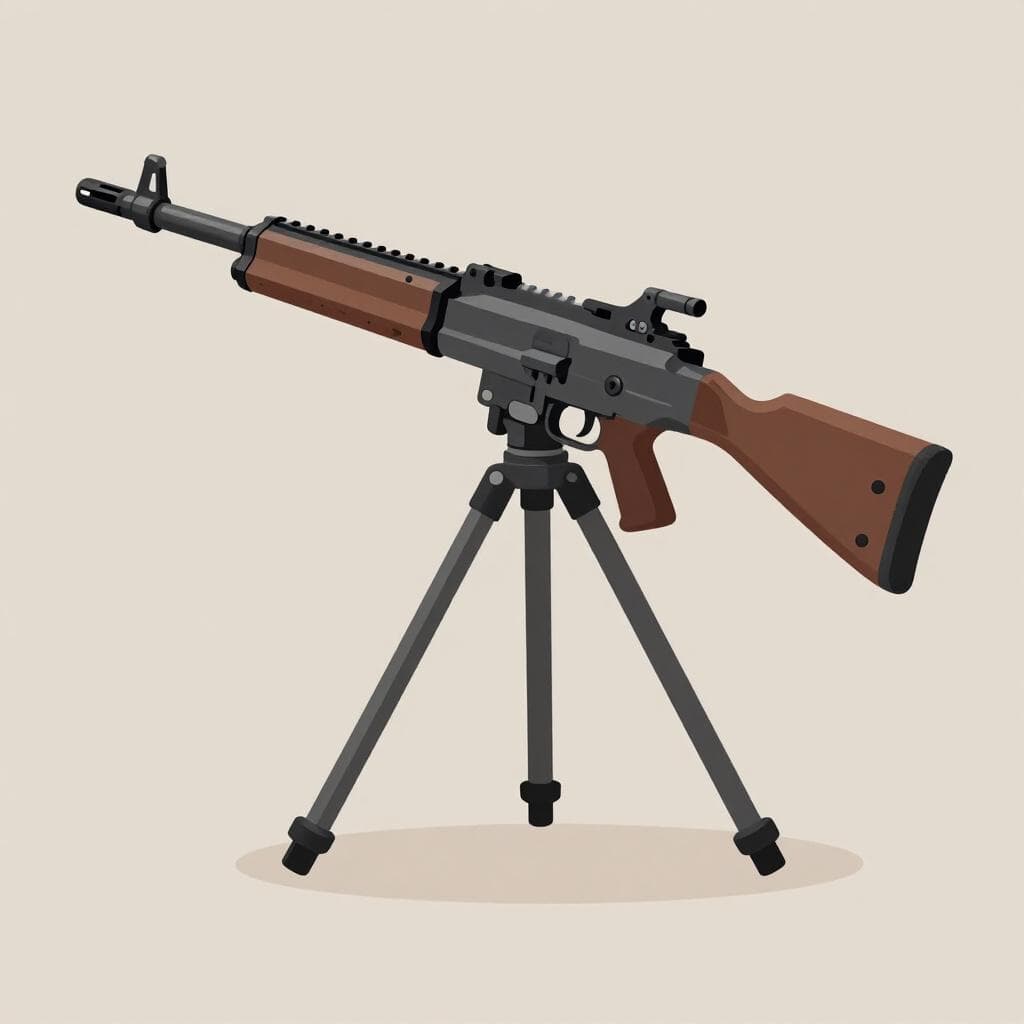
machine gun
“Los soldados están entrenando con la ametralladora.”
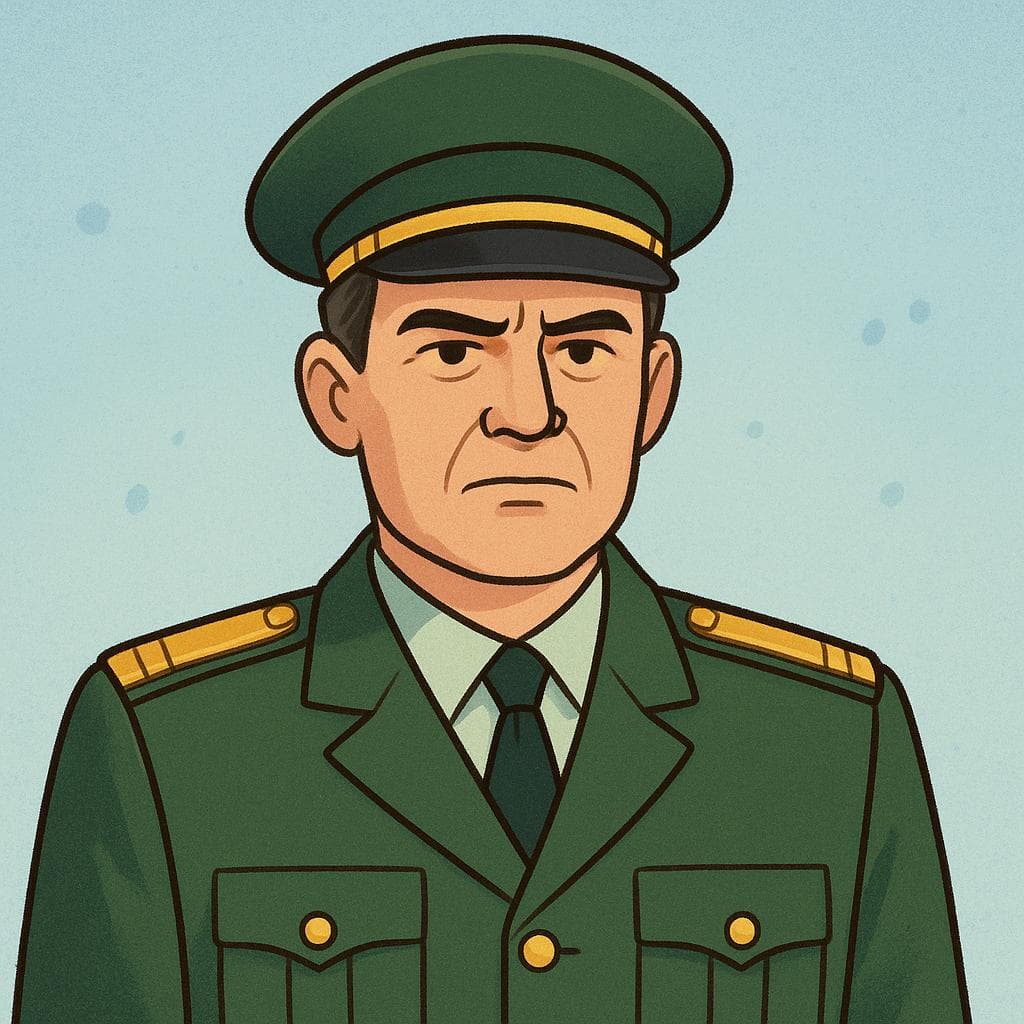
colonel
“El coronel dio la orden de avanzar.”
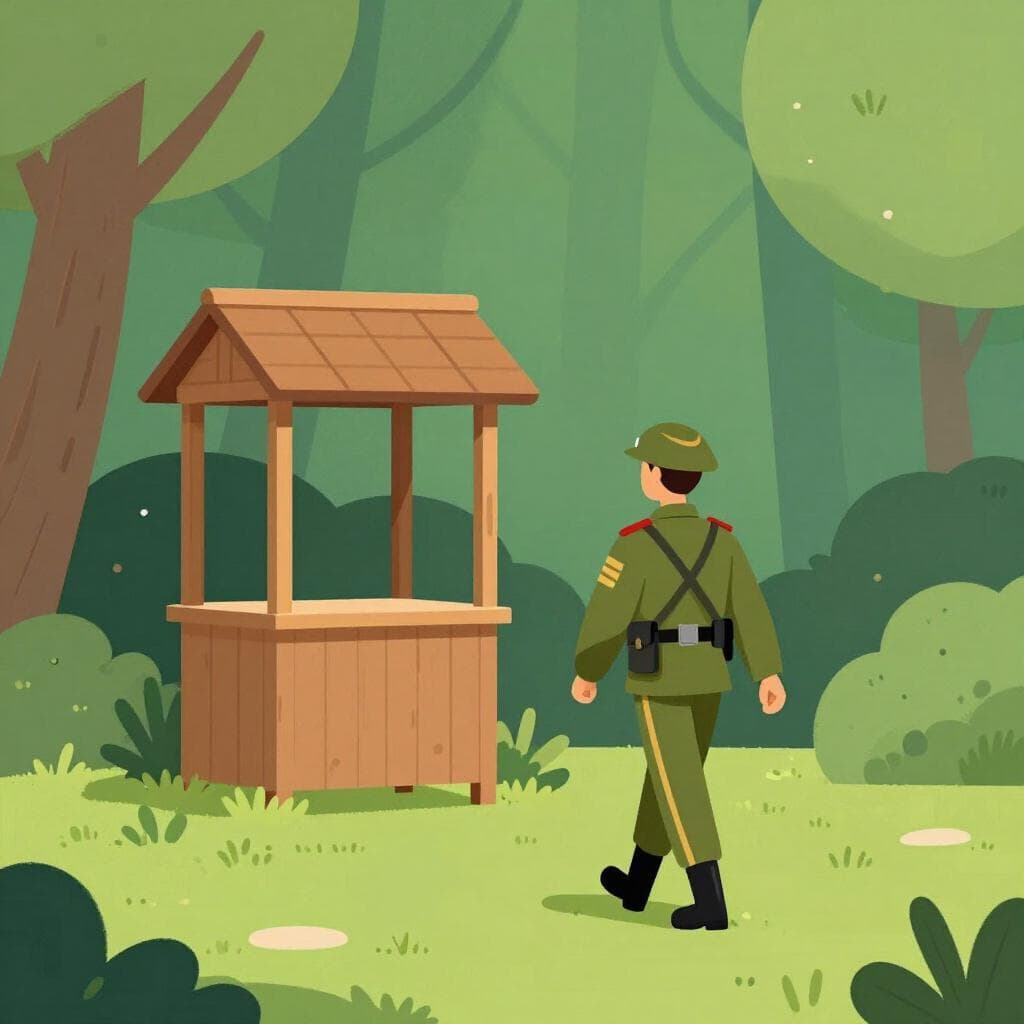
to desert
“El soldado decidió desertar a mitad de la noche.”
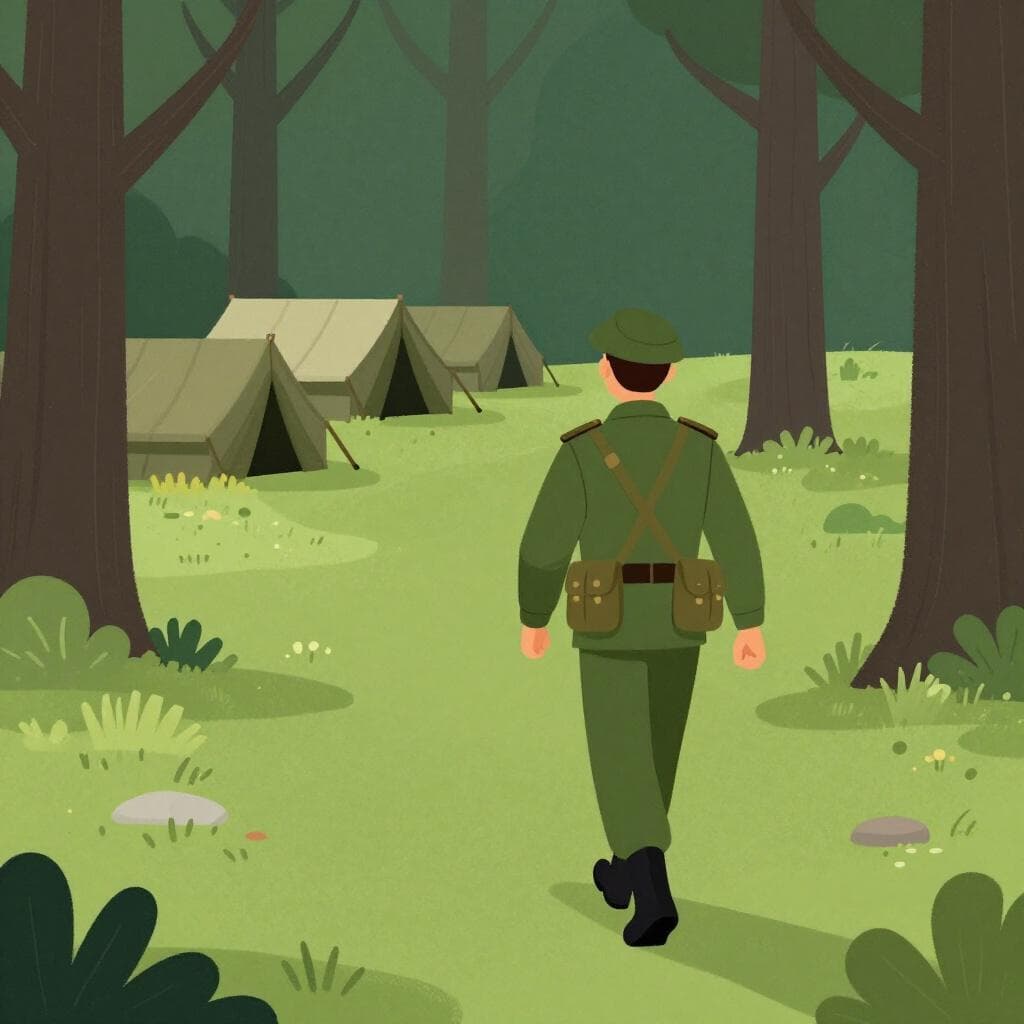
deserter
“El desertor dejó su uniforme cerca de la frontera.”
Grammar Tips
Pluralization of Military Units
Many collective nouns for military units are singular and feminine, like 'la armada' (the navy) or 'la brigada' (the brigade). When referring to multiple units, the plural form is used, e.g., 'las armadas' or 'las brigadas'.
Adjective Agreement
As with all Spanish nouns, adjectives describing military personnel or equipment must agree in gender and number. For example, 'el soldado armado' (the armed soldier) becomes 'la soldado armada' (the armed female soldier) or 'los soldados armados' (the armed soldiers).
Masculine vs. Feminine Roles
While many military roles have distinct masculine and feminine forms (e.g., 'el soldado' / 'la soldado'), some titles are often used in their masculine form even when referring to women in modern contexts, or they might have a specific feminine form like 'la almirante' for 'admiral'.
Common Mistakes
Incorrect Adjective Placement
Mistake: “El soldado valiente entró la batalla.”
Correction: El soldado valiente entró en la batalla. — The preposition 'en' is needed here to indicate entering into a place or situation.
Gender Agreement Error
Mistake: “La armada americana es grande.”
Correction: La armada americana es grande. — 'Armada' is feminine, so the adjective 'americana' must also be feminine. If referring to the navy itself, 'americana' is correct. If referring to 'ships' (los barcos), then it would be 'los barcos americanos'.
Missing Preposition
Mistake: “El general ordenó el ataque.”
Correction: El general ordenó el ataque. — This is actually correct. A common mistake might be omitting 'el' before 'ataque', like 'El general ordenó ataque'.
Cultural Notes
Historical Context Matters
The Spanish Civil War (1936-1939) is a significant historical event that deeply influences vocabulary and cultural understanding of 'war' in Spain. Terms might carry different connotations depending on the historical period being discussed.
Latin American Usage
While core military terms are largely uniform, specific jargon or ranks might vary slightly between Spain and different Latin American countries due to their unique military histories and structures.