
Narodziny i dzieci po hiszpańsku
Ten zestaw hiszpańskich słów obejmuje wszystko związane z narodzinami i dziećmi, od ciąży po noworodki. Poznanie tych terminów jest niezwykle przydatne, jeśli powiększasz rodzinę lub po prostu chcesz porozmawiać z hiszpańskojęzycznymi rodzicami. Ciekawe, że hiszpański używa słowa 'embarazada' na określenie ciąży, co brzmi podobnie do 'embarrassed' po angielsku, ale są to zupełnie inne słowa!
Szybka ściąga
| Hiszpański | Polski | Przykład | Poziom |
|---|---|---|---|
beba | niech pije | Es importante que usted beba mucha agua. | B1 |
bebe | pije | Mi perro bebe mucha agua después de correr. | A1 |
carrito | wózek sklepowy | Necesito un carrito para poner todas estas verduras. | A1 |
cuna | łóżeczko dziecięce | El bebé está durmiendo tranquilamente en su cuna. | A1 |
embarazada | w ciąży | Mi hermana está embarazada de su primer hijo. | A1 |
embarazo | ciąża | El médico confirmó que mi hermana tiene un embarazo de alto riesgo. | B1 |
guardería | żłobek | Llevo a mi hija a la guardería antes de ir al trabajo. | A2 |
nacer | urodzić się | Mi hermana nació en 1995. | A1 |
nacimiento | narodziny | La fecha de su nacimiento es el 15 de mayo. | A1 |
pañales | pieluchy | Necesito comprar una caja de pañales para el bebé. | A2 |
parto | poród | El parto duró muchas horas, pero fue un parto natural. | B1 |
maternidad | macierzyństwo | La maternidad cambió mi forma de ver el mundo. | B1 |
A1 — Początkujący (7 słów)

pije
“Mi perro bebe mucha agua después de correr.”

wózek sklepowy
“Necesito un carrito para poner todas estas verduras.”
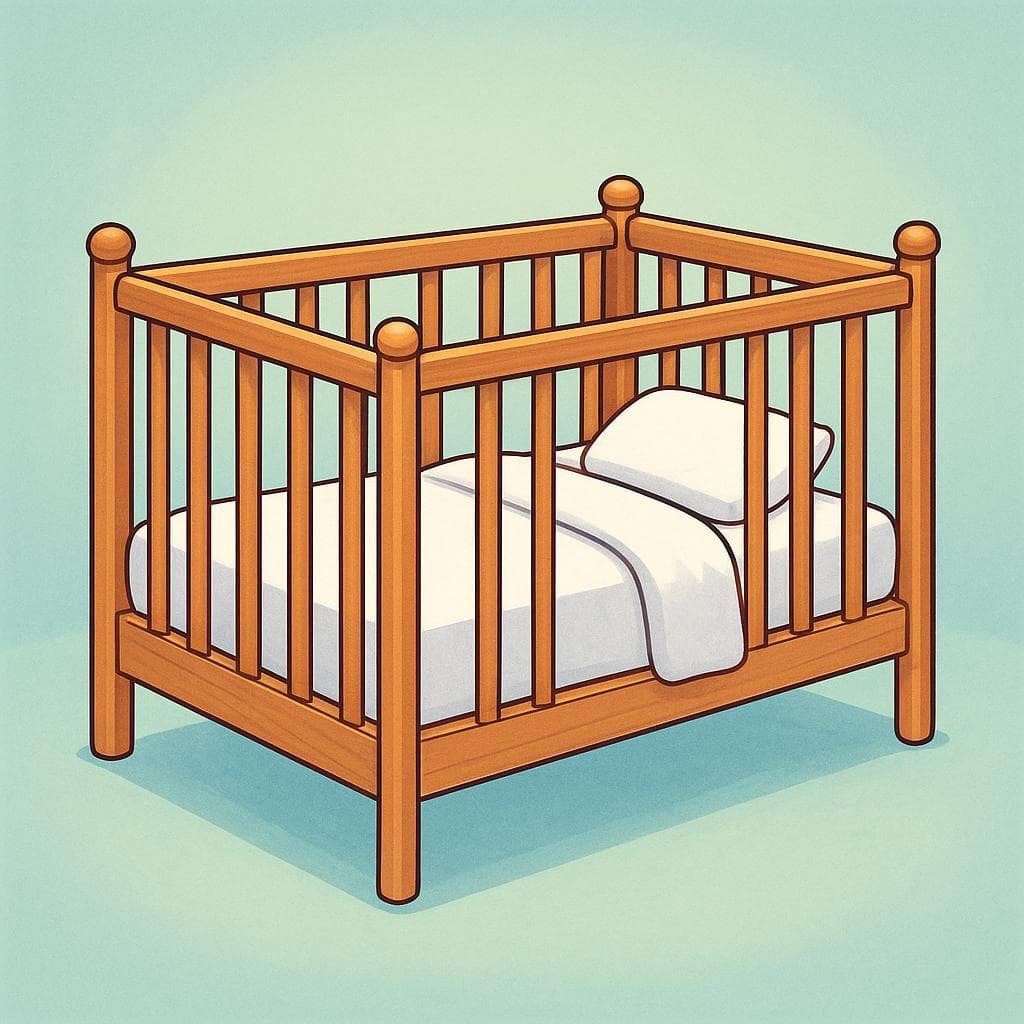
łóżeczko dziecięce
“El bebé está durmiendo tranquilamente en su cuna.”

w ciąży
“Mi hermana está embarazada de su primer hijo.”
urodzić się
“Mi hermana nació en 1995.”
narodziny
“La fecha de su nacimiento es el 15 de mayo.”
urodzony
“Mi abuelo era un hombre nacido en el campo.”
A2 — Podstawowy (3 słów)
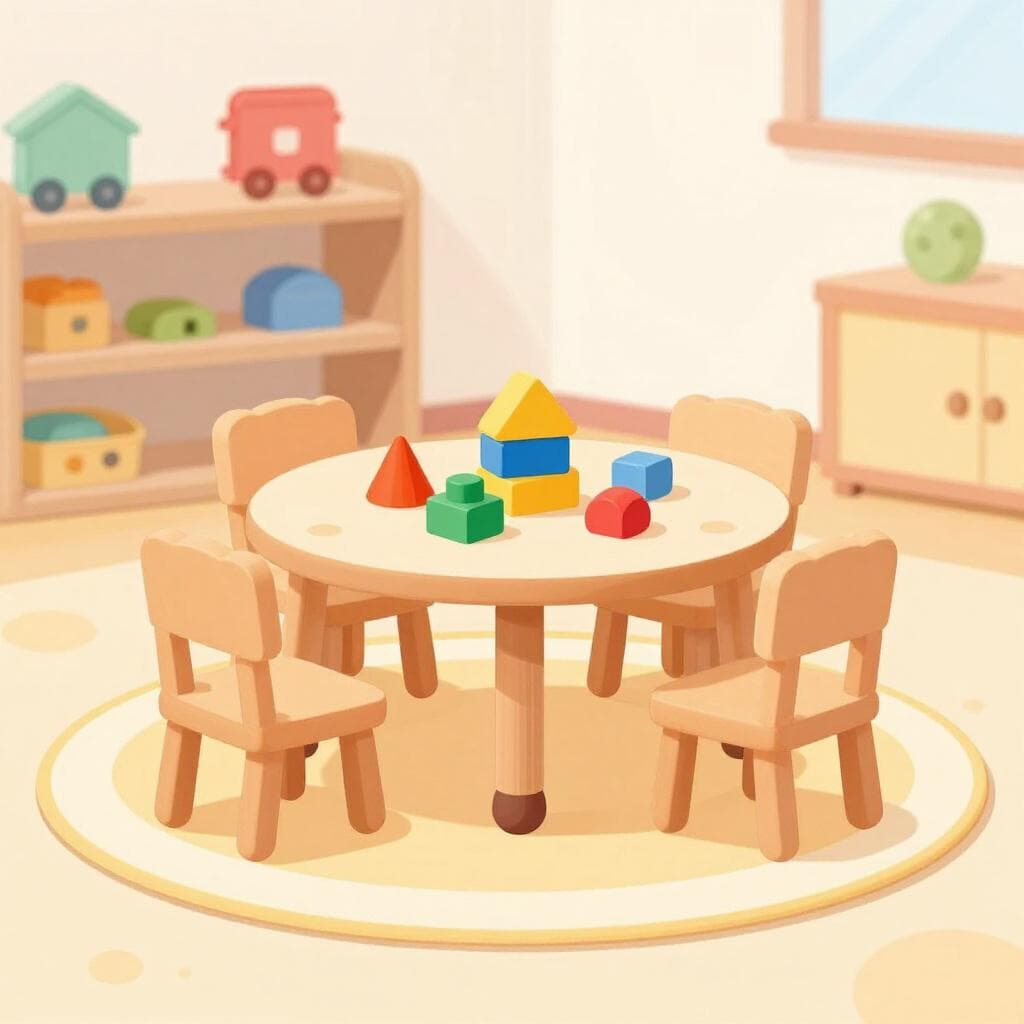
żłobek
“Llevo a mi hija a la guardería antes de ir al trabajo.”
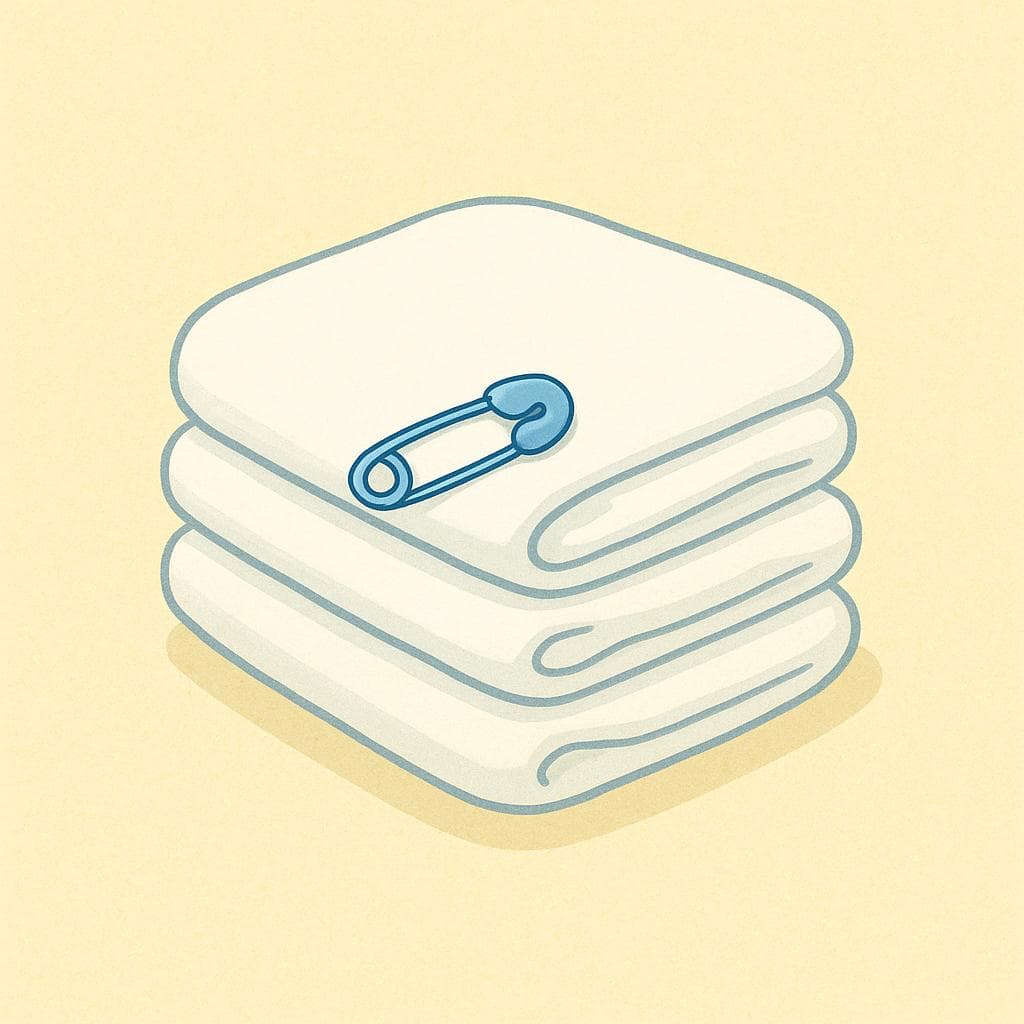
pieluchy
“Necesito comprar una caja de pañales para el bebé.”
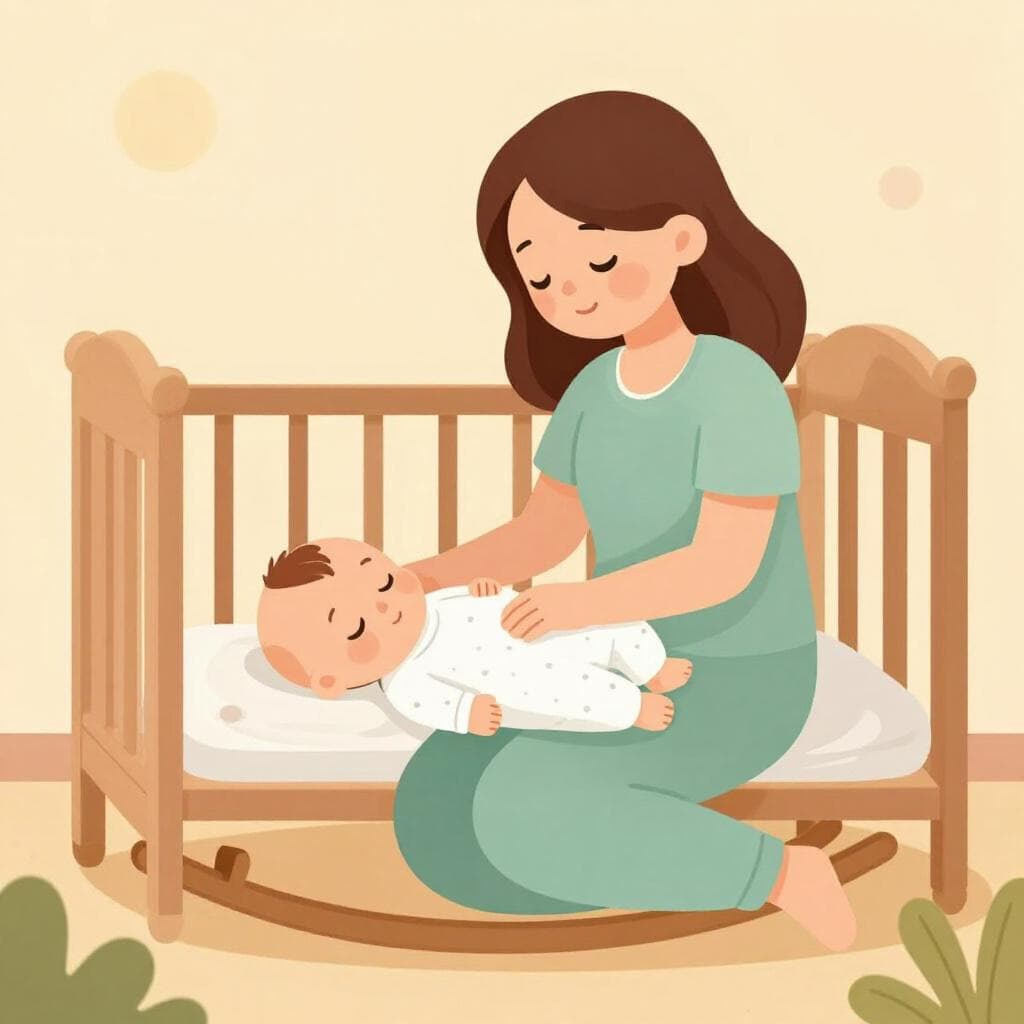
kołysanka
“Mi madre me cantaba una nana todas las noches.”
B1 — Średnio zaawansowany (6 słów)

niech pije
“Es importante que usted beba mucha agua.”

ciąża
“El médico confirmó que mi hermana tiene un embarazo de alto riesgo.”
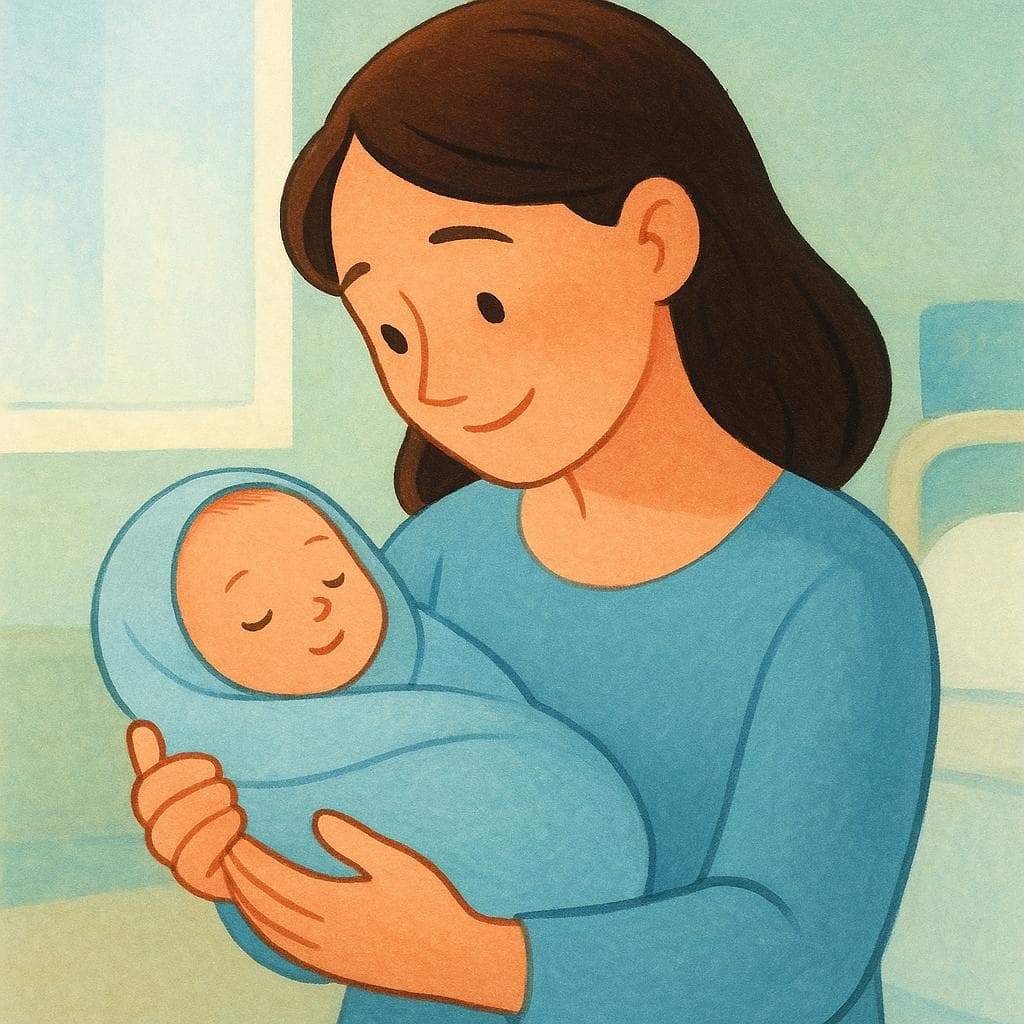
poród
“El parto duró muchas horas, pero fue un parto natural.”
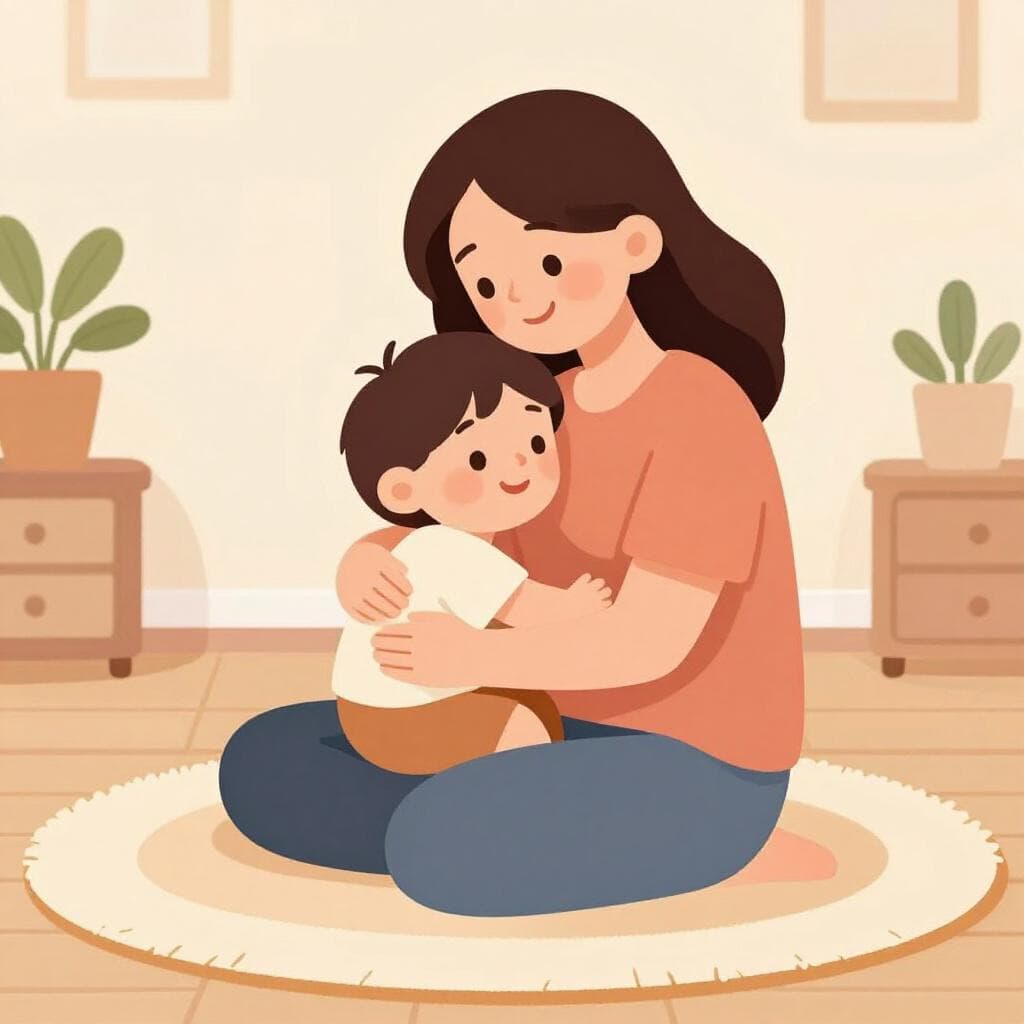
macierzyństwo
“La maternidad cambió mi forma de ver el mundo.”
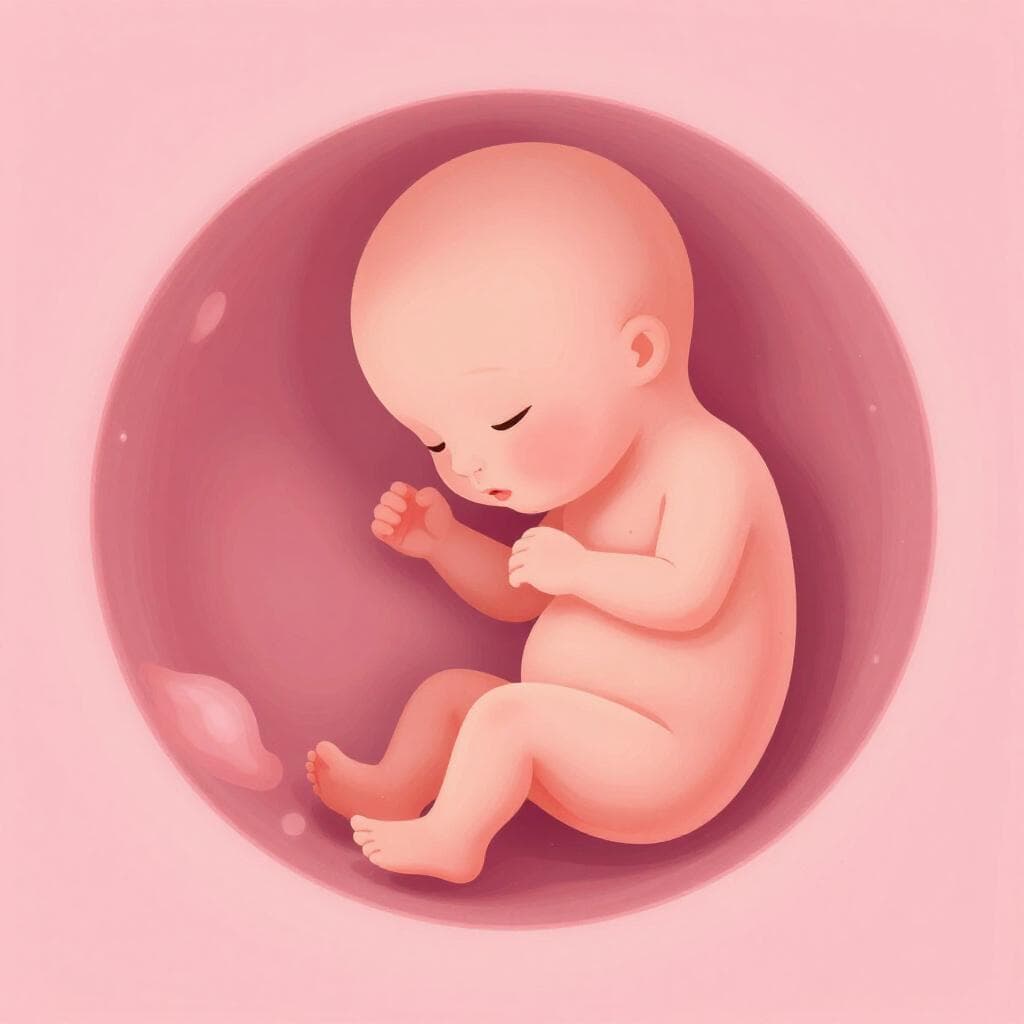
płód
“El feto se mueve mucho hoy.”

rodzić
“La gata parió cinco gatitos esta madrugada.”
B2 — Wyższy średnio zaawansowany (1 słów)

embrion
“El científico observó el embrión bajo el microscopio.”
Wskazówki gramatyczne
Zgodność rodzajowa dla 'w ciąży'
W języku hiszpańskim przymiotniki muszą zgadzać się pod względem rodzaju z rzeczownikiem, który opisują. Dla 'w ciąży' użyjesz 'embarazado' w odniesieniu do mężczyzny (choć rzadko opisuje się mężczyznę jako w ciąży) i 'embarazada' w odniesieniu do kobiety. Na przykład: 'El hombre está embarazado' (Mężczyzna jest w ciąży - rzadki kontekst) vs. 'La mujer está embarazada' (Kobieta jest w ciąży).
Liczba mnoga od 'dziecko'
Hiszpańskie liczby mnogie tworzy się zazwyczaj przez dodanie -s lub -es. 'Bebé' (dziecko) staje się 'bebés' (dzieci) przez dodanie -s i akcentu nad 'e'. 'Un bebé' (jedno dziecko), 'los bebés' (dzieci).
Czasowniki oznaczające 'urodzić się'
Czasownik 'nacer' oznacza 'urodzić się'. Często używa się go w czasie przeszłym. Na przykład: 'Mi hijo nació en Madrid' (Mój syn urodził się w Madrycie). Imiesłów przeszły 'nacido/nacida' oznacza 'urodzony/urodzona', jak w 'un niño recién nacido' (nowo narodzone dziecko).
Typowe błędy
Mylenie 'bebe' i 'bebé'
Błąd: “Quiero un bebe.”
Poprawka: Quiero un bebé. — 'Bebe' (bez akcentu) to trzecia osoba liczby pojedynczej czasu teraźniejszego od 'beber' (pić), oznaczająca 'on/ona pije'. 'Bebé' (z akcentem) oznacza 'dziecko'.
Nieprawidłowy rodzaj dla 'w ciąży'
Błąd: “Mi amigo está embarazada.”
Poprawka: Mi amigo está embarazado. — 'Amigo' jest rodzaju męskiego, więc przymiotnik również musi być męski ('embarazado'). W odniesieniu do przyjaciółki byłoby to 'Mi amiga está embarazada'.
Nieprawidłowe użycie 'nacer'
Błąd: “Yo nacer en 1990.”
Poprawka: Yo nací en 1990. — 'Nacer' jest czasownikiem nieregularnym. Pierwsza osoba liczby pojedynczej czasu przeszłego dokonanego (preterite) to 'nací', oznaczające 'urodziłem/urodziłam się'.
Notatki kulturowe
Rodzina jest najważniejsza
W wielu kulturach hiszpańskojęzycznych więzi rodzinne są niezwykle silne. Dziadkowie, ciotki i wujkowie często odgrywają bardzo aktywną rolę w wychowywaniu dzieci, dlatego często usłyszysz terminy dotyczące dalszej rodziny.
Różnorodne tradycje
Chociaż podstawowe słownictwo jest takie samo, specyficzne tradycje związane z narodzinami i nadawaniem imion dzieciom mogą się znacznie różnić między Hiszpanią a różnymi krajami Ameryki Łacińskiej. Zawsze warto pytać o lokalne zwyczaje!