
Wiek i etapy życia po hiszpańsku
Rozmowa o wieku i etapach życia jest niezwykle powszechna w każdym języku! Po hiszpańsku nauczysz się słów określających różne wieki, od niemowląt po osoby starsze, oraz etapów takich jak dzieciństwo, adolescencja i dorosłość. Zrozumienie tego słownictwa jest kluczem do omawiania historii osobistej, rodziny, a nawet planowania przyszłości. Interesujące jest również to, jak hiszpański często używa uzgodnień płci dla tych terminów, podobnie jak w przypadku innych przymiotników.
Szybka ściąga
| Hiszpański | Polski | Przykład | Poziom |
|---|---|---|---|
adolescencia | okres dojrzewania | La adolescencia es una etapa de muchos cambios. | A2 |
adolescente | nastolatek | Mi hermana mayor es una adolescente muy responsable. | A1 |
adolescentes | nastolatki | Los padres están preocupados por el uso de internet de sus adolescentes. | A2 |
adulto | dorosły | Necesitas ser un adulto para firmar este contrato. | A1 |
ancianos | starsi ludzie | Los ancianos de la comunidad merecen nuestro respeto. | A1 |
casado | żonaty/zamężna | Mi hermano mayor está casado con una doctora. | A1 |
chaval | chłopiec | El chaval nuevo del barrio juega muy bien al fútbol. | A2 |
cría | potomstwo | La leona protege a su cría de los depredadores. | A2 |
criar | wychowywać | Ellos criaron a tres hijos en el campo. | A1 |
criatura | dziecko | La criatura durmió toda la noche por primera vez. | A1 |
cumpleaños | urodziny | ¡Feliz cumpleaños! | A1 |
edad | wiek | ¿Qué edad tienes? | A1 |
A1 — Początkujący (24 słów)
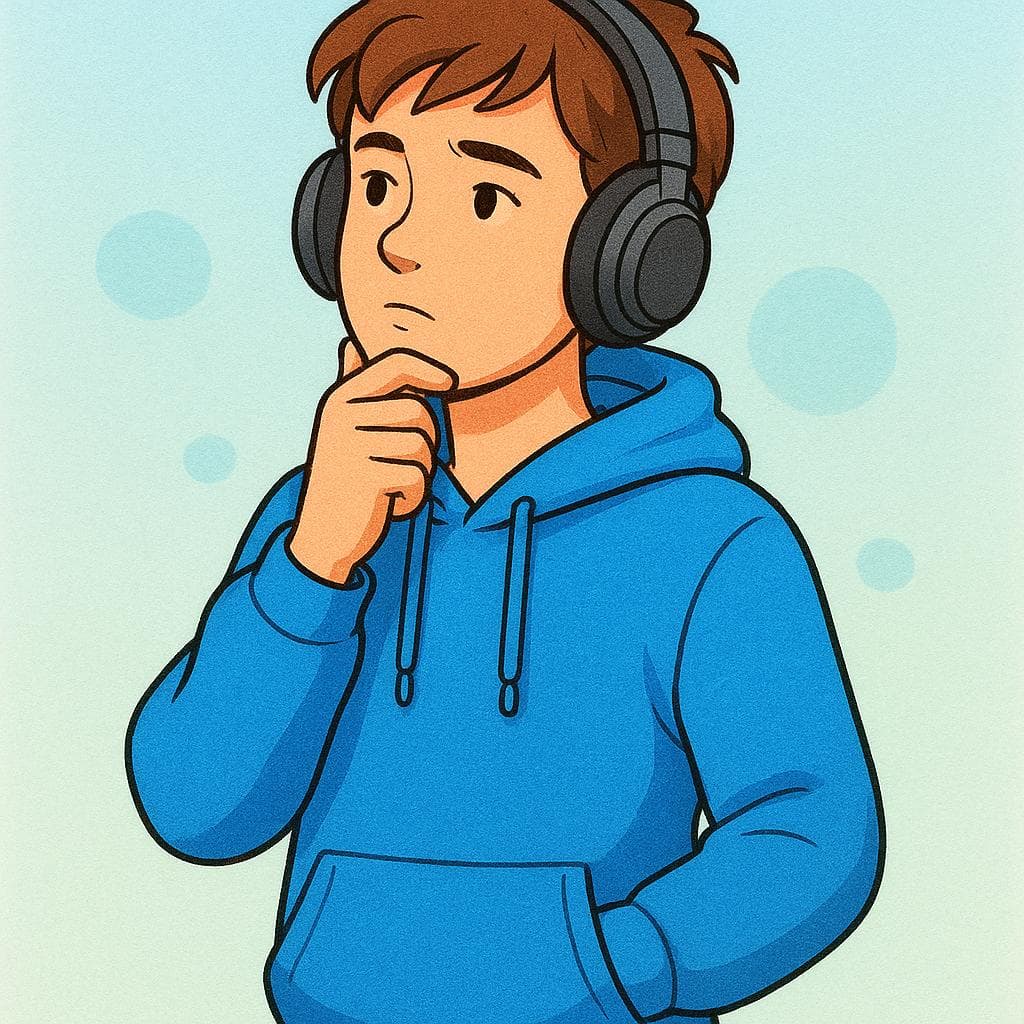
nastolatek
“Mi hermana mayor es una adolescente muy responsable.”

dorosły
“Necesitas ser un adulto para firmar este contrato.”
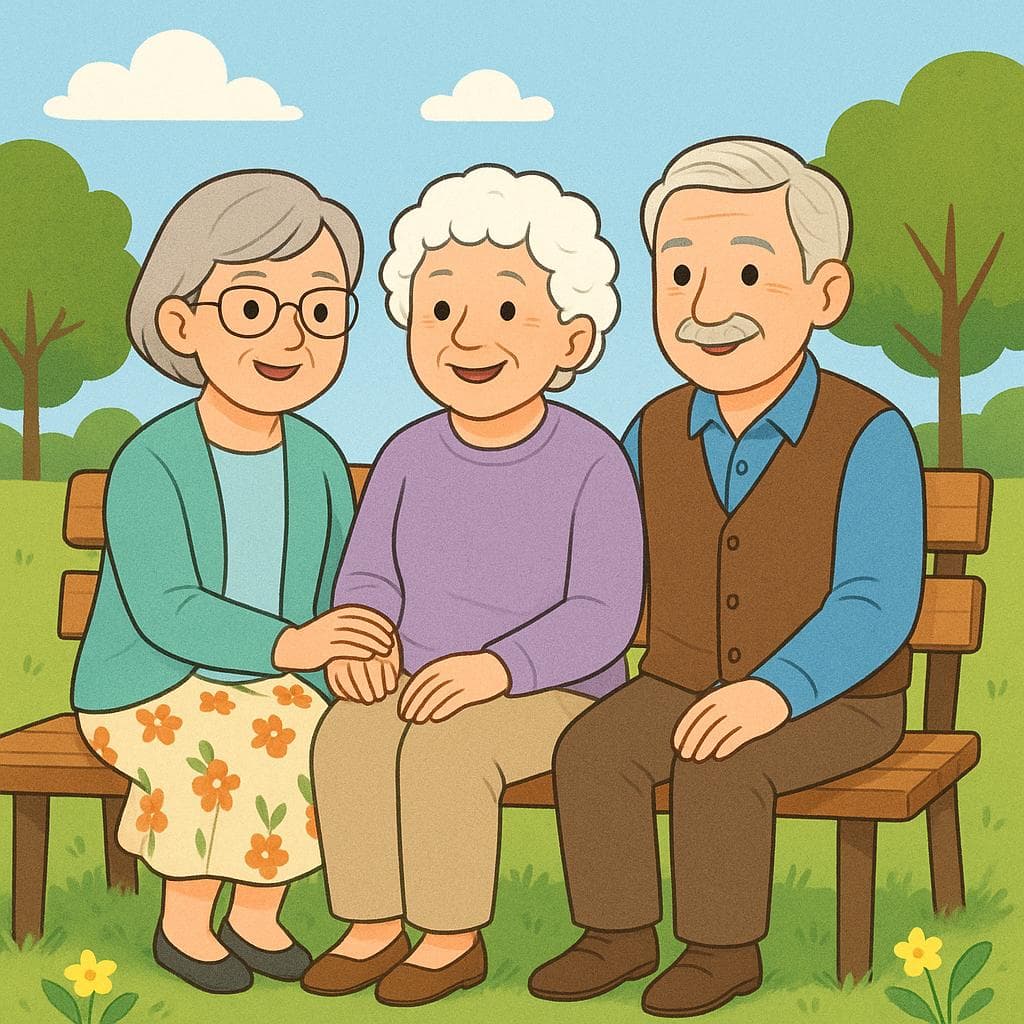
starsi ludzie
“Los ancianos de la comunidad merecen nuestro respeto.”
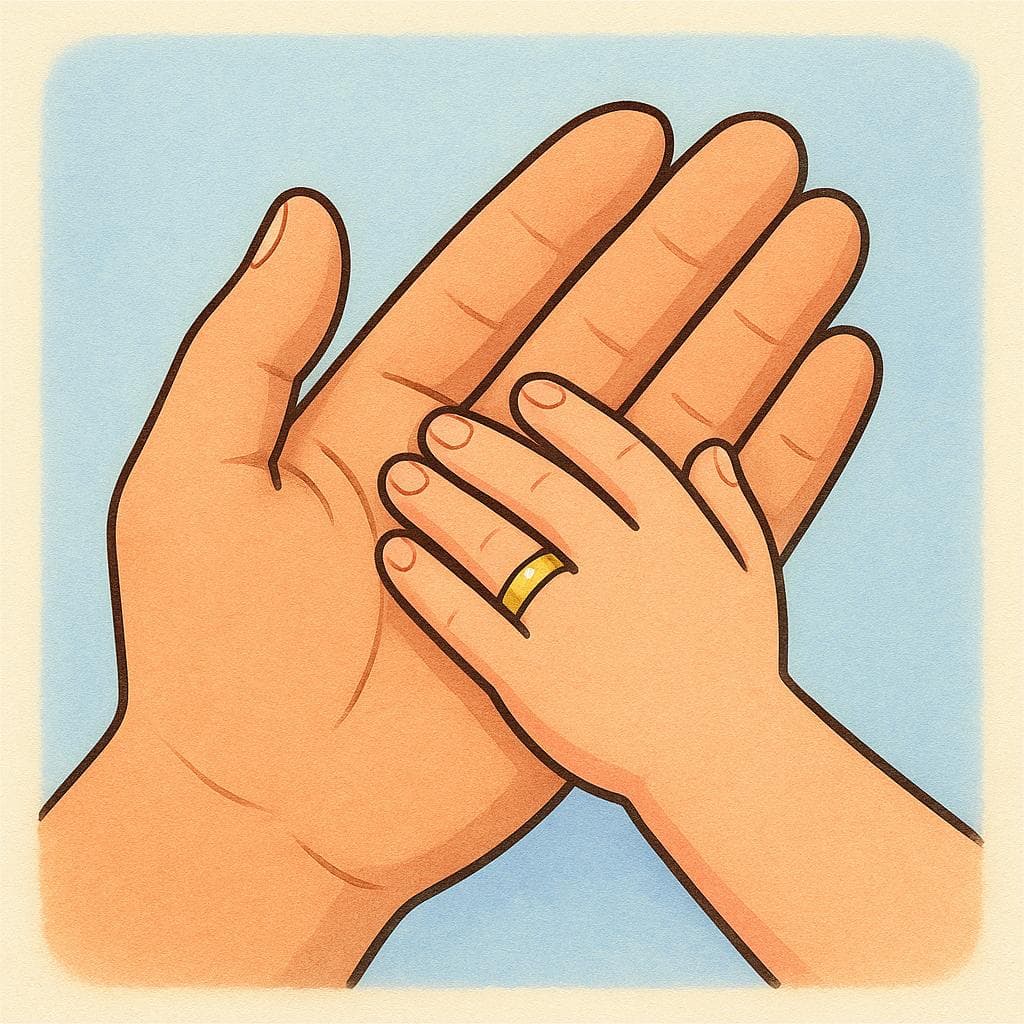
żonaty/zamężna
“Mi hermano mayor está casado con una doctora.”
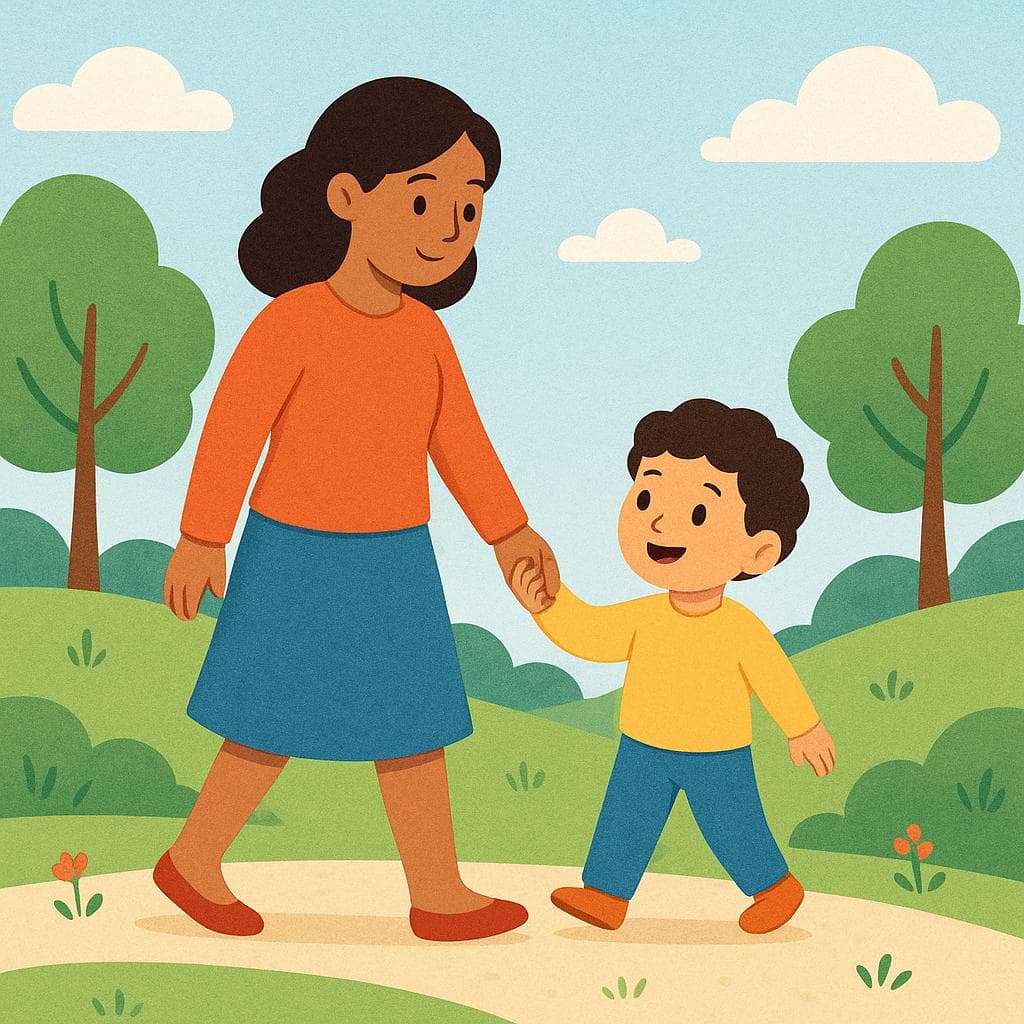
wychowywać
“Ellos criaron a tres hijos en el campo.”
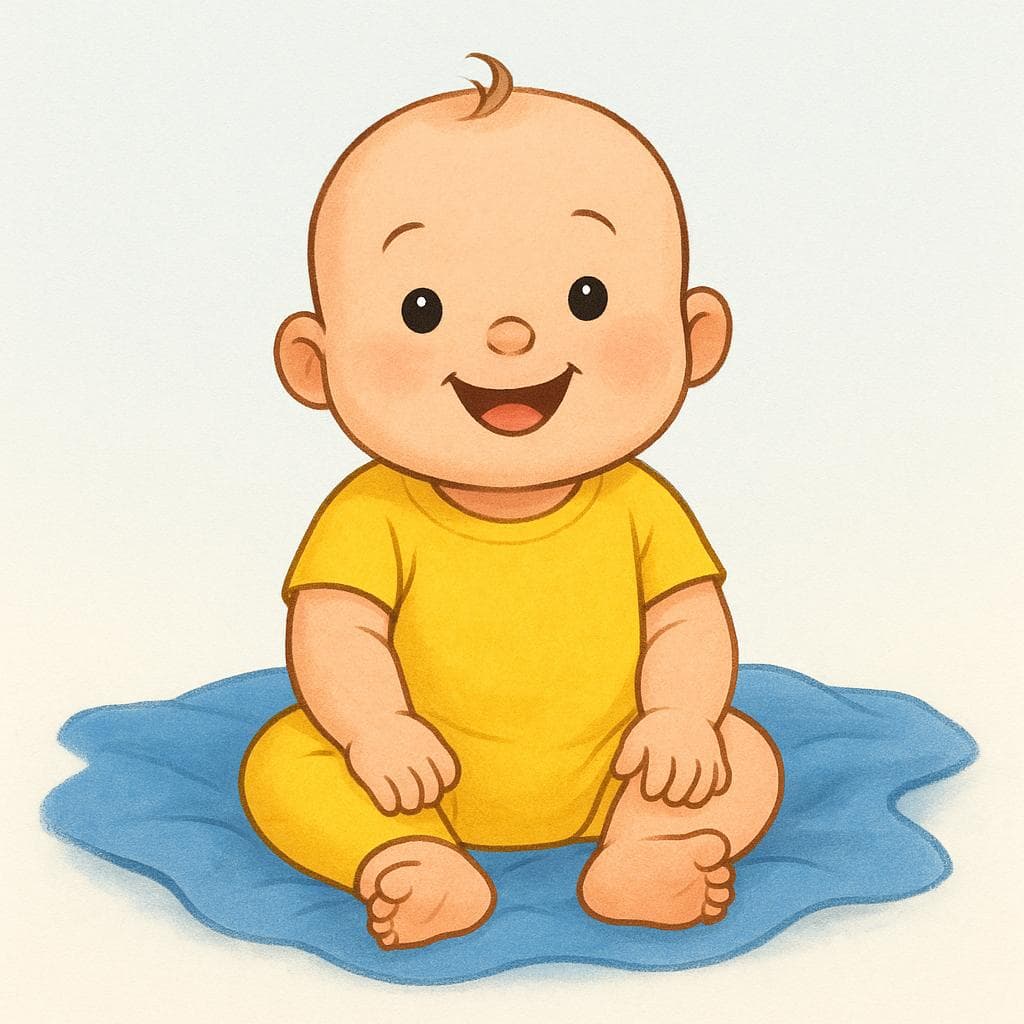
dziecko
“La criatura durmió toda la noche por primera vez.”

urodziny
“¡Feliz cumpleaños!”
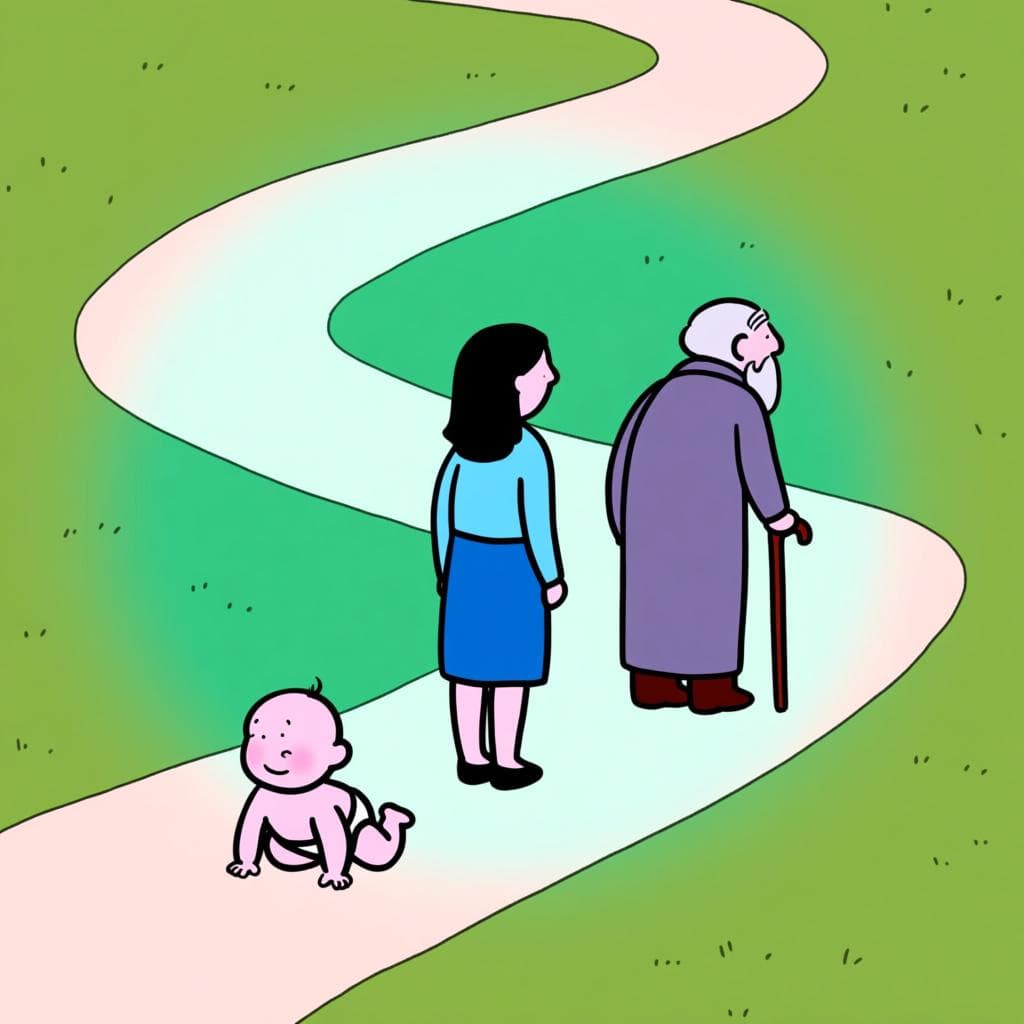
wiek
“¿Qué edad tienes?”

w ciąży
“Mi hermana está embarazada de su primer hijo.”

młody
“Mi hermano es más joven que yo.”
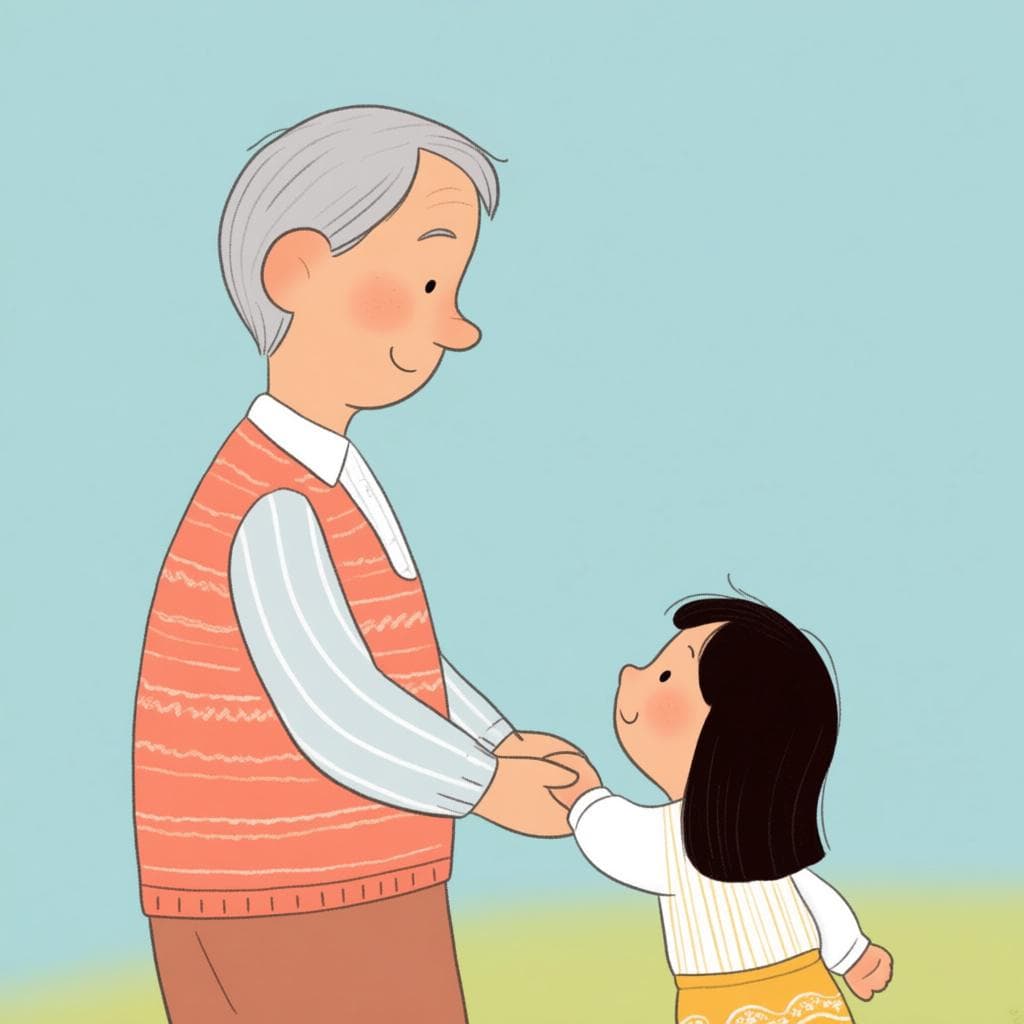
starszy
“Mi hermano mayor tiene veinte años.”

chłopiec
“El muchacho está jugando en el parque.”

kobieta
“Esa mujer es mi profesora de español.”
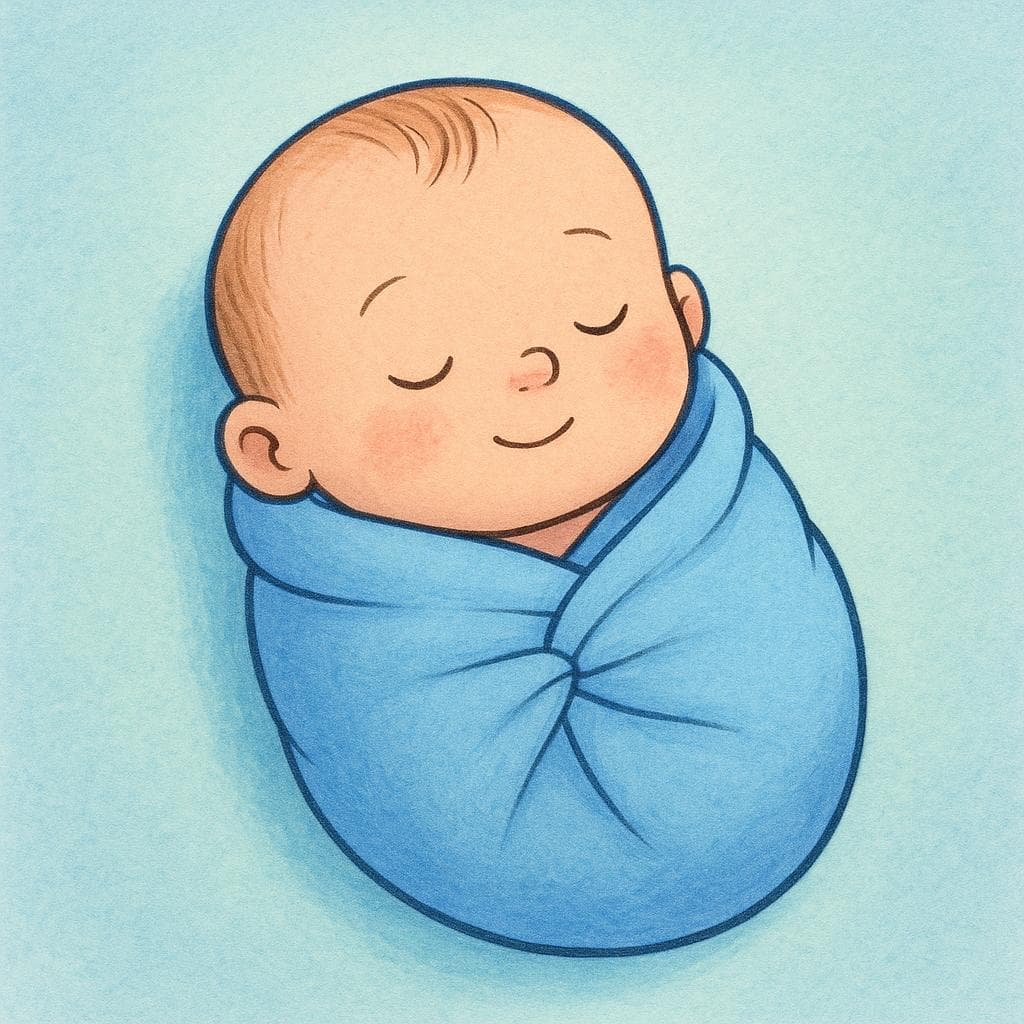
urodzić się
“Mi hermana nació en 1995.”
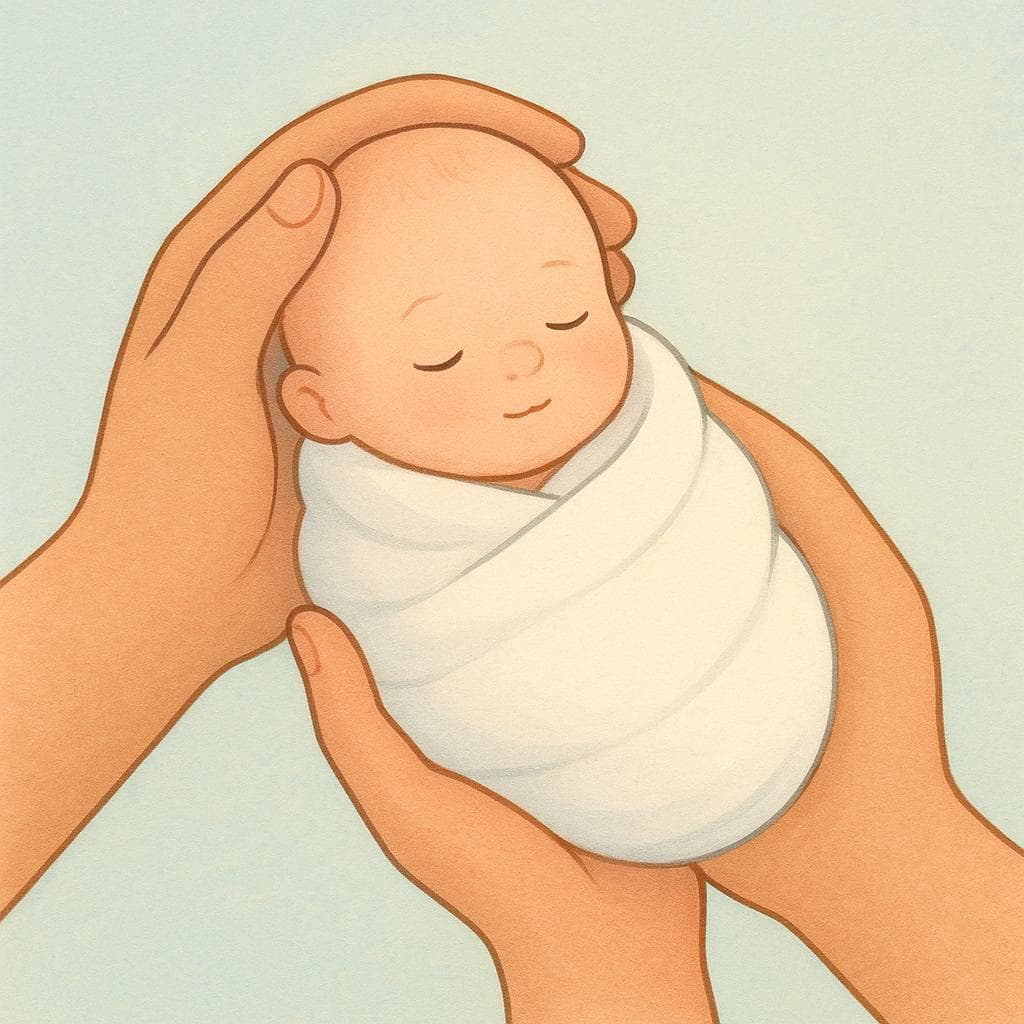
narodziny
“La fecha de su nacimiento es el 15 de mayo.”

chłopczyk
“El nene de mi hermana ya camina solo.”

chłopiec
“El niño juega en el parque.”

wolny
“¿Estás casado o soltero?”

życie
“La vida es un regalo.”

stary
“Mi coche es muy viejo, pero todavía funciona.”
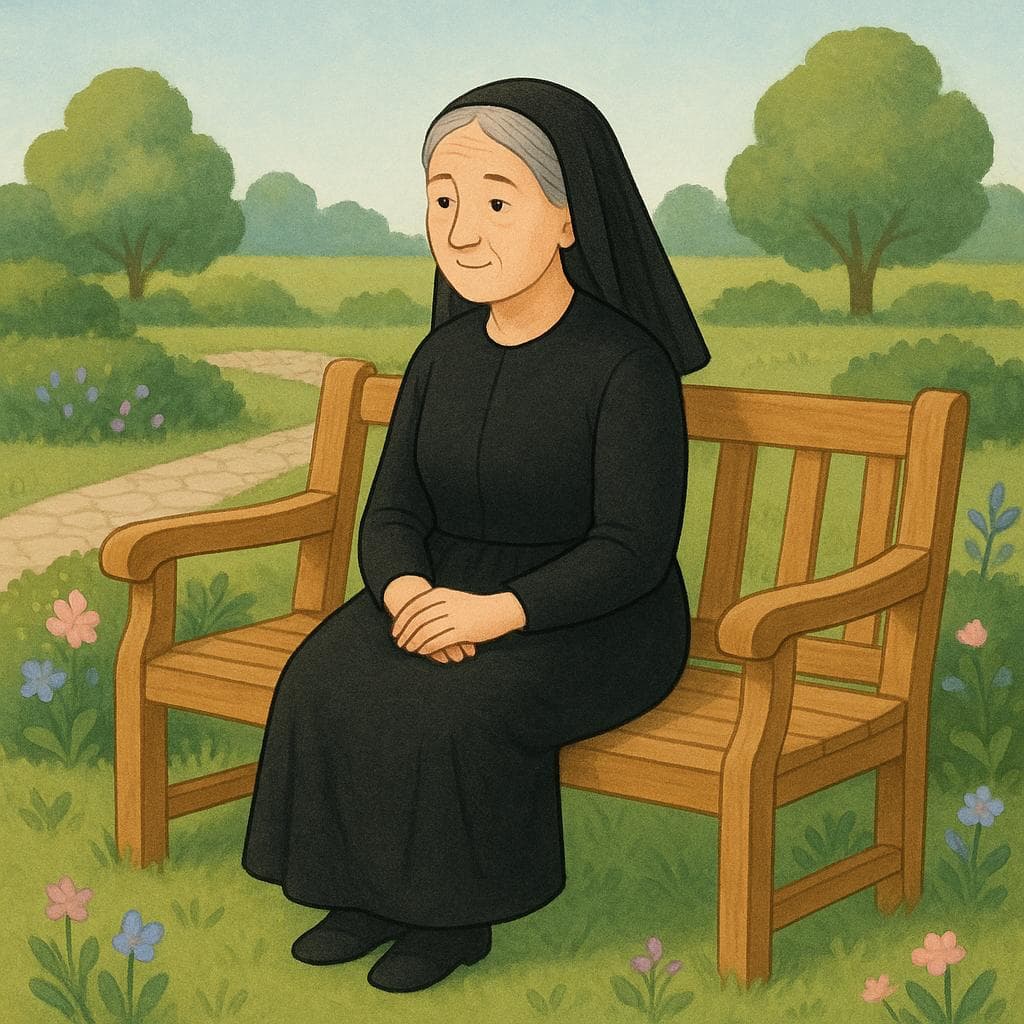
wdowa
“Mi abuela es viuda y vive sola en el campo.”

chłopczyk
“El muchachito está jugando con su perro en el jardín.”
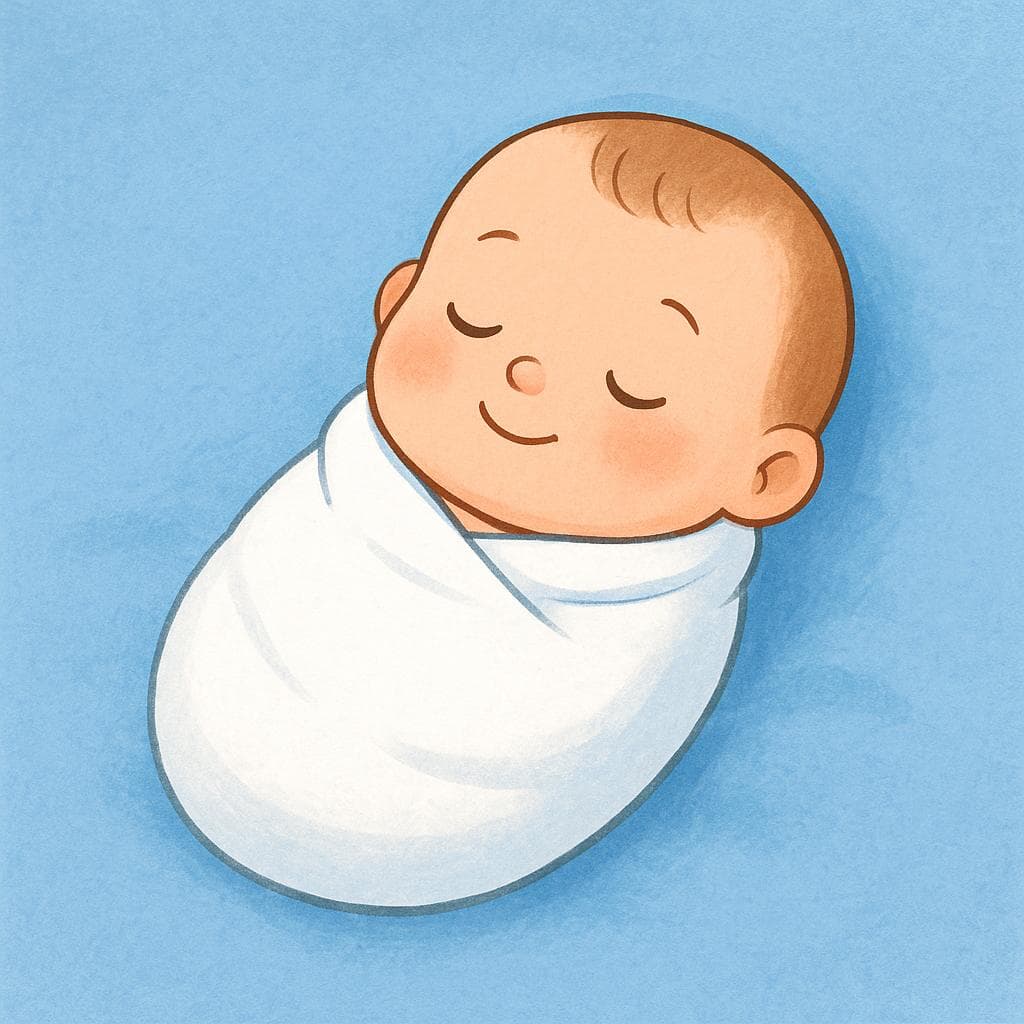
urodzony
“Mi abuelo era un hombre nacido en el campo.”
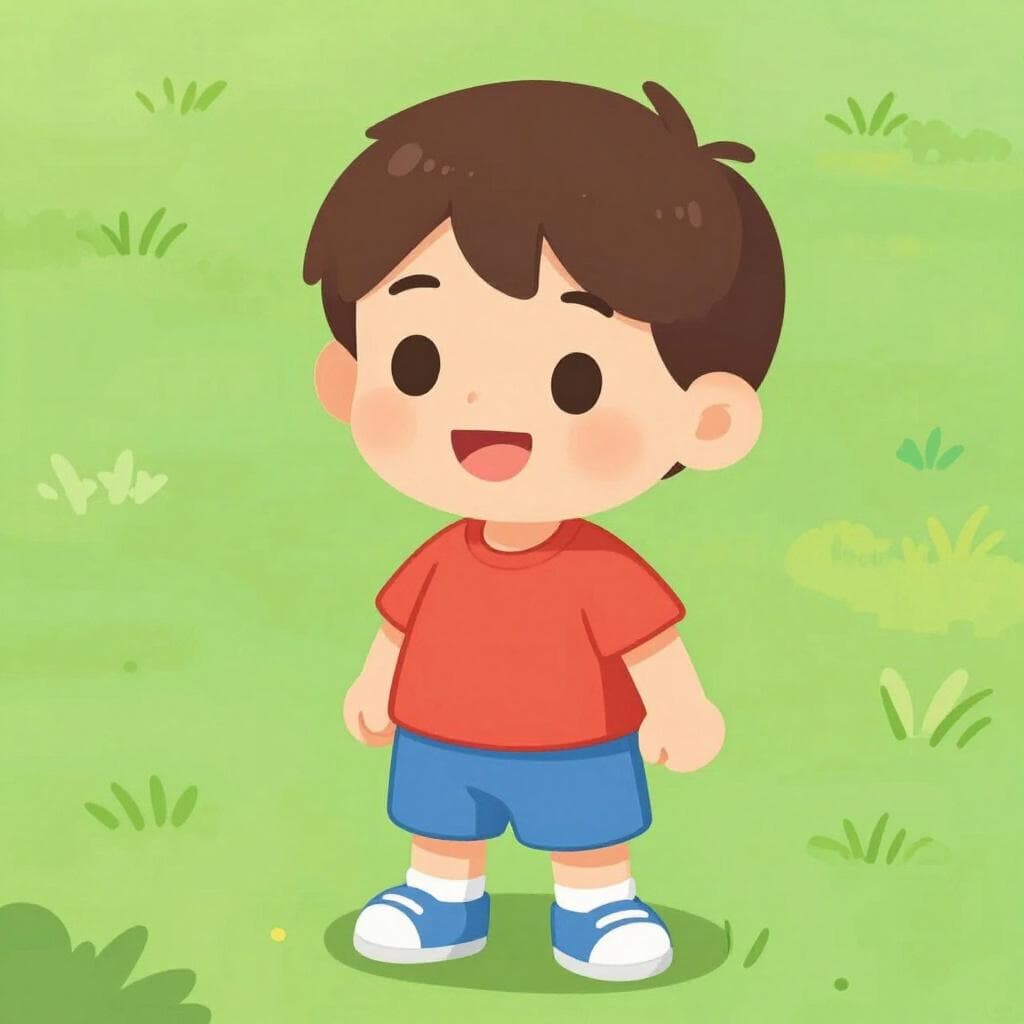
mały chłopiec
“El niñito está durmiendo en su cuna.”
A2 — Podstawowy (13 słów)

okres dojrzewania
“La adolescencia es una etapa de muchos cambios.”

nastolatki
“Los padres están preocupados por el uso de internet de sus adolescentes.”

chłopiec
“El chaval nuevo del barrio juega muy bien al fútbol.”
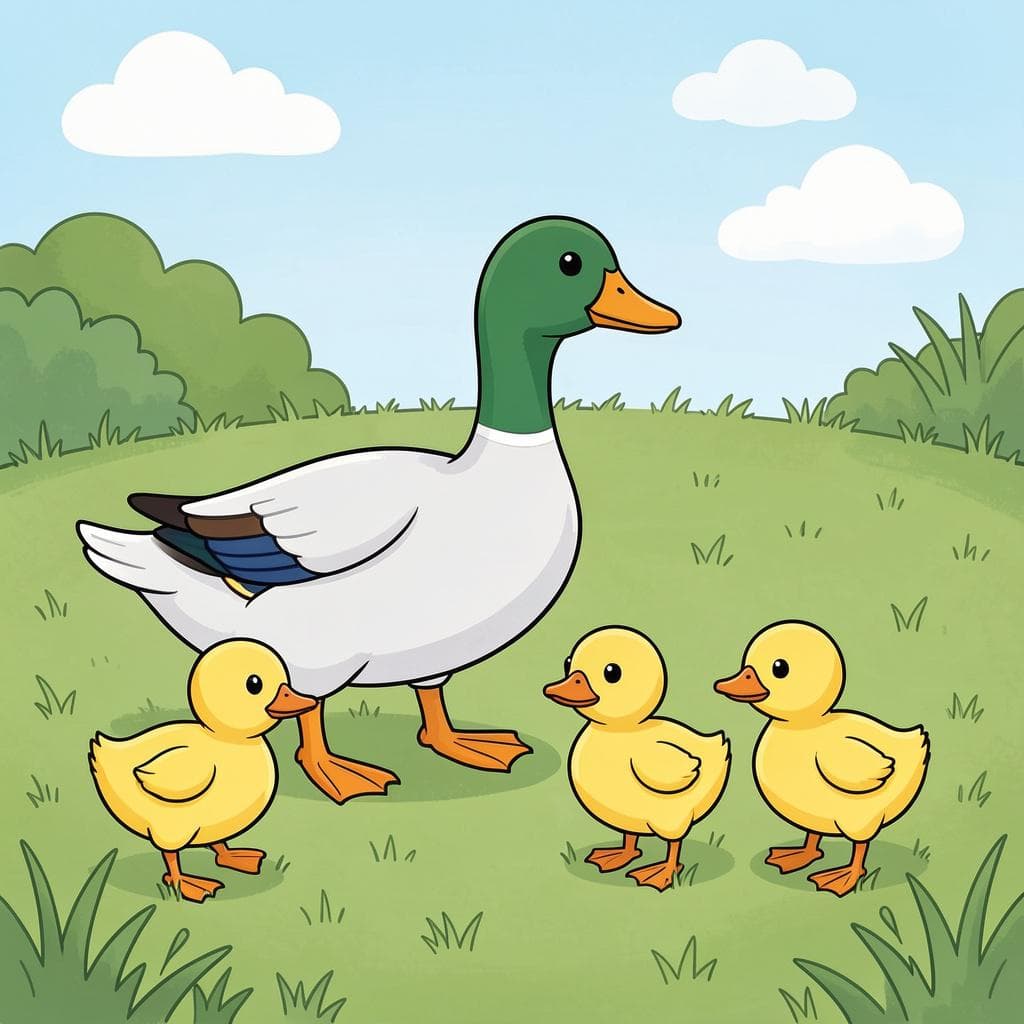
potomstwo
“La leona protege a su cría de los depredadores.”
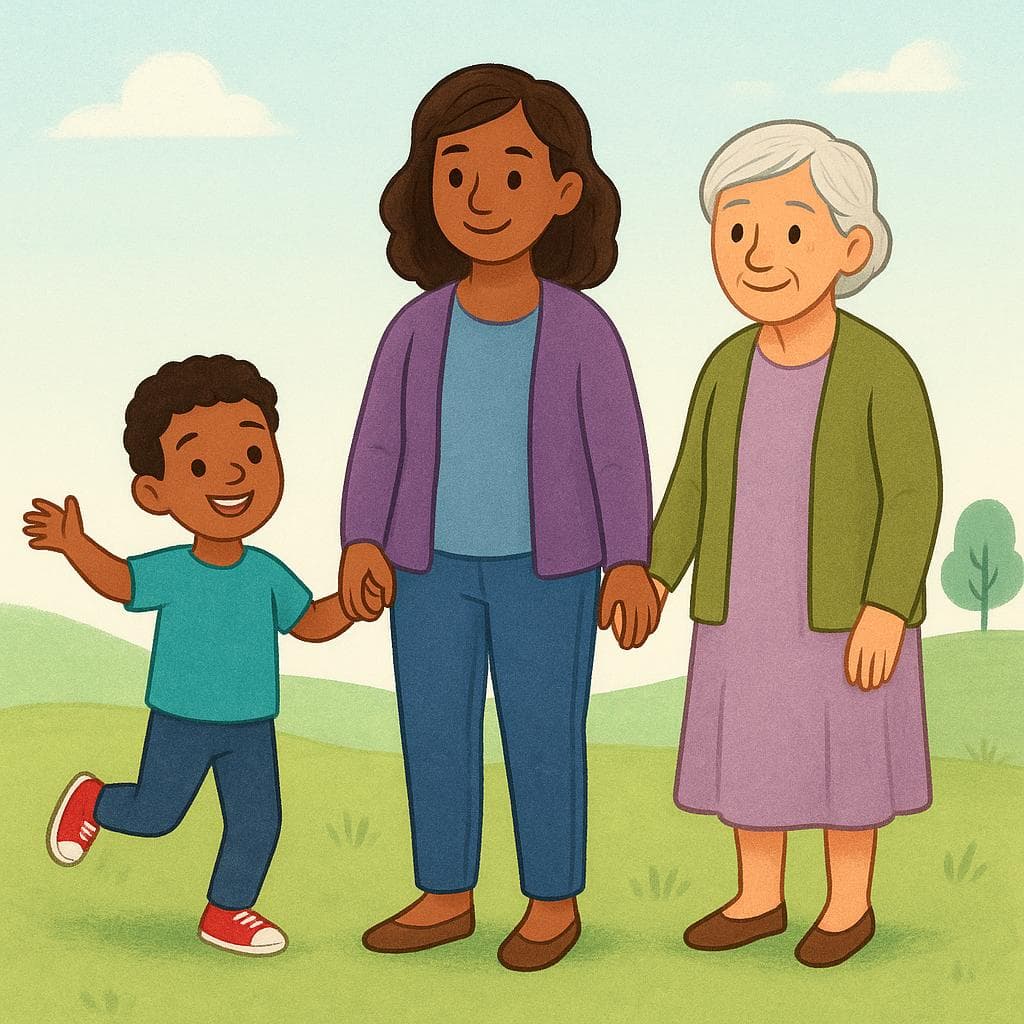
pokolenie
“Mi generación creció sin teléfonos inteligentes.”
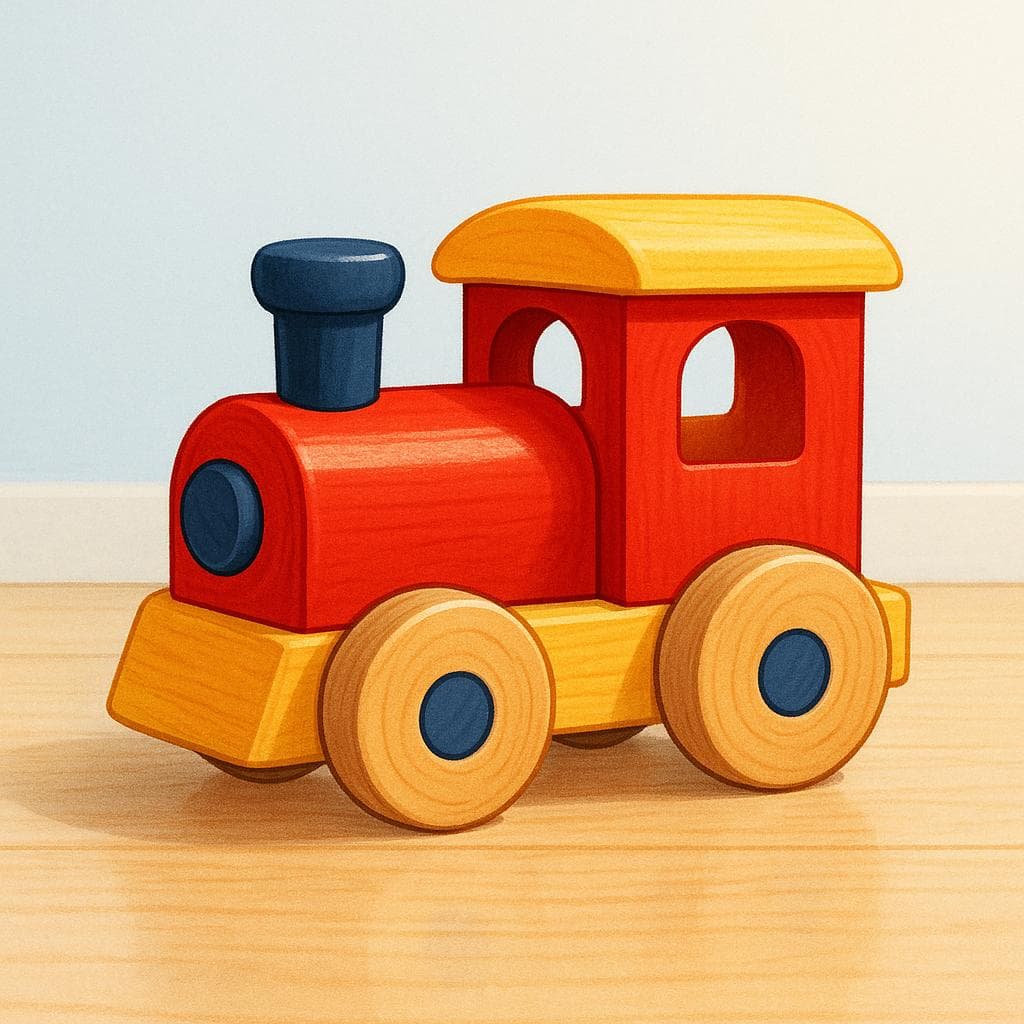
dziecięcy
“Necesitamos comprar ropa infantil para el bebé.”
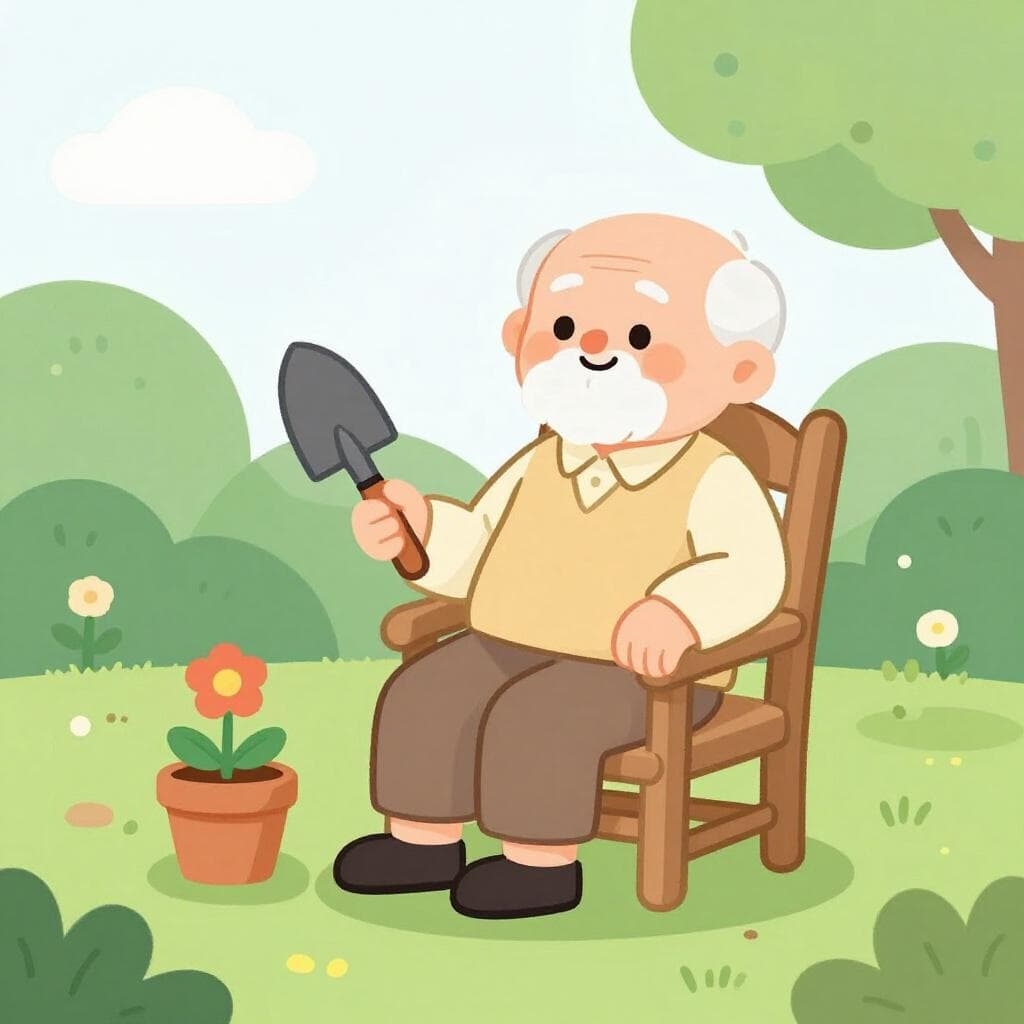
emerytura
“Mi abuelo está muy feliz desde su jubilación.”

na emeryturze
“Mi abuelo está jubilado desde el año pasado.”
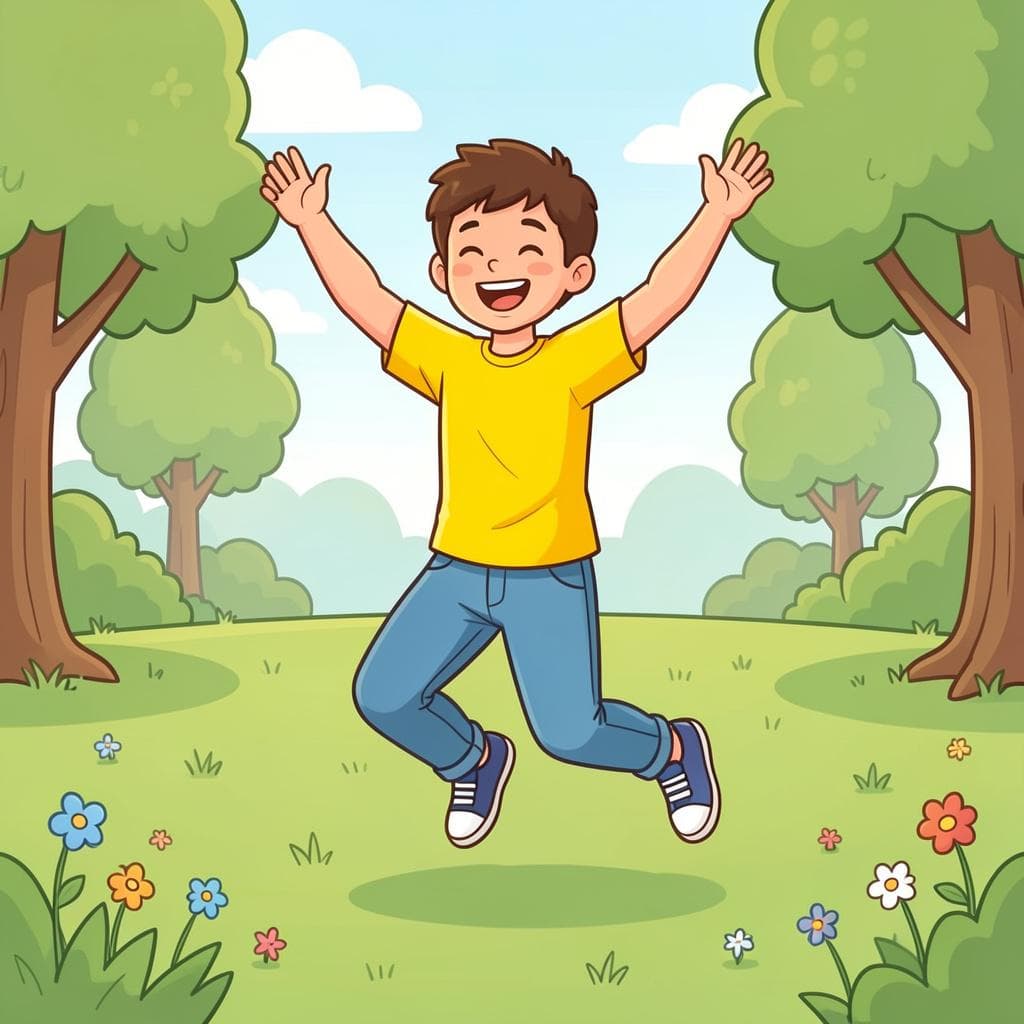
młodzieńczy
“Mi abuelo tiene un espíritu muy juvenil.”
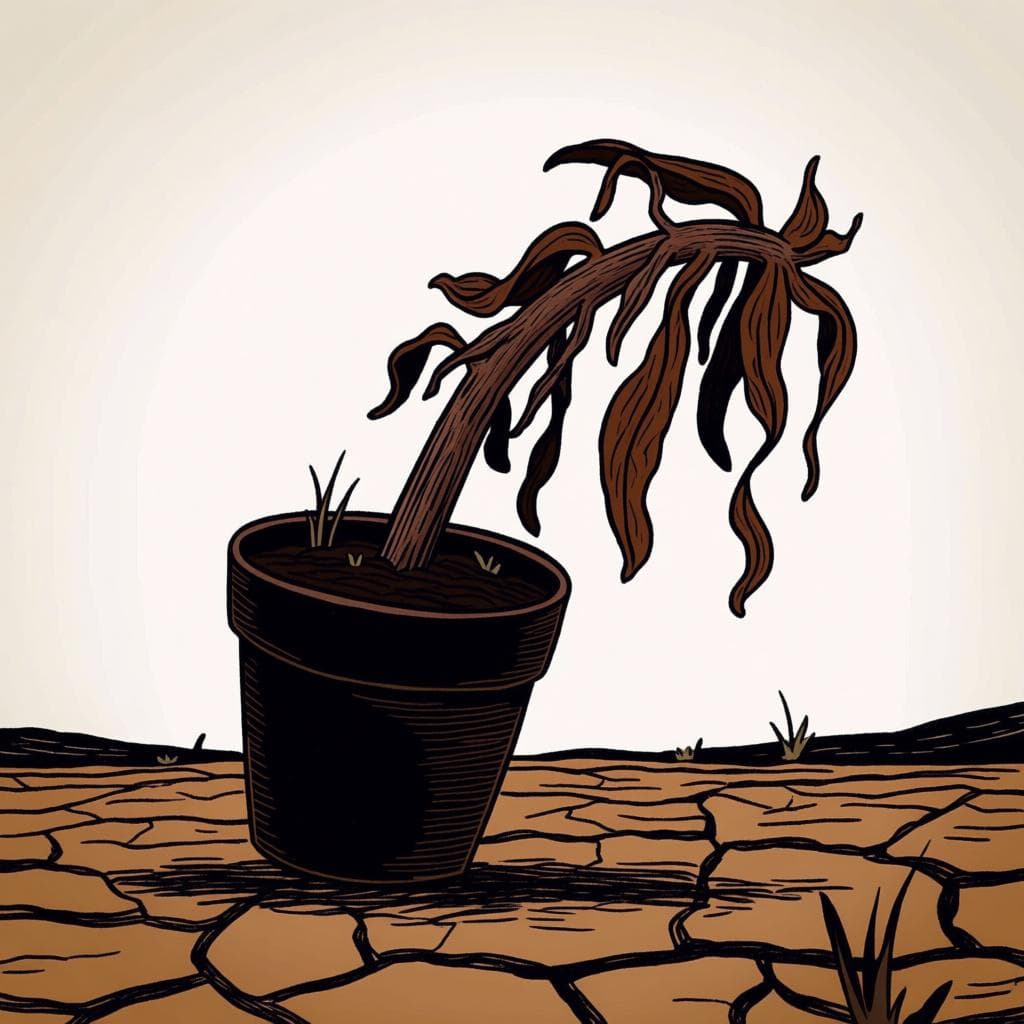
umierać
“Mi abuelo murió el año pasado.”
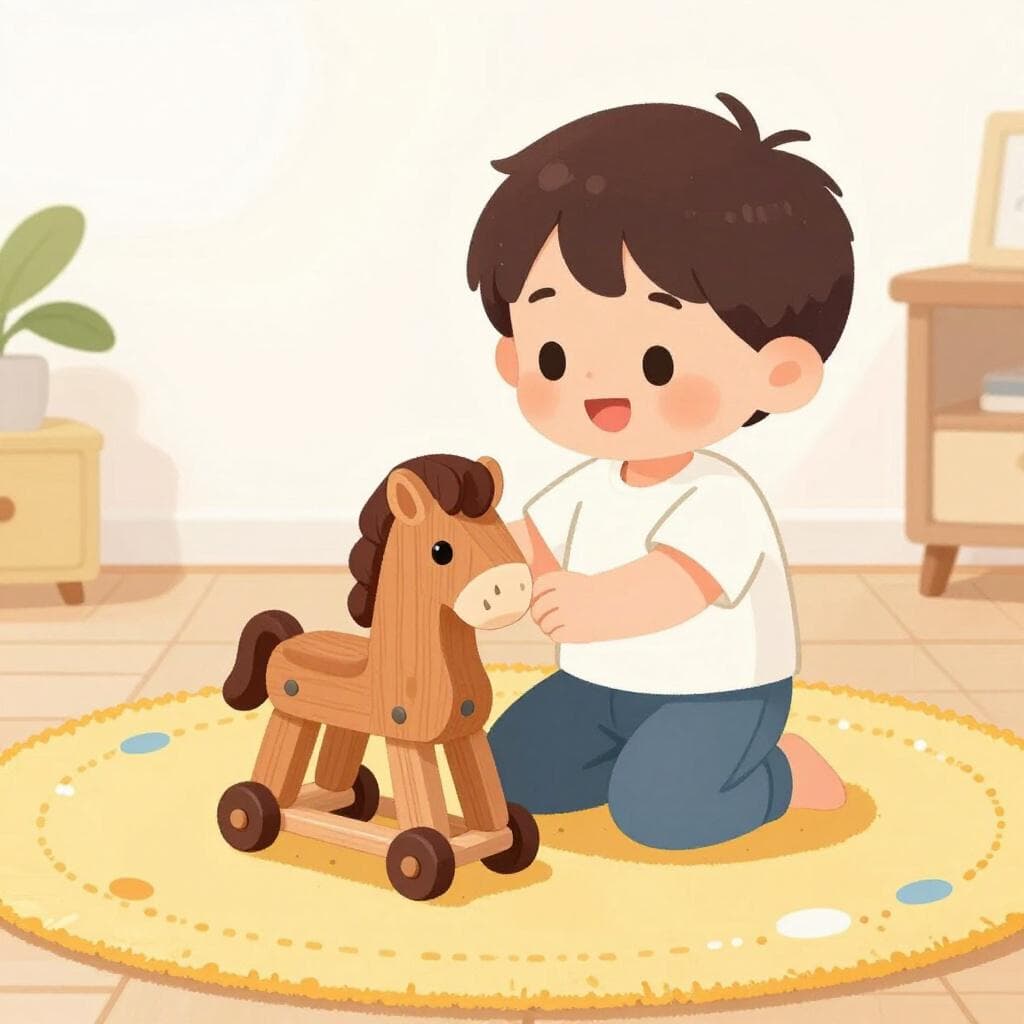
dzieciństwo
“Tuve una niñez muy feliz en el campo.”
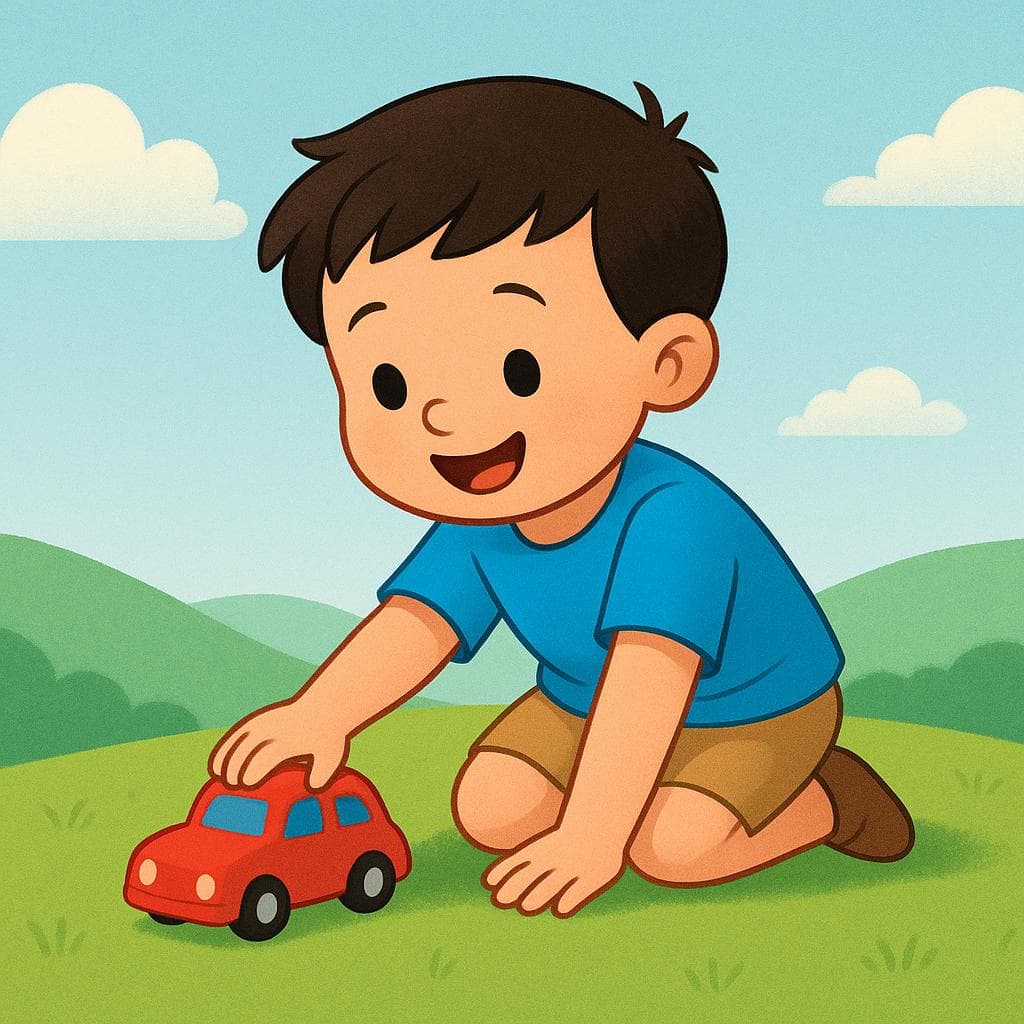
chłopiec
“El jovencito que trabaja en la tienda es muy amable.”
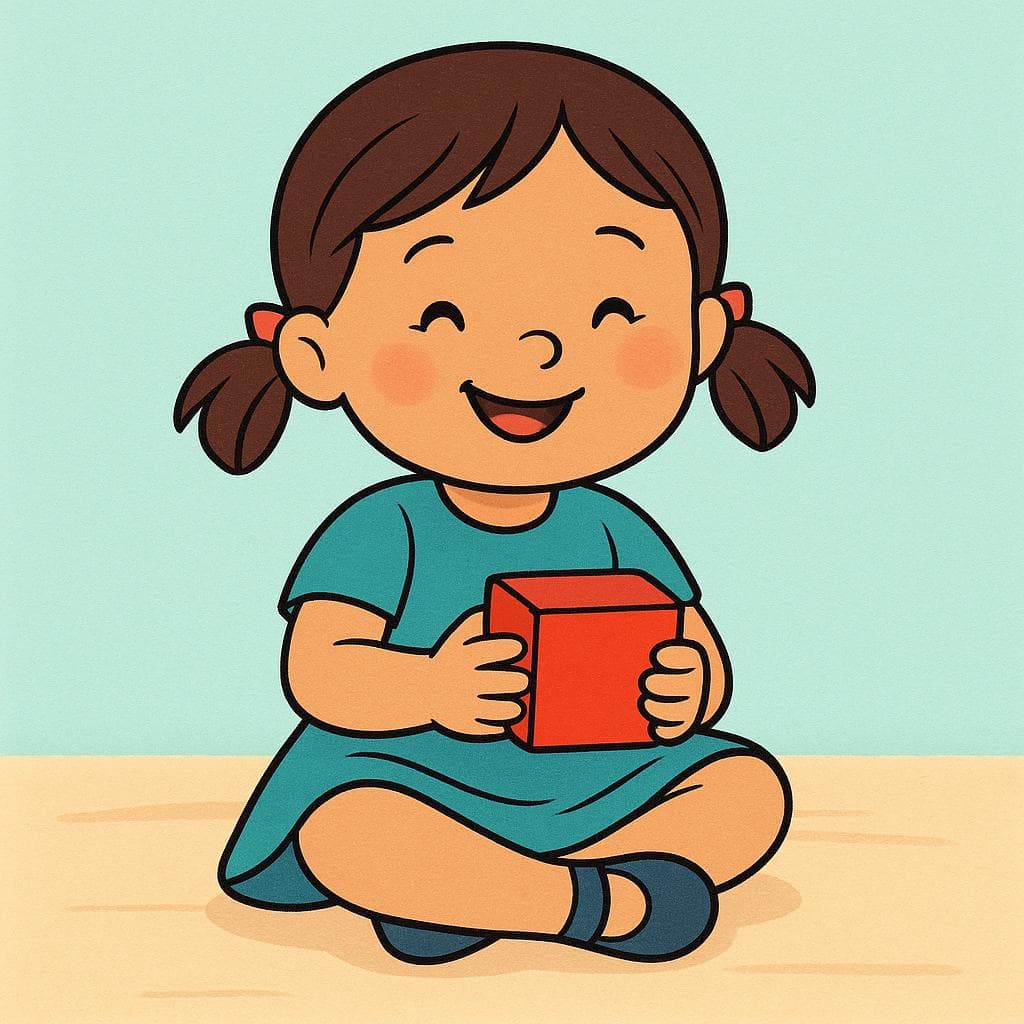
dziewczynka
“La nena está durmiendo la siesta.”
B1 — Średnio zaawansowany (7 słów)

ciąża
“El médico confirmó que mi hermana tiene un embarazo de alto riesgo.”
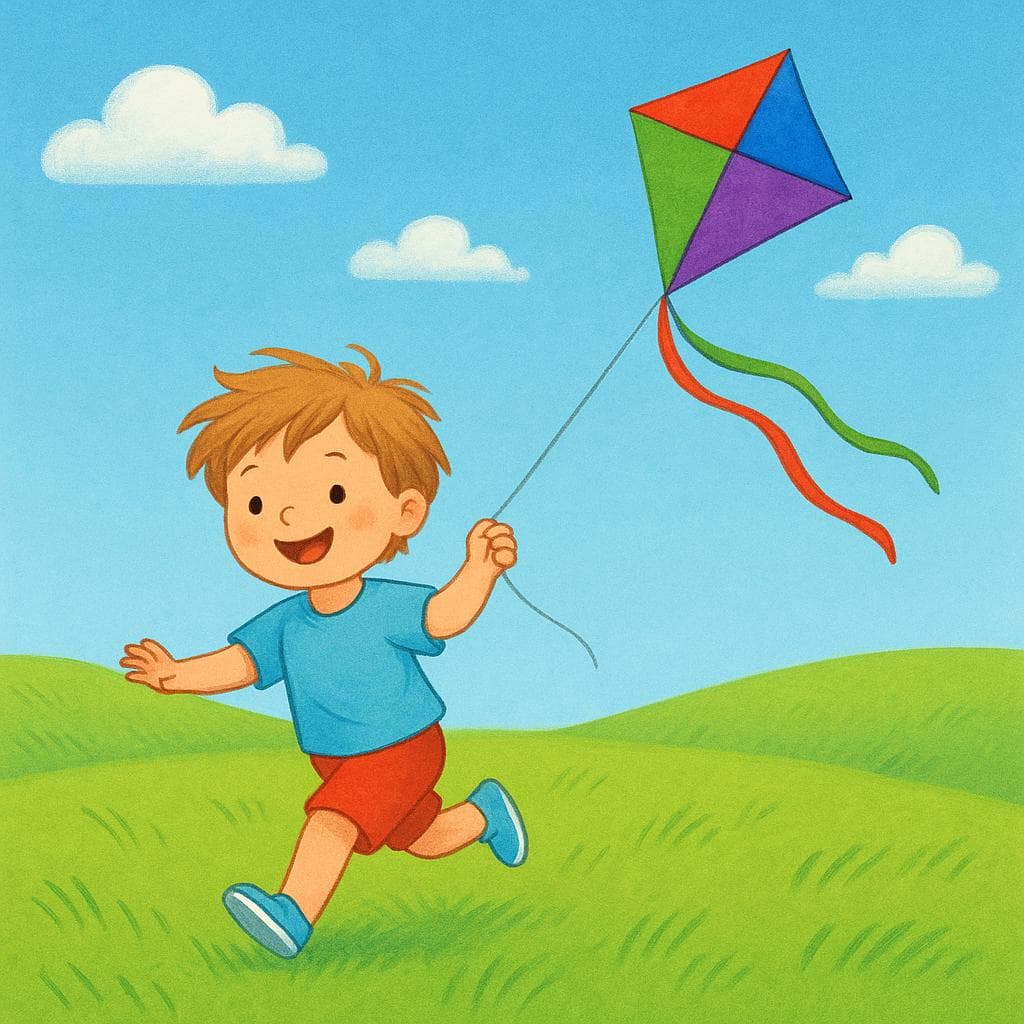
dzieciństwo
“Mi abuela siempre cuenta historias divertidas de su infancia.”

młodość
“Mi abuela siempre dice que la juventud es el mejor tesoro.”

starość
“Mi abuela es muy activa en su vejez.”

stuletni
“Este olivo centenario ha visto pasar muchas generaciones.”
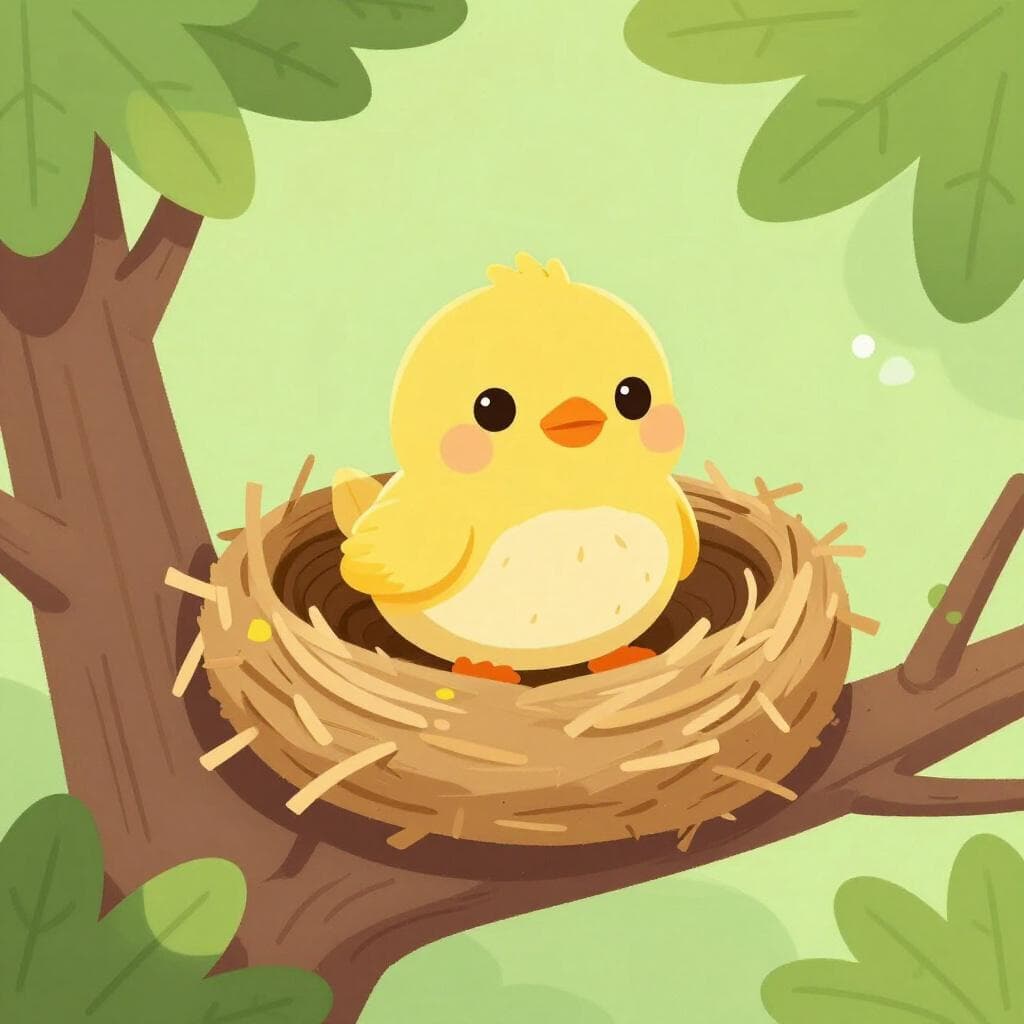
rodzimy
“Ella siempre extraña su ciudad natal.”
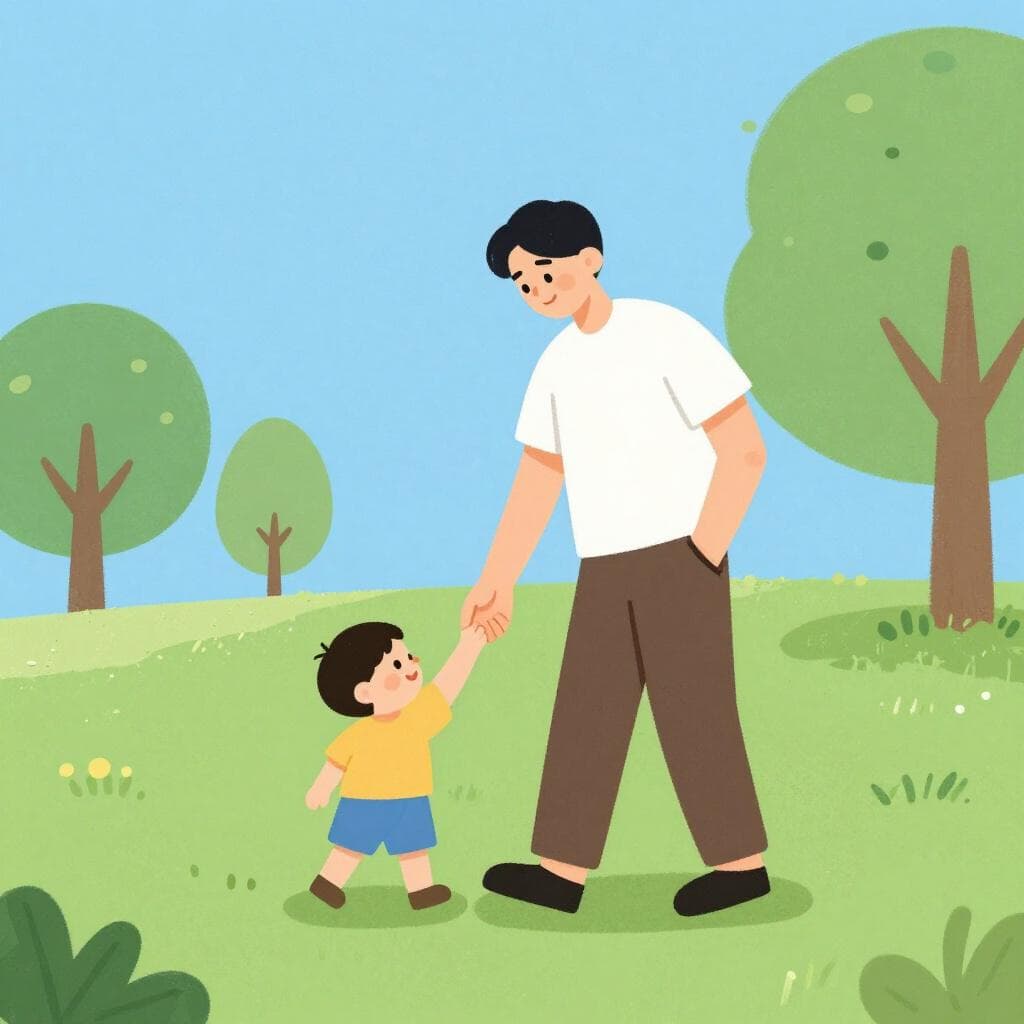
ojcostwo
“La paternidad ha cambiado su forma de ver la vida.”
B2 — Wyższy średnio zaawansowany (3 słów)

Książę
“El infante saludó a los ciudadanos desde el balcón.”

przedwcześnie rozwinięty
“Mozart fue un niño muy precoz que componía música a los cinco años.”

umierający
“El animal moribundo fue rescatado por los veterinarios.”
Wskazówki gramatyczne
Uzgodnienie płci jest kluczowe
Wiele słów związanych z wiekiem i etapami życia zmienia swoje zakończenie w zależności od płci. Na przykład 'el adulto' (dorosły, mężczyzna) staje się 'la adulta' (dorosła, kobieta). Odnosząc się do grupy osób mieszanych lub samych mężczyzn, użyj liczby mnogiej rodzaju męskiego: 'los adultos'. Dla grupy składającej się wyłącznie z kobiet, użyj liczby mnogiej rodzaju żeńskiego: 'las adultas'.
Opisywanie wieku za pomocą 'Tener'
Zamiast mówić 'Mam X lat' jak po angielsku ('I am 30'), po hiszpańsku używa się czasownika 'tener' (mieć). Mówisz 'Tengo 30 años', co dosłownie oznacza 'Mam 30 lat'. Dotyczy to wszystkich wieków i etapów życia.
Liczba mnoga etapów życia
Mówiąc o etapach życia, często zobaczysz je w liczbie mnogiej. Na przykład 'la adolescencia' (adolescencja) staje się 'las adolescencias', gdy odnosimy się do okresów dojrzewania wielu osób lub różnych faz adolescencji. Podobnie 'la vejez' (starość) może być używane w kontekstach liczby mnogiej.
Typowe błędy
Niepoprawne stwierdzenie wieku
Błąd: “Yo soy 25 años.”
Poprawka: Yo tengo 25 años. — Po hiszpańsku używa się czasownika 'tener' (mieć) do wyrażania wieku, a nie 'ser' (być).
Brak uzgodnienia płci
Błąd: “Mi hermana es un adulto.”
Poprawka: Mi hermana es una adulta. — Przymiotniki i rzeczowniki opisujące osoby muszą być zgodne pod względem płci z osobą, do której się odnoszą. Ponieważ 'hermana' (siostra) jest rodzaju żeńskiego, 'adulto' musi stać się 'adulta'.
Mylenie liczby pojedynczej i mnogiej
Błąd: “Los joven es muy activo.”
Poprawka: Los jóvenes son muy activos. — Jeśli mówisz o 'los jóvenes' (młodzi ludzie, liczba mnoga), czasownik i przymiotnik również muszą być w liczbie mnogiej ('son', 'activos'). Jeśli odnosisz się do jednej młodej osoby, brzmiałoby to: 'El joven es muy activo'.
Notatki kulturowe
Szacunek dla starszych
W wielu kulturach hiszpańskojęzycznych kładzie się duży nacisk na szacunek dla starszych. Terminy takie jak 'anciano/a' (osoba starsza) są często używane z tonem szacunku, a w społeczeństwie ogólnie ceni się mądrość i doświadczenie starszych pokoleń.
Młody duch
Chociaż istnieją terminy określające wiek podeszły, istnieje również kulturowe docenienie utrzymywania młodego ducha niezależnie od wieku metrykalnego. Możesz usłyszeć, jak osoby w wieku 50 lub 60 lat nadal odnoszą się do siebie lub swoich rówieśników za pomocą terminów związanych z młodością, podkreślając sposób myślenia, a nie ścisłe ramy wiekowe.