
Lotnisko i loty po hiszpańsku
Przygotowujesz się do zagranicznej podróży? Ten zestaw słownictwa pomoże Ci poruszać się po lotnisku i zrozumieć wszystko o swoim locie. Od rezerwacji biletu po rozumienie komunikatów – znajomość tych terminów sprawi, że Twoja podróż będzie znacznie płynniejsza. Język hiszpański często używa rzeczowników z określonym rodzajem gramatycznym, więc zwróć uwagę na to, jak działają słowa takie jak 'aerolínea' (żeński) i 'aeropuerto' (męski)!
Szybka ściąga
| Hiszpański | Polski | Przykład | Poziom |
|---|---|---|---|
aéreo | powietrzny | El transporte aéreo es el más rápido para largas distancias. | A2 |
aeropuerto | lotnisko | El aeropuerto internacional es muy grande. | A1 |
avión | samolot | El avión despega a las siete de la mañana. | A1 |
despegar | odkleić | Ten cuidado al despegar la etiqueta del regalo. | A2 |
despegue | start | El avión está listo para el despegue. | A2 |
embarque | wchodzenie na pokład | El embarque del vuelo 402 comienza en la puerta cinco. | A2 |
equipaje | bagaż | Necesito facturar mi equipaje antes de abordar. | A1 |
llegada | przybycie | Esperamos la llegada de mi tía en el aeropuerto. | A1 |
pasaporte | paszport | Perdí mi pasaporte antes de mi vuelo a Madrid. | A1 |
vuelo | lot | Nuestro vuelo a Chile sale a las diez de la noche. | A1 |
aduana | cło | Tuvimos que esperar una hora en la aduana del aeropuerto. | B1 |
aerolínea | linia lotnicza | ¿Qué aerolínea tiene los vuelos más baratos? | A2 |
A1 — Początkujący (6 słów)

lotnisko
“El aeropuerto internacional es muy grande.”

samolot
“El avión despega a las siete de la mañana.”

bagaż
“Necesito facturar mi equipaje antes de abordar.”

przybycie
“Esperamos la llegada de mi tía en el aeropuerto.”

paszport
“Perdí mi pasaporte antes de mi vuelo a Madrid.”

lot
“Nuestro vuelo a Chile sale a las diez de la noche.”
A2 — Podstawowy (9 słów)

powietrzny
“El transporte aéreo es el más rápido para largas distancias.”

odkleić
“Ten cuidado al despegar la etiqueta del regalo.”
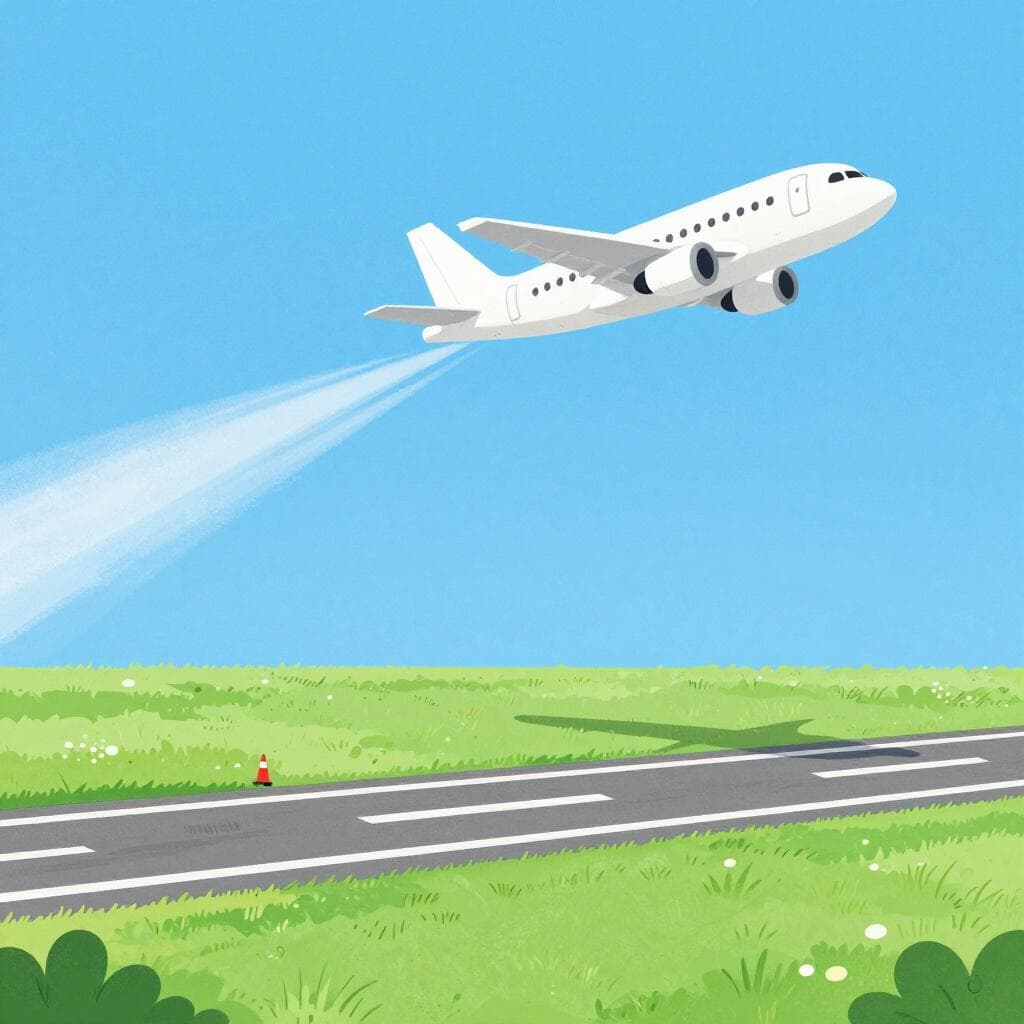
start
“El avión está listo para el despegue.”

wchodzenie na pokład
“El embarque del vuelo 402 comienza en la puerta cinco.”

linia lotnicza
“¿Qué aerolínea tiene los vuelos más baratos?”
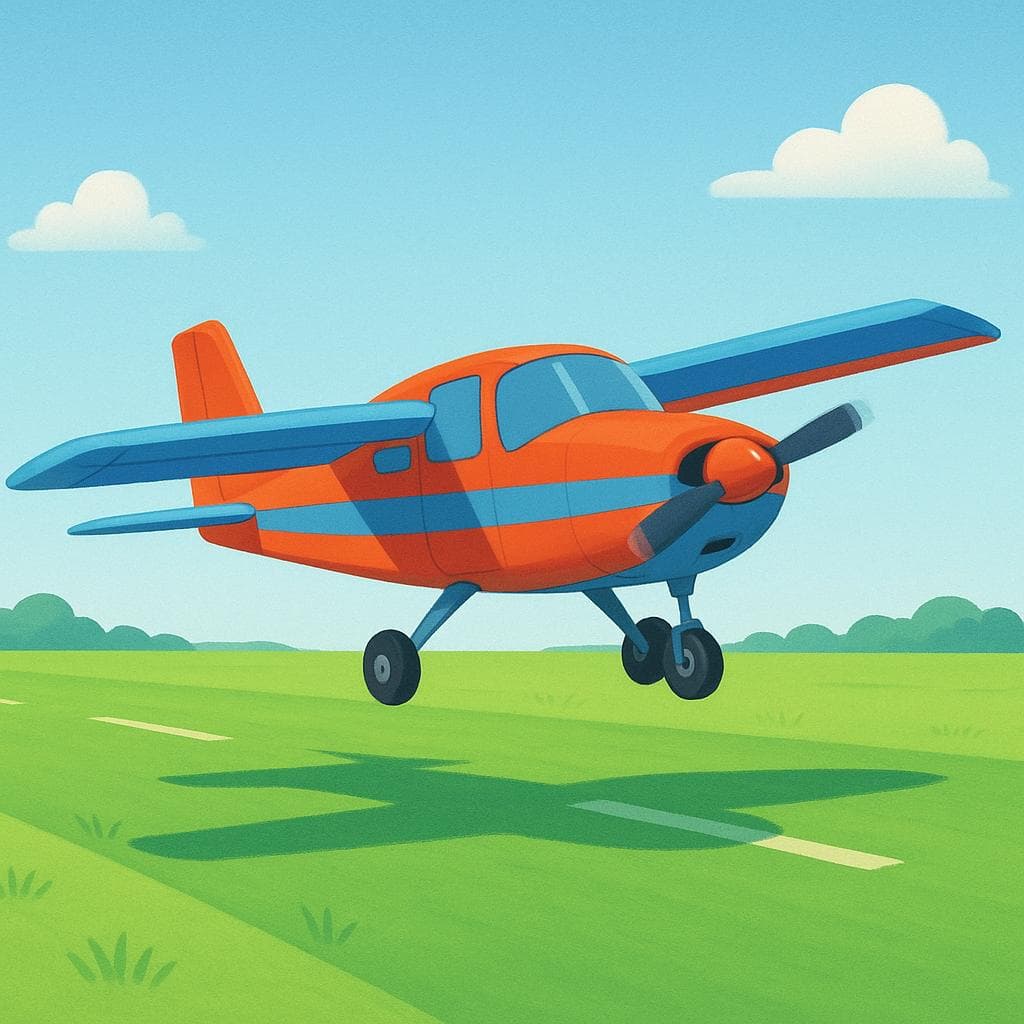
lądować
“El avión va a aterrizar en diez minutos.”

wchodzić na pokład
“Los pasajeros deben embarcar por la puerta cuatro.”

steward
“El azafato es muy amable.”
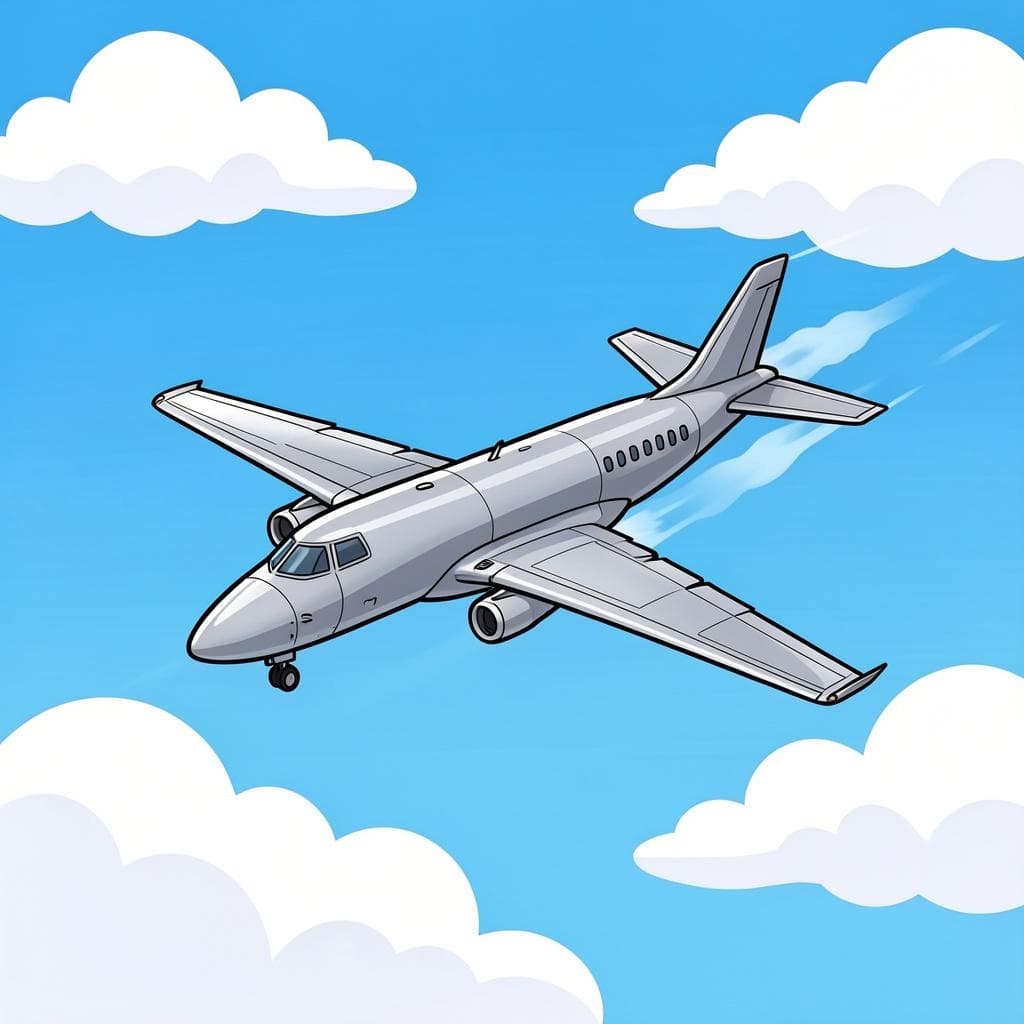
jet
“El equipo de fútbol viajó en un jet privado.”
B1 — Średnio zaawansowany (6 słów)
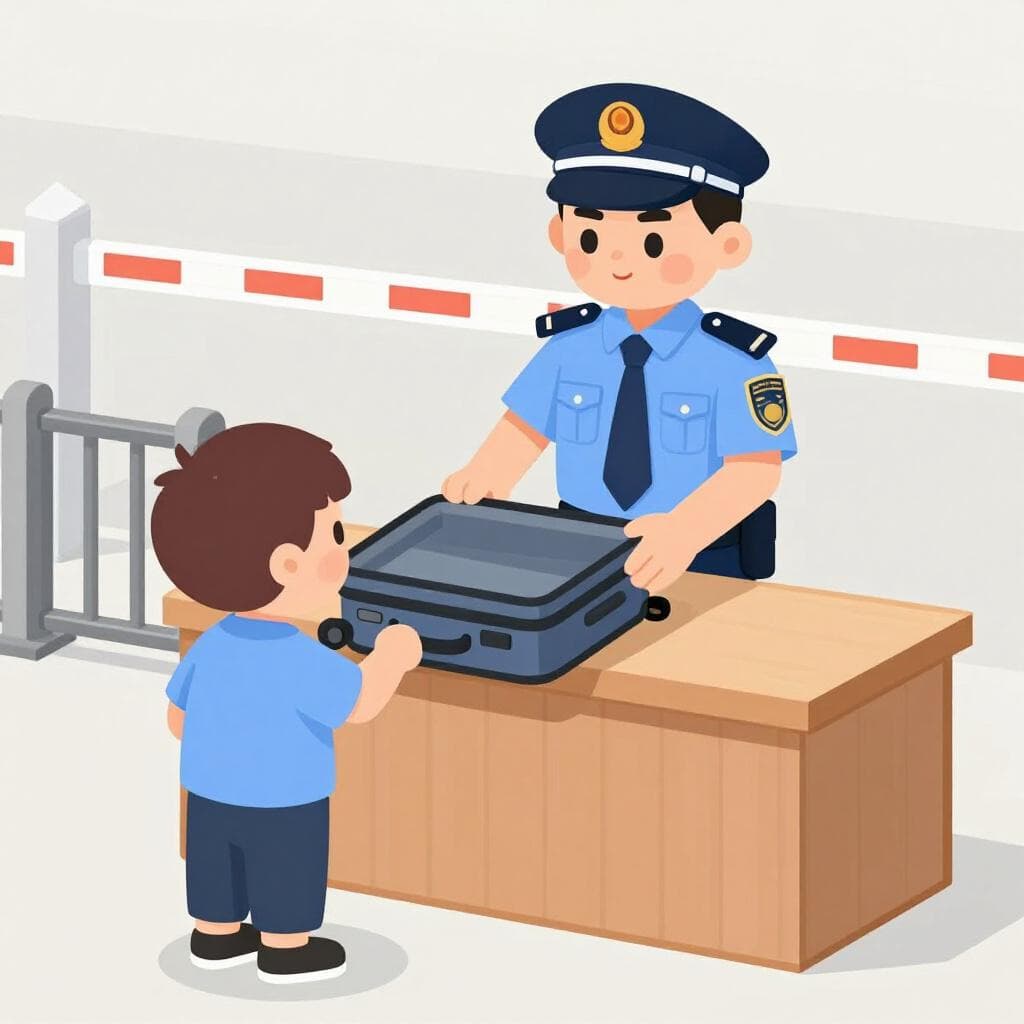
cło
“Tuvimos que esperar una hora en la aduana del aeropuerto.”
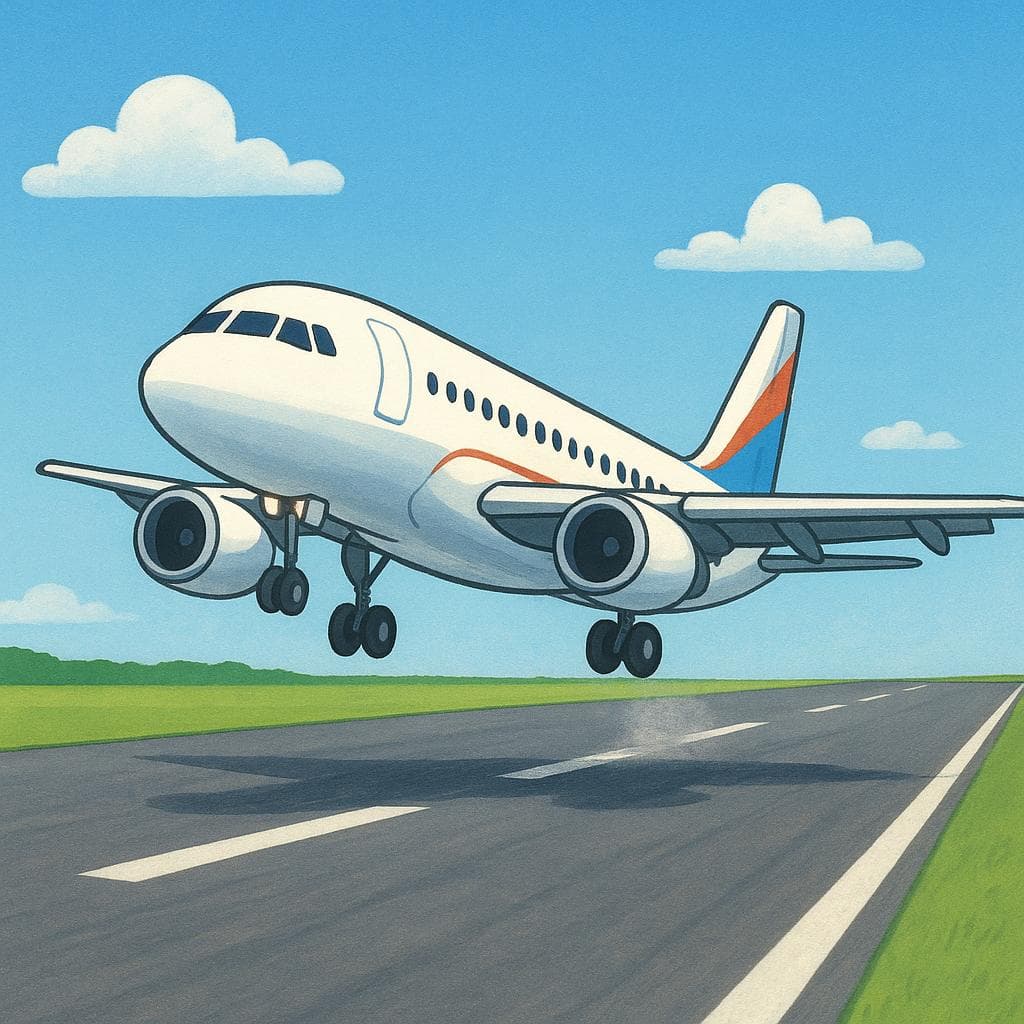
lądowanie
“El piloto anunció que el aterrizaje sería en diez minutos.”

załoga
“La tripulación del avión fue muy amable durante el vuelo.”

lotnictwo
“La aviación ha progresado mucho en el último siglo.”

wysiadać
“Los pasajeros comenzaron a desembarcar a las ocho de la mañana.”

członek załogi
“El tripulante nos indicó dónde estaban las salidas de emergencia.”
Wskazówki gramatyczne
Rzeczowniki rodzaju męskiego i żeńskiego
Wiele rzeczowników związanych z lotniskiem i lotami w języku hiszpańskim ma rodzaj gramatyczny. 'El aeropuerto' (lotnisko) jest rodzaju męskiego, podczas gdy 'la aerolínea' (linia lotnicza) jest rodzaju żeńskiego. Wpływa to na rodzajniki ('el'/'la') i przymiotniki używane z nimi. Na przykład 'la puerta grande' (duża brama) i 'el vuelo directo' (bezpośredni lot).
Koniugacje czasowników dla czynności
Czasowniki takie jak 'aterrizar' (lądować) i 'despegar' (startować) zmieniają swoje końcówki w zależności od tego, kto wykonuje czynność i kiedy. Na przykład 'El avión despega' (Samolot startuje - czas teraźniejszy) kontra 'Ayer, el avión despegó' (Wczoraj samolot wystartował - czas przeszły).
Liczba mnoga dla lotów i pasażerów
Aby mówić o wielu lotach lub pasażerach, po prostu dodaj '-s' lub '-es' do rzeczownika w liczbie pojedynczej. 'El vuelo' (lot) staje się 'los vuelos' (loty), a 'el pasajero' (pasażer) staje się 'los pasajeros' (pasażerowie). Pamiętaj, aby dopasować rodzajnik do rzeczownika w liczbie mnogiej.
Typowe błędy
Nieprawidłowy czas czasownika
Błąd: “Yo aterricé en el aeropuerto ayer.”
Poprawka: Yo aterricé en el aeropuerto ayer. — Czasownik 'aterrizar' jest używany do lądowania samolotów. W przypadku osób przybywających na lotnisko zazwyczaj używa się 'llegar' (przybyć). Zatem 'Yo llegué al aeropuerto ayer' jest bardziej naturalne.
Błąd zgodności rodzaju
Błąd: “La avión está listo.”
Poprawka: El avión está listo. — 'Avión' (samolot) to w języku hiszpańskim rzeczownik rodzaju męskiego, dlatego wymaga męskiego rodzajnika 'el', a nie żeńskiego 'la'.
Mylenie wsiadania i wysiadania
Błąd: “Vamos a desembarcar el avión ahora.”
Poprawka: Vamos a embarcar en el avión ahora. — 'Embarcar' oznacza wsiadać (wchodzić na pokład) samolotu, podczas gdy 'desembarcar' oznacza wysiadać (schodzić z pokładu) samolotu. Użyj 'embarcar', gdy wsiadasz.
Notatki kulturowe
Komunikaty przy bramkach
Słuchaj uważnie komunikatów przy bramkach! W wielu krajach hiszpańskojęzycznych informacje o lotach mogą być ogłaszane szybko i mogą zawierać specyficzny żargon. Pomocne jest znajomość kluczowych zwrotów, takich jak 'la puerta de embarque' (brama do wejścia na pokład) i 'última llamada' (ostatnie wezwanie).
Poruszanie się po kontroli celnej
Proces 'aduana' (cło) jest podobny na całym świecie, ale bądź przygotowany na to, że funkcjonariusze będą zadawać pytania po hiszpańsku. Znajomość podstawowych zwrotów, takich jak 'Tengo algo que declarar' (Mam coś do oclenia) lub 'Nada que declarar' (Nic do oclenia), może być bardzo przydatna.