
Przyprawy i dodatki po hiszpańsku
Urozmaić swoje doświadczenia związane z hiszpańską kuchnią i jedzeniem dzięki temu niezbędnemu słownictwu dotyczącymi przypraw i dodatków! Znajomość tych słów pomoże ci nie tylko zamawiać jedzenie i korzystać z przepisów, lecz także zrozumieć bogactwo smaków charakterystycznych dla kuchni hiszpańskiej i latynoamerykańskiej. Od szczypty soli po odrobinę ostrego sosu — te określenia pozwolą ci prowadzić smakowite rozmowy o jedzeniu.
Szybka ściągawka
| Hiszpański | Tłumaczenie | Przykład | Poziom |
|---|---|---|---|
aceite | olej | Necesito un poco de aceite de oliva para la ensalada. | A1 |
ajo | czosnek | Necesito tres dientes de ajo para la salsa. | A1 |
canela | cynamon | Me gusta ponerle un poco de canela a mi café. | A1 |
clavo | gwóźdź | Necesito un martillo y un clavo para colgar este cuadro. | A1 |
especies | przyprawy | Esta receta lleva muchas especies exóticas. | A2 |
hierbas | zioła | Cocino con hierbas frescas de mi jardín. | A1 |
mantequilla | masło | Quiero pan tostado con mantequilla para el desayuno. | A1 |
mostaza | musztarda | Pásame la mostaza para mi perro caliente, por favor. | A1 |
picante | pikantny | Esta salsa roja es demasiado picante para mí. | A1 |
pimienta | pieprz | Pásame la sal y la pimienta, por favor. | A1 |
pizca | szczypta | Añade una pizca de sal a la sopa. | A2 |
sal | sól | La sopa necesita un poco más de sal. | A1 |
A1 — Początkujący (13 słów)
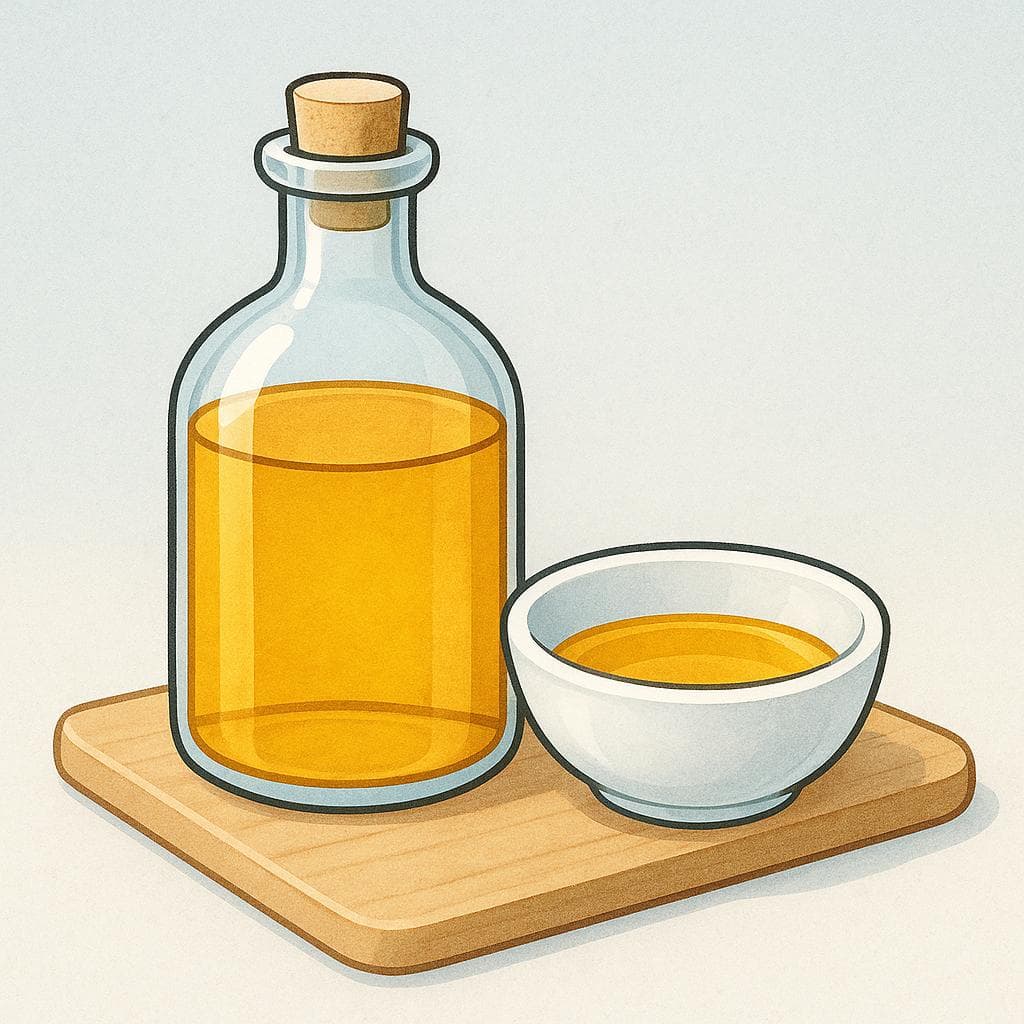
olej
“Necesito un poco de aceite de oliva para la ensalada.”
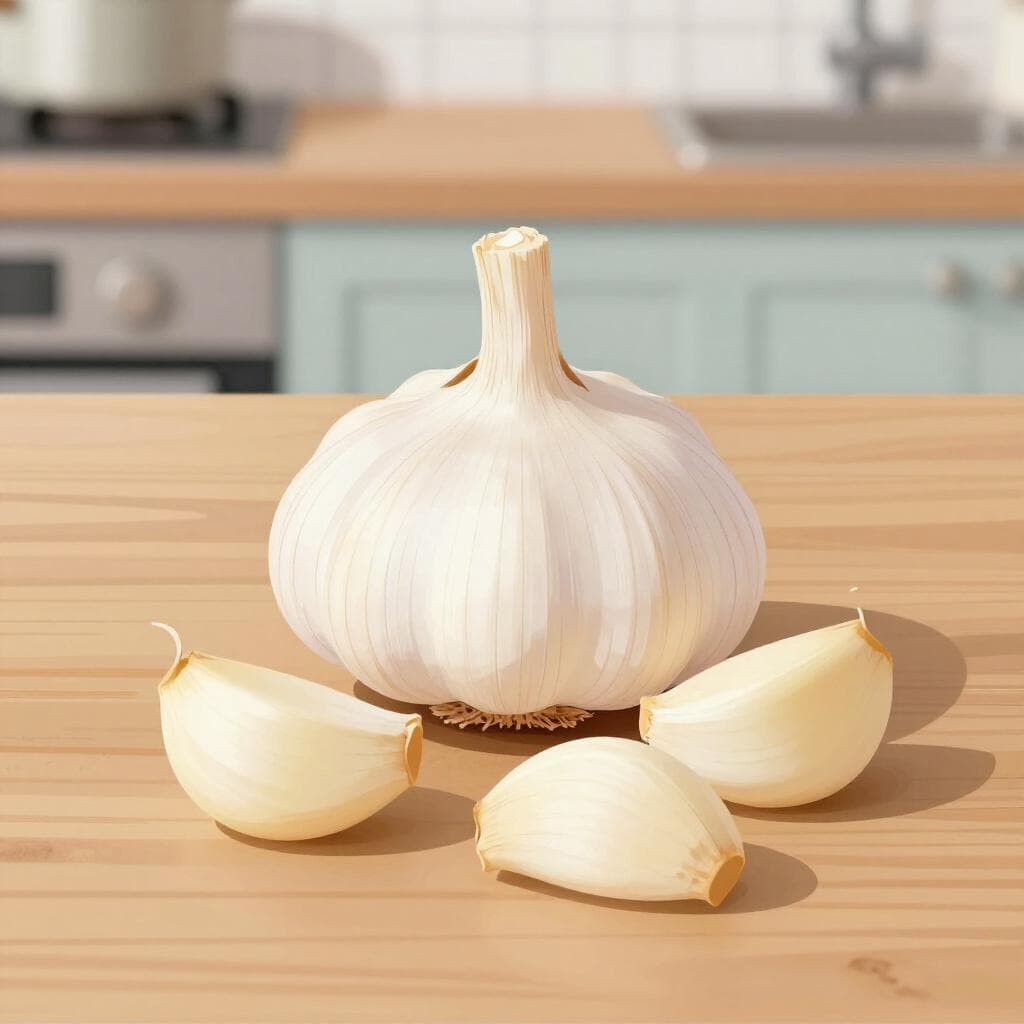
czosnek
“Necesito tres dientes de ajo para la salsa.”
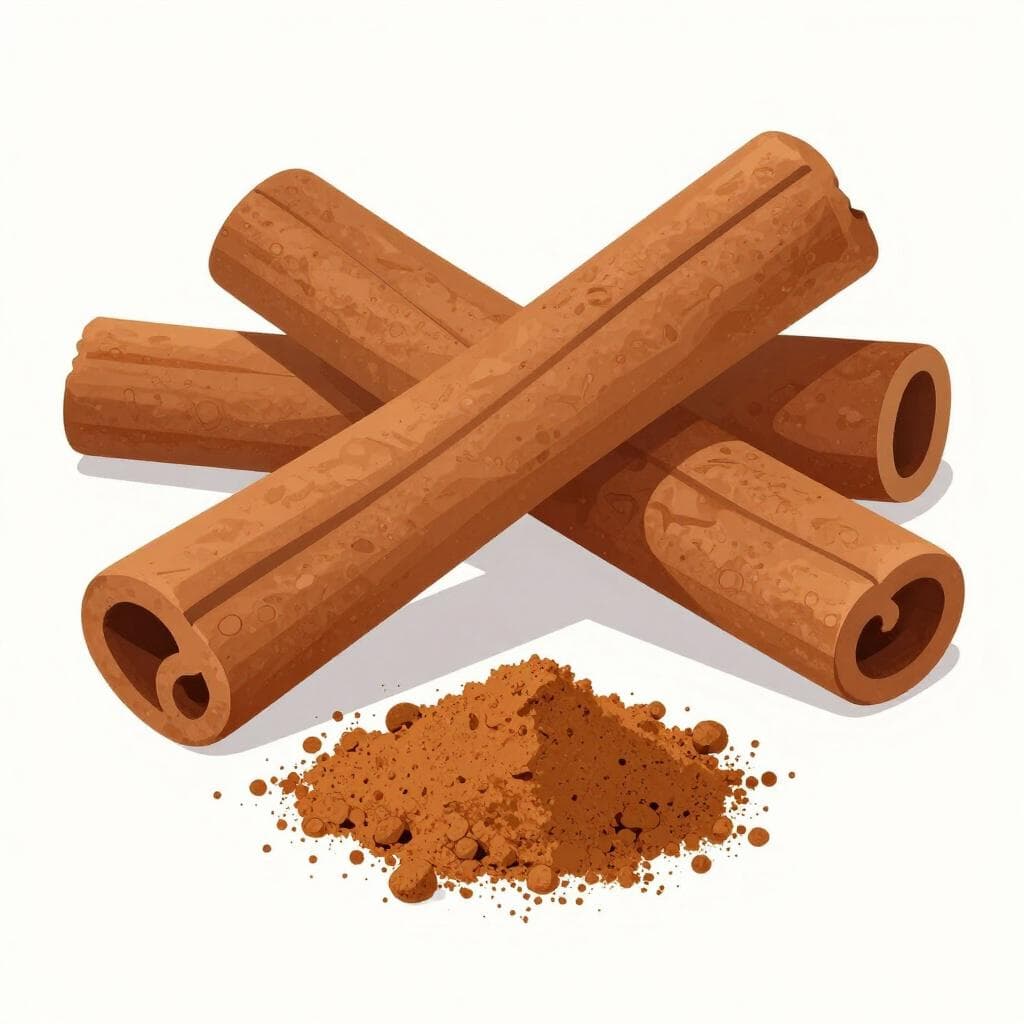
cynamon
“Me gusta ponerle un poco de canela a mi café.”

gwóźdź
“Necesito un martillo y un clavo para colgar este cuadro.”
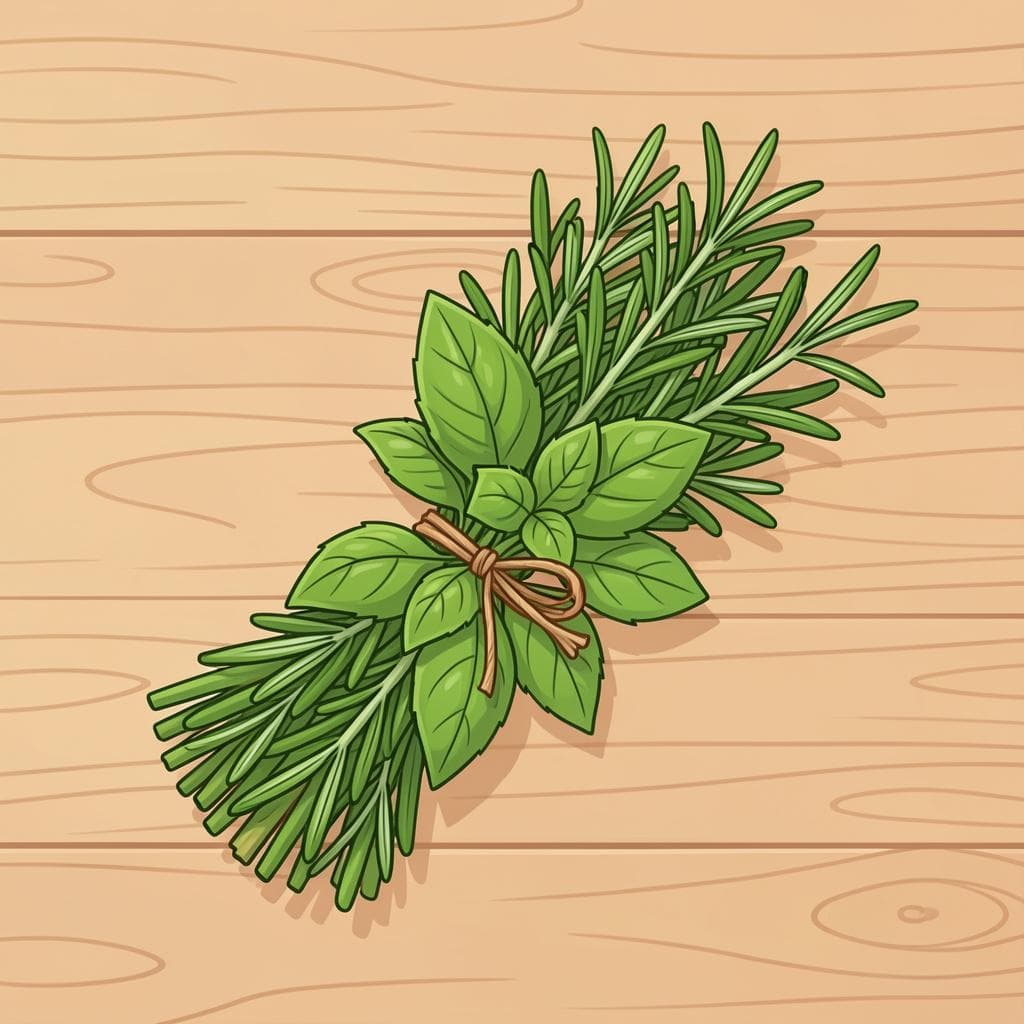
zioła
“Cocino con hierbas frescas de mi jardín.”

masło
“Quiero pan tostado con mantequilla para el desayuno.”
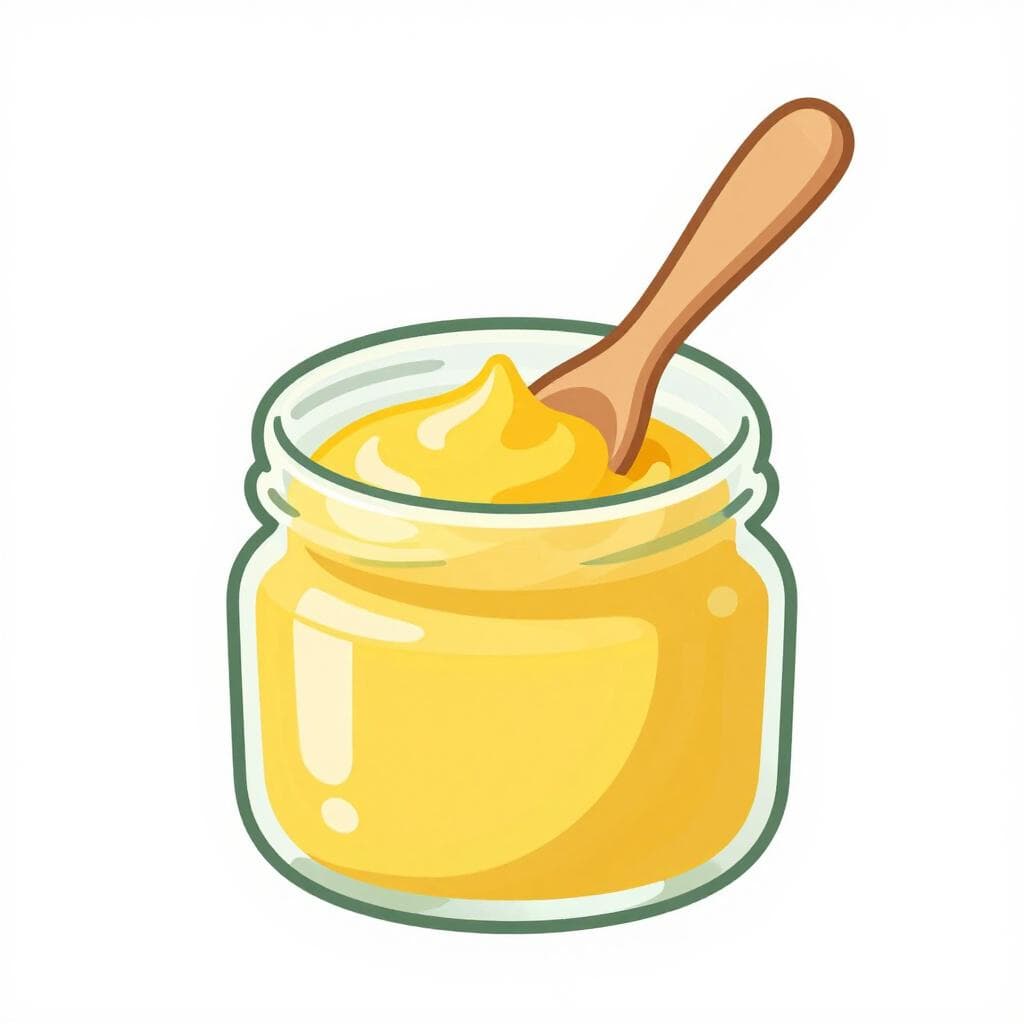
musztarda
“Pásame la mostaza para mi perro caliente, por favor.”
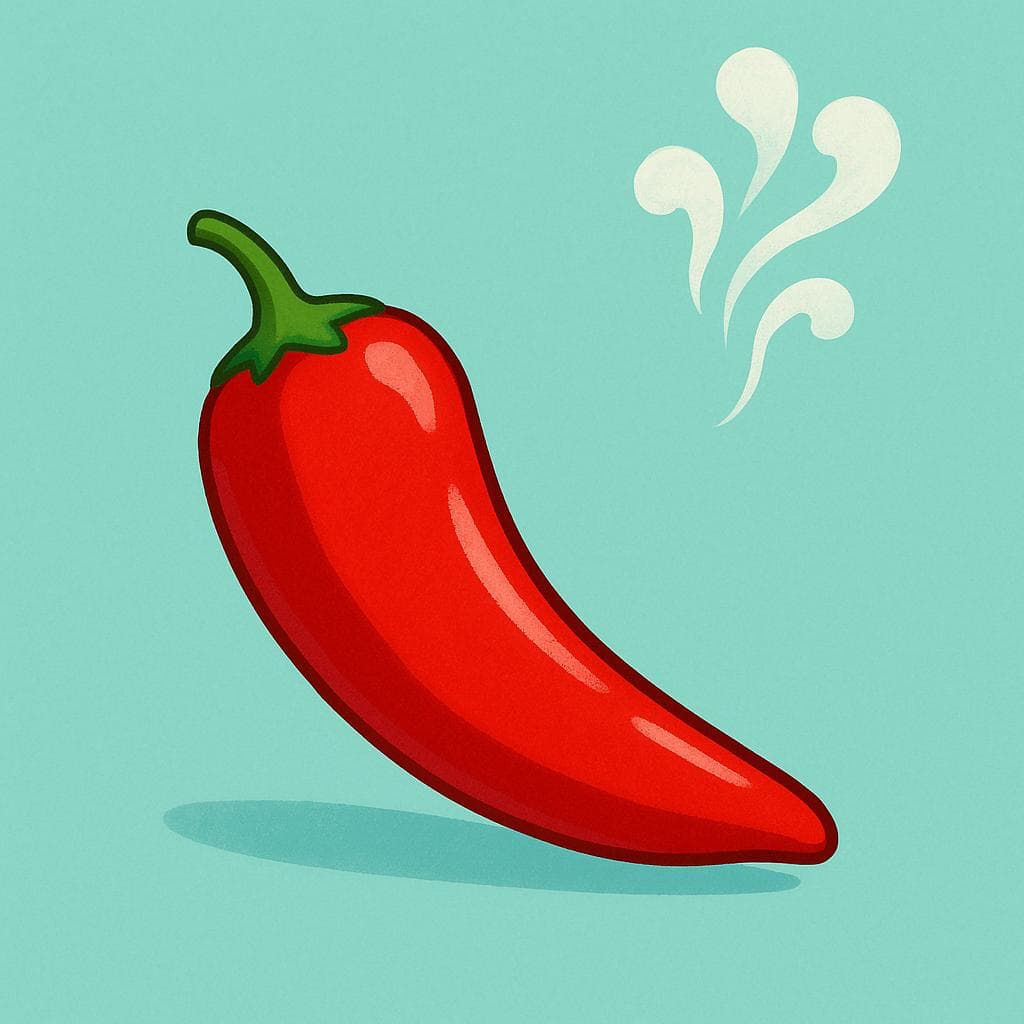
pikantny
“Esta salsa roja es demasiado picante para mí.”
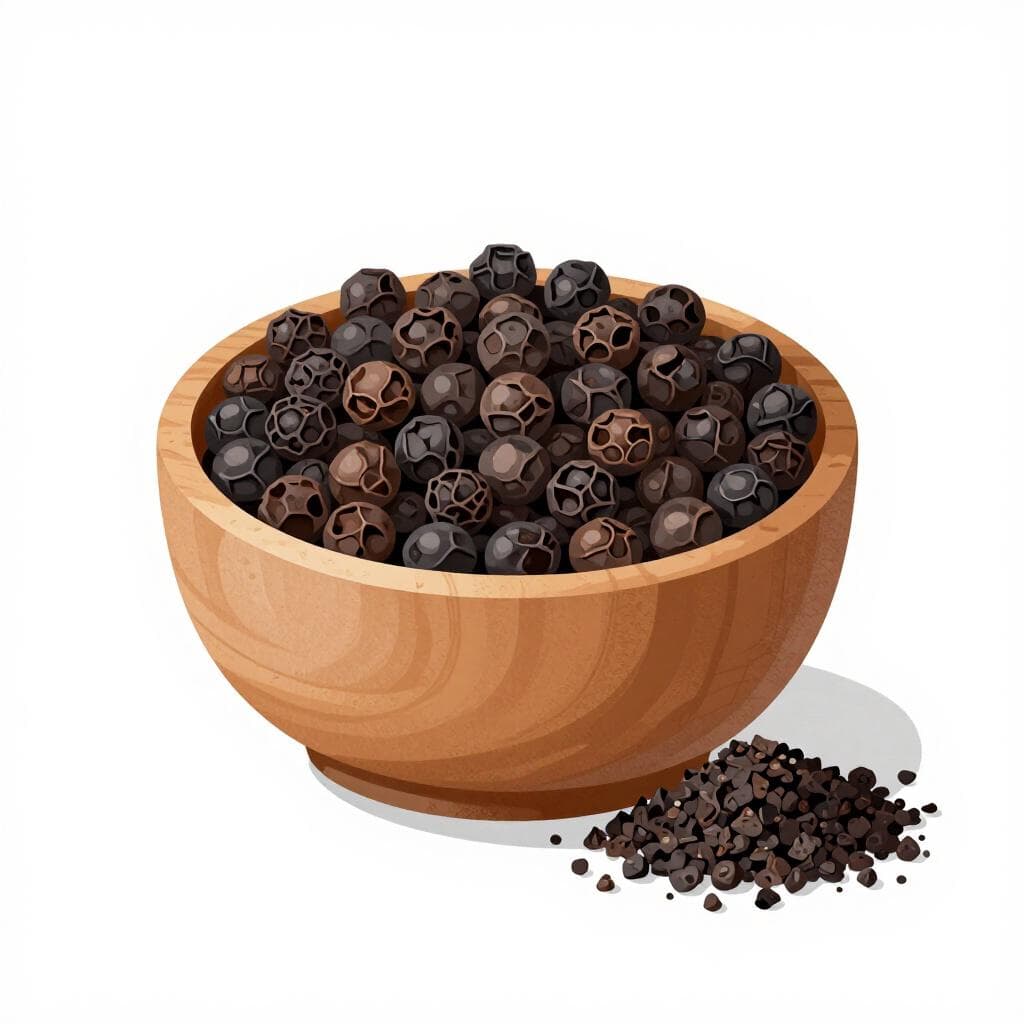
pieprz
“Pásame la sal y la pimienta, por favor.”
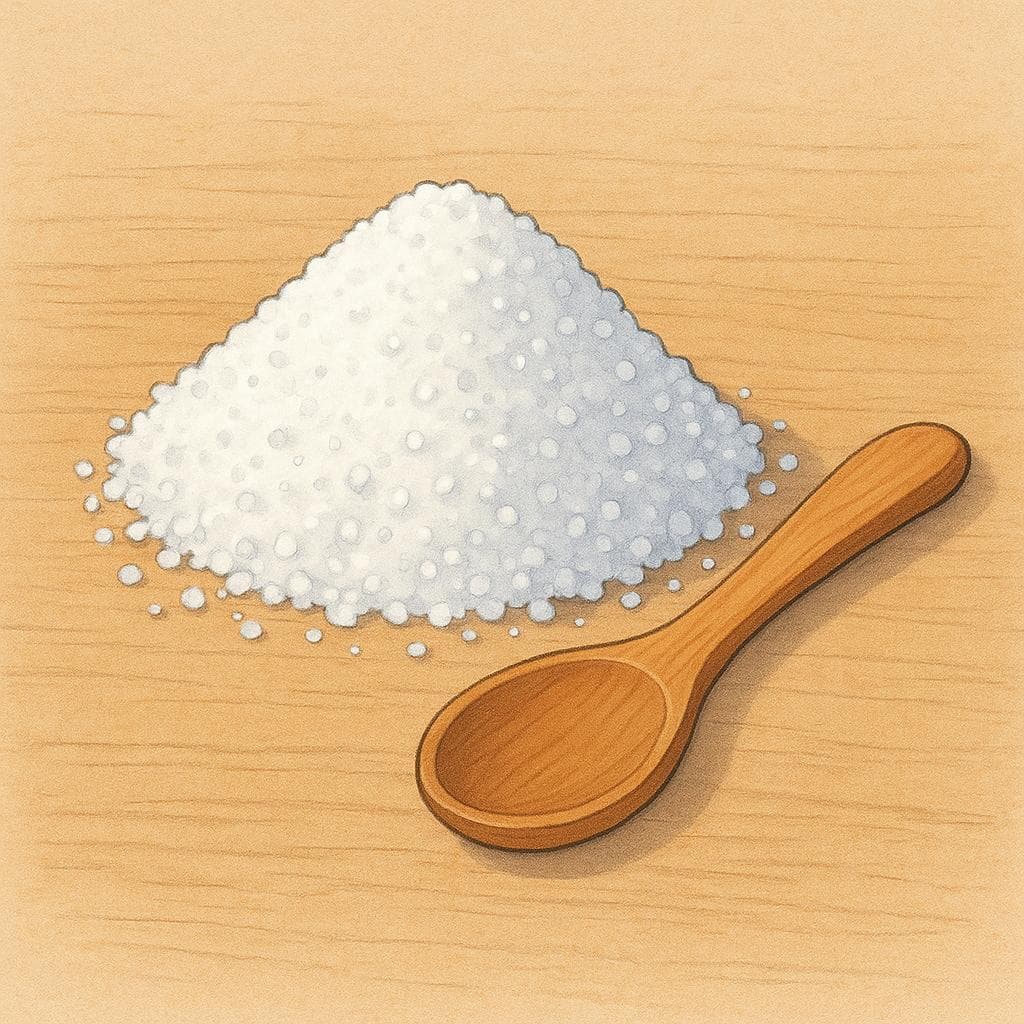
sól
“La sopa necesita un poco más de sal.”
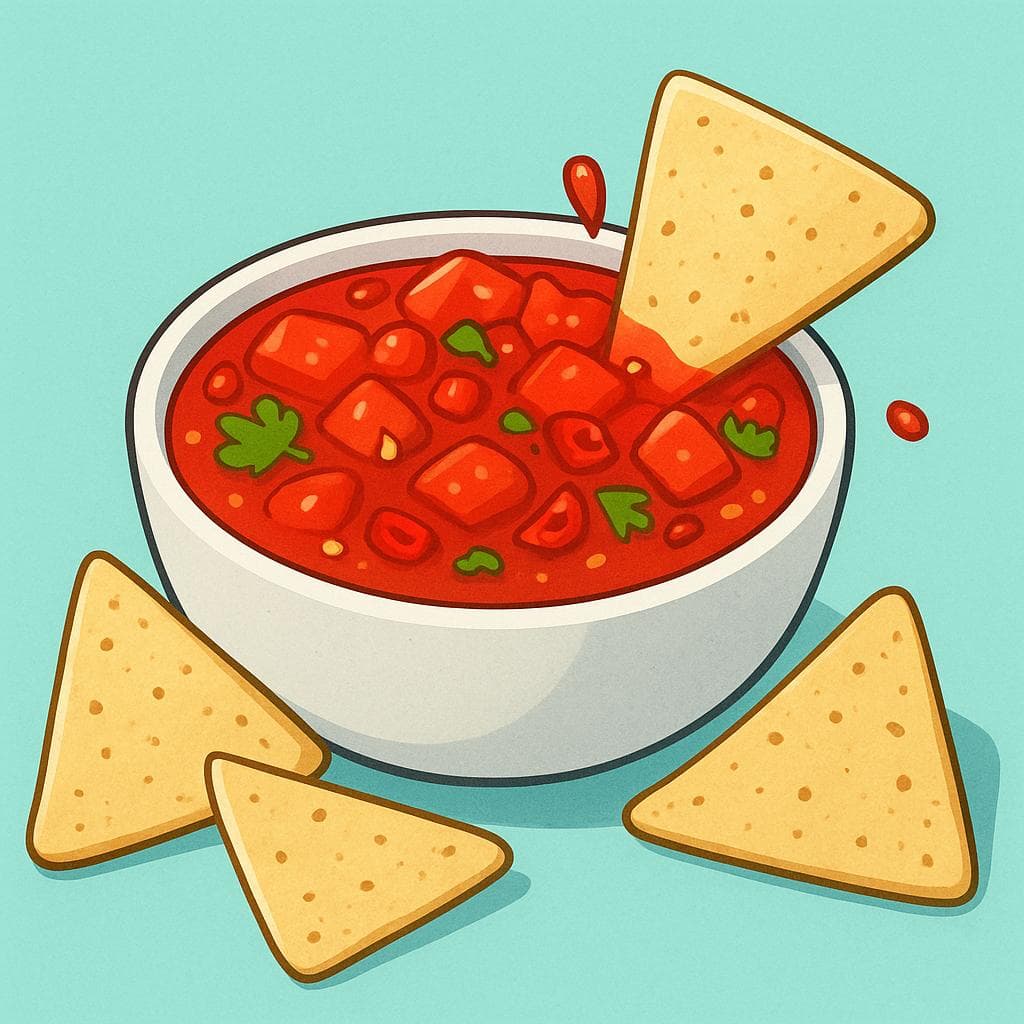
sos
“La salsa de tomate es esencial para la pasta.”
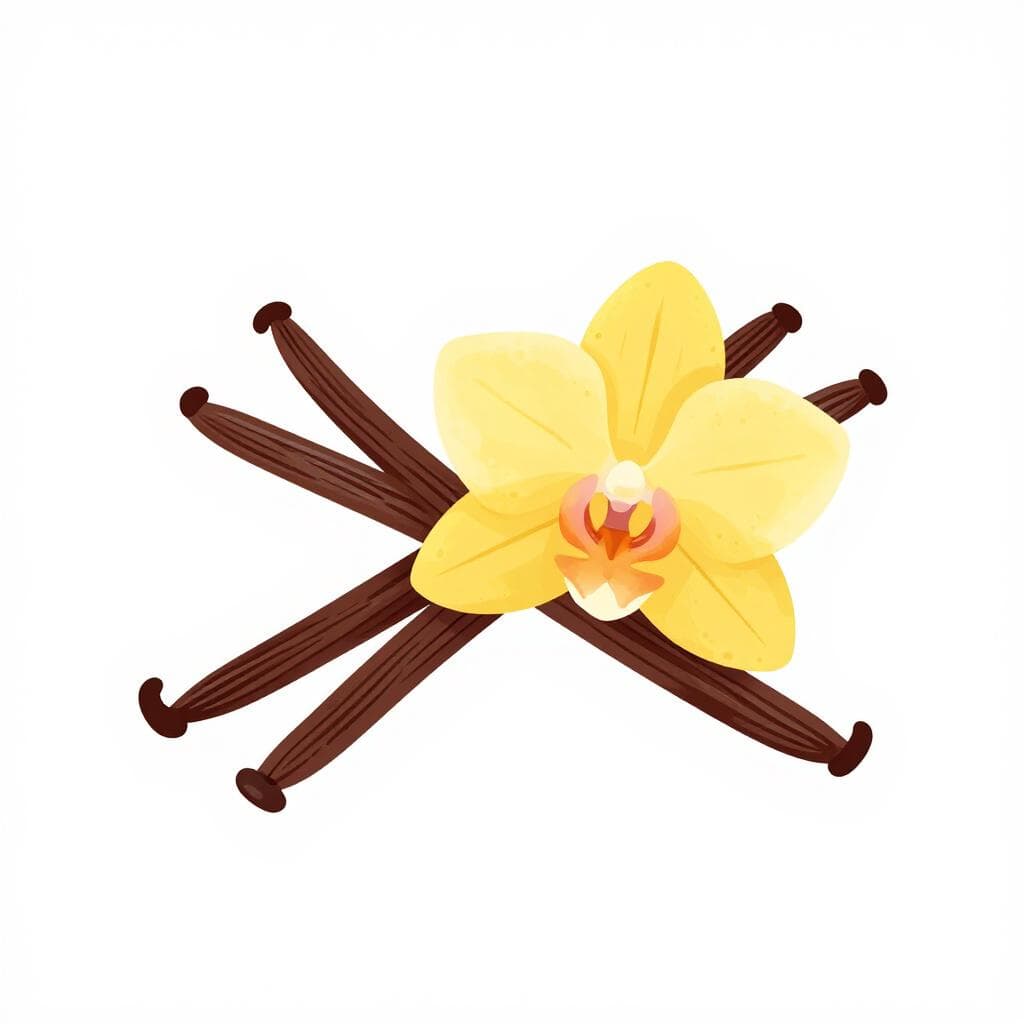
wanilia
“Me gustaría un helado de vainilla, por favor.”
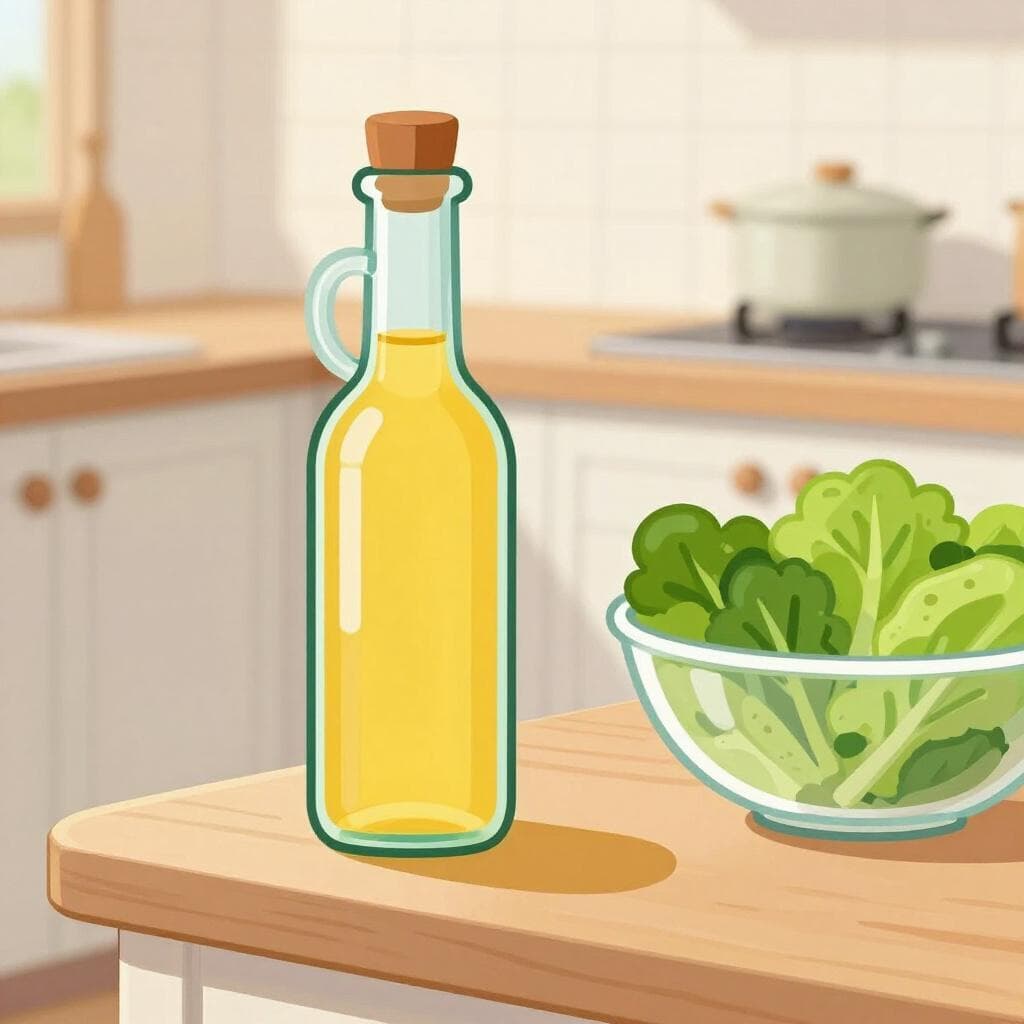
ocet
“Prefiero la ensalada con mucho vinagre y poca sal.”
A2 — Podstawowy (4 słów)

przyprawy
“Esta receta lleva muchas especies exóticas.”

szczypta
“Añade una pizca de sal a la sopa.”
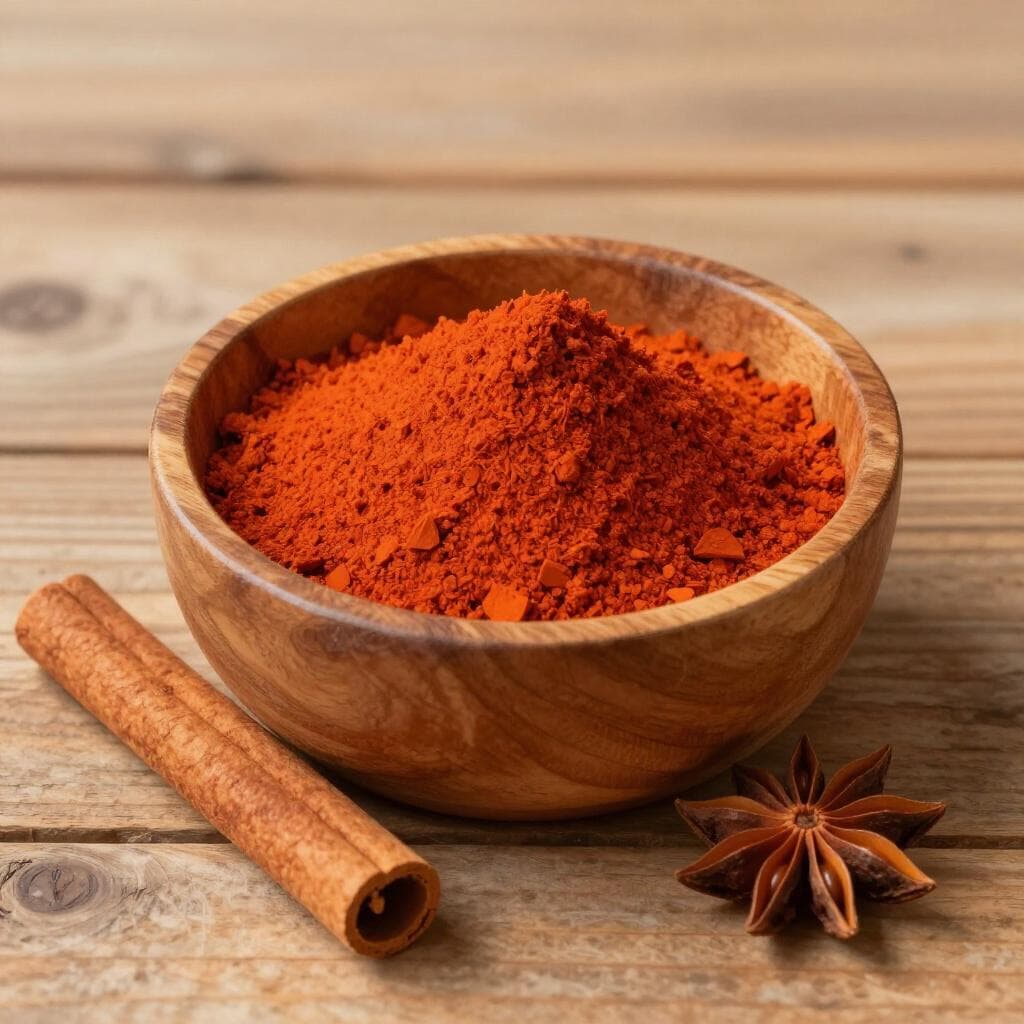
przyprawa
“La canela es mi especia favorita para el café.”

liść laurowy
“Pon una hoja de laurel en la salsa para que tenga más sabor.”
Wskazówki gramatyczne
Zgodność rodzaju i liczby
Większość hiszpańskich rzeczowników oznaczających przyprawy i dodatki ma określony rodzaj, na przykład „la pimienta” (rodzaj żeński) lub „el clavo” (rodzaj męski). Pamiętaj, by dostosowywać przymiotniki, na przykład w wyrażeniu „la salsa picante” (ostry sos). Liczbę mnogą tworzy się zwykle przez dodanie końcówki -s lub -es, jak w „las especias”.
Użycie słowa „Pizca”
Słowo „pizca” oznacza „szczypta” i jest często używane do wyrażania małych ilości. To rzeczownik rodzaju żeńskiego: „una pizca de sal” (szczypta soli). Można go też używać w znaczeniu przenośnym, na przykład „una pizca de humor” (szczypta humoru).
„Especia” a „Especies”
Zwróć uwagę na różnicę między liczbą pojedynczą a mnogą! „La especia” odnosi się do jednej przyprawy (np. „la canela es una especia” — cynamon jest przyprawą), natomiast „las especias” oznacza przyprawy ogólnie lub wiele ich rodzajów (np. „me gustan las especias exóticas” — lubię egzotyczne przyprawy).
Częste błędy
Pozycja przymiotnika
Błąd: “Me gusta la picante salsa.”
Poprawna forma: Me gusta la salsa picante. — W języku hiszpańskim przymiotniki opisowe, takie jak „picante” (ostry), zwykle występują *po* rzeczowniku, który określają.
Przyprawy w liczbie pojedynczej i mnogiej
Błąd: “Necesito una especia para la receta.”
Poprawna forma: Necesito especias para la receta. — Jeśli nie chodzi o jedną konkretną przyprawę, mówiąc ogólnie o przyprawach potrzebnych do przepisu, częściej używa się liczby mnogiej „especias”.
Nieprawidłowy rodzajnik przy „Pizca”
Błąd: “Necesito el pizca de sal.”
Poprawna forma: Necesito una pizca de sal. — „Pizca” jest rzeczownikiem rodzaju żeńskiego, dlatego wymaga żeńskiego rodzajnika nieokreślonego „una” (jakiś/jedna), a nie męskiego „el” (ten).
Informacje kulturowe
Regionalne upodobania dotyczące przypraw
W Hiszpanii używa się różnych ziół i przypraw, natomiast wiele kuchni latynoamerykańskich słynie z odważniejszego wykorzystania papryczek chili i charakterystycznych dla regionu mieszanek przypraw. Na przykład „ají” (rodzaj papryczki chili) jest podstawowym składnikiem wielu potraw Ameryki Południowej, podczas gdy „pimentón” (papryka) jest nieodzownym składnikiem w Hiszpanii.
Rola słowa „Salsa”
W języku hiszpańskim „salsa” oznacza po prostu „sos”. Może odnosić się do wszystkiego — od prostego sosu pomidorowego po złożony sos mole. Kluczowy jest kontekst, a rodzaj sosu często jest doprecyzowany, na przykład „salsa de tomate” (sos pomidorowy) lub „salsa picante” (ostry sos).