
Ptaki po hiszpańsku
Ta sekcja wprowadza słownictwo dotyczące ptaków w języku hiszpańskim, od pospolitych ptaków odwiedzających nasze ogrody po majestatyczne ptaki drapieżne. Poznanie tych słów nie tylko poszerzy Twoje słownictwo związane ze zwierzętami, ale także pomoże Ci barwniej opisywać sceny przyrodnicze. Co ciekawe, w języku hiszpańskim często używa się tego samego słowa dla samca i samicy danego gatunku, chyba że jest to określone, w przeciwieństwie do angielskiego, który ma odrębne terminy, takie jak 'rooster' i 'hen'.
Szybka ściąga
| Hiszpański | Polski | Przykład | Poziom |
|---|---|---|---|
águila | orzeł | El águila real es el símbolo de muchos países. | A1 |
ave | ptak | Vimos un ave exótica en el parque. | A1 |
canario | kanarek | El canario canta muy bien por las mañanas. | A1 |
flamenco | flamenco | El flamenco es un arte muy antiguo de Andalucía. | A1 |
gallina | kura | La gallina puso tres huevos esta mañana. | A1 |
gallo | kogut | El gallo canta al amanecer. | A1 |
loro | papuga | El loro de mi abuela puede decir su nombre. | A1 |
nido | gniazdo | El pájaro carpintero hizo su nido en el tronco de un roble. | A1 |
pajarito | ptaszek | Mira el pajarito que está en el árbol. | A1 |
pájaro | ptak | Vi un pájaro azul muy bonito en el jardín. | A1 |
paloma | gołąb | Hay muchas palomas en la plaza de la ciudad. | A1 |
pato | kaczka | El pato nadó tranquilamente en el estanque. | A1 |
A1 — Początkujący (15 słów)

orzeł
“El águila real es el símbolo de muchos países.”

ptak
“Vimos un ave exótica en el parque.”
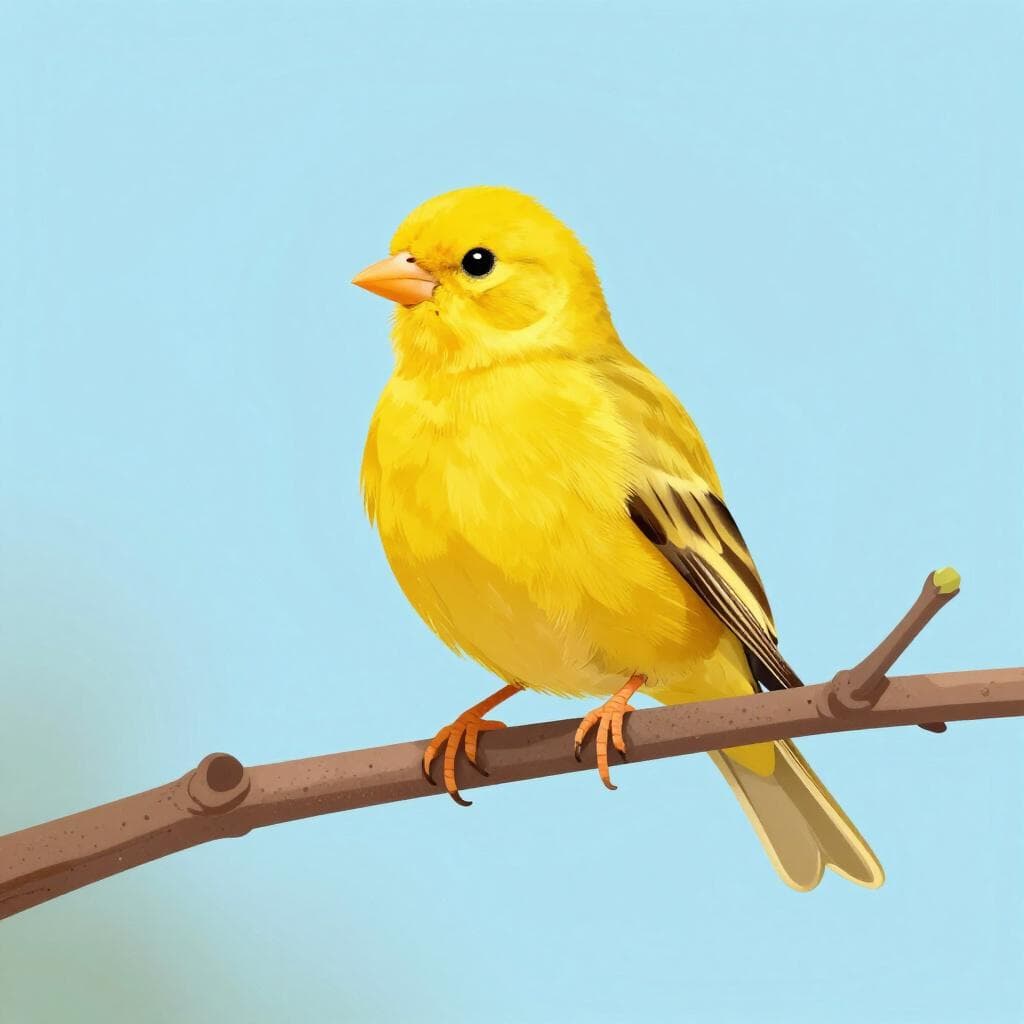
kanarek
“El canario canta muy bien por las mañanas.”

flamenco
“El flamenco es un arte muy antiguo de Andalucía.”
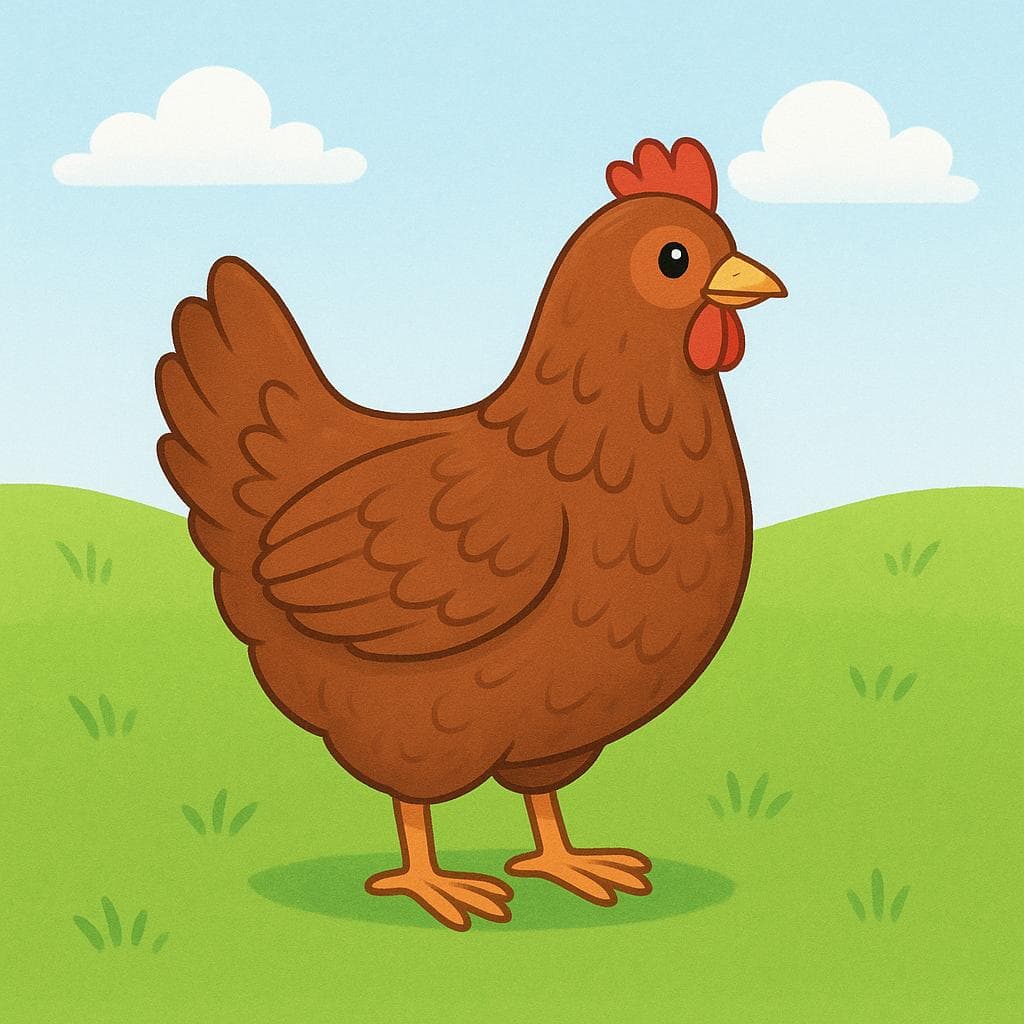
kura
“La gallina puso tres huevos esta mañana.”
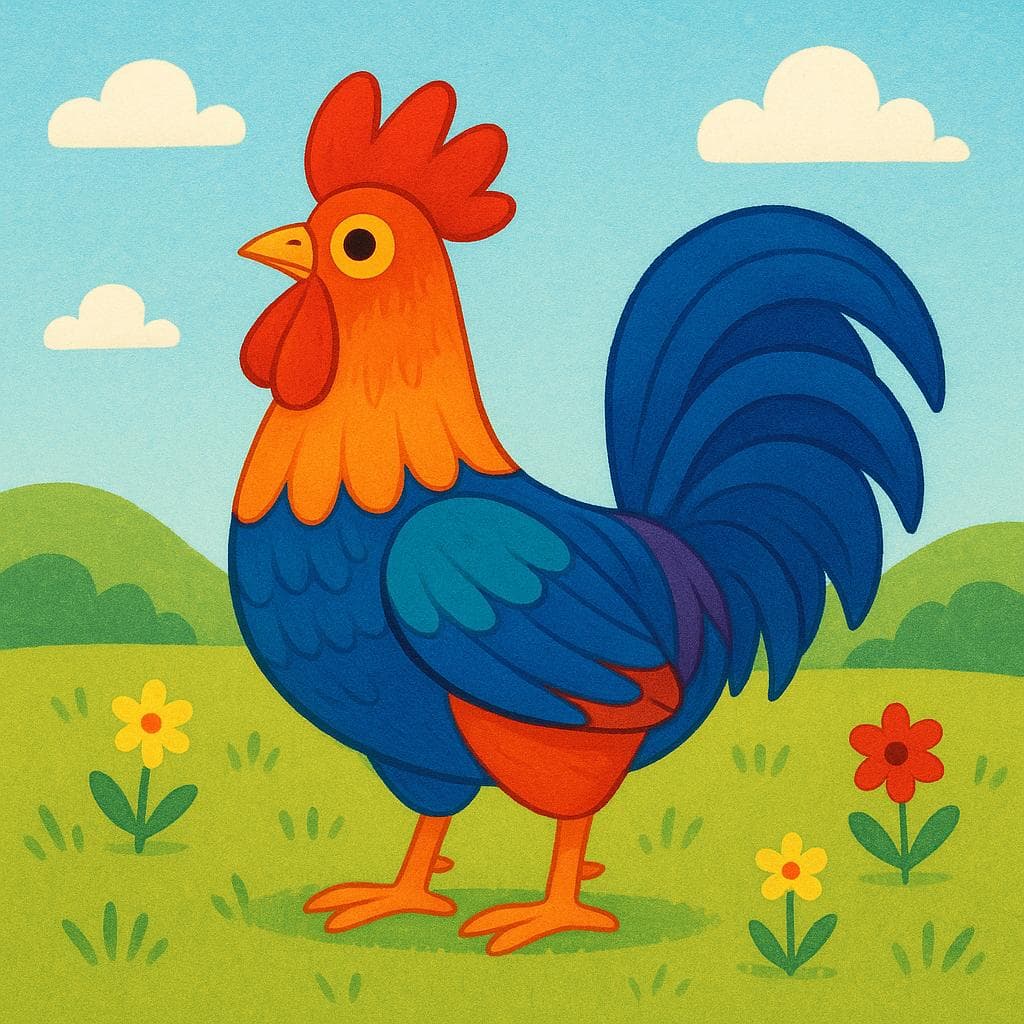
kogut
“El gallo canta al amanecer.”

papuga
“El loro de mi abuela puede decir su nombre.”

gniazdo
“El pájaro carpintero hizo su nido en el tronco de un roble.”

ptaszek
“Mira el pajarito que está en el árbol.”
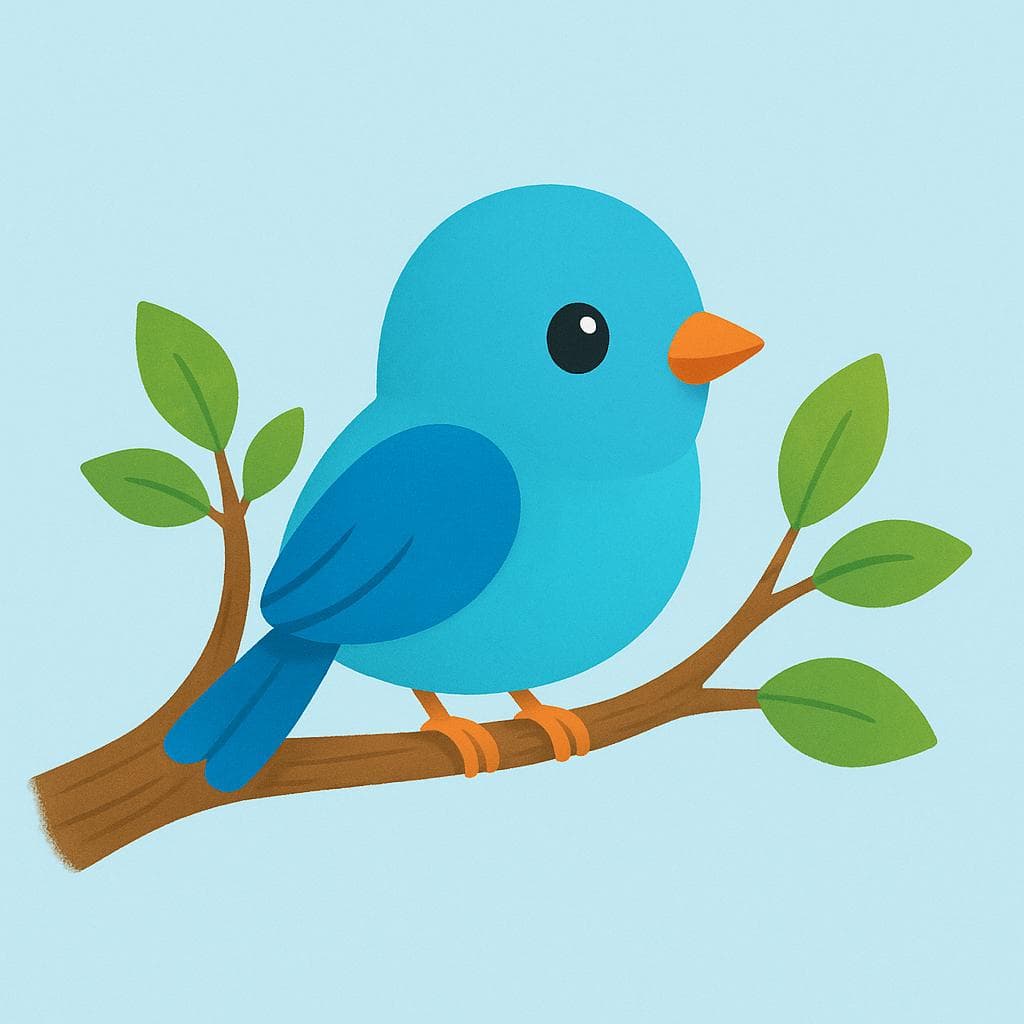
ptak
“Vi un pájaro azul muy bonito en el jardín.”

gołąb
“Hay muchas palomas en la plaza de la ciudad.”
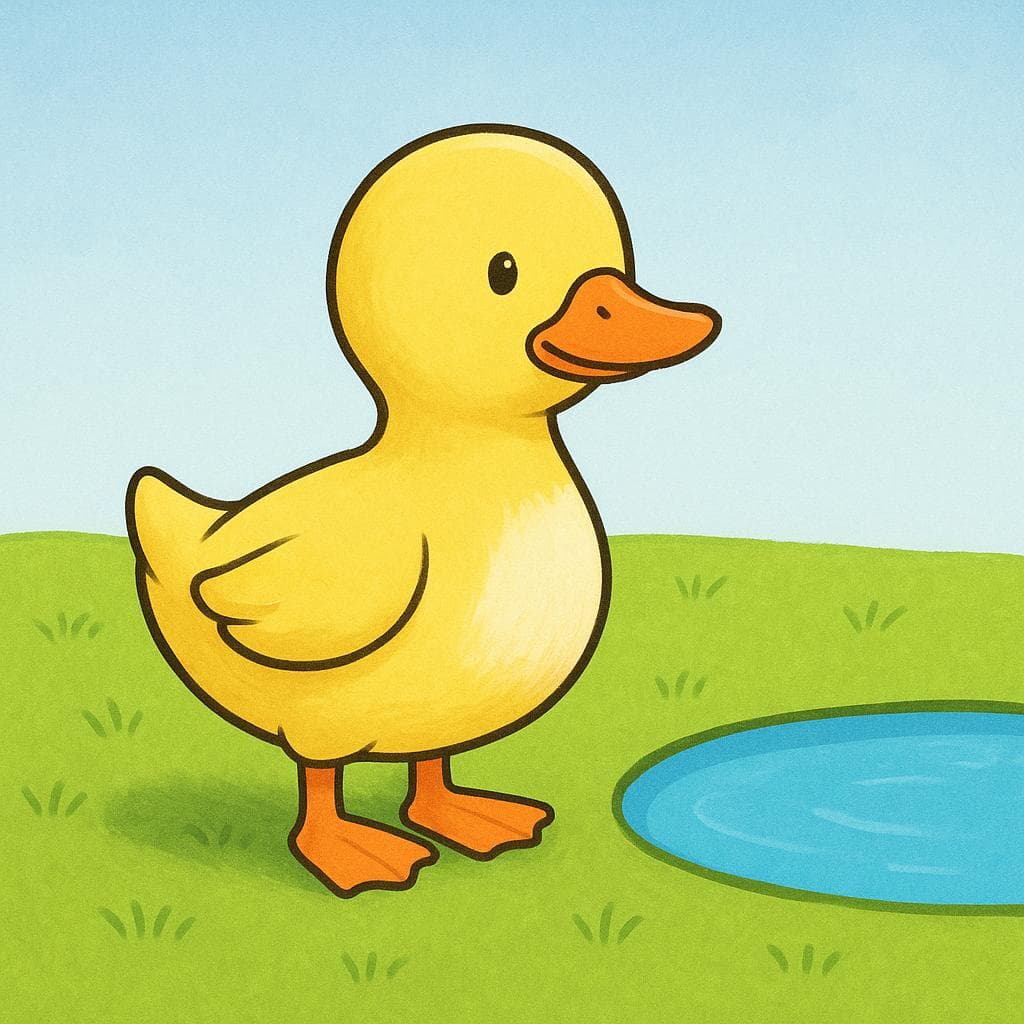
kaczka
“El pato nadó tranquilamente en el estanque.”

dziób
“El pájaro alimentó a sus crías con su pico.”

pióro
“Encontré una pluma muy grande en el jardín.”

pingwin
“El pingüino camina sobre el hielo.”
A2 — Podstawowy (6 słów)
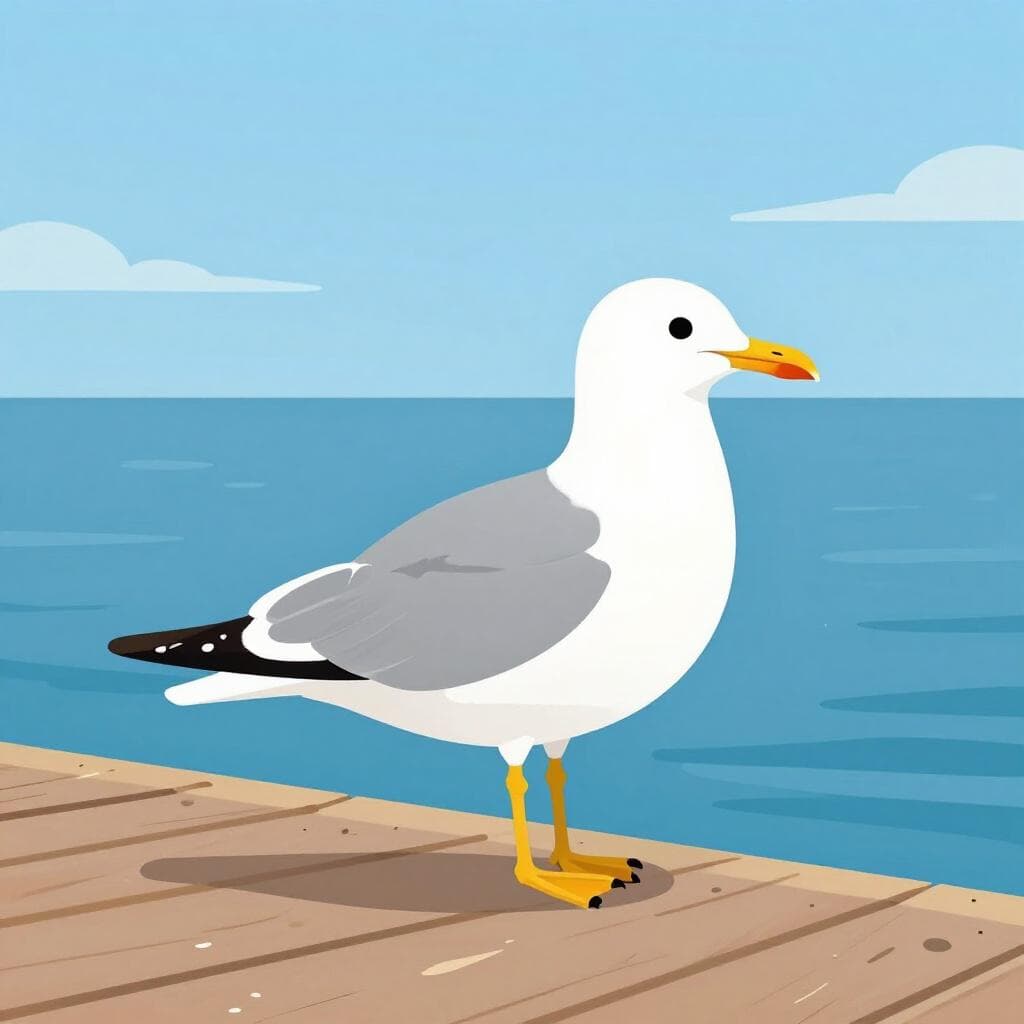
mewa
“Hay una gaviota en la arena.”
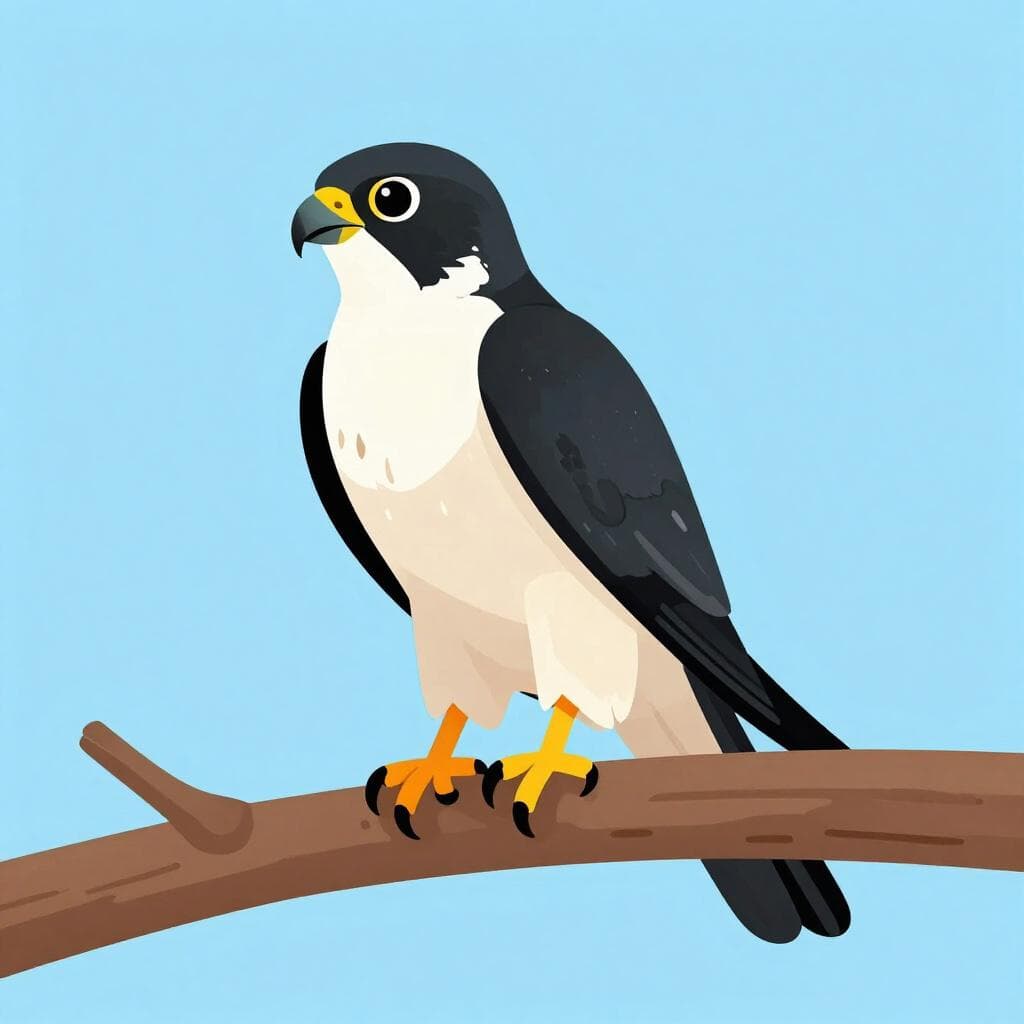
sokół
“El halcón vuela muy alto para buscar su presa.”
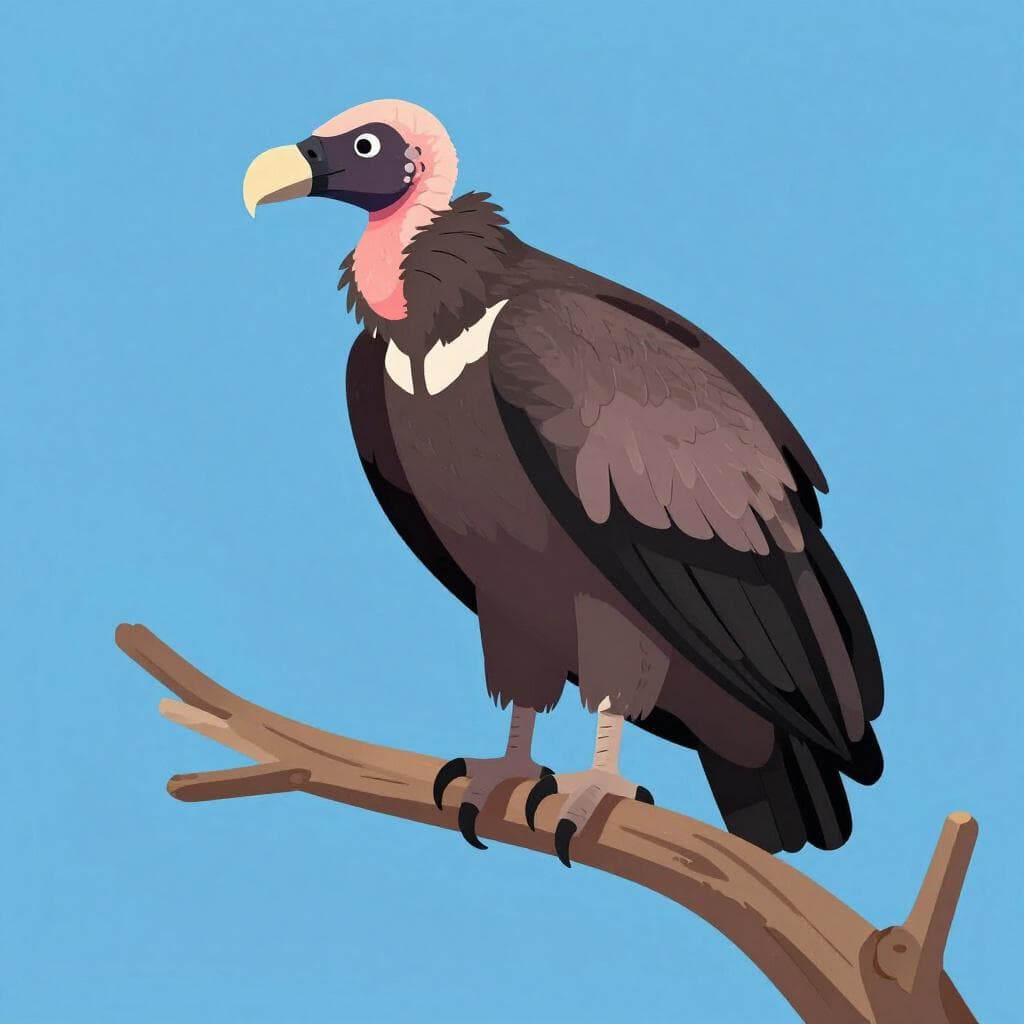
sęp
“El buitre volaba en círculos sobre la montaña.”
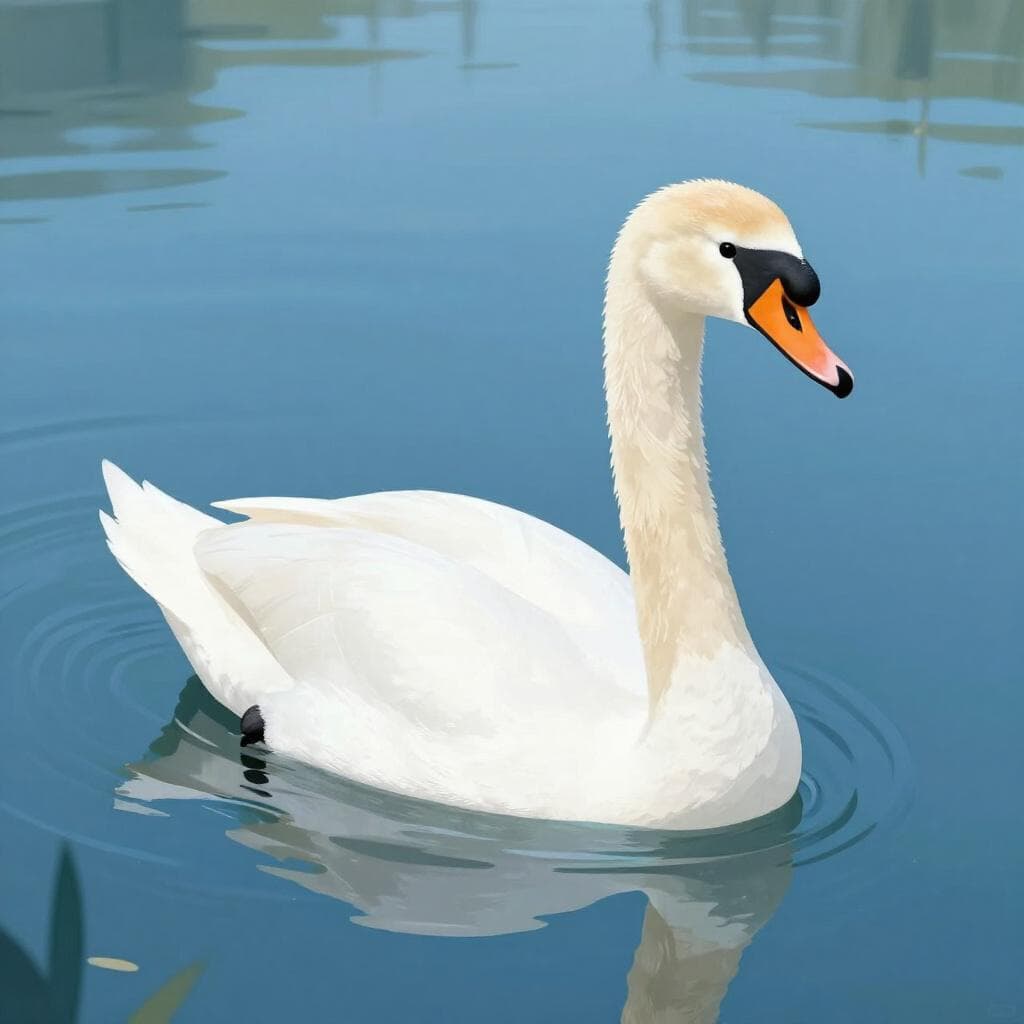
łabędź
“El cisne blanco nada tranquilamente en el lago.”

kruk
“Un cuervo negro se posó en la ventana.”

gęś
“Hay un ganso blanco nadando en el lago.”
Wskazówki gramatyczne
Zgodność rodzajowa dla ptaków
Podobnie jak większość rzeczowników w języku hiszpańskim, nazwy ptaków mają rodzaj gramatyczny. 'El canario' (kanarek) jest rodzaju męskiego, podczas gdy 'la gaviota' (mewa) jest rodzaju żeńskiego. Pamiętaj, aby odpowiednio dopasować rodzajniki i przymiotniki, np. 'el canario amarillo' (żółty kanarek) i 'la gaviota blanca' (biała mewa).
Formy liczby mnogiej
Tworzenie liczby mnogiej dla nazw ptaków odbywa się według standardowych zasad hiszpańskich: dodaj -s do słów kończących się na samogłoskę i -es do słów kończących się na spółgłoskę. Na przykład 'el cuervo' (kruk) staje się 'los cuervos' (kruki), a 'la gallina' (kura) staje się 'las gallinas' (kury).
Terminy ogólne i szczegółowe
Hiszpański używa 'ave' dla ogólnego ptaka (liczba pojedyncza) i 'aves' dla ptaków w ogóle. Chociaż możesz używać konkretnych nazw, takich jak 'halcón' (sokół), 'ave' jest użytecznym terminem ogólnym, gdy dokładny gatunek nie jest ważny lub znany.
Typowe błędy
Nieprawidłowe umiejscowienie przymiotnika
Błąd: “El blanco cisne nada en el lago.”
Poprawka: El cisne blanco nada en el lago. W języku hiszpańskim przymiotniki opisowe, takie jak kolory, zazwyczaj następują po rzeczowniku, który modyfikują.
Mylenie terminów ogólnych i szczegółowych
Błąd: “Vi un ave grande y negro.”
Poprawka: Vi un ave grande y negra. LUB Vi un cuervo grande y negro. Używając ogólnego terminu 'ave', możesz potrzebować być bardziej szczegółowym, jeśli opisujesz konkretny rodzaj ptaka; upewnij się również, że przymiotniki zgadzają się pod względem płci i liczby z rzeczownikiem.
Błąd w tworzeniu liczby mnogiej
Błąd: “Hay muchos gallina en la granja.”
Poprawka: Hay muchas gallinas en la granja. Rzeczownik 'gallina' musi być w liczbie mnogiej 'gallinas', aby zgadzał się z liczebnikiem mnogim 'muchas'.
Notatki kulturowe
Ptaki w symbolice
Ptaki mają znaczące znaczenie symboliczne w wielu kulturach hiszpańskojęzycznych. Na przykład gołębie często symbolizują pokój, podczas gdy orły mogą symbolizować siłę i wolność, pojawiając się w godłach narodowych w całej Ameryce Łacińskiej.
Rozróżnianie samca i samicy
Chociaż wiele nazw ptaków ma określoną płeć (np. 'el gallo' dla koguta, 'la gallina' dla kury), często podstawowe słowo może odnosić się do gatunku w sposób ogólny. Kontekst lub dodanie 'macho'/'hembra' może być potrzebne, jeśli jasność jest kluczowa dla nieokreślonych terminów.