
Kosmos i astronomia po hiszpańsku
Wyrusz w kosmos z tym zestawem słownictwa hiszpańskiego! Nauczysz się słów związanych z eksploracją kosmosu, ciałami niebieskimi i ogromnym wszechświatem. Znajomość tych terminów jest świetna dla każdego, kto interesuje się nauką, science-fiction lub po prostu podziwia nocne niebo. Język hiszpański często używa rzeczowników z określeniem rodzaju dla obiektów niebieskich, co jest ciekawym punktem do odnotowania!
Szybka ściąga
| Hiszpański | Polski | Przykład | Poziom |
|---|---|---|---|
atmósfera | atmosfera | La capa de ozono protege la atmósfera de la Tierra. | A2 |
cielo | niebo | El cielo está azul hoy. | A1 |
cohete | rakieta | El cohete tardó tres días en llegar a la órbita de Marte. | B1 |
cometa | latawiec | Mi hermano pasó toda la tarde volando su cometa nueva. | A1 |
despegue | start | El avión está listo para el despegue. | A2 |
espacio | przestrzeń | No hay espacio en el coche para más maletas. | A1 |
estelar | gwiazdorski | Ella consiguió el papel estelar en la nueva película. | B1 |
estrella | gwiazda | Por la noche, me gusta mirar las estrellas. | A1 |
galaxia | galaktyka | Nuestra galaxia se llama la Vía Láctea. | B1 |
luna | księżyc | La luna está muy brillante esta noche. | A1 |
mundos | światy | Hay millones de mundos en el espacio. | A1 |
órbita | orbita | El satélite artificial ha entrado en órbita y ahora da vueltas a la Tierra. | B1 |
A1 — Początkujący (8 słów)

niebo
“El cielo está azul hoy.”

latawiec
“Mi hermano pasó toda la tarde volando su cometa nueva.”

przestrzeń
“No hay espacio en el coche para más maletas.”

gwiazda
“Por la noche, me gusta mirar las estrellas.”
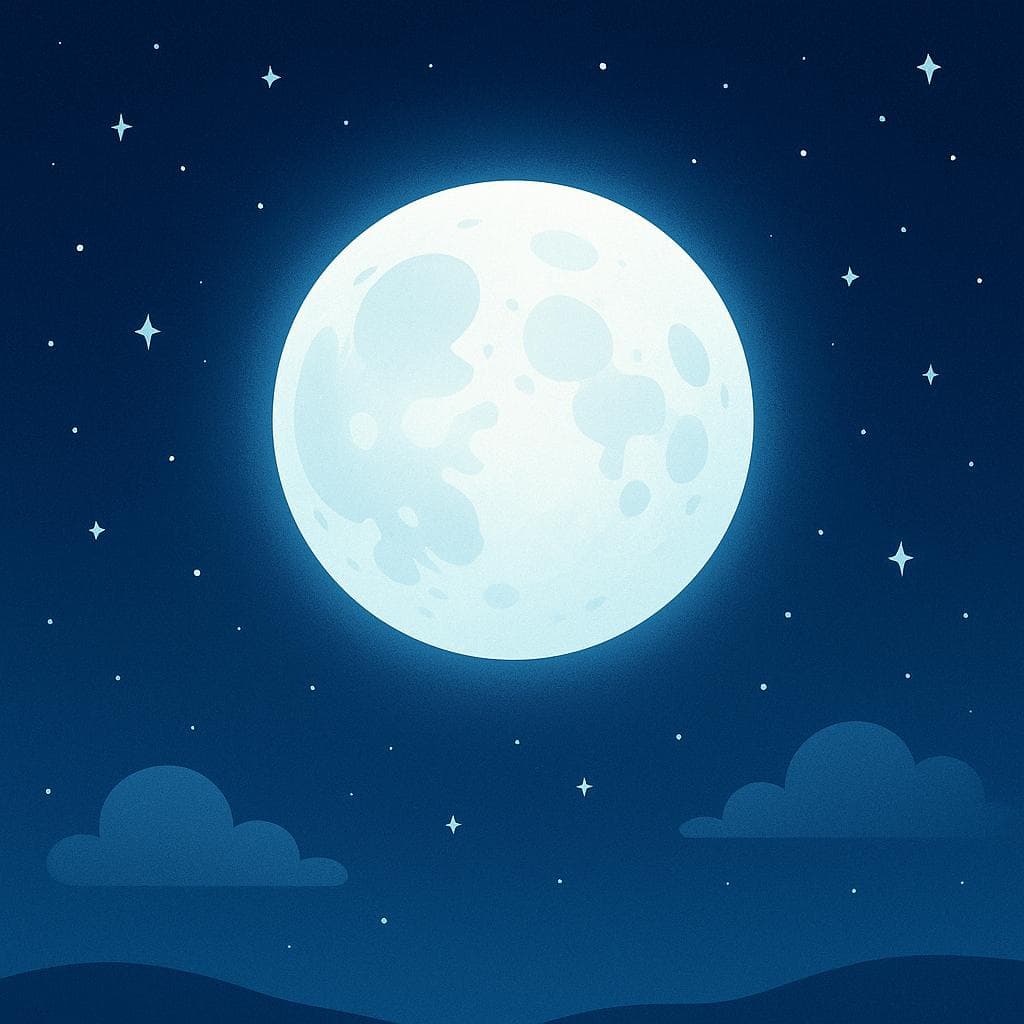
księżyc
“La luna está muy brillante esta noche.”

światy
“Hay millones de mundos en el espacio.”

planeta
“La Tierra es nuestro planeta.”

słońce
“El sol brilla mucho hoy.”
A2 — Podstawowy (13 słów)

atmosfera
“La capa de ozono protege la atmósfera de la Tierra.”
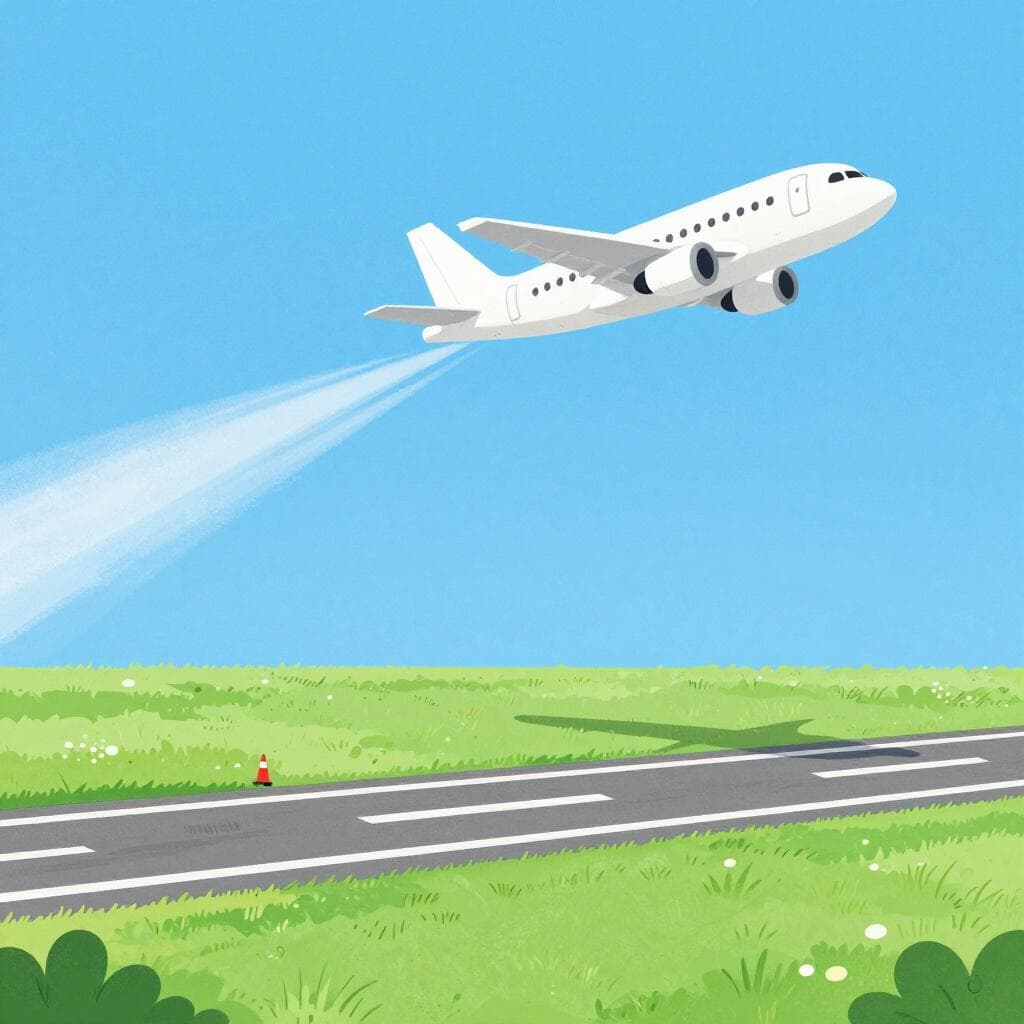
start
“El avión está listo para el despegue.”

wszechświat
“Dicen que el universo sigue expandiéndose cada día.”

kosmita
“El niño dijo que había visto un alienígena en el bosque.”

zaćmienie
“No debes mirar el eclipse solar directamente sin protección.”

Mars
“Marte es el cuarto planeta del sistema solar.”
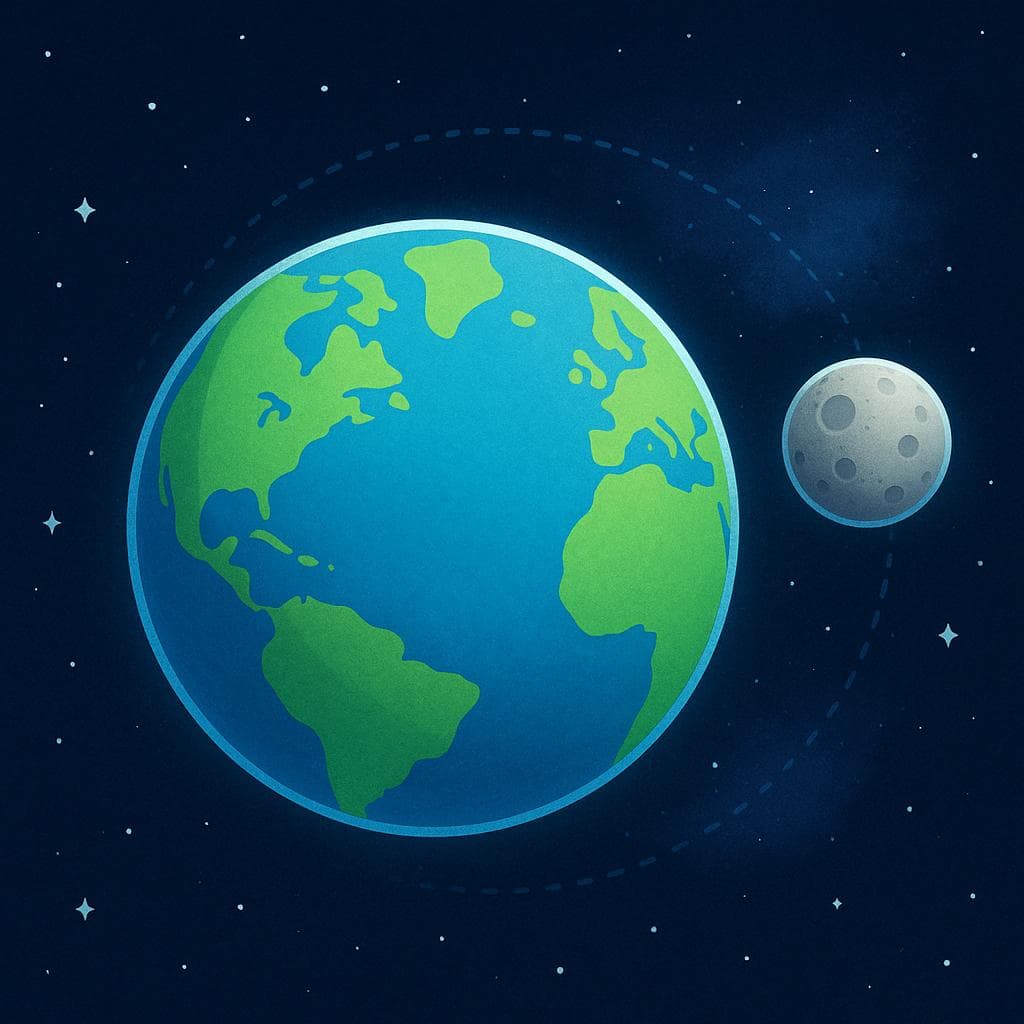
satelita
“La Luna es el satélite natural de la Tierra.”

obcy
“Mi película favorita trata de un alien que se pierde en la Tierra.”
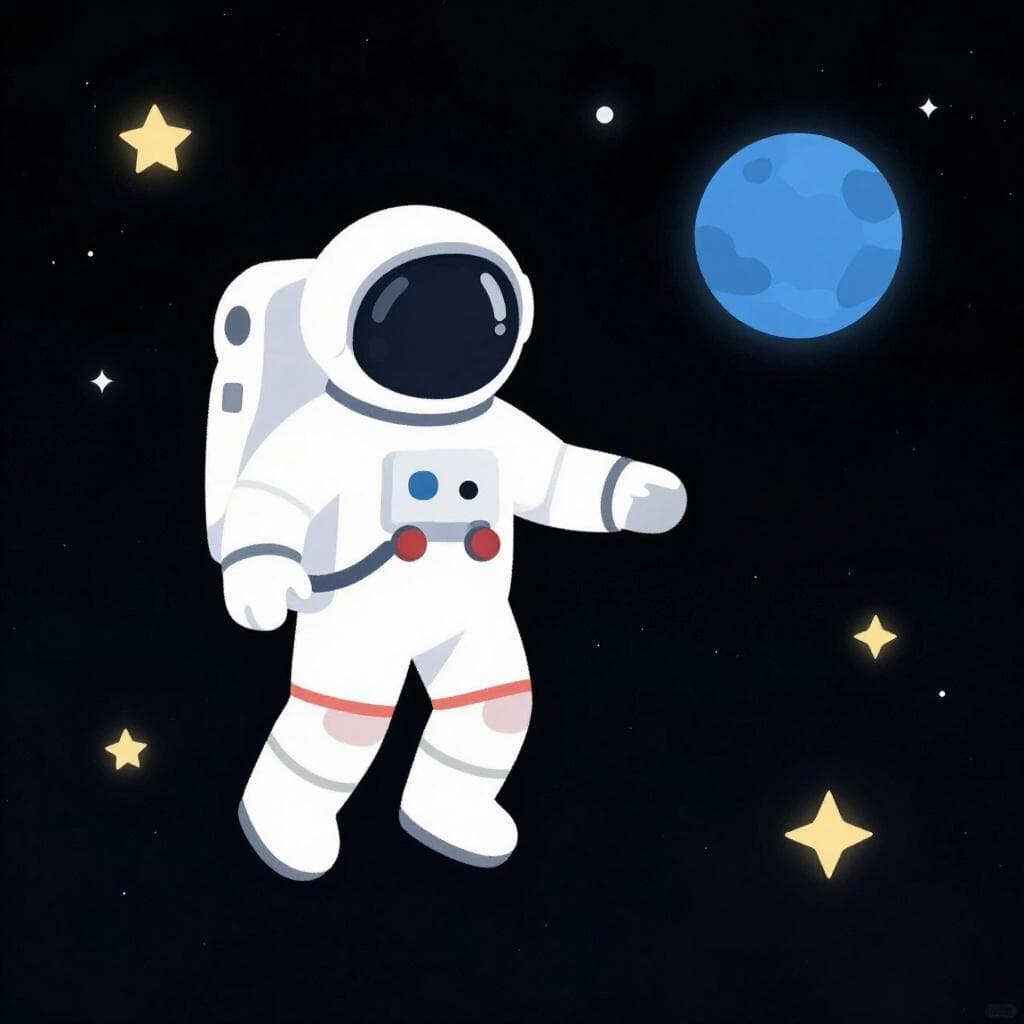
astronauta
“El astronauta salió de la nave espacial.”

meteoryt
“Vimos un meteorito en el museo de ciencias.”

planetarium
“Llevamos a los niños al planetario para ver las estrellas.”
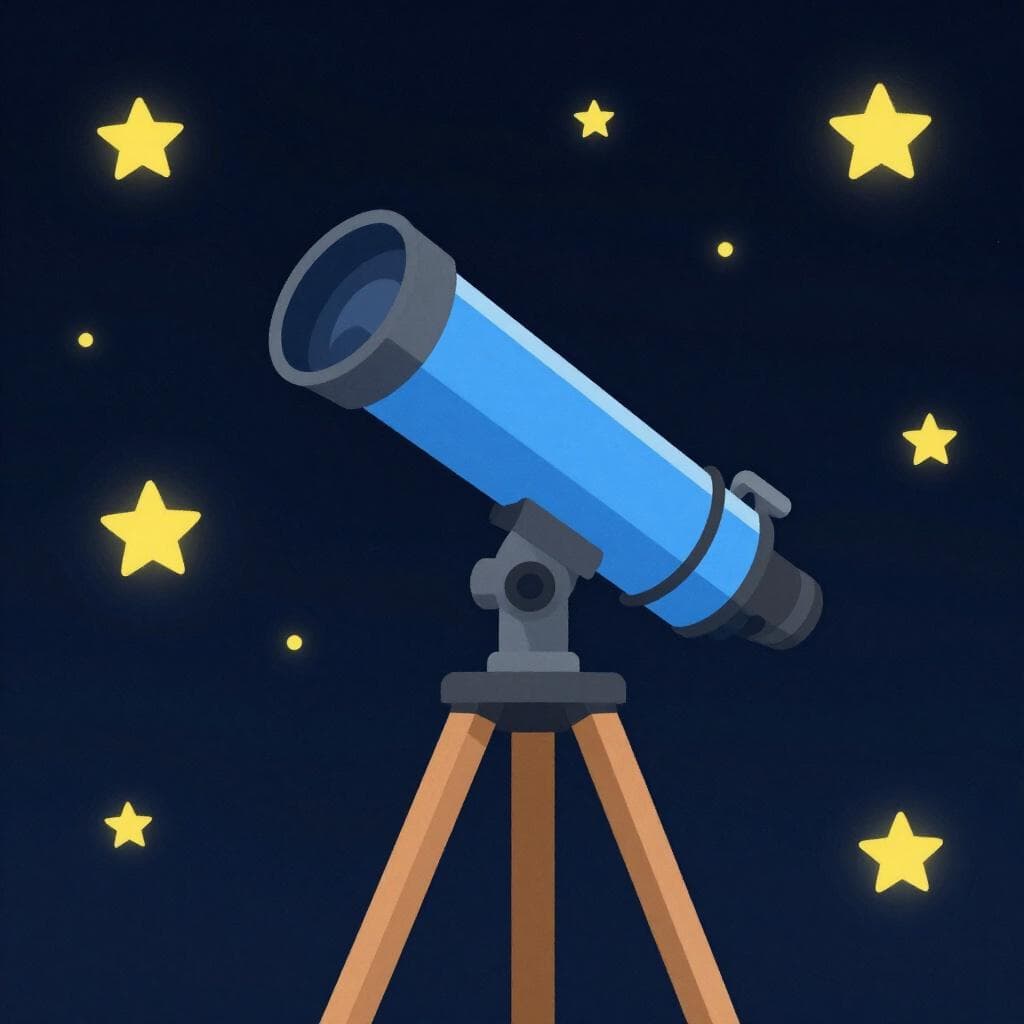
teleskop
“Quiero comprar un telescopio para ver la Luna.”
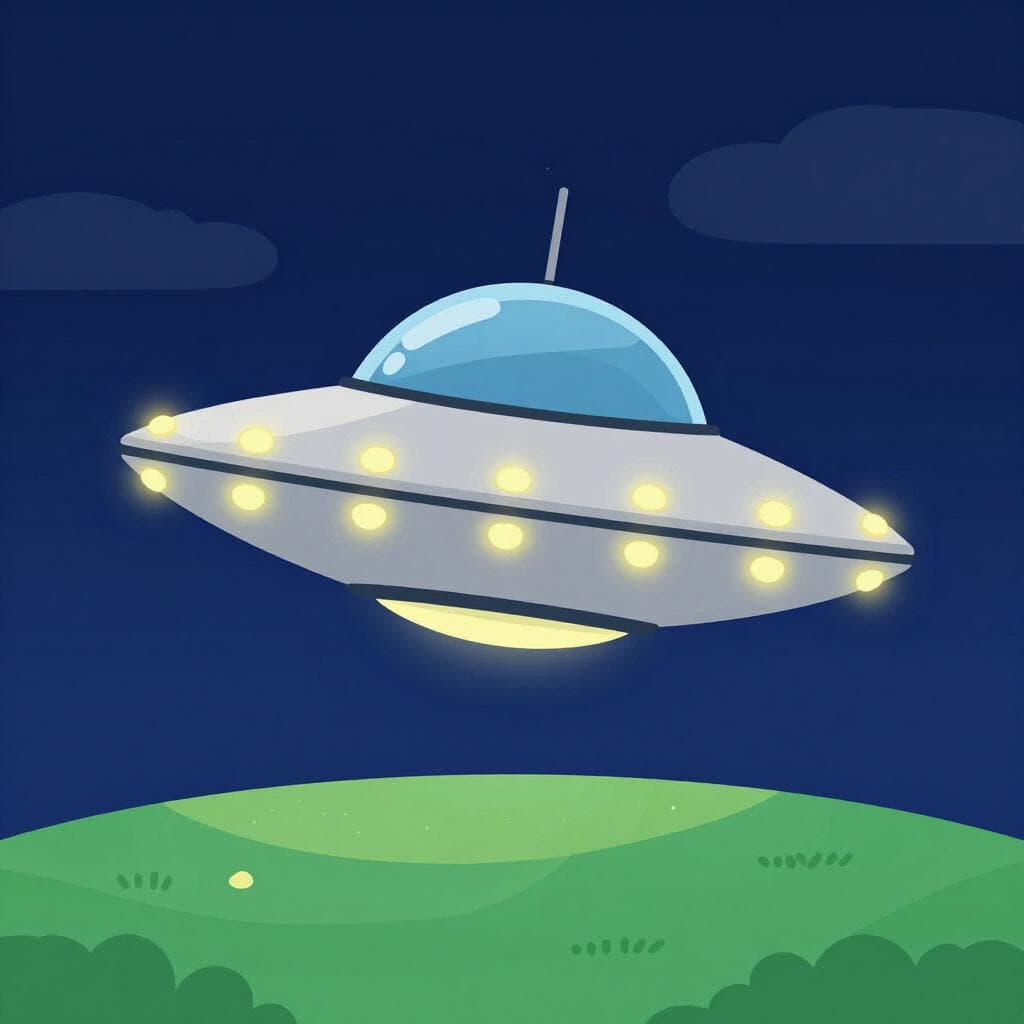
UFO
“Vi un ovni en el cielo anoche.”
B1 — Średnio zaawansowany (16 słów)

rakieta
“El cohete tardó tres días en llegar a la órbita de Marte.”

gwiazdorski
“Ella consiguió el papel estelar en la nueva película.”

galaktyka
“Nuestra galaxia se llama la Vía Láctea.”

orbita
“El satélite artificial ha entrado en órbita y ahora da vueltas a la Tierra.”

kosmiczny
“La nave espacial despegó esta mañana.”

statek
“La nave espacial despegó hacia Marte.”
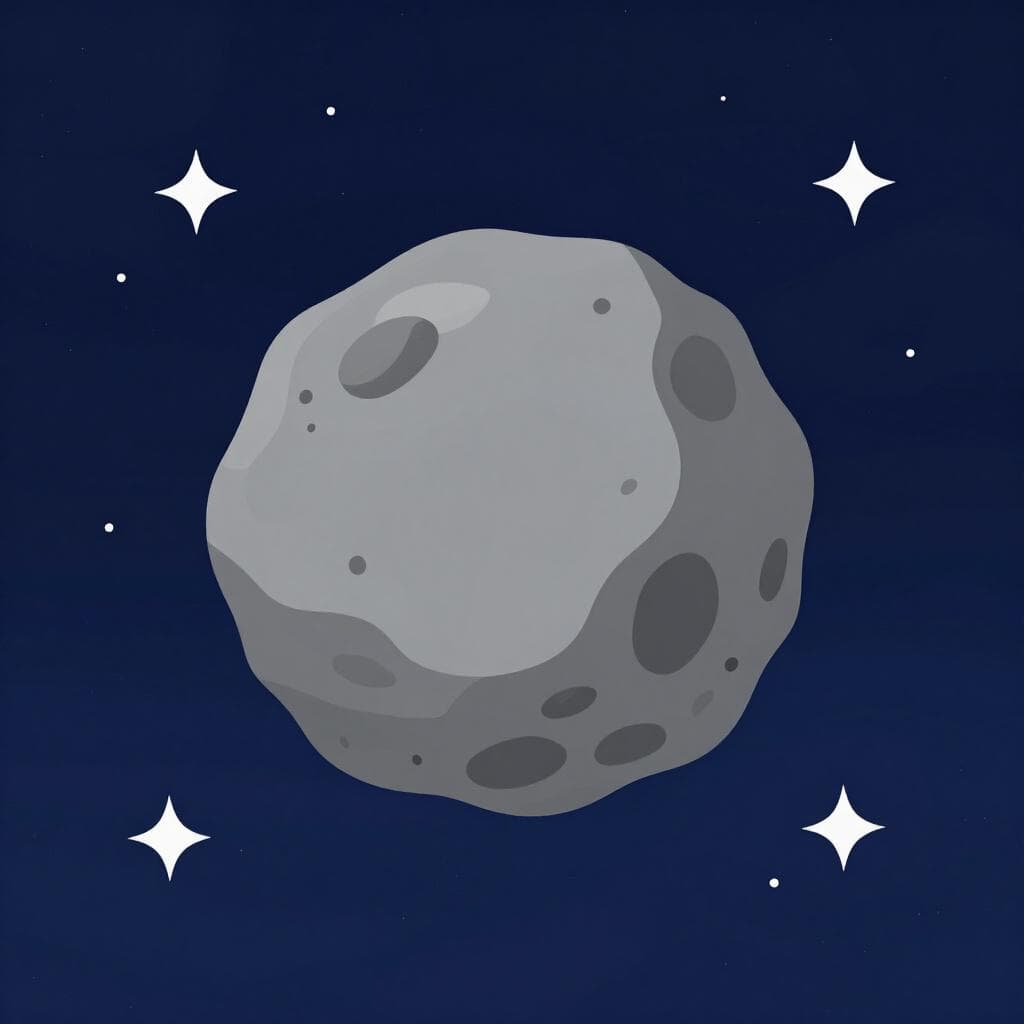
asteroida
“El asteroide pasó muy cerca de la Tierra.”
ciało niebieskie
“El Sol es el astro más importante para la vida en la Tierra.”
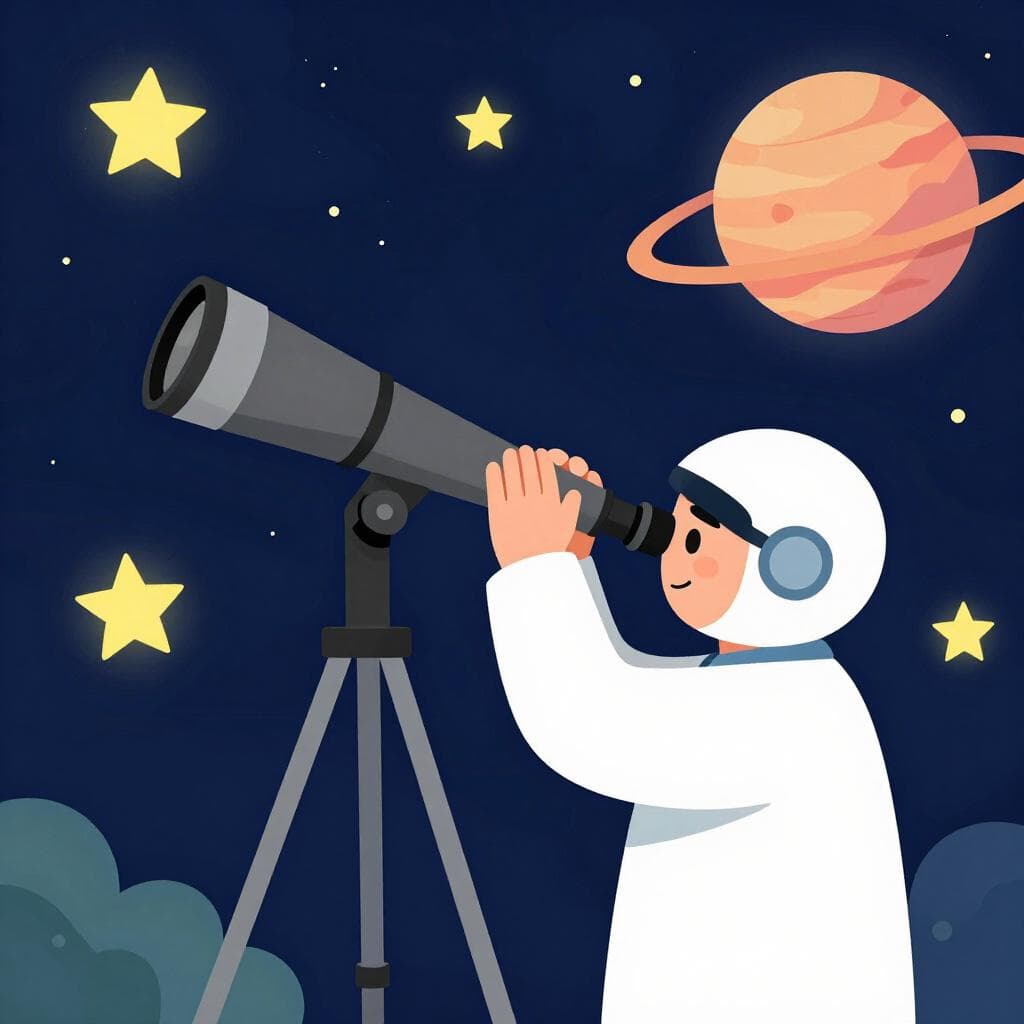
astronom
“Mi hermano quiere ser astrónomo para descubrir nuevas galaxias.”

atmosferyczny
“La presión atmosférica está bajando rápidamente.”

gwiazdozbiór
“La Osa Mayor es la constelación más conocida en el hemisferio norte.”

kosmiczny
“El telescopio captó una imagen de polvo cósmico.”

cosmos
“El cosmos es un lugar lleno de misterios por descubrir.”

krater
“El cráter del volcán está lleno de ceniza.”

kosmita
“Mi hermano dice que vio un extraterrestre cerca del bosque.”

prom
“El transbordador cruza el río cada media hora.”
B2 — Wyższy średnio zaawansowany (1 słów)

kosmici
“Los niños creen que los extraterrestres vienen en platillos voladores.”
Wskazówki gramatyczne
Rodzaj rzeczowników niebieskich
Wiele rzeczowników odnoszących się do obiektów niebieskich w języku hiszpańskim ma określony rodzaj. Na przykład 'el planeta' (planeta) jest rodzaju męskiego, podczas gdy 'la estrella' (gwiazda) jest rodzaju żeńskiego. Pamiętaj, aby dopasować rodzajniki ('el'/'la') i przymiotniki do rodzaju rzeczownika.
Tworzenie liczby mnogiej terminów kosmicznych
Większość liczby mnogiej jest tworzona zgodnie ze standardowymi zasadami języka hiszpańskiego: dodaj -s do słów kończących się na samogłoskę i -es do słów kończących się na spółgłoskę. Tak więc 'la estrella' staje się 'las estrellas', a 'el cometa' staje się 'los cometas'.
Przymiotniki zgadzają się z rzeczownikami
Podobnie jak w przypadku rodzaju, przymiotniki opisujące obiekty kosmiczne muszą zgadzać się pod względem liczby i rodzaju. Na przykład 'una estrella lejana' (odległa gwiazda) używa formy żeńskiej 'lejana', podczas gdy 'un planeta lejano' (odległa planeta) używa męskiej formy 'lejano'.
Typowe błędy
Nieprawidłowe umiejscowienie przymiotnika
Błąd: “El astronauta valiente viajó a la luna.”
Poprawka: El astronauta viajó a la luna valiente.
Zły rodzajnik dla rzeczownika żeńskiego
Błąd: “Me gusta ver el estrellas por la noche.”
Poprawka: Me gusta ver las estrellas por la noche. ('Estrella' jest rodzaju żeńskiego, więc wymaga 'las' w liczbie mnogiej.)
Nieprawidłowe umiejscowienie przymiotnika dla planety
Błąd: “El rojo planeta es Marte.”
Poprawka: El planeta rojo es Marte. (W języku hiszpańskim przymiotniki opisowe, takie jak kolory, zazwyczaj występują po rzeczowniku.)
Notatki kulturowe
Rodzaj Księżyca
Chociaż 'księżyc' to 'la luna' (rodzaj żeński) w języku hiszpańskim, ciekawe jest to, że w języku angielskim często odnosimy się do Księżyca z użyciem zaimka neutralnego lub nawet męskiego ('it', 'he' w kontekstach poetyckich). Podkreśla to, jak różne języki przypisują rodzaj zjawiskom naturalnym.
Popularność astronomii w języku hiszpańskim
Astronomia jest popularnym hobby w wielu krajach hiszpańskojęzycznych. Znajdziesz tam wiele amatorskich klubów astronomicznych i wydarzeń związanych z obserwacją gwiazd, często określanych terminami takimi jak 'observación astronómica' lub 'noche de estrellas'.