
Kolory po hiszpańsku
Kolory są wszędzie, a znajomość ich w języku hiszpańskim sprawi, że Twoje opisy będą znacznie bardziej żywe! Ta lista obejmuje szeroką gamę odcieni, od podstawowych po bardziej specyficzne. W przeciwieństwie do angielskiego, hiszpańskie przymiotniki określające kolory muszą zgadzać się pod względem rodzaju i liczby z rzeczownikiem, który opisują, więc przygotuj się na naukę końcówek!
Szybka ściąga
| Hiszpański | Polski | Przykład | Poziom |
|---|---|---|---|
amarillo | żółty | Compré una flor amarilla para mi madre. | A1 |
azul | niebieski | El mar Caribe es de un color azul turquesa impresionante. | A1 |
blanco | biały | Mi camisa favorita es blanca. | A1 |
canario | kanarek | El canario canta muy bien por las mañanas. | A1 |
castaño | brązowy | Mi hermano tiene el pelo castaño y los ojos verdes. | A1 |
celeste | błękitny | Mi color favorito es el azul celeste. | A1 |
color | kolor | ¿Cuál es tu color favorito? | A1 |
dorado | złoty | El sol de la mañana tiene un tono dorado precioso. | A1 |
gris | szary | Mi coche nuevo es de color gris oscuro. | A1 |
lila | liliowy | Mi hermana tiene una falda lila muy bonita. | A1 |
marrón | brązowy | Mi perro tiene el pelo marrón y blanco. | A1 |
morado | fioletowy | Mi color favorito es el morado. | A1 |
A1 — Początkujący (22 słów)

żółty
“Compré una flor amarilla para mi madre.”

niebieski
“El mar Caribe es de un color azul turquesa impresionante.”
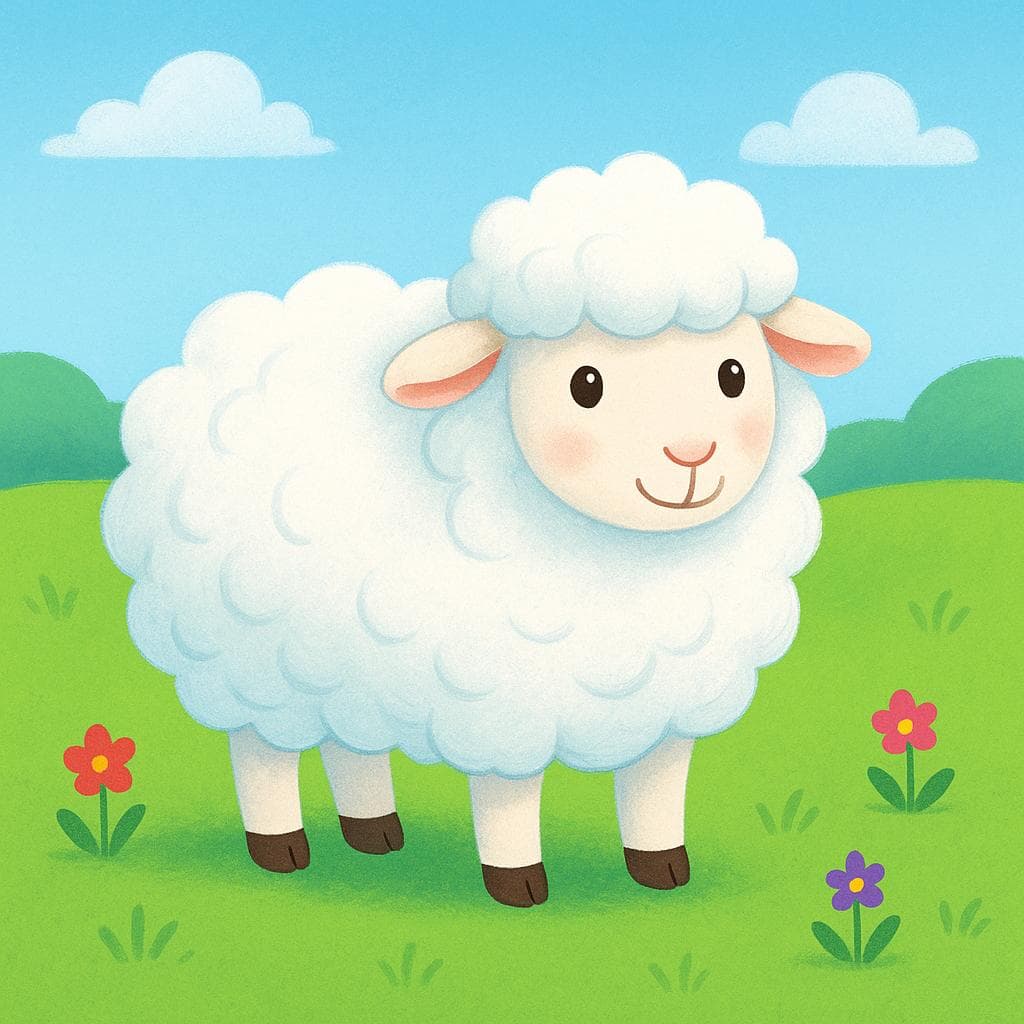
biały
“Mi camisa favorita es blanca.”
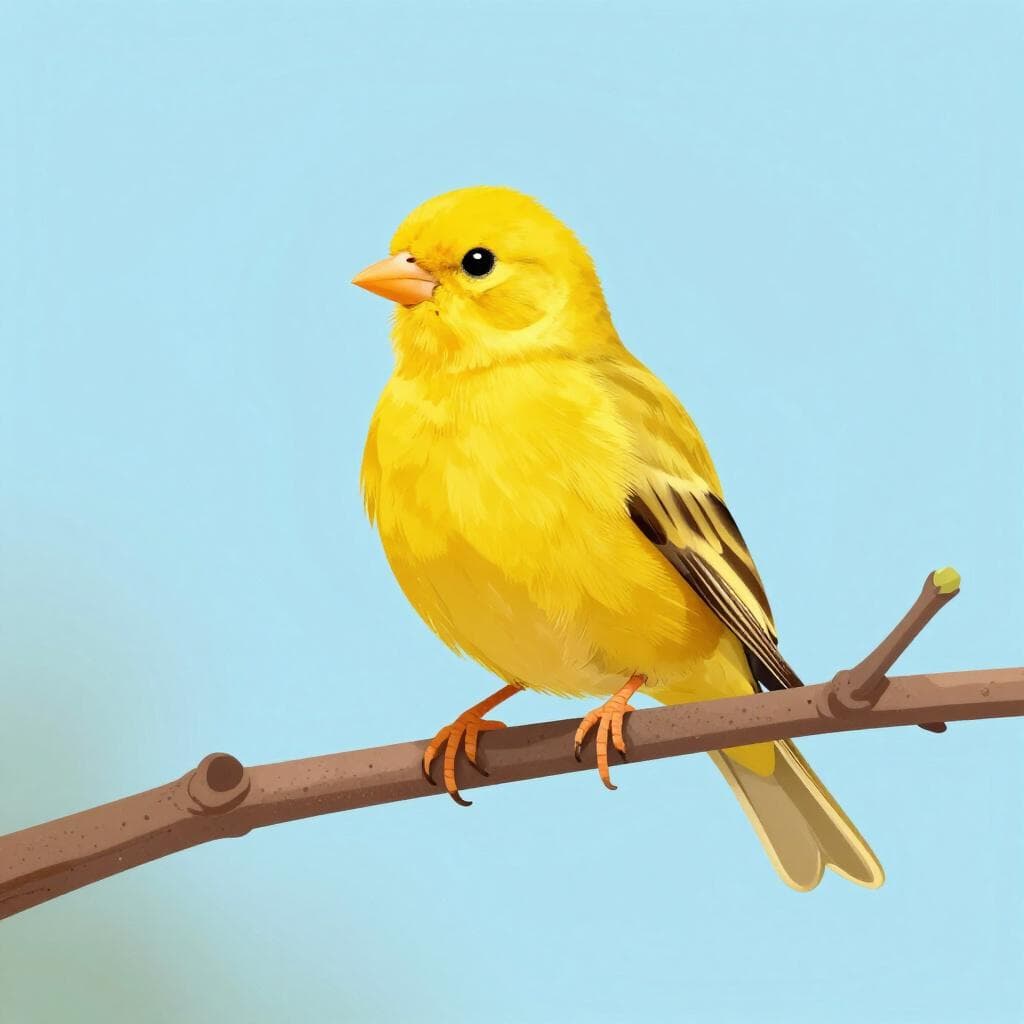
kanarek
“El canario canta muy bien por las mañanas.”

brązowy
“Mi hermano tiene el pelo castaño y los ojos verdes.”

błękitny
“Mi color favorito es el azul celeste.”

kolor
“¿Cuál es tu color favorito?”

złoty
“El sol de la mañana tiene un tono dorado precioso.”

szary
“Mi coche nuevo es de color gris oscuro.”

liliowy
“Mi hermana tiene una falda lila muy bonita.”

brązowy
“Mi perro tiene el pelo marrón y blanco.”

fioletowy
“Mi color favorito es el morado.”
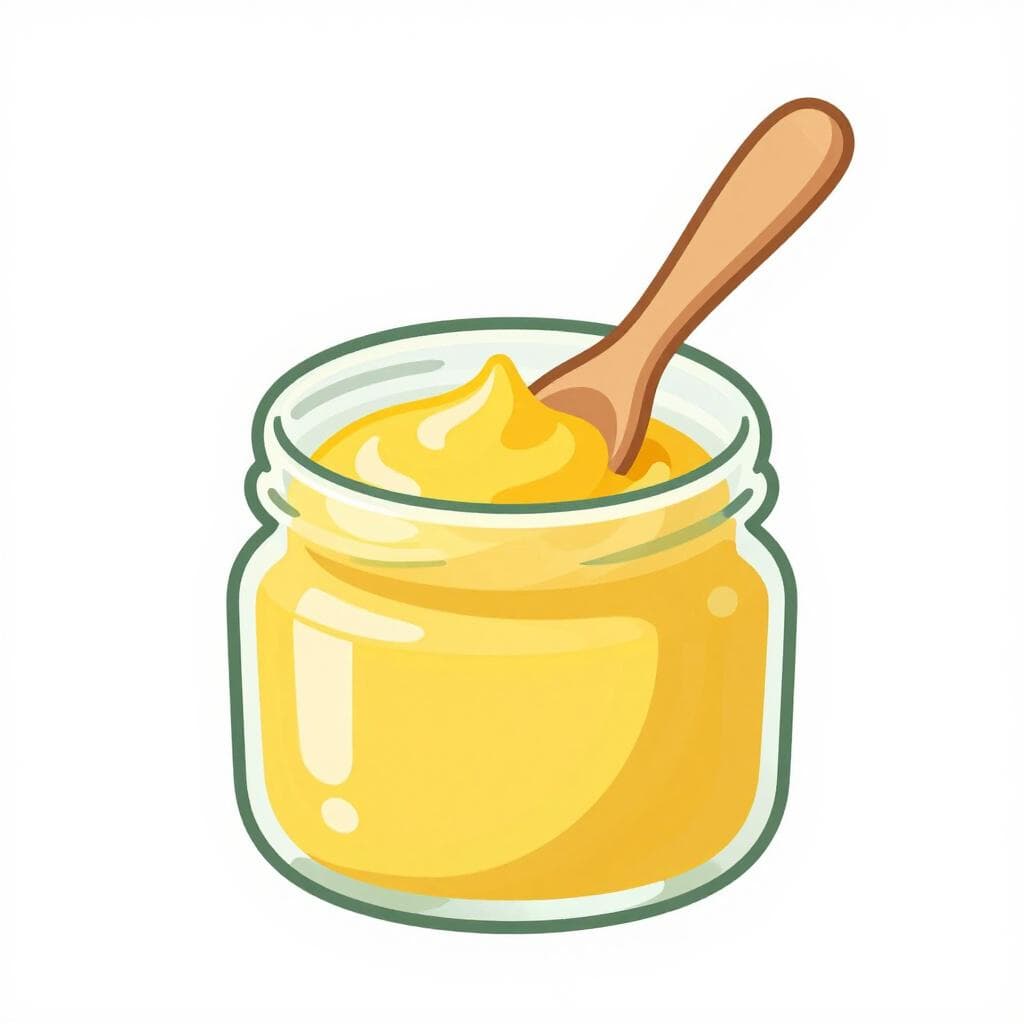
musztarda
“Pásame la mostaza para mi perro caliente, por favor.”
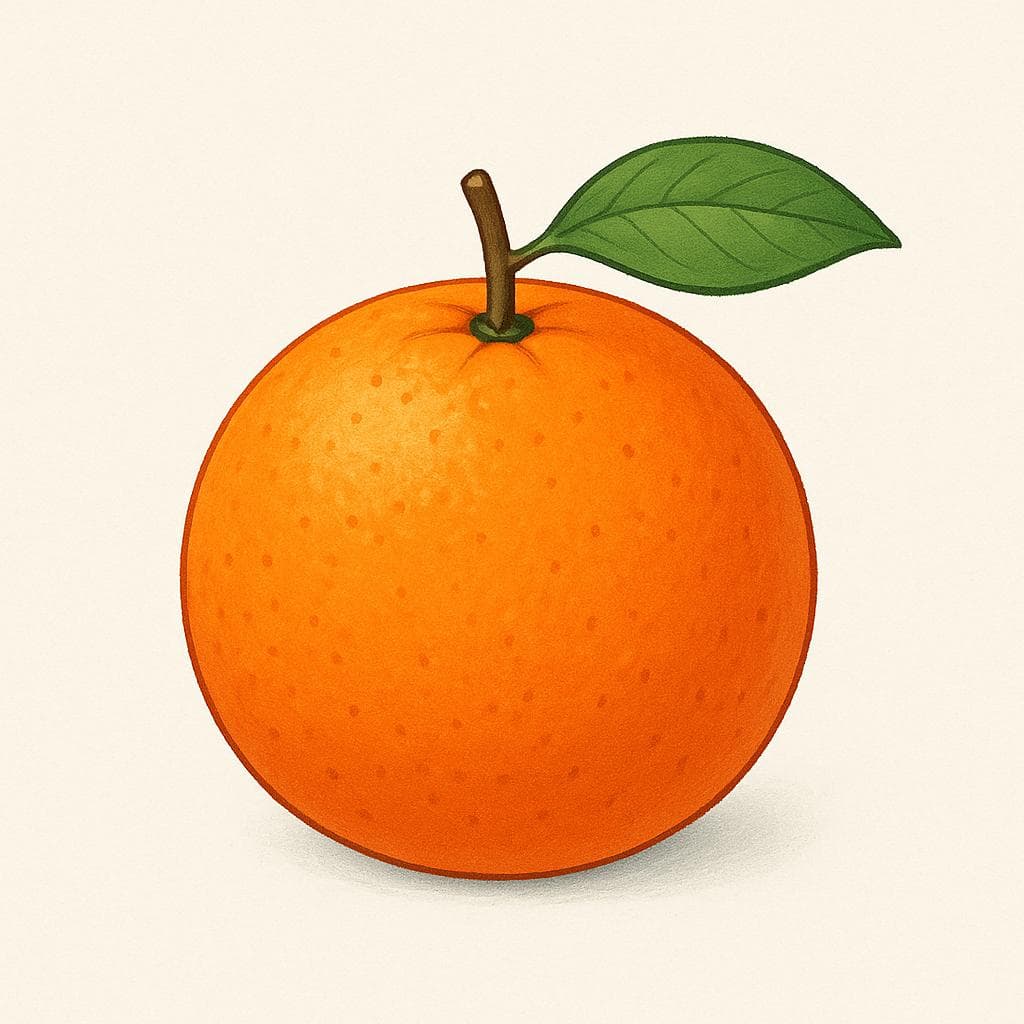
pomarańcza
“Quiero una naranja dulce para el postre.”
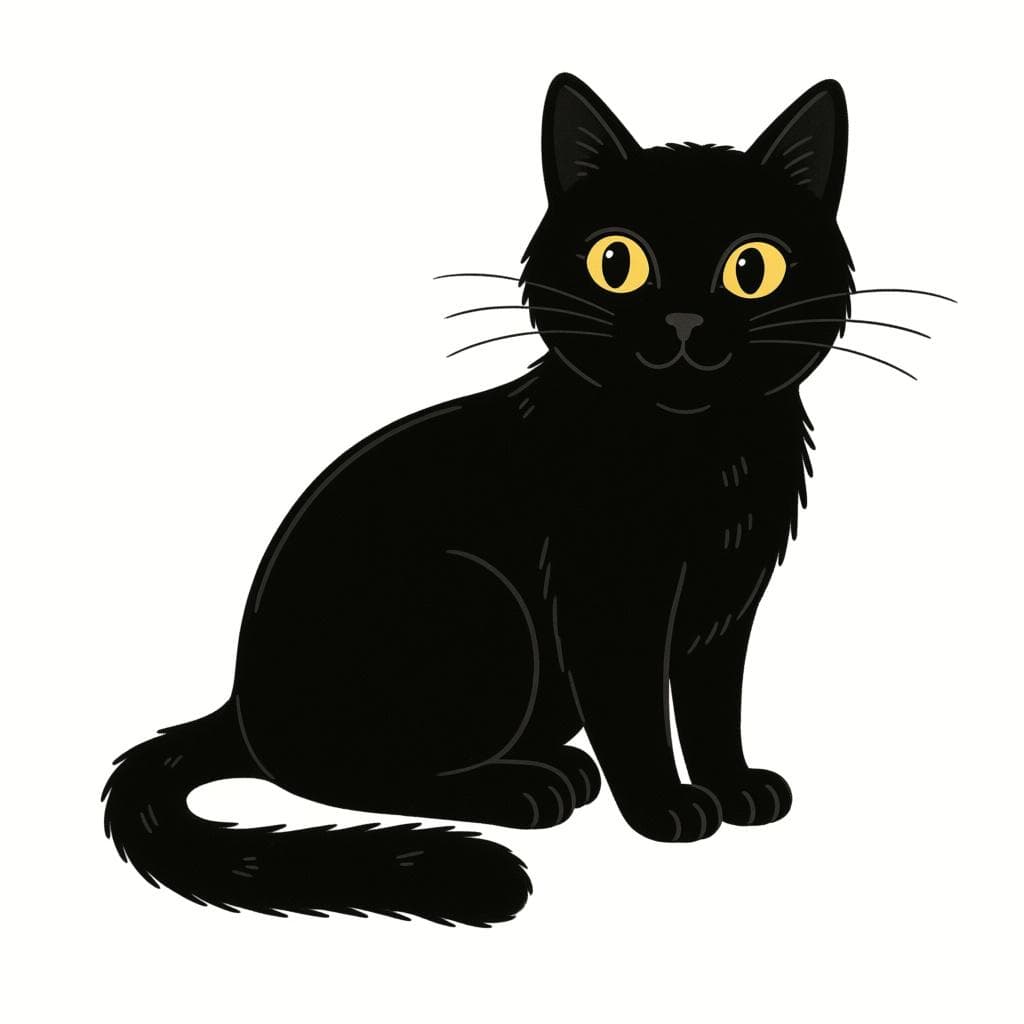
czarny
“Mi gato es completamente negro.”

czerwony
“Compré una bufanda roja para el invierno.”

róża
“Me regaló una rosa roja por mi cumpleaños.”

różowy
“Tengo una camisa rosada muy bonita.”

zielony
“La hierba es verde.”

zielony
“Compramos sillas verdes para el jardín.”

fiołkowy
“Mi color favorito es el violeta.”

łosoś
“El salmón nada río arriba para poner sus huevos.”
A2 — Podstawowy (3 słów)

czerwony
“Me gusta ese coche colorado.”

koralowiec
“Vimos muchos peces de colores en el arrecife de coral.”

srebrny
“Mi hermana se compró un coche plateado.”
B1 — Średnio zaawansowany (1 słów)
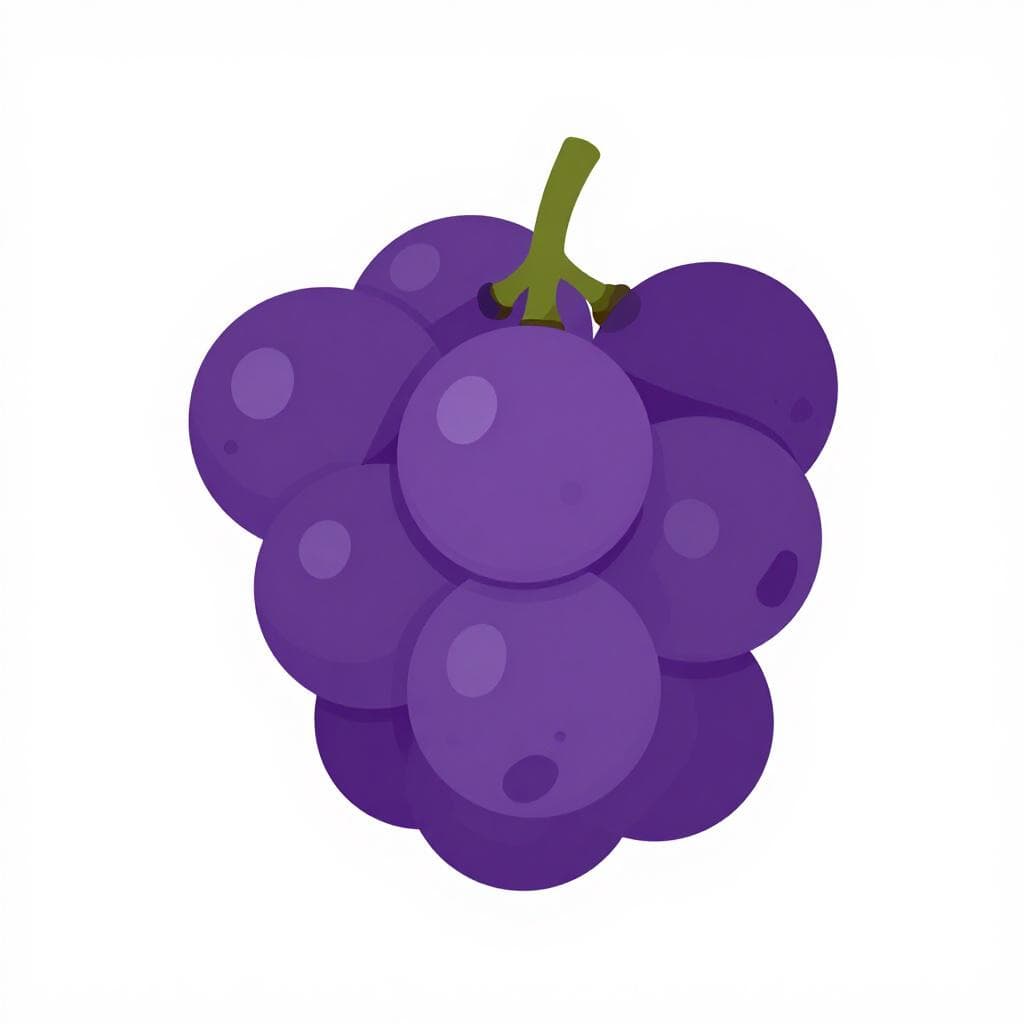
fioletowy
“Ella lleva una bufanda púrpura muy bonita.”
Wskazówki gramatyczne
Zgodność rodzaju i liczby
Hiszpańskie przymiotniki określające kolor muszą pasować do rzeczownika, który modyfikują. Na przykład, 'la casa blanca' (biały dom) używa '-a' dla rodzaju żeńskiego, podczas gdy 'el coche blanco' (biały samochód) używa '-o' dla rodzaju męskiego. Liczba mnoga również wymaga zmian: 'las casas blancas' (białe domy).
Niezmienne kolory
Niektóre kolory, często pochodzące od rzeczowników takich jak owoce czy kwiaty, nie zmieniają swojej formy. 'Naranja' (pomarańczowy) i 'violeta' (fioletowy) to częste przykłady. Zatem 'la camisa naranja' (pomarańczowa koszula) i 'los coches naranja' (pomarańczowe samochody) używają tej samej formy.
Kolejność słów ma znaczenie
W języku hiszpańskim przymiotniki określające kolor zazwyczaj występują *po* rzeczowniku, który opisują. Zamiast więc 'the red apple', powiesz 'la manzana roja'. Jest to kluczowa różnica w porównaniu do angielskiego, gdzie przymiotniki zazwyczaj poprzedzają rzeczownik.
Typowe błędy
Nieprawidłowe umiejscowienie przymiotnika
Błąd: “Yo tengo un rojo coche.”
Poprawka: Yo tengo un coche rojo. W języku hiszpańskim przymiotniki określające kolor zazwyczaj występują po rzeczowniku, który opisują.
Zapominanie o zgodności
Błąd: “Las flores blanco son bonitas.”
Poprawka: Las flores blancas son bonitas. Przymiotnik 'blanco' musi zgadzać się pod względem rodzaju i liczby z rzeczownikiem rodzaju żeńskiego w liczbie mnogiej 'flores'.
Traktowanie niezmiennych kolorów jako zmiennych
Błąd: “La mesa naranjas es grande.”
Poprawka: La mesa naranja es grande. Kolory pochodzące od rzeczowników, takie jak 'naranja' (pomarańczowy), są często niezmienne i nie zmieniają się w zależności od rodzaju lub liczby.
Notatki kulturowe
Symbolika kolorów
Chociaż kolory mają uniwersalne skojarzenia, niektóre znaczenia mogą się różnić. Na przykład, biały jest często kojarzony z czystością i ślubami w wielu kulturach hiszpańskojęzycznych, podobnie jak w tradycjach zachodnich, ale czerwony może czasami symbolizować niebezpieczeństwo lub pasję w zależności od kontekstu.
Regionalne nazwy kolorów
Możesz napotkać drobne różnice w nazwach kolorów lub odcieniach w różnych krajach hiszpańskojęzycznych. Chociaż 'azul' to uniwersalnie niebieski, konkretne odcienie, takie jak 'celeste' (błękitny), są powszechne, ale mogą mieć regionalne synonimy.