
Śmierć i żałoba po hiszpańsku
Rozmowy o śmierci i żałobie mogą być delikatne, a język hiszpański nie jest wyjątkiem. Ten zestaw słownictwa wyposaży Cię w niezbędne terminy do omawiania odejścia, pogrzebów i procesu żałoby. Zrozumienie tych słów jest kluczowe dla okazywania szacunku i empatii w trudnych sytuacjach, a hiszpański często używa więcej eufemizmów niż angielski w tym kontekście.
Szybka ściąga
| Hiszpański | Polski | Przykład | Poziom |
|---|---|---|---|
duelo | żal | Después de la muerte de su abuelo, ella pasó por un largo duelo. | B1 |
funeral | pogrzeb | El funeral se celebrará en la iglesia principal. | A1 |
morir | umierać | Mi abuelo murió el año pasado. | A2 |
muerte | śmierć | La muerte es una parte natural de la vida. | A2 |
muertes | śmierci | El informe confirmó un alto número de muertes por la tormenta. | A2 |
muerto | martwy | Cuando llegué, la planta ya estaba muerta. | A2 |
muriendo | umierający | El viejo roble se está muriendo lentamente. | A2 |
murieron | oni umarli | Los tres animales murieron de sed en el desierto. | B1 |
murió | umarł | Mi abuelo murió el año pasado. | A2 |
viuda | wdowa | Mi abuela es viuda y vive sola en el campo. | A1 |
cadáveres | zwłoki | Los arqueólogos descubrieron varios cadáveres en la antigua tumba. | C1 |
cementerio | cmentarz | Fuimos al cementerio a visitar la tumba de mi abuela. | A2 |
A1 — Początkujący (2 słów)
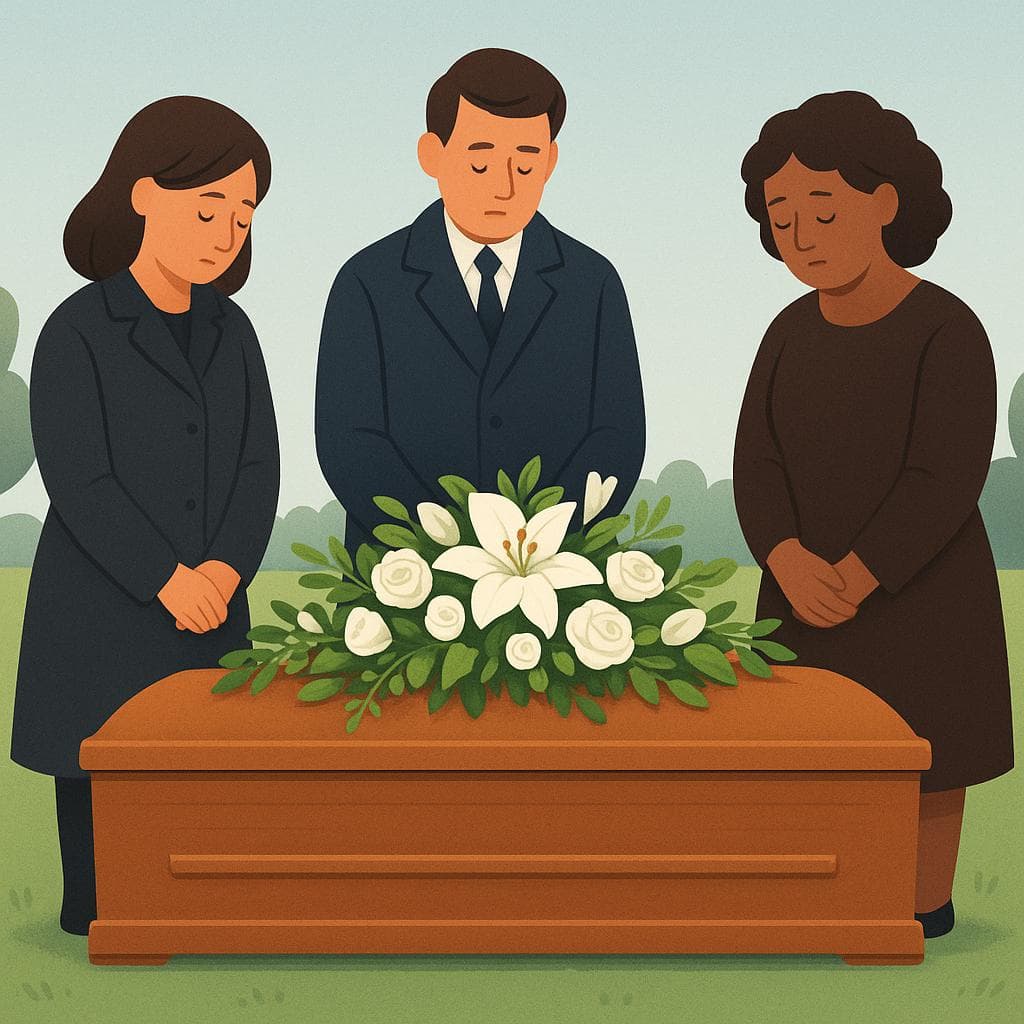
pogrzeb
“El funeral se celebrará en la iglesia principal.”
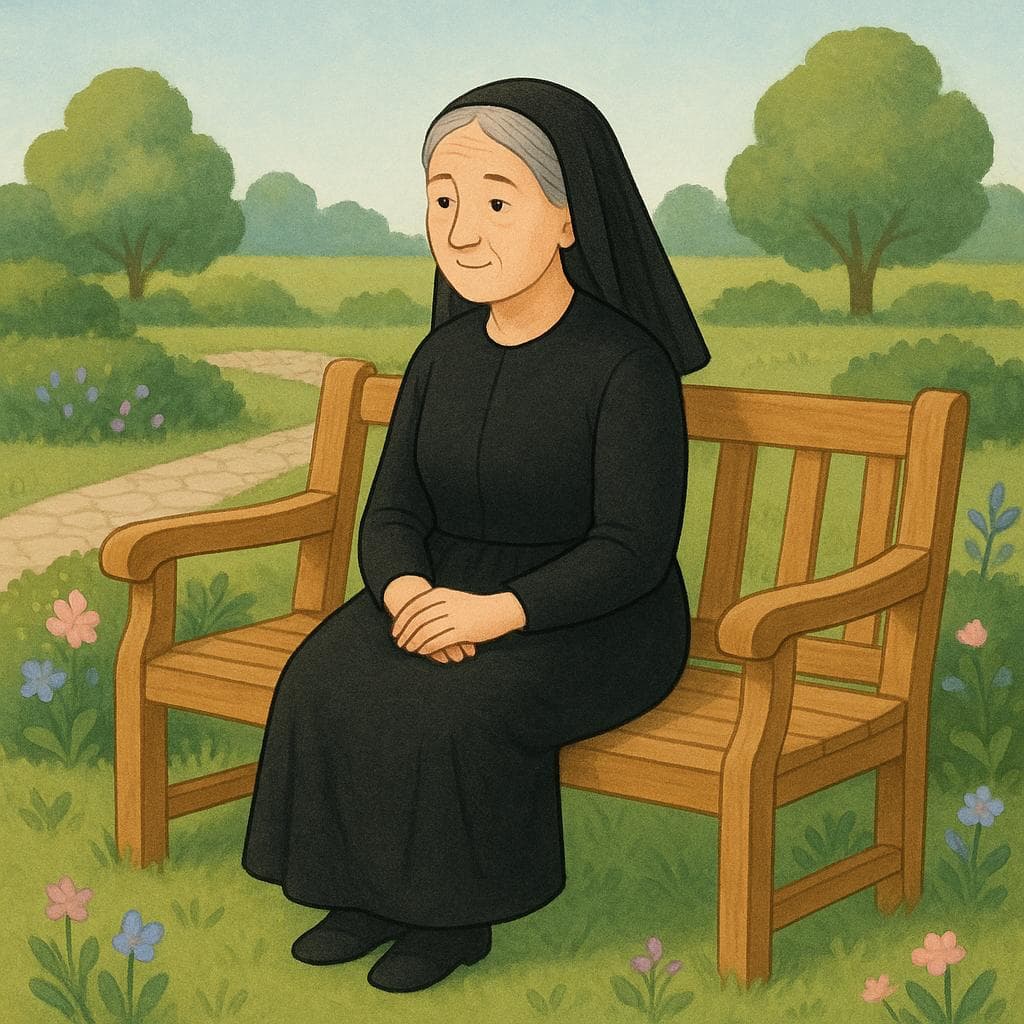
wdowa
“Mi abuela es viuda y vive sola en el campo.”
A2 — Podstawowy (8 słów)
umierać
“Mi abuelo murió el año pasado.”
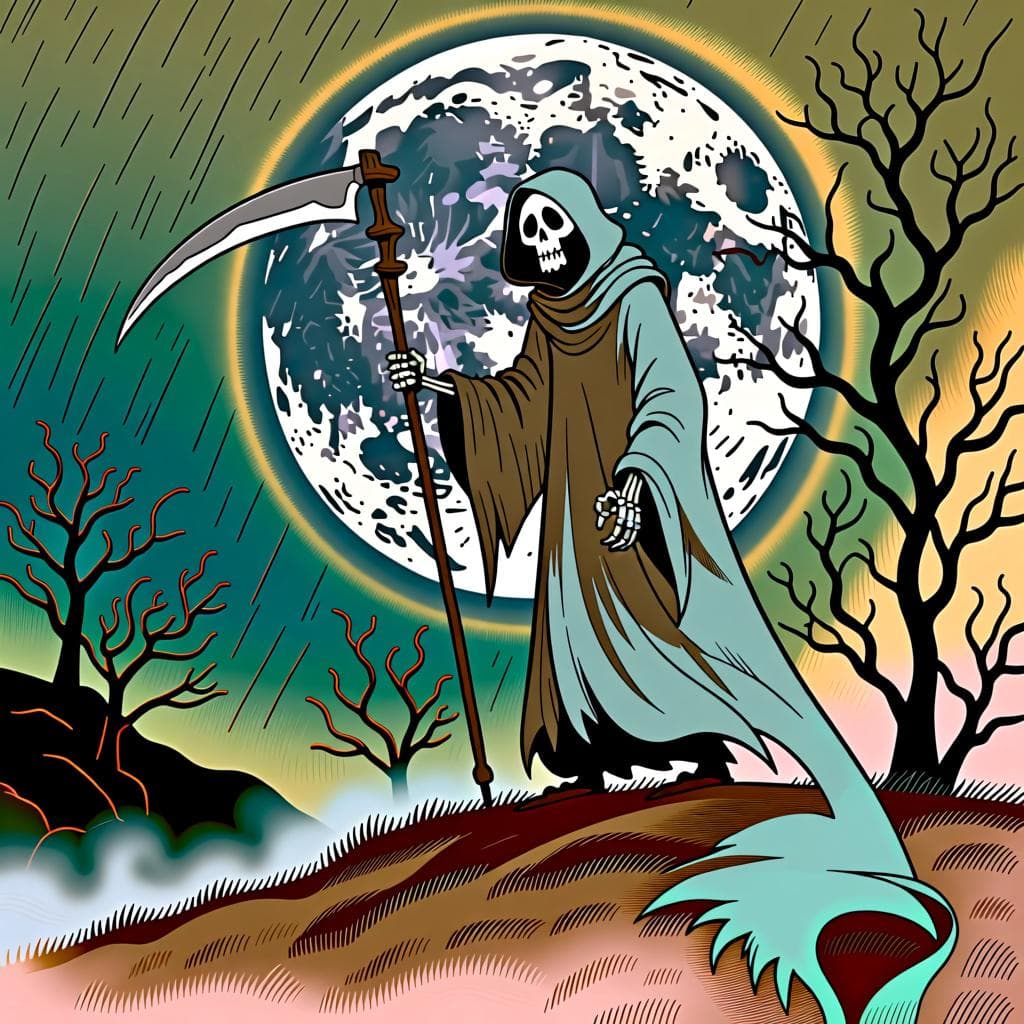
śmierć
“La muerte es una parte natural de la vida.”
śmierci
“El informe confirmó un alto número de muertes por la tormenta.”

martwy
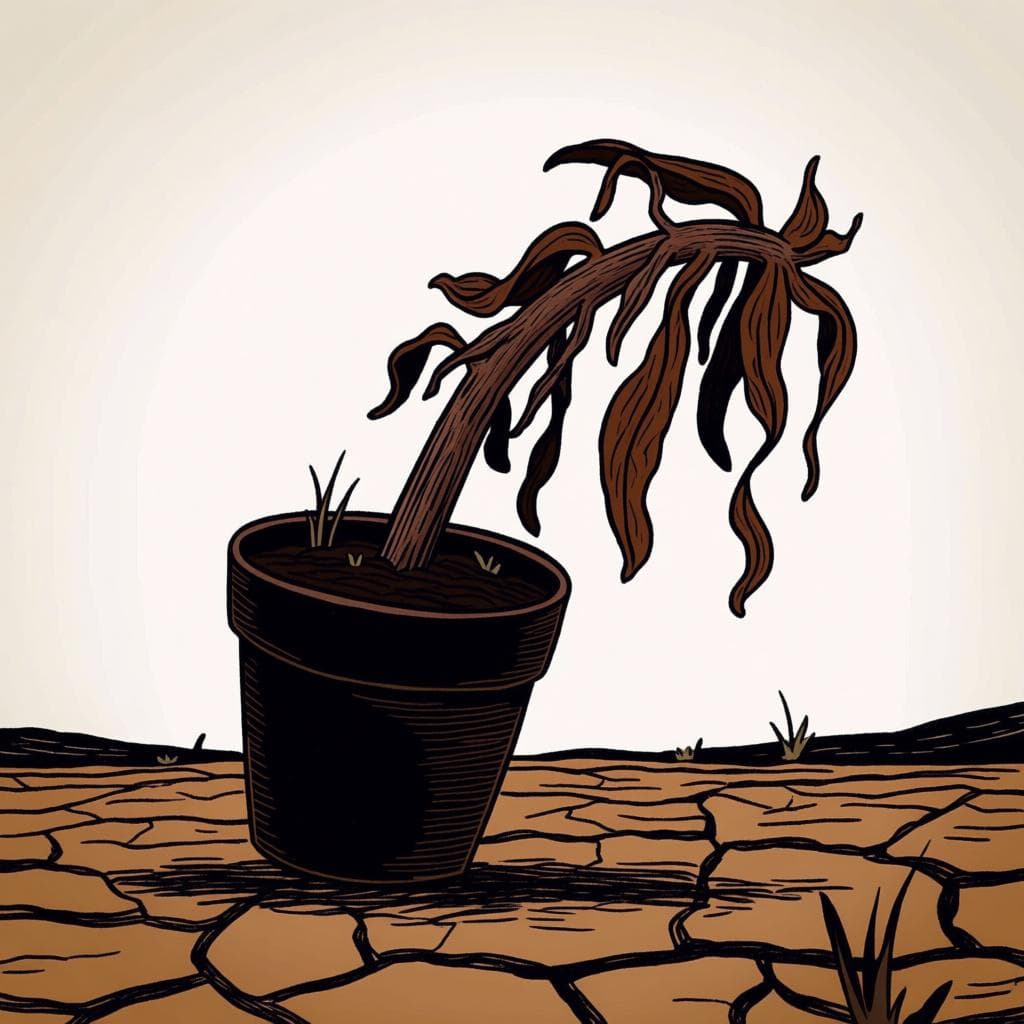
“Cuando llegué, la planta ya estaba muerta.”

umierający
“El viejo roble se está muriendo lentamente.”

umarł
“Mi abuelo murió el año pasado.”
cmentarz
“Fuimos al cementerio a visitar la tumba de mi abuela.”

grób
“Fueron al cementerio a visitar la tumba de su tía.”
B1 — Średnio zaawansowany (10 słów)
żal
“Después de la muerte de su abuelo, ella pasó por un largo duelo.”

oni umarli
“Los tres animales murieron de sed en el desierto.”
zmarły
“Hicieron una ceremonia en honor al actor fallecido.”
odszedł
“El escritor falleció en su casa rodeado de su familia.”

agonia
“El herido estuvo en agonía durante varias horas antes de que llegara el médico.”
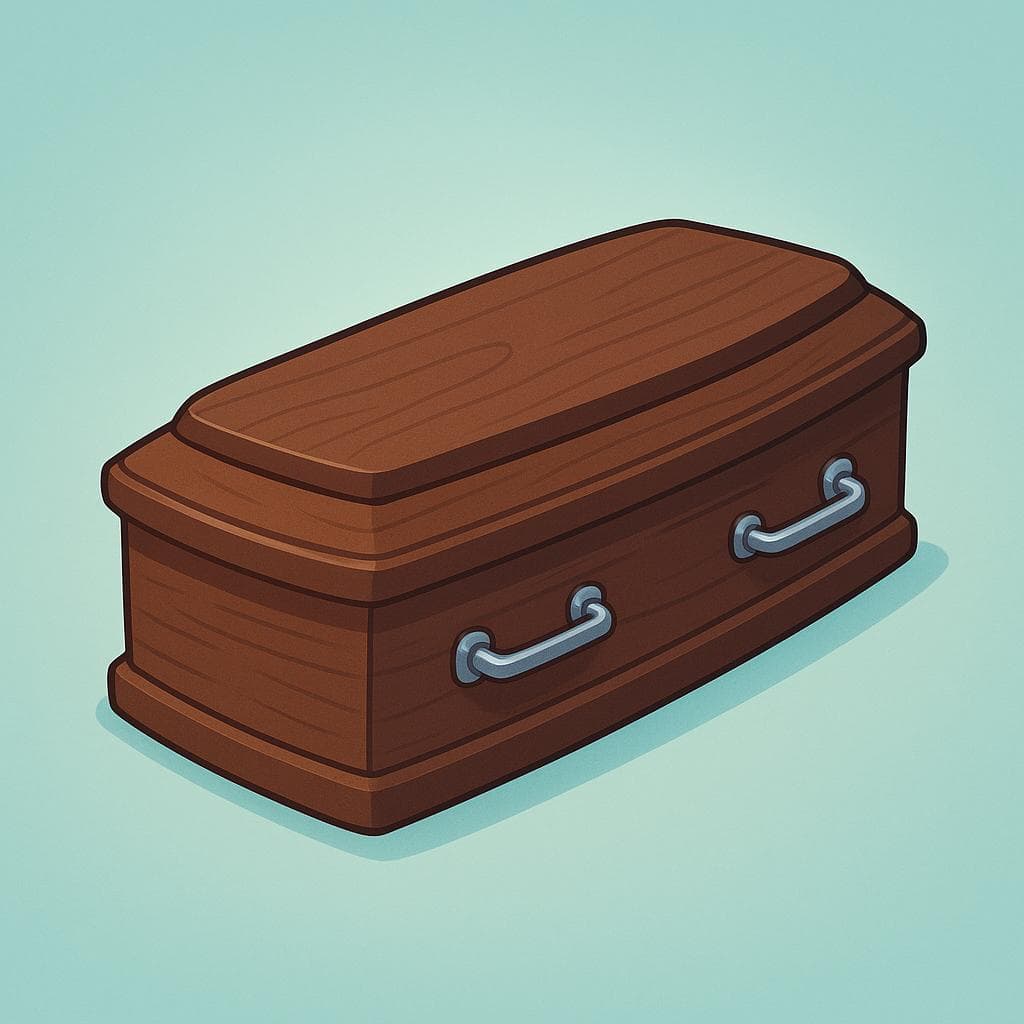
trumna
“El ataúd fue cubierto con una bandera.”

zmarły
“Mi difunto abuelo era un hombre muy sabio.”
pogrzebowy
“La empresa ofrece servicios funerarios completos.”
żałoba
“La familia está de luto por la muerte del abuelo.”
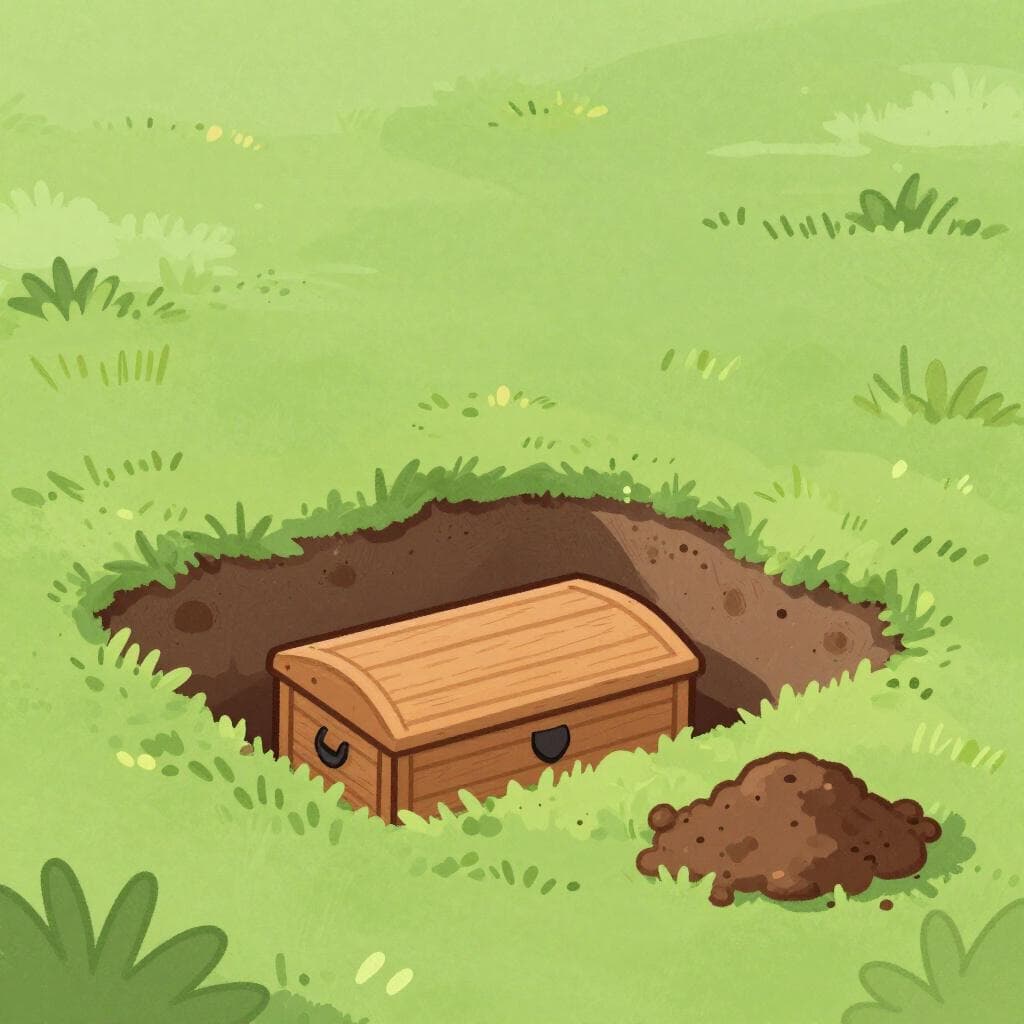
pogrzebać
“Decidieron sepultar a su abuelo en el cementerio del pueblo.”
B2 — Wyższy średnio zaawansowany (4 słów)
odejść
“Mi abuela falleció a los noventa años.”
śmierć
“Lamentamos informar el fallecimiento del reconocido actor.”

umierający
“El animal moribundo fue rescatado por los veterinarios.”
I/he/she might die
C1 — Zaawansowany (1 słów)
zwłoki
“Los arqueólogos descubrieron varios cadáveres en la antigua tumba.”
Wskazówki gramatyczne
Zgodność rodzajowa z 'Difunto/a'
Przymiotnik 'difunto/a' (zmarły/a) musi zgadzać się pod względem rodzaju z osobą, którą opisuje. W przypadku mężczyzny powiesz 'el difunto señor García', a w przypadku kobiety 'la difunta señora López'. Jest to powszechny wzorzec dla przymiotników opisowych w języku hiszpańskim.
Koniugacja czasownika 'Fallecer'
Czasownik 'fallecer' (umierać, odchodzić) jest nieregularny, a jego formy czasu przeszłego są często używane. Na przykład 'él falleció' (on zmarł) lub 'ella falleció' (ona zmarła). Zwróć uwagę na końcówkę '-ció' w czasie przeszłym pretérito perfecto simple.
Liczba mnoga: 'Cadáver' i 'Funeral'
Rzeczowniki związane ze śmiercią często mają przewidywalne formy liczby mnogiej. 'Cadáver' staje się 'cadáveres' (zwłoki), a 'funeral' staje się 'funerales' (pogrzeby). Pamiętaj, aby dopasować rodzajnik i przymiotnik do rzeczownika w liczbie mnogiej.
Typowe błędy
Zbyt bezpośrednie użycie 'Morir'
Błąd: “El señor murió ayer.”
Poprawka: El señor falleció ayer. Chociaż 'morir' jest poprawne, 'fallecer' jest często preferowane w kontekstach formalnych lub pełnych szacunku, gdy mówi się o śmierci osoby, podobnie jak użycie 'passed away' zamiast 'died' w języku angielskim.
Niepoprawna zgodność rodzajowa
Błąd: “La difunto estaba triste.”
Poprawka: La difunta estaba triste. Przymiotnik 'difunto' musi zgadzać się pod względem rodzaju z rzeczownikiem, który modyfikuje. Ponieważ 'la difunta' odnosi się do kobiety, przymiotnik również musi być w rodzaju żeńskim.
Mylenie 'Luto' i 'Duelo'
Błąd: “Ella lleva mucho luto por su esposo.”
Poprawka: Ella lleva mucho duelo por su esposo. 'Duelo' odnosi się do wewnętrznego, emocjonalnego doświadczenia smutku lub żałoby. 'Luto' odnosi się do zewnętrznych oznak żałoby, takich jak noszenie czarnych ubrań. Doświadczasz 'duelo' i obserwujesz 'luto'.
Notatki kulturowe
Eufemizmy i 'Descansar'
Hiszpańskojęzyczni użytkownicy często używają łagodniejszych zwrotów niż bezpośrednie 'morir' (umierać). Powszechne eufemizmy to 'fallecer', 'irse' lub 'descansar' (spoczywać, odpoczywać). Powiedzenie, że ktoś 'descansó en paz' (spoczywa w pokoju), jest bardzo powszechnym i pełnym szacunku sposobem odnoszenia się do zmarłego.
Dzień Zmarłych (Día de Muertos)
W wielu krajach Ameryki Łacińskiej, zwłaszcza w Meksyku, Dzień Zmarłych (1 i 2 listopada) jest barwnym świętem ku czci przodków. Obejmuje ołtarze, specjalne potrawy i skupienie na wspominaniu bliskich z radością, a nie tylko ze smutkiem, co kontrastuje z bardziej ponurymi tradycjami żałobnymi w innych miejscach.