Love & Romance in Spanish
Expressing affection in Spanish opens up a world of heartfelt connections, from tender declarations to passionate vows. This vocabulary set will equip you to navigate conversations about love, romance, and deep emotional bonds. You'll find it's quite common in Spanish to use 'te amo' for profound love and 'te quiero' for affection, a distinction not always present in English.
Quick Reference
| Spanish | English | Example | Level |
|---|---|---|---|
abrazar | to hug | Quiero abrazar a mi hermano. | A1 |
abrazo | hug | ¡Qué alegría verte! Dame un fuerte abrazo. | A1 |
adorar | to adore | Adoro el helado de chocolate. | A2 |
adoro | I love | Adoro a mi perro, es el más inteligente del mundo. | A1 |
ama | loves | Mi abuela ama las flores de su jardín. | A1 |
amado | beloved | Este es mi libro más amado; lo he leído diez veces. | A2 |
amar | to love | Mi abuela y mi abuelo se amaron por sesenta años. | A1 |
amarte | to love you | Prometo amarte para siempre. | A1 |
amor | love | El amor de una madre es incondicional. | A1 |
atracción | attraction | Siento una gran atracción por su manera de pensar. | A2 |
besar | to kiss | Siempre besamos a nuestros amigos cuando los vemos. | A1 |
beso | kiss | El niño le dio un beso de buenas noches a su peluche. | A1 |
A1 — Beginner (16 words)
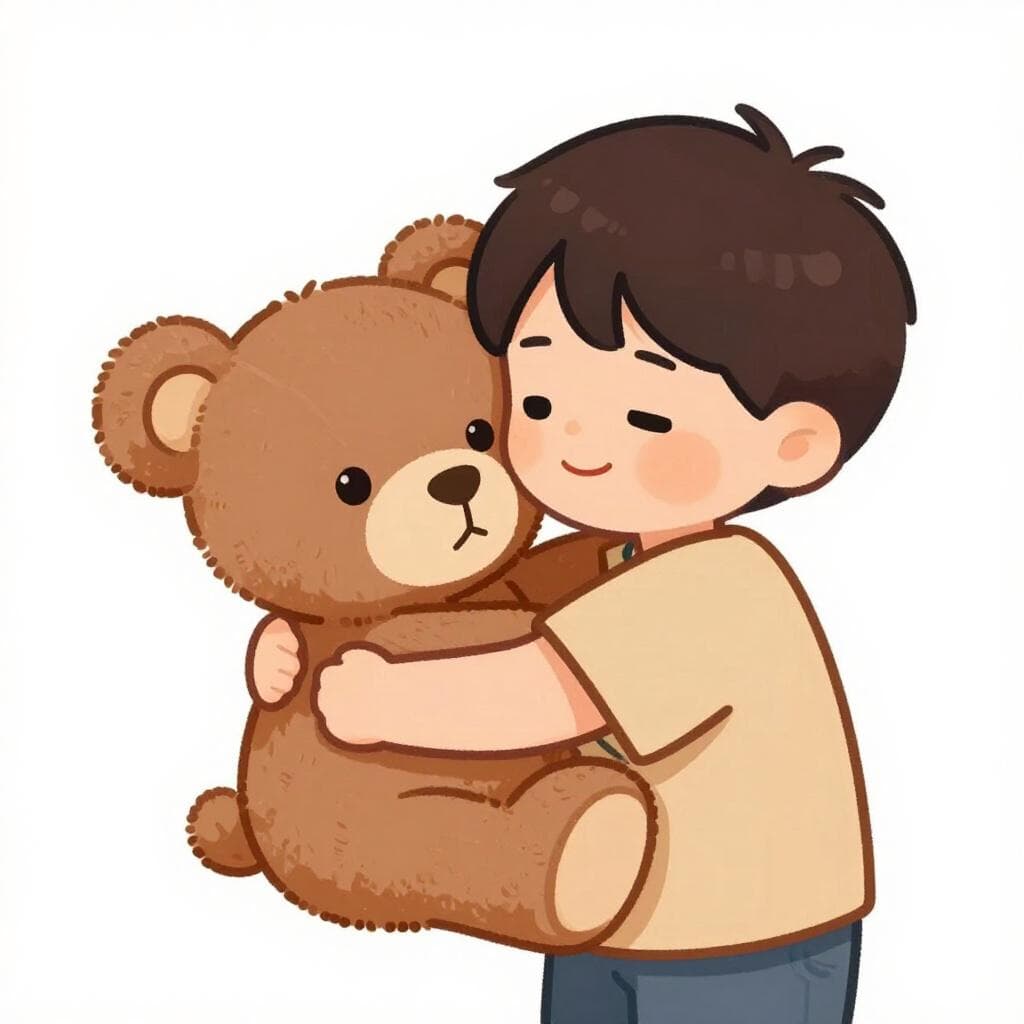
to hug
“Quiero abrazar a mi hermano.”

hug
“¡Qué alegría verte! Dame un fuerte abrazo.”

I love
“Adoro a mi perro, es el más inteligente del mundo.”
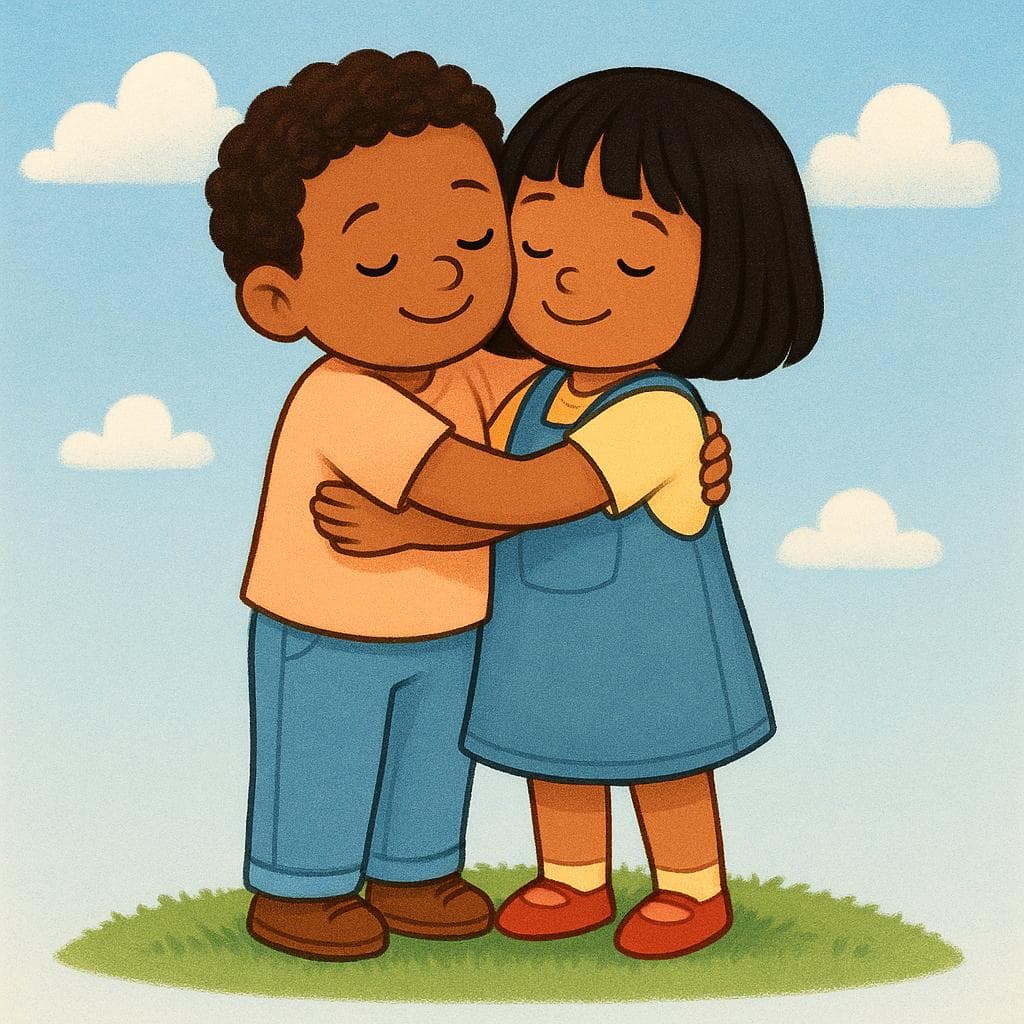
loves
“Mi abuela ama las flores de su jardín.”

to love
“Mi abuela y mi abuelo se amaron por sesenta años.”

to love you
“Prometo amarte para siempre.”

love
“El amor de una madre es incondicional.”

to kiss
“Siempre besamos a nuestros amigos cuando los vemos.”

kiss
“El niño le dio un beso de buenas noches a su peluche.”

husband
“Mi esposo es médico.”

boyfriend
“Mi novio y yo vamos al cine esta noche.”

Daddy
“¡Papi, mira mi dibujo! ¿Te gusta?”
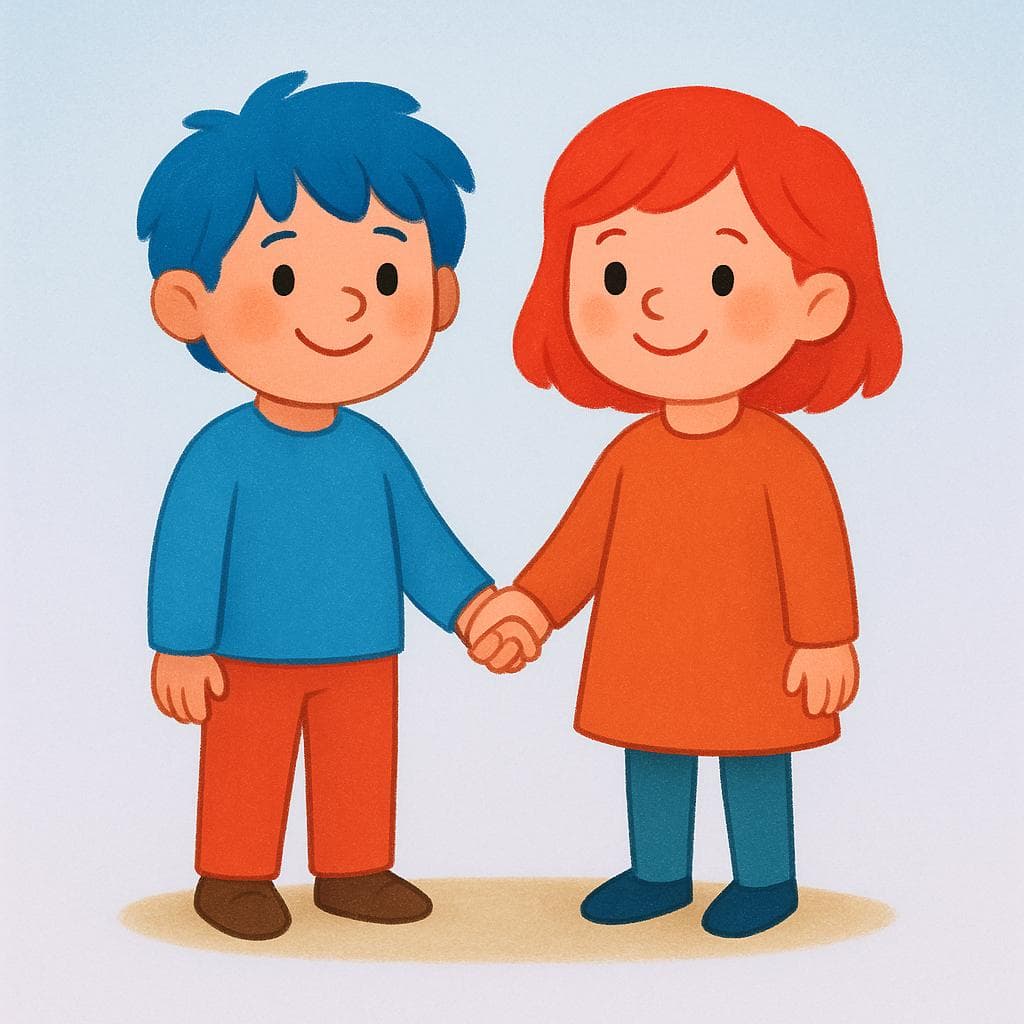
partner
“Mi pareja y yo vamos a adoptar un perro.”

beautiful
“¡Qué vestido más precioso llevas hoy!”

dear
“Querido papá: Te escribo para contarte mis noticias.”

single
“¿Estás casado o soltero?”
A2 — Elementary (12 words)

to adore
“Adoro el helado de chocolate.”

beloved
“Este es mi libro más amado; lo he leído diez veces.”

attraction
“Siento una gran atracción por su manera de pensar.”
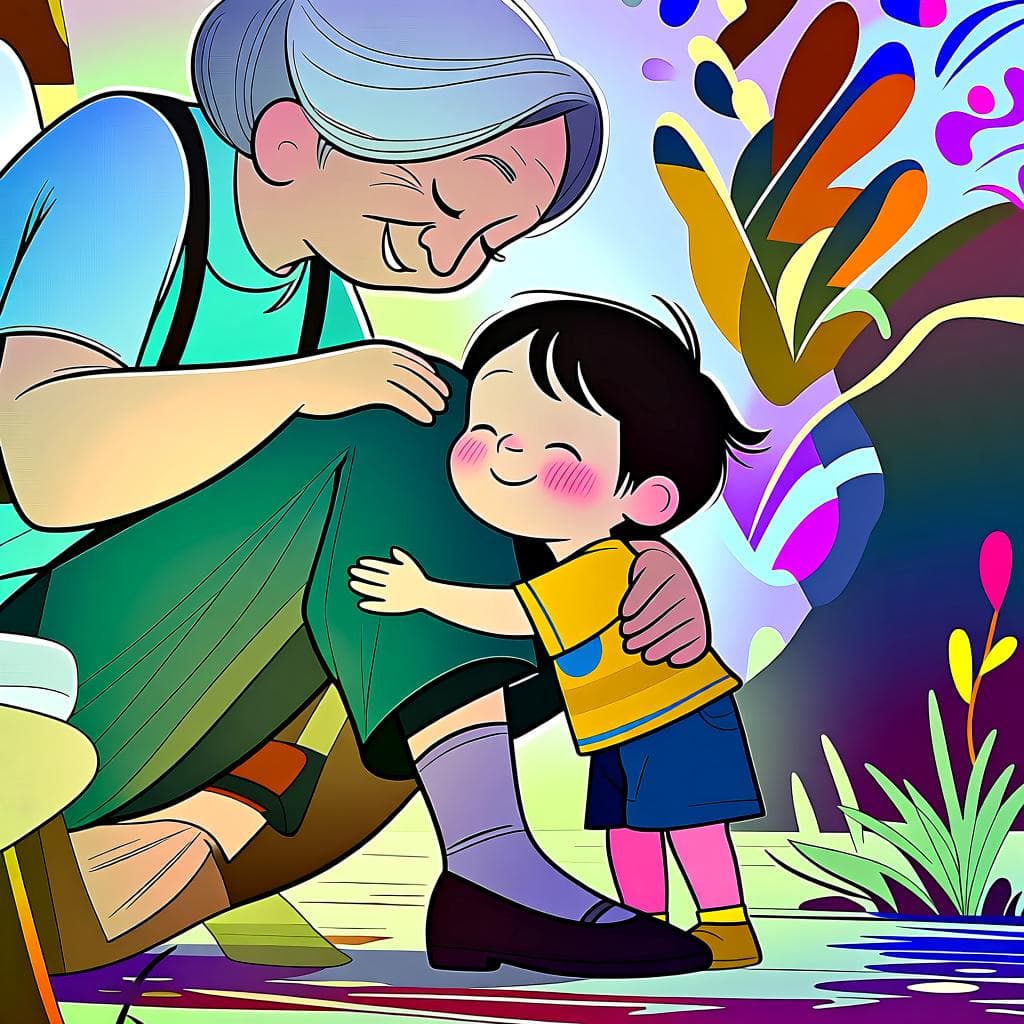
affection
“Le tengo mucho cariño a mi abuela.”
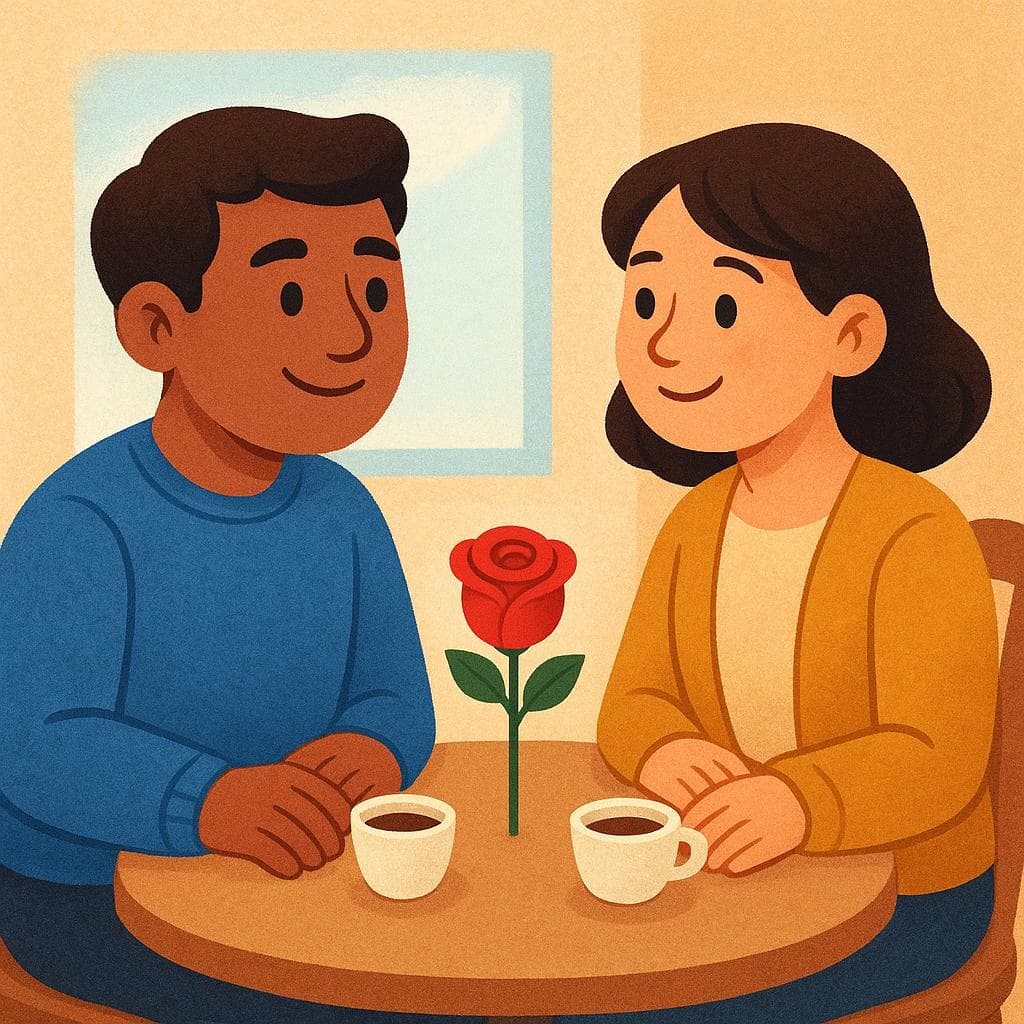
appointment
“Tengo una cita con el médico mañana.”
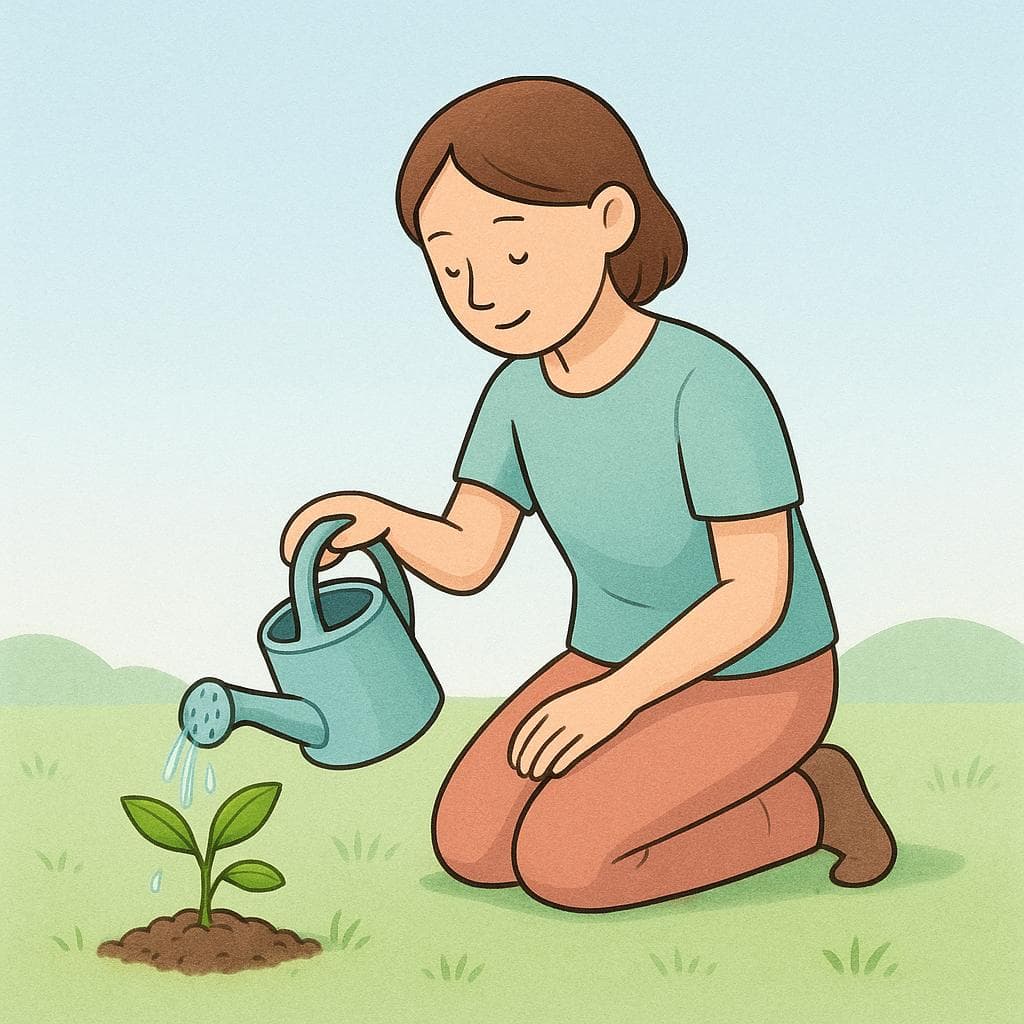
commitment
“Mi compromiso con este trabajo es total.”

in love
“¿Estás enamorado de tu nueva vecina?”

marriage
“Su matrimonio duró más de cincuenta años.”

relationship
“No veo la relación entre las dos cosas.”
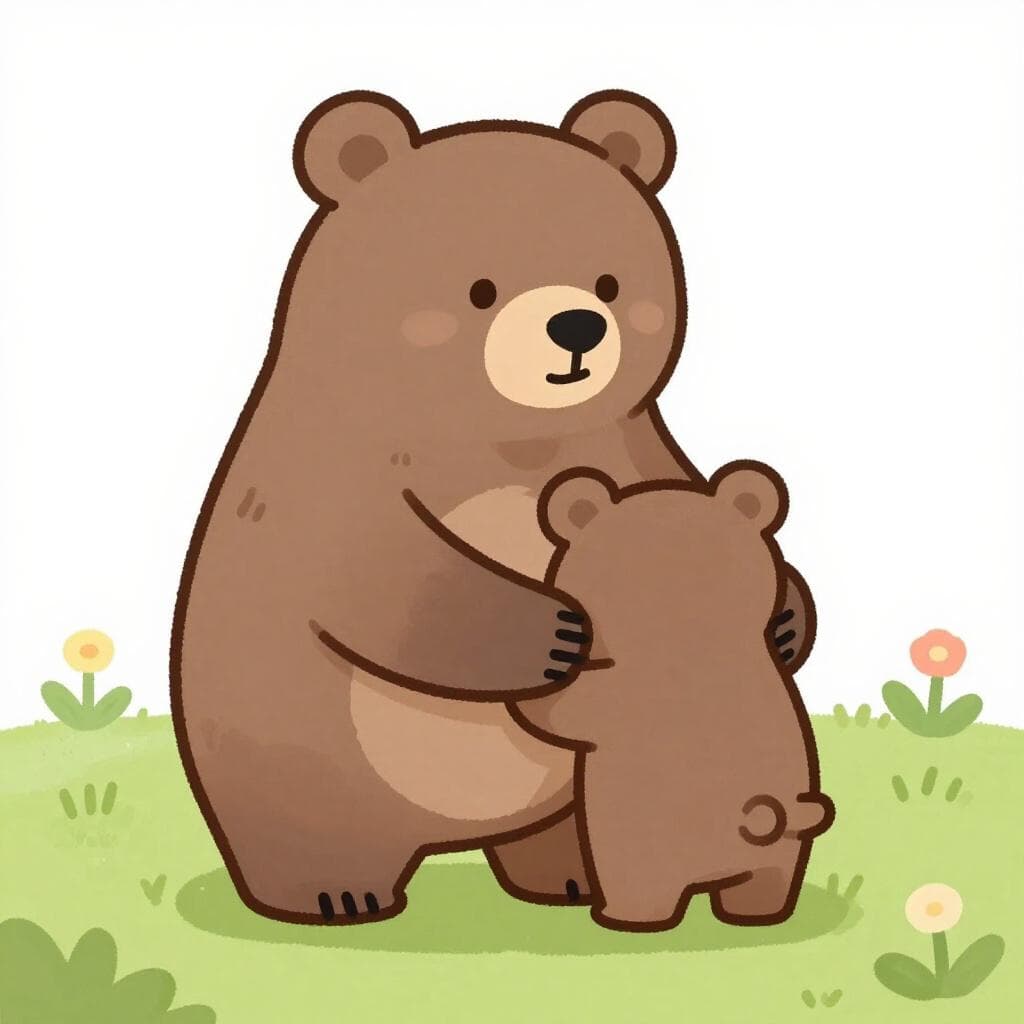
loving
“Mi abuelo es un hombre muy amoroso con sus nietos.”
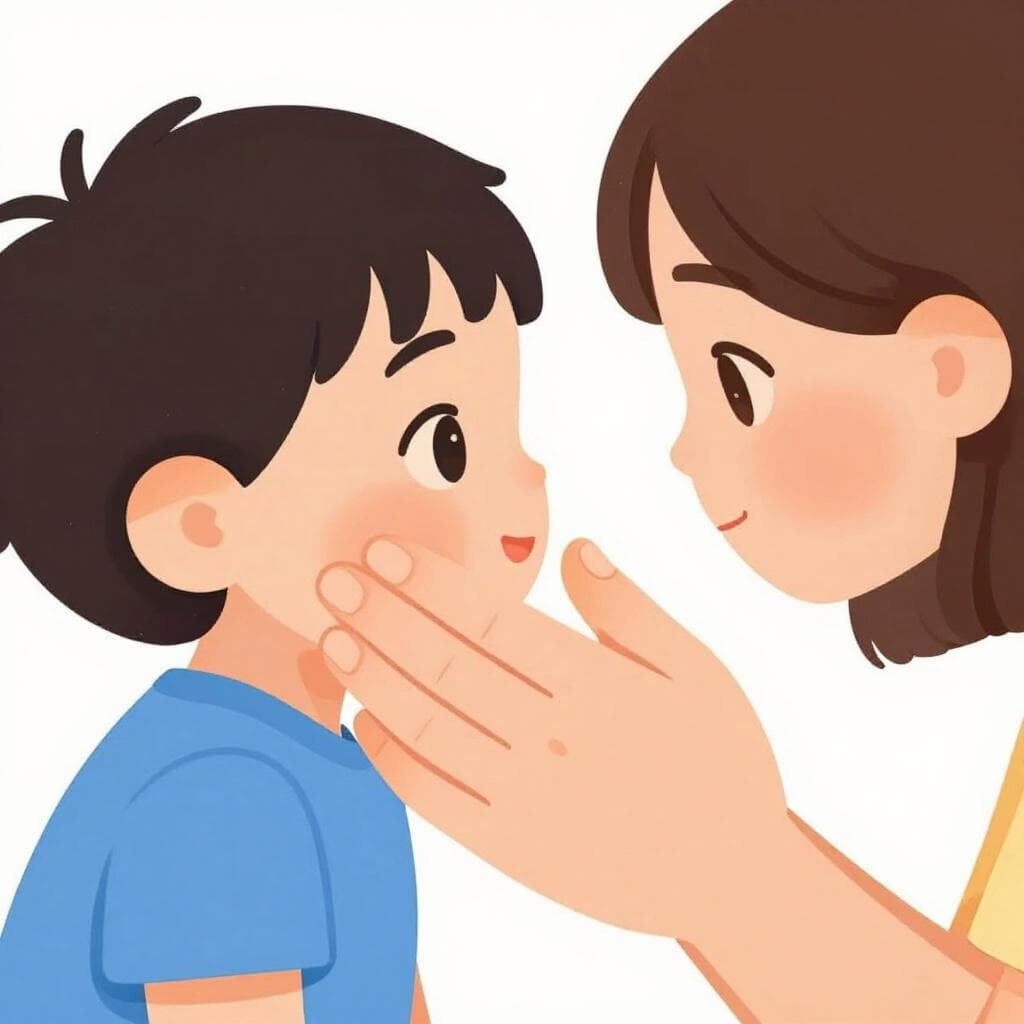
caress
“El bebé sonrió con la caricia de su madre.”

marital
“He reservado una habitación con una cama matrimonial.”
B1 — Intermediate (17 words)

to jeopardize
“No quiero comprometer mi reputación por un error tan pequeño.”
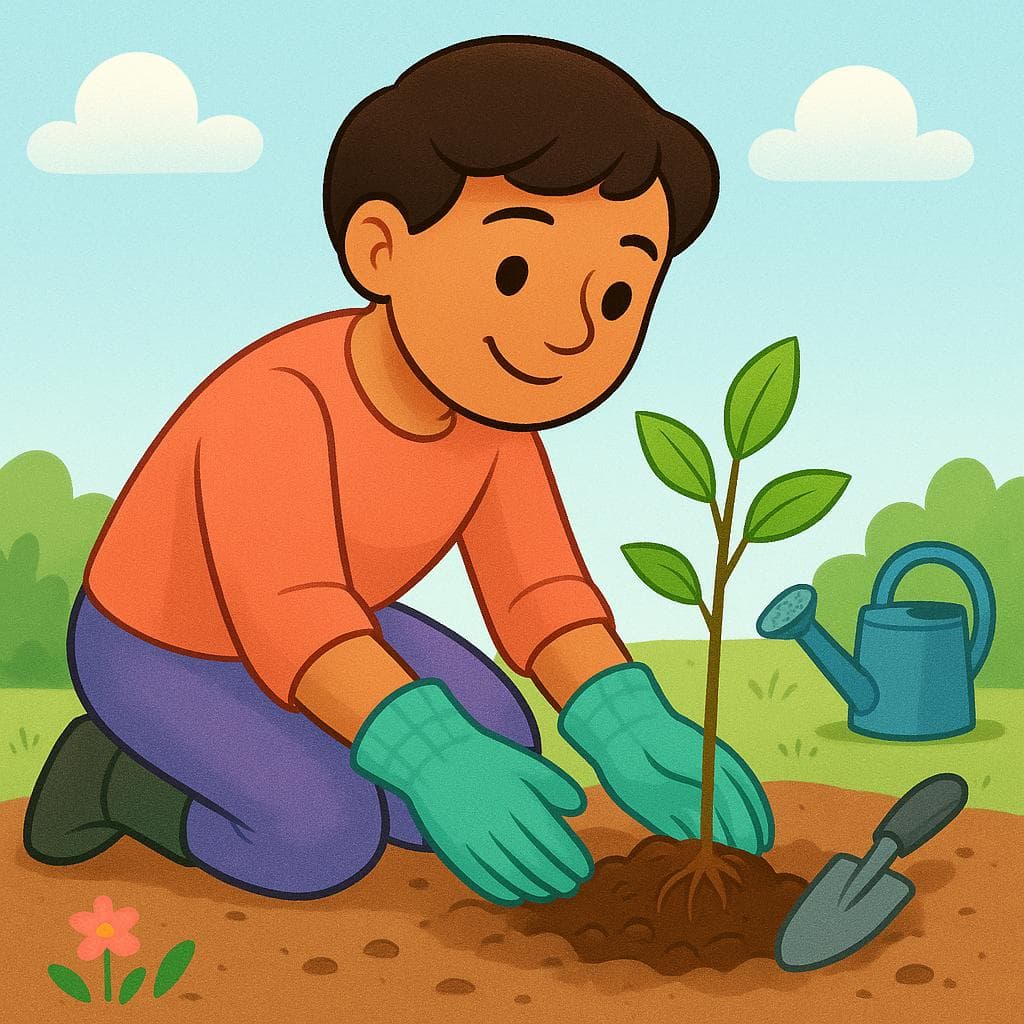
committed
“Es un líder muy comprometido con la justicia social.”

to win someone's heart
“Él quiere enamorar a Sofía con flores.”

privacy
“Es importante respetar la intimidad de las personas.”
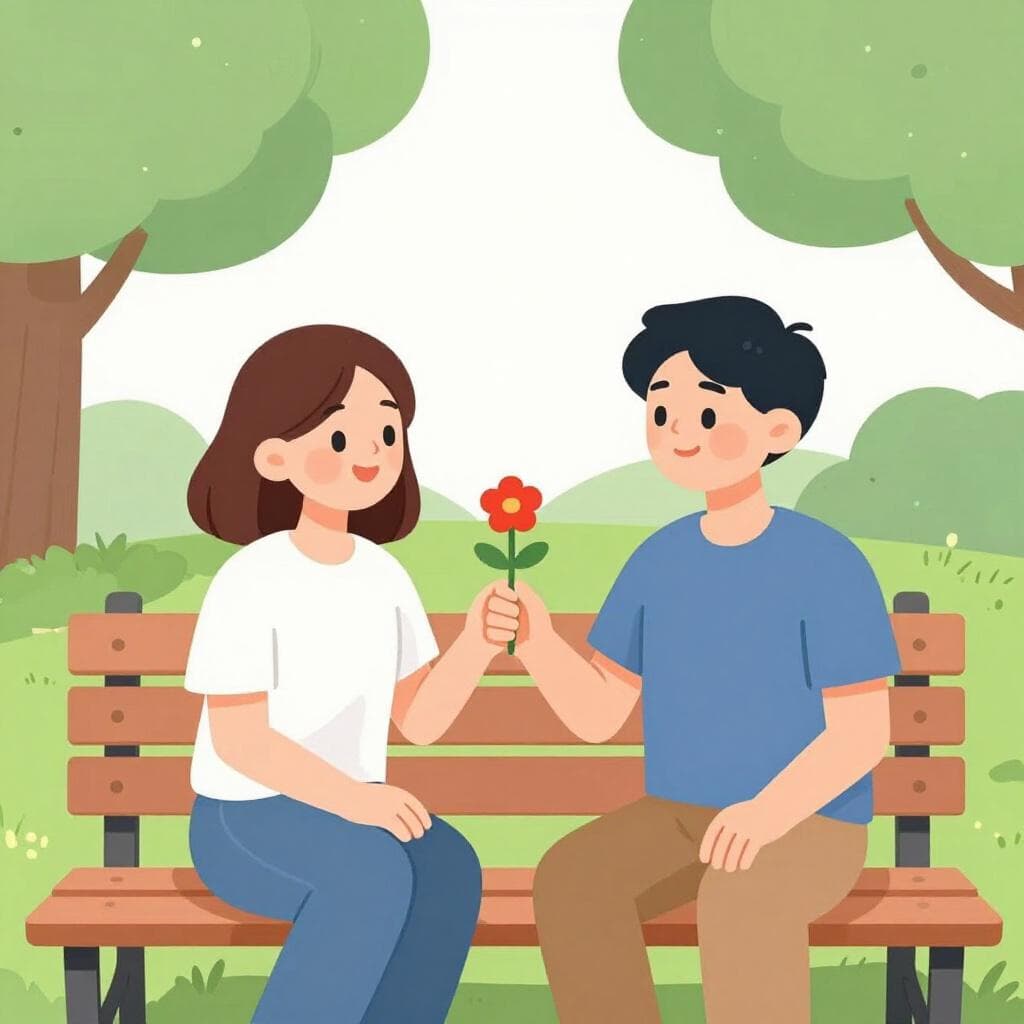
to flirt
“Fuimos a la discoteca para ligar.”

romance
“Su romance con el actor fue breve pero intenso.”

romantic
“Mi novio planeó una cena muy romántica para nuestro aniversario.”

breakup
“Su ruptura después de cinco años fue muy dolorosa.”

alliance
“Los dos países formaron una alianza económica para comerciar mejor.”

lovers
“Los amantes se veían en un café discreto todas las tardes.”
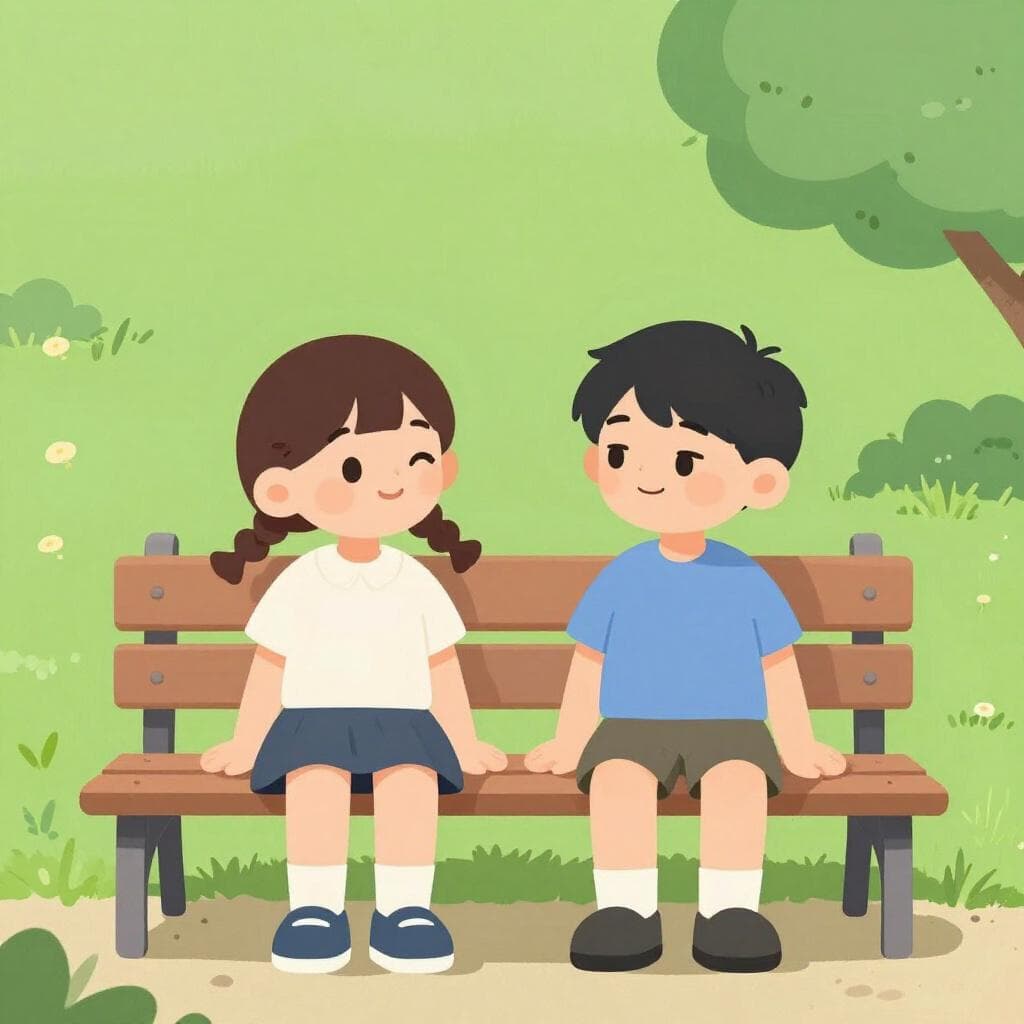
shared understanding
“Hay mucha complicidad entre los dos hermanos.”

to flirt
“Ella siempre coquetea con el camarero para conseguir bebidas gratis.”
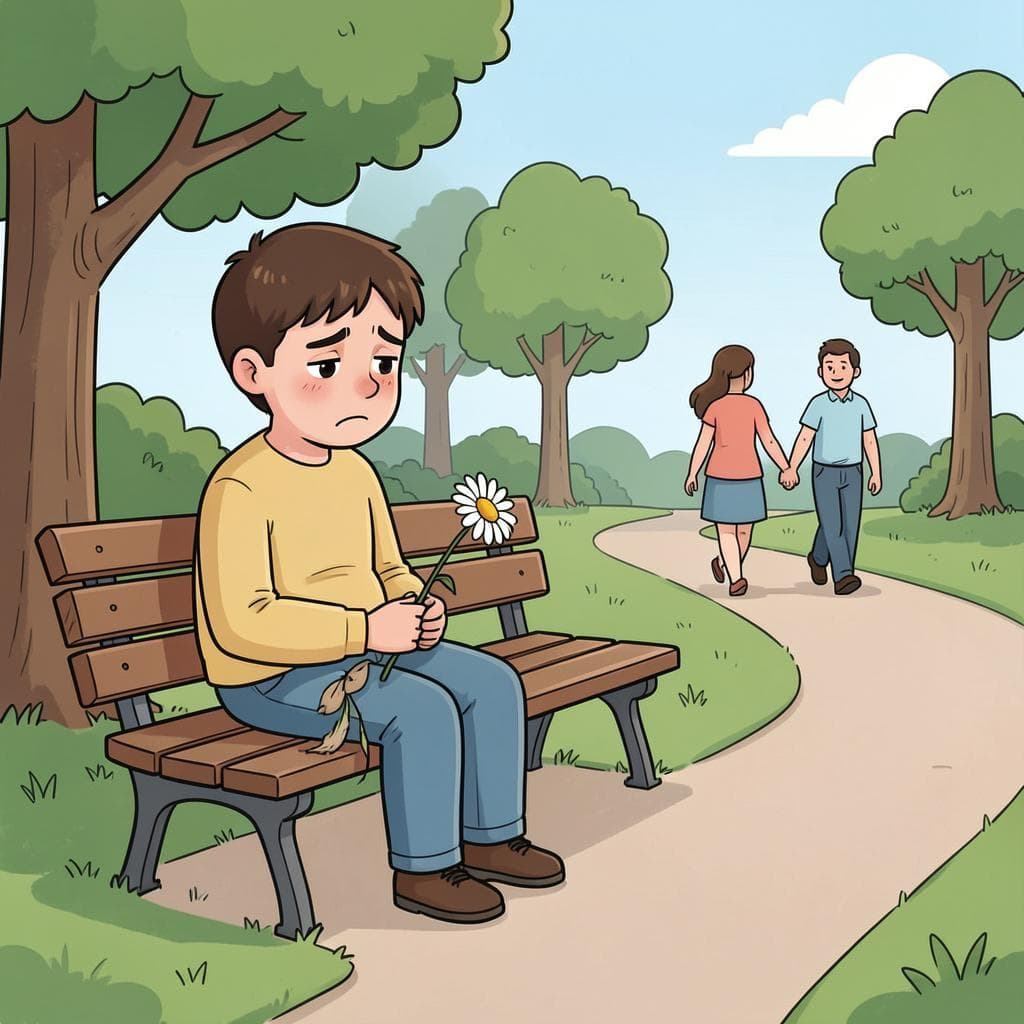
unfaithful
“Él le fue infiel a su esposa.”

fiancé
“Mi prometido y yo estamos planeando la boda para el próximo año.”

to seduce
“Ella sabe cómo seducir con su mirada.”

to court
“El caballero intentó cortejar a la dama con flores y poemas.”

valentine
“Le compré un valentín muy bonito a mi novia.”
B2 — Upper Intermediate (1 words)
lover
“Mi abuelo siempre fue un gran amante de la ópera.”
Grammar Tips
Using 'Amar' vs 'Querer'
The verbs 'amar' (to love) and 'querer' (to want/to love) are central. 'Amar' is generally reserved for deep, romantic love or love for family, while 'querer' can mean 'to want' or a more general, affectionate love (like for friends or even a romantic partner in certain contexts).
Adjective Agreement
Adjectives describing love or a loved one must agree in gender and number with the noun they modify. For example, 'un amor romántico' (a romantic love - masculine singular) becomes 'una relación romántica' (a romantic relationship - feminine singular).
Possessive Pronouns
When talking about 'my love' or 'your love', you'll use possessive pronouns like 'mi amor' (my love) or 'tu amor' (your love). These are straightforward and follow standard possessive pronoun rules.
Common Mistakes
Confusing 'Amar' and 'Querer'
Mistake: “Yo quiero mi esposo.”
Correction: Yo amo a mi esposo. - 'Querer' can mean 'to want,' so 'yo quiero mi esposo' sounds like 'I want my husband.' For deep romantic love, 'amar' is used, and when referring to a specific person, the personal 'a' is required.
Incorrect Adjective Agreement
Mistake: “Una amor bonita.”
Correction: Un amor bonito. - 'Amor' is a masculine noun, so the article 'un' and the adjective 'bonito' must also be masculine. The correct phrase is 'a beautiful love'.
Direct Translation Issues
Mistake: “Él es mi amor.”
Correction: Él es mi novio / mi pareja. - While 'él es mi amor' is understandable, it's more common and natural to use specific terms like 'novio' (boyfriend) or 'pareja' (partner) to refer to a romantic relationship. 'Mi amor' is more often used as a term of endearment.
Cultural Notes
Expressions of Love
While 'te amo' is powerful, Spanish speakers often use 'te quiero' for a broader range of affection, including romantic partners. It's less intense than 'te amo' but still significant. You'll also hear terms like 'cariño' (darling/honey) used frequently.
Public Displays
In many Spanish-speaking cultures, public displays of affection (PDAs) can be more common and accepted than in some other cultures, with couples often holding hands or embracing openly.