
Narzędzia i sprzęt po hiszpańsku
Ta lista słownictwa obejmuje podstawowe narzędzia i sprzęt, od prostych gwoździ i haczyków po bardziej złożone narzędzia. Znajomość tych słów jest niezwykle przydatna przy projektach typu „zrób to sam”, rozumieniu instrukcji, a nawet podczas rozmów o naprawach domowych. W języku hiszpańskim narzędzia, które po angielsku mogą być rodzaju męskiego, często mają końcówki rodzaju żeńskiego, więc zwracaj uwagę na rodzaj!
Szybka ściąga
| Hiszpański | Polski | Przykład | Poziom |
|---|---|---|---|
aguja | igła | Perdí la aguja y ahora no puedo coser el pantalón. | A1 |
bomba | bomba | La policía encontró una bomba escondida debajo del coche. | A2 |
cepillo | szczotka | Perdí mi cepillo de dientes en el viaje. | A1 |
clavo | gwóźdź | Necesito un martillo y un clavo para colgar este cuadro. | A1 |
cordón | sznurówka | Tengo que atarme el cordón del zapato. | A1 |
cuchilla | maszynka do golenia | Necesito una cuchilla nueva porque esta ya no corta bien. | A2 |
gancho | haczyk | Cuelga tu chaqueta en el gancho detrás de la puerta. | A2 |
hacha | siekiery | El leñador afiló el hacha antes de ir al bosque. | A1 |
herramienta | narzędzie | El martillo es una herramienta muy útil. | A1 |
instrumento | narzędzie | Necesito un instrumento para medir la temperatura del agua. | A1 |
llave | klucz | Perdí la llave de mi casa y no puedo entrar. | A1 |
llaves | klucze | ¿Tienes mis llaves del coche? | A1 |
A1 — Początkujący (14 słów)
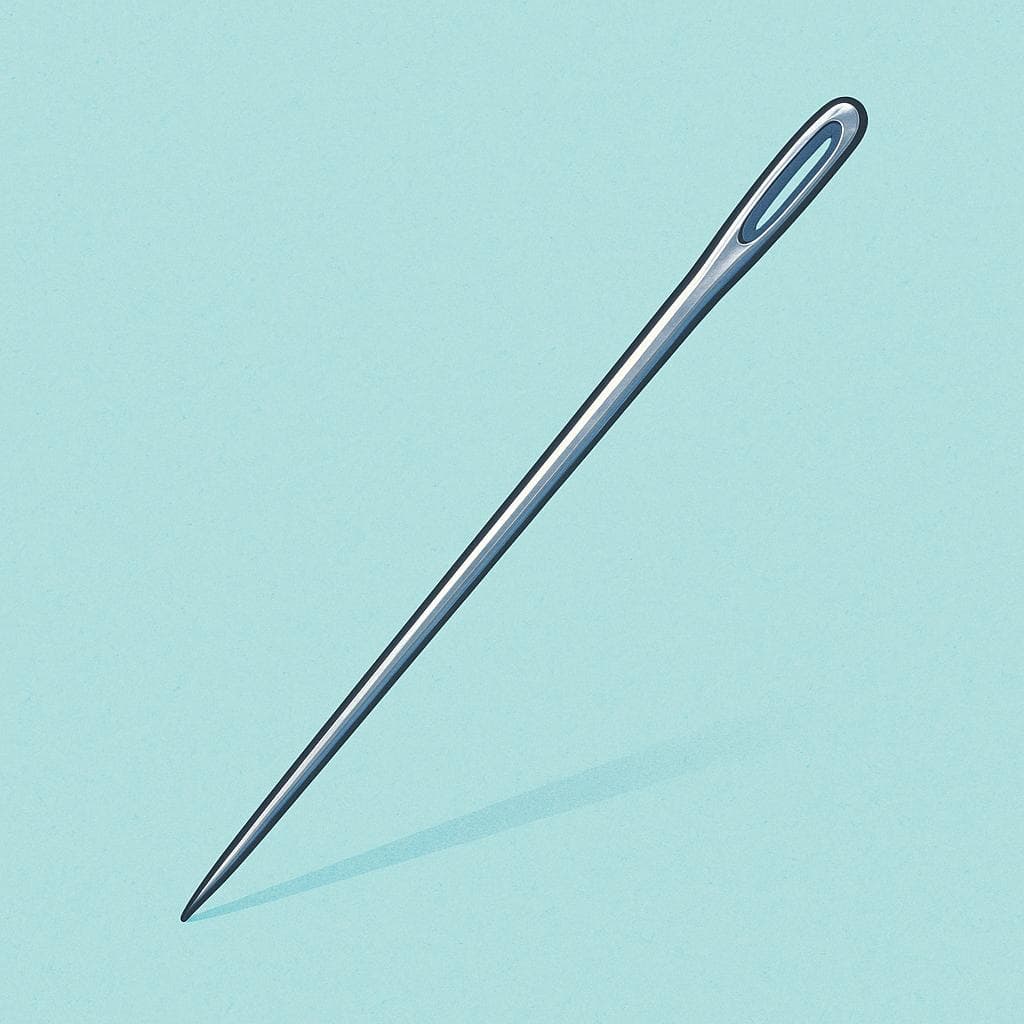
igła
“Perdí la aguja y ahora no puedo coser el pantalón.”
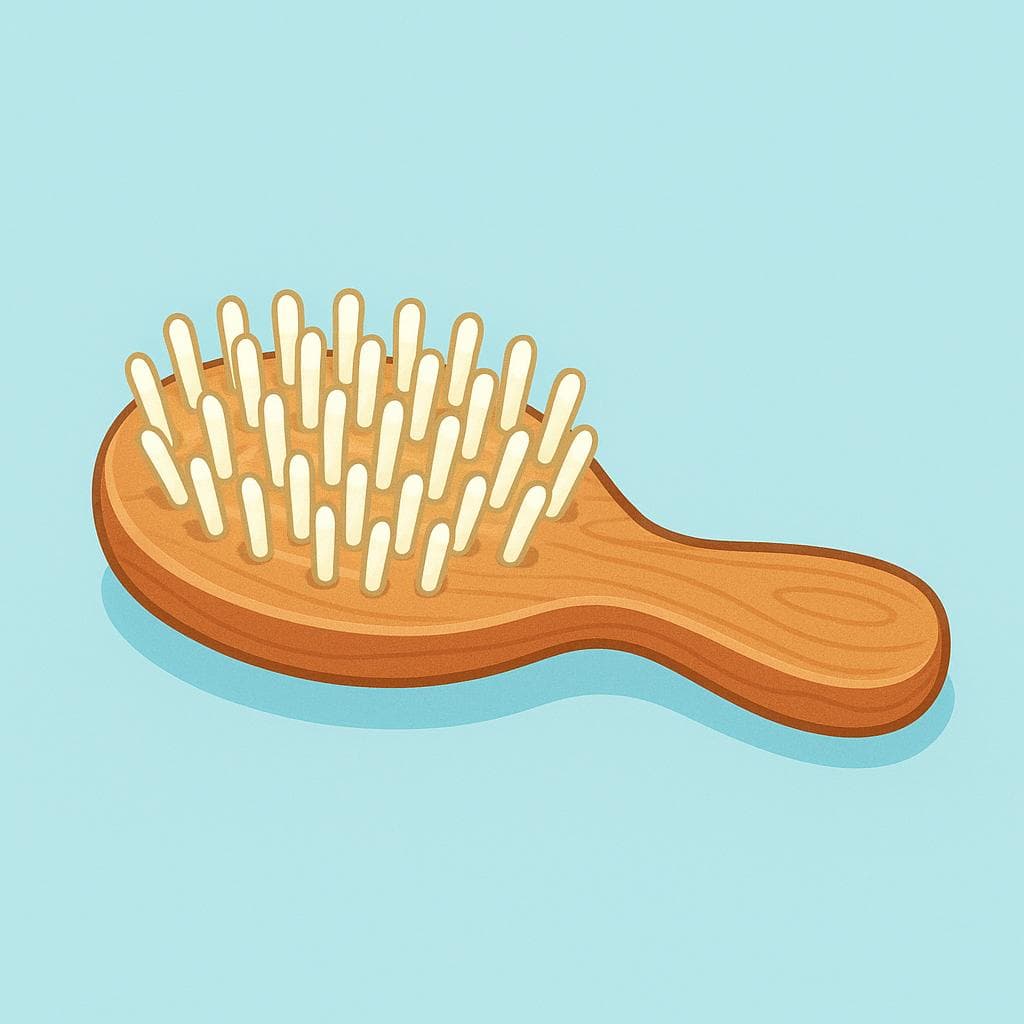
szczotka
“Perdí mi cepillo de dientes en el viaje.”
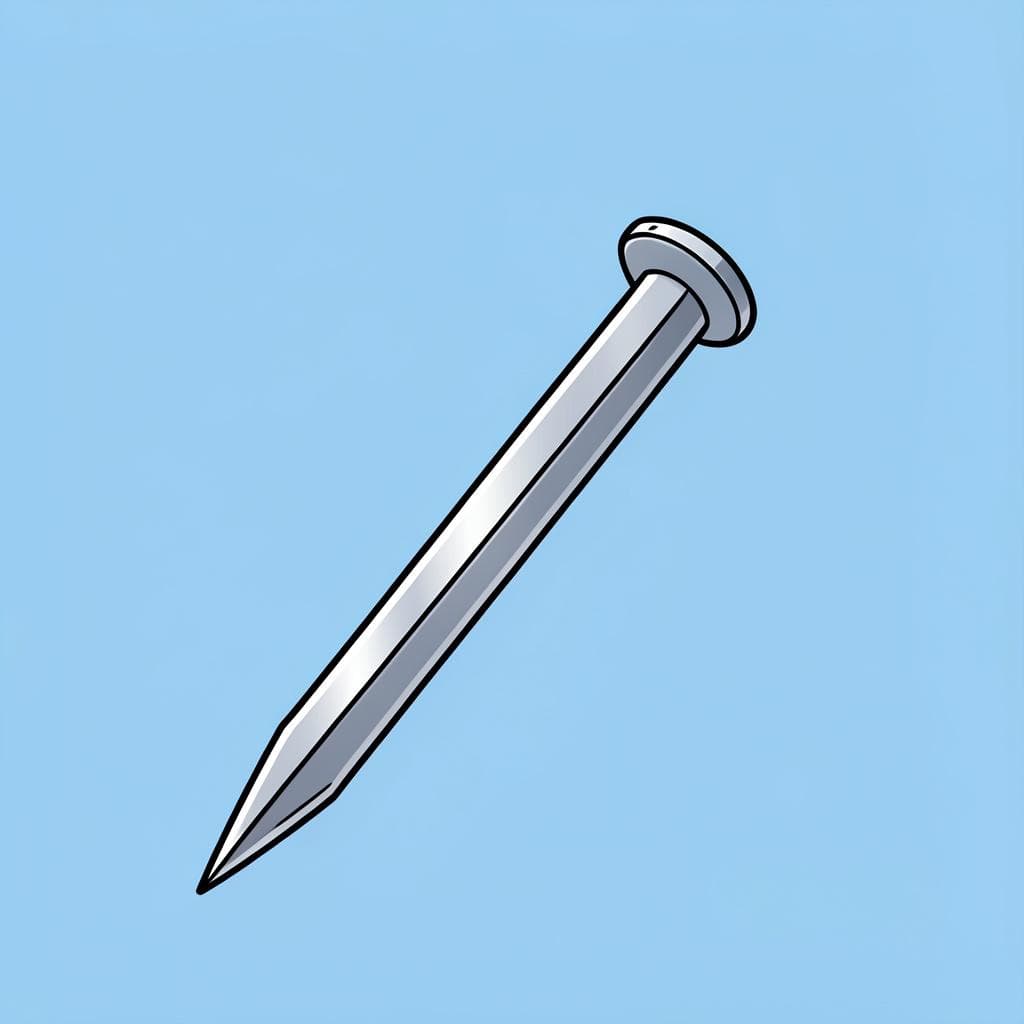
gwóźdź
“Necesito un martillo y un clavo para colgar este cuadro.”

sznurówka
“Tengo que atarme el cordón del zapato.”
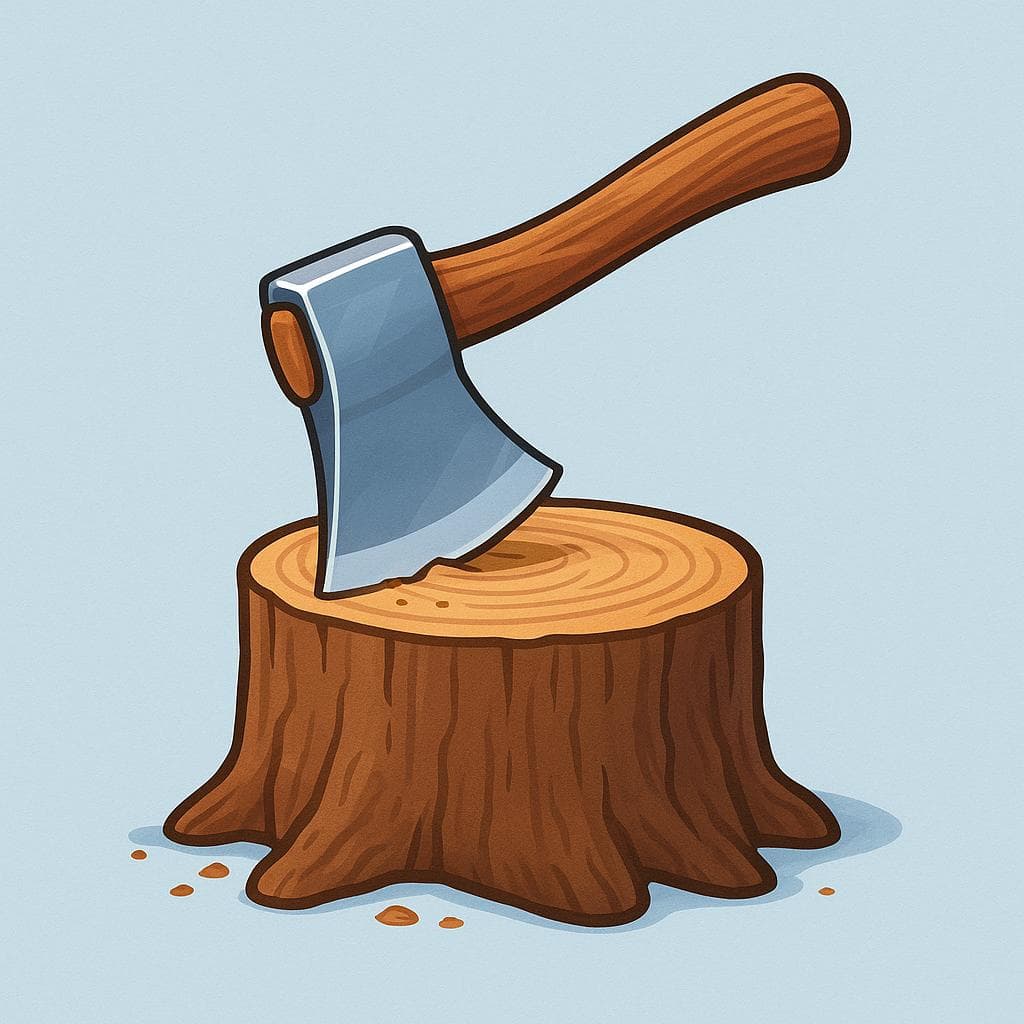
siekiery
“El leñador afiló el hacha antes de ir al bosque.”
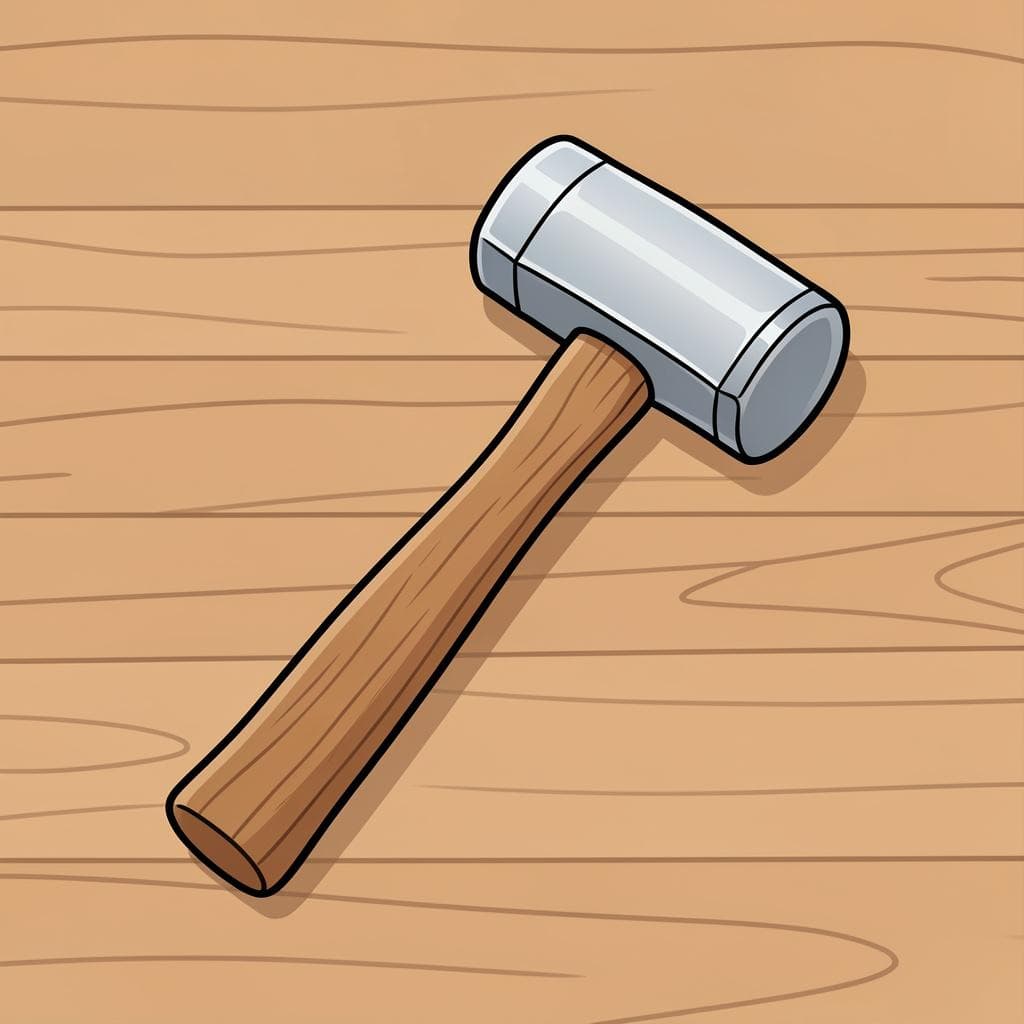
narzędzie
“El martillo es una herramienta muy útil.”
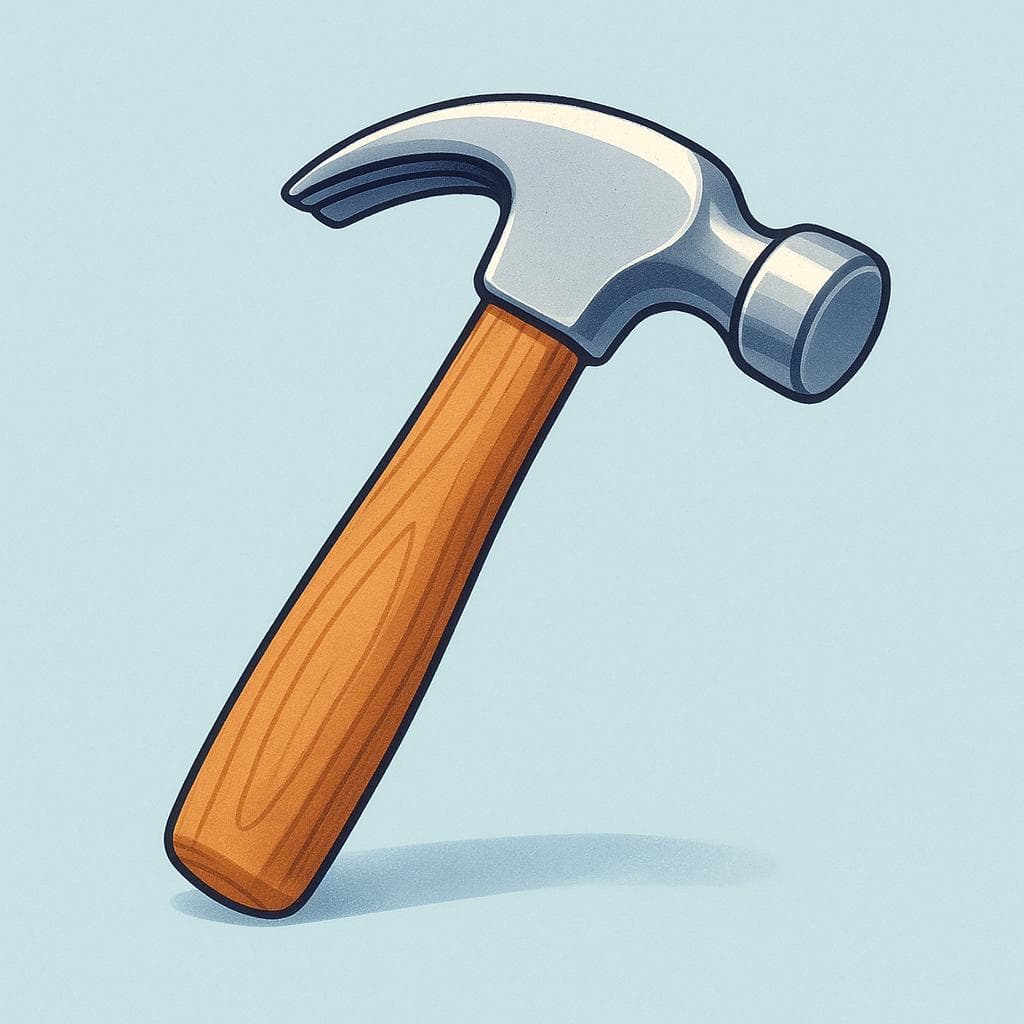
narzędzie
“Necesito un instrumento para medir la temperatura del agua.”
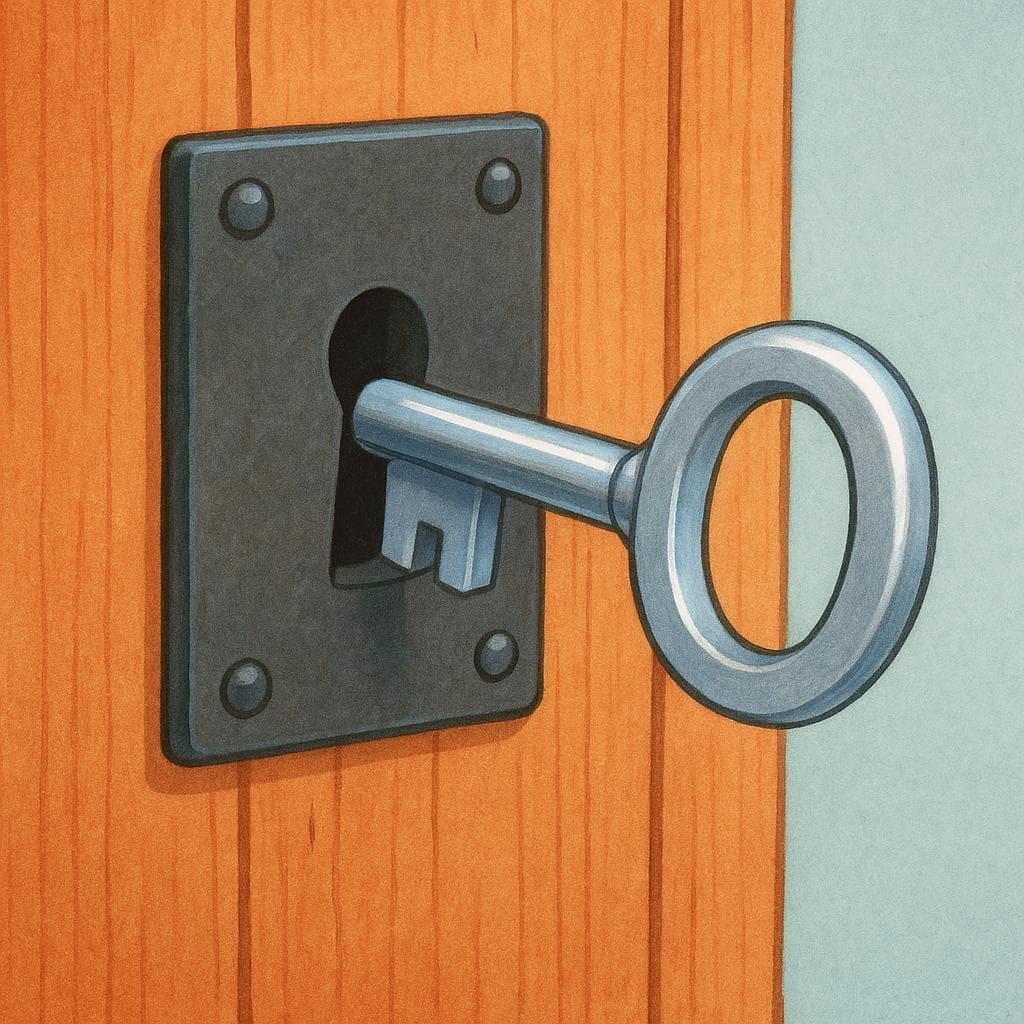
klucz
“Perdí la llave de mi casa y no puedo entrar.”

klucze
“¿Tienes mis llaves del coche?”
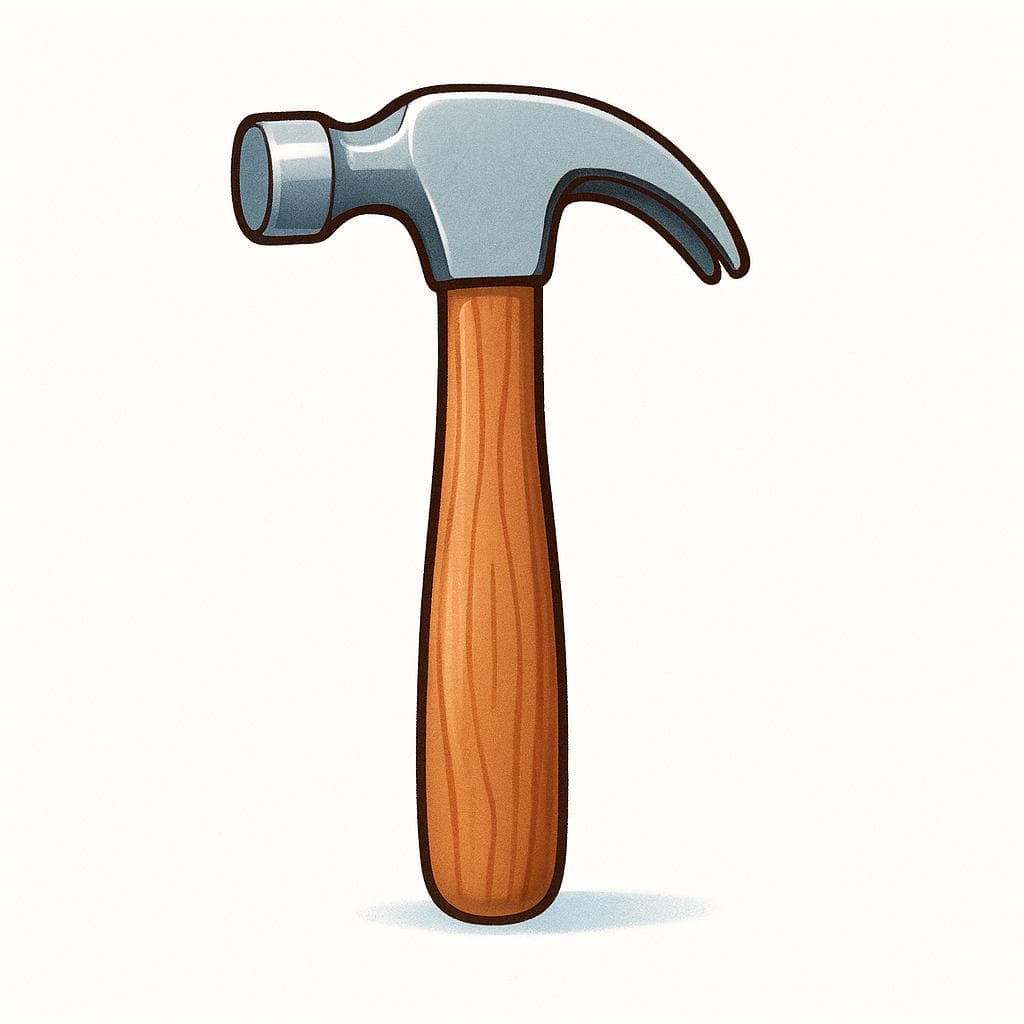
młotek
“Pásame el martillo, por favor. Quiero colgar este cuadro.”
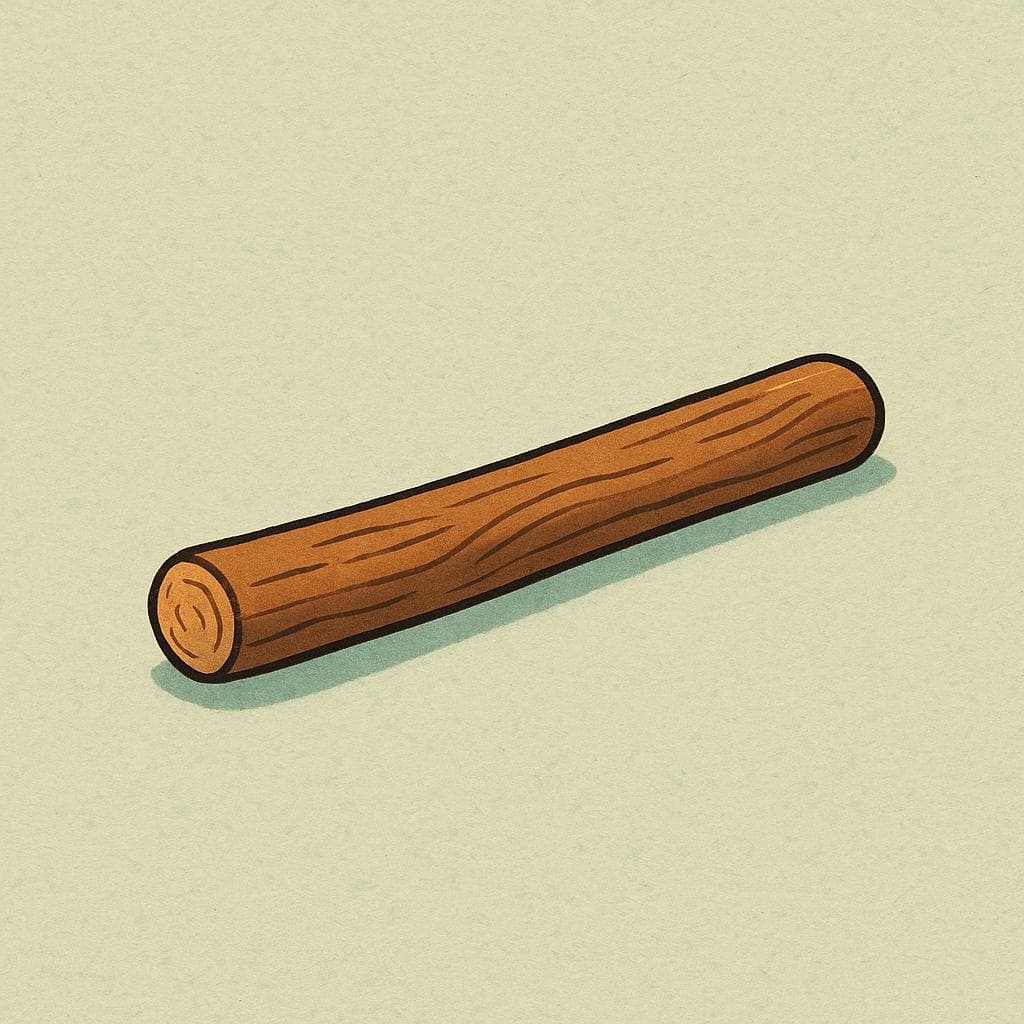
kij
“El perro siempre trae un palo grande del parque.”
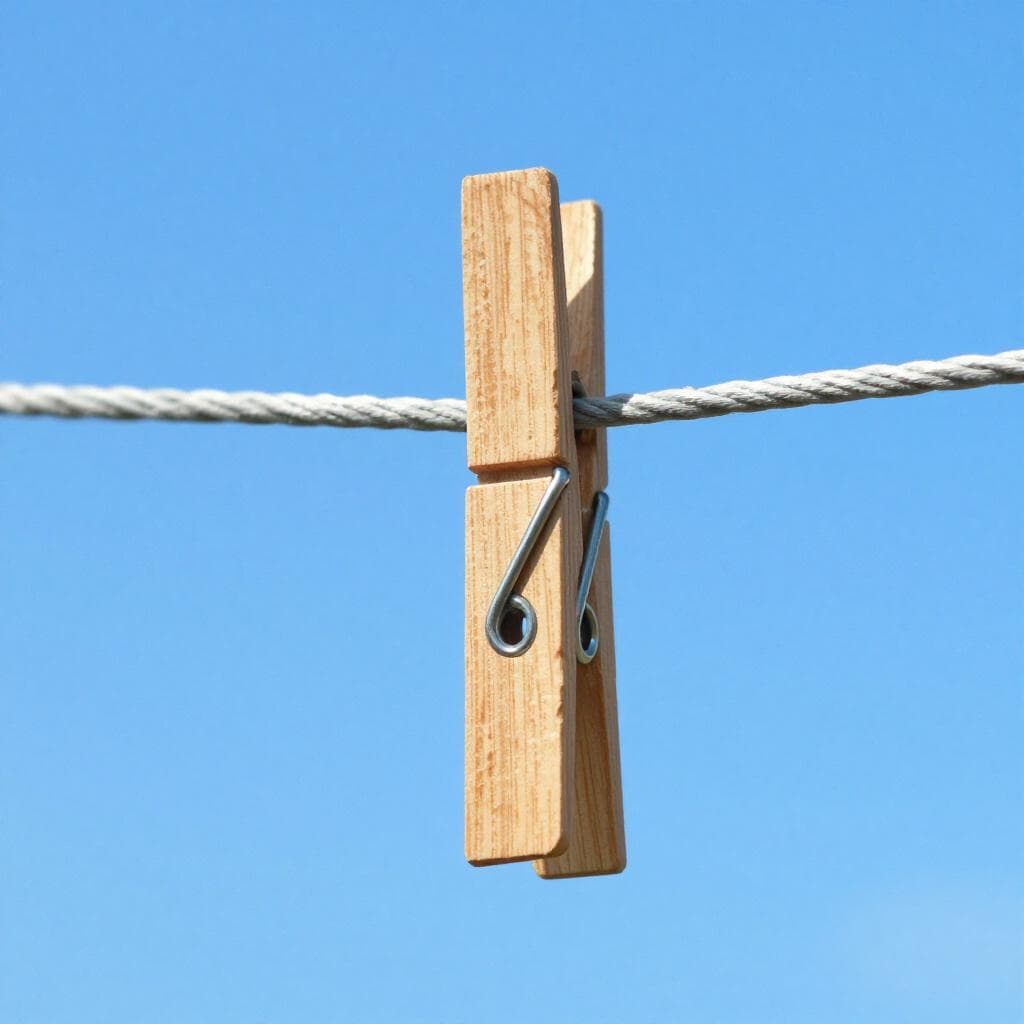
klips do bielizny
“Necesito una pinza para cerrar la bolsa de patatas.”
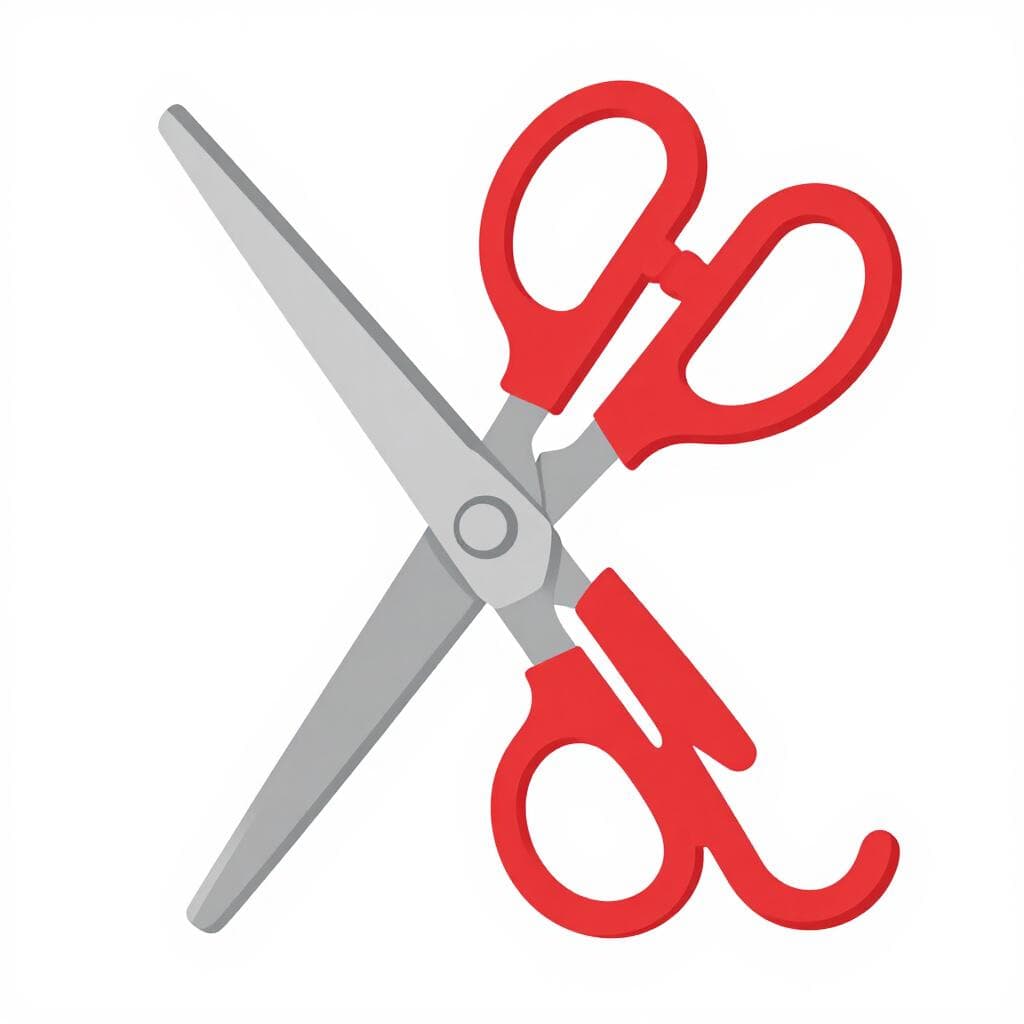
nożyczki
“Necesito una tijera para terminar mi tarea de arte.”
użyteczny
“Este diccionario es muy útil para los estudiantes de español.”
A2 — Podstawowy (9 słów)
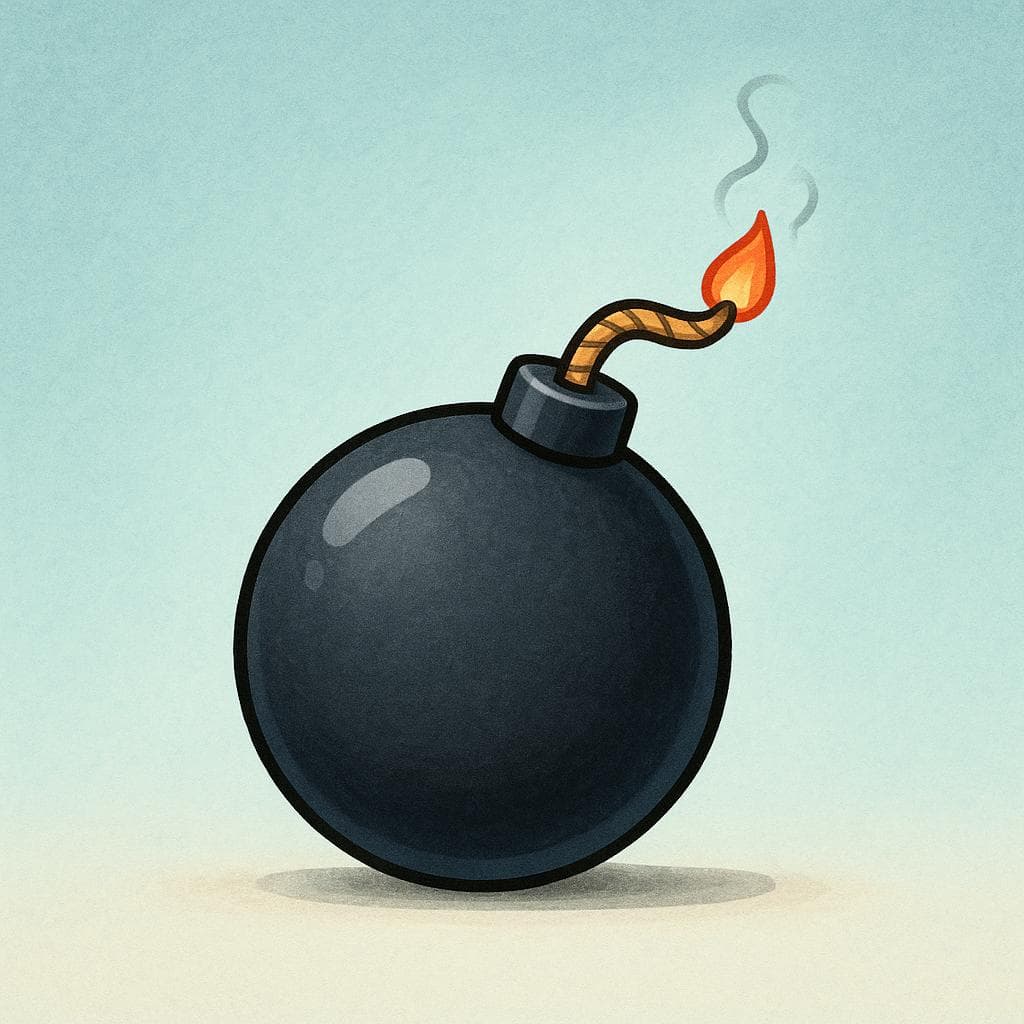
bomba
“La policía encontró una bomba escondida debajo del coche.”
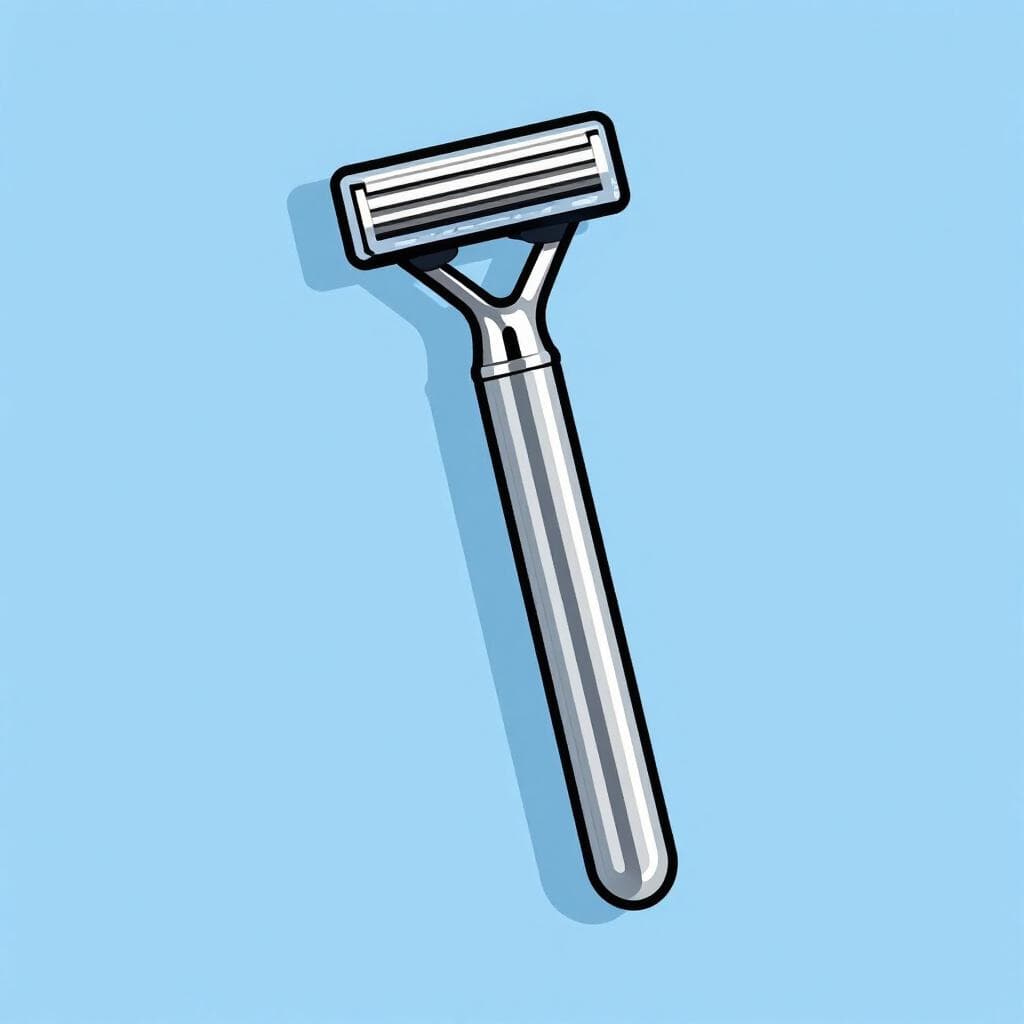
maszynka do golenia
“Necesito una cuchilla nueva porque esta ya no corta bien.”
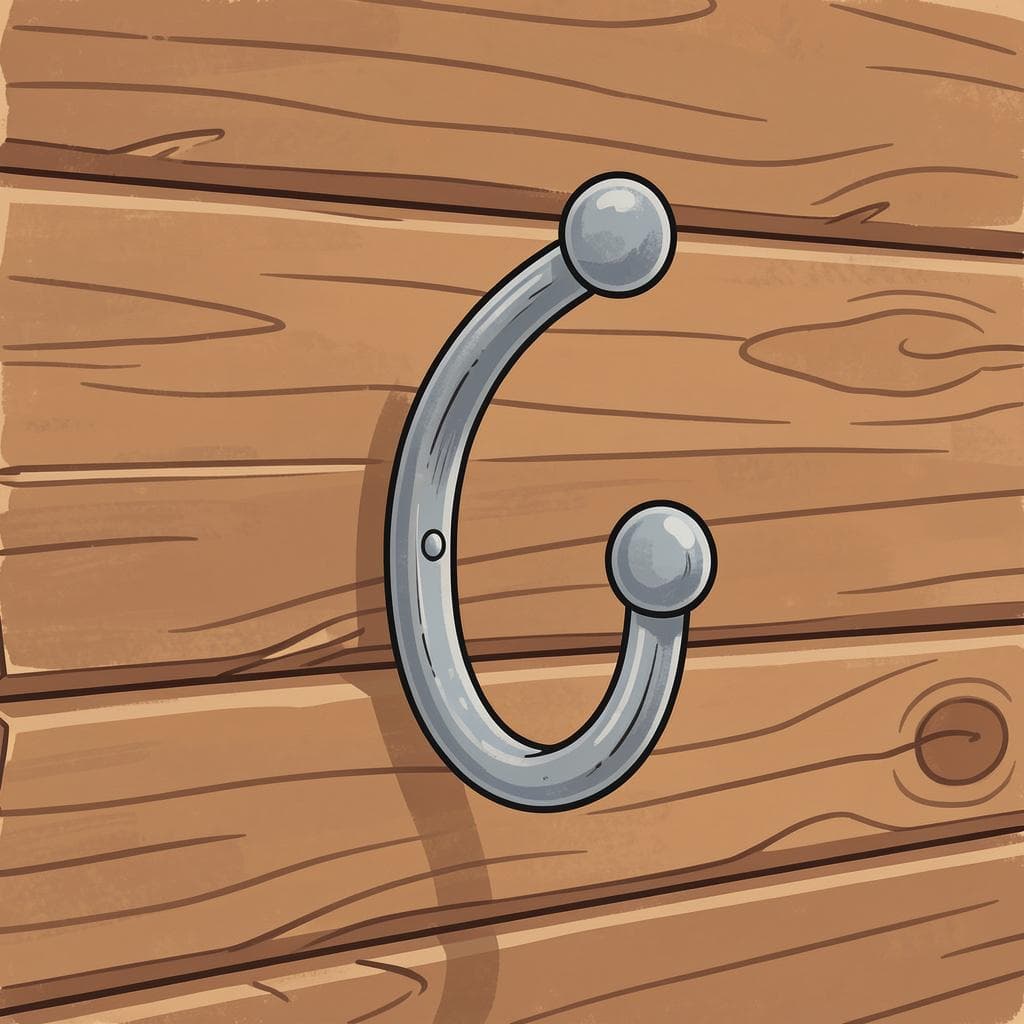
haczyk
“Cuelga tu chaqueta en el gancho detrás de la puerta.”
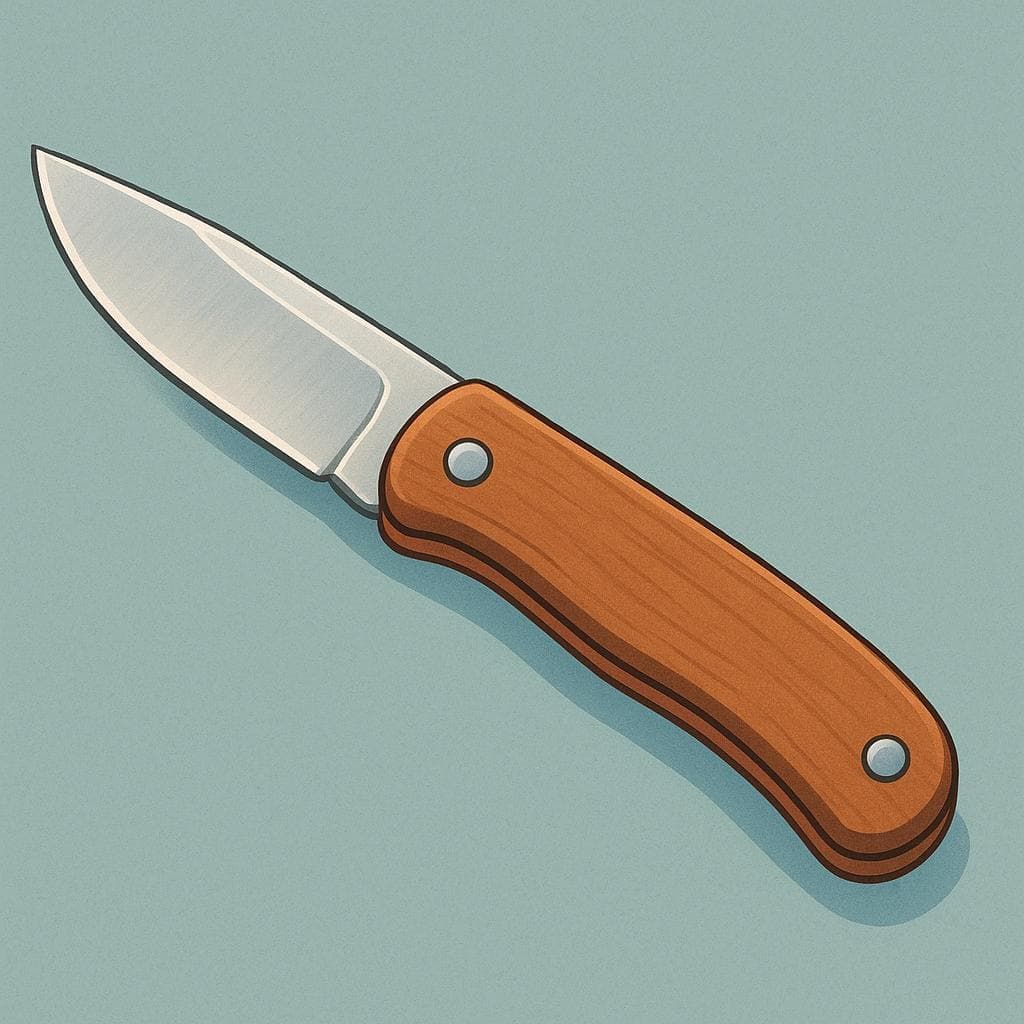
scyzoryk
“Perdí mi navaja suiza en el bosque.”
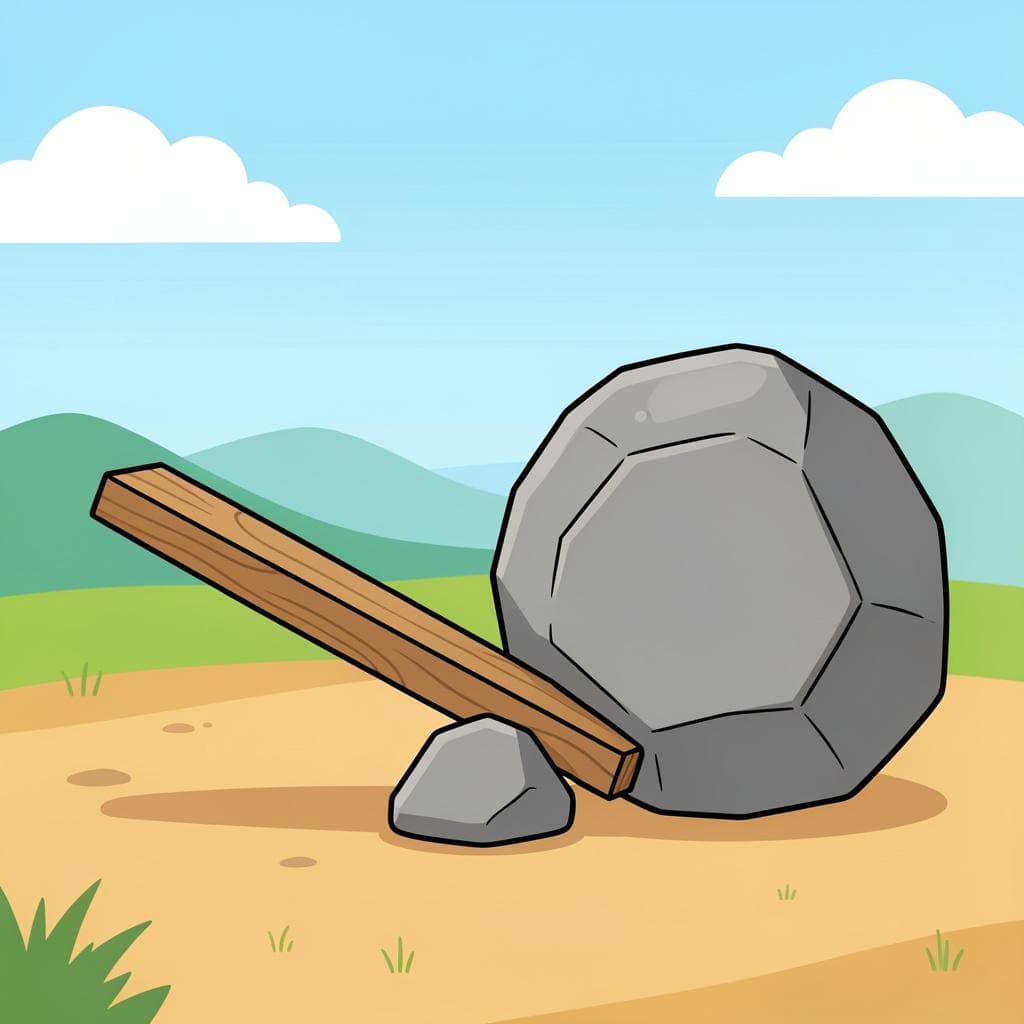
dźwignia
“Necesitamos una palanca para mover esta piedra tan pesada.”
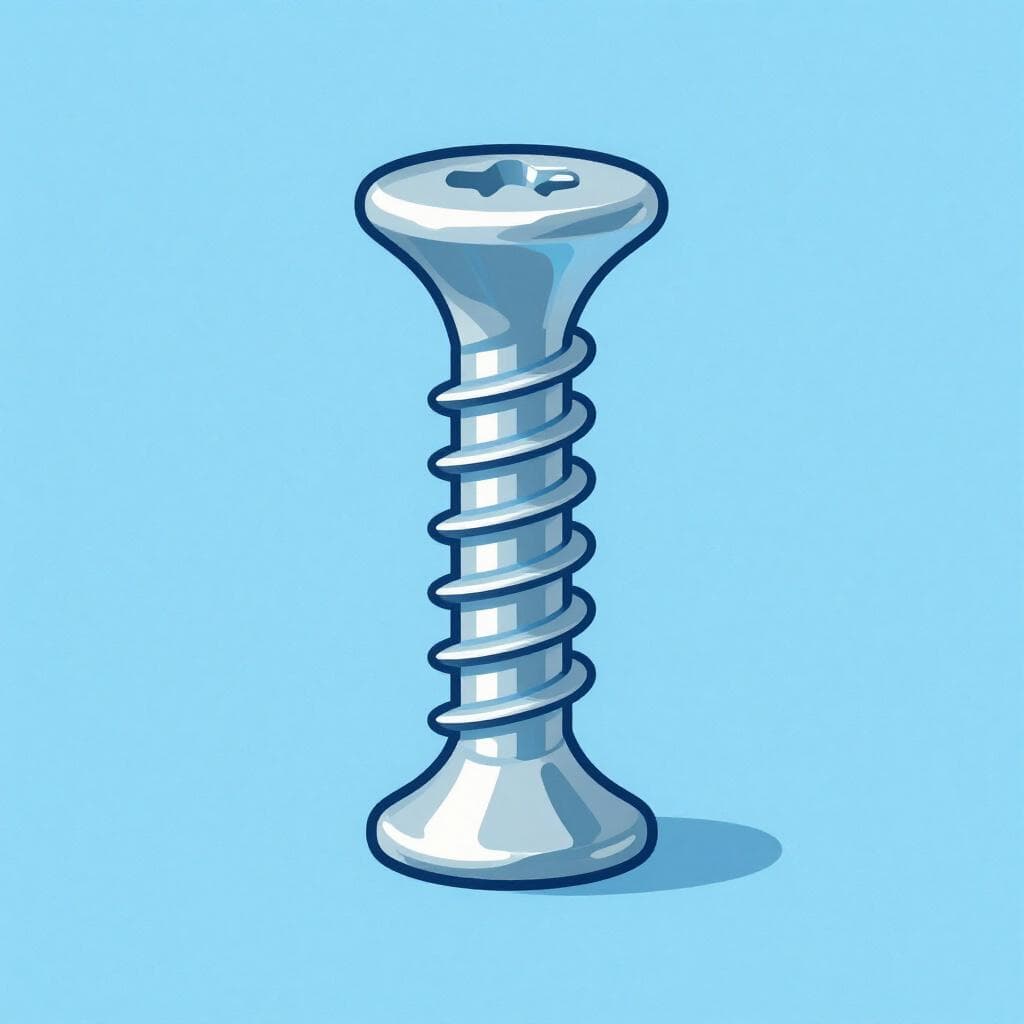
śruba
“Necesito un tornillo para este mueble.”
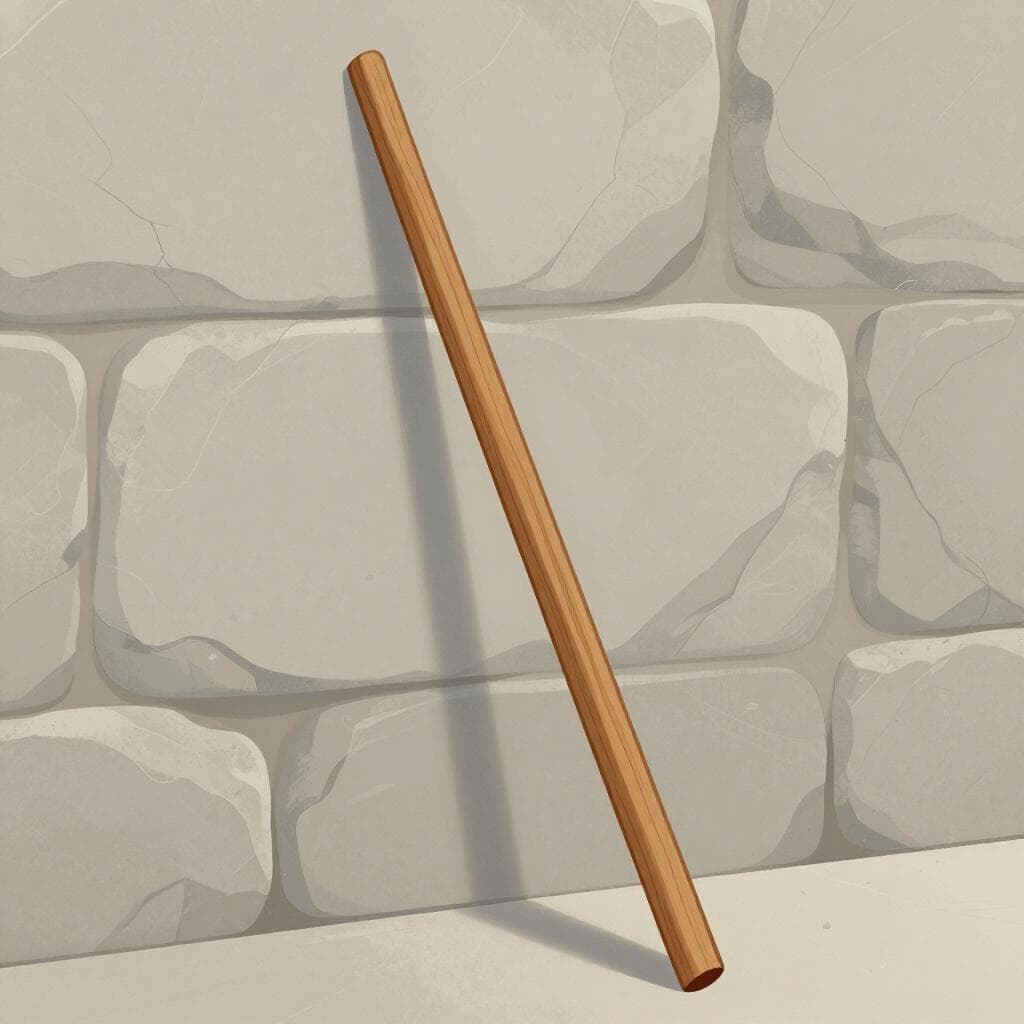
kij
“El pastor dirige a sus ovejas con una vara de madera.”
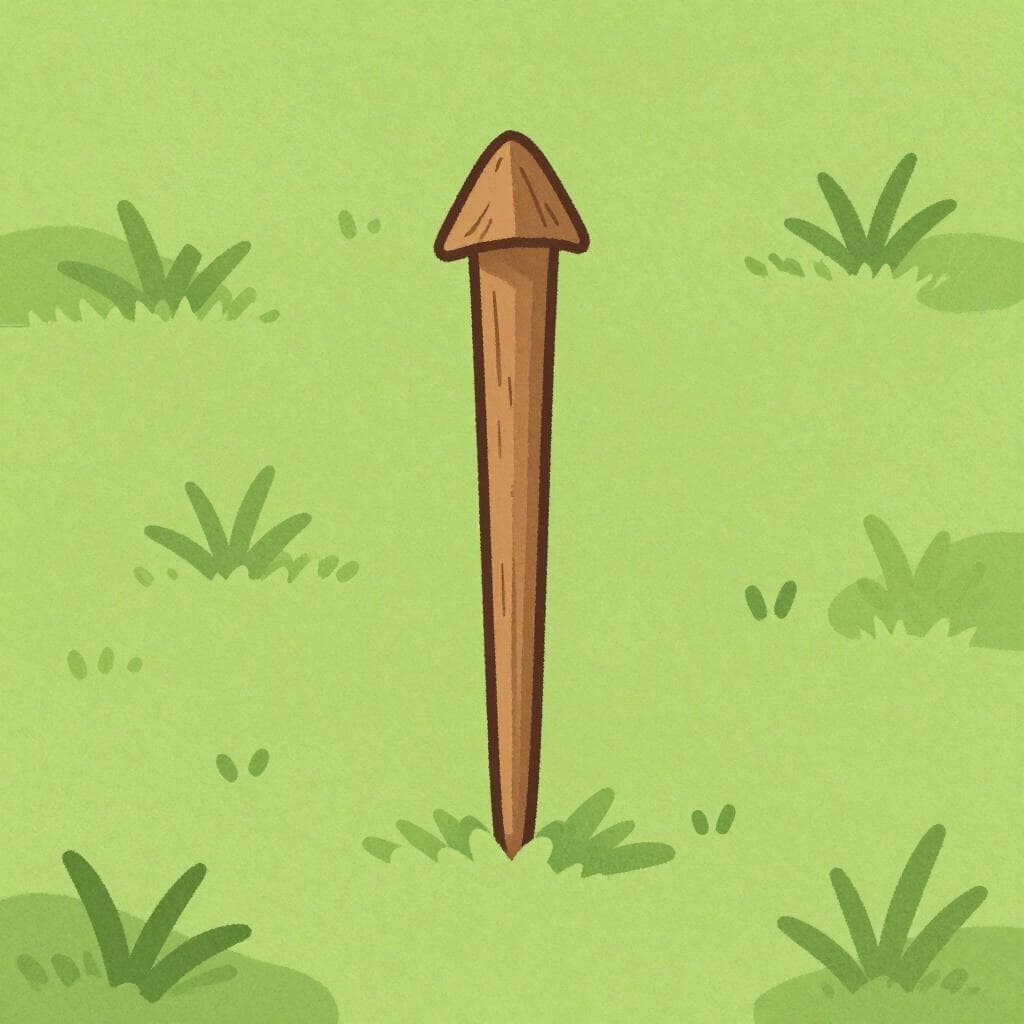
kołek
“Clavamos una estaca en el suelo para sujetar la tienda de campaña.”

teleskop
“Quiero comprar un telescopio para ver la Luna.”
B1 — Średnio zaawansowany (2 słów)
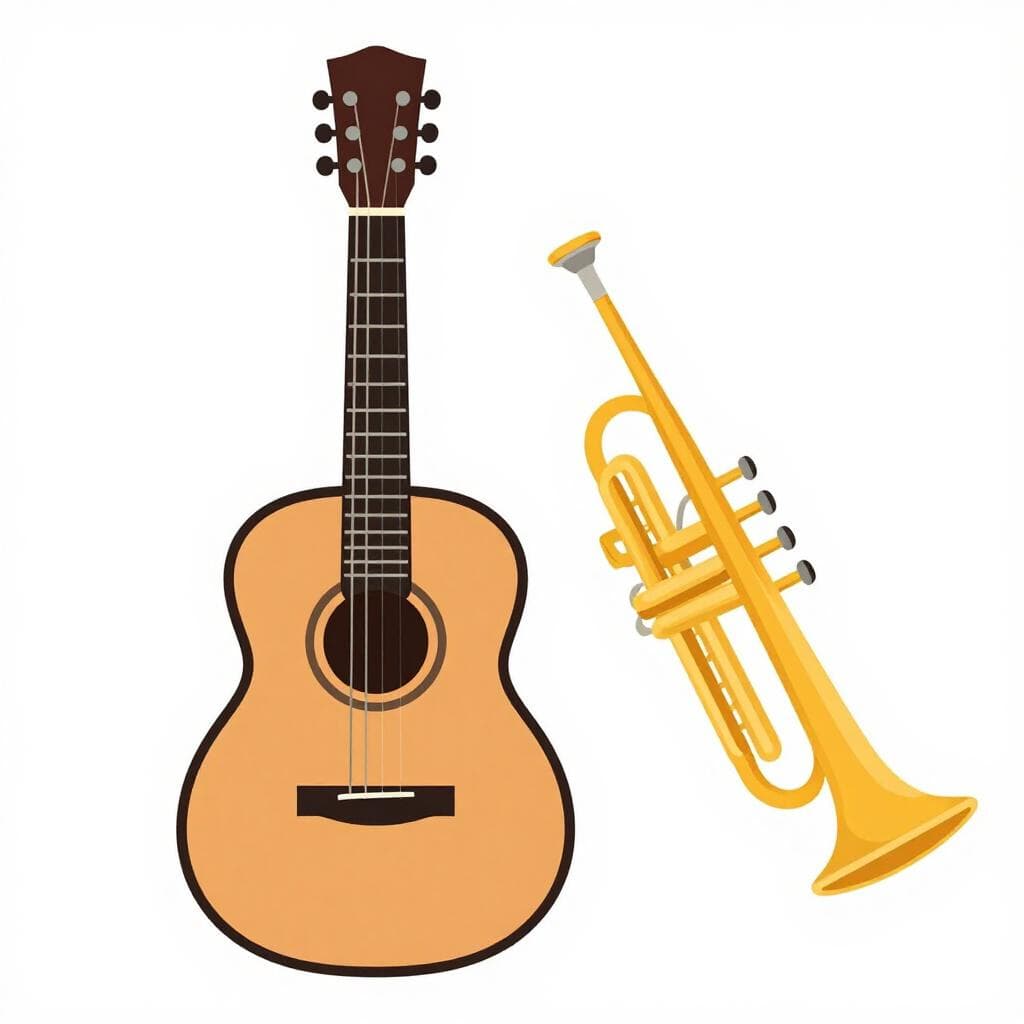
instrumentalny
“Prefiero la música instrumental cuando estoy trabajando.”
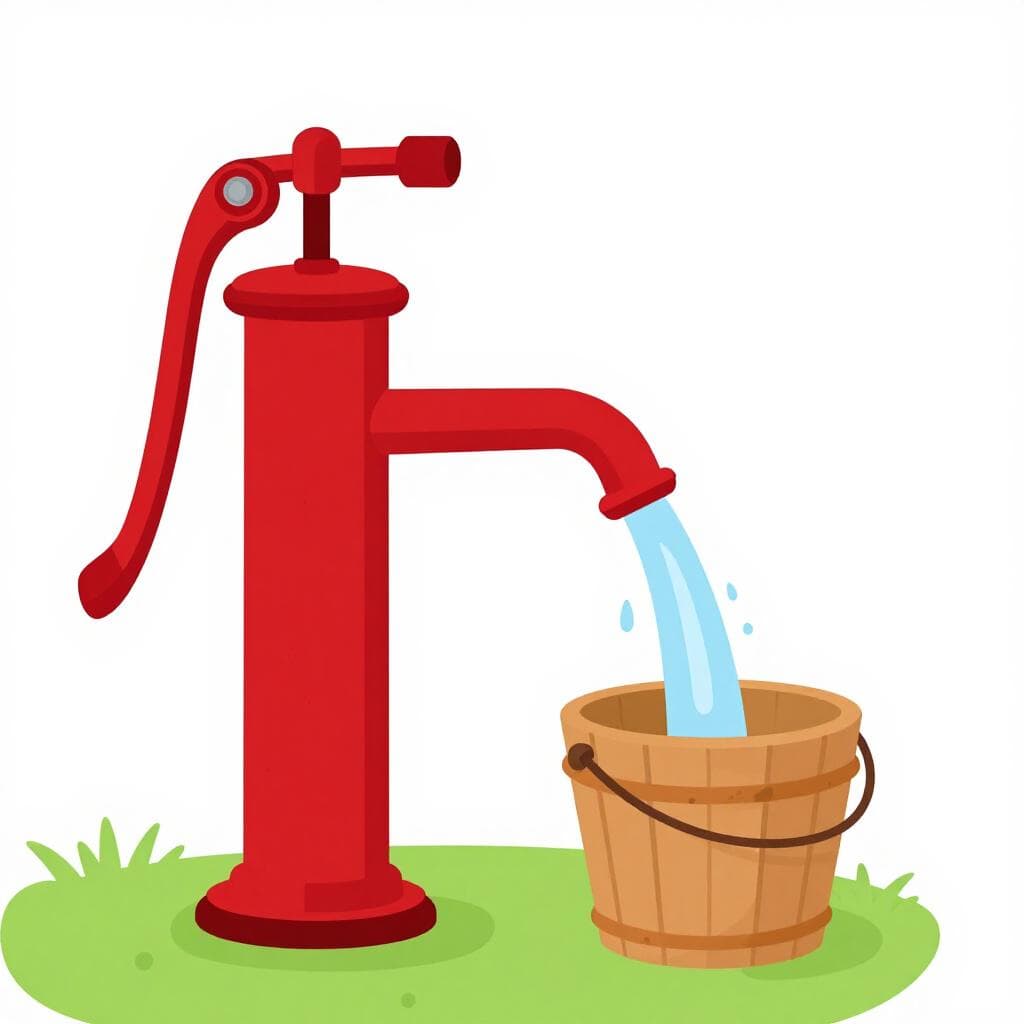
pompować
“El corazón se encarga de bombear sangre a todo el cuerpo.”
B2 — Wyższy średnio zaawansowany (1 słów)
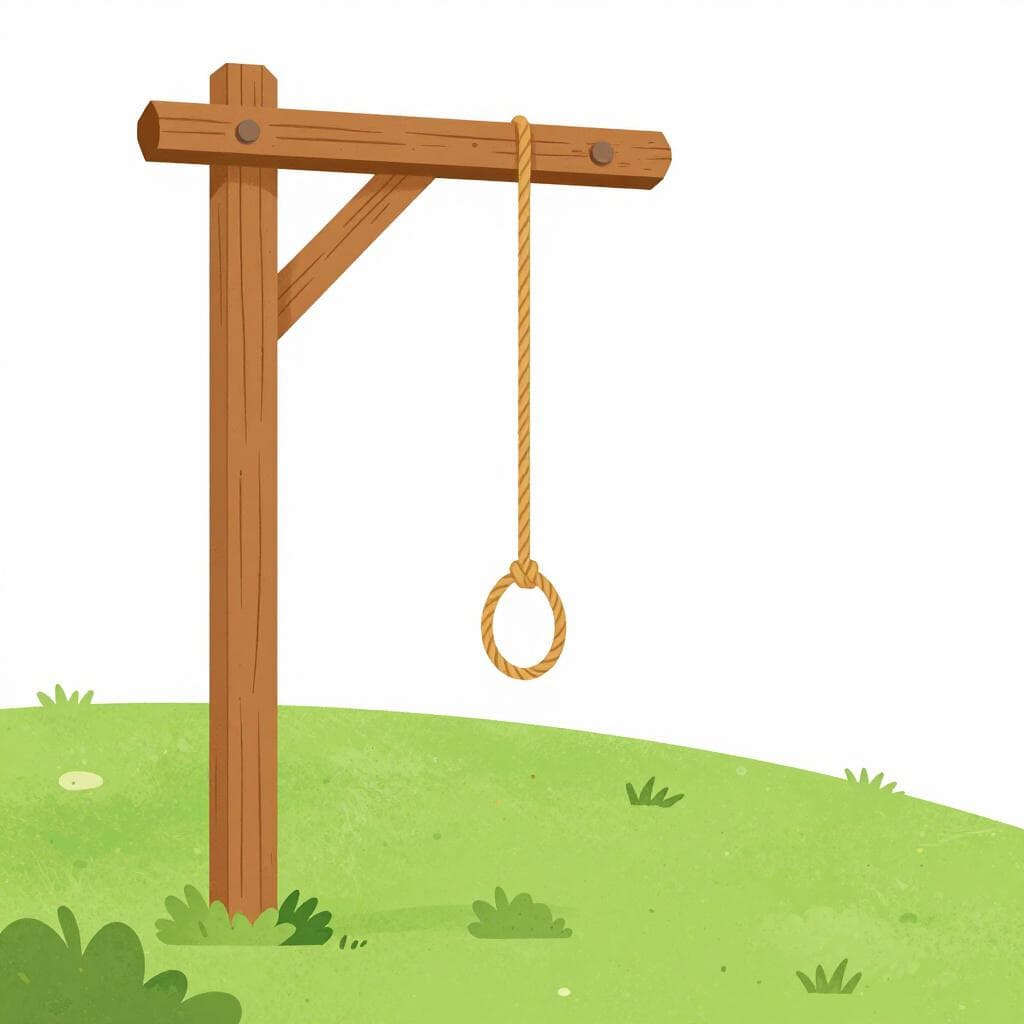
szubienica
“El pirata fue condenado a morir en la horca.”
Wskazówki gramatyczne
Rodzaj gramatyczny i liczba mnoga
Większość rzeczowników oznaczających narzędzia ma rodzaj gramatyczny. Słowa kończące się na -o są zazwyczaj rodzaju męskiego (el martillo - młotek), a te kończące się na -a są zazwyczaj rodzaju żeńskiego (la sierra - piła). Liczbę mnogą tworzy się przez dodanie -s, jeśli słowo kończy się samogłoską, lub -es, jeśli kończy się spółgłoską. Na przykład „el clavo” (gwóźdź) staje się „los clavos” (gwoździe), a „el cepillo” (szczotka) staje się „los cepillos” (szczotki).
Złożone rzeczowniki
Niektóre nazwy narzędzi powstają przez połączenie czasownika z rzeczownikiem, często związanym z funkcją narzędzia. Na przykład „bombear” (pompować) prowadzi do „la bomba” (pompa). Taka struktura może pomóc w odgadnięciu znaczenia nieznanych nazw narzędzi.
Przymiotniki następują po rzeczownikach
Pamiętaj, że przymiotniki opisujące, takie jak rozmiar czy stan, zazwyczaj następują po rzeczowniku, który opisują. Jeśli mówisz o „dużym młotku”, to jest to „el martillo grande”, a nie „el grande martillo”.
Typowe błędy
Nieprawidłowe tworzenie liczby mnogiej
Błąd: “Necesito dos clavos pequeñas.”
Poprawka: Necesito dos clavos pequeños. — „Clavo” jest rodzaju męskiego, więc przymiotnik w liczbie mnogiej „pequeños” również musi być rodzaju męskiego. Nawet jeśli „clavo” kończy się samogłoską i tworzy liczbę mnogą „clavos”, rodzaj i liczba przymiotnika muszą zgadzać się z rzeczownikiem.
Pozycja przymiotnika
Błąd: “Compré una herramienta nueva roja.”
Poprawka: Compré una herramienta roja y nueva. — W języku hiszpańskim przymiotniki opisujące, takie jak kolor („roja”), zazwyczaj występują po rzeczowniku. Przymiotniki wskazujące na nowość („nueva”) również zazwyczaj następują po rzeczowniku. Chociaż „nueva” czasami może poprzedzać rzeczownik dla podkreślenia, umieszczenie obu po rzeczowniku jest tutaj standardowe i jasne.
Zgodność rodzaju
Błąd: “La gancho es muy fuerte.”
Poprawka: El gancho es muy fuerte. — „Gancho” (haczyk) to rzeczownik rodzaju męskiego, dlatego wymaga rodzajnika męskiego „el” i końcówki przymiotnika rodzaju męskiego „-o” w „fuerte” (silny).
Notatki kulturowe
Kultura „Zrób to sam”
Majsterkowanie i projekty typu „zrób to sam” są popularne w wielu krajach hiszpańskojęzycznych, podobnie jak wszędzie indziej. Znajdziesz tam szeroki wybór sklepów z artykułami metalowymi („ferreterías”) i specjalistycznych sklepów. Znajomość słownictwa może być na wagę złota, gdy potrzebujesz konkretnej części lub narzędzia!
Terminy regionalne
Chociaż wiele terminów jest standardowych, niektóre narzędzia mogą mieć nazwy regionalne, szczególnie w Ameryce Łacińskiej. Na przykład śrubokręt („destornillador”) może być nazywany „desarmador” w Meksyku i niektórych innych krajach. Warto być świadomym potencjalnych różnic.