
Pogoda i klimat po hiszpańsku
Rozmowa o pogodzie to uniwersalny sposób na przełamanie lodów, a znajomość hiszpańskich terminów dotyczących warunków atmosferycznych pomoże Ci nawiązać kontakt z rodzimymi użytkownikami języka. Ten zestaw słownictwa obejmuje wszystko, od łagodnej bryzy po potężny huragan, w tym temperaturę, opady i opisy klimatu. Zrozumienie tych słów pomoże Ci nie tylko omówić codzienną prognozę, ale także docenić, jak różne klimaty są opisywane w regionach hiszpańskojęzycznych.
Szybka ściąga
| Hiszpański | Polski | Przykład | Poziom |
|---|---|---|---|
aire | powietrze | Necesito un poco de aire fresco. | A1 |
atmósfera | atmosfera | La capa de ozono protege la atmósfera de la Tierra. | A2 |
cálido | ciepły | Me encanta el clima cálido de esta isla. | A2 |
calor | gorąco | Hace mucho calor en verano aquí. | A1 |
caluroso | gorący | Hoy es un día muy caluroso. | A1 |
clima | klimat | El clima de Costa Rica es tropical y húmedo. | A1 |
climático | klimatyczny | El cambio climático es una preocupación global. | A2 |
despejado | bezchmurny | El cielo está completamente despejado hoy, ¡qué maravilla! | A1 |
húmedo | wilgotny | La ropa todavía está húmeda. | A2 |
invierno | zima | El invierno en Madrid es soleado, pero muy frío. | A1 |
llover | padać | Parece que va a llover esta tarde. | A1 |
lluvia | deszcz | Necesitamos un paraguas porque la lluvia es muy fuerte hoy. | A1 |
A1 — Początkujący (19 słów)

powietrze
“Necesito un poco de aire fresco.”
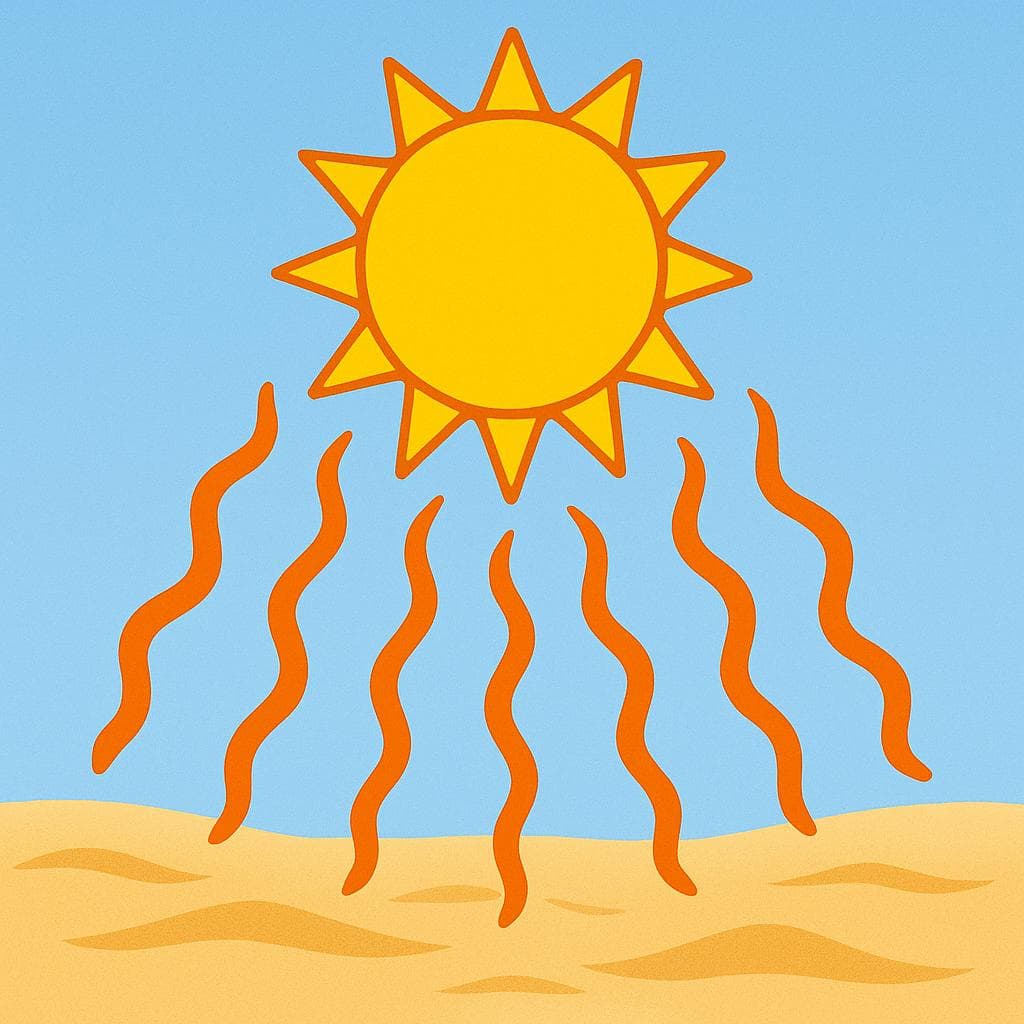
gorąco
“Hace mucho calor en verano aquí.”
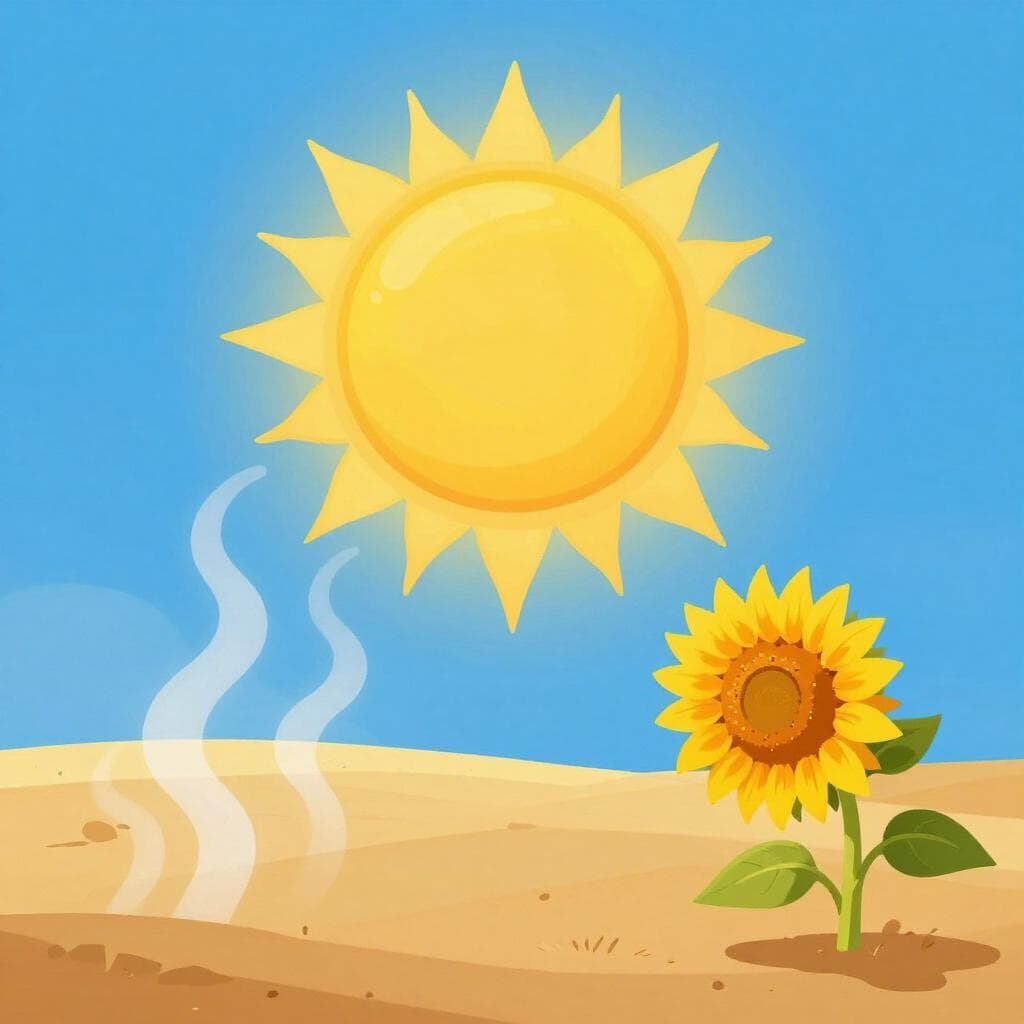
gorący
“Hoy es un día muy caluroso.”

klimat
“El clima de Costa Rica es tropical y húmedo.”
bezchmurny
“El cielo está completamente despejado hoy, ¡qué maravilla!”

zima
“El invierno en Madrid es soleado, pero muy frío.”
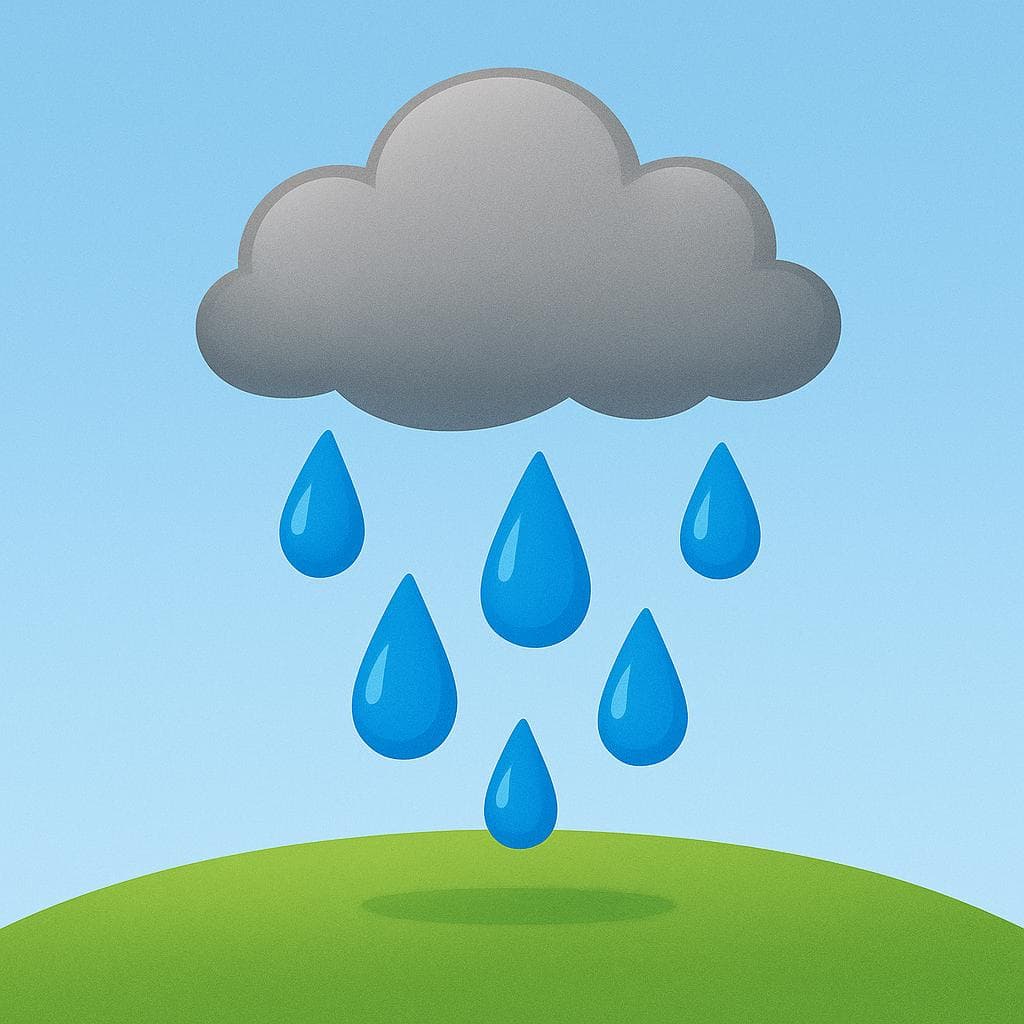
padać
“Parece que va a llover esta tarde.”
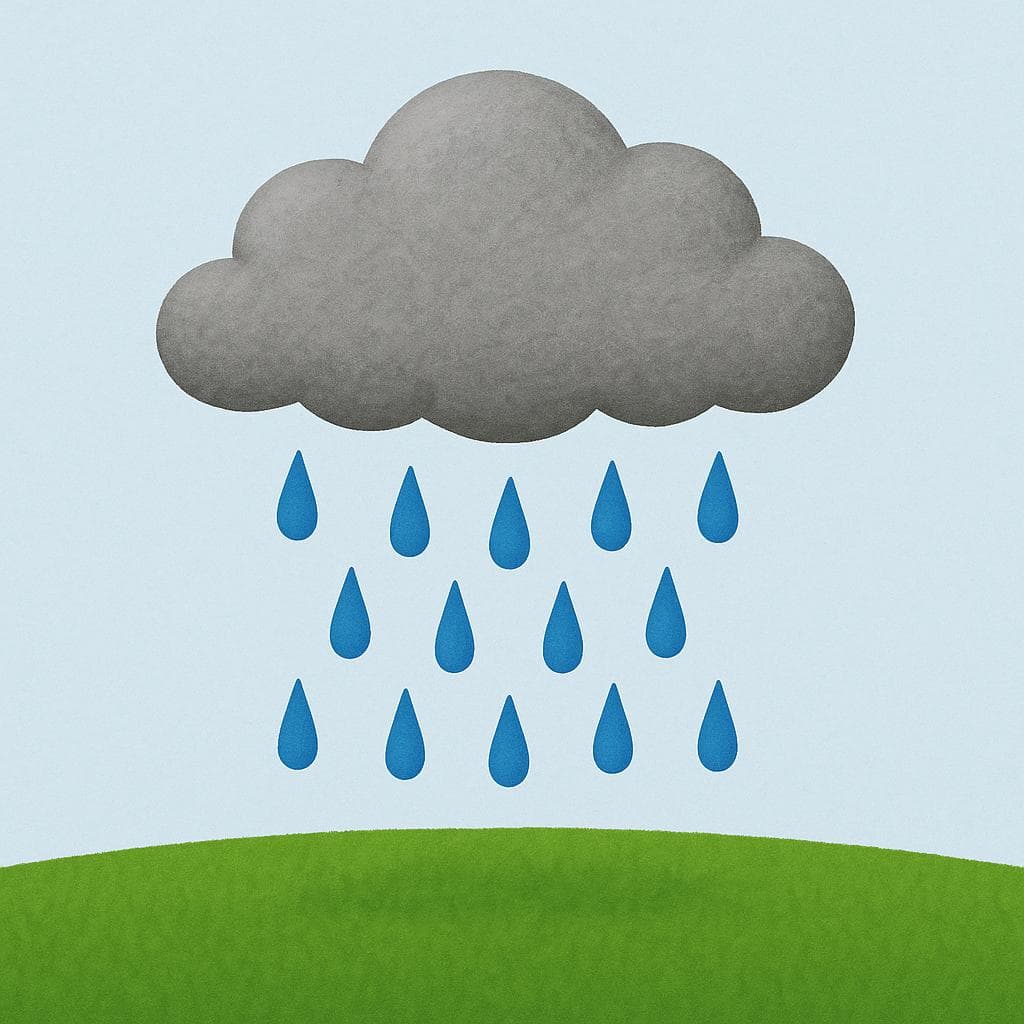
deszcz
“Necesitamos un paraguas porque la lluvia es muy fuerte hoy.”

śnieg
“Cayó mucha nieve anoche y no pudimos salir.”

chmura
“Hay muchas nubes grises hoy, creo que va a llover.”

chmury
“Hoy hay muchas nubes grises, creo que va a llover.”

parasol
“Lleva el paraguas porque está lloviendo.”

słoneczny
“Hoy es un día muy soleado.”
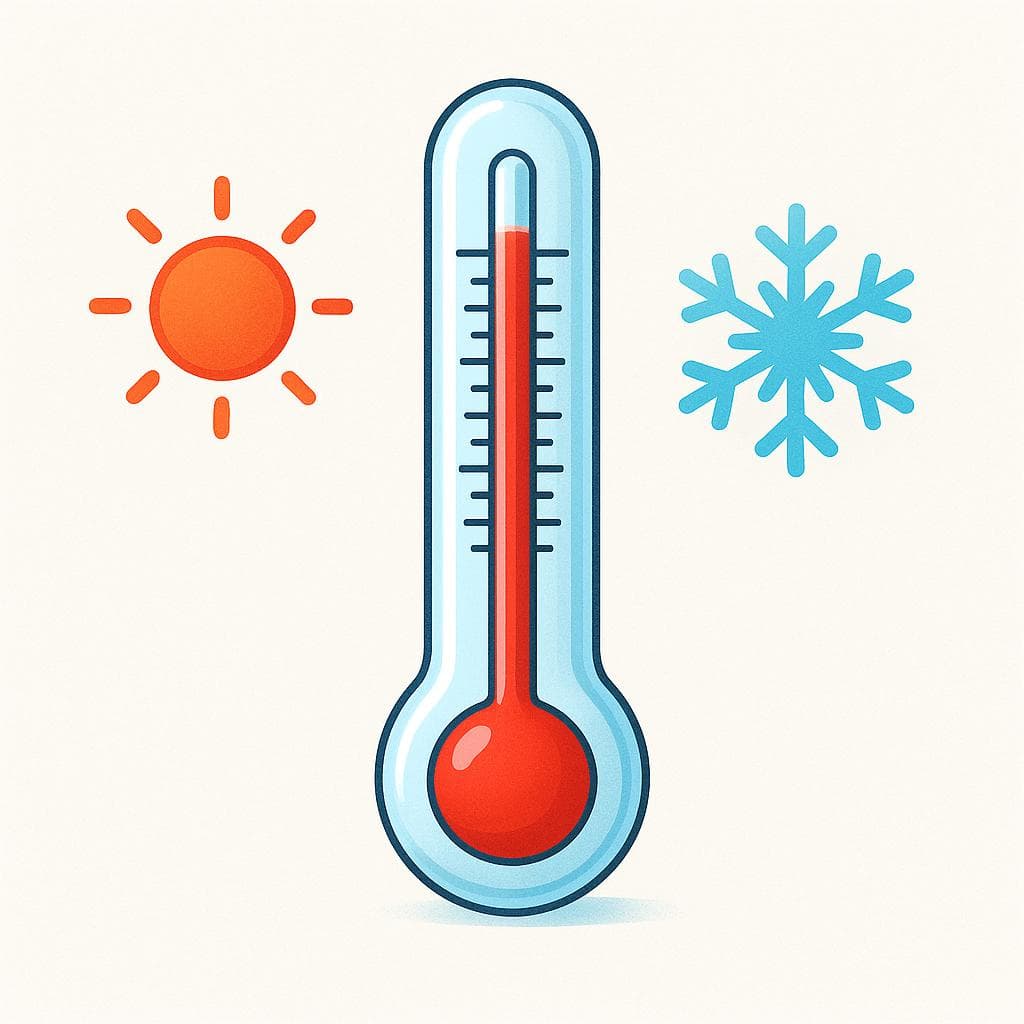
temperatura
“La temperatura del agua está perfecta para nadar.”

czas
“No tengo mucho tiempo libre.”
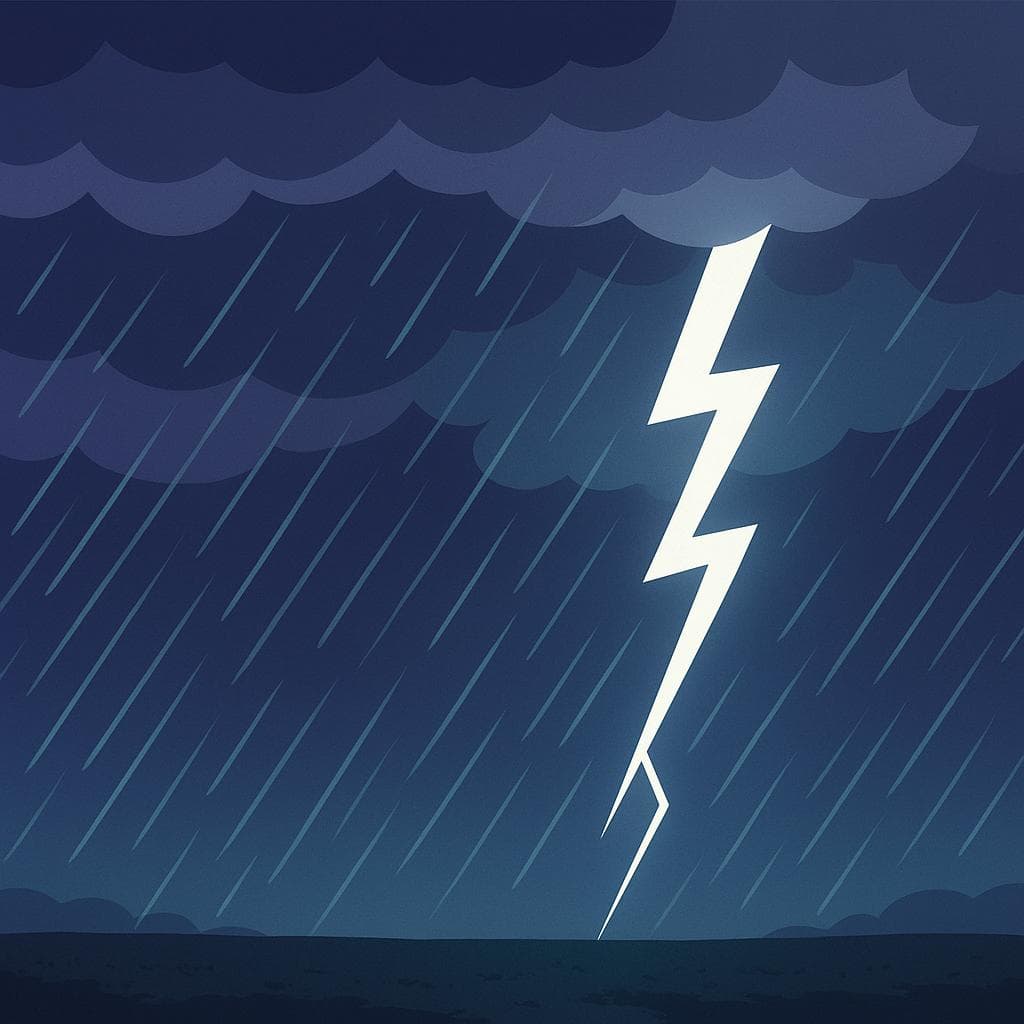
burza
“Tuvimos que cancelar el partido por la tormenta eléctrica.”

tropikalny
“Me encanta el clima tropical.”

wiatr
“El viento cerró la puerta de golpe.”

padać śnieg
“Hoy va a nevar en las montañas.”
A2 — Podstawowy (16 słów)

atmosfera
“La capa de ozono protege la atmósfera de la Tierra.”

ciepły
“Me encanta el clima cálido de esta isla.”
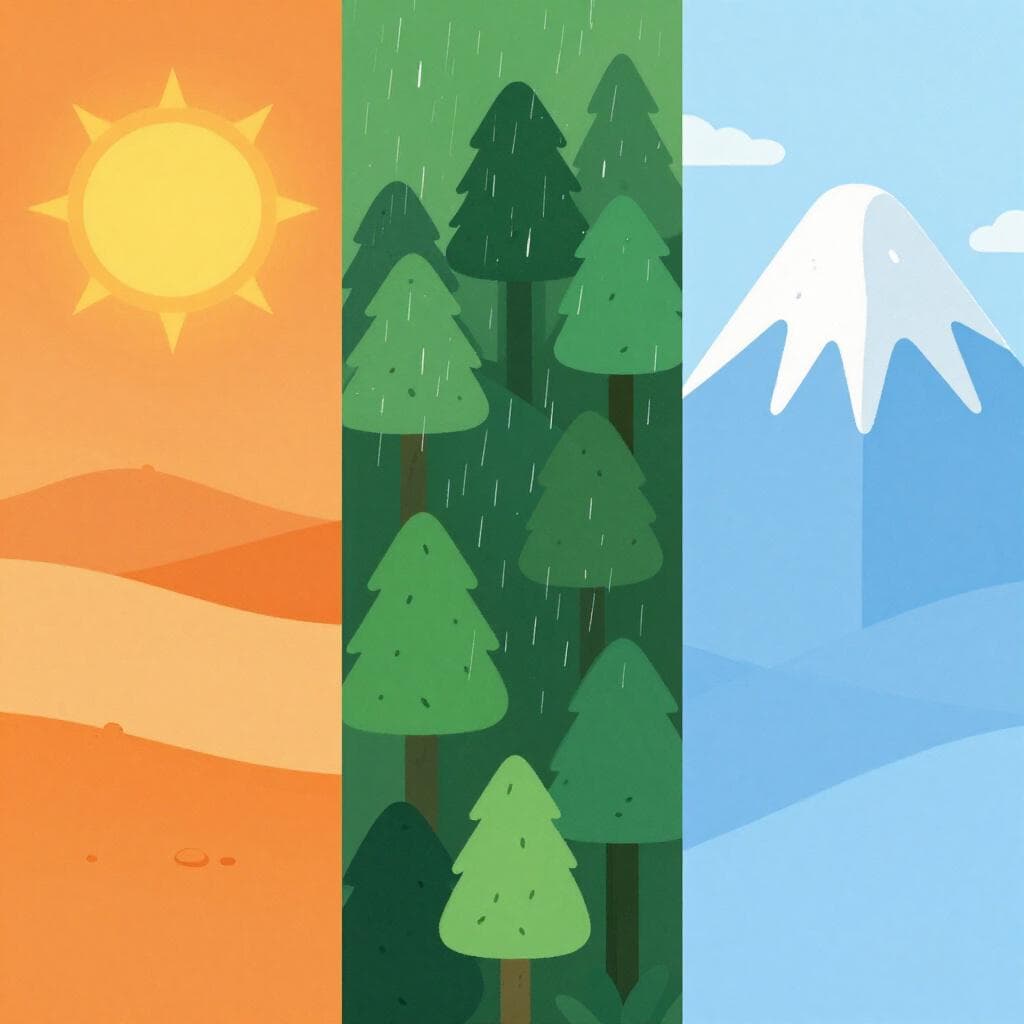
klimatyczny
“El cambio climático es una preocupación global.”

wilgotny
“La ropa todavía está húmeda.”

pływ
“La marea sube por la mañana, así que hay que tener cuidado con las toallas.”

prognoza
“El pronóstico del tiempo dice que va a llover esta tarde.”

piorun
“Un rayo cayó sobre el árbol más alto del campo.”

łagodny
“Me gusta vivir en un lugar con clima templado.”

bryza
“Me encanta sentir la brisa marina en la cara.”

wilgotność
“Hay mucha humedad en el ambiente hoy.”

huragan
“El huracán se acerca a la costa de México.”

powódź
“La inundación destruyó muchas casas cerca del río.”

opad śniegu
“Hubo una nevada muy fuerte anoche.”

mgła
“La niebla era tan espesa que tuvimos que conducir despacio.”

błyskawica
“Vi un relámpago increíble desde mi ventana.”

grzmot
“El trueno me asustó anoche.”
B1 — Średnio zaawansowany (8 słów)

wiatr lewant
“Cuando sopla el levante, las playas de Cádiz están llenas de surfistas.”
opady
“Hay una alta probabilidad de precipitación para mañana.”

rosa
“Me gusta caminar por la hierba llena de rocío.”

susza
“Muchos países están sufriendo una sequía severa.”
burza
“El temporal de lluvia y viento duró toda la noche.”

atmosferyczny
“La presión atmosférica está bajando rápidamente.”

przymrozek
“La helada de anoche arruinó los cultivos de tomate.”
dotyczący pogody
“El informe meteorológico dice que va a nevar mañana.”
Wskazówki gramatyczne
Zgodność rodzajowa z pogodą
Wiele rzeczowników związanych z pogodą jest rodzaju żeńskiego (la tormenta, la lluvia, la nieve). Przymiotniki je opisujące muszą zgadzać się pod względem rodzaju i liczby. Na przykład: 'la lluvia es fuerte' (deszcz jest ulewny), a nie 'fuerte'. Jednak niektóre rzeczowniki, takie jak 'el sol' (słońce) i 'el viento' (wiatr), są rodzaju męskiego.
Użycie 'Hace' do opisu warunków
Hiszpański często używa czasownika 'hacer' (robić/tworzyć) do opisu warunków pogodowych. Pomyśl 'hace sol' (jest słonecznie, dosłownie 'robi słońce'), 'hace calor' (jest gorąco), 'hace frío' (jest zimno). Jest to powszechny wzorzec, który usłyszysz i będziesz chciał używać.
Wyrażenia dotyczące temperatury
Chociaż 'tener' może oznaczać 'mieć', jest ono używane w odniesieniu do temperatury w specyficznym kontekście: 'Tengo frío' (Jest mi zimno) lub 'Tengo calor' (Jest mi gorąco), odnosząc się do tego, jak się czujesz. W odniesieniu do ogólnych warunków użyj 'hace frío/calor' lub 'está frío/caliente'.
Typowe błędy
Umiejscowienie przymiotnika
Błąd: “El soleado día fue hermoso.”
Poprawka: El día soleado fue hermoso. — Przymiotniki takie jak 'soleado' (słoneczny) zazwyczaj występują po rzeczowniku, który opisują w języku hiszpańskim.
Użycie 'Ser' vs 'Estar'
Błąd: “El tiempo es caliente hoy.”
Poprawka: El tiempo está caliente hoy. — Użyj 'estar' dla tymczasowych warunków pogodowych, takich jak temperatura. 'Ser' jest używane dla bardziej trwałych cech.
Bezpośrednie tłumaczenie 'It's Raining'
Błąd: “Es lloviendo.”
Poprawka: Está lloviendo. — W czasie teraźniejszym ciągłym w języku hiszpańskim dla pogody często używa się 'estar' z gerundium, a nie 'ser'.
Notatki kulturowe
Regionalne zróżnicowanie klimatu
Kraje hiszpańskojęzyczne obejmują niezwykle zróżnicowane klimaty, od suchych pustyń Atacama po wilgotne lasy deszczowe Amazonii. Należy pamiętać, że terminy dotyczące zjawisk pogodowych mogą być bardziej powszechne lub mieć różne niuanse w zależności od regionu. Na przykład 'chubasco' (przelotny deszcz) jest powszechne w Hiszpanii, podczas gdy 'aguacero' może być częstsze w częściach Ameryki Łacińskiej.
Opisywanie 'Calor'
Chociaż 'calor' to ogólne słowo oznaczające upał, Hiszpanie mogą używać 'sofocante' na określenie dusznego upału lub 'bochornoso' na określenie wilgotnego, parnego upału, szczególnie w regionach tropikalnych lub subtropikalnych. Intensywność i rodzaj upału są często opisywane za pomocą specyficznych przymiotników.