스페인어 명사
Spanish nouns (sustantivos) name people, places, things, or ideas. Every Spanish noun has a grammatical gender - either masculine or feminine - which affects the articles and adjectives used with it. Nouns also change form to show number (singular or plural).
주요 특징
Grammatical Gender
All Spanish nouns are either masculine or feminine, even if the object has no biological gender. "El libro" (book) is masculine, "la mesa" (table) is feminine.
Gender Patterns
Nouns ending in -o are usually masculine; those ending in -a are usually feminine. But there are many exceptions to learn.
Plural Formation
Add -s if the noun ends in a vowel, -es if it ends in a consonant. Some nouns have irregular plurals.
Articles Required
Spanish uses articles (el, la, los, las, un, una) more frequently than English does.
시각적 예시
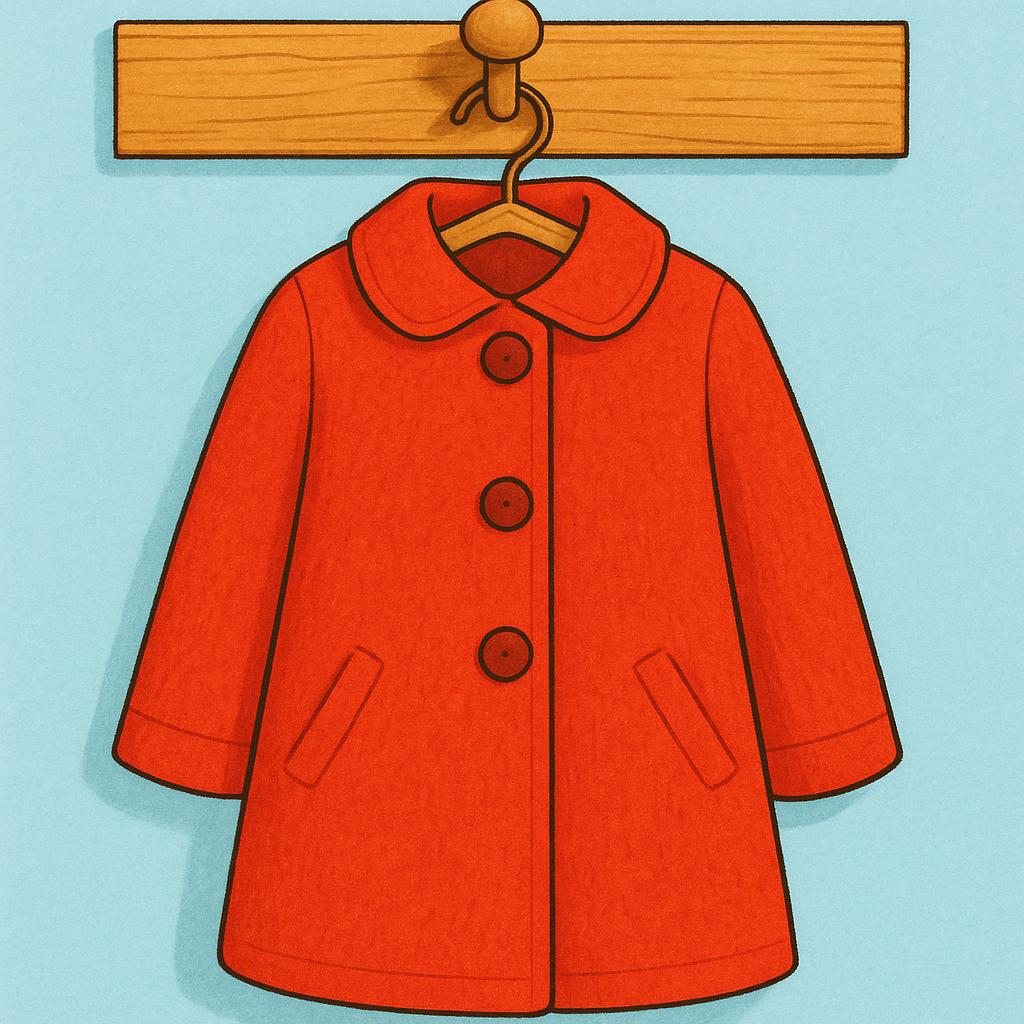
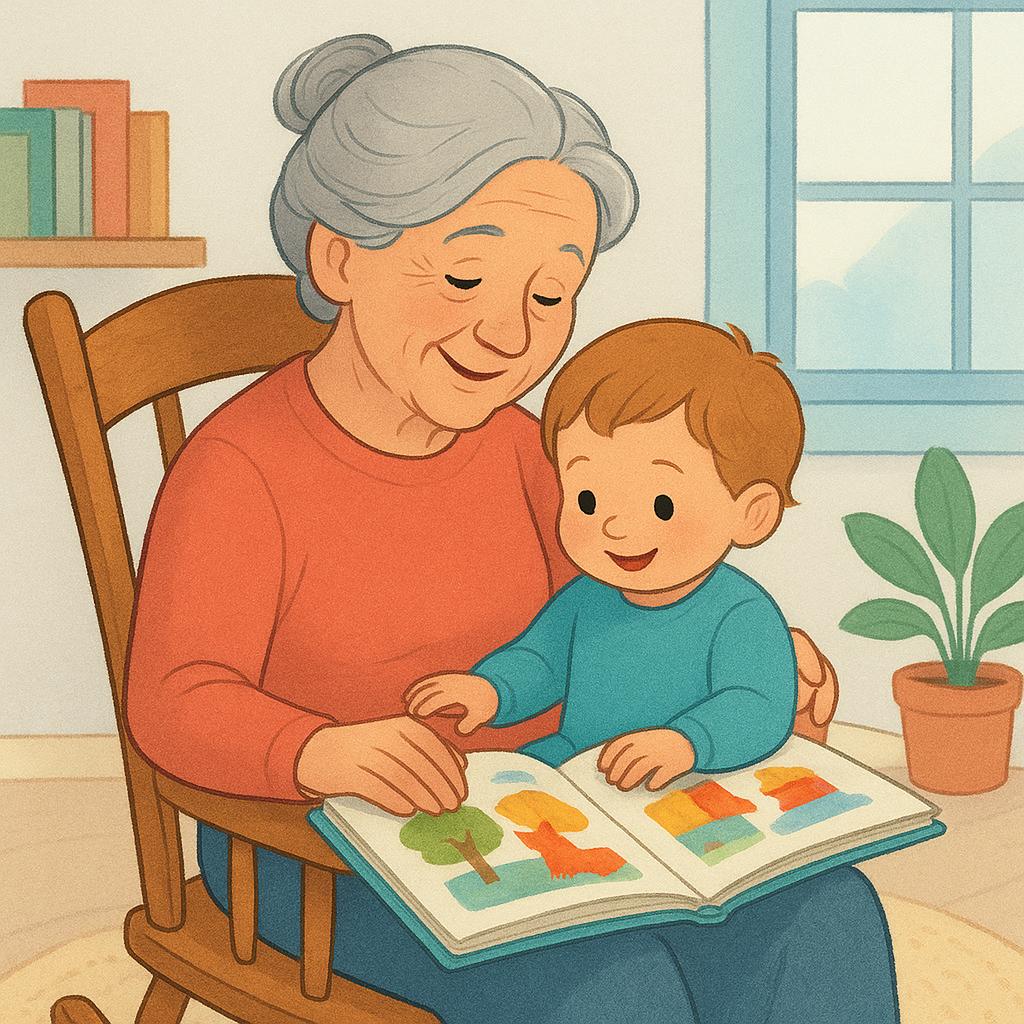
이미지와 오디오 발음이 포함된 시각적 사전에서 이 명사를 탐색하세요.






명사의 종류
Common Nouns
General names for people, places, or things
Proper Nouns
Names of specific people or places
Abstract Nouns
Names for ideas, qualities, or states
형성 규칙
Most nouns ending in -o are masculine
Most nouns ending in -a are feminine
Add -s for plural (vowel endings) or -es (consonant endings)
피해야 할 일반적인 실수
❌ Assuming biological gender equals grammatical gender
✓ Gender is grammatical, not logical. "La persona" (person) is feminine even when referring to males.
La persona es un hombre (The person is a man) - "persona" stays feminine
❌ Using wrong article with unexpected genders
✓ Learn common exceptions: "el día" (day), "la mano" (hand), "el problema" (problem).
✗ la problema | ✓ el problema (the problem - masculine!)
❌ Omitting articles where Spanish requires them
✓ Spanish uses articles more than English, especially with abstract nouns and generalizations.
✓ Me gusta el fútbol (I like soccer) - article needed in Spanish
스페인어 명사와 영어의 차이점
No Grammatical Gender
English nouns don't have grammatical gender (except natural gender like actor/actress). This is one of Spanish's biggest challenges for English speakers.
Plural Formation
Both languages add -s for plurals, but Spanish adds -es after consonants, while English has more irregular plurals.
명사 사용을 위한 전문가 팁
💡 Learn nouns with their articles
예시: Always learn "el libro" not just "libro" - this helps you remember the gender
💡 Words ending in -ión, -dad, -tad, -tud are usually feminine
예시: la acción, la ciudad, la libertad, la actitud
모든 스페인어 명사 6572개 찾아보기
CEFR 수준별로 정리된 스페인어 명사 전체 컬렉션을 탐색하세요. 상세한 정의, 사용 예시 및 발음 가이드를 보려면 단어를 클릭하세요.