
Słownictwo dotyczące imprez i uroczystości po hiszpańsku
Przygotuj się na imprezę po hiszpańsku! Ten zestaw słownictwa obejmuje wszystko, od urodzinowych przyjęć po wielkie wesela, pomagając Ci mówić i rozumieć wszelkiego rodzaju uroczystości. Znajomość tych słów sprawi, że nawiązywanie kontaktów na fiestach będzie znacznie łatwiejsze i przyjemniejsze. Zauważysz, że wiele słów związanych z uroczystościami jest podobnych do angielskich, ale uważaj na te podchwytliwe fałszywych przyjaciół!
Szybka ściąga
| Hiszpański | Polski | Przykład | Poziom |
|---|---|---|---|
actos | uczynki | Sus actos de bondad fueron admirados por todos. | A2 |
adorno | ozdoba | Pusimos un adorno navideño en la puerta. | A2 |
aniversario | rocznica | Hoy celebramos nuestro décimo aniversario de boda. | A1 |
baile | taniec | Me encanta el baile flamenco. | A1 |
barbacoa | grill | Limpiamos la barbacoa antes de cocinar las hamburguesas. | A1 |
boda | ślub | La boda es el sábado por la tarde. | A1 |
celebración | obchody | La celebración de su cumpleaños fue espectacular. | A1 |
celebrar | świętować | Vamos a celebrar el cumpleaños de mi abuela el sábado. | A1 |
ceremonia | uroczystość | La ceremonia de boda duró solo media hora. | A2 |
corona | korona | La reina lleva una corona de oro en las ceremonias importantes. | A2 |
cumpleaños | urodziny | ¡Feliz cumpleaños! | A1 |
desfile | parada | El desfile de carrozas de carnaval fue espectacular. | A2 |
A1 — Początkujący (17 słów)

rocznica
“Hoy celebramos nuestro décimo aniversario de boda.”
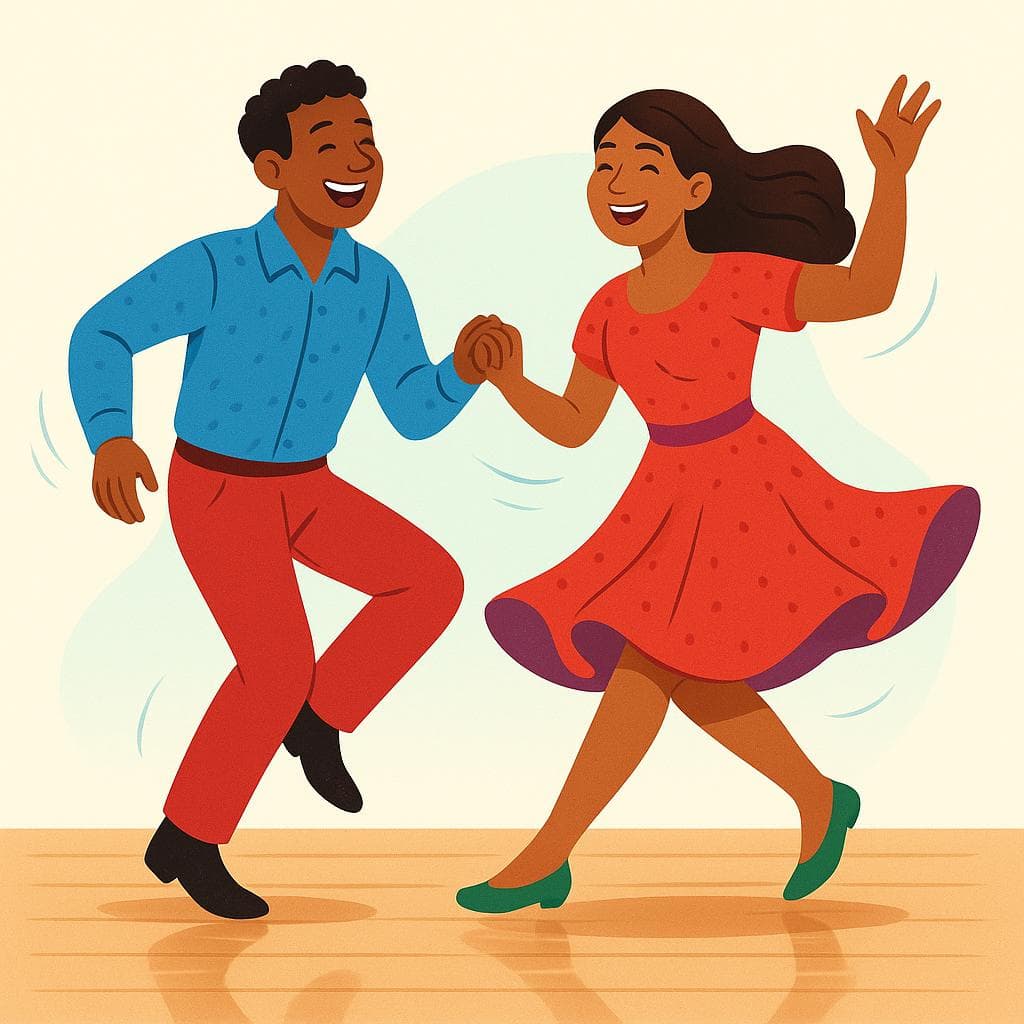
taniec
“Me encanta el baile flamenco.”

grill
“Limpiamos la barbacoa antes de cocinar las hamburguesas.”

ślub
“La boda es el sábado por la tarde.”

obchody
“La celebración de su cumpleaños fue espectacular.”

świętować
“Vamos a celebrar el cumpleaños de mi abuela el sábado.”

urodziny
“¡Feliz cumpleaños!”

kostium
“Mi hermana se puso un disfraz de hada para la fiesta de cumpleaños.”
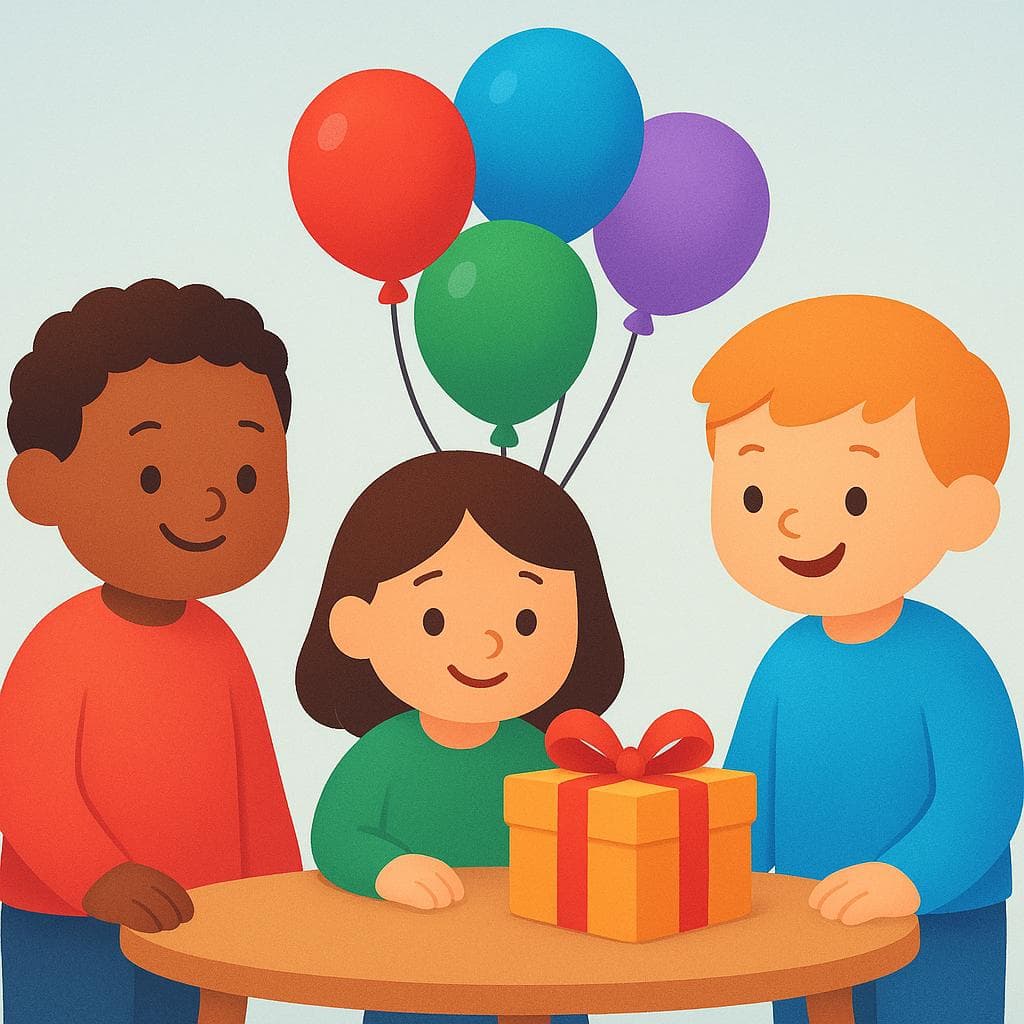
wydarzenie
“El evento de recaudación de fondos fue un éxito total.”

gratulacje
“¡Felicidades por tu nuevo trabajo!”

gratulacje
“¡Felicitaciones! Sabía que ganarías el premio.”
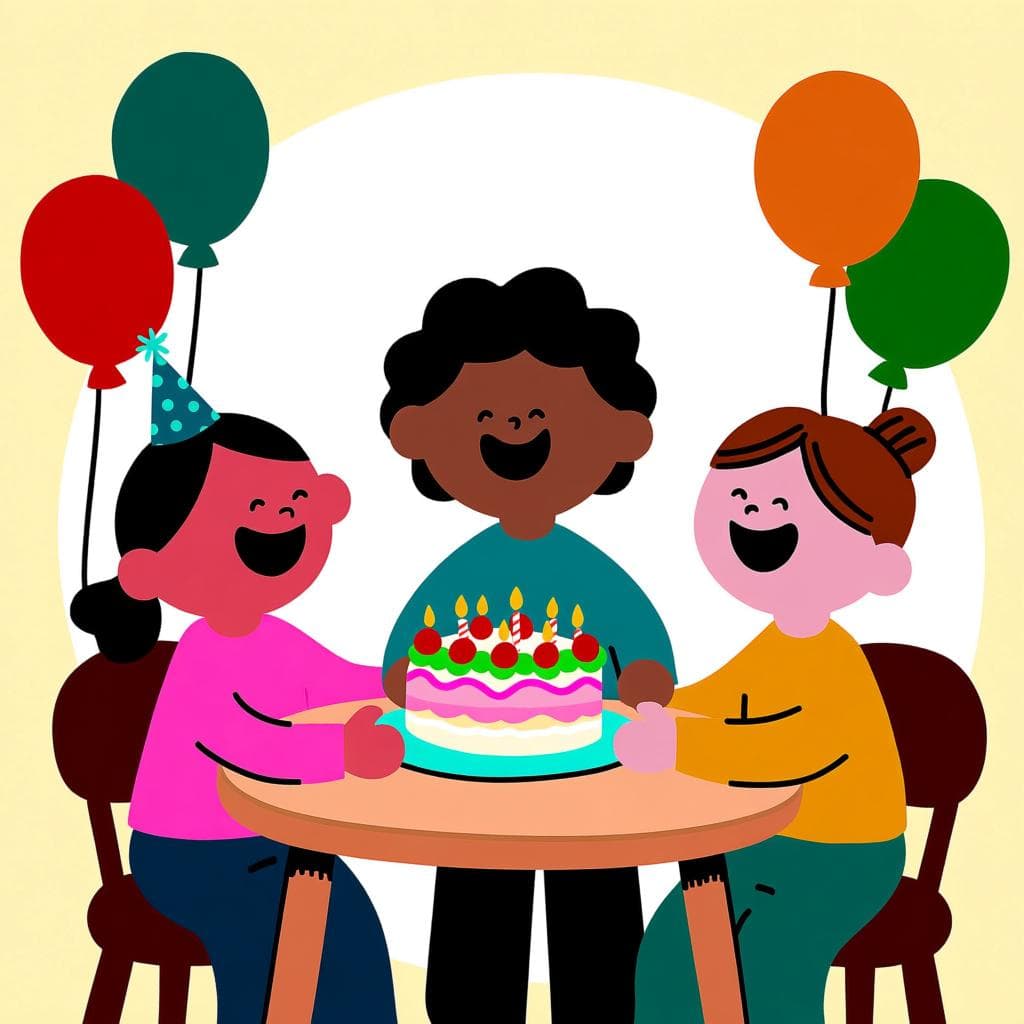
impreza
“Mi hermano organiza una fiesta para su cumpleaños.”

zaproszenie
“Necesito enviar las invitaciones antes del viernes.”
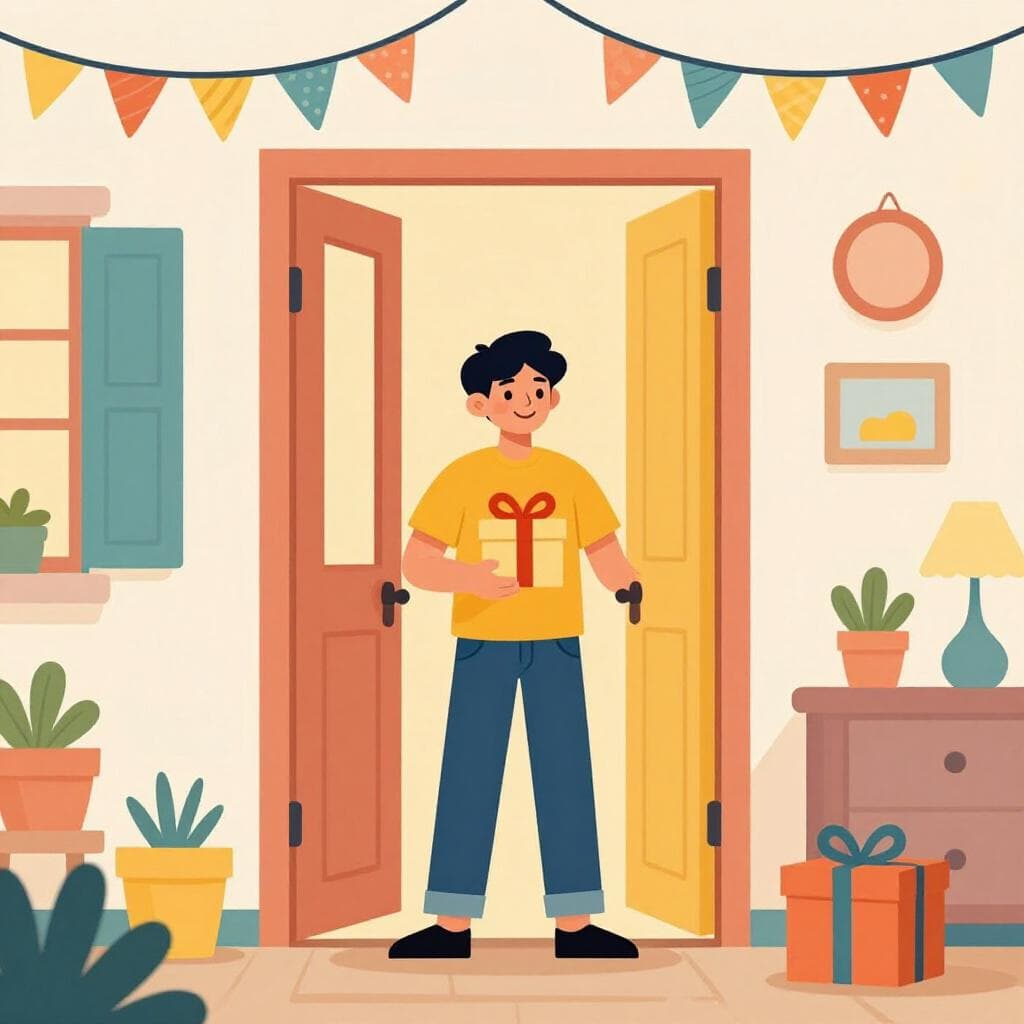
gość
“Cada invitado recibió un pequeño recuerdo de la fiesta.”

Boże Narodzenie
“¡Feliz Navidad!”

bożonarodzeniowy
“Me encanta el espíritu navideño de esta ciudad.”

świeca
“En la oscuridad, encendimos una vela para ver.”
A2 — Podstawowy (18 słów)
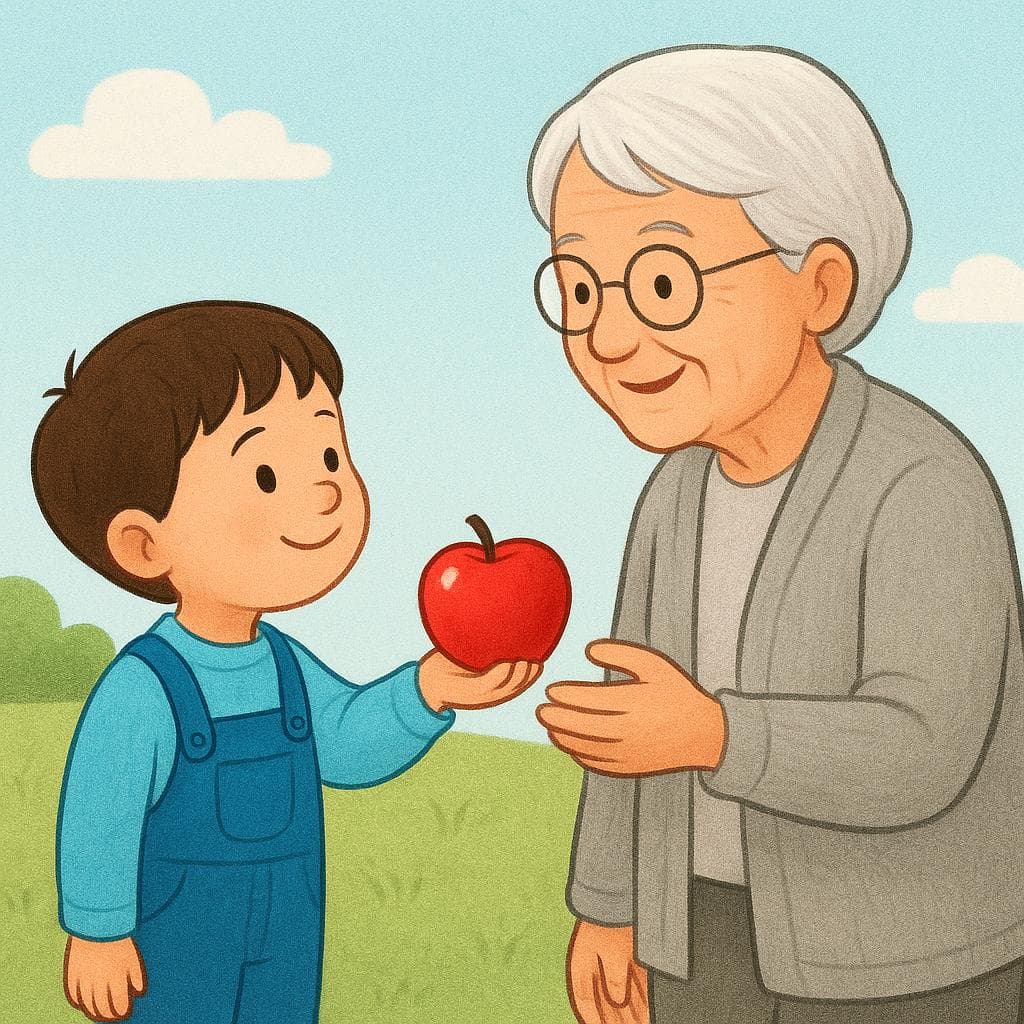
uczynki
“Sus actos de bondad fueron admirados por todos.”
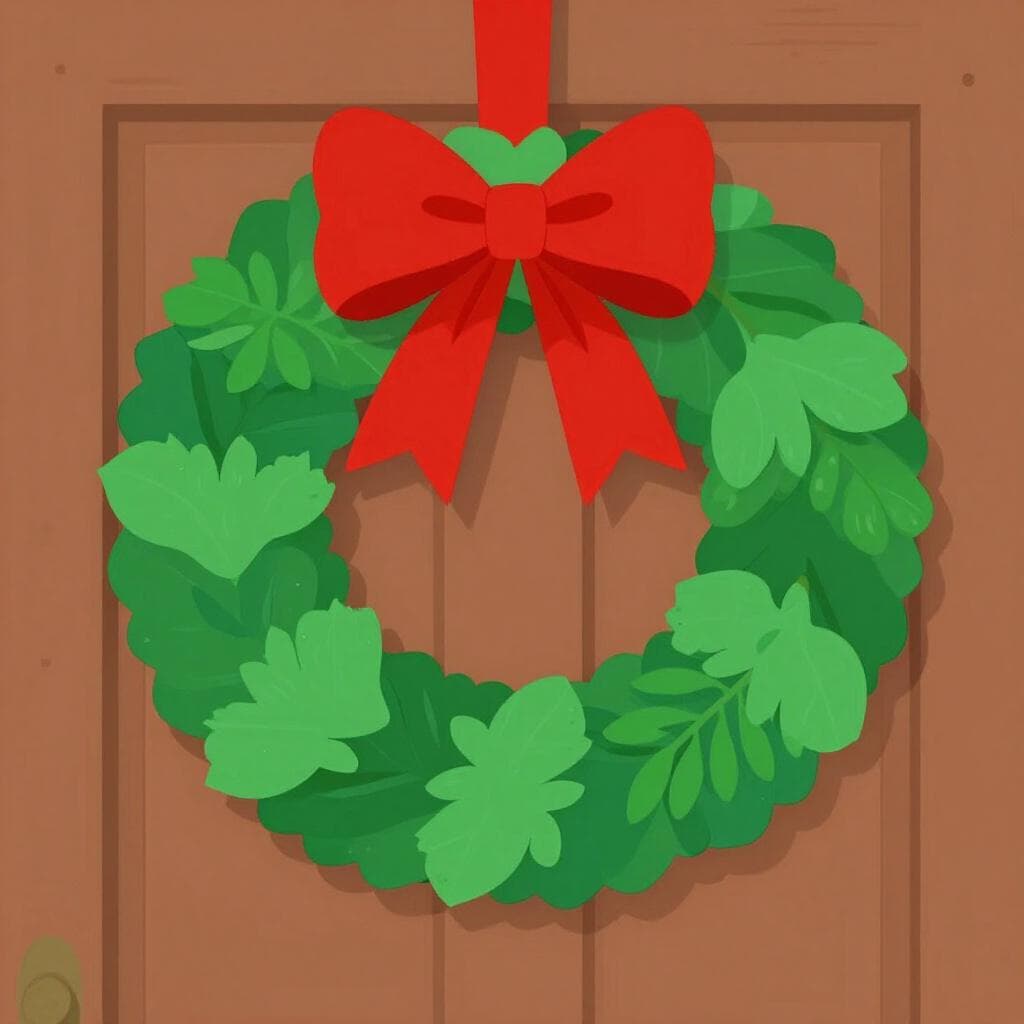
ozdoba
“Pusimos un adorno navideño en la puerta.”

uroczystość
“La ceremonia de boda duró solo media hora.”

korona
“La reina lleva una corona de oro en las ceremonias importantes.”
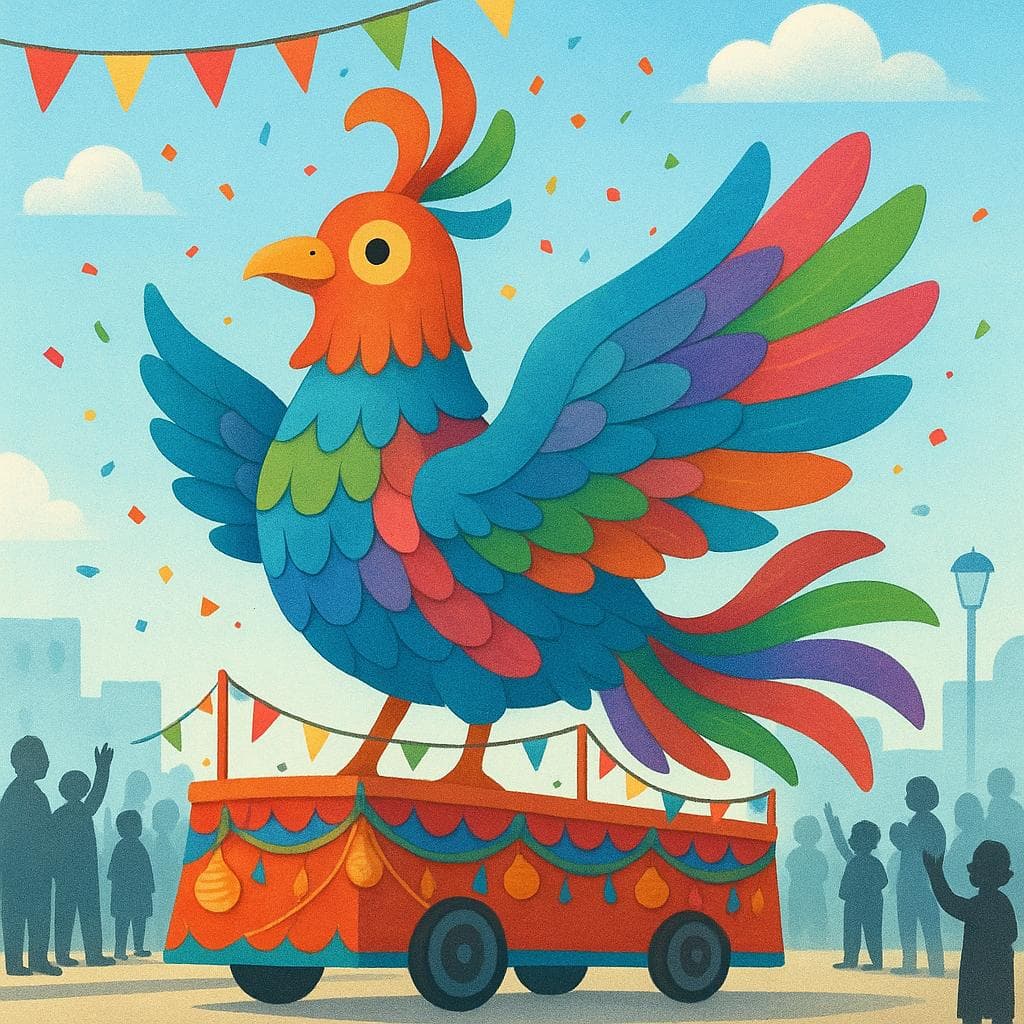
parada
“El desfile de carrozas de carnaval fue espectacular.”

pożegnanie
“Nuestra despedida fue muy emotiva en el aeropuerto.”
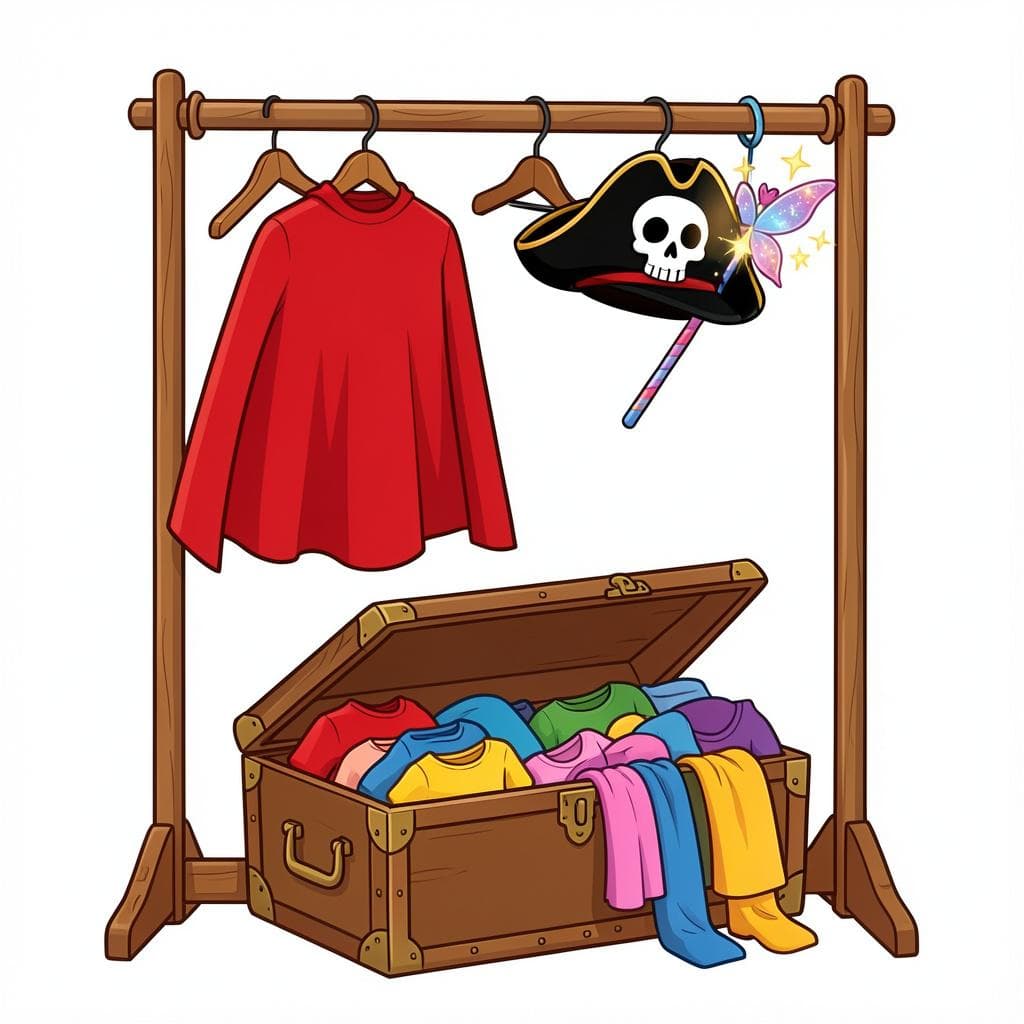
kostiumy
“Me encantan tus disfraces de superhéroes.”

gratulować
“Vine para felicitarte por tu nuevo bebé.”

jarmark
“Todos los años vamos a la feria del pueblo en agosto.”

świąteczny
“Llevaba un vestido muy festivo para la ocasión.”
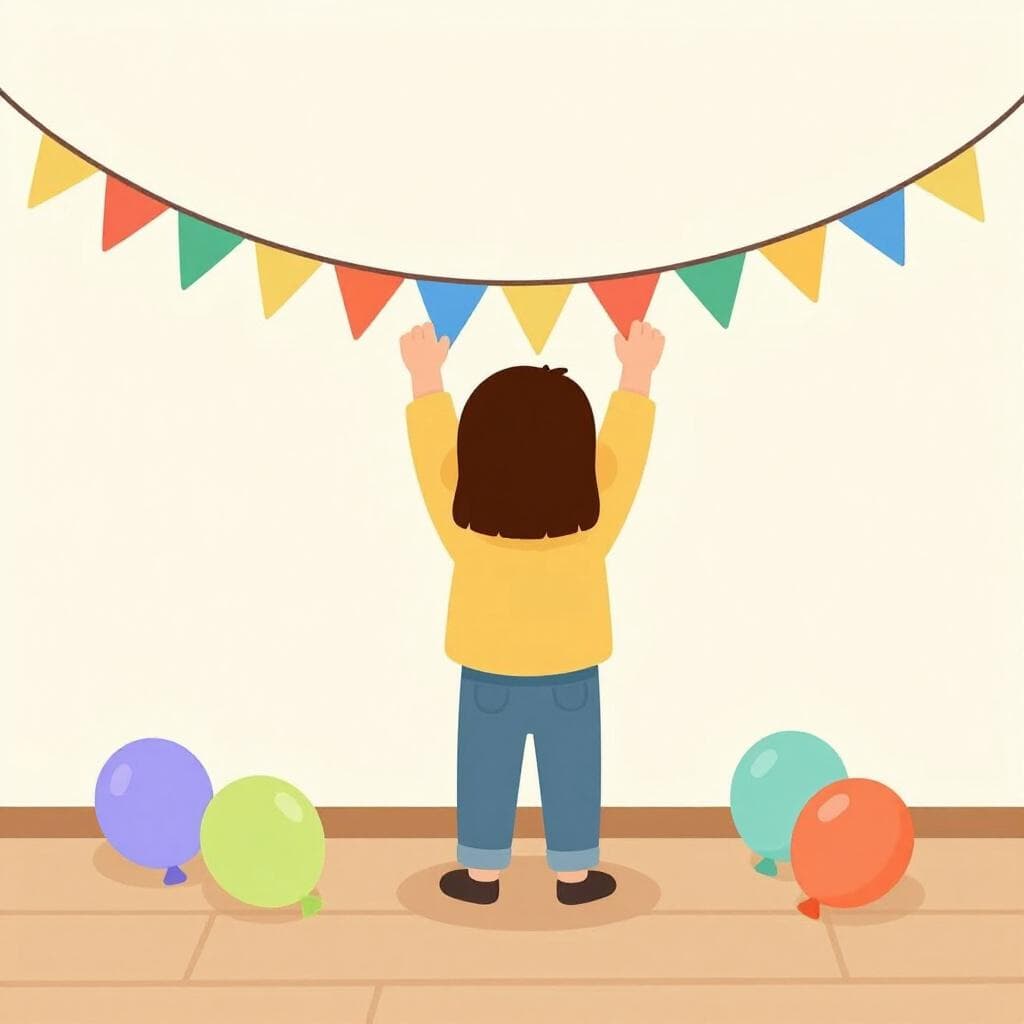
ozdabiać
“Queremos adornar la casa para la fiesta de mañana.”
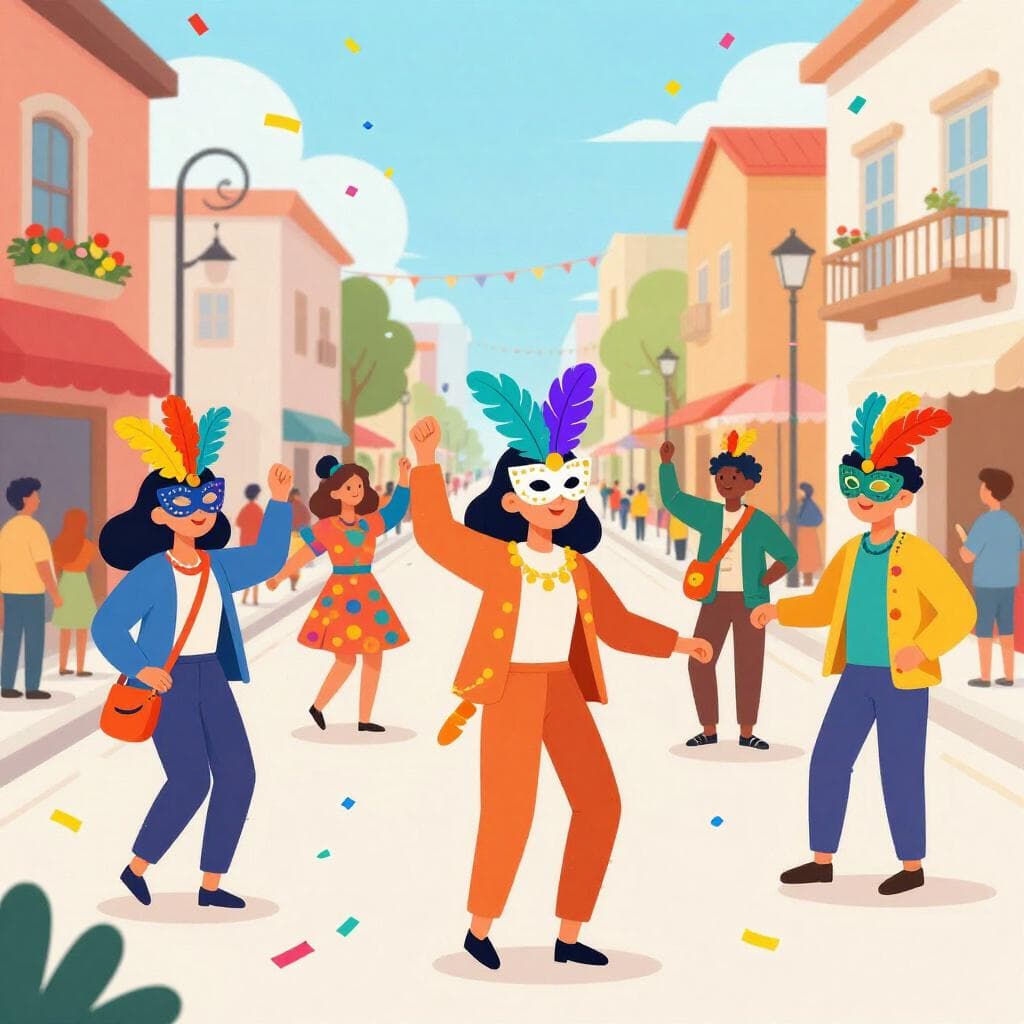
karnawał
“El carnaval de Río de Janeiro es el más grande del mundo.”

przebrany
“El niño está disfrazado de superhéroe.”

przebrać się
“Voy a disfrazar a mi perro de dinosaurio.”

świętować
“Mañana vamos a festejar mi cumpleaños en un restaurante.”
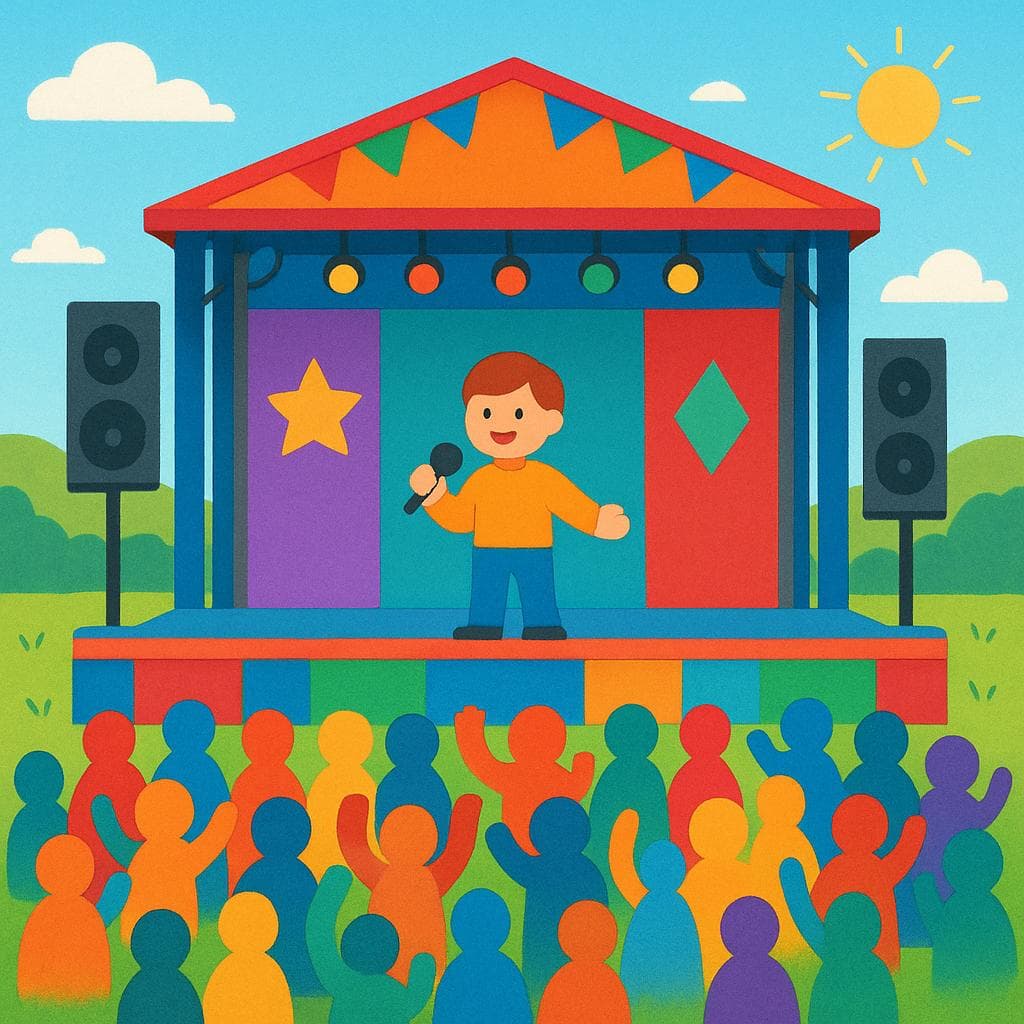
festiwal
“El festival de cine de San Sebastián es muy famoso.”
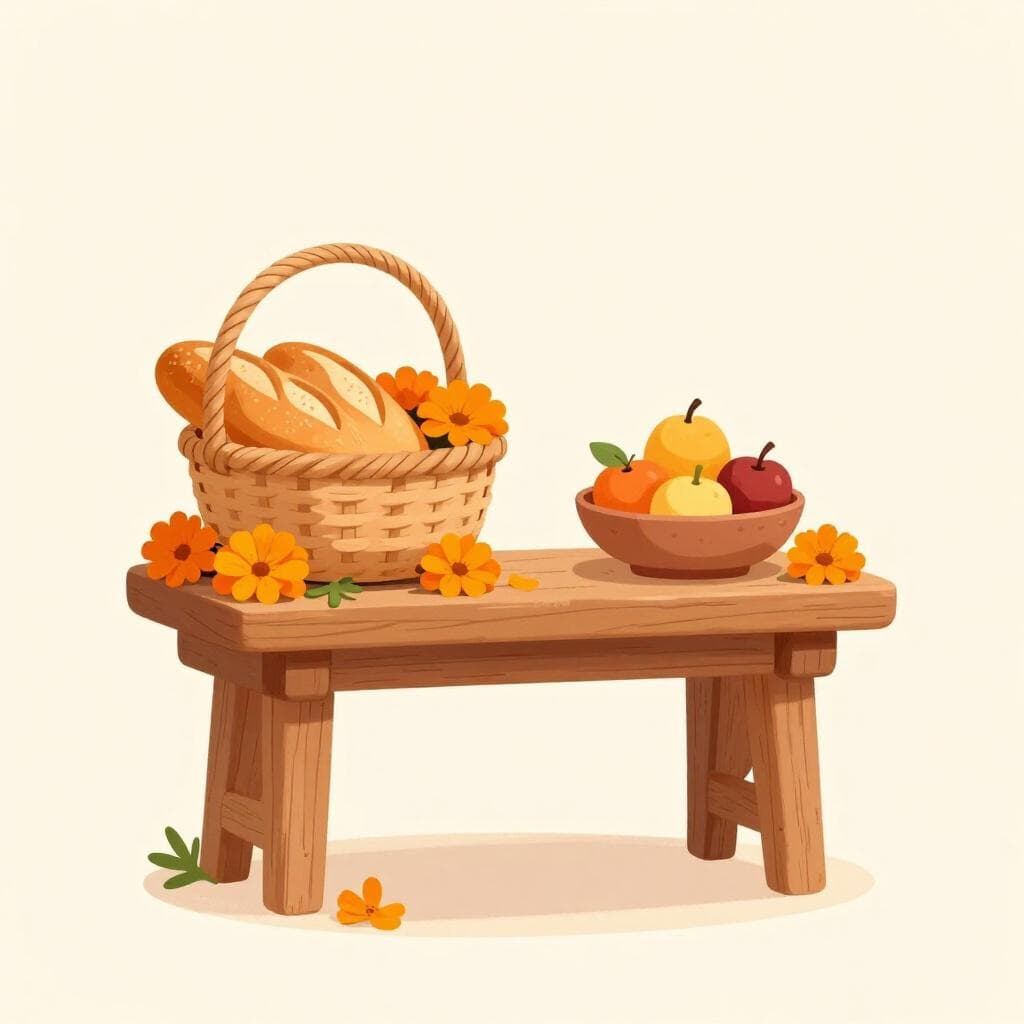
ofiara
“Pusimos una ofrenda con fotos de mis abuelos.”

zajazd
“Buscamos una posada para pasar la noche.”
B1 — Średnio zaawansowany (8 słów)
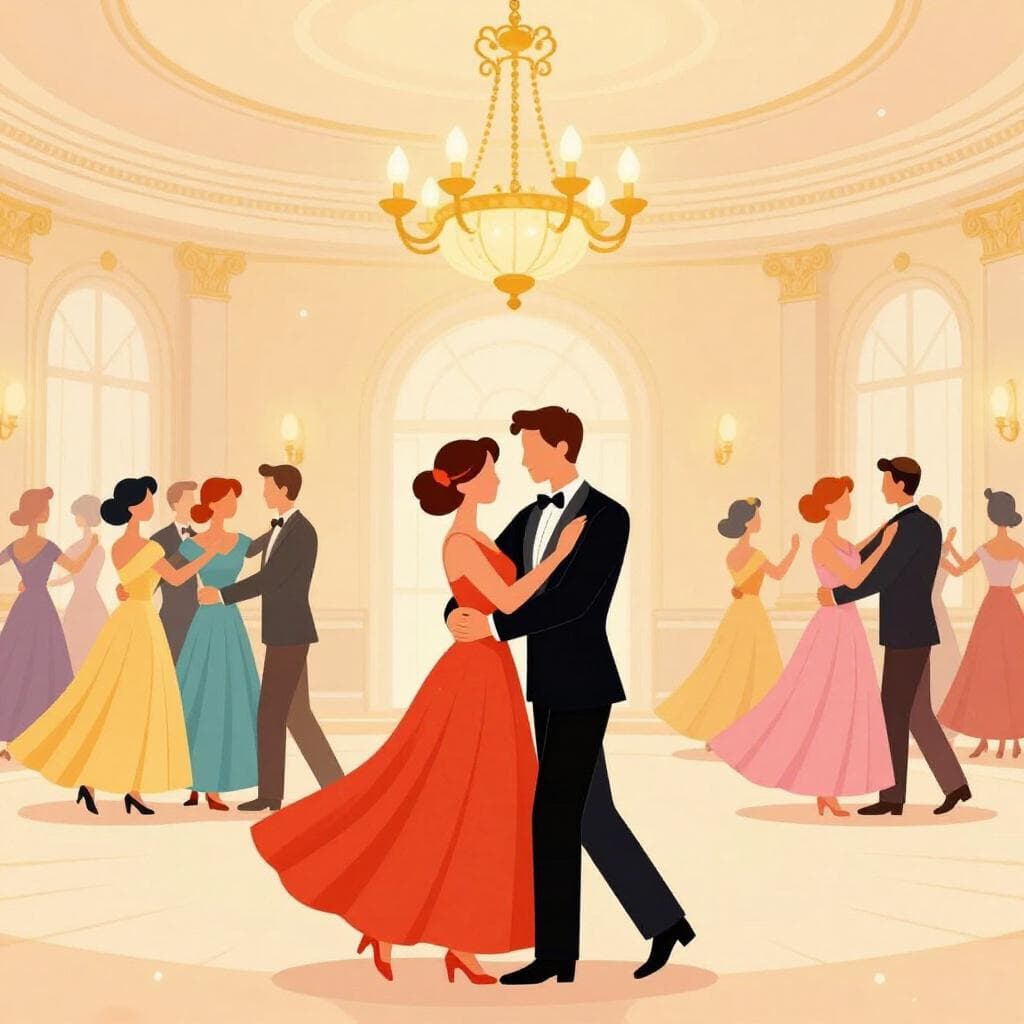
gala
“Asistieron a una gala benéfica para ayudar a los niños.”

ukończenie studiów
“Mi hermana tendrá su graduación de la universidad el sábado.”

wieczorne spotkanie
“Organizaron una velada musical con un pianista local.”
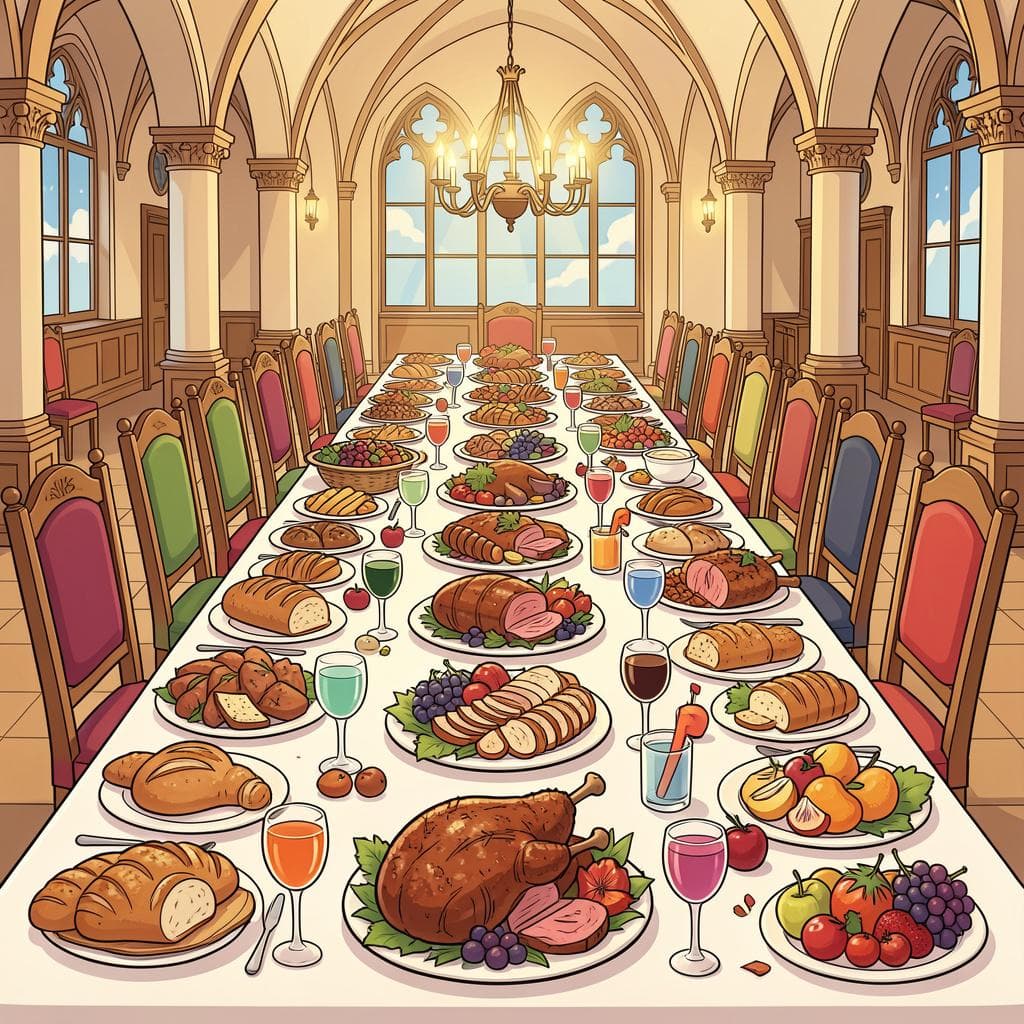
bankiet
“El banquete de la boda fue espectacular.”

platforma paradna
“La carroza de la reina estaba decorada con miles de flores.”

ślub
“Fuimos al casamiento de mi primo el sábado pasado.”

uroczystość
“El festejo de su cumpleaños duró hasta la madrugada.”

walentynka
“Le compré un valentín muy bonito a mi novia.”
Wskazówki gramatyczne
Rodzaj gramatyczny dekoracji
Wiele słów związanych z dekoracjami imprezowymi ma rodzaj gramatyczny. Na przykład 'el adorno' (ozdoba) jest rodzaju męskiego, podczas gdy 'la guirnalda' (girlanda) jest rodzaju żeńskiego. Upewnij się, że Twoje przymiotniki pasują do rodzaju rzeczownika, na przykład 'un adorno bonito' (ładna ozdoba) lub 'una guirnalda bonita' (ładna girlanda).
Tworzenie liczby mnogiej wydarzeń imprezowych
Mówiąc o wielu imprezach lub wydarzeniach, pamiętaj o standardowej hiszpańskiej zasadzie tworzenia liczby mnogiej: dodaj -s do słów kończących się na samogłoskę i -es do słów kończących się na spółgłoskę. Tak więc 'la fiesta' (impreza) staje się 'las fiestas' (imprezy), a 'el evento' (wydarzenie) staje się 'los eventos' (wydarzenia).
Czasowniki do świętowania
Podstawowe czasowniki 'celebrar' (świętować) i 'festejar' (świętować/imprezować) są niezbędne. Odmieniają się jak zwykłe czasowniki zakończone na -ar. Na przykład 'Nosotros celebramos' (My świętujemy) i 'Ellos festejan' (Oni świętują).
Typowe błędy
Umiejscowienie przymiotnika
Błąd: “La feliz boda fue divertida.”
Poprawka: La boda feliz fue divertida. LUB La feliz boda fue divertida. (Chociaż 'feliz' czasami może poprzedzać rzeczownik dla podkreślenia, zazwyczaj przymiotniki opisowe, takie jak 'happy', następują po rzeczowniku. 'Feliz' przed rzeczownikiem może brzmieć poetycko lub podkreślać inherentne szczęście.)
Mylenie 'dekoracji'
Błąd: “Pusimos muchos adornos en la casa.”
Poprawka: Pusimos muchos adornos en la casa. (To jest poprawne, ale uczący się czasami używają 'decoraciones', co jest również poprawne, ale 'adornos' jest częściej używane w odniesieniu do fizycznych przedmiotów, takich jak balony i serpentyny.)
Tworzenie liczby mnogiej od 'Carnaval'
Błąd: “Los carnavales son muy coloridos.”
Poprawka: El carnaval es muy colorido. (Chociaż 'carnavales' może odnosić się do wielu wydarzeń karnawałowych w różnych miejscach lub latach, pojedyncza forma 'el carnaval' zazwyczaj odnosi się do pojedynczego wydarzenia/sezonu, a przymiotniki powinny się zgadzać. Jeśli odnosi się do wielu odrębnych uroczystości, 'Los carnavales' jest dopuszczalne, ale często używa się formy pojedynczej w sposób ogólny.)
Notatki kulturowe
Kultura fiesty
W wielu krajach hiszpańskojęzycznych 'fiesta' oznacza więcej niż tylko imprezę; może odnosić się do święta, festiwalu, a nawet uroczystości religijnej. Spodziewaj się, że uroczystości często trwają do późna w nocy!
Wesela: Wielkie wydarzenie
Wesela ('bodas' lub 'casamientos') są ważnymi wydarzeniami w kulturach hiszpańskich, często angażującymi duże rodziny rozszerzone i skomplikowane tradycje. Uroczystość może trwać dniami, a nie tylko godzinami.