Spanska Interjektioner
Spanish interjections (interjecciones) are expressive words or phrases that convey emotions, reactions, or sudden exclamations. They stand alone or are loosely connected to sentences, often expressing surprise, pain, joy, or other strong feelings. Interjections vary significantly across Spanish-speaking regions.
Nyckelegenskaper
Grammatically Independent
Interjections don't follow normal grammar rules and can stand alone as complete expressions.
Regional Variation
Interjections vary greatly by country and region. Mexican, Spanish, and Argentine interjections often differ.
Punctuation Marks
Spanish uses inverted exclamation marks at the beginning: ¡Ay!
Emotional Expression
Interjections add personality and emotion to speech, making it more natural and expressive.
Visuella Exempel
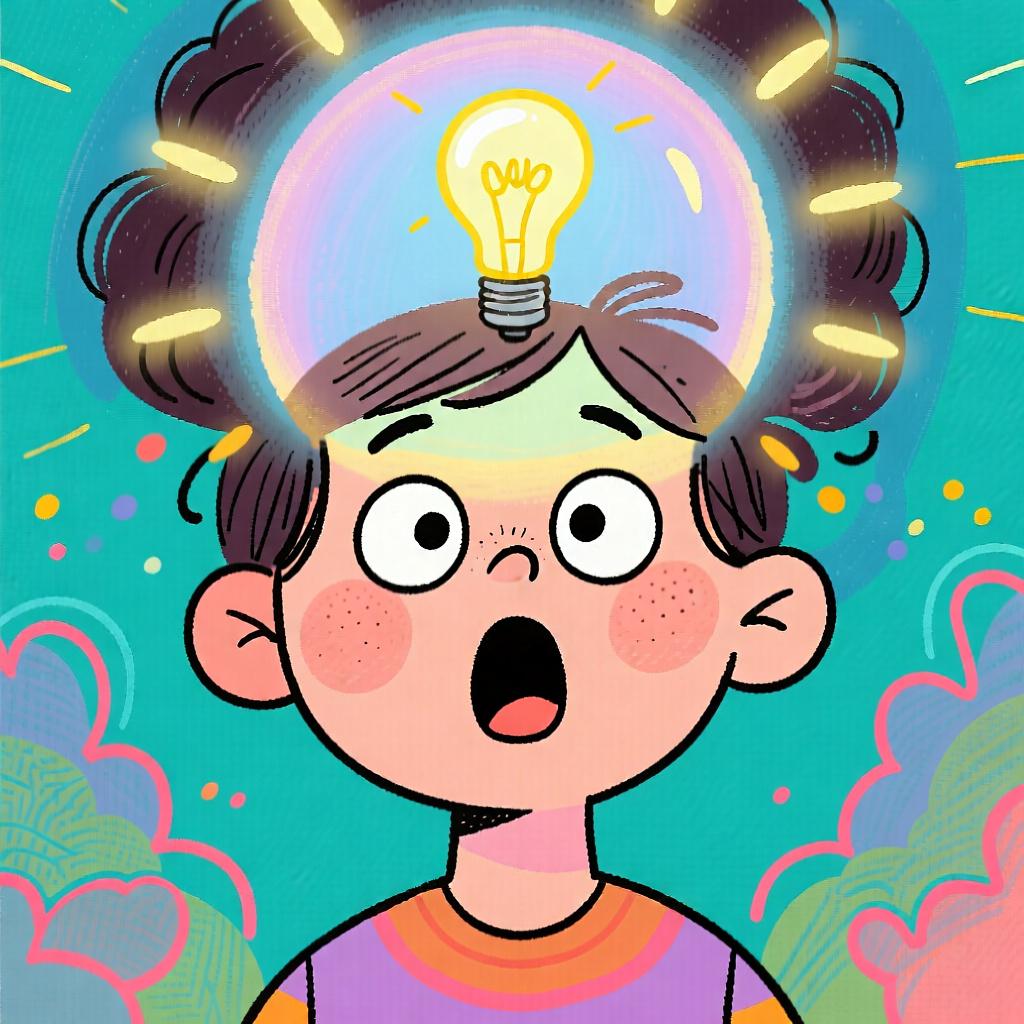
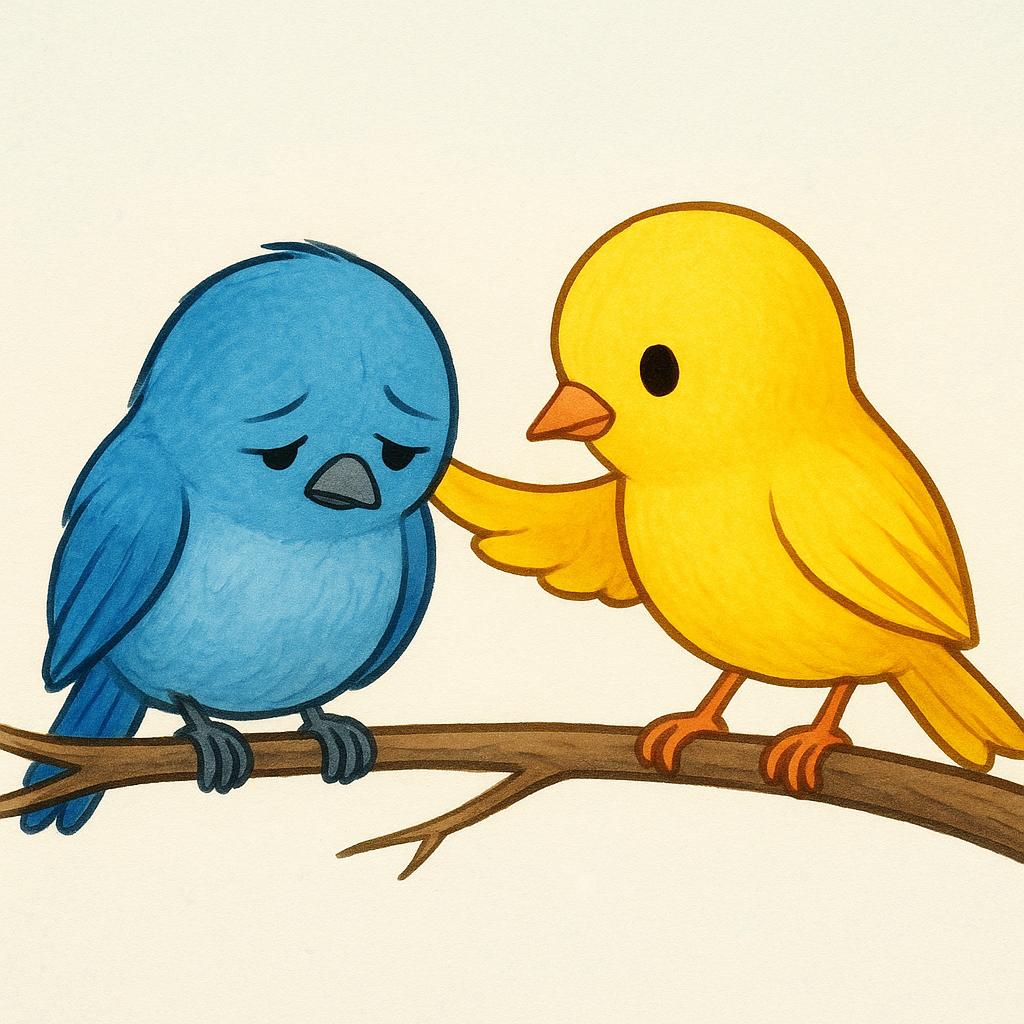
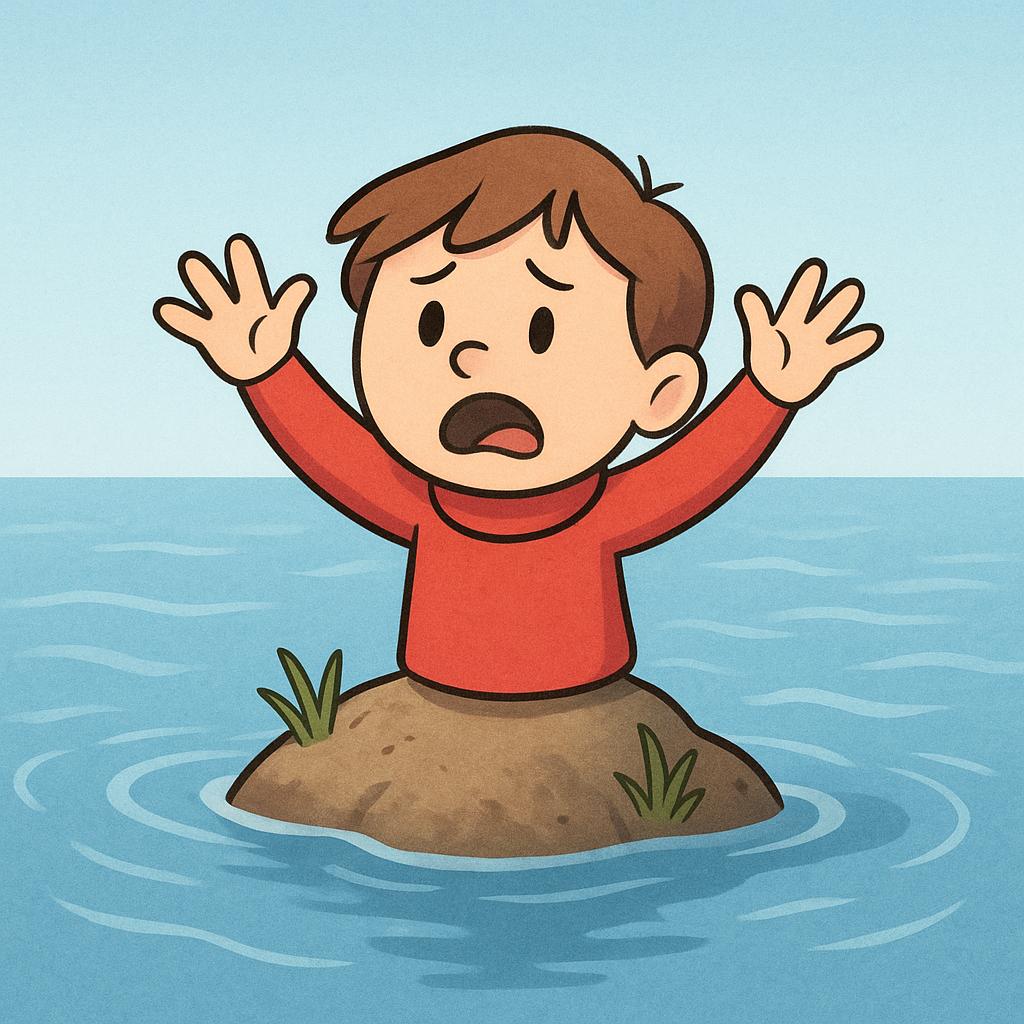
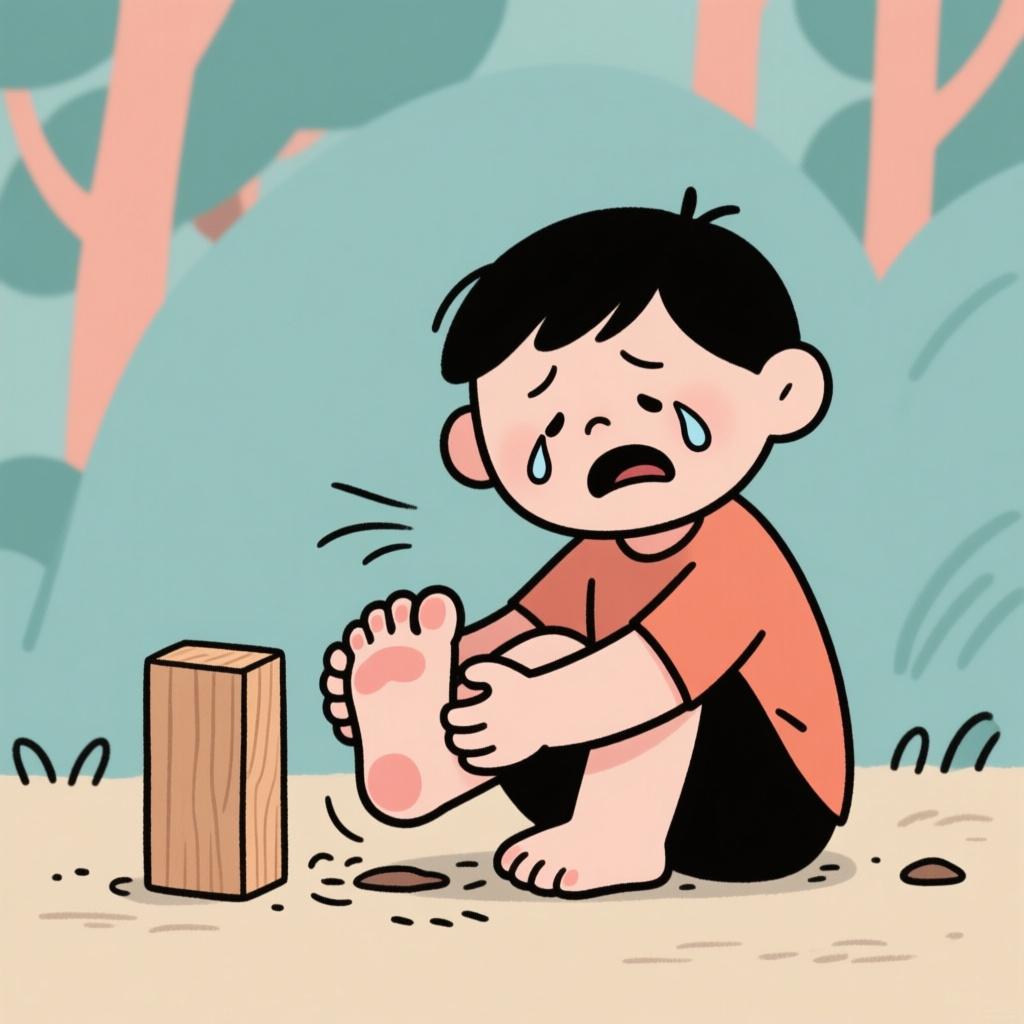
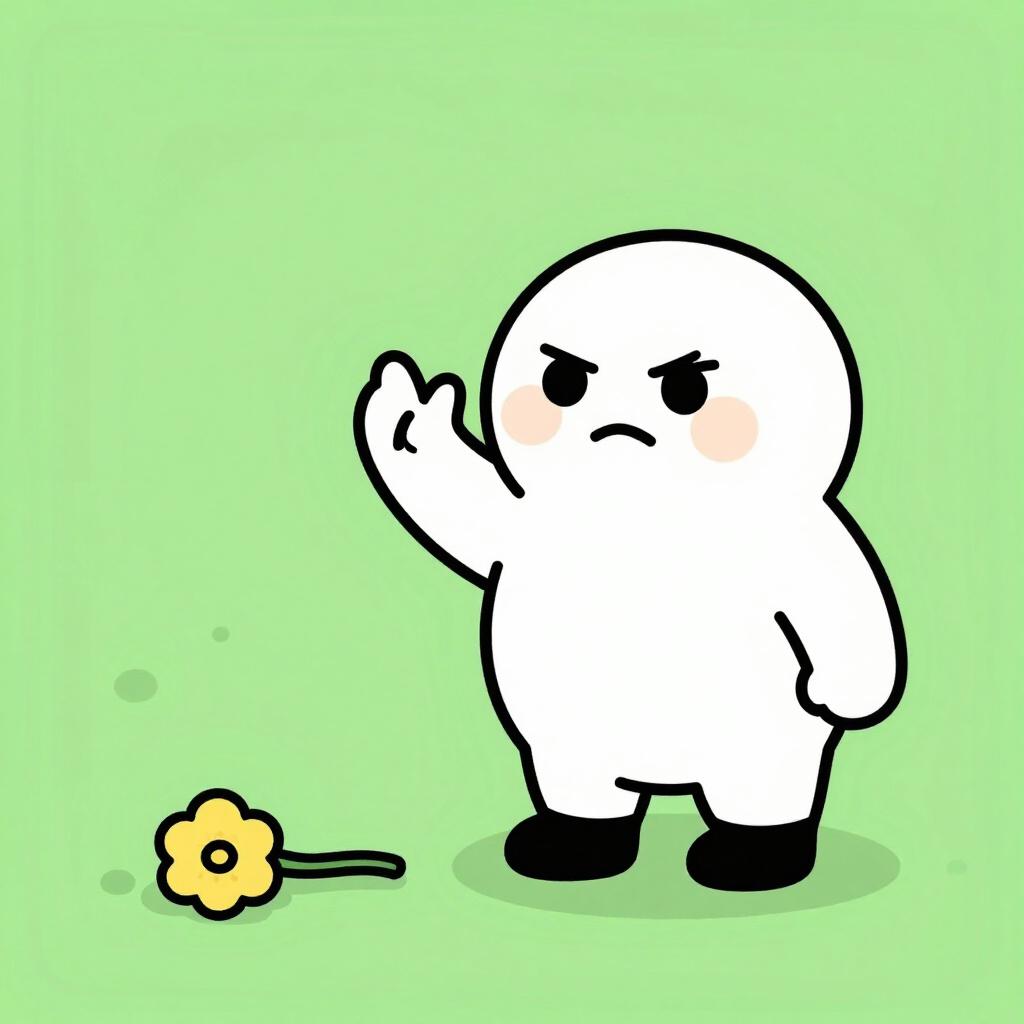
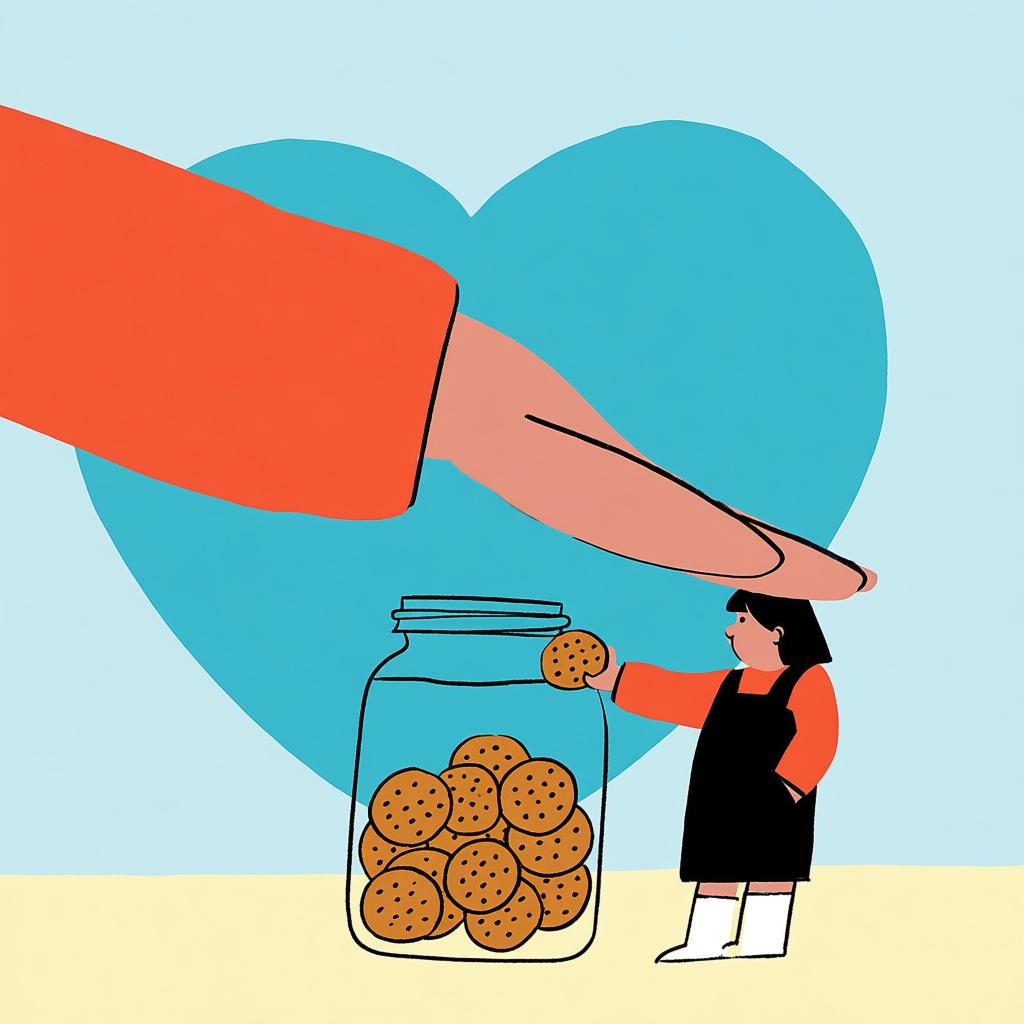
Utforska dessa interjektioner med bilder och ljuduttal från vår visuella ordbok.






Typer av Interjektioner
Pain/Surprise
Express pain, shock, or surprise
Joy/Enthusiasm
Express happiness or excitement
Disappointment/Regret
Express sadness or disappointment
Agreement/Acknowledgment
Show agreement or understanding
Vanliga Misstag att Undvika
❌ Using the same interjections everywhere
✓ Interjections are highly regional. Learn which ones are used in your target region.
"¡Vale!" is common in Spain but sounds odd in Latin America. Use "¡Está bien!" instead.
❌ Forgetting inverted exclamation marks
✓ Spanish uses ¡ at the beginning and ! at the end of interjections.
✗ Ay! | ✓ ¡Ay!
Hur Spanska Interjektioner Skiljer Sig Från Svenska
More Regional Variation
English interjections are fairly consistent across regions. Spanish interjections vary dramatically by country.
Proffstips för att Använda Interjektioner
💡 Watch movies/shows from your target region
Exempel: This is the best way to learn which interjections sound natural
Bläddra Bland Alla 167 Spanska Interjektioner
Utforska vår kompletta samling av spanska interjektioner, organiserade efter CEFR-färdighetsnivå. Klicka på ett ord för att se detaljerade definitioner, användningsexempel och uttalsguider.