
/ˈmjuːzɪk/
musica
49 parole · Livelli delle storie: A0–B2
Tra cui: music · song · musician · rhythm · system
/ˈmjuːzɪk/
musica
Cinque formati gratuiti per A4 e US Letter. Il browser può stampare o salvare un PDF.
musica

canzone
Then the song stops.
Poi la canzone si ferma.
The Song Finished in the Margins of a Borrowed Hymn Book · A1
musicista
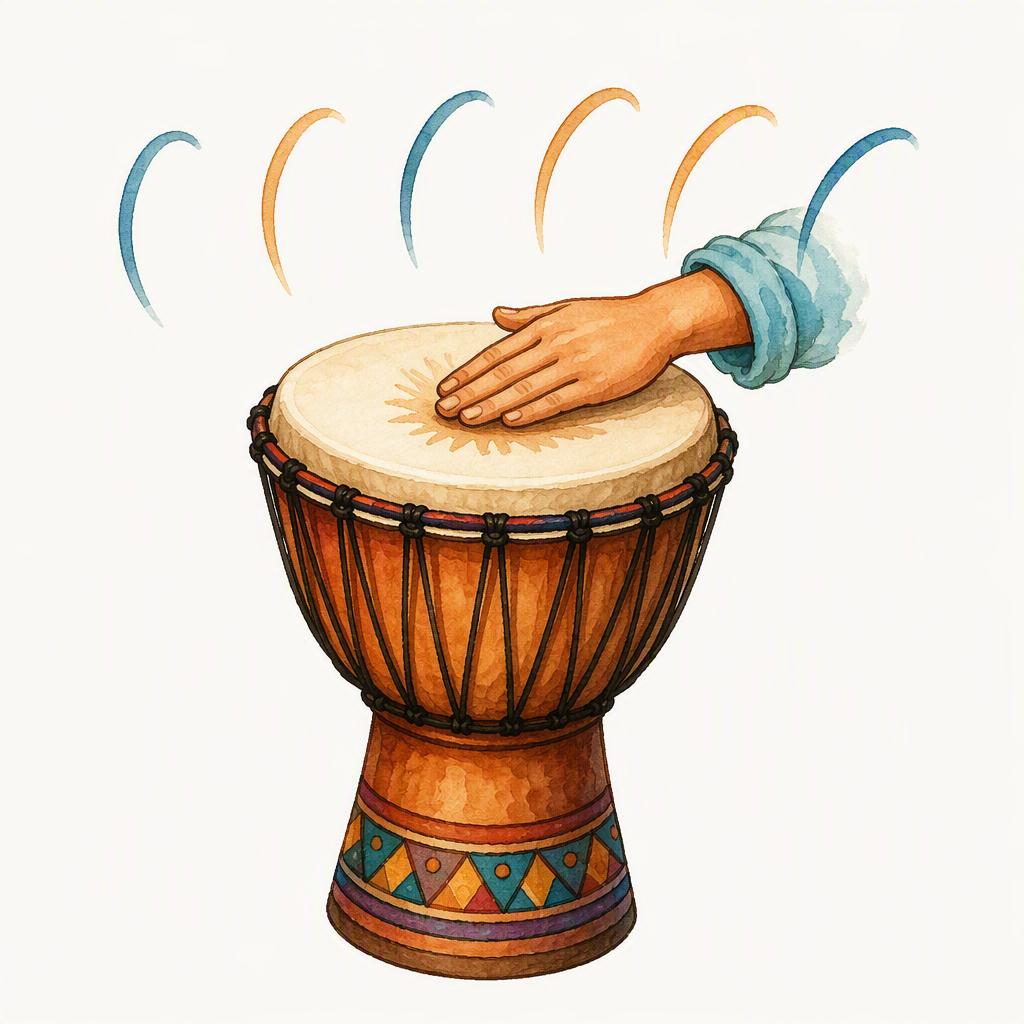
ritmo
She started to play a simple rhythm.
Ha iniziato a suonare un ritmo semplice.
The Brass Band That Played On When the Parade Turned Back · A2
impianto audio
Altri significati: sistema
The sound system was wired.
L'impianto audio era cablato.
The Notting Hill Carnival Float That Never Left the Yard · B2strumentista
Altri significati: giocatore
He was the youngest player in the Coldwater Brass Band.
Era il giocatore più giovane nella Coldwater Brass Band.
The Brass Band That Played On When the Parade Turned Back · A2
spettacolo
The whole performance could fall apart.
L'intera performance avrebbe potuto fallire.
The Composer Who Refused to Hear His Own Symphony · B1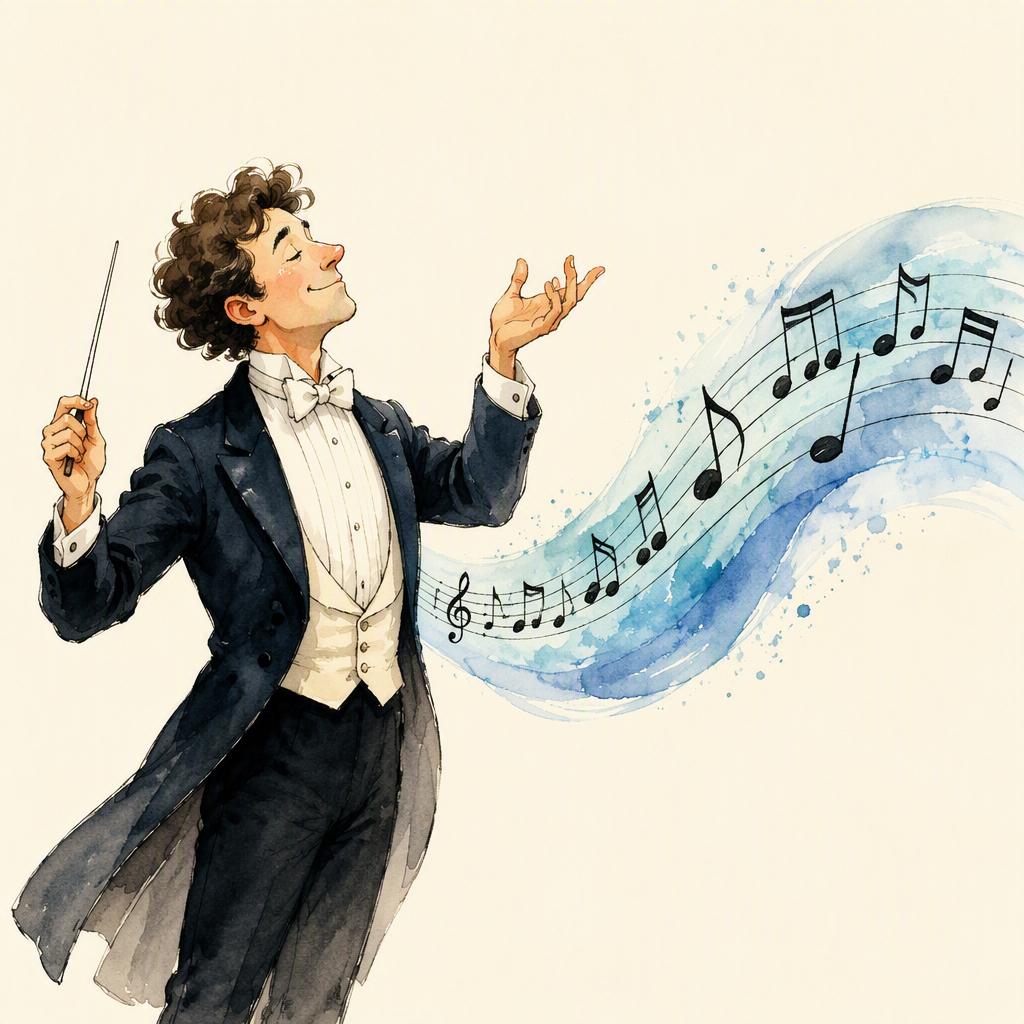
movimento
The final movement — the famous Ode to Joy — filled the theatre with voices and instruments together.
L'ultimo movimento — la famosa Ode alla Gioia — riempì il teatro di voci e strumenti insieme.
The Composer Who Refused to Hear His Own Symphony · B1
cantante
Tonight, the lead singer, Diana, was sick with a fever.
Stasera, la cantante principale, Diana, aveva la febbre.
The Understudy Who Refused to Go On Stage · A2
strumento musicale
Altri significati: strumento di misura
The final movement — the famous Ode to Joy — filled the theatre with voices and instruments together.
L'ultimo movimento — la famosa Ode alla Gioia — riempì il teatro di voci e strumenti insieme.
The Composer Who Refused to Hear His Own Symphony · B1
programma del concerto
She found a train ticket purchased with cash, impossible to trace but not impossible to find, tucked into a programme from a 2012 concert that had been donated to the Conservatory library by an anonymous source.
Trovò un biglietto del treno acquistato in contanti, impossibile da rintracciare ma non impossibile da trovare, infilato nel programma di un concerto del 2012 che era stato donato alla biblioteca del Conservatorio da una fonte anonima.
The Conductor Whose Baton Was Found in the Wrong City · B2
concerto
Altri significati: per concerti
The concert is over.
Il concerto è finito.
The Violin Left Under the Seat at the Last Night of the Proms · A1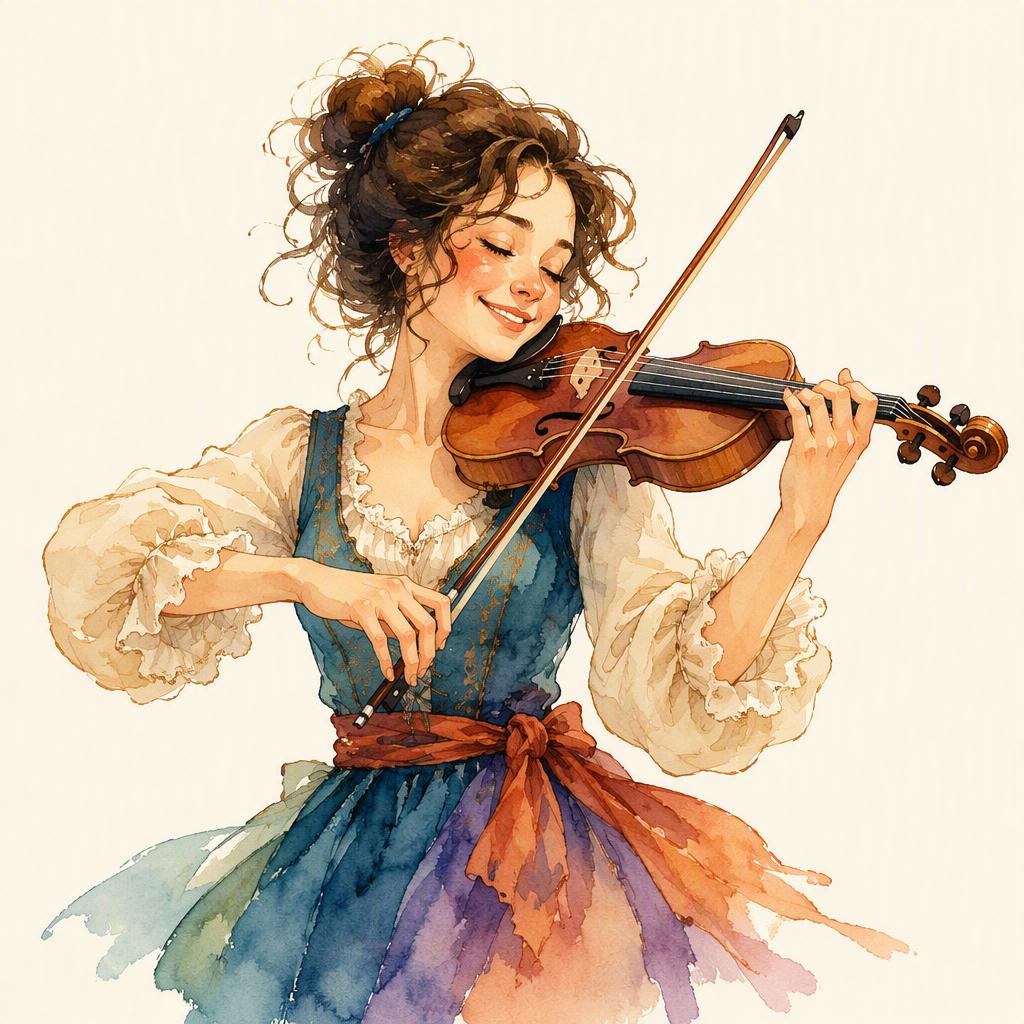
musicale
Below the words, there are five musical notes.
Sotto le parole, ci sono cinque note musicali.
The Song Finished in the Margins of a Borrowed Hymn Book · A1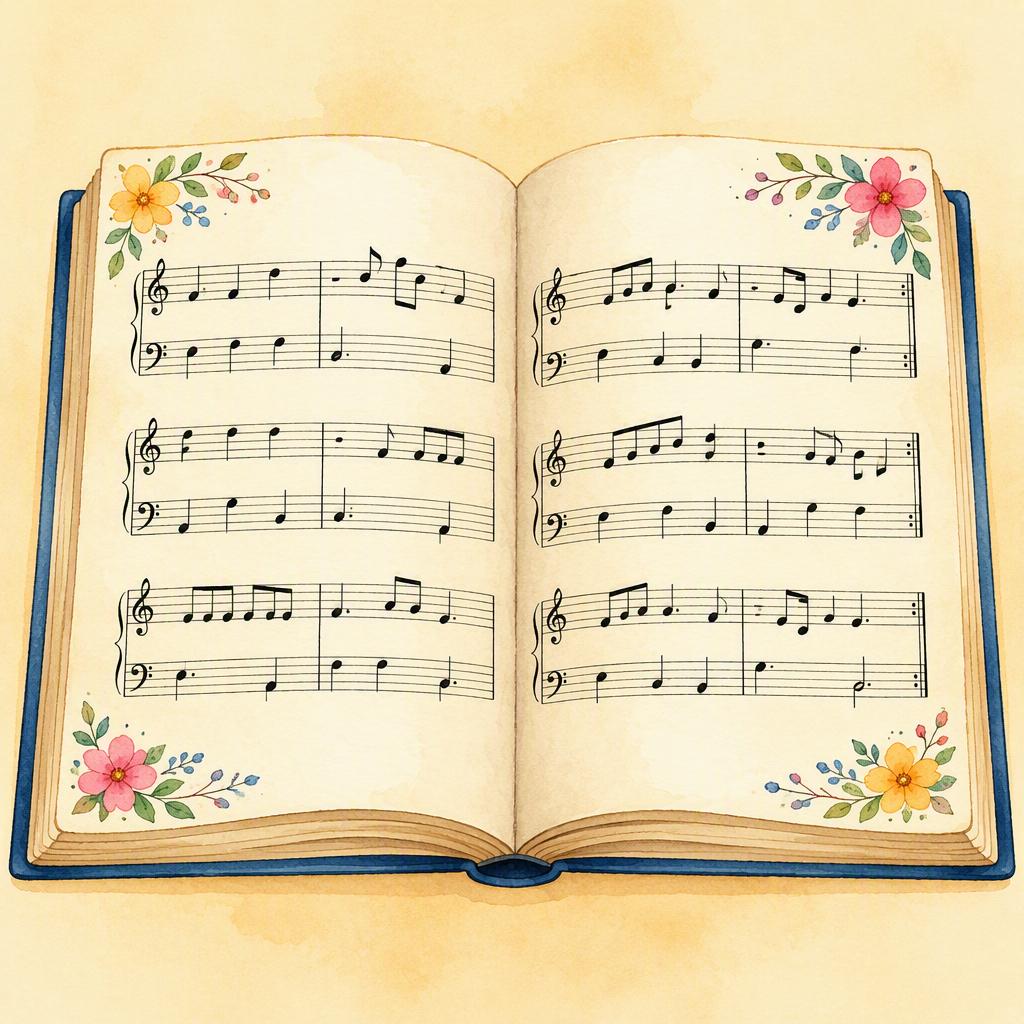
spartiti
She worked as an archivist for the National Music Conservatory in Prague, a job that involved cataloguing instruments, scores, and the kinds of personal effects that musicians leave behind when they die with more ambition than family.
Lavorava come archivista per il Conservatorio Nazionale di Musica di Praga, un lavoro che consisteva nel catalogare strumenti, spartiti, e ogni sorta di effetti personali che i musicisti lasciano indietro quando muoiono con più ambizione che famiglia.
The Conductor Whose Baton Was Found in the Wrong City · B2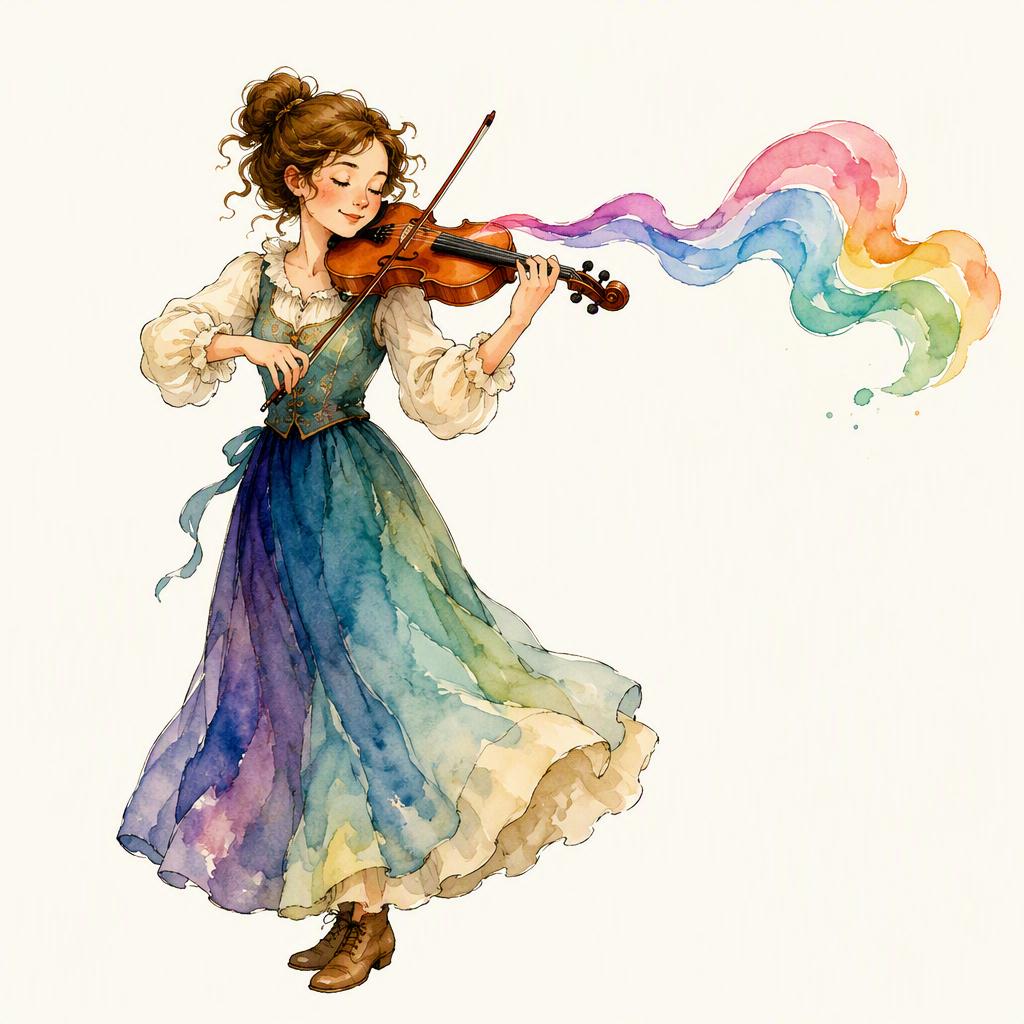
passaggio musicale
Altri significati: passaggio
Or simply the exhaustion of being a public person who had never really wanted to be public, which she could believe more easily than the others because she had heard it in his music, in the way he sometimes conducted the quietest passages with his eyes closed, as though the audience had already gone home.
O semplicemente la stanchezza di essere una persona pubblica che non aveva mai voluto veramente essere sotto i riflettori, cosa che poteva credere più facilmente delle altre perché l'aveva sentita nella sua musica, nel modo in cui a volte dirigeva i passaggi più sommessi con gli occhi chiusi, come se il pubblico fosse già andato a casa.
The Conductor Whose Baton Was Found in the Wrong City · B2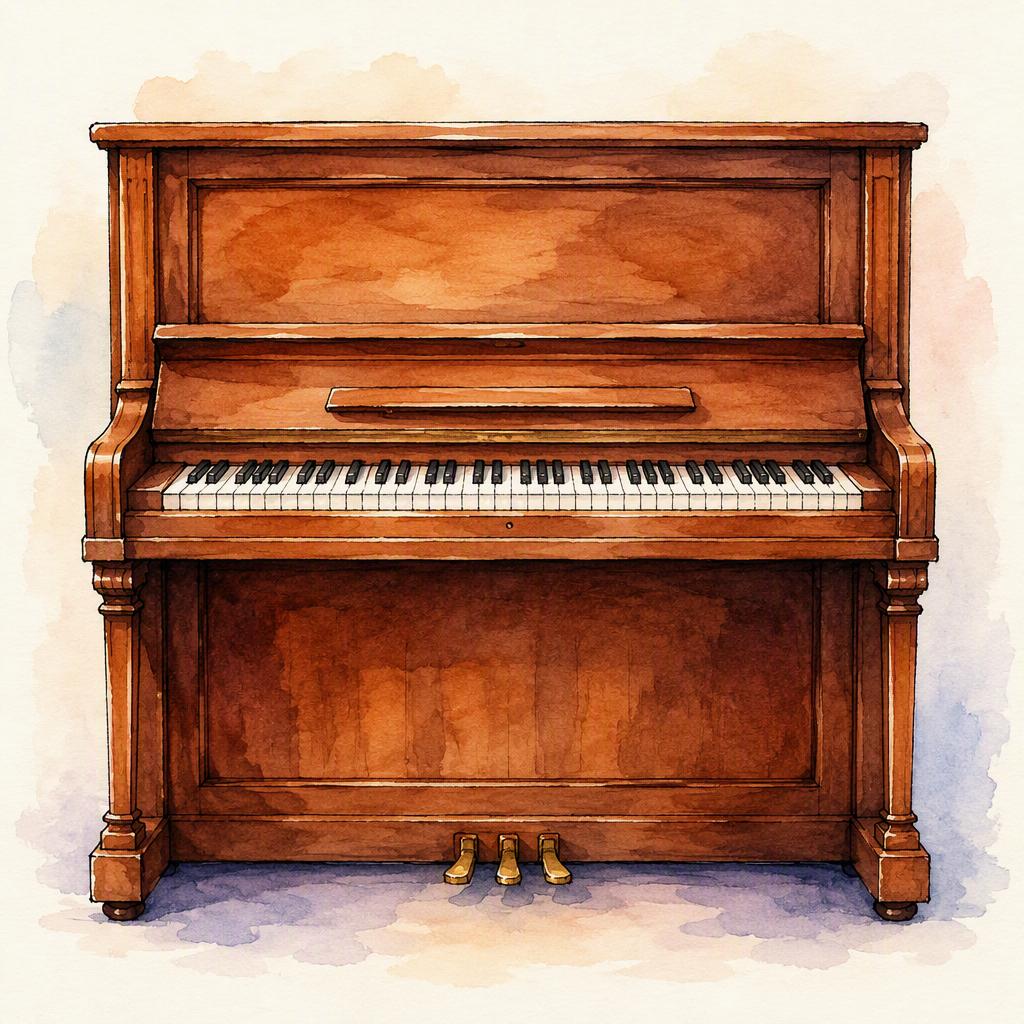
pianoforte
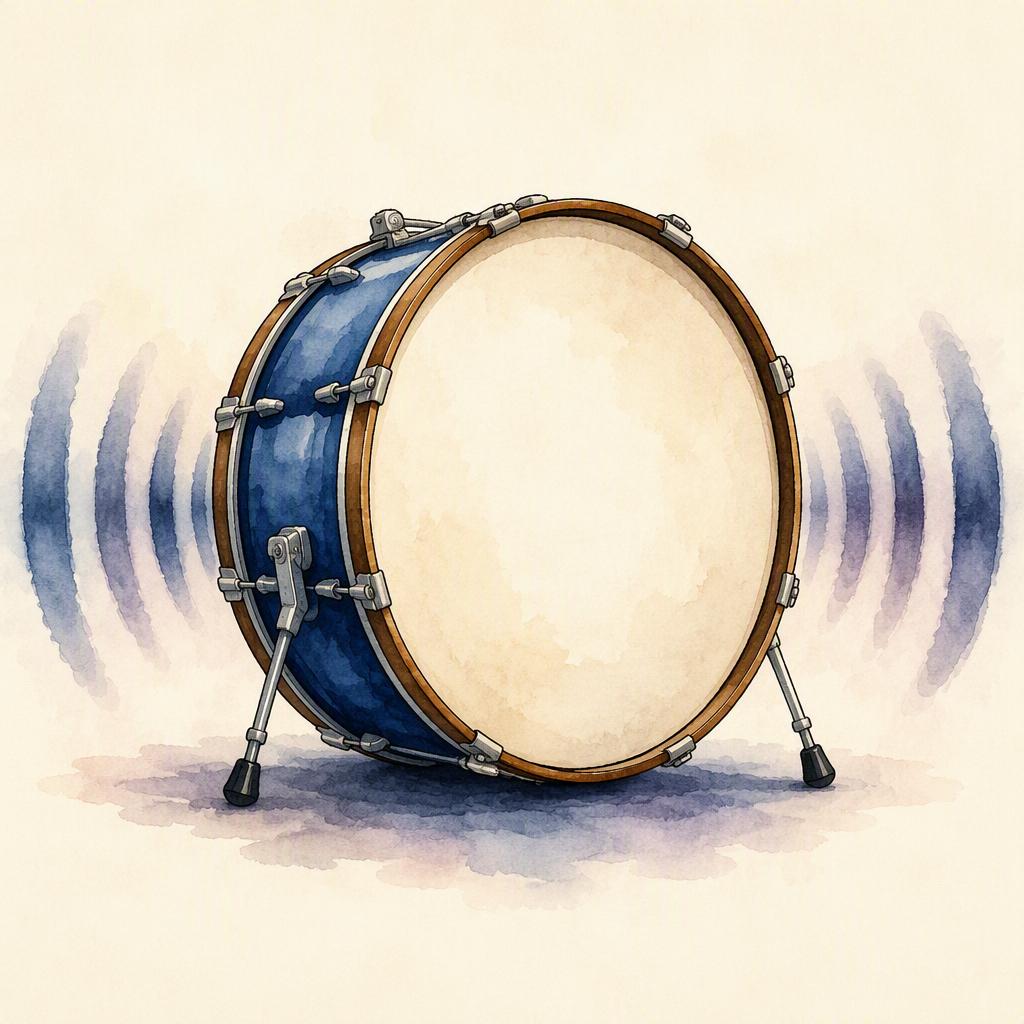
basse
Somewhere three streets away, a sound system was testing bass frequencies— the kind you feel in your chest before you hear them.
A tre strade di distanza, un impianto audio stava testando le frequenze dei bassi— quelle che senti nel petto prima ancora di sentirle.
The Notting Hill Carnival Float That Never Left the Yard · B2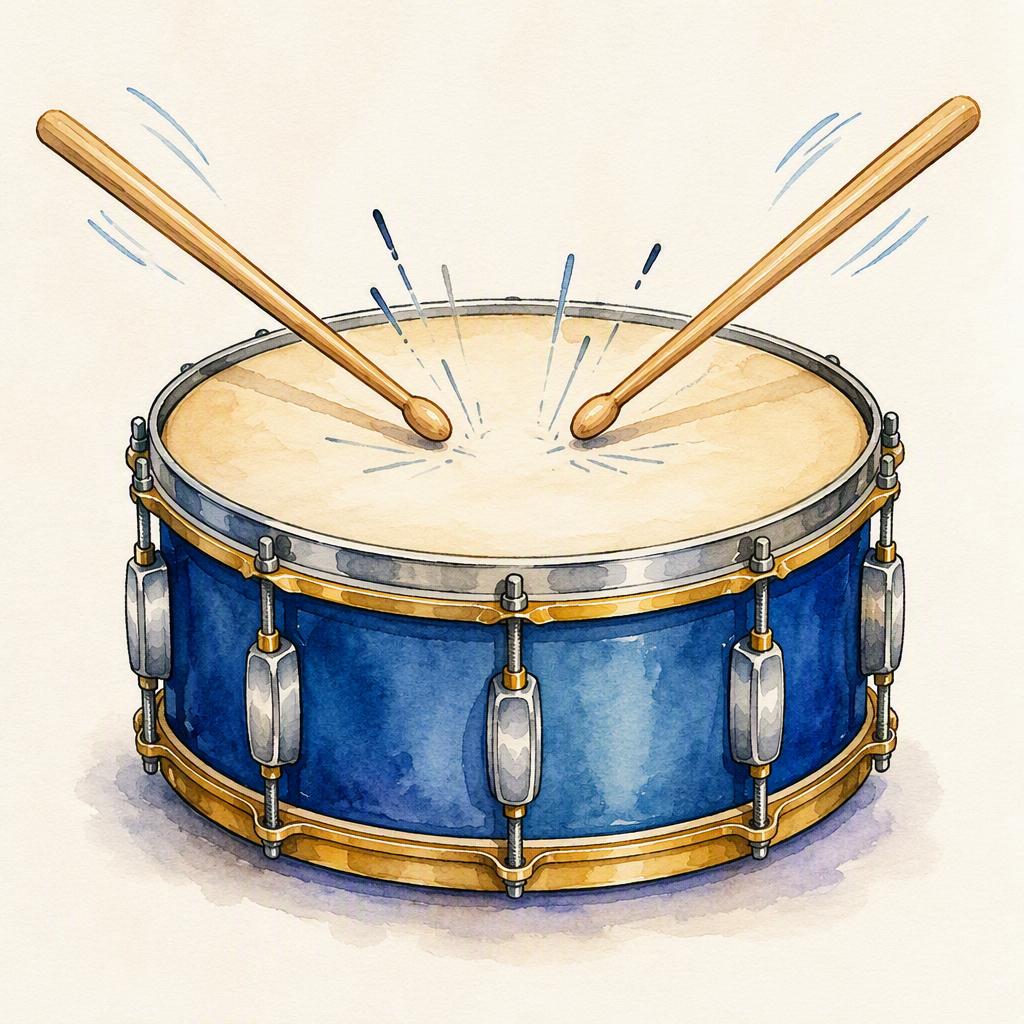
tamburo
She played the snare drum.
Suonava il tamburo rullante.
The Brass Band That Played On When the Parade Turned Back · A2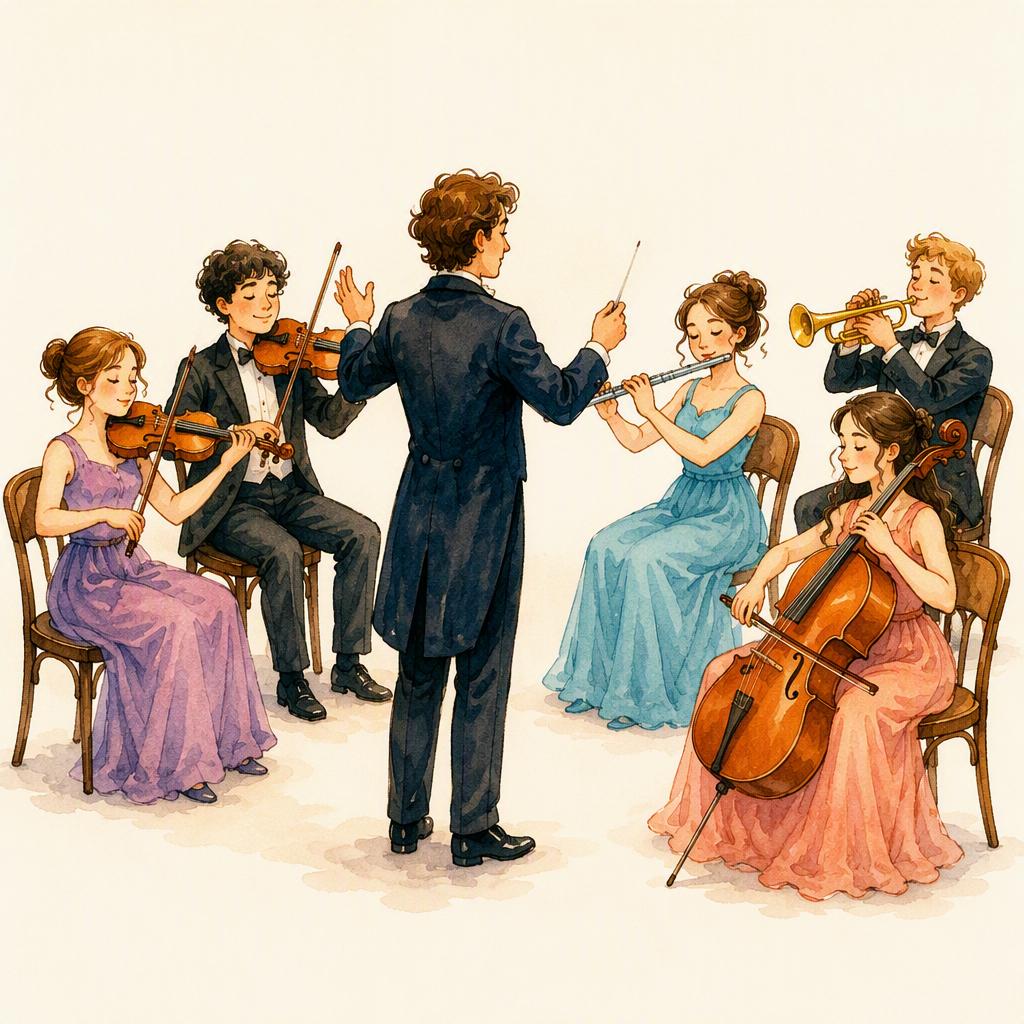
The theatre hired a professional conductor, Michael Umlauf, to actually lead the orchestra.
Il teatro assunse un direttore d'orchestra professionista, Michael Umlauf, per dirigere effettivamente l'orchestra.
The Composer Who Refused to Hear His Own Symphony · B1
ballerino
indicazione di tempo
The handwriting on the cash ticket receipt — a clerk had noted the passenger's destination — matched a note Vávra had written to her once, correcting her interpretation of a tempo marking.
La grafia sulla ricevuta del biglietto pagato in contanti — un impiegato aveva annotato la destinazione del passeggero — corrispondeva a una nota che Vávra le aveva scritto una volta, correggendo la sua interpretazione di un'indicazione di tempo.
The Conductor Whose Baton Was Found in the Wrong City · B2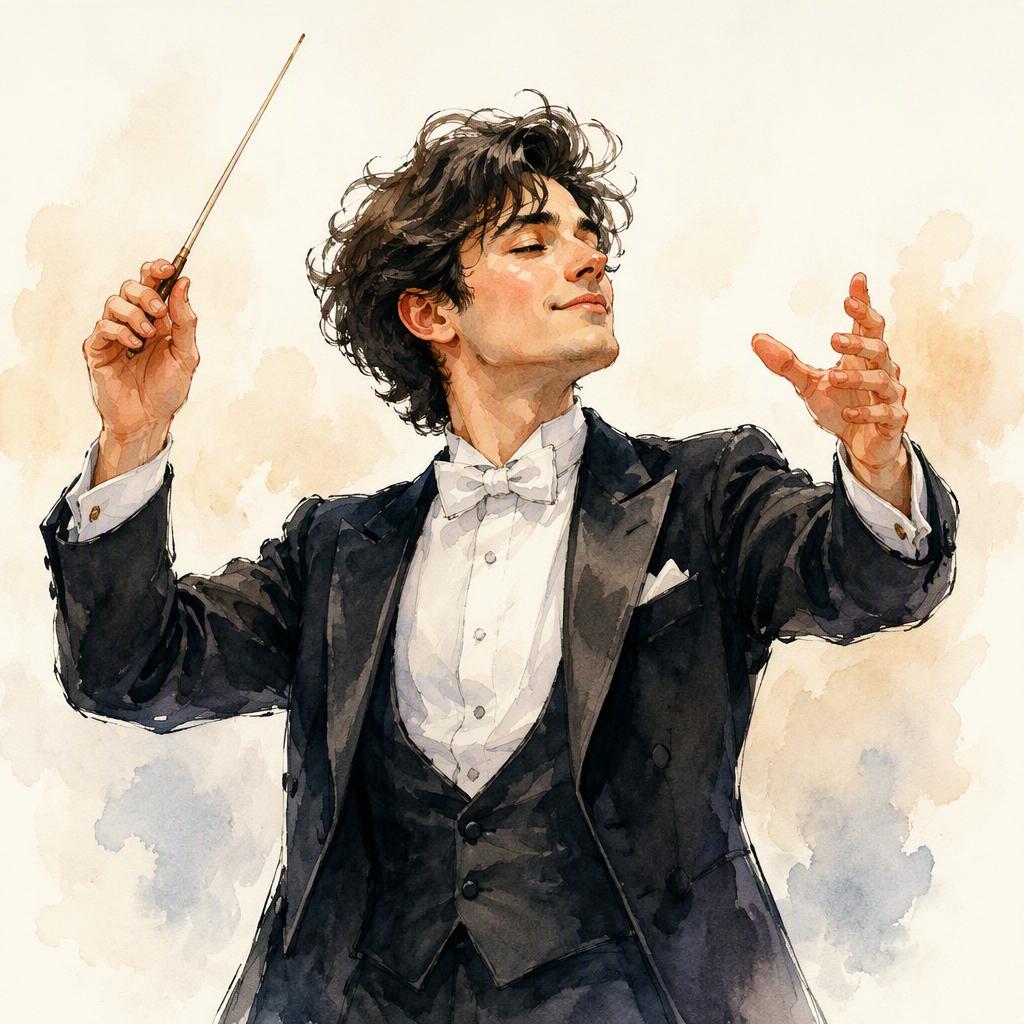
direttore d’orchestra
The theatre hired a professional conductor, Michael Umlauf, to actually lead the orchestra.
Il teatro assunse un direttore d'orchestra professionista, Michael Umlauf, per dirigere effettivamente l'orchestra.
The Composer Who Refused to Hear His Own Symphony · B1
coro
And yet, somehow, he had spent the last two years writing his Ninth Symphony — a massive, complex piece of music that included a full orchestra and a choir of singers.
Eppure, in qualche modo, aveva trascorso gli ultimi due anni a scrivere la sua Nona Sinfonia — un brano musicale imponente e complesso che includeva un'orchestra completa e un coro di cantanti.
The Composer Who Refused to Hear His Own Symphony · B1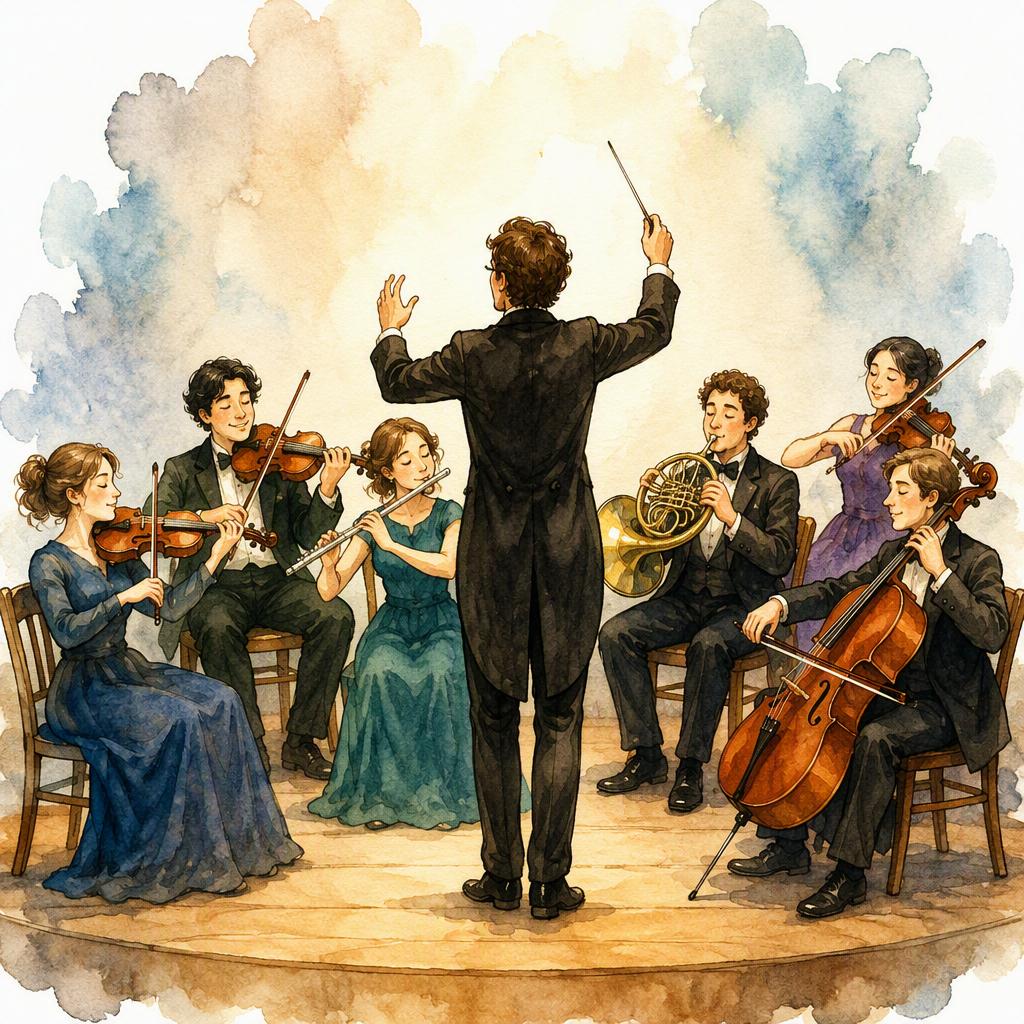
sinfonia
They had come to hear something new — a symphony that nobody had performed before.
Erano venuti per ascoltare qualcosa di nuovo — una sinfonia che nessuno aveva mai eseguito prima.
The Composer Who Refused to Hear His Own Symphony · B1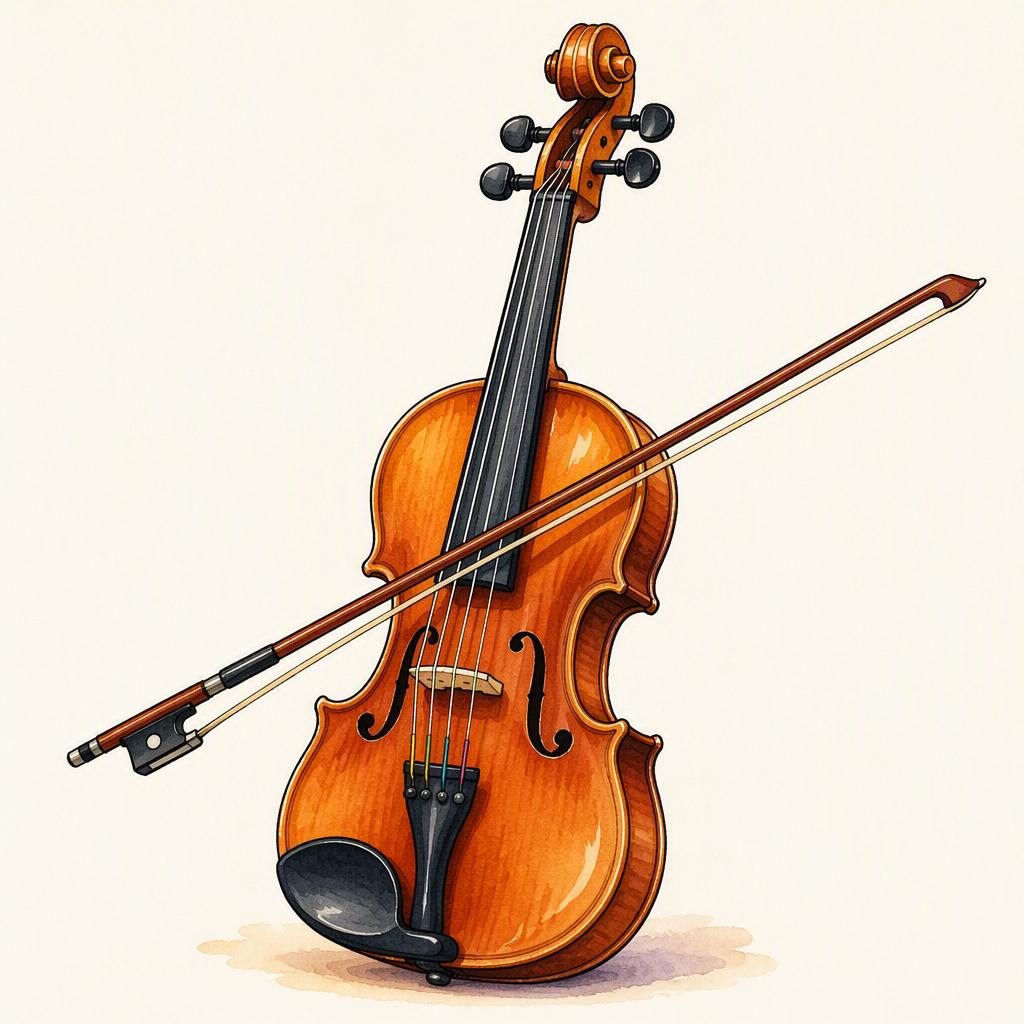
violino
It is a violin case.
È una custodia per violino.
The Violin Left Under the Seat at the Last Night of the Proms · A1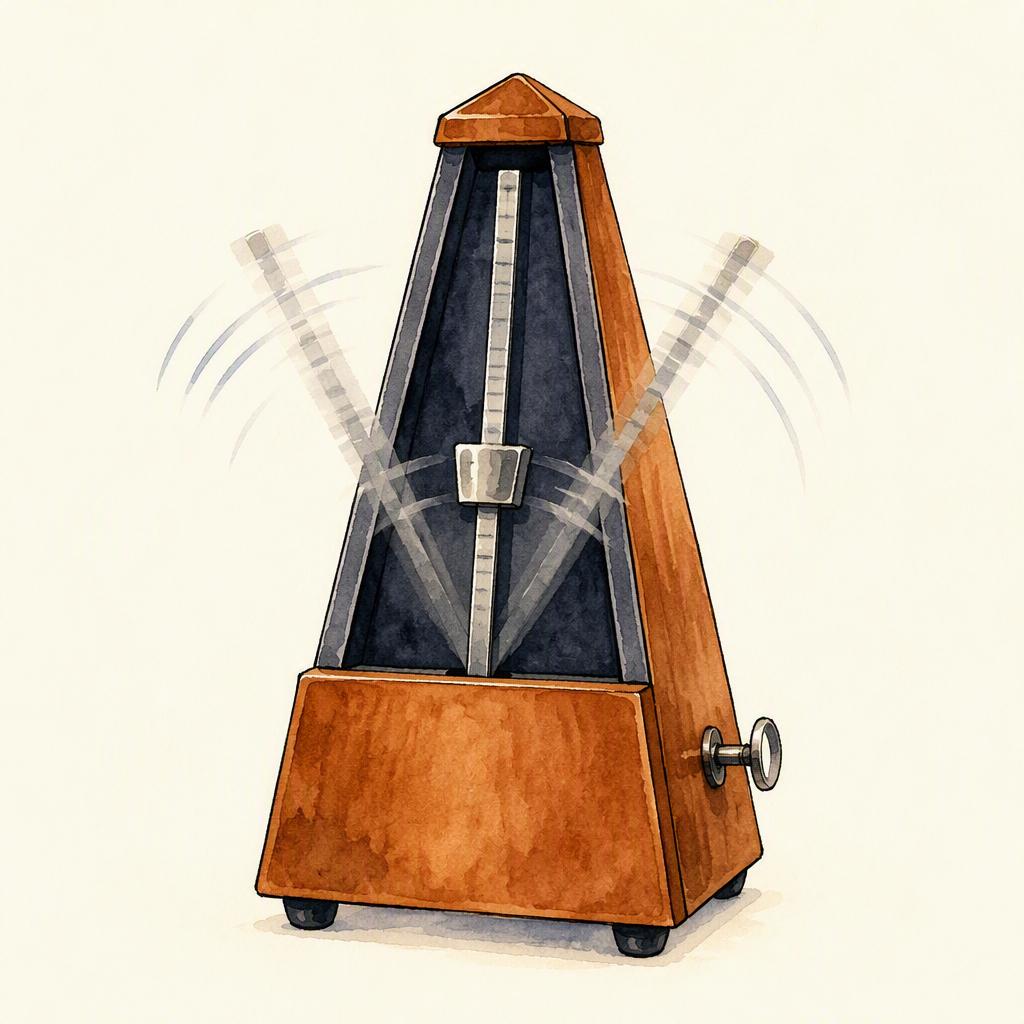
He could not hear the music, so he could not keep the correct tempo.
Non riusciva a sentire la musica, quindi non riusciva a mantenere il tempo corretto.
The Composer Who Refused to Hear His Own Symphony · B1
prova
Vávra had wrapped his batons himself — she had watched him do it once, during a rehearsal break, while he talked to her about phrasing in the second movement of a Dvořák symphony.
Vávra aveva avvolto personalmente le sue bacchette — lei lo aveva visto farlo una volta, durante una pausa dalle prove, mentre lui le parlava del fraseggio nel secondo movimento di una sinfonia di Dvořák.
The Conductor Whose Baton Was Found in the Wrong City · B2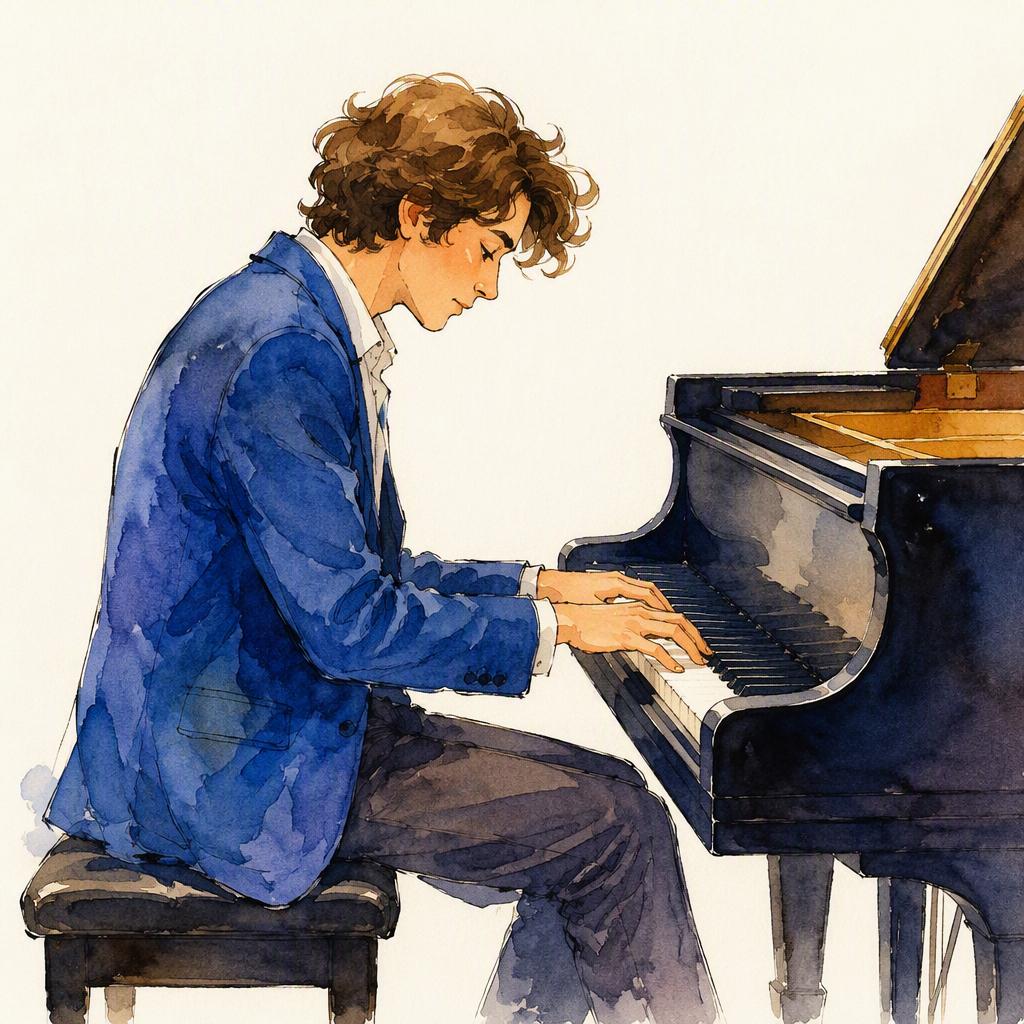
pianista
The pianist played the first notes.
Il pianista suonò le prime note.
The Understudy Who Refused to Go On Stage · A2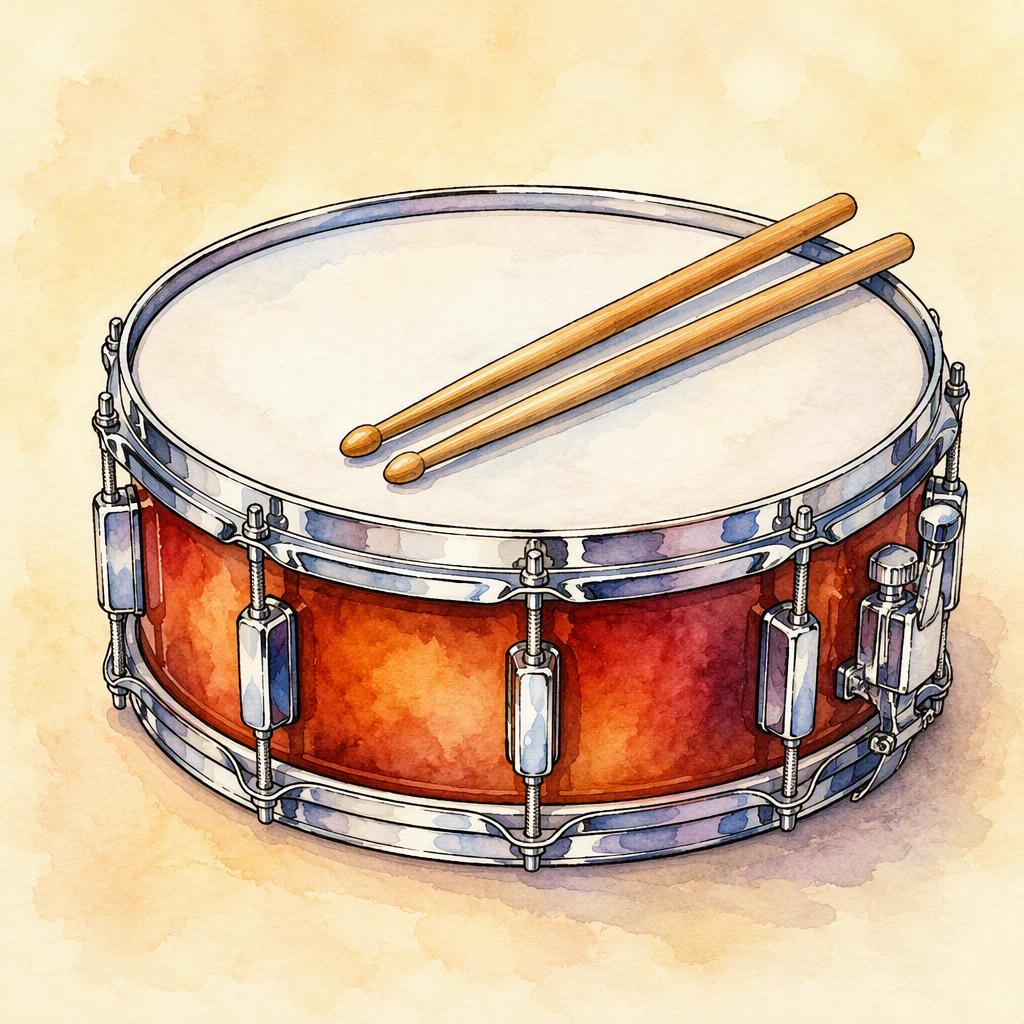
rullante
She played the snare drum.
Suonava il tamburo rullante.
The Brass Band That Played On When the Parade Turned Back · A2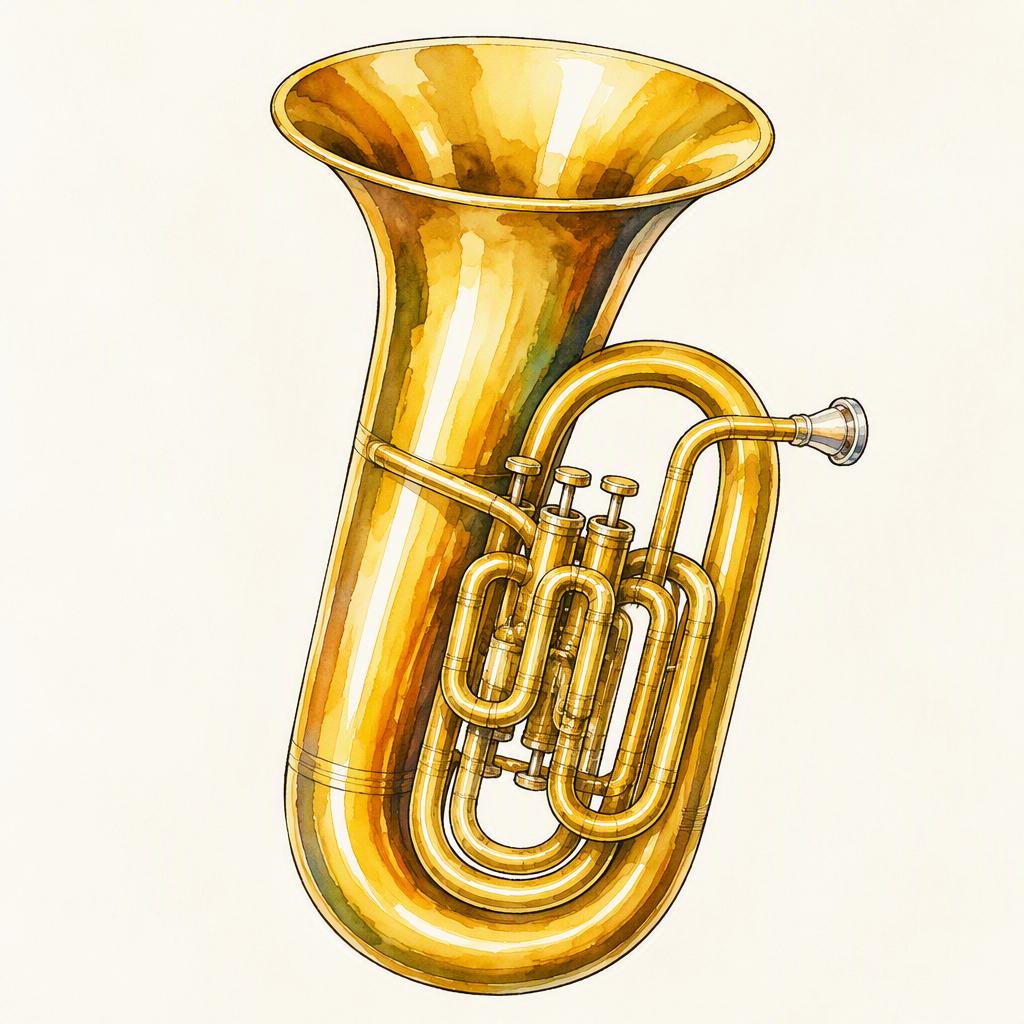
He was sixteen years old, with a large tuba.
Aveva sedici anni, con una grande tuba.
The Brass Band That Played On When the Parade Turned Back · A2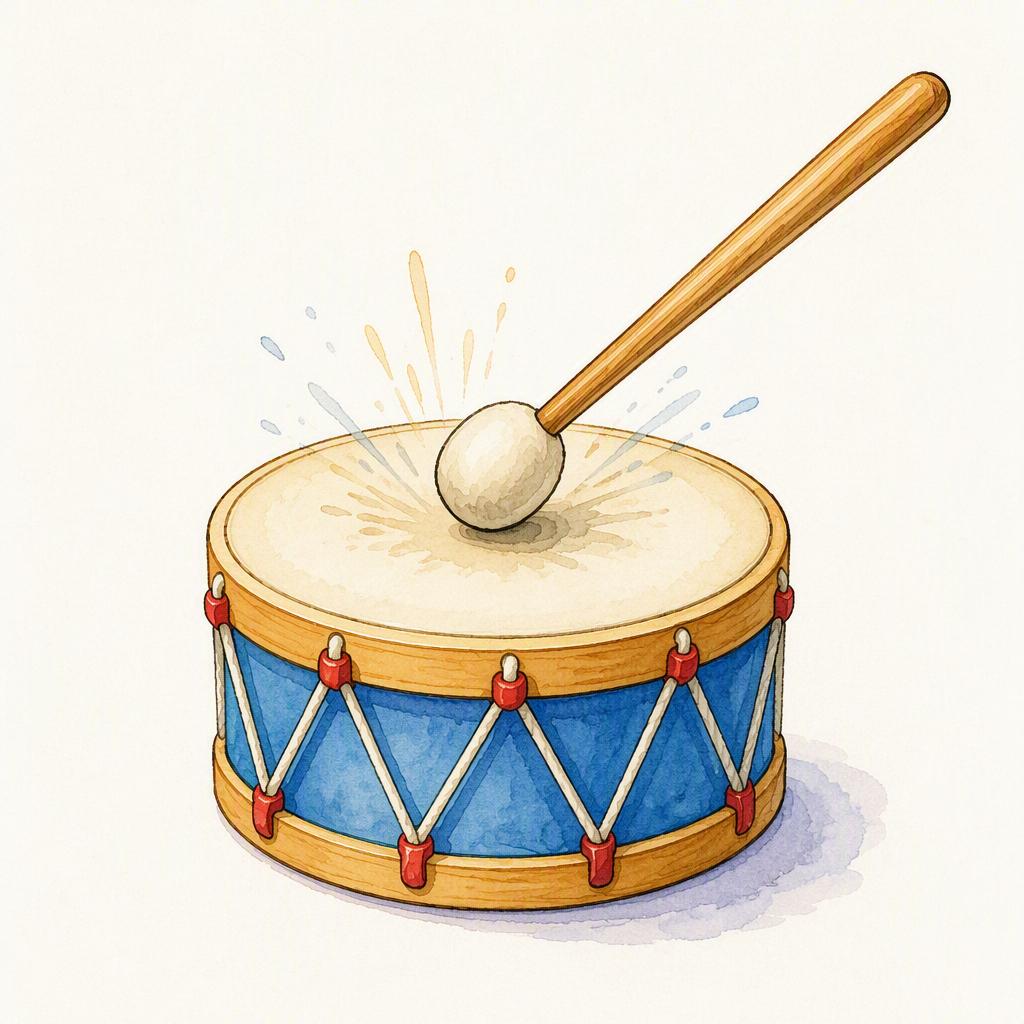
bacchetta per batteria
Dolores picked up her drumsticks.
Dolores prese le sue bacchette.
The Brass Band That Played On When the Parade Turned Back · A2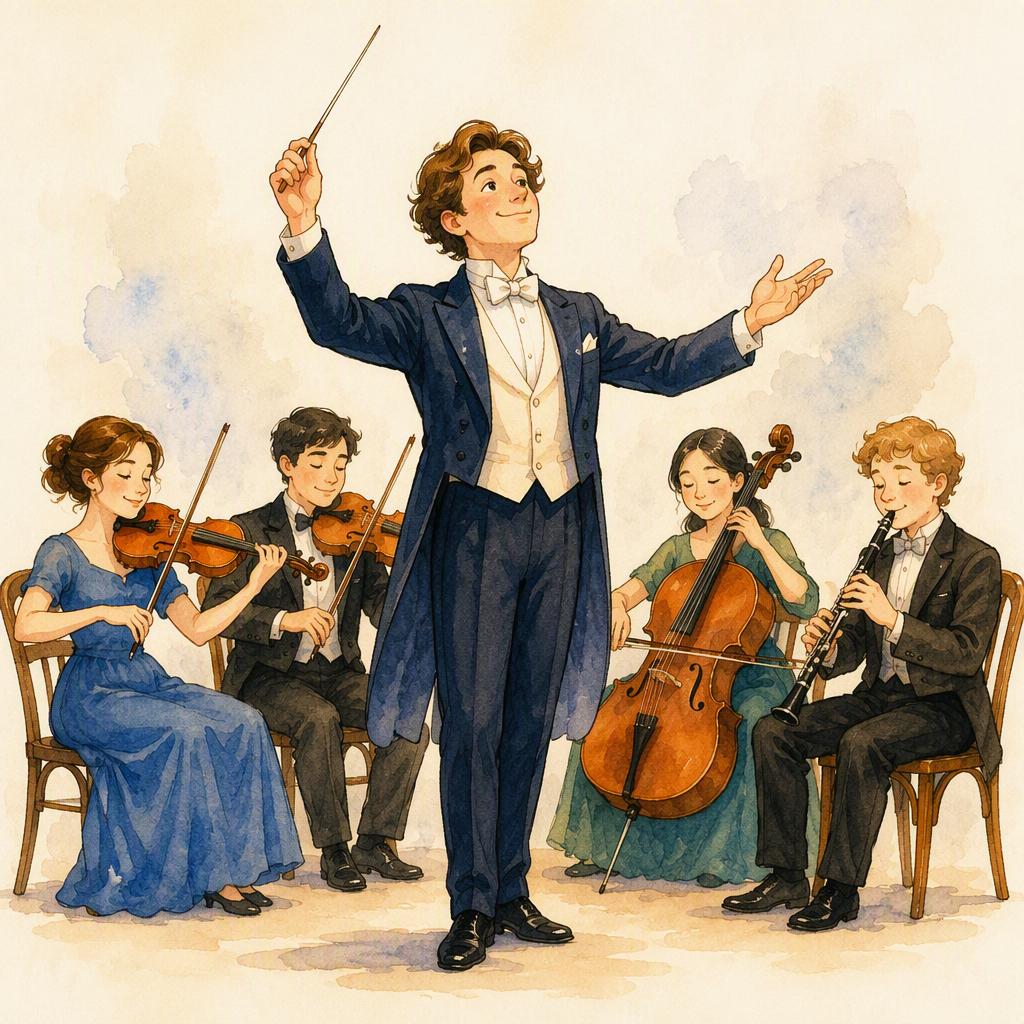
capobanda
It was supposed to be his debut as a bandleader.
Doveva essere il suo debutto come leader di una band.
The Notting Hill Carnival Float That Never Left the Yard · B2
suonare uno strumento
Altri significati: giocare · Riproduci

cantare
dirigere
Altri significati: portare a · principale
The theatre hired a professional conductor, Michael Umlauf, to actually lead the orchestra.
Il teatro assunse un direttore d'orchestra professionista, Michael Umlauf, per dirigere effettivamente l'orchestra.
The Composer Who Refused to Hear His Own Symphony · B1
eseguire
Altri significati: esibirsi
They had come to hear something new — a symphony that nobody had performed before.
Erano venuti per ascoltare qualcosa di nuovo — una sinfonia che nessuno aveva mai eseguito prima.
The Composer Who Refused to Hear His Own Symphony · B1balla
Today, Tom dances in a small village in England.
Oggi, Tom balla in un piccolo paese in Inghilterra.
The Morris Dancer Who Missed the Last Bus · A1dirigere un’esecuzione musicale
Altri significati: comportamento
If Beethoven stood at the front and tried to conduct the orchestra himself, there was a real risk of disaster.
Se Beethoven si fosse messo davanti e avesse cercato di dirigere personalmente l’orchestra, c'era un reale rischio di disastro.
The Composer Who Refused to Hear His Own Symphony · B1
comporre musica
Beethoven never composed another symphony after the Ninth.
Beethoven non compose mai più un'altra sinfonia dopo la Nona.
The Composer Who Refused to Hear His Own Symphony · B1interpretazione
The handwriting on the cash ticket receipt — a clerk had noted the passenger's destination — matched a note Vávra had written to her once, correcting her interpretation of a tempo marking.
La grafia sulla ricevuta del biglietto pagato in contanti — un impiegato aveva annotato la destinazione del passeggero — corrispondeva a una nota che Vávra le aveva scritto una volta, correggendo la sua interpretazione di un'indicazione di tempo.
The Conductor Whose Baton Was Found in the Wrong City · B2
canticchiare
She hums the five notes.
Lei canticchia le cinque note.
The Song Finished in the Margins of a Borrowed Hymn Book · A1
nota
Altri significati: messaggio vocale · appunti
The pianist played the first notes.
Il pianista suonò le prime note.
The Understudy Who Refused to Go On Stage · A2
numero
Altri significati: numero di telefono
The number had been fine.
Il numero era stato a posto.
The Jockey Who Weighed an Ounce Too Much at Epsom · B2set musicale
Altri significati: posare · sistemare · tramontare
They played their full set of twelve songs.
Hanno eseguito il loro set completo di dodici canzoni.
The Brass Band That Played On When the Parade Turned Back · A2comporre
Altri significati: scrivere
But the man who had written it could not hear a single note.
Ma l'uomo che l'aveva scritta non riusciva a sentire neanche una nota.
The Composer Who Refused to Hear His Own Symphony · B1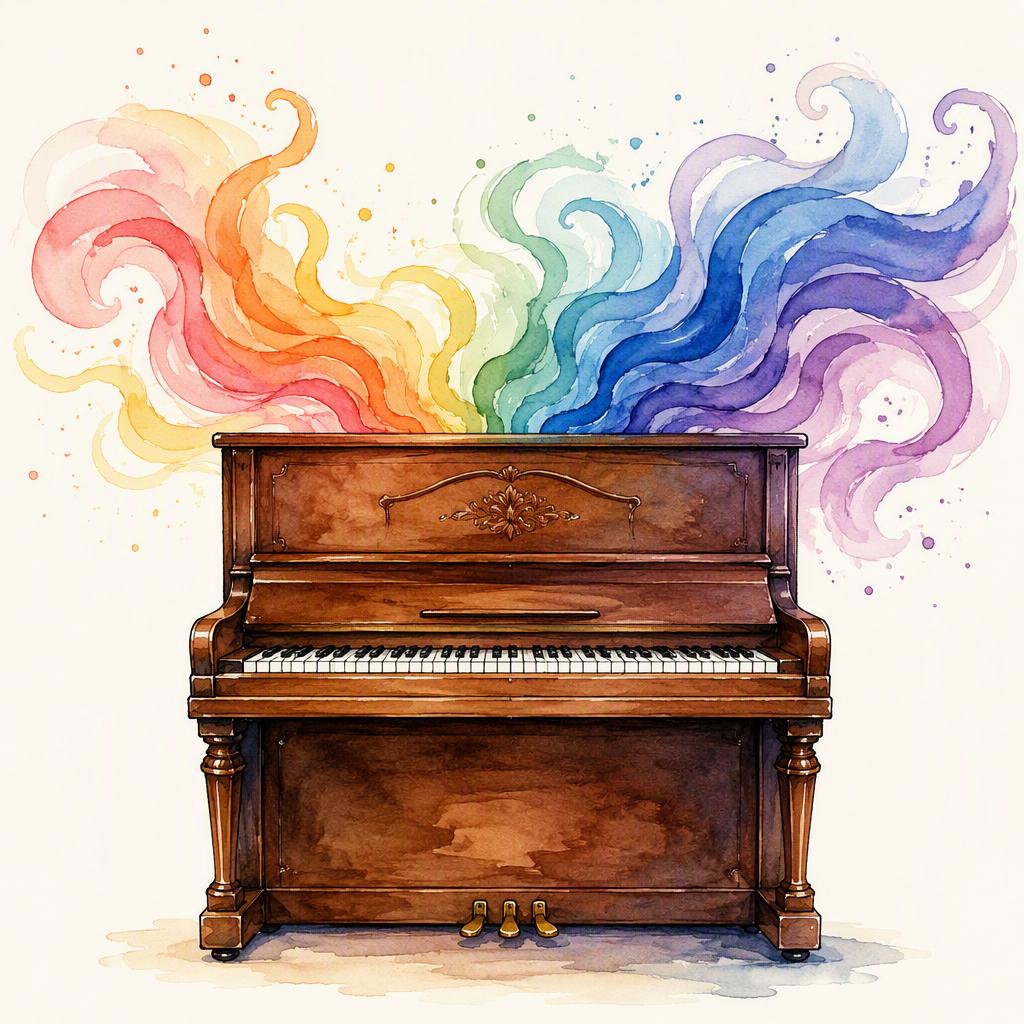
brano musicale
Altri significati: pezzo · articolo
And yet, somehow, he had spent the last two years writing his Ninth Symphony — a massive, complex piece of music that included a full orchestra and a choir of singers.
Eppure, in qualche modo, aveva trascorso gli ultimi due anni a scrivere la sua Nona Sinfonia — un brano musicale imponente e complesso che includeva un'orchestra completa e un coro di cantanti.
The Composer Who Refused to Hear His Own Symphony · B1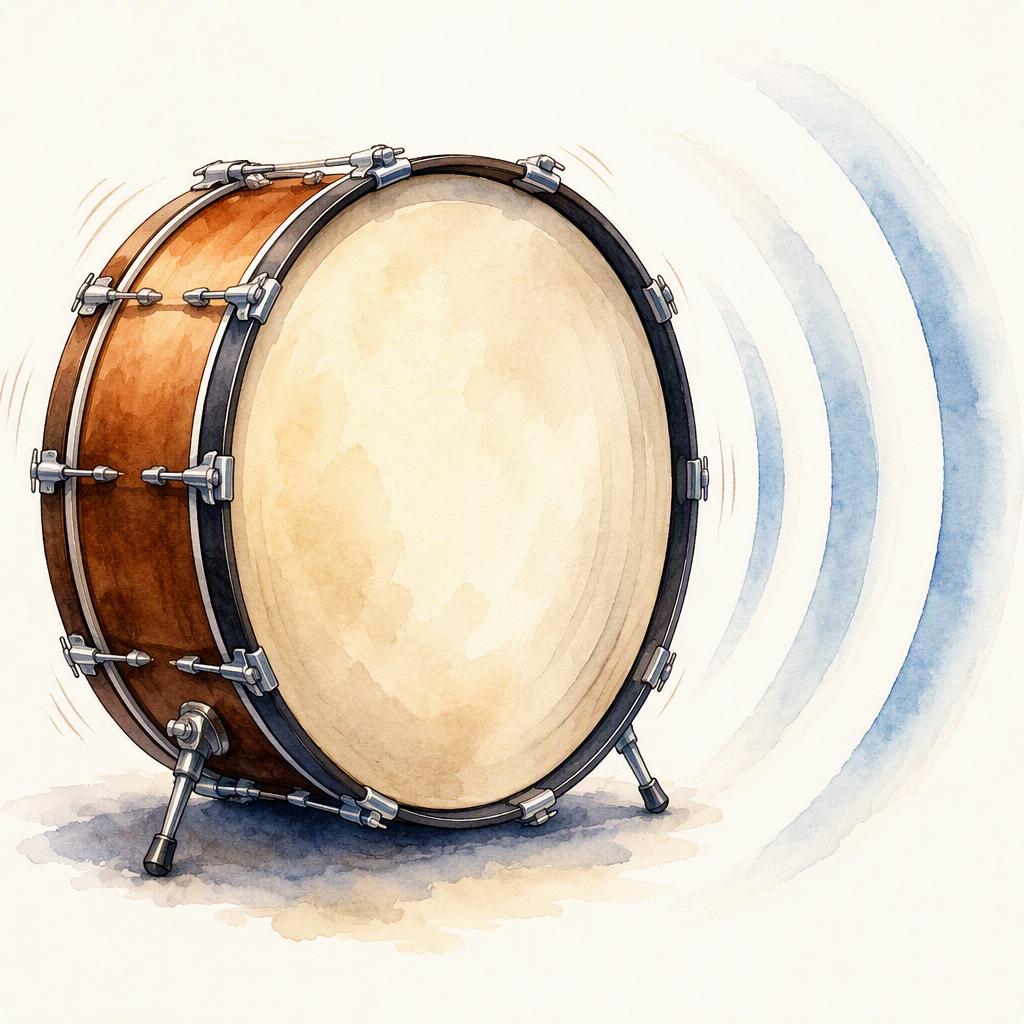
grave
Altri significati: profondo · intenso · in profondità
People in Crestfall had learned, over many generations, that when you heard two slow, deep rings from that tower, you stopped.
Le persone a Crestfall avevano imparato, nel corso di molte generazioni, che quando sentivi due rintocchi lenti e profondi provenire da quella torre, ti fermavi.
The Bell That Rings When No One Pulls the Rope · B1partitura
Altri significati: segnare · punteggio
He was still looking at his score, still lost in his private silence.
Stava ancora guardando il suo spartito, ancora perso nel suo silenzio privato.
The Composer Who Refused to Hear His Own Symphony · B1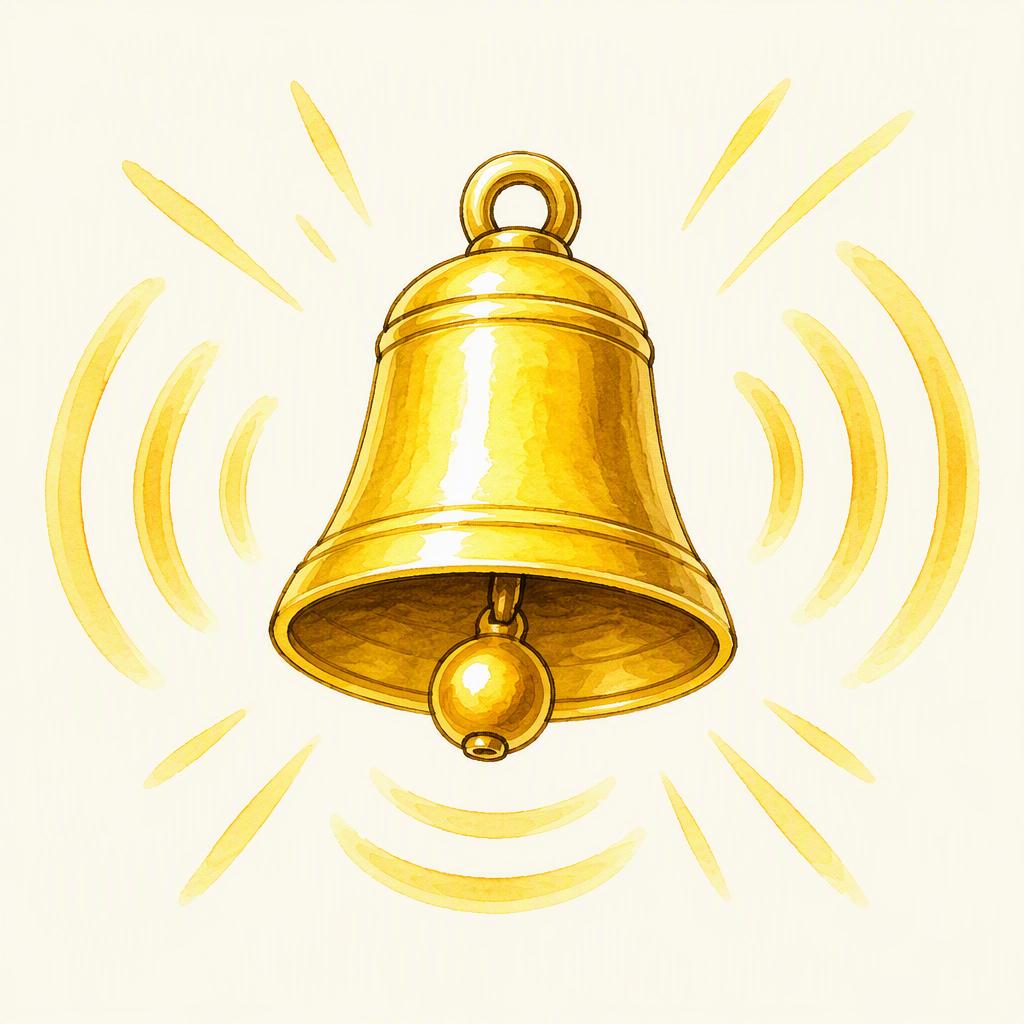
brillante
Altri significati: vivace · luminoso
Their music was loud and bright.
La loro musica era forte e brillante.
The Brass Band That Played On When the Parade Turned Back · A2