

be located · exist; be available · can
146 stories
Learn useful Korean words with pictures, clear meanings, and real story examples. Try a short exercise, then meet those words as you read.
Five ways to turn a word you recognize into a word you remember. No account needed.
Guarda, ricorda, scopri. Impara le parole con immagini ed esempi reali.
Try Korean flashcard02Scegli il significato adatto alla parola nella sua storia.
Try Korean esercizio di vocabolario03Passa dal significato alla parola. Sviluppa il richiamo attivo.
Try Korean esercizio di ortografia04Inserisci una parola mancante in una frase originale della storia.
Try Korean esercizi di completamento05Collega parole e significati in una rapida sfida con sei coppie.
Try Korean gioco di abbinamento del vocabolarioSmall, useful collections for the situations you want to talk about.
Search in Korean or your translation language. Open a word for its meanings and story examples.
be located · exist; be available · can

looked at (past declarative form) · to look at; to see · while looking at

be absent; not exist · without; not existing · cannot

said · say (politely) · said (formally and politely)

have to · not do · did

came · coming · come

not · inside · within

one · that tried to · about

nominalizer in the “seem/appear” construction · thing · the act/fact of …

I’ll go · Let’s go · went

be allowed · old · that’s enough

person · company employee

know · I understand · to know (adverbial form)
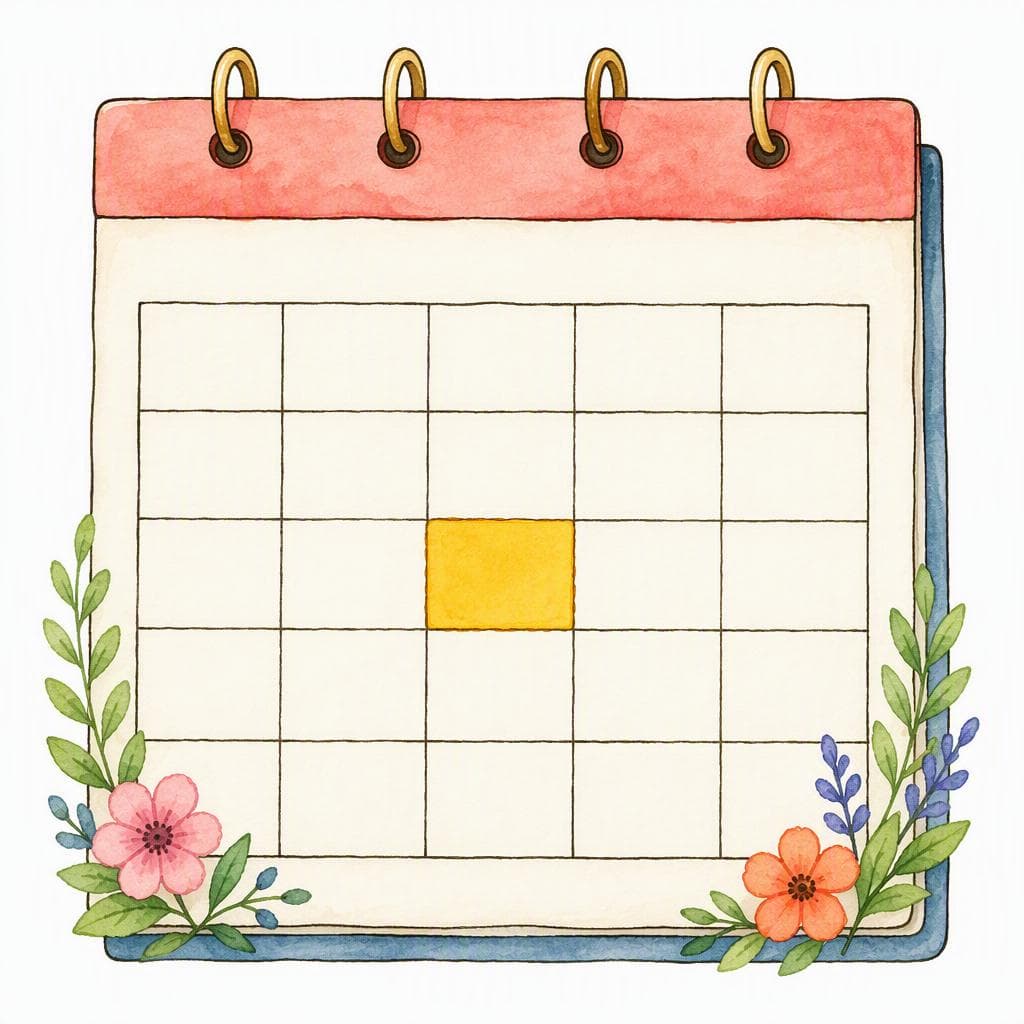
today

yes · you · your

words · statement · speak
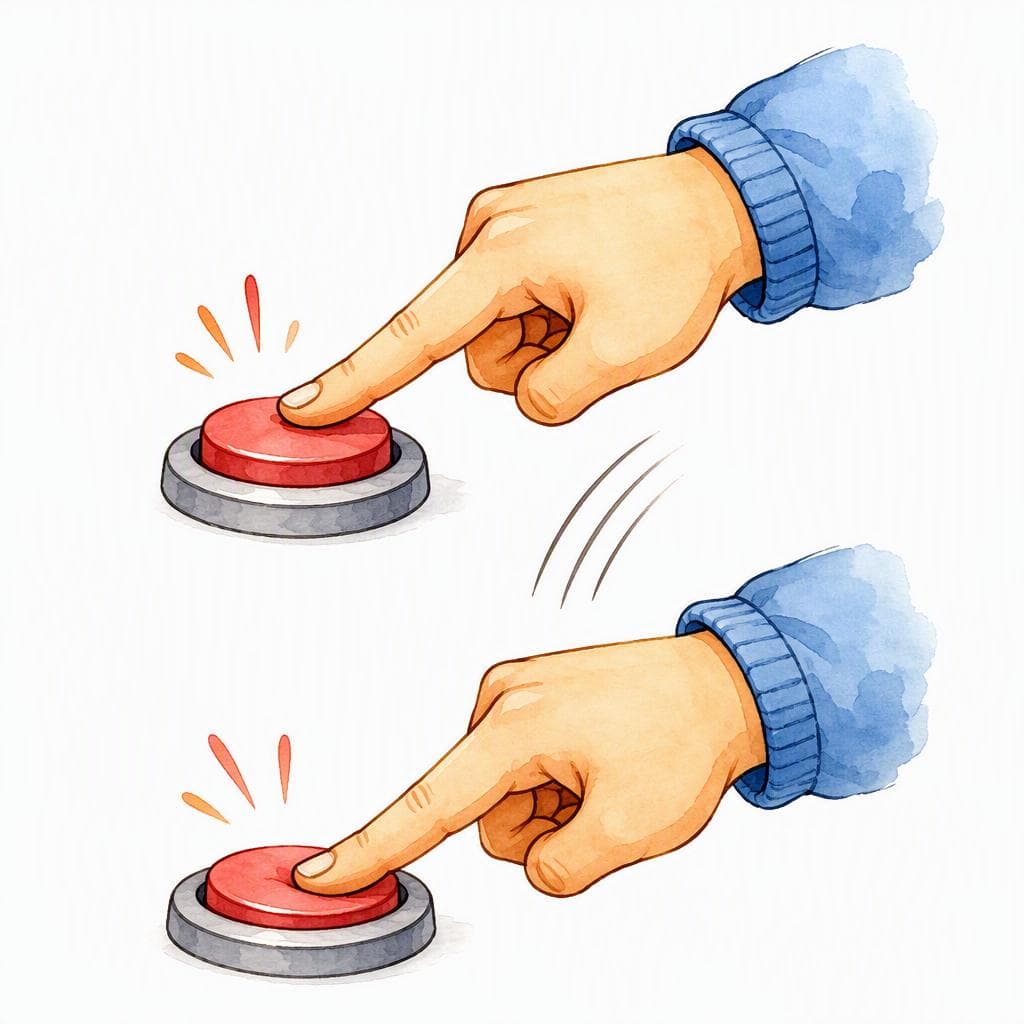
again · “Dasi” · the word “Dasi”

small · small and · was small

seem · same
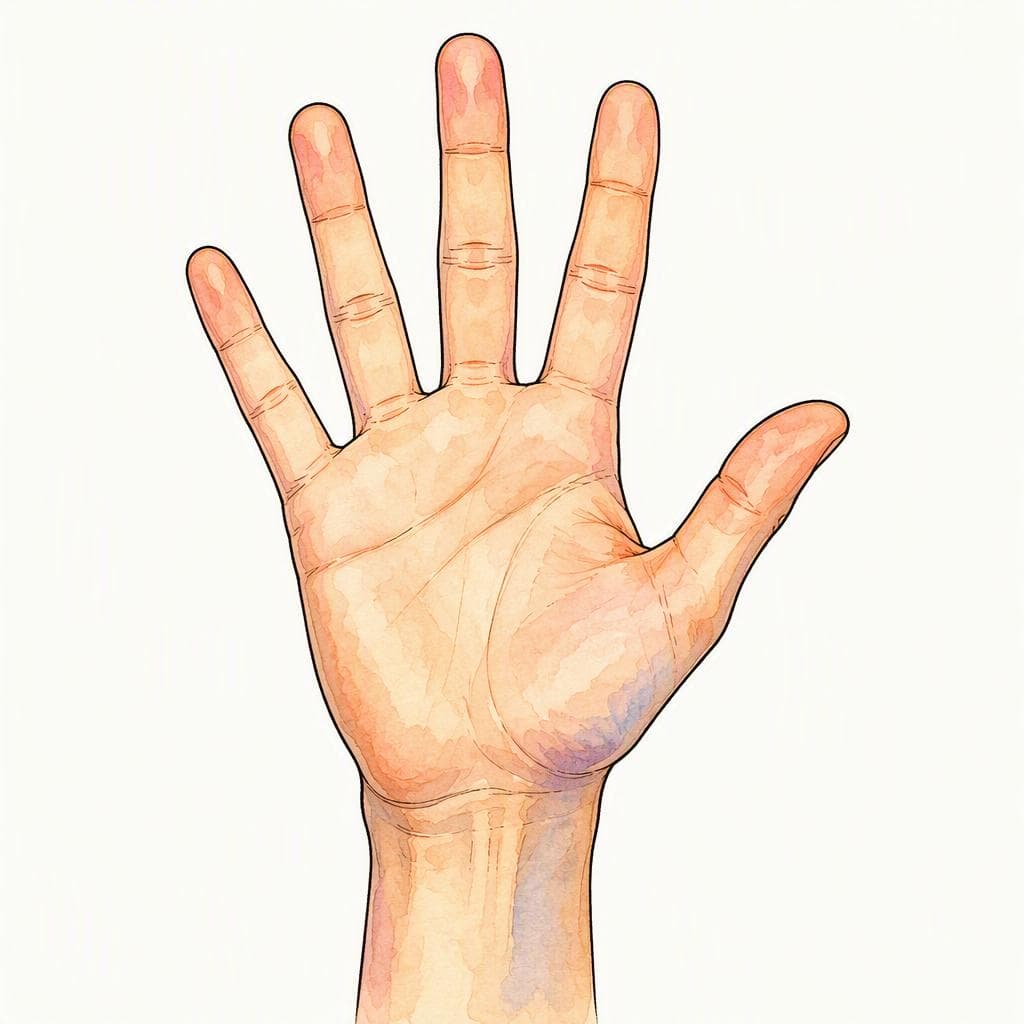
hand · in someone’s possession · hands (as a source of harm)

while laughing · laugh · laughed

I don’t know · that I don’t know · I didn’t know
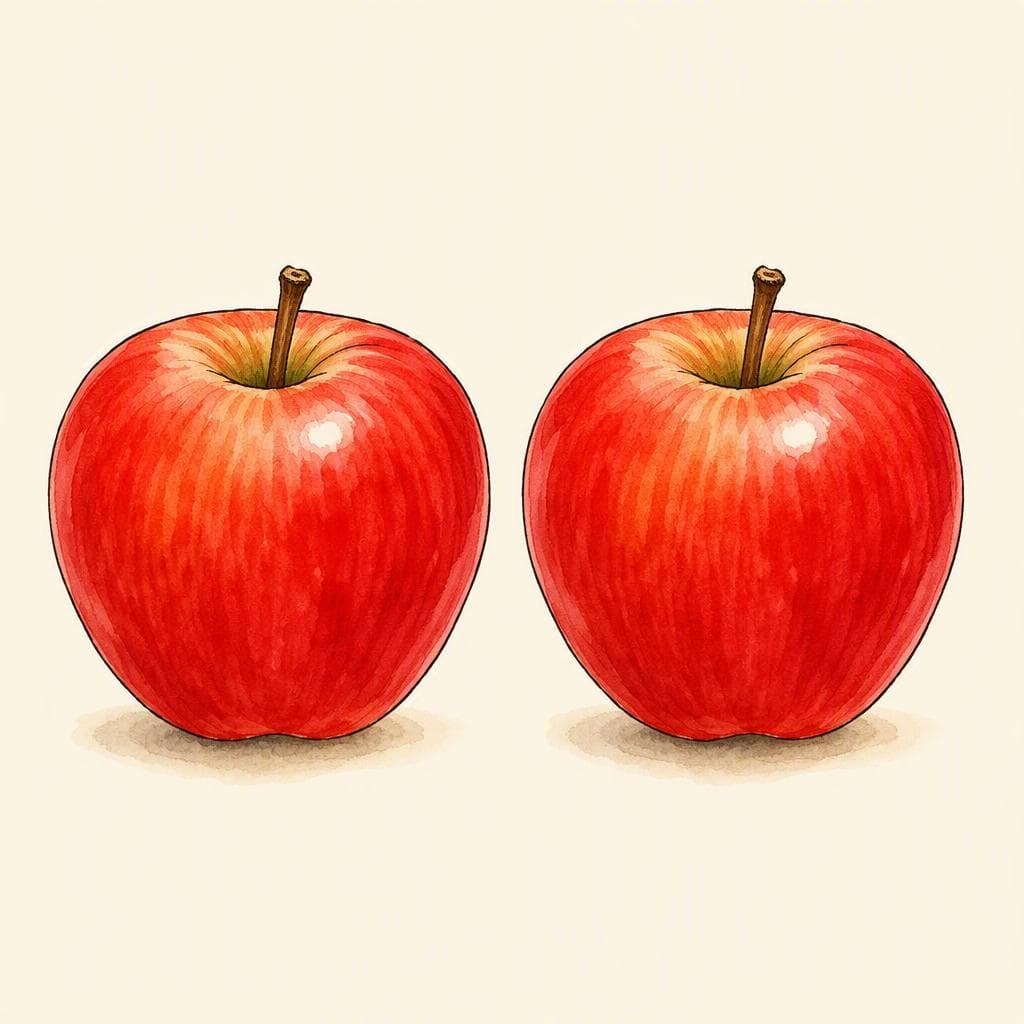
two · second · Du (name syllable)

ago · before · Korean savory pancake
Every example in this library comes from an Inklingo story. Read at your level, listen to the narration, and tap a word whenever you need its meaning.
Start with a small set of useful words. Recall their meanings in an exercise, then read their story examples. Save words you want to revisit and return to them over several short sessions.
Yes. Browse the library and use all five exercises freely. Create a free account when you want to keep a word in your Word Bank and review it later on the web or in the app.
The right translation depends on the sentence. Open any word to compare its meanings, pictures, and original examples instead of memorizing a single translation.
You can filter by the reading level of the stories where each word appears, starting at A0 or A1. That tells you about the story’s difficulty; it is not a certified level for the word itself.
Korean particles and endings attach to words, so the form you read can differ from the dictionary form. Compare the cached senses and their examples before choosing a meaning. Source-story levels describe the story, not a certified level for the word.