
Korean flashcards
Free Korean flashcards with pictures, audio and example sentences from real stories. Pick a topic or the most common words and start right away — no signup.
Free to practice · No account needed · Save words when you’re readyChoose your words
Say the meaning to yourself, then turn the card over. Mark words you know or give them another look.

보다
bo-da
“그는 관중석에 있는 아버지를 봤다.”
From The Boy Who Wrestled the Village Champion · A2
Keyboard: Space reveal · ← review again · → I know this
Words in this set: Starter words
Every word in the current set with its meaning. Tap the speaker to hear it.
 보다look at
 가다go
 할머니grandmother
 엄마mom
 전before
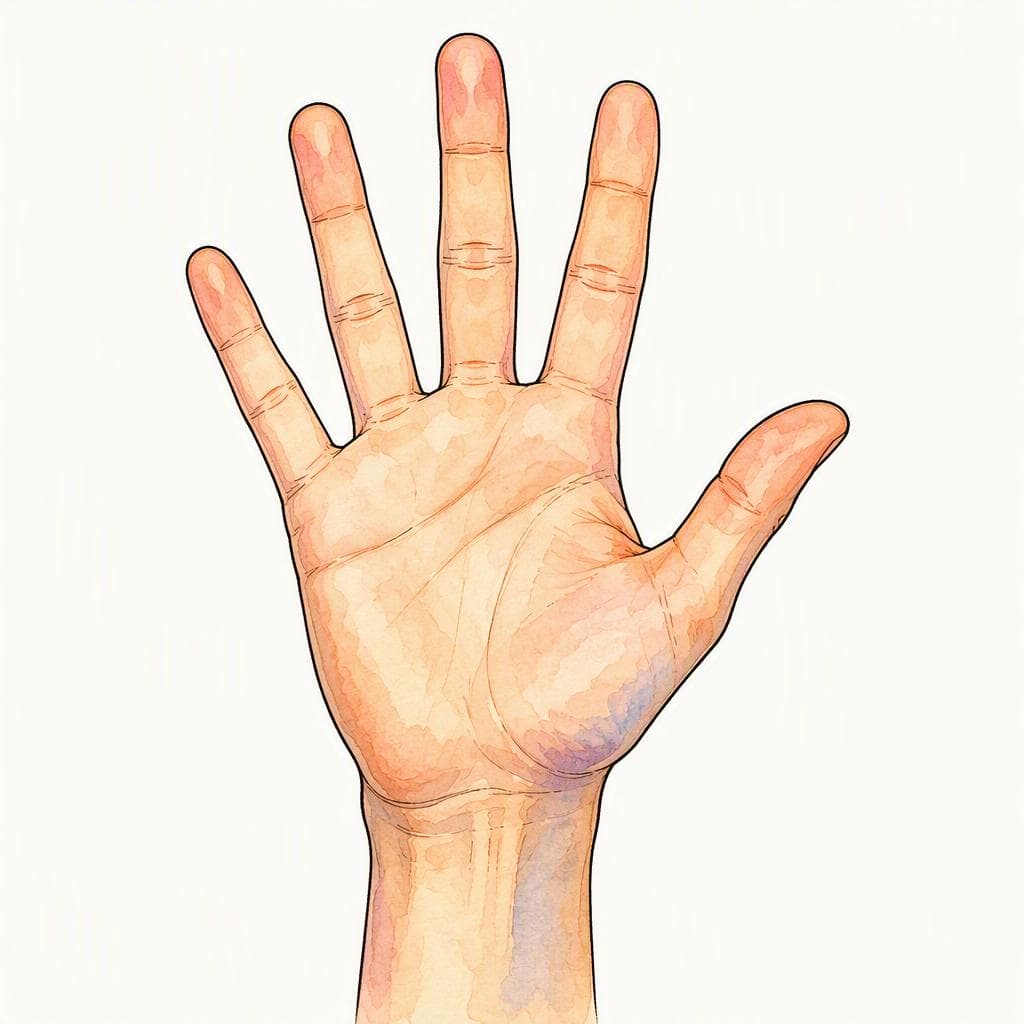 손hand
 씨mr./ms
 아버지father
 집home
 어머니mother
 문door
 오빠older brother (said by a woman)
How to use these Korean flashcards
Try to recall the meaning before revealing the answer. Use the picture and sentence as clues. Choose “Review again” for anything uncertain; you can retry those cards at the end.
Keep the words you want to remember.
Choose “Save word” to add a flashcard with its meaning and example to your Word Bank. Alex will help you create a free account if you haven’t joined yet. Your saved words are available on the web and in the app.
Korean vocabularyA little guidance before you start
Is this free? Do I need an account?
Yes, it’s free, and you can start without an account. Create a free account only if you want to save words to your Word Bank and review them later on the web or in the app.
How many words should I practice at once?
Short sessions work best. Each round has up to 12 words. Repeat the ones you missed, then switch to another exercise or read a story that uses them.
Where do the words and sentences come from?
Every word and example sentence comes from an Inklingo story written for learners, so you practice vocabulary the way it is really used. The meanings shown are the ones the word has in those sentences.