
Un guide pratique de lecture
Apprendre l'anglais avec des histoires
Trouvez une histoire que vous pouvez suivre, lisez-la avec un peu d’aide, puis revenez-en lire une autre. Voici comment choisir votre niveau, utiliser l’audio et les traductions, et prendre l’habitude de lire en English.
- histoires et séries
- 84
- lectures avec audio
- 94
- lectures avec quiz
- 94
- niveaux disponibles
- A0 · A1 · A2 · B1 · B2
Choisissez un niveau que vous pouvez apprécier
Lisez le premier paragraphe. Pouvez-vous dire qui est impliqué et ce qui se passe sans traduire chaque phrase ? C’est un bon niveau de départ. Si vous perdez le fil, choisissez une histoire plus facile ; si la lecture vous semble sans effort, essayez le niveau suivant.
Vous connaissez déjà un peu le English ?
Commencez par l’histoire la plus facile ci-dessous si vous débutez. Si vous lisez déjà un peu le English, essayez le début d’une histoire A1 ou A2 et utilisez la vérification du paragraphe ci-dessus pour ajuster votre choix.
| Niveau | Un bon choix si… | Histoires et séries | Durée de lecture habituelle |
|---|---|---|---|
| A0 Premiers pas | Vous commencez à reconnaître des mots familiers et des phrases très courtes. | 10 | ~1 min |
| A1 Débutant | Vous pouvez suivre des descriptions simples et des événements du quotidien avec un peu d’aide. | 30 | ~1 min |
| A2 Élémentaire | Vous pouvez suivre une succession d’événements et de courtes conversations. | 27 | ~3 min |
| B1 Intermédiaire | Vous pouvez suivre des récits cohérents et expliquer pourquoi quelque chose s’est produit. | 9 | ~6 min |
| B2 Intermédiaire avancé | Vous recherchez des intrigues et des points de vue plus nuancés, ainsi qu’un vocabulaire moins familier. | 8 | ~9 min |
Les chiffres proviennent de la bibliothèque publique actuelle en English pour les niveaux indiqués. Une série compte comme un seul titre ; les totaux de l’audio et des quiz comptent les lectures individuelles, y compris les parties des séries. Les histoires de chat ne sont pas incluses. Cette bibliothèque contient 5 séries réparties sur 94 lectures individuelles.
Les durées sont des estimations du catalogue, pas des objectifs d’étude. La durée « habituelle » correspond à la médiane pour ce niveau ; les recherches, l’écoute et les relectures prennent du temps supplémentaire. A0 est le niveau de départ d’Inklingo, avant A1.
De vraies histoires pour commencer
Parcourir toute la bibliothèqueUne histoire courte à chaque niveau disponible, ainsi qu’une alternative si vous souhaitez changer de sujet. Choisissez un niveau que vous pouvez suivre ; vous n’avez pas besoin de parcourir toutes les cartes dans l’ordre.
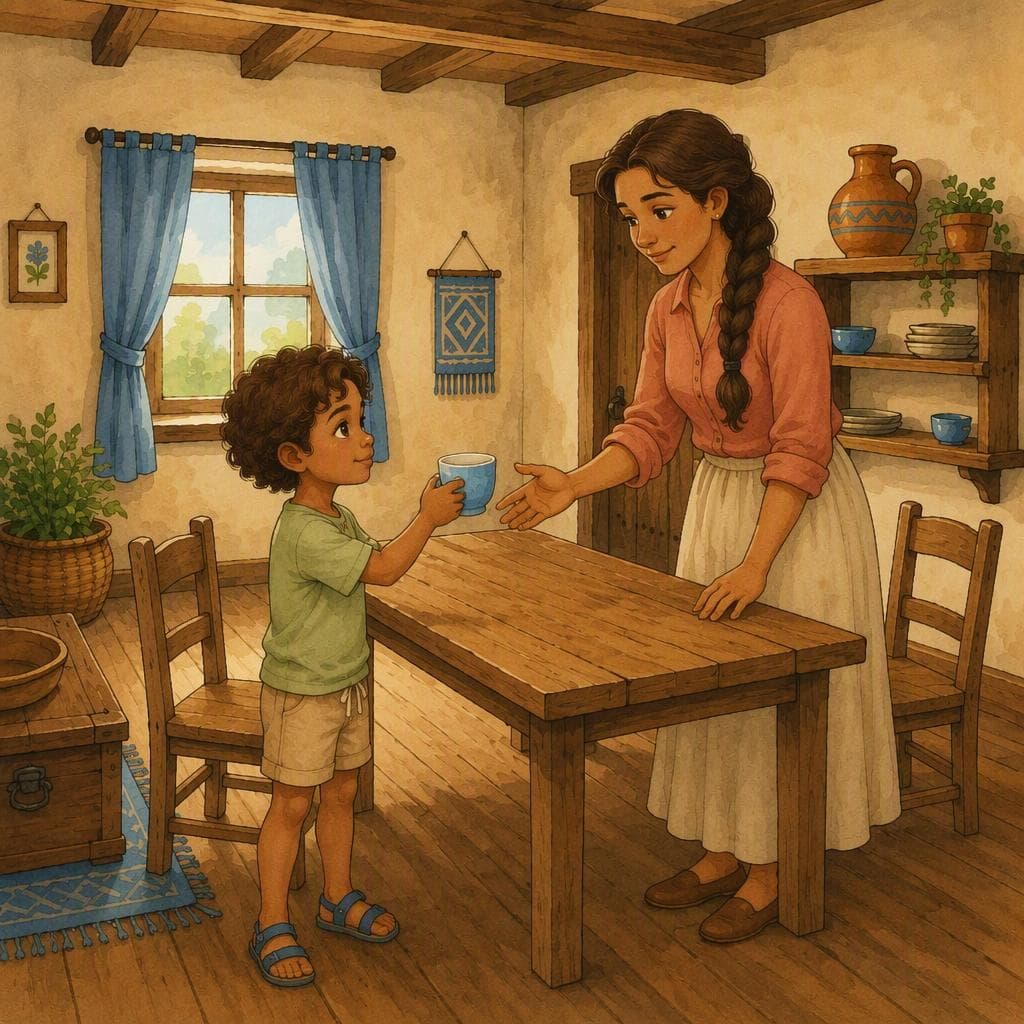
A0Premiers pas
De l’eau pour maman
Un enfant donne de l’eau à maman.
- ~1 min
- Audio
- 3 questions de quiz
- 6 mots clés
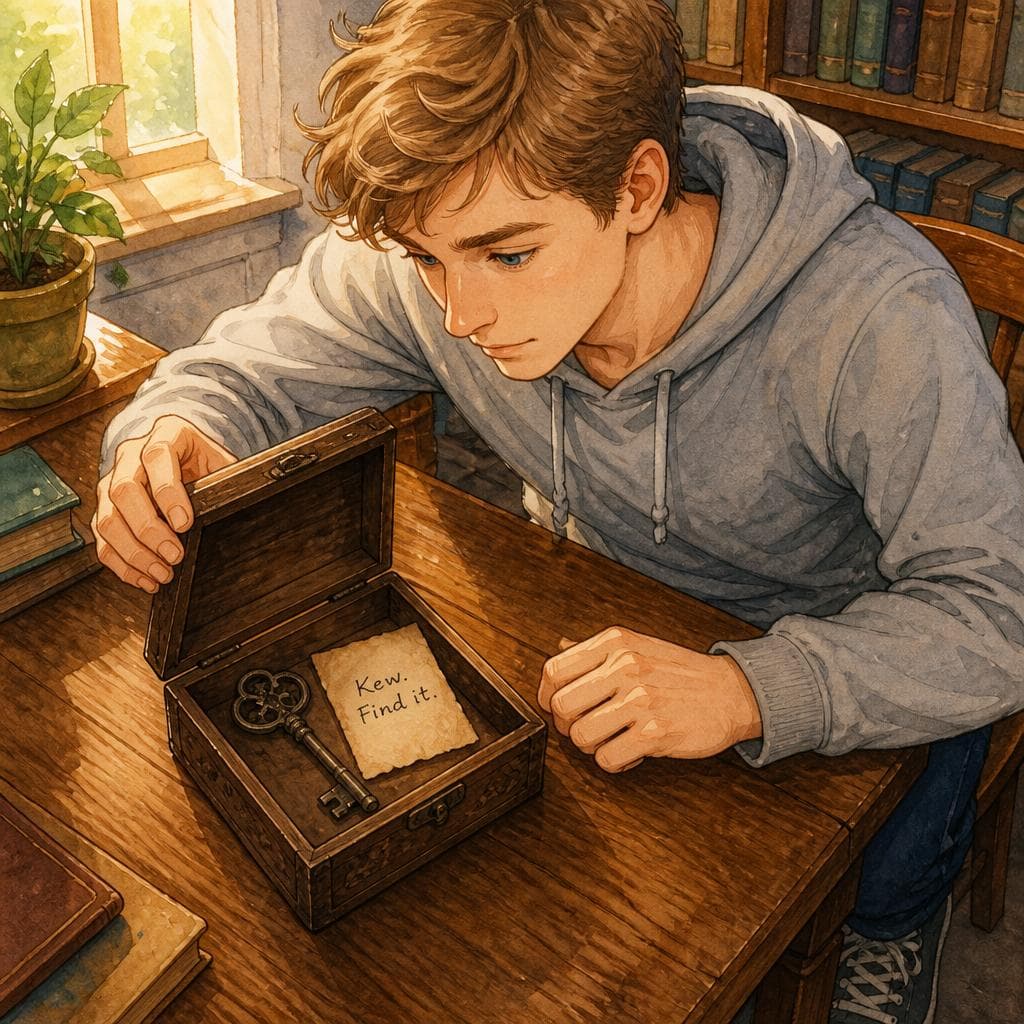
A1Débutant
La Fleur de la Seconde Guerre
Un jeune étudiant se lance dans une quête mystérieuse aux jardins de Kew à l'aide d'une vieille clé offerte par sa grand-mère.
- ~1 min
- Audio
- 3 questions de quiz
- 4 mots clés
Série en 3 parties · commence à la partie 1
Lire la partie 1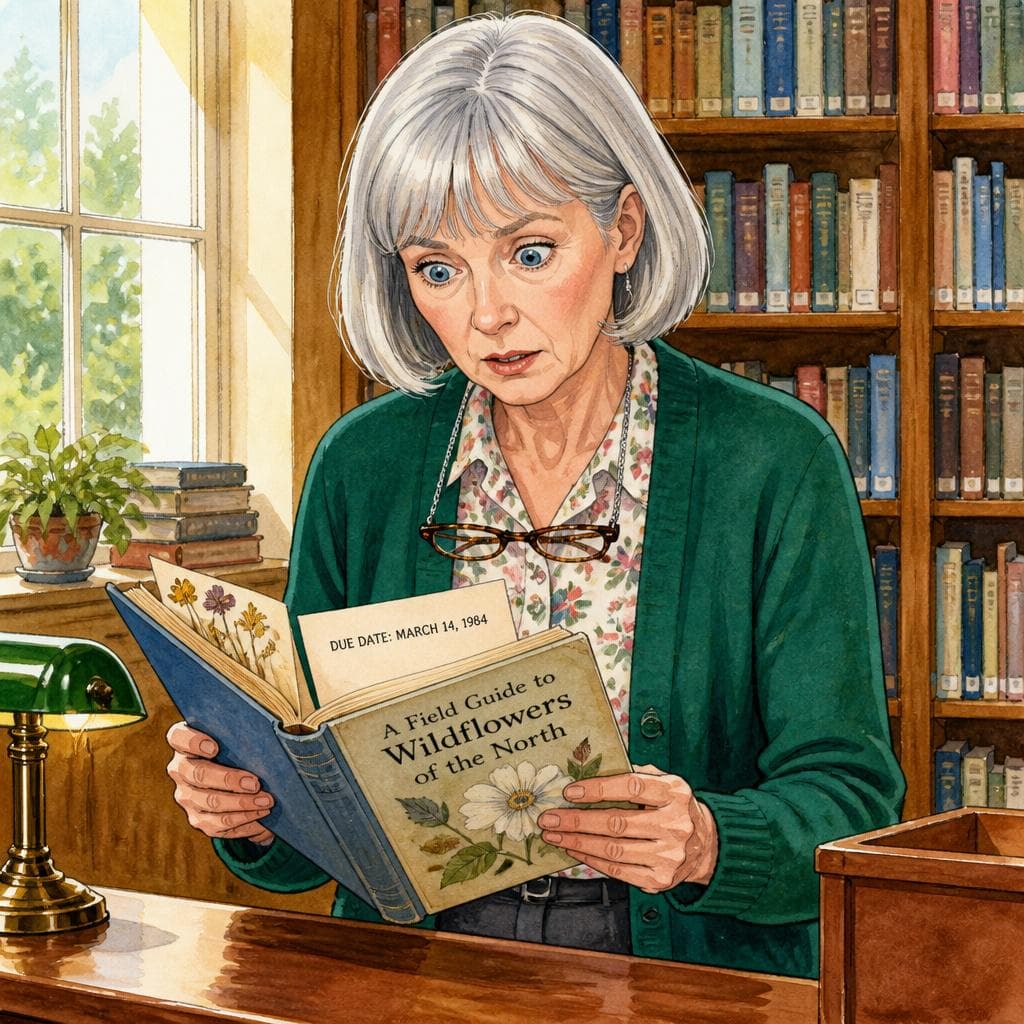
A2Élémentaire
The Library Book Returned After Forty Years
La description de l'histoire
- ~2 min
- Audio
- 3 questions de quiz
- 6 mots clés
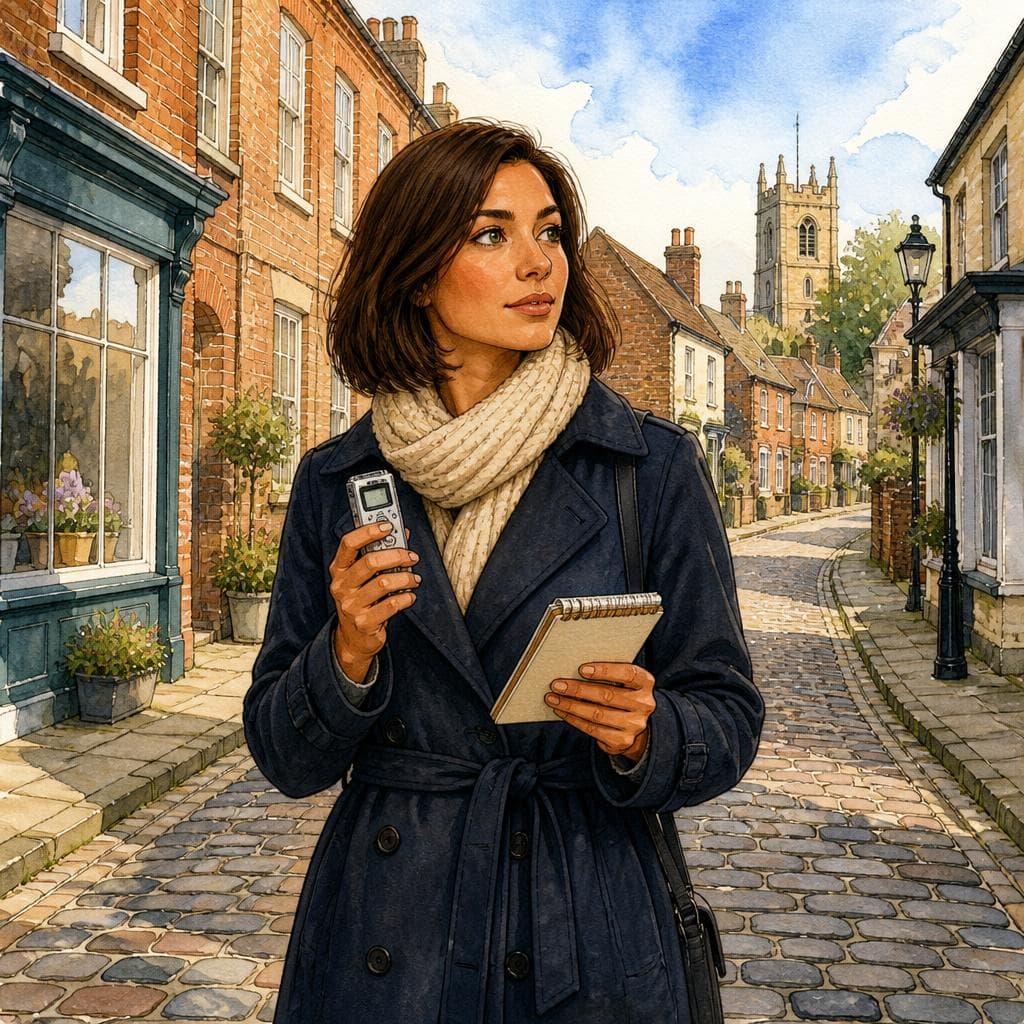
B1Intermédiaire
The Pancake Race Nobody Finished in Olney
Une journaliste découvre qu'une simple tradition britannique dans la ville d'Olney est plus une question de communauté que de compétition.
- ~5 min
- Audio
- 3 questions de quiz
- 4 mots clés

B2Intermédiaire avancé
The Ordnance Survey Map That Named the Wrong Hill
Un récit historique expliquant comment un malentendu linguistique a conduit à ce qu'une montagne soit mal nommée sur les cartes officielles britanniques pendant plus de quatre-vingts ans.
- ~8 min
- Audio
- 3 questions de quiz
- 8 mots clés
Une routine de lecture simple de 15 minutes
Utilisez ceci comme plan de séance flexible. Pour une histoire plus longue, travaillez sur une section et poursuivez la prochaine fois.
- 12 min
Prenez connaissance du texte et situez-vous
Regardez le titre, l’image et les mots clés. Lisez le début pour comprendre qui est présent, où se trouvent les personnages et ce qu’ils veulent.
- 25 min
Lisez pour suivre l’histoire
Continuez tant que vous comprenez les événements principaux. Touchez un mot ou une expression inconnue lorsqu’elle vous empêche de comprendre. Consultez la traduction après avoir essayé de comprendre la phrase vous-même.
- 34 min
Écoutez, puis répétez une phrase
Si l’audio est disponible, suivez le texte une fois. Réécoutez un court passage sans lire, puis répétez à voix haute une phrase utile. Revenez au texte lorsque vous avez besoin d’aide.
- 44 min
Rappelez-vous et retenez quelques expressions
Fermez le texte et racontez l’événement principal avec vos propres mots. Faites le quiz s’il y en a un, puis revoyez ce que vous avez manqué. Gardez trois expressions utiles avec leur contexte pour votre prochaine séance.
Sachez quand passer au niveau supérieur
Essayez une histoire plus difficile lorsque vous pouvez suivre plusieurs nouvelles histoires à votre niveau actuel, résumer les événements principaux et expliquer vos réponses au quiz sans faire constamment de recherches. Si le niveau suivant vous fatigue, alternez-le avec des lectures plus faciles. Terminer un nombre défini d’histoires ne garantit pas un changement de niveau.
Ce qu’il faut remarquer en lisant en English
Associer le texte et le son
Utilisez l’audio pour associer l’orthographe à la prononciation. Faites attention à l’accent tonique des mots et à la façon dont les mots courants s’enchaînent à l’oral.
Repérer les schémas
Gardez ensemble les expressions comme « look after » ou « at the end of ». Un mot familier peut changer de sens dans un verbe à particule ou une expression plus longue.
Essayez vous-même
Après la lecture, racontez à nouveau les événements au passé. Réécoutez pour repérer les formes réduites et vérifiez toute expression que vous avez comprise sur la page mais manquée dans l’audio.
Votre première semaine, sans tâtonner
Répétez ce schéma à votre propre rythme. Réutiliser une histoire fait partie du plan.
- Jour 1
Trouvez votre point de départ
Faites le test sur le paragraphe et lisez une histoire à un niveau confortable. Notez ce que vous avez compris avant de chercher quoi que ce soit.
- Jours 2–3
Revenez-y, puis lisez quelque chose de nouveau
Relisez votre première histoire avec l’audio et rappelez-vous trois expressions. Lors de la séance suivante, choisissez une deuxième histoire du même niveau.
- Jours 4–5
Rendez la langue réutilisable
Revoyez la deuxième histoire, répondez à son quiz s’il est disponible et racontez-la à voix haute. Écrivez deux phrases en utilisant des expressions de l’une ou l’autre histoire.
- Jours 6–7
Relisez et faites le point
Essayez une autre histoire ou la partie suivante d’une série. À la fin de la semaine, comparez vos recherches et votre compréhension avec celles du jour 1, puis choisissez de rester à ce niveau ou d’essayer un texte plus difficile.
Pourquoi les histoires ont leur place dans votre routine d’apprentissage
Une histoire donne une situation aux mots, relie les phrases en une séquence cohérente et vous donne une raison de continuer à lire. Les histoires adaptées vous aident à vous exercer ainsi avant d’être à l’aise avec des livres écrits pour des lecteurs courants.
Une méta-analyse de 2025 a constaté des effets positifs faibles à modérés de la lecture extensive dans les domaines linguistiques étudiés. Cela soutient la lecture régulière dans le cadre de l’apprentissage ; cela ne promet pas la maîtrise d’une langue après un nombre donné d’histoires et n’évalue pas spécifiquement Inklingo.
Lire l’étude : Sangers et ses collègues (2025)Associez la lecture à l’écoute, à la conversation et à une aide ciblée pour les structures que vous continuez à manquer. Un bref récapitulatif ou un test de compréhension vous permet de vérifier si vous avez bien suivi le sens.
Questions sur l’apprentissage avec des histoires
Puis-je commencer si je suis un débutant complet ?
Oui. Commencez par A0, utilisez les images, le vocabulaire clé, les traductions et l’audio lorsqu’il est disponible, et avancez phrase par phrase. Si le système d’écriture vous est nouveau, apprenez-en les bases tout en vous familiarisant avec la lecture.
Dois-je traduire chaque mot ?
Essayez d’abord de suivre l’événement principal. Cherchez les mots ou les expressions qui vous empêchent de comprendre, puis relisez la phrase. Si presque chaque phrase doit être traduite, choisissez une histoire plus facile ou une section plus courte.
Dois-je lire ou écouter en premier ?
Si l’histoire est difficile, lisez-la avec de l’aide avant de l’écouter. Si la lecture vous semble confortable, essayez d’abord d’écouter et utilisez le texte pour vérifier ce que vous avez manqué. Répétez une courte section plutôt que de vous forcer à écouter un long enregistrement.
Combien d’histoires devrais-je lire chaque semaine ?
Choisissez un rythme que vous pouvez tenir. La semaine type propose quelques histoires, avec des relectures et des écoutes entre chacune. Comprendre et revenir régulièrement comptent davantage que de se dépêcher pour atteindre un quota ; il n’existe pas de nombre d’histoires garanti pour parler couramment.
Puis-je lire sur le site web ou utiliser l’application ?
Les liens ci-dessus ouvrent des lecteurs d’histoires publics sur le site web. Utilisez l’application Inklingo si vous souhaitez instaurer une routine autour du vocabulaire enregistré, des révisions et du suivi de vos progrès.
Mon niveau de lecture correspond-il à mon niveau d’examen ?
Non. Ces étiquettes vous aident à choisir des supports de lecture. Un outil de positionnement fournit une première estimation, et ni le niveau d’une histoire ni un court test d’entraînement ne constituent un résultat officiel d’examen. Vérifiez que le niveau vous convient en lisant un véritable passage.