

se trouver · y avoir · pouvoir
146 stories
Learn useful Korean words with pictures, clear meanings, and real story examples. Try a short exercise, then meet those words as you read.
Five ways to turn a word you recognize into a word you remember. No account needed.
Observez, rappelez-vous, révélez. Apprenez les mots avec des images et des exemples authentiques.
Try Korean cartes mémoire02Choisissez la signification qui correspond au mot dans son histoire.
Try Korean pratique du vocabulaire03Passez d’une signification au mot. Développez votre rappel actif.
Try Korean exercice d’orthographe04Replacez un mot manquant dans une phrase originale de l’histoire.
Try Korean exercices à trous05Associez les mots et leurs significations dans un défi rapide de six paires.
Try Korean jeu d’association de vocabulaireSmall, useful collections for the situations you want to talk about.
Search in Korean or your translation language. Open a word for its meanings and story examples.
se trouver · y avoir · pouvoir

regarda (forme déclarative au passé) · regarder; voir · en regardant

ne pas exister; être absent · qui n’existe pas · ne pas pouvoir

a dit · dire (poliment) · a dit (formellement et poliment)

devoir · ne pas faire · fait

est venu · qui vient · venir
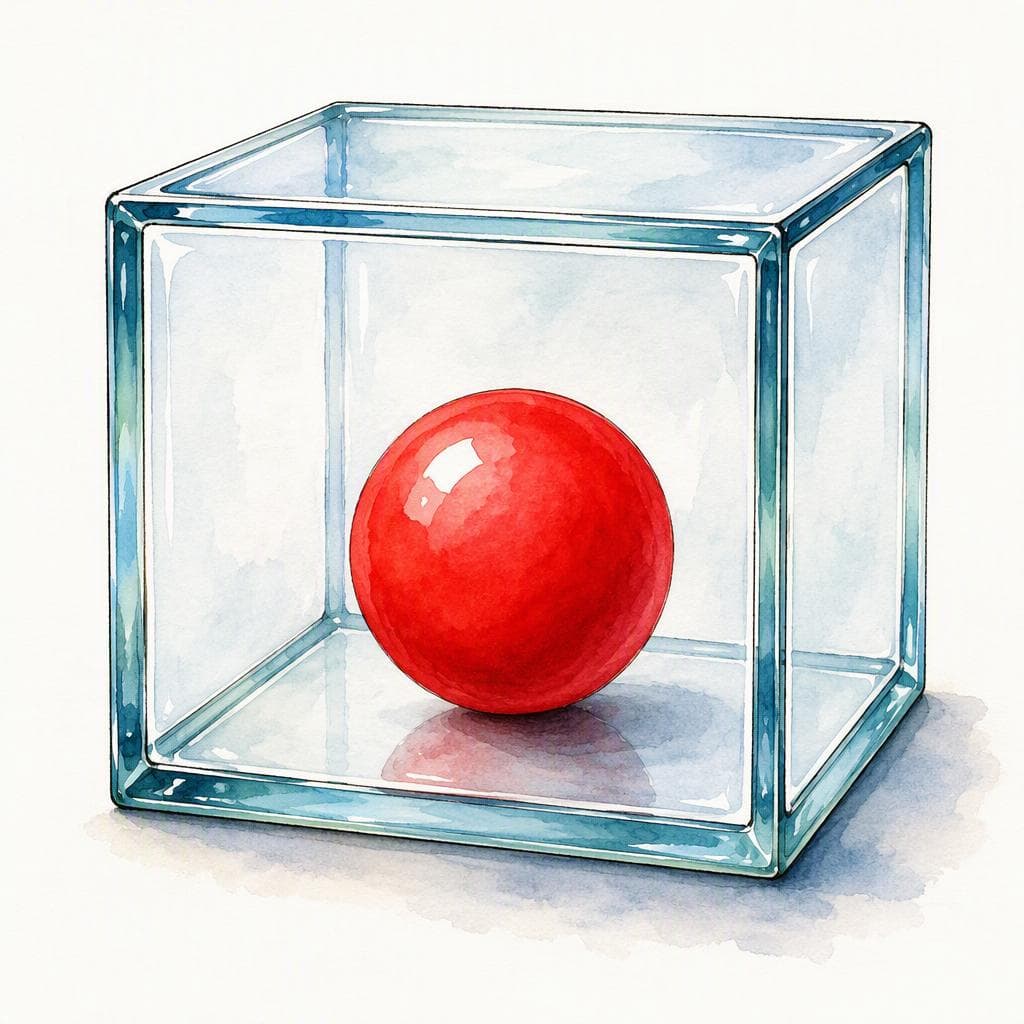
ne…pas · à l’intérieur · dans

un · qui a essayé de · environ

nominalisateur dans la construction «sembler…» · chose · le fait de …

J’irai · Allons-y · est allé

être autorisé · ancien · suffire

personne · employé de l’entreprise

savoir · J’ai compris · savoir (forme adverbiale)
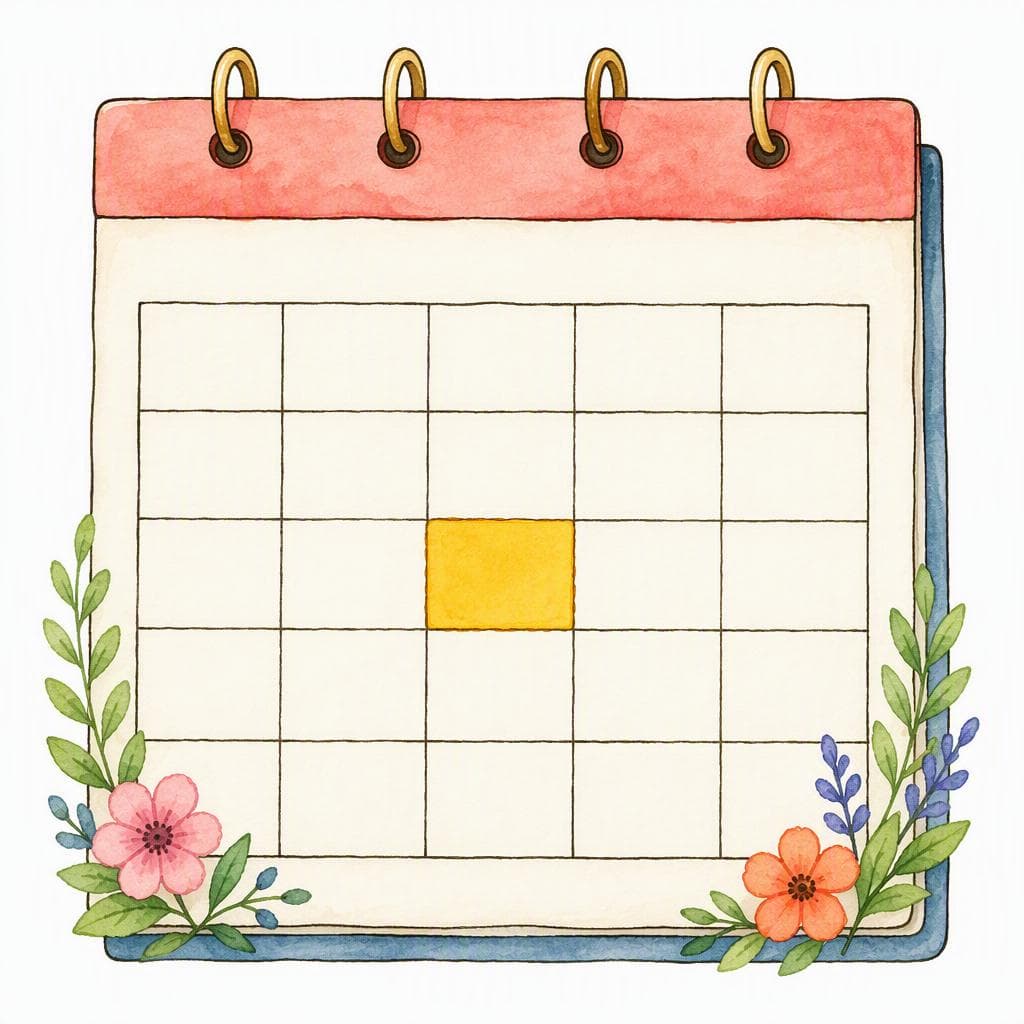
aujourd’hui
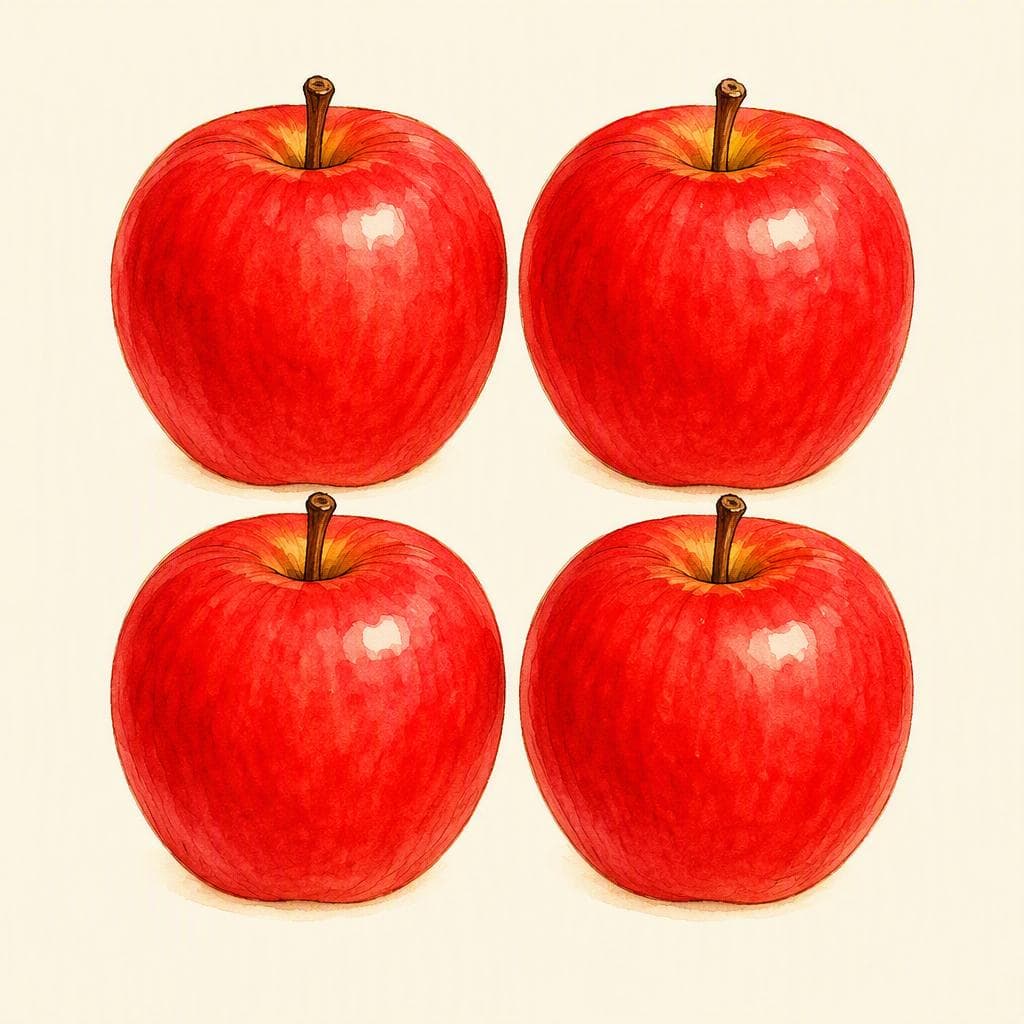
oui · tu · ton/ta

paroles · propos · parler
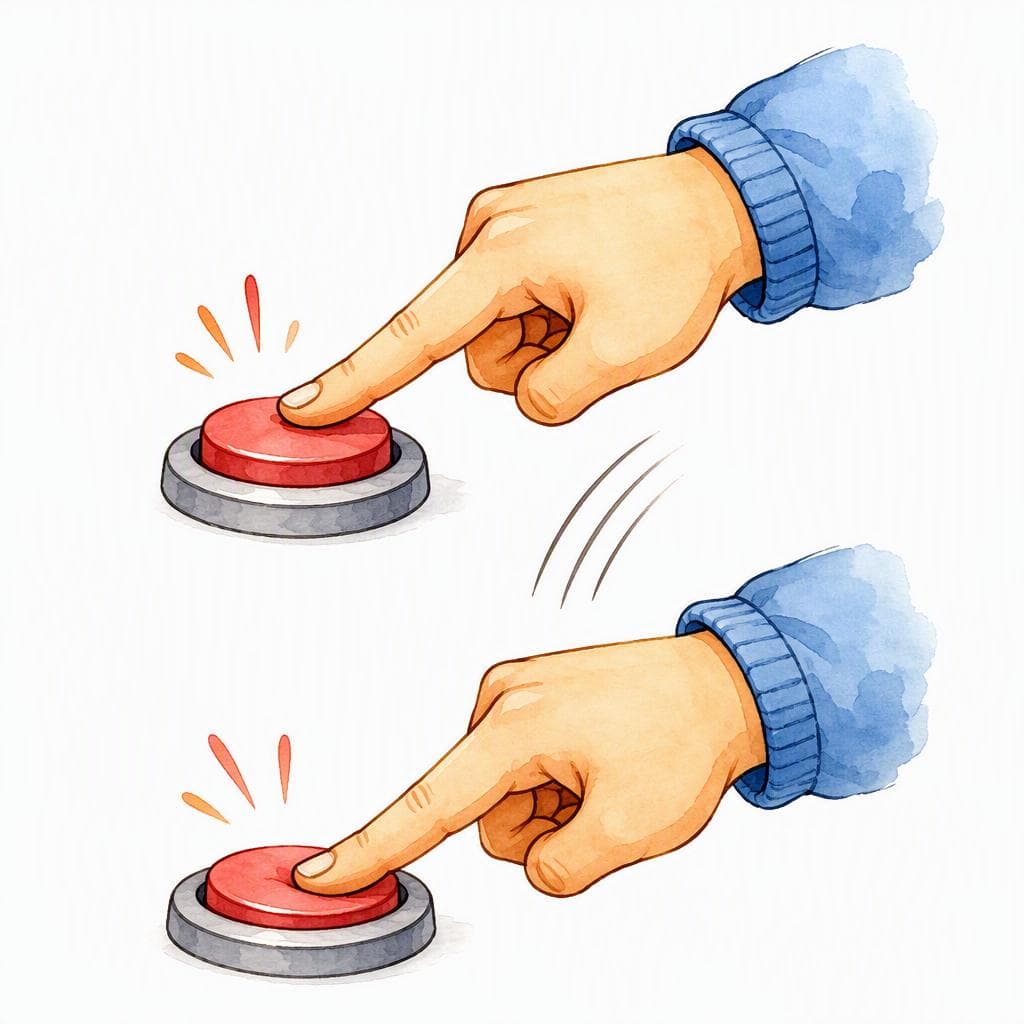
à nouveau · de nouveau · « Dasi »

petit · petit et · était petit

sembler · même
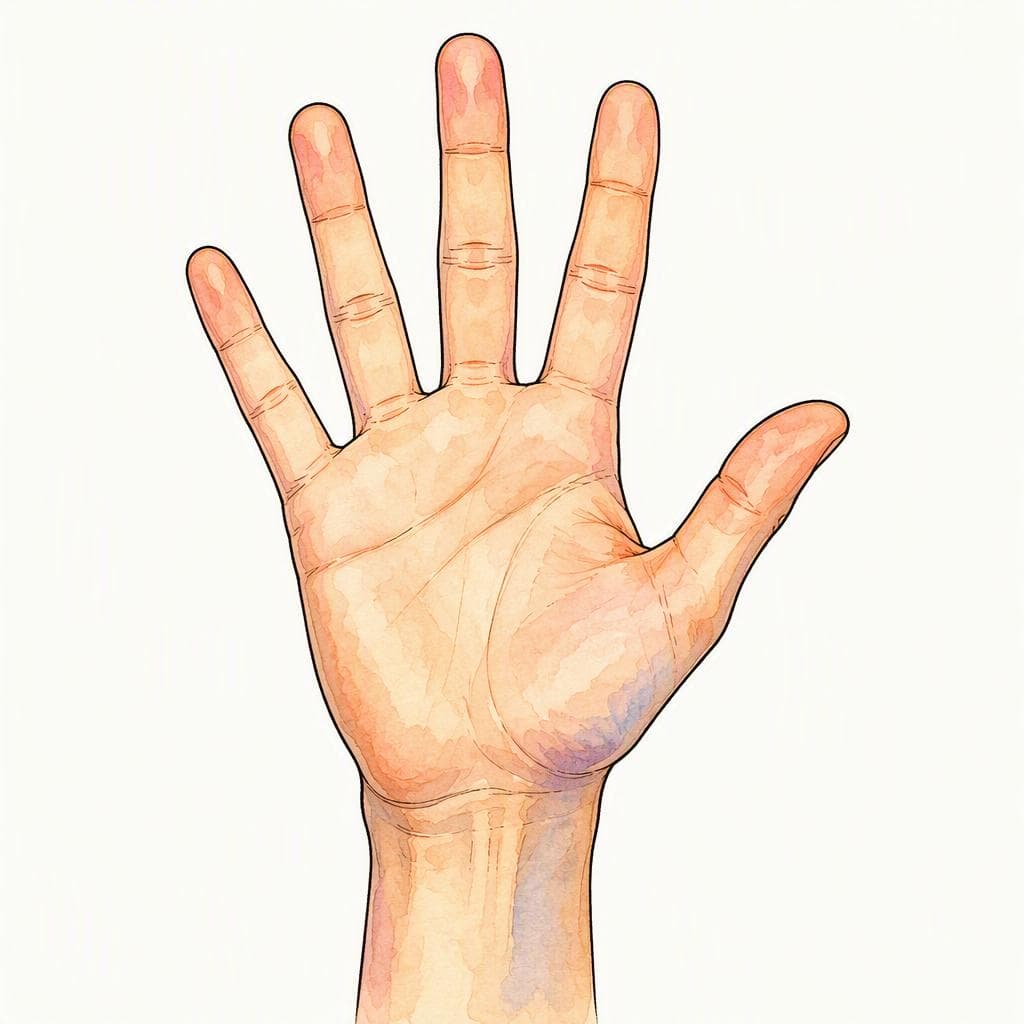
main · en possession de quelqu’un · mains (comme source de mal)

en riant · rire · rit

Je ne sais pas · que je ne connais pas · Je ne savais pas
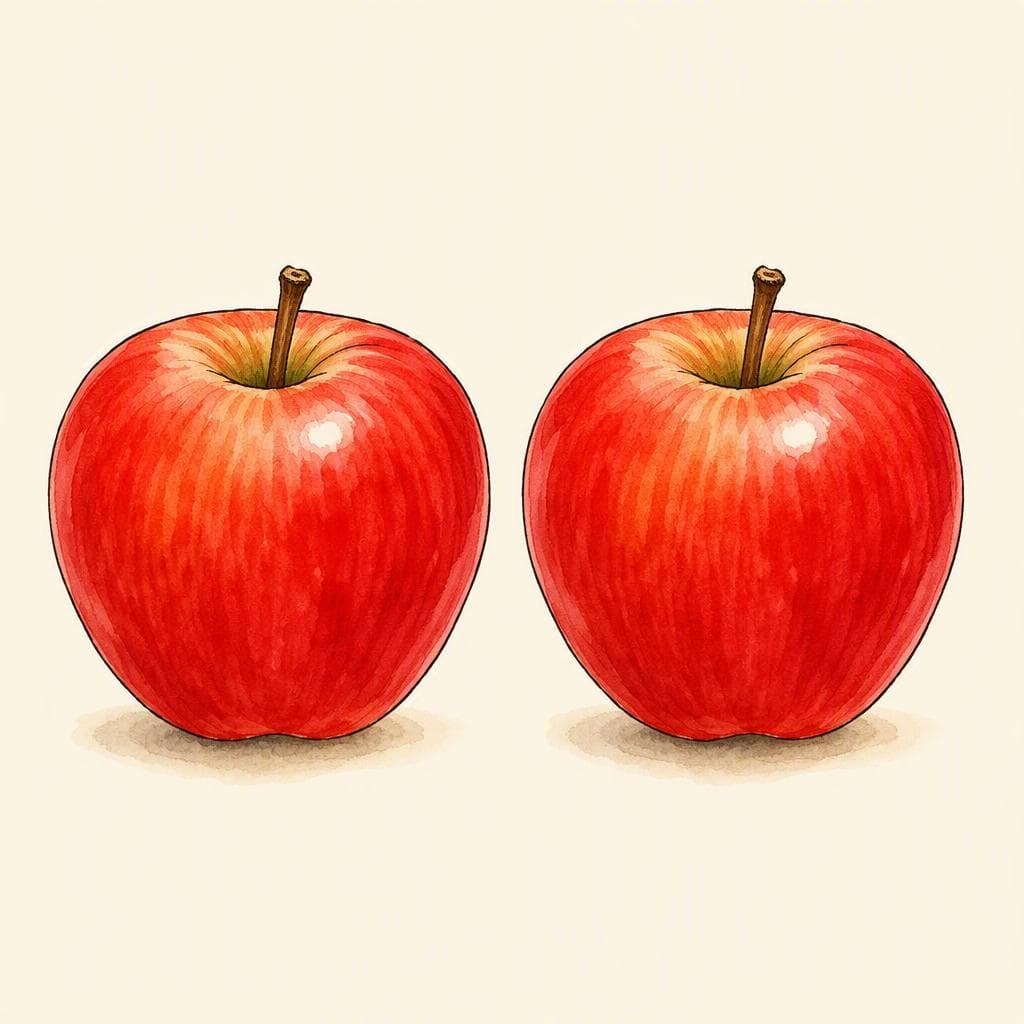
deux · deuxième · Du (syllabe de nom)

il y a · avant · auparavant
Every example in this library comes from an Inklingo story. Read at your level, listen to the narration, and tap a word whenever you need its meaning.
Start with a small set of useful words. Recall their meanings in an exercise, then read their story examples. Save words you want to revisit and return to them over several short sessions.
Yes. Browse the library and use all five exercises freely. Create a free account when you want to keep a word in your Word Bank and review it later on the web or in the app.
The right translation depends on the sentence. Open any word to compare its meanings, pictures, and original examples instead of memorizing a single translation.
You can filter by the reading level of the stories where each word appears, starting at A0 or A1. That tells you about the story’s difficulty; it is not a certified level for the word itself.
Korean particles and endings attach to words, so the form you read can differ from the dictionary form. Compare the cached senses and their examples before choosing a meaning. Source-story levels describe the story, not a certified level for the word.