
Środowisko i Ekologia po Hiszpańsku
Zanurzmy się w hiszpańskim słownictwie dotyczącym środowiska i ekologii! Poznanie tych słów jest niezwykle przydatne do omawiania ważnych globalnych kwestii, takich jak zmiany klimatu, zanieczyszczenie i ochrona przyrody. To także świetny sposób na nawiązanie kontaktu z naturą i wyrażenie uznania dla planety. Hiszpański często używa podobnych rdzeni do angielskiego w tych terminach, ale zwrócenie uwagi na formy rodzaju i liczby będzie kluczowe!
Szybka ściąga
| Hiszpański | Polski | Przykład | Poziom |
|---|---|---|---|
ambiental | środowiskowy | La contaminación ambiental es un problema grave en las ciudades grandes. | B1 |
ambiente | atmosfera | Me encanta el ambiente relajado de este café. | A2 |
clima | klimat | El clima de Costa Rica es tropical y húmedo. | A1 |
climático | klimatyczny | El cambio climático es una preocupación global. | A2 |
contaminación | zanieczyszczenie | La contaminación del aire es un gran problema en las ciudades. | A2 |
contaminar | zanieczyszczać | Las fábricas contaminan el río con sus desechos. | B1 |
eco | echo | El eco en la montaña era impresionante. | A2 |
ecológico | przyjazny dla środowiska | Mi primo se compró un coche ecológico. | A2 |
entorno | środowisko | Es importante crecer en un entorno seguro. | B1 |
naturaleza | natura (środowisko) | Me encanta caminar por la naturaleza para relajarme. | A1 |
conservación | ochrona | La conservación del medio ambiente es una prioridad. | B1 |
contaminado | zanieczyszczony | El aire de la ciudad está muy contaminado hoy. | A2 |
A1 — Początkujący (2 słów)

klimat
“El clima de Costa Rica es tropical y húmedo.”

natura (środowisko)
“Me encanta caminar por la naturaleza para relajarme.”
A2 — Podstawowy (9 słów)

atmosfera
“Me encanta el ambiente relajado de este café.”

klimatyczny
“El cambio climático es una preocupación global.”
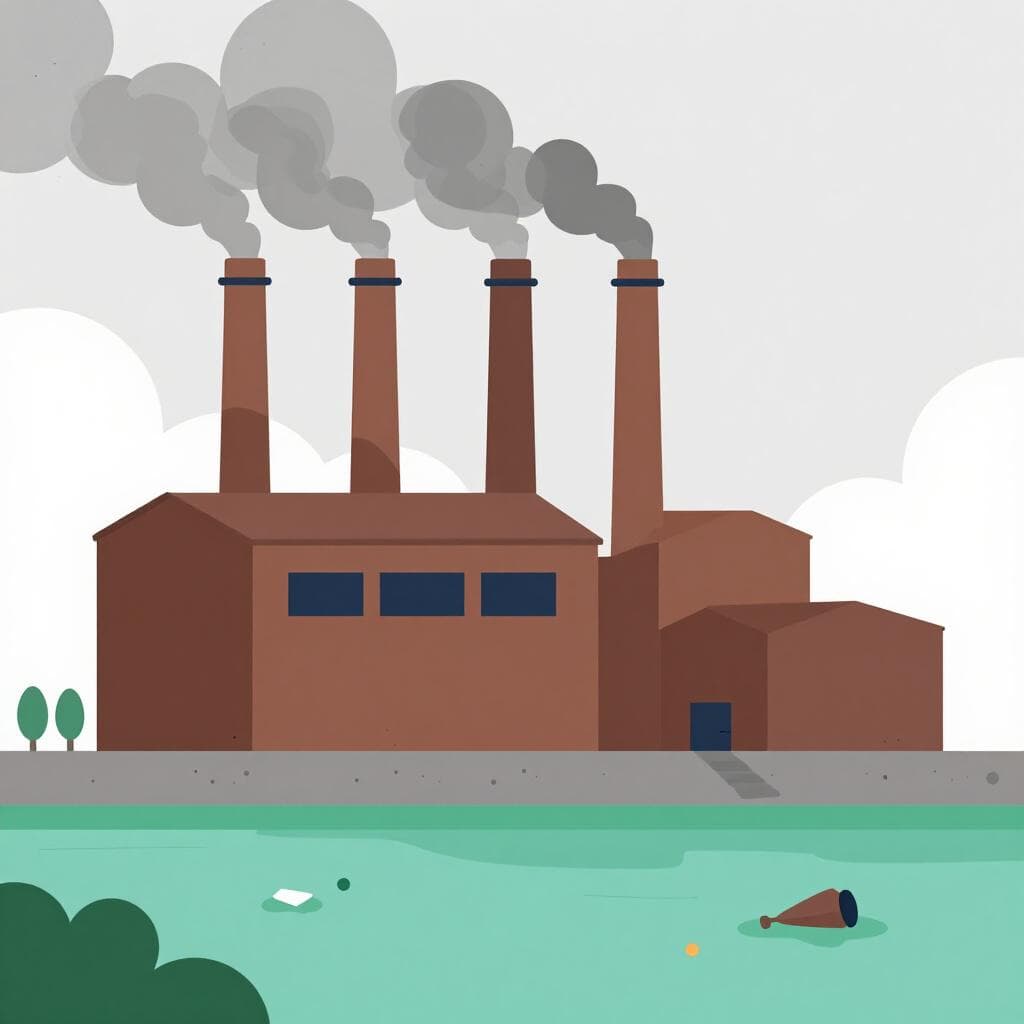
zanieczyszczenie
“La contaminación del aire es un gran problema en las ciudades.”

echo
“El eco en la montaña era impresionante.”

przyjazny dla środowiska
“Mi primo se compró un coche ecológico.”

zanieczyszczony
“El aire de la ciudad está muy contaminado hoy.”

ekosystem
“El arrecife de coral es un ecosistema muy frágil.”

flora
“La flora del desierto es fascinante.”

powódź
“La inundación destruyó muchas casas cerca del río.”
B1 — Średnio zaawansowany (10 słów)

środowiskowy
“La contaminación ambiental es un problema grave en las ciudades grandes.”

zanieczyszczać
“Las fábricas contaminan el río con sus desechos.”

środowisko
“Es importante crecer en un entorno seguro.”

ochrona
“La conservación del medio ambiente es una prioridad.”

wymarcie
“Muchos animales están en peligro de extinción debido al cambio climático.”

dzika przyroda
“La fauna de las islas Galápagos es única en el mundo.”

plaga
“La plaga de langostas destruyó toda la cosecha.”

odpad
“Es importante separar cada residuo en el contenedor correcto.”

susza
“Muchos países están sufriendo una sequía severa.”

siedlisko
“El león está en su hábitat.”
Wskazówki gramatyczne
Zgodność rodzaju z 'Medio Ambiente'
Wyrażenie 'medio ambiente' (środowisko) jest rodzaju męskiego. Pamiętaj, że przymiotniki je opisujące również muszą być rodzaju męskiego. Na przykład 'un ambiente sano' (zdrowe środowisko), a nie 'una ambiente sana'.
Liczba mnoga dla 'Contaminación'
Chociaż 'contaminación' (zanieczyszczenie) jest rzeczownikiem w liczbie pojedynczej, często usłyszysz o różnych rodzajach lub źródłach zanieczyszczenia. Można użyć liczby mnogiej 'contaminaciones', odnosząc się do wielu odrębnych przypadków lub rodzajów zanieczyszczenia, chociaż jest to mniej powszechne niż mówienie ogólnie o 'la contaminación'.
Przymiotniki i Rzeczowniki
Wiele terminów związanych ze środowiskiem to przymiotniki, które muszą zgadzać się pod względem rodzaju i liczby z rzeczownikiem, który modyfikują. Na przykład 'un parque ecológico' (park ekologiczny) w przeciwieństwie do 'una reserva ecológica' (rezerwat ekologiczny).
Typowe błędy
Nieprawidłowa zgodność rodzaju
Błąd: “La problema ambiental es grave.”
Poprawka: El problema ambiental es grave. — Słowo 'problema' jest rodzaju męskiego, mimo że kończy się na '-a'. Zawsze sprawdzaj rodzaj rzeczowników kończących się na '-ma', ponieważ wiele z nich jest rodzaju męskiego (np. 'el tema', 'el sistema').
Mylenie 'Ambiente' i 'Entorno'
Błąd: “Me gusta el contaminado ambiente.”
Poprawka: Me gusta el ambiente contaminado. LUB Me gusta el entorno contaminado. — Chociaż 'ambiente' może oznaczać atmosferę lub otoczenie, 'entorno' odnosi się konkretnie do bezpośredniego otoczenia lub środowiska. Ponadto przymiotnik 'contaminado' musi występować po rzeczowniku.
Używanie liczby mnogiej dla rzeczowników niepoliczalnych
Błąd: “Hay muchas contaminaciones en el aire.”
Poprawka: Hay mucha contaminación en el aire. — 'Contaminación' jest zazwyczaj traktowane jako rzeczownik niepoliczalny odnoszący się do zanieczyszczenia w ogóle. Używaj formy liczby pojedynczej, chyba że odnosisz się do konkretnych, odrębnych rodzajów lub zdarzeń zanieczyszczenia.
Notatki kulturowe
Skupienie Ameryki Łacińskiej na Bioróżnorodności
Wiele krajów hiszpańskojęzycznych w Ameryce Łacińskiej charakteryzuje się megabioróżnorodnością, co oznacza, że posiadają duży procent gatunków świata. Z tego powodu dyskusje na temat 'la fauna' (fauny) i 'la flora' (flory) są niezwykle rozpowszechnione i szczegółowe w ich mediach i codziennych rozmowach.
Obawy Hiszpanii dotyczące Niedoboru Wody
Biorąc pod uwagę swój klimat, Hiszpania często boryka się ze znacznymi problemami niedoboru wody. Oznacza to, że terminy takie jak 'sequía' (susza), 'recursos hídricos' (zasoby wodne) i 'gestión del agua' (zarządzanie wodą) są często omawiane i mają znaczenie kulturowe, szczególnie w regionach południowych.