
Hiszpańskie pytania: Niezbędne słowa do zadawania pytań
Zadawanie pytań jest kluczowe w nauce nowego języka, a hiszpański nie jest wyjątkiem! Ten zestaw słów pomoże Ci uzyskać potrzebne informacje, od 'kto' po 'gdzie'. Zauważysz, że wiele słów pytających w języku hiszpańskim wymaga znaku akcentu, co jest kluczową różnicą w porównaniu do angielskiego.
Szybka ściąga
| Hiszpański | Polski | Przykład | Poziom |
|---|---|---|---|
cuál | który | ¿Cuál es tu número de teléfono? | A1 |
cuándo | kiedy | ¿Cuándo es tu cumpleaños? | A1 |
cuánta | ile | ¿Cuánta leche necesitamos para el pastel? | A1 |
pregunta | pytanie | Tengo una pregunta para la profesora. | A1 |
preguntar | pytać | Necesito preguntar algo al profesor sobre la tarea. | A1 |
qué | co | ¿Qué es eso? | A1 |
quién | kto | ¿Quién es esa persona? | A1 |
adónde | dokąd | ¿Adónde vas? | A1 |
interrogante | pytanie | El motivo del crimen sigue siendo un gran interrogante para la policía. | B1 |
interrogar | przesłuchiwać | La policía decidió interrogar al sospechoso durante tres horas. | B1 |
interrogatorio | przesłuchanie | El detective inició el interrogatorio del único testigo. | B2 |
A1 — Początkujący (8 słów)

który
“¿Cuál es tu número de teléfono?”
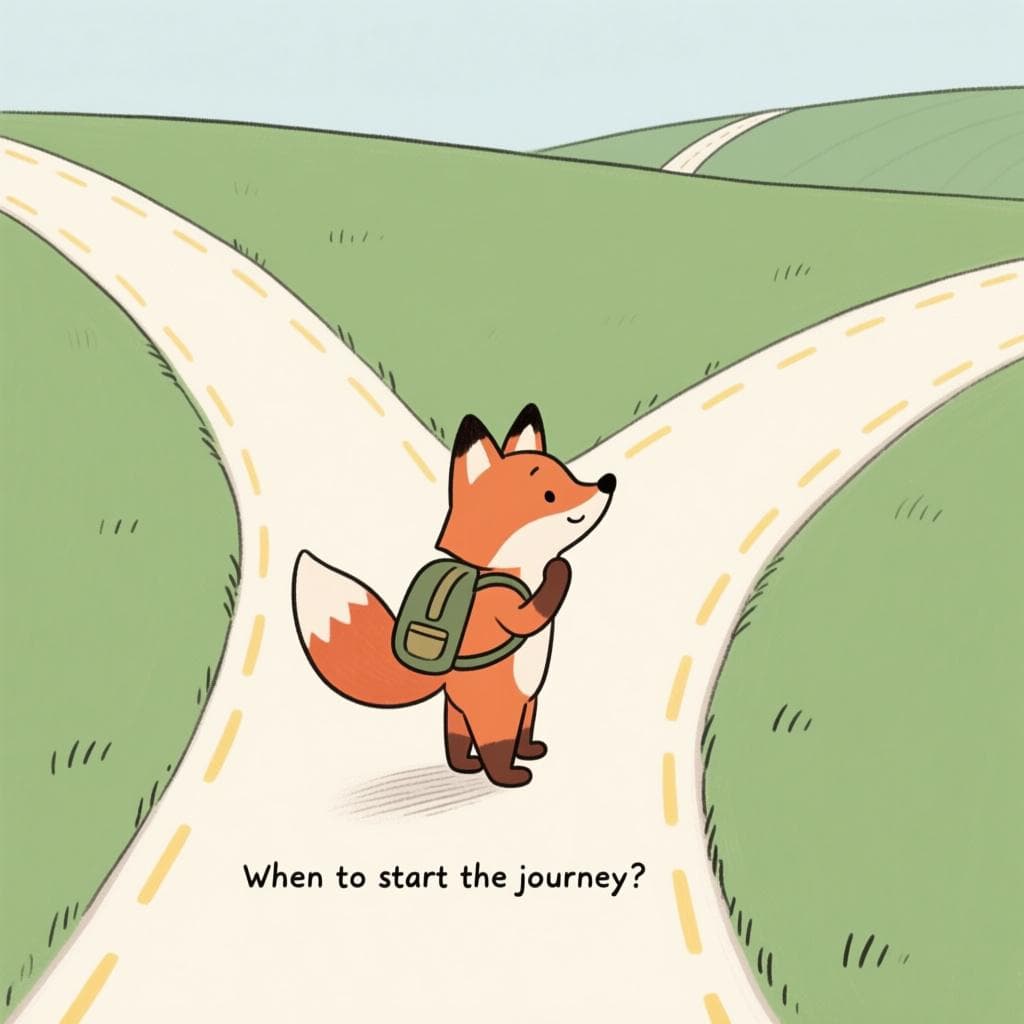
kiedy
“¿Cuándo es tu cumpleaños?”
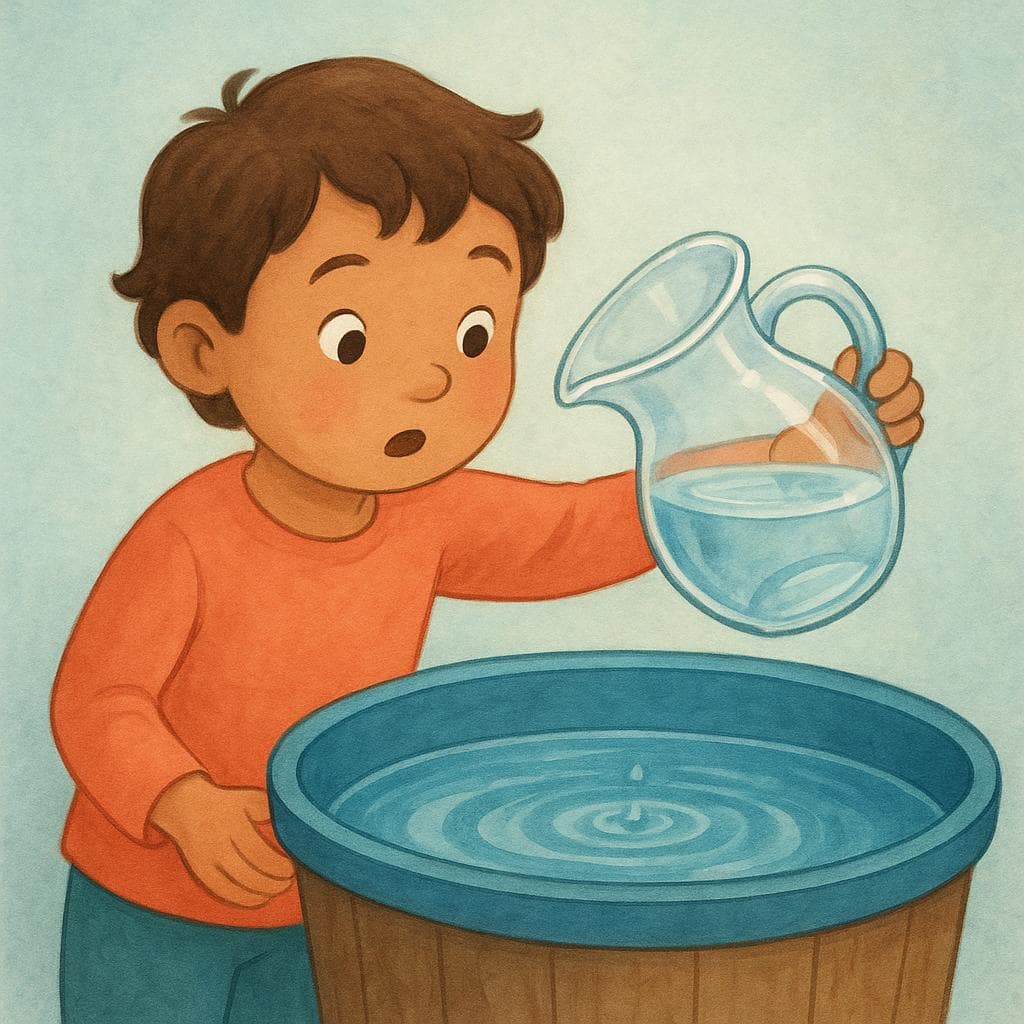
ile
“¿Cuánta leche necesitamos para el pastel?”
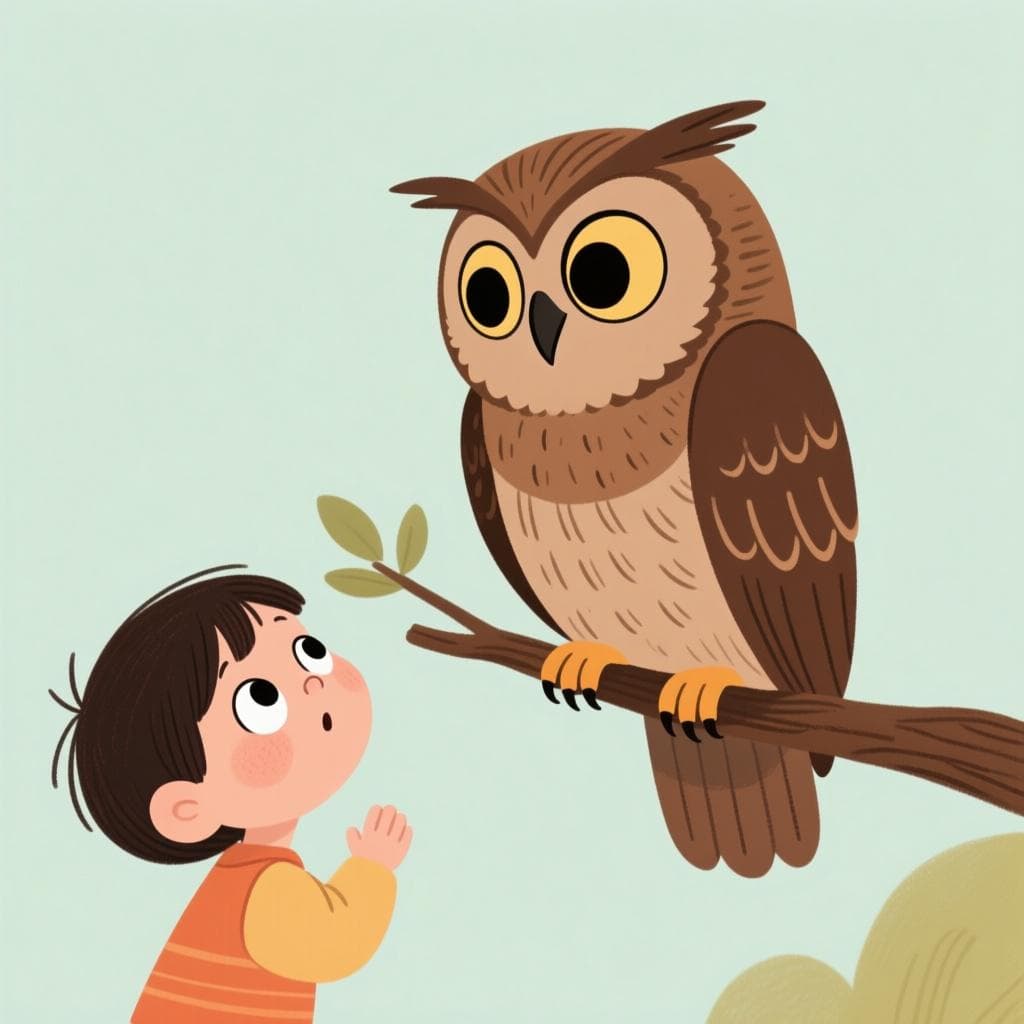
pytanie
“Tengo una pregunta para la profesora.”

pytać
“Necesito preguntar algo al profesor sobre la tarea.”

co
“¿Qué es eso?”
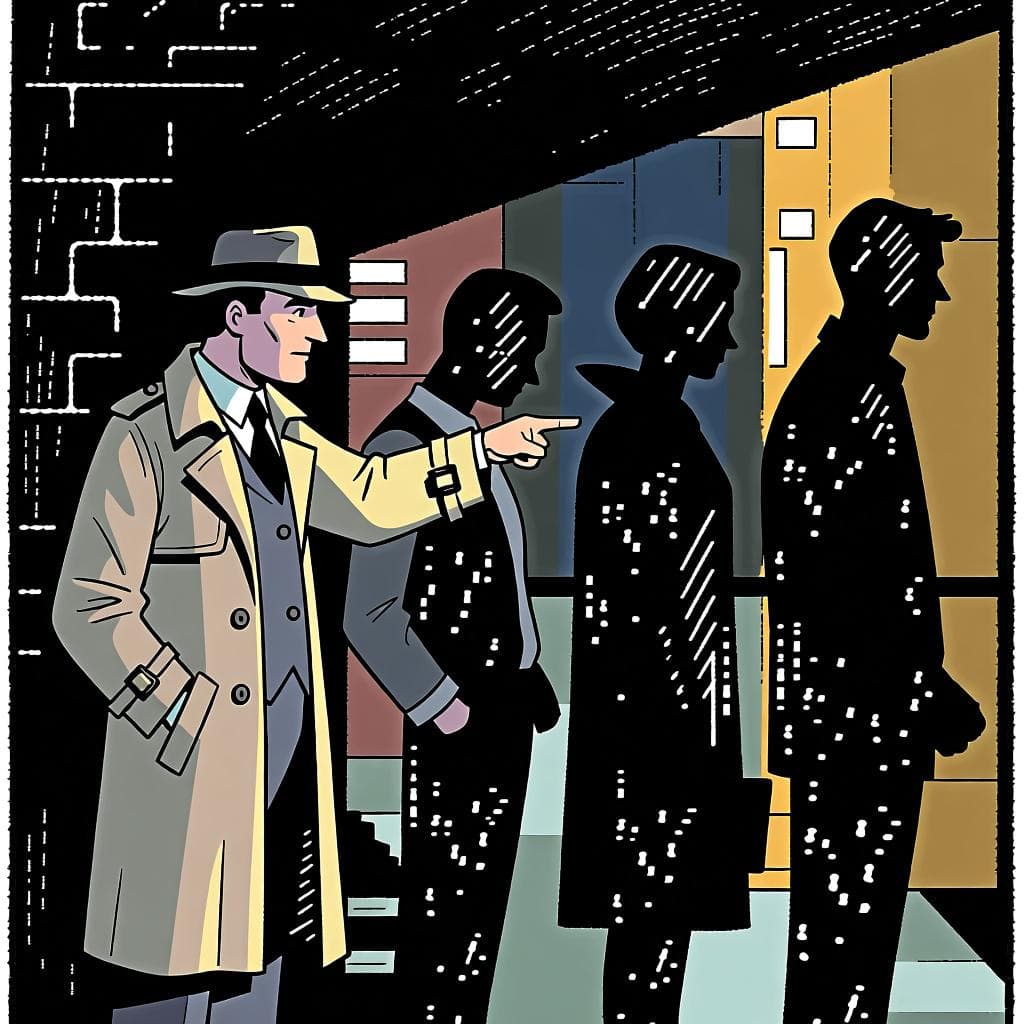
kto
“¿Quién es esa persona?”

dokąd
“¿Adónde vas?”
B1 — Średnio zaawansowany (2 słów)

pytanie
“El motivo del crimen sigue siendo un gran interrogante para la policía.”

przesłuchiwać
“La policía decidió interrogar al sospechoso durante tres horas.”
B2 — Wyższy średnio zaawansowany (1 słów)

przesłuchanie
“El detective inició el interrogatorio del único testigo.”
Wskazówki gramatyczne
Akcenty są kluczowe!
Większość hiszpańskich słów pytających (pytajników) używa znaku akcentu, aby odróżnić je od zwykłych spójników lub przysłówków. Na przykład 'cuando' (kiedy) staje się 'cuándo' podczas zadawania pytania. Zawsze sprawdzaj te kluczowe akcenty!
Zgodność rodzaju i liczby
Słowa takie jak 'cuánto' (ile/ilu) i 'cuál' (który) zmieniają formę, aby zgadzać się w rodzaju i liczbie z rzeczownikiem, do którego się odnoszą. Tak więc 'cuánto' (rodzaj męski, liczba pojedyncza), 'cuánta' (rodzaj żeński, liczba pojedyncza), 'cuántos' (rodzaj męski, liczba mnoga) i 'cuántas' (rodzaj żeński, liczba mnoga) to wszystkie odmiany tego samego pytania.
Kolejność słów pytających
W języku hiszpańskim słowa pytające zazwyczaj znajdują się na początku zdania, po nich następuje czasownik, a następnie podmiot. Na przykład: '¿Quién es tu amigo?' (Kto jest twoim przyjacielem?). Jest to podobne do angielskiego, ale akcent jest kluczowy.
Typowe błędy
Brakujący akcent
Błąd: “¿Cuando vienes a la fiesta?”
Poprawka: ¿Cuándo vienes a la fiesta? - Słowo 'kiedy' wymaga znaku akcentu, gdy jest używane w pytaniu, aby odróżnić je od spójnika 'cuando' (kiedy/gdy).
Nieprawidłowa zgodność
Błąd: “¿Cuántos dinero tienes?”
Poprawka: ¿Cuánto dinero tienes? - 'Dinero' (pieniądze) to rzeczownik w liczbie pojedynczej rodzaju męskiego, dlatego musisz użyć formy 'cuánto' (liczba pojedyncza, rodzaj męski), a nie 'cuántos' (liczba mnoga).
Brakujący otwierający znak zapytania
Błąd: “Donde esta el baño?”
Poprawka: ¿Dónde está el baño? - Język hiszpański wymaga odwróconego znaku zapytania (¿) na początku wszystkich pytań.
Notatki kulturowe
Bezpośredniość i uprzejmość
Chociaż Hiszpanie mogą być bezpośredni, uprzejmość jest nadal ważna. Używanie 'por favor' (proszę) i 'gracias' (dziękuję) jest zawsze dobrym pomysłem podczas proszenia o informacje, zwłaszcza od obcych. Ton głosu i kontekst również odgrywają dużą rolę w tym, jak postrzegane są pytania.
Mnóstwo znaków zapytania
Hiszpański używa zarówno otwierającego (¿), jak i zamykającego (?) znaku zapytania. Otwierający znak znajduje się na początku pytania, niezależnie od jego długości. Pomaga to czytelnikom natychmiast zidentyfikować pytanie, jeszcze zanim zaczną czytać słowa.