

exist · polite ending in a thank-you expression · a certain
163 stories
Learn useful Japanese words with pictures, clear meanings, and real story examples. Try a short exercise, then meet those words as you read.
Five ways to turn a word you recognize into a word you remember. No account needed.
Small, useful collections for the situations you want to talk about.
Search in Japanese or your translation language. Open a word for its meanings and story examples.
exist · polite ending in a thank-you expression · a certain

do · feel / seem · part of として meaning “as”
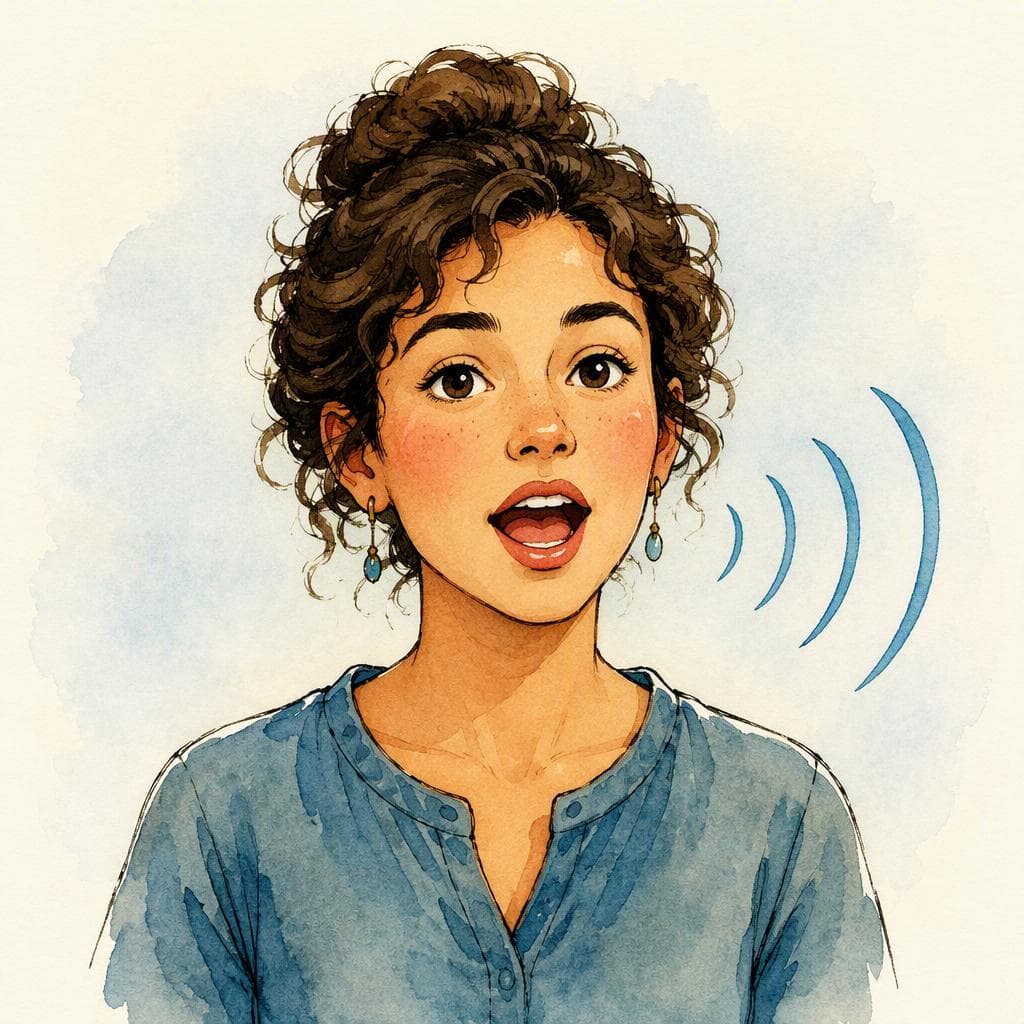
say · not have said · such

look at · look/see · watch

something · anything · why
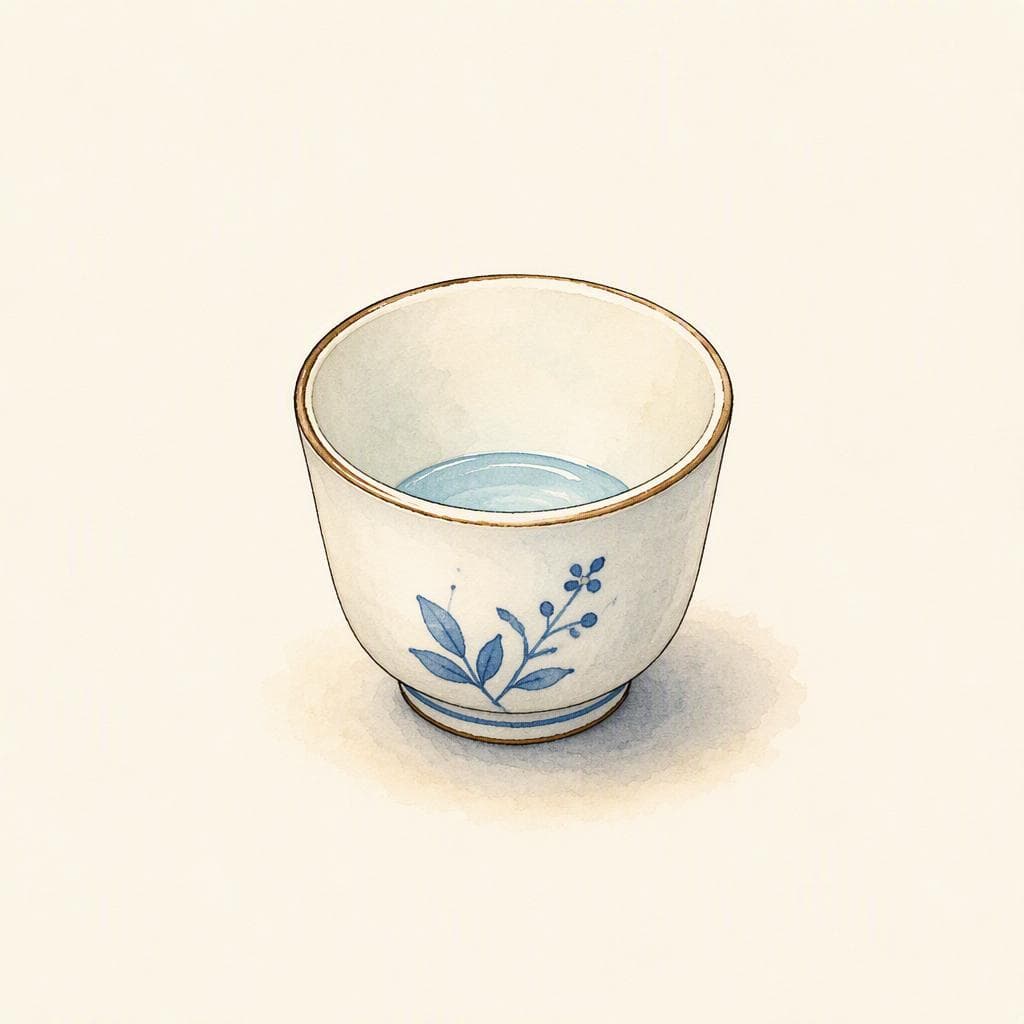
a little · slightly · little by little
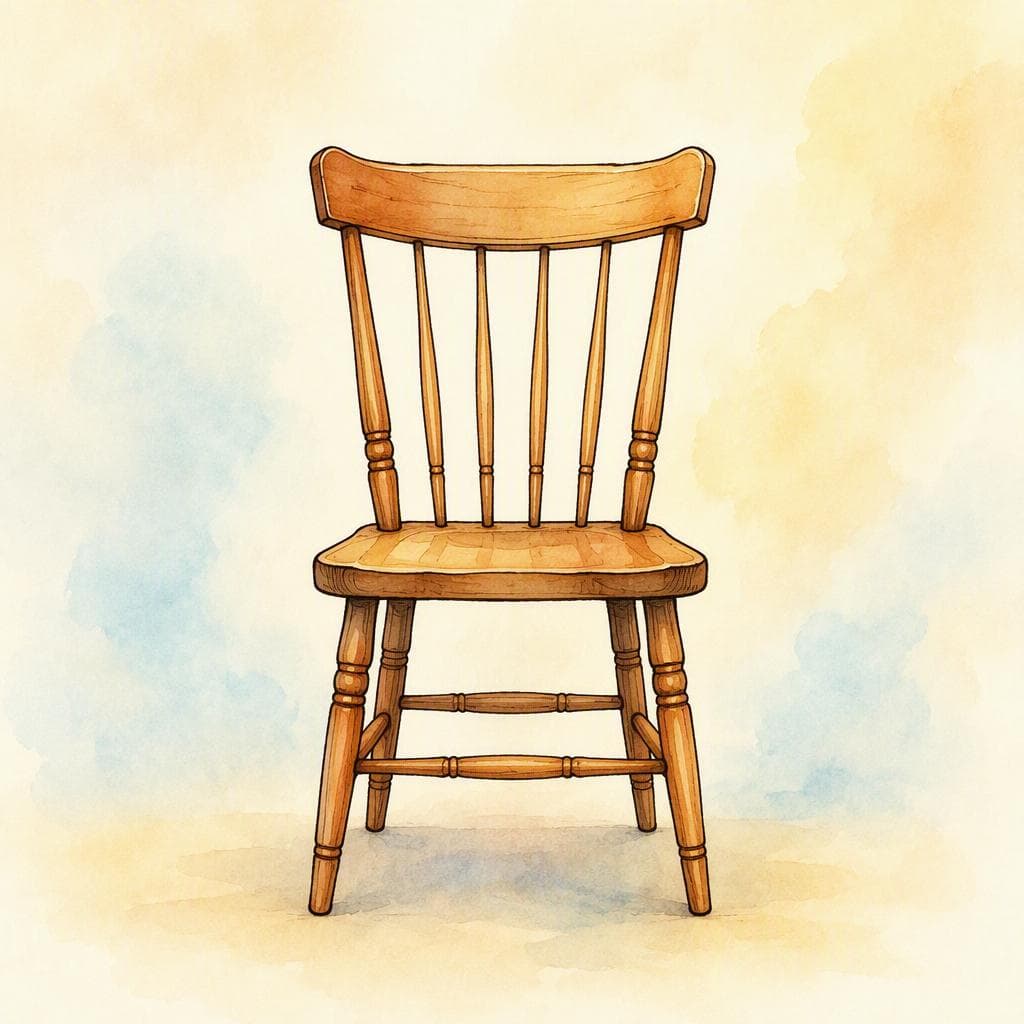
not be · not exist; be absent · not

the act of doing something · thing · matters concerning someone

become · come to; start to · be a concern
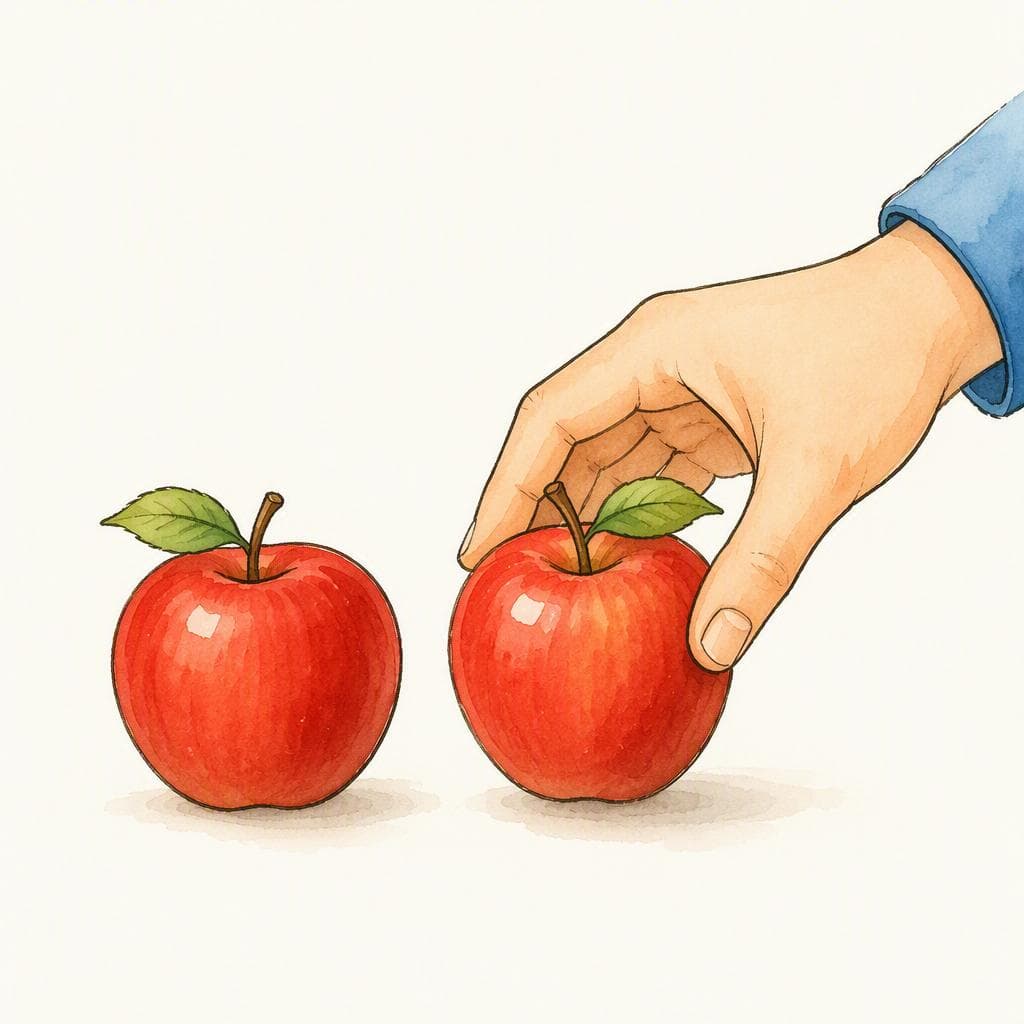
already · more · anymore

Mr./Ms. · -san (polite honorific suffix) · three
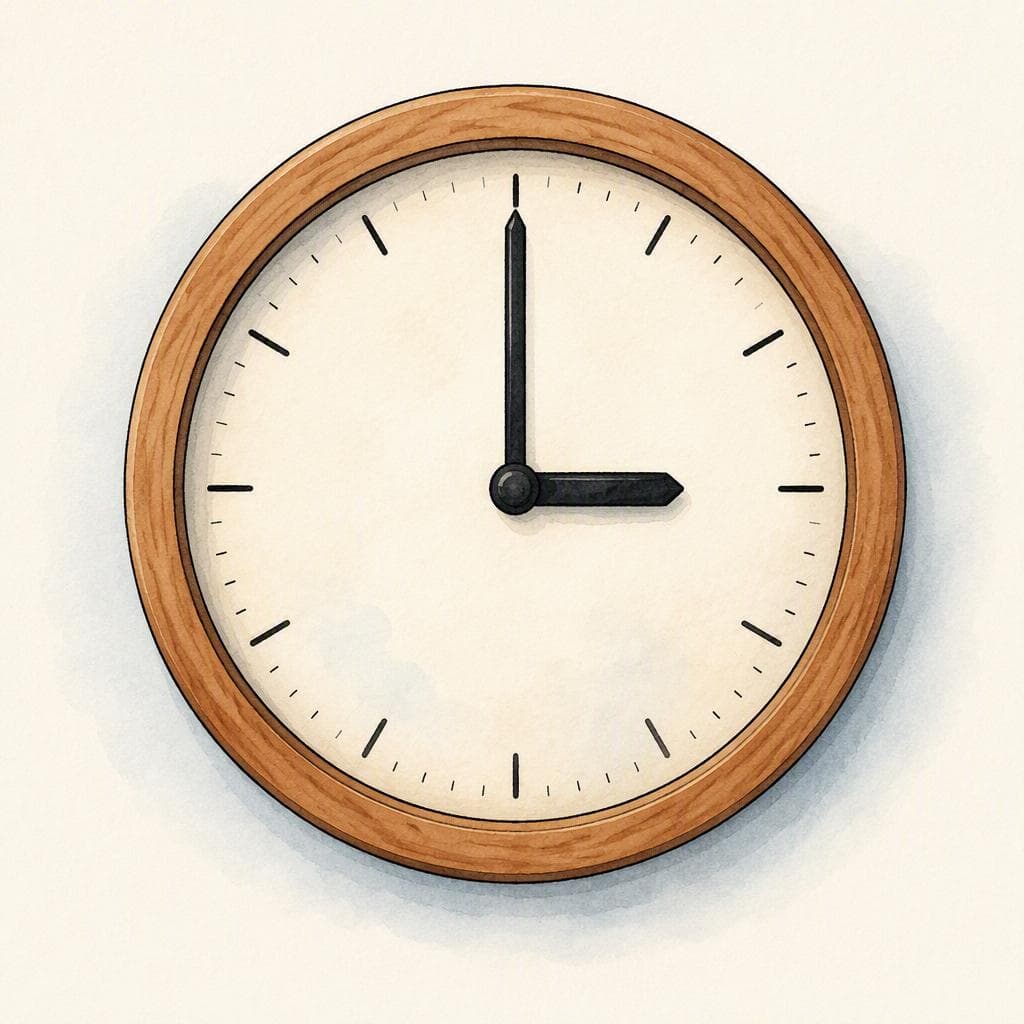
when · o’clock · then
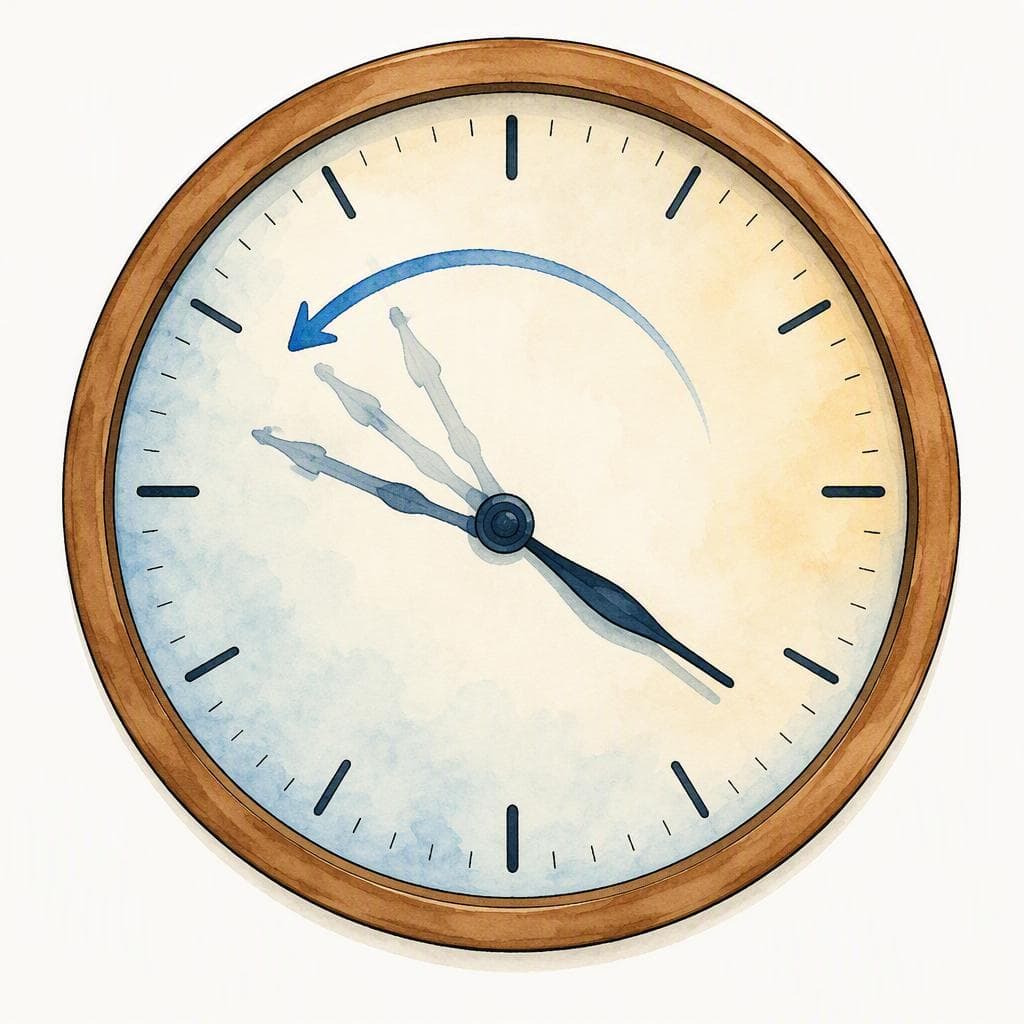
ago · in front of · before doing ...

come · came · come (polite)

may · good · No, thank you

one · number one · person

understand · know / be sure · be discernible

person · counter for people · declarant

think · think that · intend to
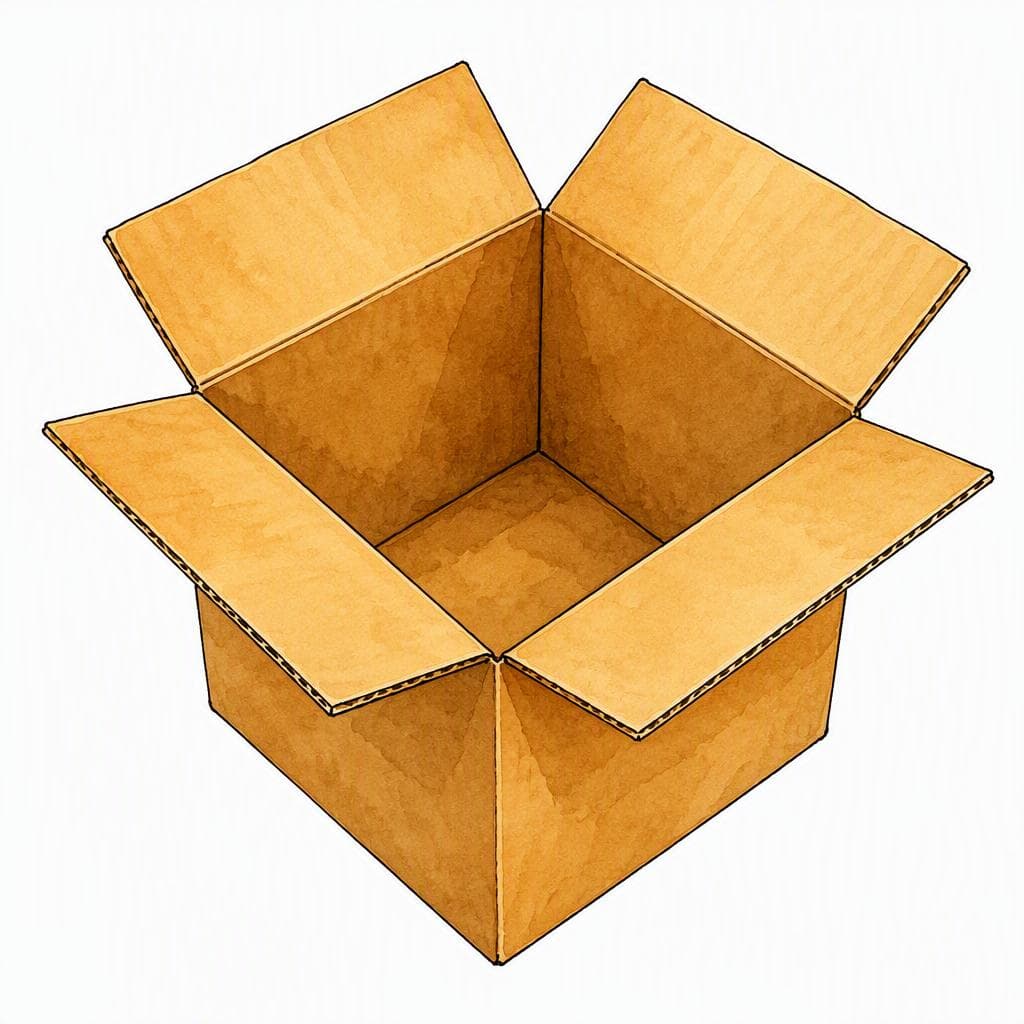
inside · in progress; during · in someone’s hands

so · yes · that way
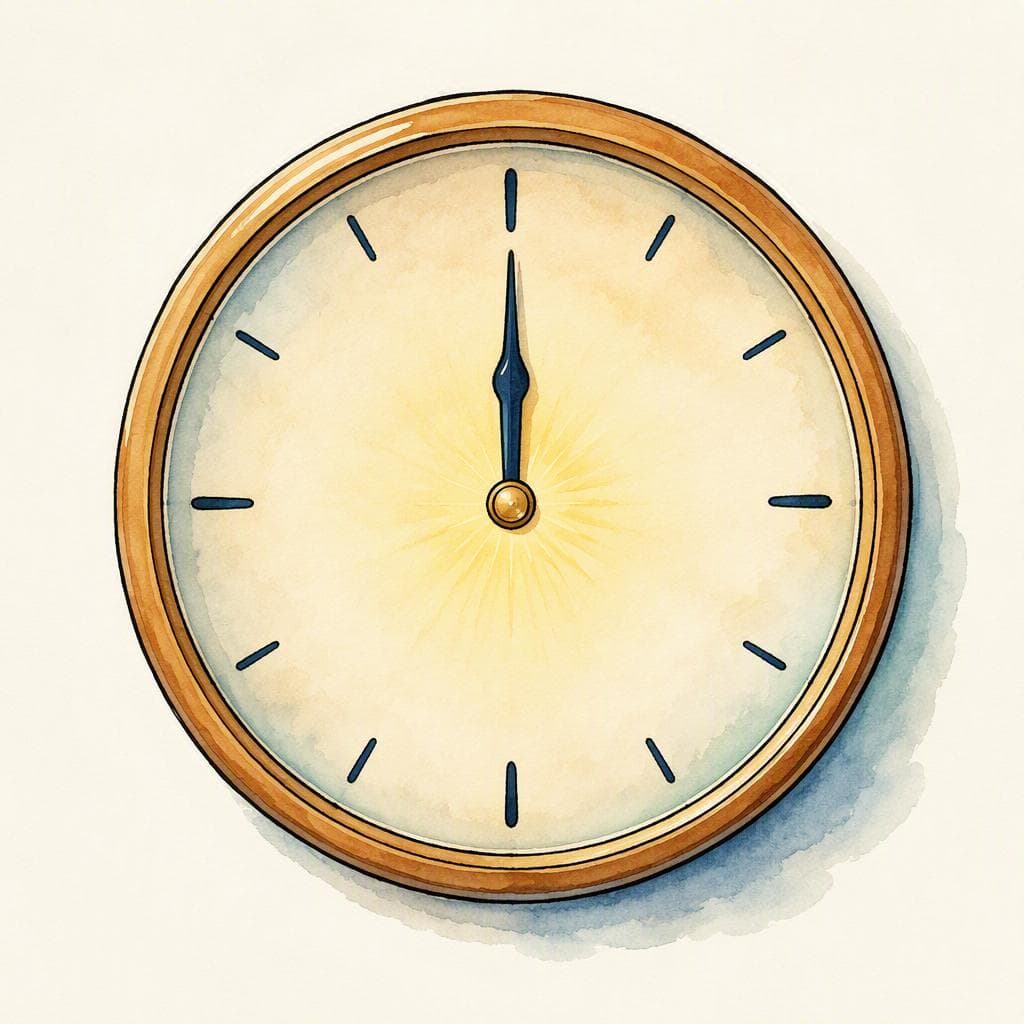
now · just now

really · true; real · actually
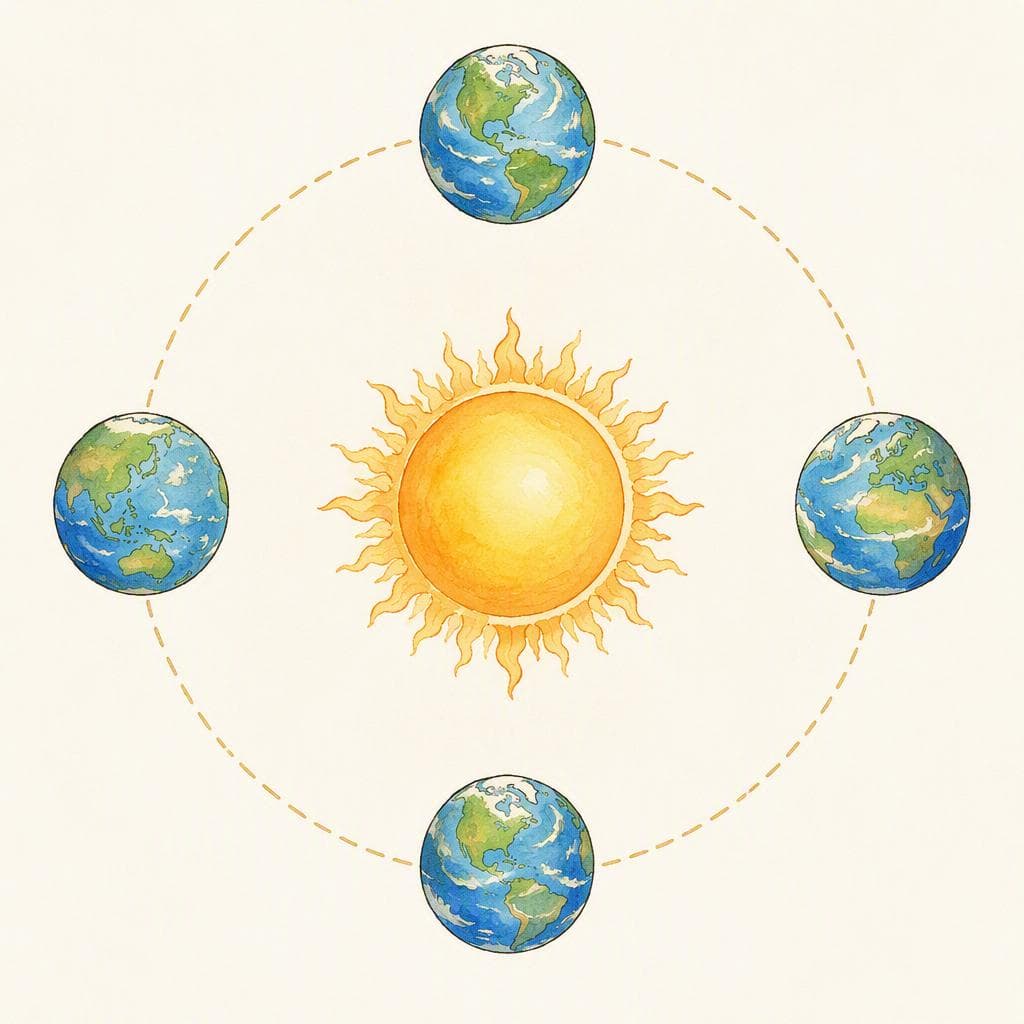
year · grade · marker for a decade or era
Every example in this library comes from an Inklingo story. Read at your level, listen to the narration, and tap a word whenever you need its meaning.
Start with a small set of useful words. Recall their meanings in an exercise, then read their story examples. Save words you want to revisit and return to them over several short sessions.
Yes. Browse the library and use all five exercises freely. Create a free account when you want to keep a word in your Word Bank and review it later on the web or in the app.
The right translation depends on the sentence. Open any word to compare its meanings, pictures, and original examples instead of memorizing a single translation.
You can filter by the reading level of the stories where each word appears, starting at A0 or A1. That tells you about the story’s difficulty; it is not a certified level for the word itself.
These are the same word senses used by Japanese story tap-to-translate. Search kanji, observed kana forms, or translations. Story levels describe the source text; they are not JLPT word classifications.