

ある/いる · いる/ある · できる
146 stories
Learn useful Korean words with pictures, clear meanings, and real story examples. Try a short exercise, then meet those words as you read.
Five ways to turn a word you recognize into a word you remember. No account needed.
Small, useful collections for the situations you want to talk about.
Search in Korean or your translation language. Open a word for its meanings and story examples.
ある/いる · いる/ある · できる

見た(過去の断定形) · 見る · 見ながら

ない(存在しない) · ない(〜がない) · できない

言った · 言う(丁寧な形) · 言いました(丁寧な過去形)

なければならない · しない · した

来た · 来る · 来ました
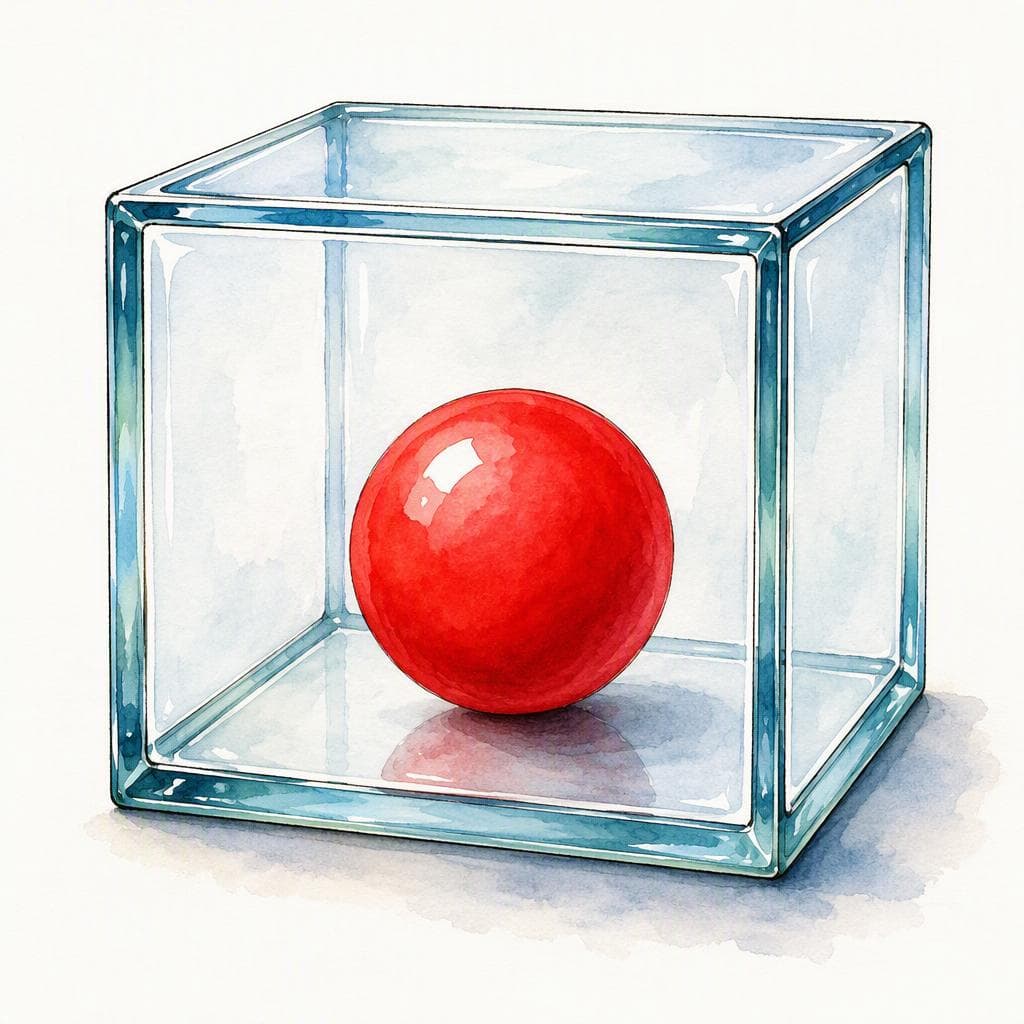
ない(否定) · 中(なか) · 以内に

一(いち) · 〜しようとした · 約

「〜ようだ・〜みたいだ」構文で節を名詞化する語 · もの · 〜こと

行きます · 行こう · 行った

許される · 古い · もう十分です

人 · 会社の社員

知る · わかりました · 知るように(副詞形)
今日
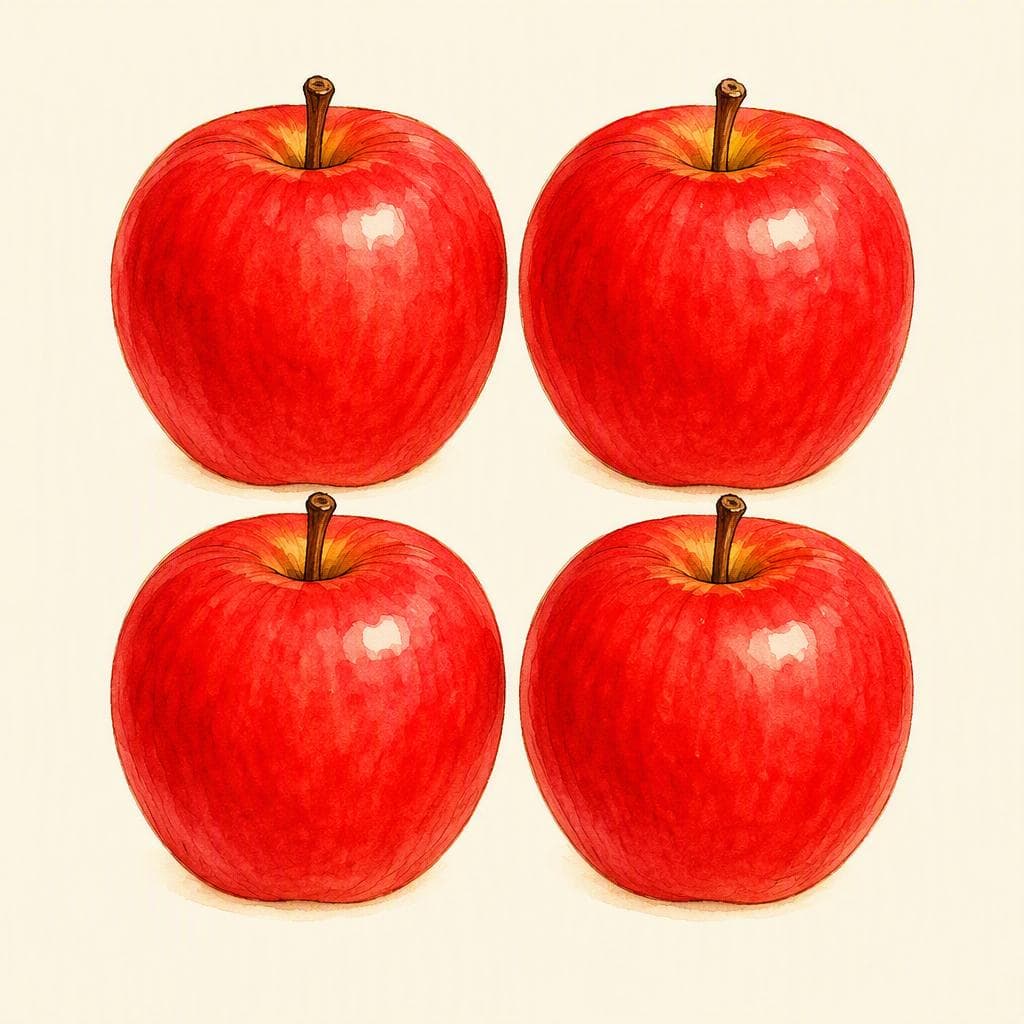
はい · あなた · あなたの

言葉 · 発言 · 話す
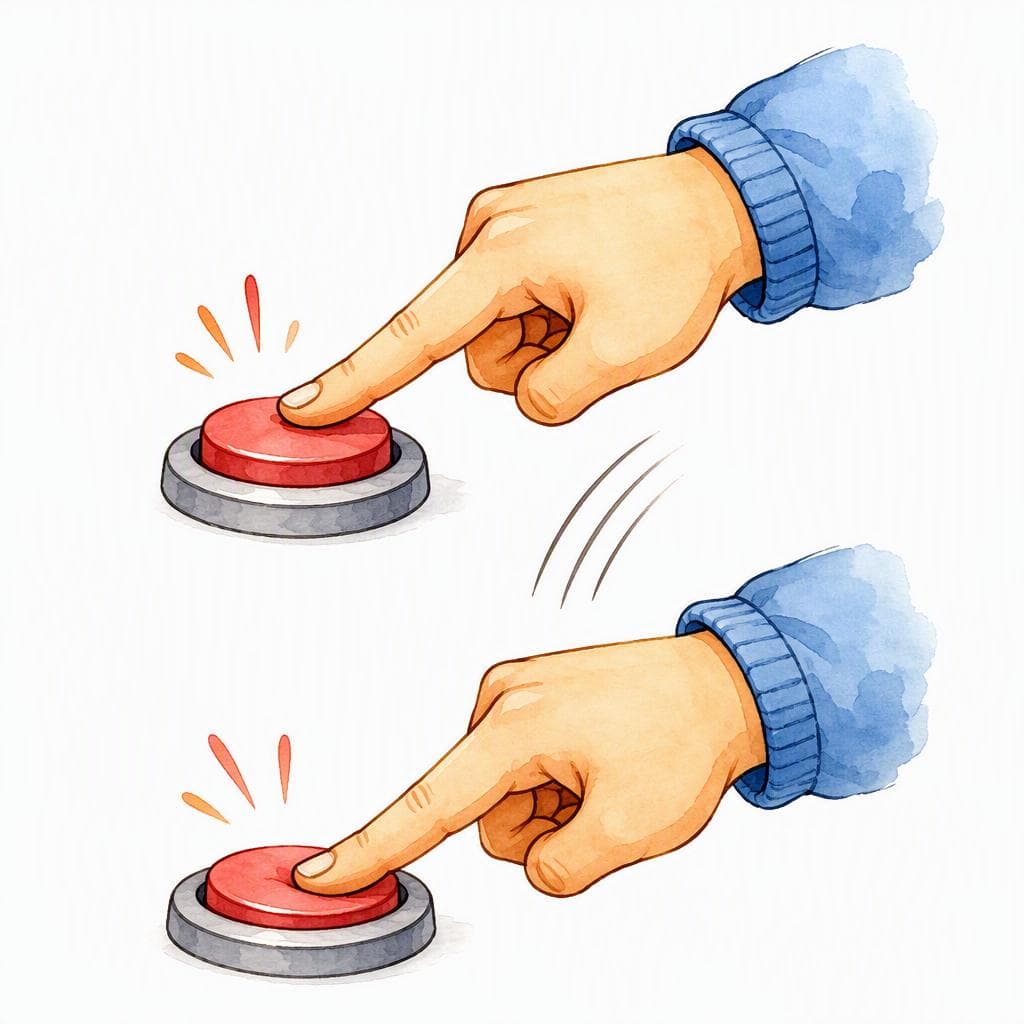
また · 「Dasi」 · 「Dasi」という言葉

小さい · 小さくて · 小さかった

ようだ · ようだ(〜のように見える) · 同じ
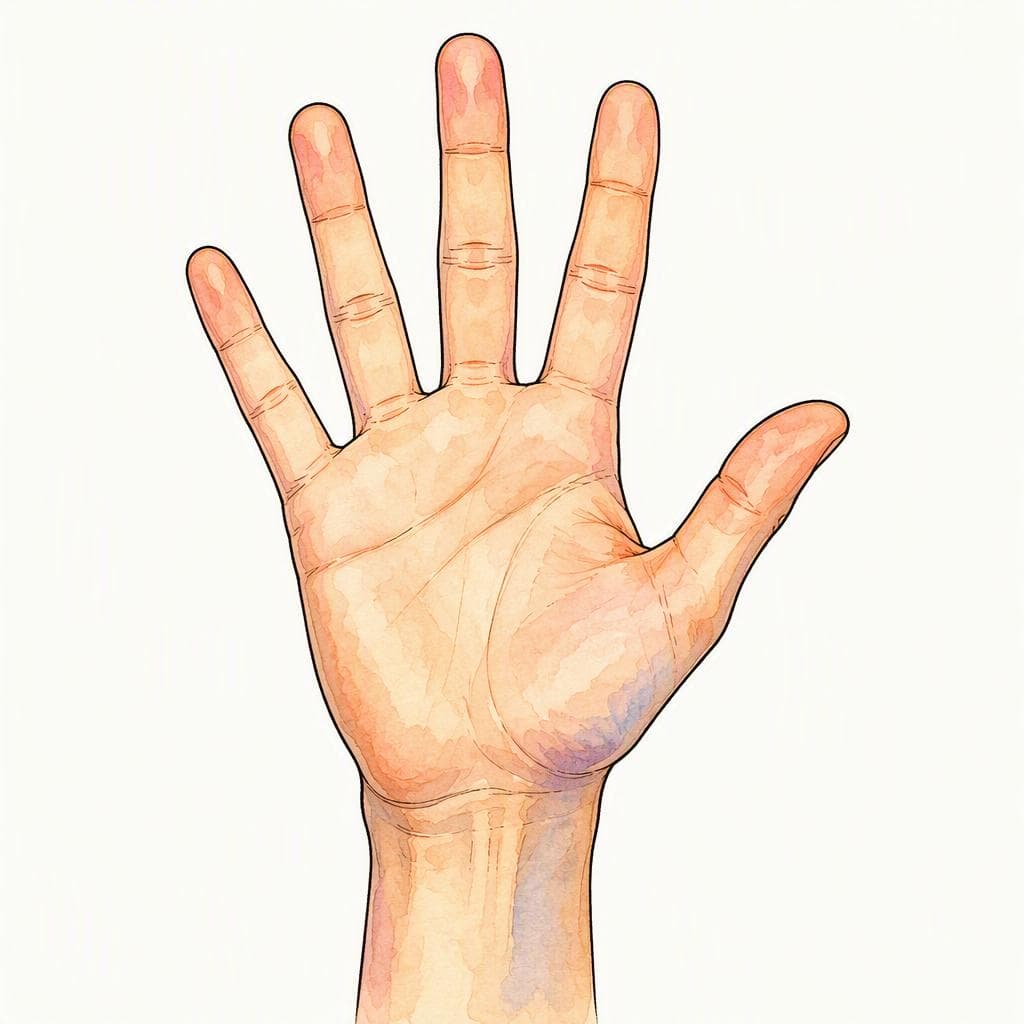
手 · 手元に · 手(害を加える者の手)

笑いながら · 笑う · 笑った

わからない · 知らない · 知らなかったよ
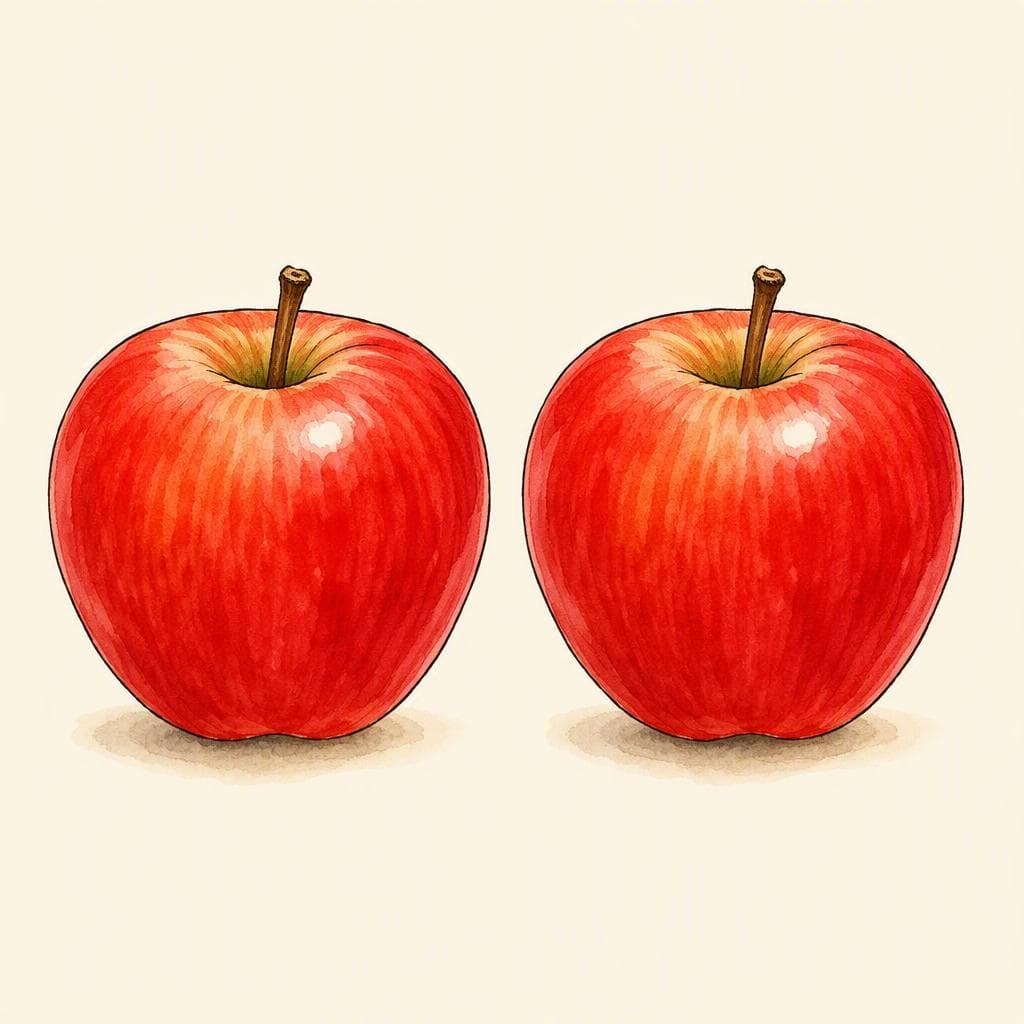
二 · 二番目 · ドゥ(名前の音節)

前(まえ) · 前に · 以前
Every example in this library comes from an Inklingo story. Read at your level, listen to the narration, and tap a word whenever you need its meaning.
Start with a small set of useful words. Recall their meanings in an exercise, then read their story examples. Save words you want to revisit and return to them over several short sessions.
Yes. Browse the library and use all five exercises freely. Create a free account when you want to keep a word in your Word Bank and review it later on the web or in the app.
The right translation depends on the sentence. Open any word to compare its meanings, pictures, and original examples instead of memorizing a single translation.
You can filter by the reading level of the stories where each word appears, starting at A0 or A1. That tells you about the story’s difficulty; it is not a certified level for the word itself.
Korean particles and endings attach to words, so the form you read can differ from the dictionary form. Compare the cached senses and their examples before choosing a meaning. Source-story levels describe the story, not a certified level for the word.