

zài
at/in · be present · marks an ongoing action
166 stories
Learn useful Chinese words with pictures, clear meanings, and real story examples. Try a short exercise, then meet those words as you read.
Five ways to turn a word you recognize into a word you remember. No account needed.
Guarda, ricorda, scopri. Impara le parole con immagini ed esempi reali.
Try Chinese flashcard02Scegli il significato adatto alla parola nella sua storia.
Try Chinese esercizio di vocabolario03Passa dal significato alla parola. Sviluppa il richiamo attivo.
Try Chinese esercizio di ortografia04Inserisci una parola mancante in una frase originale della storia.
Try Chinese esercizi di completamento05Collega parole e significati in una rapida sfida con sei coppie.
Try Chinese gioco di abbinamento del vocabolarioSmall, useful collections for the situations you want to talk about.
Search in Chinese or your translation language. Open a word for its meanings and story examples.
zài
at/in · be present · marks an ongoing action

shì
be · indeed · first part of an A-not-A question

hěn
very
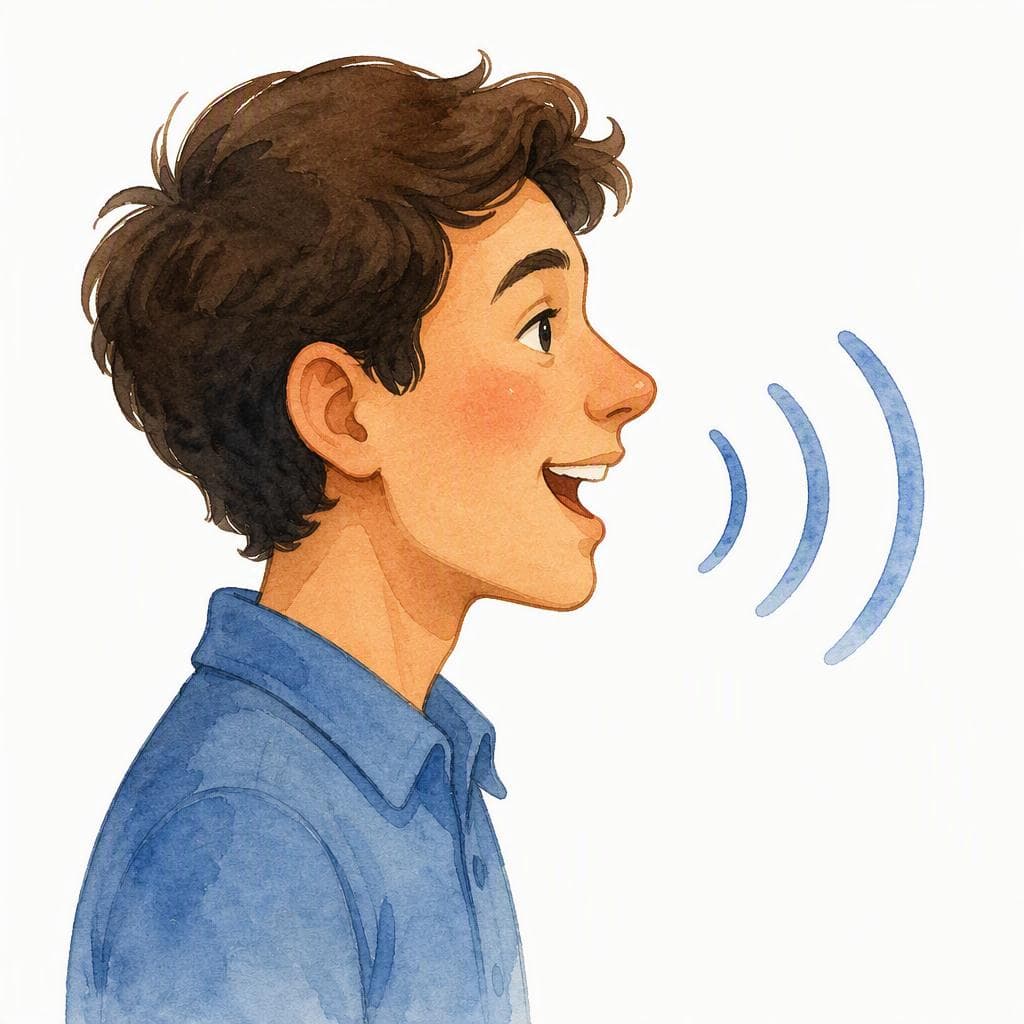
shuō · 说
say · speak · explain

wǒ
I · my · me

yī
one · one at a time · as soon as

yǒu
there is/are · have · once
yī gè · 一個
a/an · one · alone

kàn
look at · see · seem

méi yǒu · 没有
did not / have not · there is no / there are no · not have

lǐ · 裏
in · inside · from inside

shàng
on · at · put on
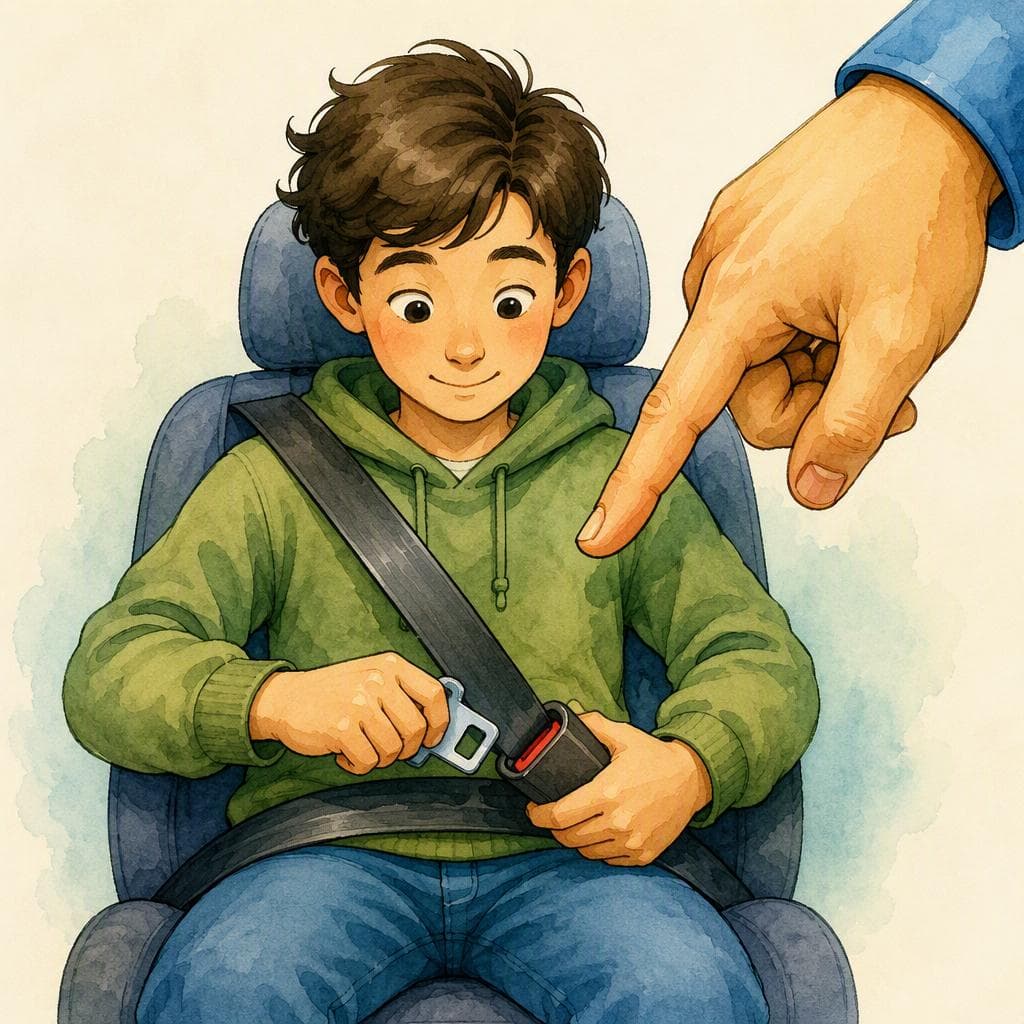
yào
must · want to · be about to

dōu
all · even · always

rén
person · alone · the Chinese character 人

xiǎng
want to · think · miss

hǎo
okay · good · fine

xiào
smile · laugh

wǒ mén · 我们
we · our · us

huì · 会
will · might · be able to

zhī dào
know · understand · know how to

zǒu
go · leave · pass away

xiè xiè · 谢谢
thank you · thank

qù
go · to
Every example in this library comes from an Inklingo story. Read at your level, listen to the narration, and tap a word whenever you need its meaning.
Start with a small set of useful words. Recall their meanings in an exercise, then read their story examples. Save words you want to revisit and return to them over several short sessions.
Yes. Browse the library and use all five exercises freely. Create a free account when you want to keep a word in your Word Bank and review it later on the web or in the app.
The right translation depends on the sentence. Open any word to compare its meanings, pictures, and original examples instead of memorizing a single translation.
You can filter by the reading level of the stories where each word appears, starting at A0 or A1. That tells you about the story’s difficulty; it is not a certified level for the word itself.
Chinese words can carry different meanings and readings in context. Open a word to explore its cached senses, Pinyin and original examples. Story levels describe the source story, not an official HSK label for the word.