

يوجد · يمكن · يوجد... و/لكن
146 stories
Learn useful Korean words with pictures, clear meanings, and real story examples. Try a short exercise, then meet those words as you read.
Five ways to turn a word you recognize into a word you remember. No account needed.
انظر، وتذكّر، واكشف. تعلّم الكلمات باستخدام الصور والأمثلة الحقيقية.
Try Korean البطاقات التعليمية02اختر المعنى الذي يناسب الكلمة في قصتها.
Try Korean التدرّب على المفردات03انتقل من المعنى إلى الكلمة. ابنِ قدرتك على الاسترجاع النشط.
Try Korean التدرّب على التهجئة04أعد الكلمة الناقصة إلى جملة أصلية من القصة.
Try Korean تمارين ملء الفراغات05اربط بين الكلمات ومعانيها في تحدٍّ سريع يضم ستة أزواج.
Try Korean لعبة مطابقة المفرداتSmall, useful collections for the situations you want to talk about.
Search in Korean or your translation language. Open a word for its meanings and story examples.
يوجد · يمكن · يوجد... و/لكن

نظرَ إلى (صيغة الماضي الخبرية) · ينظر إلى؛ يرى · أثناء النظر إلى

يكون غير موجود · غير موجود · لا يستطيع

قالَ · يقول (بصيغة مهذبة) · قال (بصيغة رسمية مهذبة)

يجب أن · لا يفعل · الذي فَعَلَ

جاءَ · القادم · يأتي
لا · داخل · خلال

واحد · الذي حاول أن · حوالي

أداة تحوّل العبارة إلى اسم في تركيب «يبدو أن…» · شيء · أنْ / ما

سأذهب · هيا بنا · ذهب

يُسمَح به · قديم · يكفي
شخص · موظف في الشركة

يعرف · فهمتُ · أن يعرف (صيغة ظرفية)
اليوم
نعم · أنتَ/أنتِ · ـكَ/ـكِ
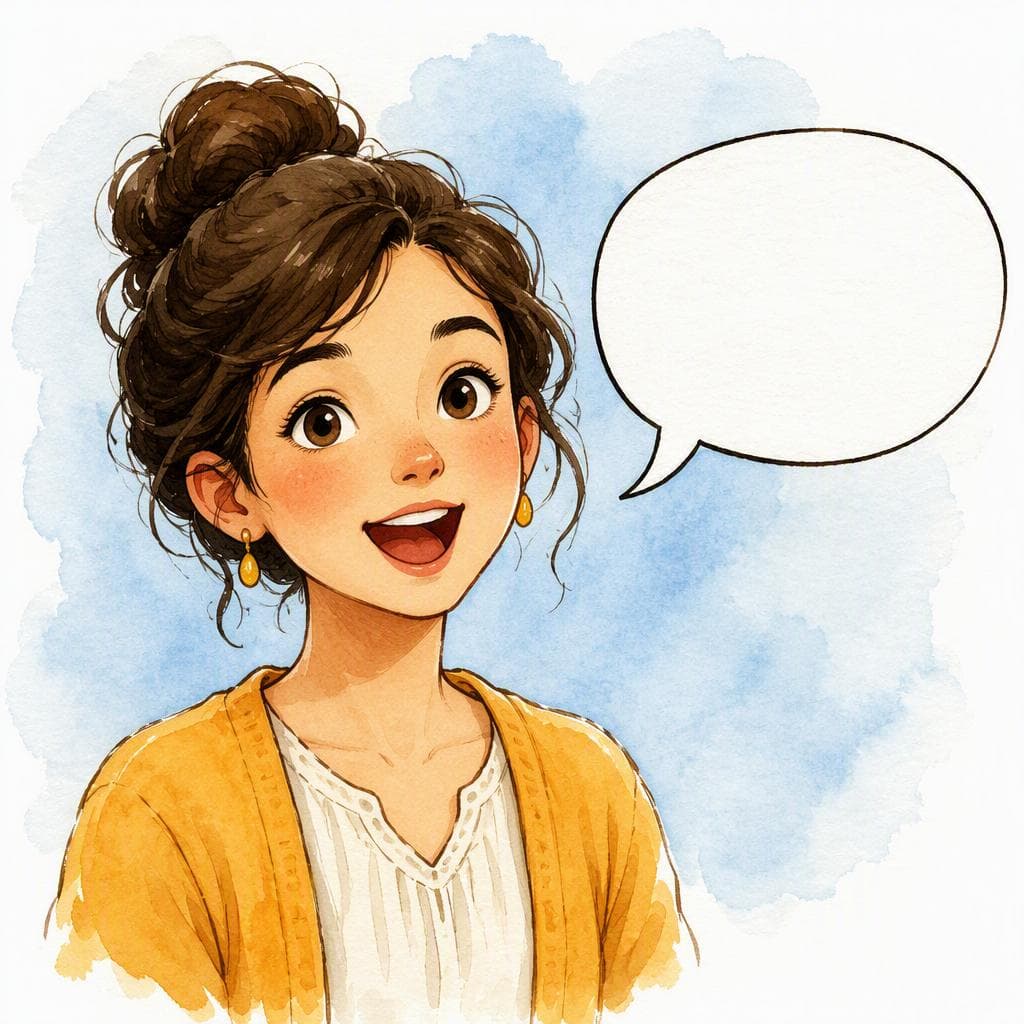
كلام · التحدّث · منطقي
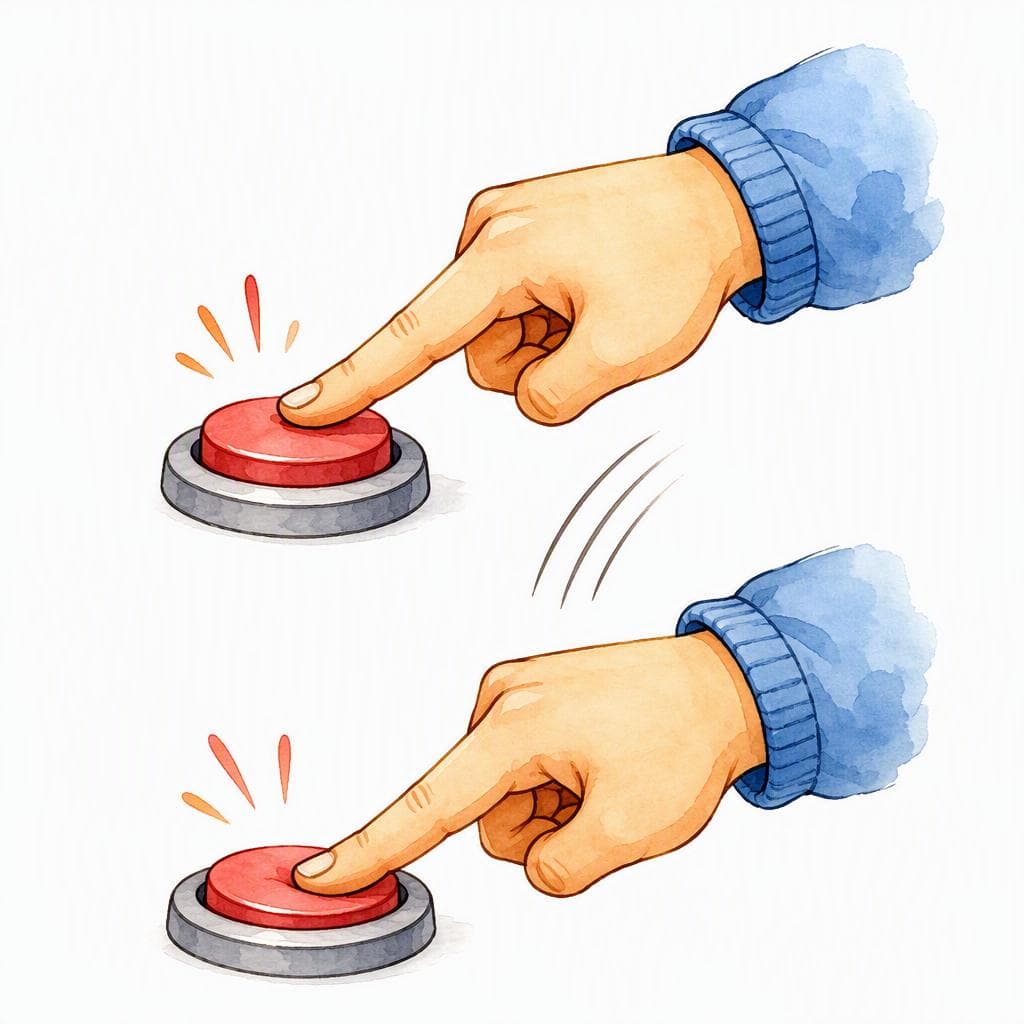
مرة أخرى · «داسي» · الكلمة «داسي»

صغير · صغير و · كان صغيرًا
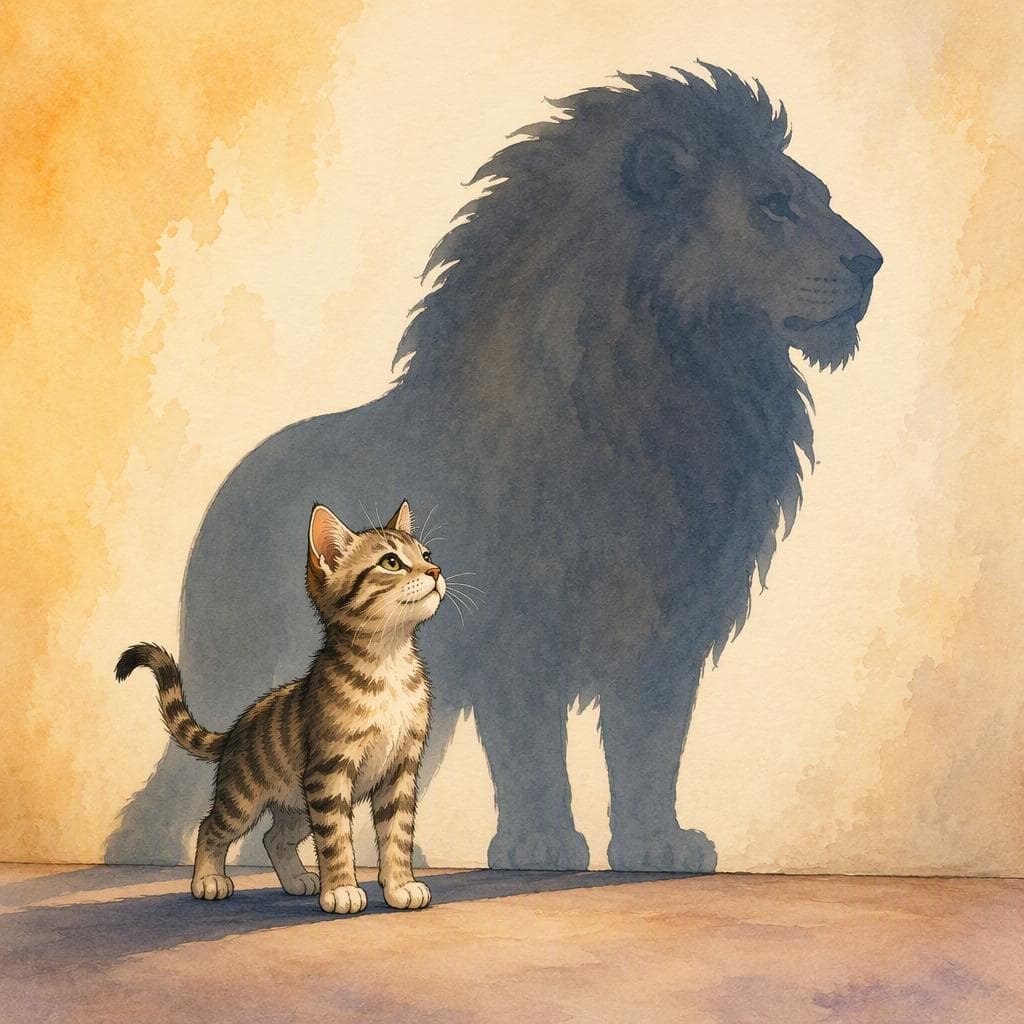
يبدو · نفس
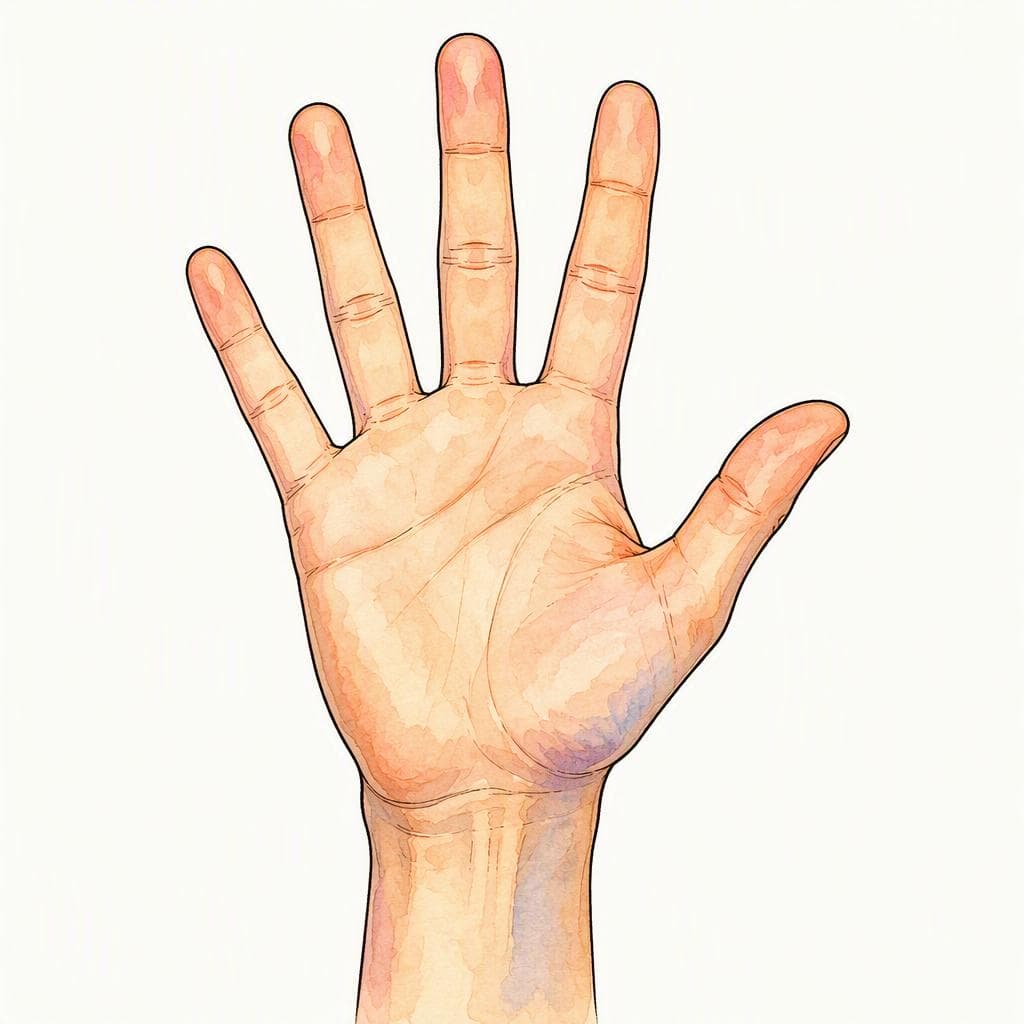
يد · بحوزة شخص ما · يد (مصدر للأذى)

أثناء الضحك · يضحك · ضحك
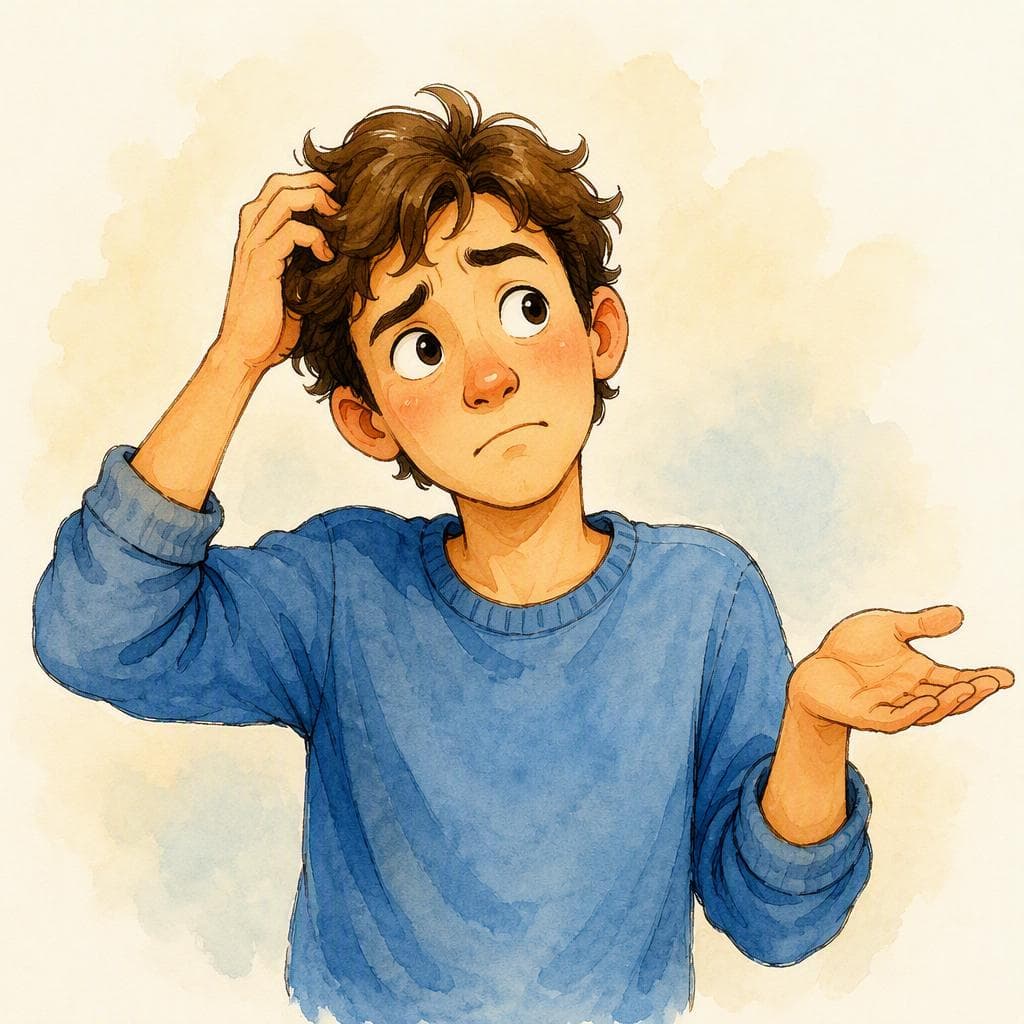
لا أعرف · الذي لا أعرفه · لم أكن أعرف
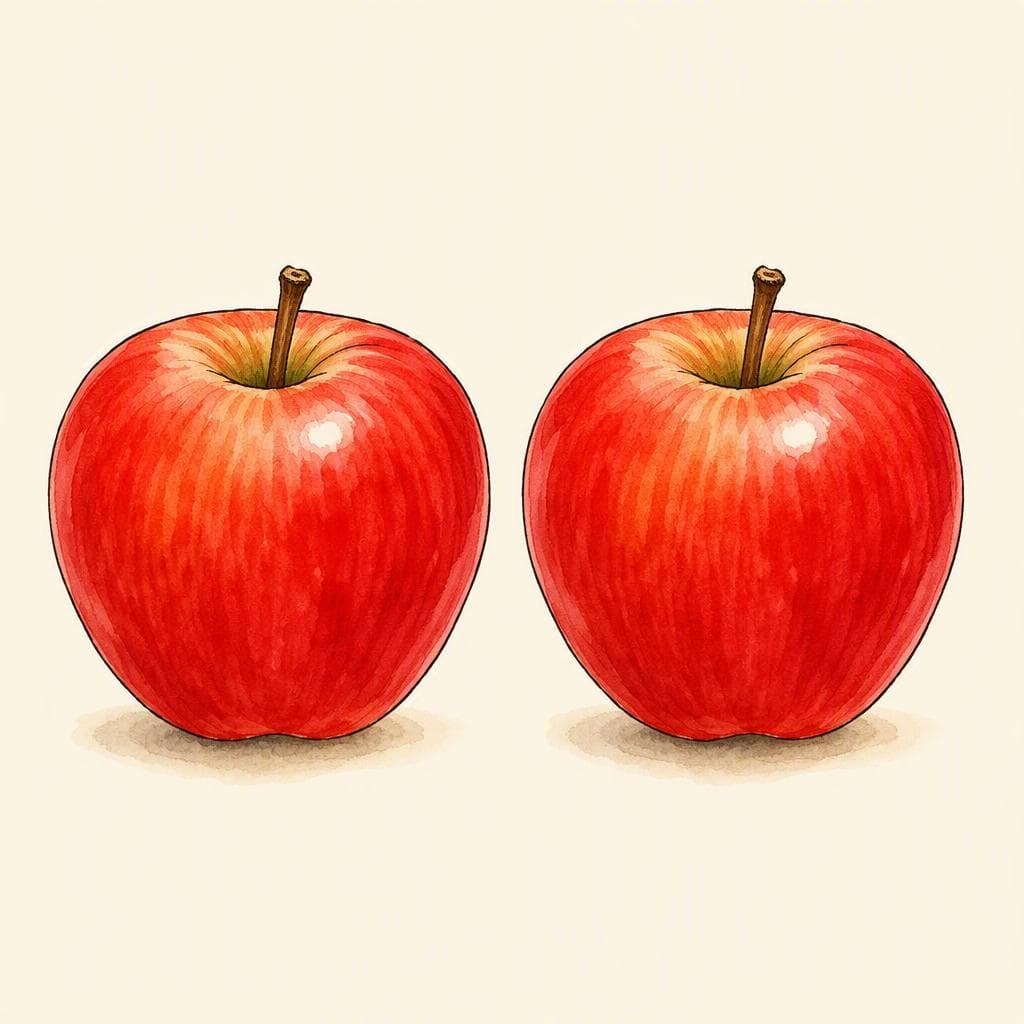
اثنان · الثاني · دو (مقطع من اسم)
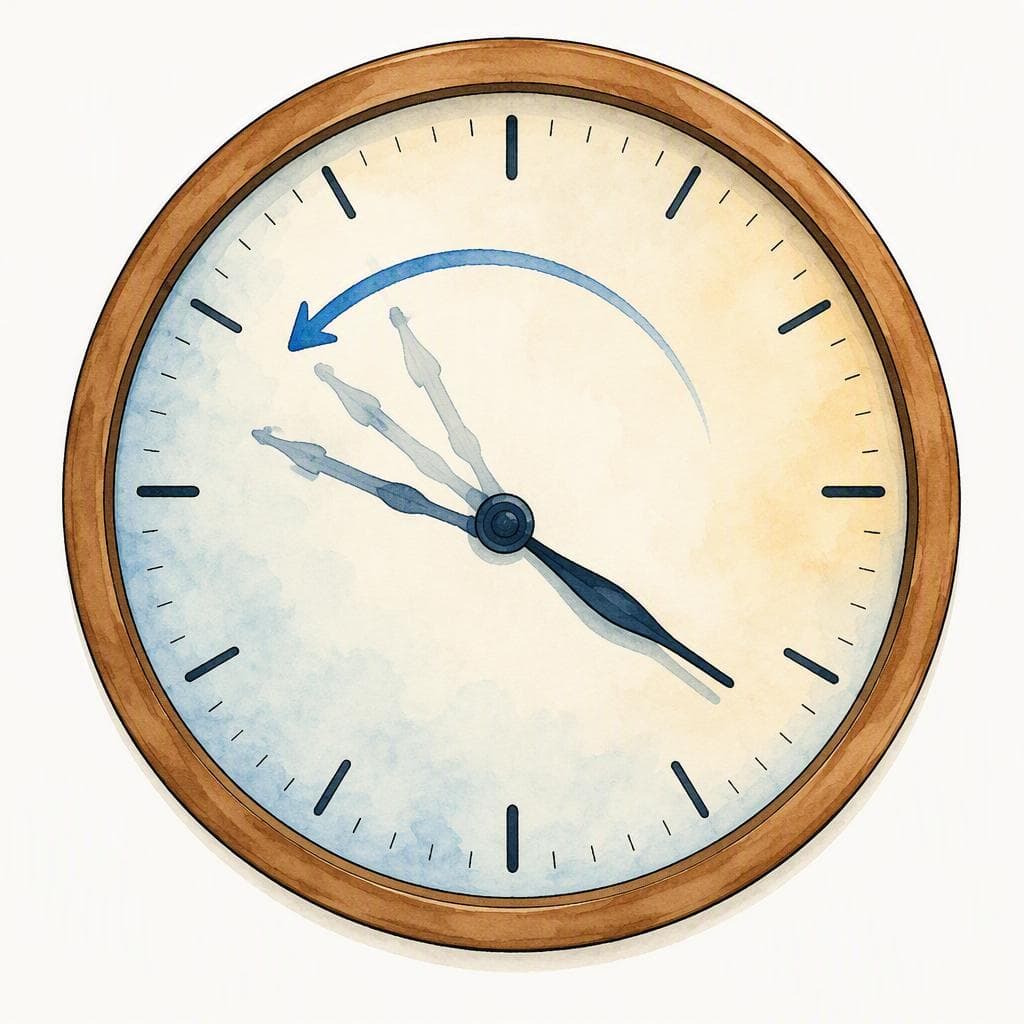
منذ · قبل · فطيرة مالحة كورية
Every example in this library comes from an Inklingo story. Read at your level, listen to the narration, and tap a word whenever you need its meaning.
Start with a small set of useful words. Recall their meanings in an exercise, then read their story examples. Save words you want to revisit and return to them over several short sessions.
Yes. Browse the library and use all five exercises freely. Create a free account when you want to keep a word in your Word Bank and review it later on the web or in the app.
The right translation depends on the sentence. Open any word to compare its meanings, pictures, and original examples instead of memorizing a single translation.
You can filter by the reading level of the stories where each word appears, starting at A0 or A1. That tells you about the story’s difficulty; it is not a certified level for the word itself.
Korean particles and endings attach to words, so the form you read can differ from the dictionary form. Compare the cached senses and their examples before choosing a meaning. Source-story levels describe the story, not a certified level for the word.