

befinna sig · finnas · kunna
146 stories
Learn useful Korean words with pictures, clear meanings, and real story examples. Try a short exercise, then meet those words as you read.
Five ways to turn a word you recognize into a word you remember. No account needed.
Titta, återkalla, avslöja. Lär dig ord med bilder och riktiga exempel.
Try Korean flashcards02Välj den betydelse som passar ordet i dess berättelse.
Try Korean ordförrådsövning03Gå från en betydelse till ordet. Bygg upp aktiv återkallning.
Try Korean stavningsövning04Sätt tillbaka ett saknat ord i en originalmening från berättelsen.
Try Korean övningar med luckor05Koppla ihop ord och betydelser i en snabb utmaning med sex par.
Try Korean matchningsspel för ordförrådSmall, useful collections for the situations you want to talk about.
Search in Korean or your translation language. Open a word for its meanings and story examples.
befinna sig · finnas · kunna

tittade på (förfluten tid i påståendeform) · titta på; se · medan man tittar på

inte finnas; vara frånvarande · som inte finns · inte kunna

sa · säga (artigt) · sa (formellt och artigt)

måste · inte göra · gjort

kom · kommande · komma
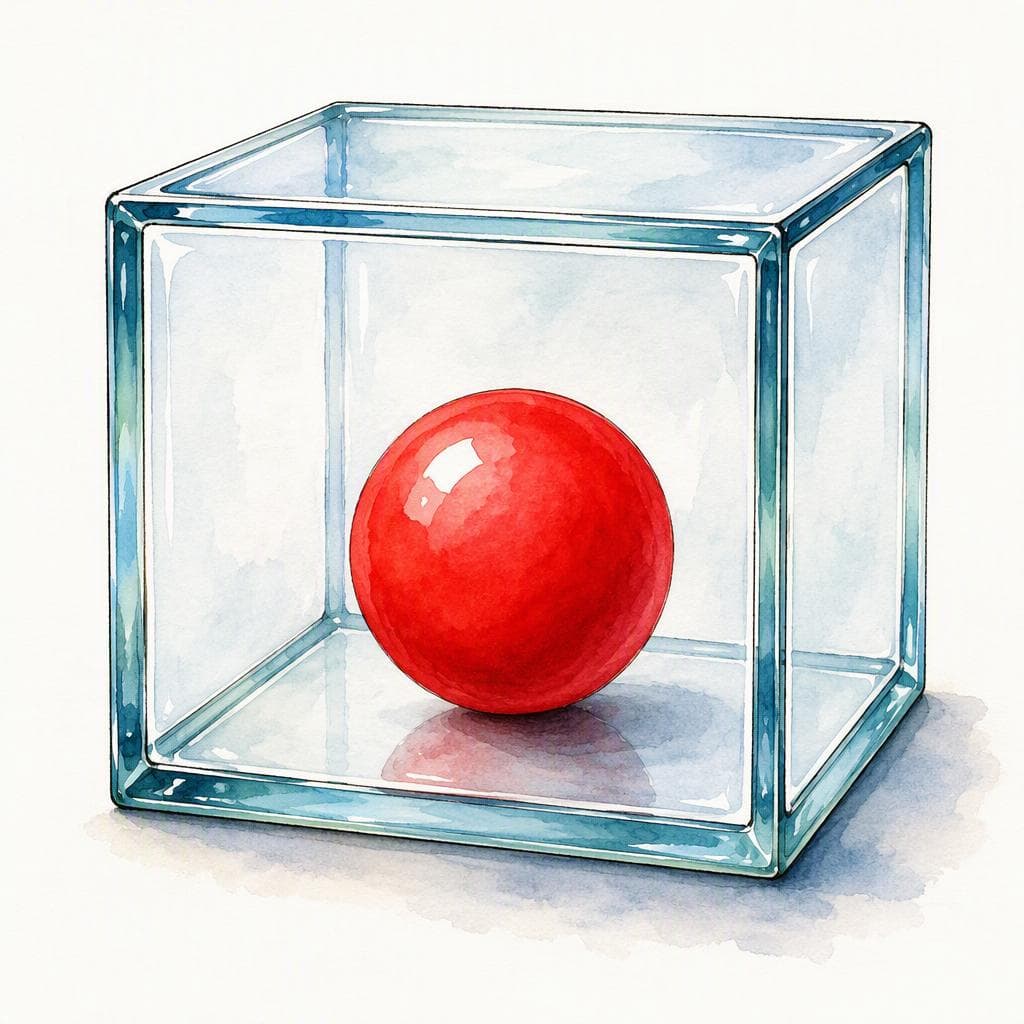
inte · inuti · inom

en · som försökte · cirka

nominalisering i konstruktionen ”verka …” · sak · att …

Jag ska gå · Låt oss gå · gick

vara tillåtet · gammal · det räcker

person · företagsanställd

veta · Förstått · veta (adverbiell form)
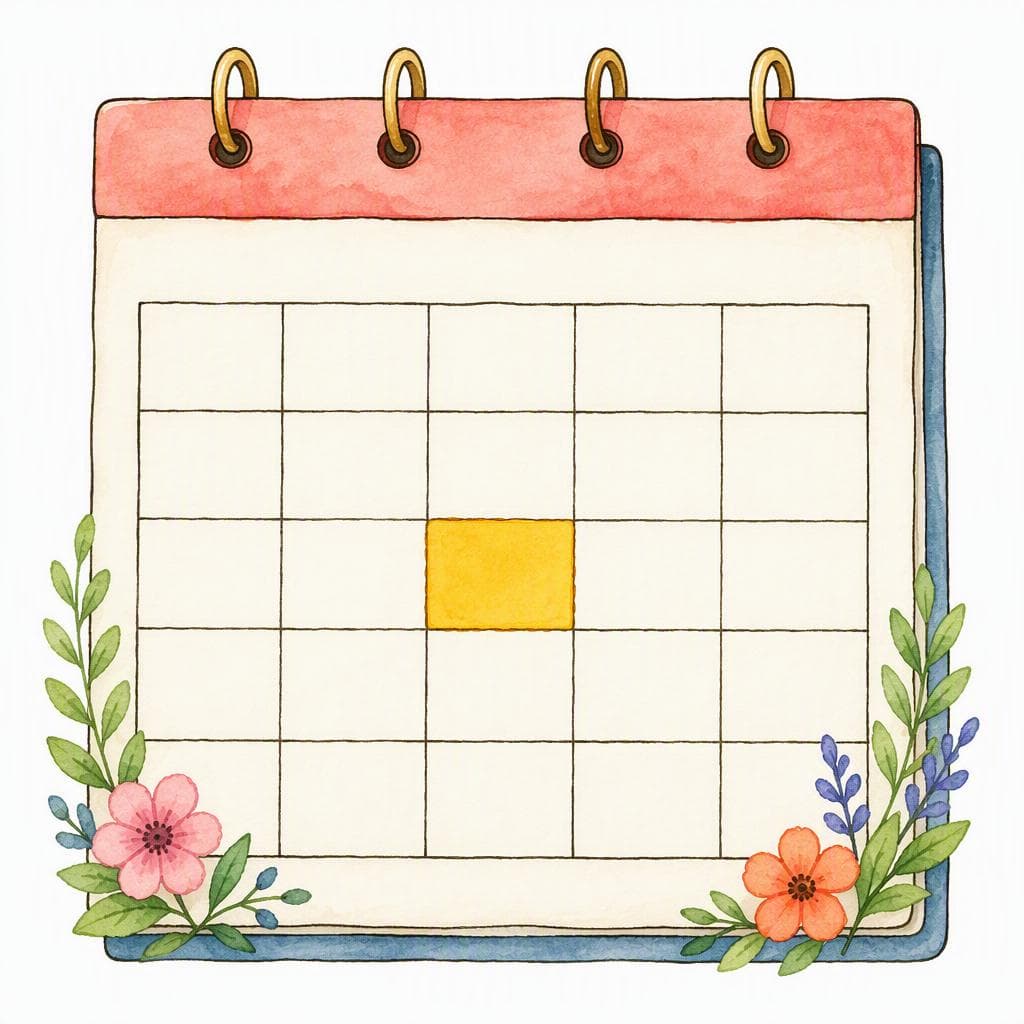
idag
ja · du · din

ord · uttalande · tala
igen · ”Dasi” · ordet ”Dasi”

liten · liten och · var liten
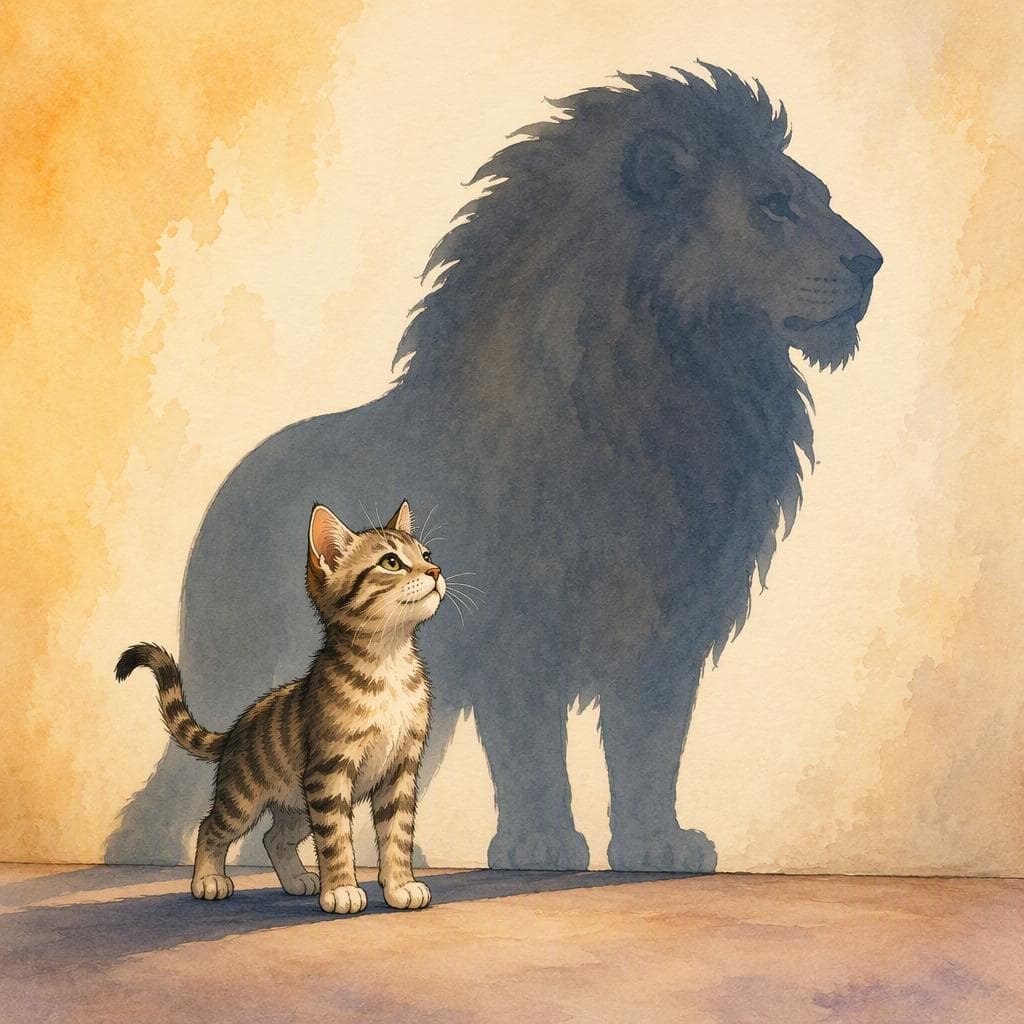
verka · samma
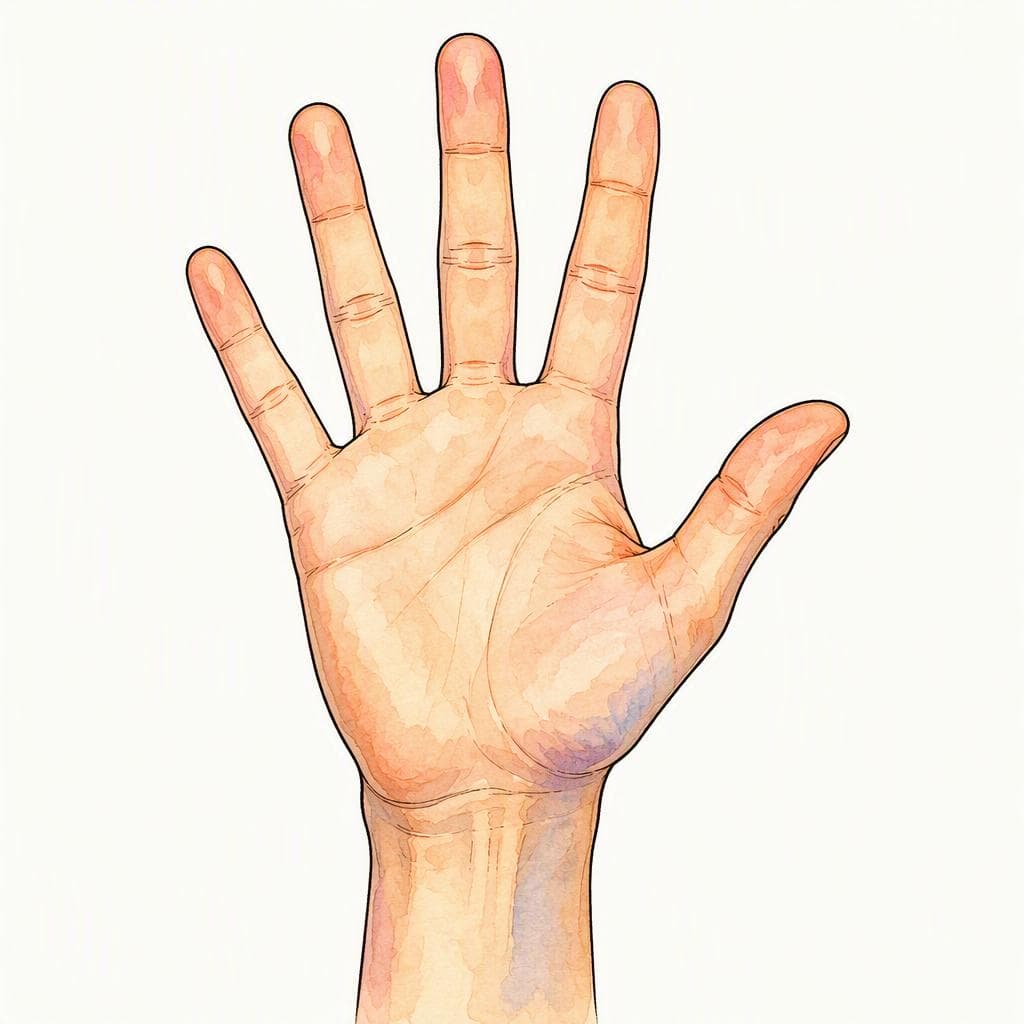
hand · i någons ägo · händer (som källa till skada)

medan man skrattar · skratta · skrattade

Jag vet inte · som jag inte känner · Jag visste inte
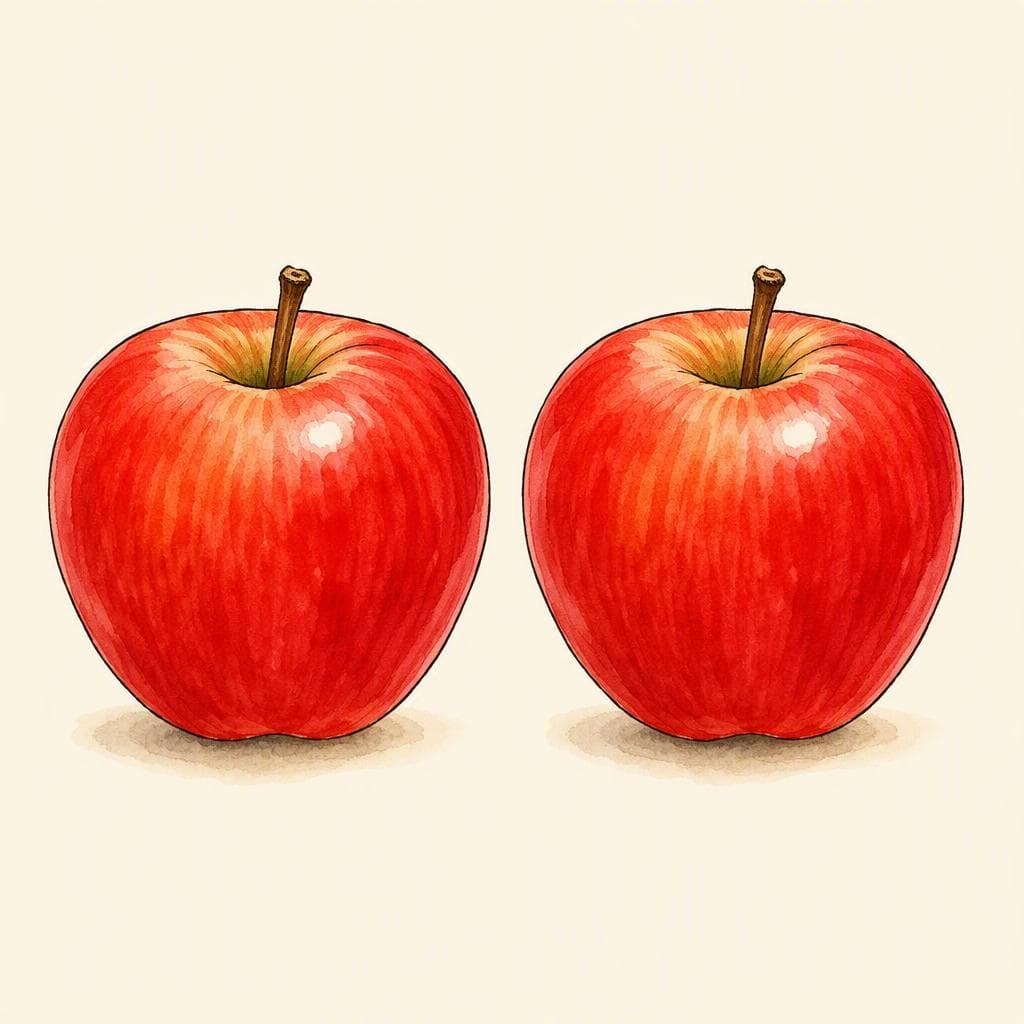
två · andra · Du (namnstavelse)
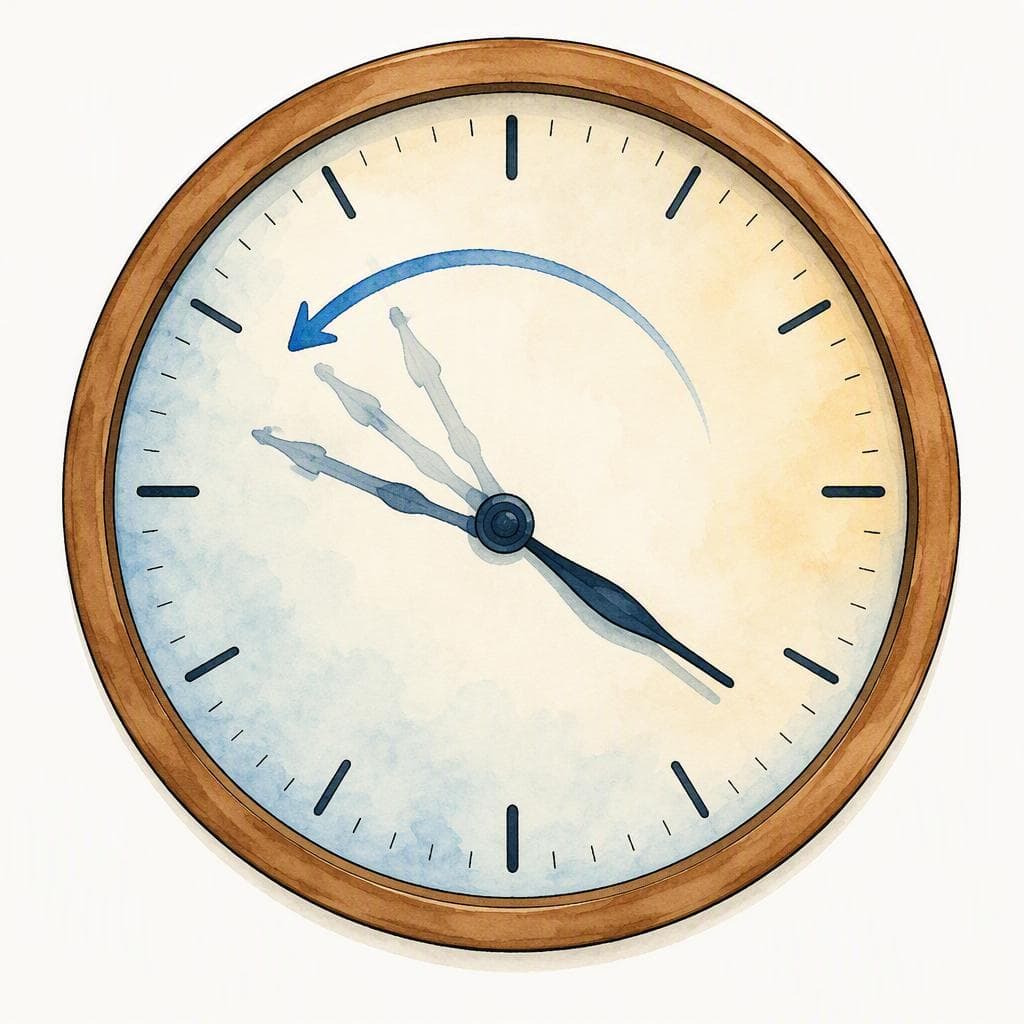
sedan · före · tidigare
Every example in this library comes from an Inklingo story. Read at your level, listen to the narration, and tap a word whenever you need its meaning.
Start with a small set of useful words. Recall their meanings in an exercise, then read their story examples. Save words you want to revisit and return to them over several short sessions.
Yes. Browse the library and use all five exercises freely. Create a free account when you want to keep a word in your Word Bank and review it later on the web or in the app.
The right translation depends on the sentence. Open any word to compare its meanings, pictures, and original examples instead of memorizing a single translation.
You can filter by the reading level of the stories where each word appears, starting at A0 or A1. That tells you about the story’s difficulty; it is not a certified level for the word itself.
Korean particles and endings attach to words, so the form you read can differ from the dictionary form. Compare the cached senses and their examples before choosing a meaning. Source-story levels describe the story, not a certified level for the word.